



Flexible and Durable Prefab House for Modern Needs
2026-Jan-07 17:51:02
By Admin
The global housing landscape is undergoing a radical transformation driven by evolving lifestyle demands, urbanization pressures, climate change challenges, and the pursuit of sustainable development. Traditional on-site construction, with its lengthy timelines, high resource consumption, and limited adaptability, is increasingly struggling to keep pace with modern society’s needs for rapid deployment, space efficiency, and long-term resilience. In this context, prefabricated (prefab) houses have emerged as a transformative solution, redefining residential and commercial construction through their inherent flexibility and exceptional durability. Today’s prefab houses are far from the temporary, one-size-fits-all structures of the past; they are precision-engineered, customizable spaces that seamlessly adapt to diverse functional requirements—from urban micro-apartments and rural family homes to emergency shelters and modular offices—while withstanding extreme environmental conditions and delivering decades of reliable service. This article explores how flexible and durable prefab houses are meeting modern needs, delving into their design innovations, material advancements, real-world applications, and the broader economic and environmental benefits they offer.
The resurgence of prefab construction is rooted in its ability to address the core pain points of traditional building methods. According to the World Green Building Council, the global construction industry accounts for 39% of total carbon emissions, with 11% coming from on-site construction activities such as concrete mixing and material waste. Prefab houses, by contrast, are manufactured in controlled factory environments, reducing waste by up to 80% and cutting carbon emissions by 65% compared to conventional builds. Beyond sustainability, modern lifestyles—characterized by mobility, remote work, and changing family structures—demand housing that can evolve with its occupants. Prefab houses, with their modular design and scalable components, offer the adaptability that static traditional homes cannot match. Simultaneously, advances in materials science and structural engineering have elevated prefab durability to levels that rival or exceed traditional construction, with design lifespans of 50 to 100 years and resistance to earthquakes, typhoons, and extreme temperatures. As a result, prefab houses are no longer a niche alternative but a mainstream choice for homeowners, developers, and governments seeking efficient, resilient, and future-proof building solutions.
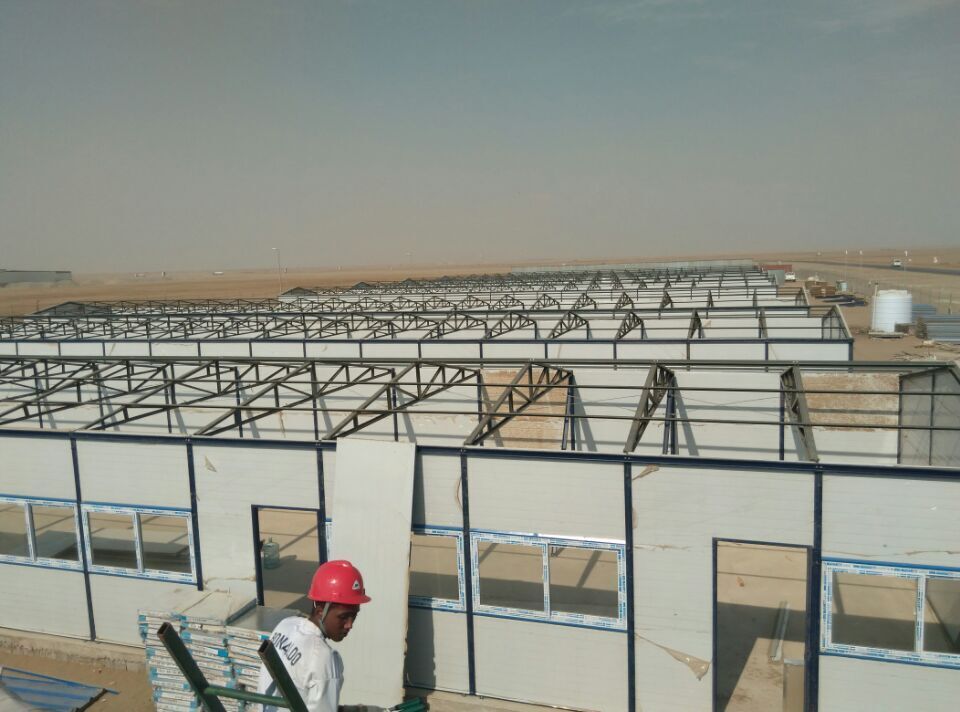
Flexibility in Prefab Housing: Adapting to Modern Lifestyles and Functions
Flexibility is the defining attribute of modern prefab houses, encompassing design customization, spatial adaptability, functional versatility, and ease of transportation and installation. This multifaceted flexibility addresses the diverse and dynamic needs of modern users, from young professionals seeking compact urban dwellings to families requiring expandable homes, and organizations needing rapid-deployment facilities for disaster relief or temporary projects. Unlike traditional construction, which locks users into fixed layouts and functions, prefab houses are built on modular systems that allow for easy modification, expansion, or repurposing—aligning with the “circular economy” principles that guide modern sustainable development.
Design Customization and Spatial Adaptability
Modern prefab houses leverage digital design tools such as Building Information Modeling (BIM) and parametric modeling to offer unparalleled customization options. These technologies enable users to tailor every aspect of their home—from floor plans and room dimensions to exterior finishes and interior fixtures—without the cost overruns and delays associated with traditional custom construction. For example, families can start with a compact two-bedroom module and add additional bedrooms, a home office, or a sunroom as their needs grow, all while maintaining structural integrity and aesthetic coherence. This scalability is particularly valuable in regions with rapidly changing demographic trends, such as urban areas experiencing population growth or rural areas undergoing revitalization.
Spatial adaptability extends beyond physical expansion to include flexible interior configurations. Many prefab systems feature movable walls, modular furniture, and multi-functional spaces that can be reconfigured to suit different activities. A living room can transform into a guest bedroom with a fold-down bed, while a home office can double as a storage room when not in use. This flexibility maximizes space efficiency—a critical requirement in dense urban environments where square footage is at a premium. In Shanghai’s Minhang District, a demonstration prefab project designed for rural revitalization features modular units that can be combined into single-family homes, duplexes, or even small民宿 (homestays) by adjusting the arrangement of 9 core functional modules. Each module is prefabricated with integrated plumbing, electrical, and HVAC systems, allowing for quick reconfiguration without extensive on-site work.
Functional Versatility Across Diverse Scenarios
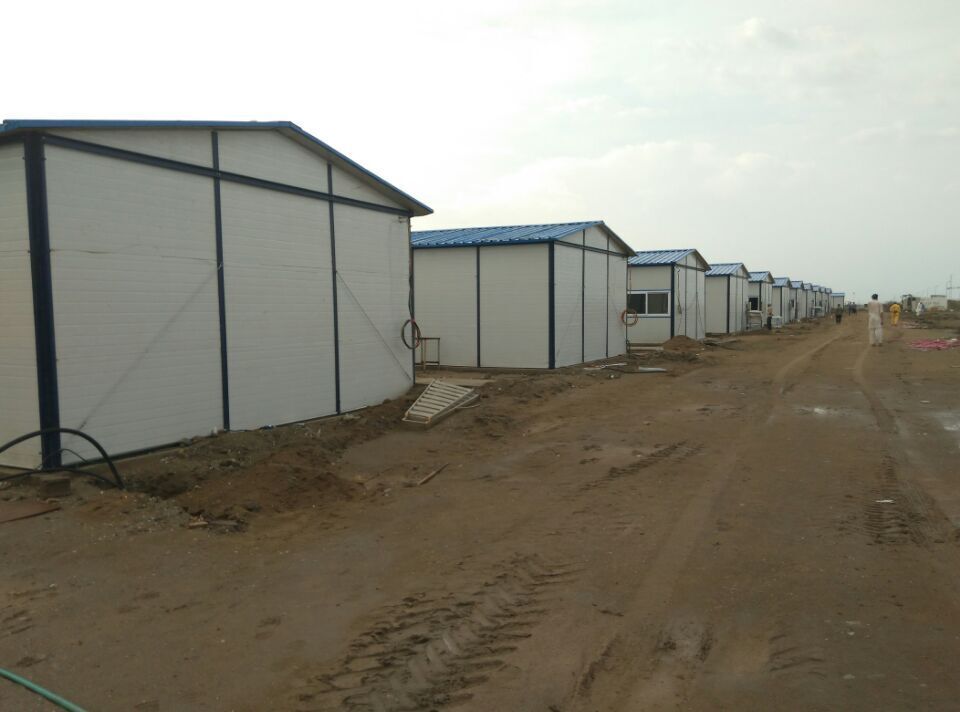
The modular nature of prefab houses enables them to adapt to a wide range of functions beyond residential use, making them ideal for modern multi-purpose needs. In urban settings, prefab modules are increasingly used to create pop-up shops, co-working spaces, and community centers—facilities that need to be deployed quickly and modified as neighborhood needs change. In disaster-stricken areas, prefab houses serve as emergency shelters, medical clinics, and temporary schools, providing safe and functional spaces within days of a crisis. Unlike traditional emergency structures, which are often flimsy and single-use, modern prefab shelters are durable enough to serve as long-term housing while remaining easy to disassemble and relocate once the crisis passes.
Rural areas, in particular, benefit from the functional versatility of prefab houses. As part of global rural revitalization efforts, prefab technology is being used to build not just homes but also agricultural storage facilities, modular greenhouses, and rural service centers. In Hunan Province’s Xiangxiang City, a rural prefab project combines residential modules with solar photovoltaic integration and storage spaces for farm equipment, creating a “one-stop” solution that supports both living and agricultural activities. The modules can be reconfigured to accommodate seasonal changes—for example, converting a spare bedroom into a drying room during harvest season. This versatility helps rural communities adapt to evolving economic activities, from traditional farming to eco-tourism and remote work.
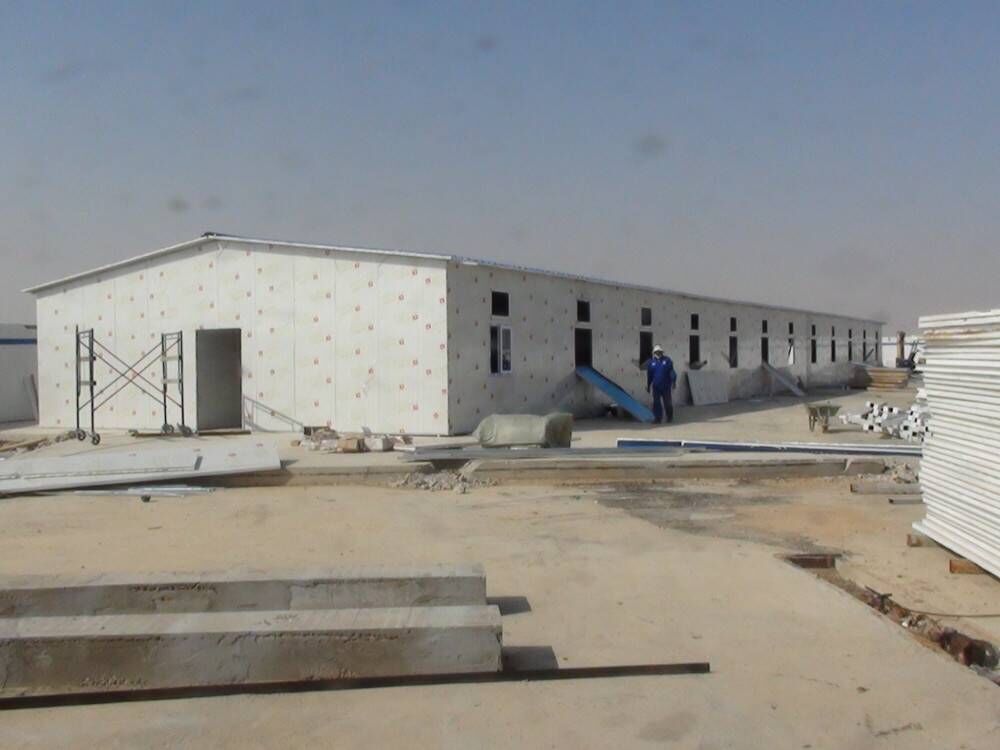
Transportation and Installation Flexibility
Another key aspect of prefab flexibility is its ease of transportation and installation, which makes it suitable for remote or hard-to-reach locations. Most prefab modules are designed to be flat-packed or shipped as volumetric units, reducing transportation costs and carbon emissions compared to transporting raw materials for on-site construction. Flat-packed modules can be loaded into standard shipping containers, making them accessible even in regions with limited infrastructure, while volumetric units can be lifted into place with minimal on-site equipment.
Installation flexibility is equally impressive. Modern prefab houses can be assembled in a fraction of the time required for traditional construction—often in 30 days or less from design to completion. In the Minhang District project, a 200-square-meter prefab house with a traditional Jiangnan-style courtyard was fully assembled on-site in just one day, thanks to precision-engineered modules and advanced positioning technology. The installation process requires only a small team of workers and basic tools, eliminating the need for specialized skilled labor and reducing on-site disruptions. This speed and simplicity are critical for time-sensitive projects, such as emergency housing or temporary facilities for large events, and also benefit homeowners by reducing the time spent waiting for their home to be built.
Durability in Prefab Housing: Engineering Resilience for Long-Term Use
Durability is the foundation of modern prefab houses’ appeal, addressing the historical misconception that prefab structures are temporary or low-quality. Today’s prefab houses are engineered to withstand extreme weather conditions, resist wear and tear, and maintain structural integrity for decades—often exceeding the lifespan of traditional砖混 houses. This durability is achieved through rigorous material selection, precision manufacturing, and advanced structural design, ensuring that prefab houses can meet the long-term needs of users while minimizing maintenance costs.
High-Quality Materials and Precision Manufacturing
The durability of prefab houses begins with the materials used in their construction. Modern prefab systems rely on high-performance materials such as galvanized steel, reinforced concrete, composite sandwich panels, and corrosion-resistant alloys—materials that offer superior strength, weather resistance, and longevity compared to traditional building materials. For example, steel-framed prefab houses use galvanized steel with a zinc coating that prevents rust and corrosion, extending the frame’s lifespan to 50 years or more even in humid or coastal environments. Composite sandwich panels, consisting of outer skins of steel or aluminum and an insulating core of rock wool, EPS, or polyurethane, provide both structural strength and thermal insulation, while resisting fire, water, and pest damage.
Precision factory manufacturing further enhances durability by eliminating the inconsistencies and errors common in on-site construction. Prefab components are produced in controlled environments using automated equipment such as robotic welding systems, laser-guided cutting machines, and computerized quality control tools. In a Shanghai prefab factory, robotic welding ensures structural connections with a tolerance of just 0.2 millimeters, while laser cutting guarantees precise component dimensions. This level of precision ensures that all modules fit together seamlessly during installation, reducing the risk of structural weaknesses. Additionally, 90% of hidden engineering work—such as plumbing, electrical wiring, and insulation—is completed in the factory, where conditions are controlled and quality is closely monitored, minimizing the risk of leaks, electrical faults, or insulation gaps that can compromise durability.

Structural Resilience Against Extreme Conditions
Modern prefab houses are engineered to withstand a wide range of extreme environmental conditions, from earthquakes and typhoons to extreme temperatures and heavy snowfall. This structural resilience is critical for meeting the needs of users in diverse climates and high-risk regions. For example, prefab houses in earthquake-prone areas use reinforced concrete frames or steel frames with seismic isolation technology, enabling them to resist earthquakes of up to magnitude 8. In Hunan’s Xiangxiang City, prefab rural houses feature reinforced concrete walls that meet national seismic safety standards, providing homeowners with peace of mind in a region prone to tectonic activity.
In coastal or typhoon-prone regions, prefab houses are designed with wind-resistant structures, including reinforced roofs, impact-resistant windows, and secure foundation connections. Composite sandwich panels with rock wool cores offer additional fire resistance, achieving Grade A fire ratings and preventing the spread of flames in the event of a fire. For cold climates, prefab houses integrate high-efficiency insulation materials and airtight construction, maintaining comfortable indoor temperatures even in sub-zero conditions. In hot and humid regions, breathable materials and natural ventilation systems prevent mold growth and structural degradation, ensuring long-term durability.
Long Lifespan and Low Maintenance Requirements
The combination of high-quality materials and precision manufacturing gives modern prefab houses an impressive lifespan. Ordinary prefab residential buildings have a design lifespan of 50 years, while high-specification prefab structures for important projects can last 70 to 100 years—comparable to or exceeding traditional brick-and-mortar buildings. With proper maintenance, many prefab houses can even exceed their design lifespans, making them a long-term investment for homeowners and developers.
Furthermore, prefab houses require minimal maintenance compared to traditional buildings. The factory-applied finishes, such as corrosion-resistant coatings and weatherproof cladding, reduce the need for frequent repainting or repairs. Composite sandwich panels are resistant to rot, mold, and pest infestations, eliminating the need for chemical treatments or structural repairs. Even when maintenance is required, the modular design of prefab houses makes it easy to replace individual components—such as a damaged panel or window—without disrupting the entire structure. This low maintenance requirement not only saves users time and money but also reduces the environmental impact of building upkeep.
Meeting Modern Needs: Prefab Houses in Contemporary Contexts
Flexible and durable prefab houses are uniquely positioned to meet the complex needs of modern society, addressing challenges such as affordable housing shortages, climate change, urbanization, and rural revitalization. Their adaptability and resilience make them suitable for a wide range of contemporary applications, from urban micro-housing to rural eco-communities, and from emergency shelters to smart homes. Below are key scenarios where prefab houses are making a significant impact.
Affordable and Sustainable Urban Housing
Rapid urbanization has created a global shortage of affordable housing, with millions of people struggling to access safe, decent homes in cities. Prefab houses offer a cost-effective solution, reducing construction costs by 20% to 40% compared to traditional methods. This cost savings stems from reduced material waste, shorter construction timelines, and lower labor costs—advantages that make prefab housing accessible to low- and middle-income families. In addition, the energy efficiency of prefab houses—achieved through high-quality insulation and airtight construction—reduces long-term utility costs, further enhancing affordability.
Sustainability is another critical requirement for modern urban housing, and prefab houses deliver on this front. Factory manufacturing reduces construction waste by up to 80%, while the use of recycled and renewable materials minimizes environmental impact. Many prefab projects also integrate green technologies such as solar panels, rainwater harvesting systems, and energy-efficient appliances, aligning with global efforts to reduce carbon emissions. In European cities like Berlin and Amsterdam, prefab micro-apartments—ranging from 25 to 40 square meters—are becoming increasingly popular, offering young professionals affordable, sustainable housing in central locations. These apartments feature flexible layouts and multi-functional furniture, maximizing space efficiency while minimizing environmental footprint.
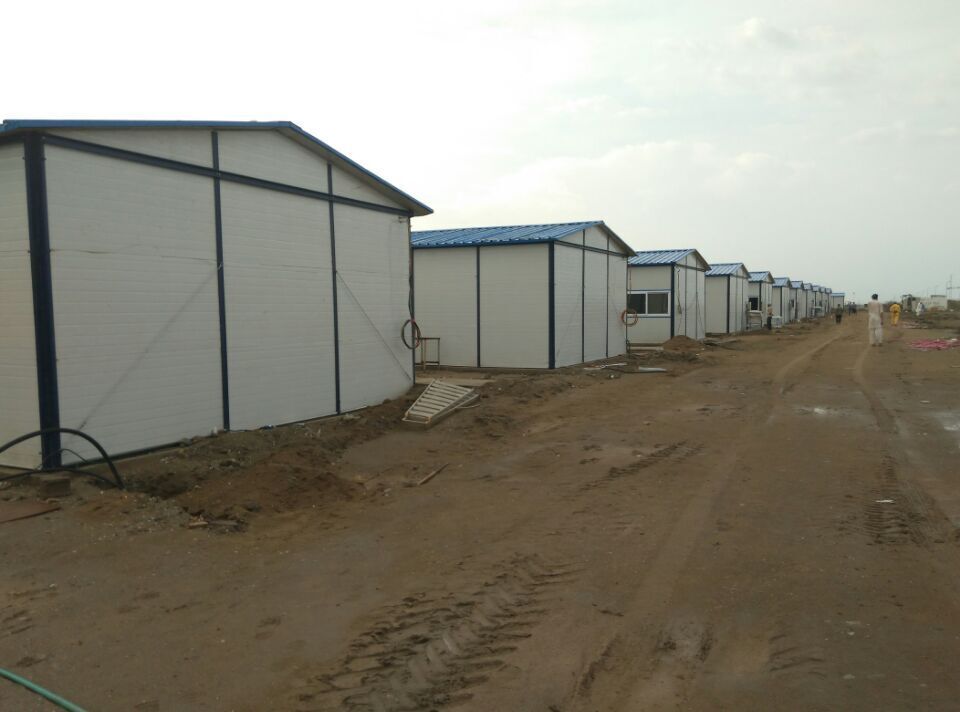
Rural Revitalization and Eco-Tourism
In rural areas, prefab houses are playing a key role in revitalization efforts, addressing population decline, outdated housing stock, and limited economic opportunities. Modern prefab houses can be designed to reflect local architectural traditions, preserving cultural heritage while offering modern comforts. For example, the Jiangnan-style prefab houses in Shanghai’s Minhang District feature aluminum-magnesium-manganese alloy tiles that replicate traditional green tiles, combined with modern insulation materials and smart home systems. This blend of tradition and innovation attracts young people back to rural areas and supports the development of eco-tourism.
Prefab houses are also ideal for rural eco-tourism projects, where flexibility and durability are essential. Modular prefab units can be quickly deployed to create boutique hotels, glamping sites, or visitor centers, adapting to seasonal changes in tourism demand. In Hubei Province’s Yuan’an County, prefab houses with concrete frame structures are used as eco-lodge accommodations, offering tourists a comfortable stay while minimizing impact on the natural environment. The houses are designed to be energy self-sufficient, with solar panels generating up to 5,000 kWh of electricity per year and energy storage systems ensuring power supply during outages. This sustainable approach to tourism helps rural communities generate income while protecting natural resources.
Emergency Response and Humanitarian Aid
The speed, flexibility, and durability of prefab houses make them an invaluable tool for emergency response and humanitarian aid. In the aftermath of natural disasters such as earthquakes, typhoons, and floods, prefab shelters can be deployed within 72 hours, providing displaced people with safe, weather-resistant housing. Unlike temporary tents, which offer limited protection and durability, prefab emergency shelters are designed to withstand harsh conditions and can serve as long-term housing until permanent homes are rebuilt. In addition, modular prefab units can be configured as medical clinics, schools, or community centers, restoring essential services quickly.
One notable example is the use of prefab houses in post-typhoon relief efforts in Southeast Asia. After a devastating typhoon destroyed thousands of homes, prefab modules with rock wool sandwich panels were deployed to construct emergency medical facilities and temporary housing. The panels’ fire resistance and thermal insulation ensured safe, comfortable conditions for patients and residents, while the modular design allowed for easy expansion as more displaced people arrived. Once the disaster recovery phase was complete, the modules were disassembled and relocated to another region, ready for future emergency use—demonstrating the circular and cost-effective nature of prefab technology.
Smart and Connected Living
Modern needs also include integration with digital technologies, and prefab houses are well-suited for smart home systems. The factory manufacturing process allows for seamless integration of sensors, smart controls, and connectivity infrastructure during production, eliminating the need for retrofitting. Many prefab houses feature smart home systems that enable users to control lighting, heating, ventilation, and security remotely via smartphone apps. In the Minhang District prefab project, each house is equipped with more than 10 sensors that monitor air quality, gas levels, and energy consumption in real time. In the event of a gas leak, the system automatically shuts off the valve within 0.3 seconds, enhancing safety and peace of mind.
Beyond individual smart homes, prefab communities are leveraging digital technology to create connected neighborhoods. For example, rural prefab communities in China are being designed as microgrid nodes, with rooftop solar panels connected to virtual power plants. This allows homeowners to sell excess electricity back to the grid, generating additional income while contributing to a more sustainable energy system. Smart community platforms also enable centralized management of shared facilities, such as community gardens and co-working spaces, enhancing quality of life for residents.
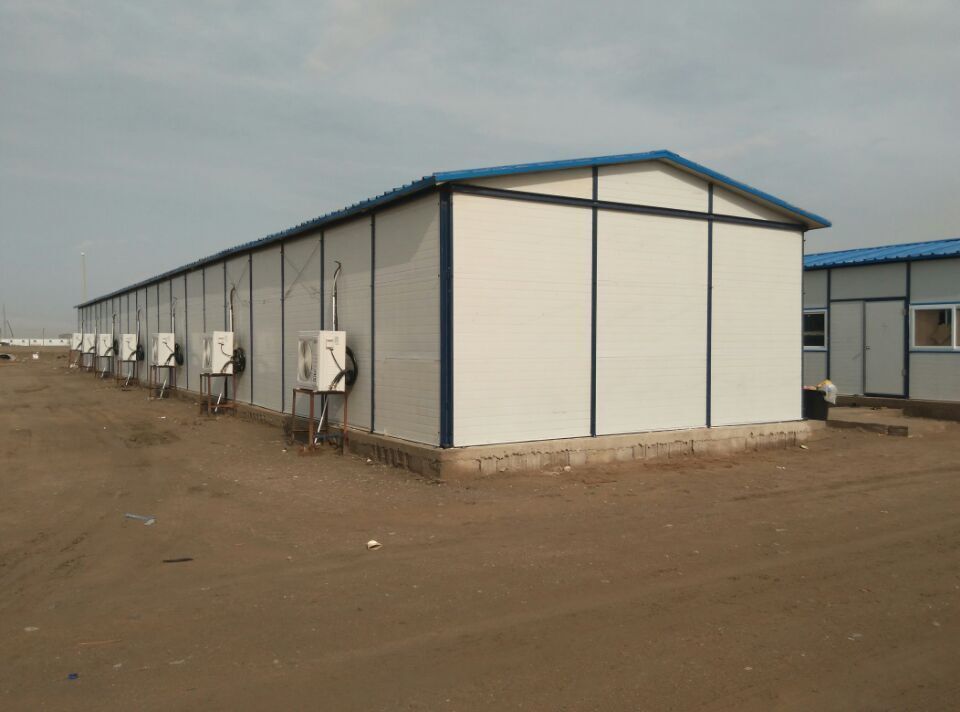
Economic and Environmental Benefits of Flexible, Durable Prefab Houses
The adoption of flexible and durable prefab houses offers significant economic and environmental benefits, aligning with modern priorities of cost efficiency and sustainability. These benefits extend throughout the entire lifecycle of the building, from construction to operation and eventual deconstruction.
Economic Advantages for Users and Developers
For developers, prefab construction reduces project timelines by 50% to 70%, enabling faster completion and return on investment. The predictable factory manufacturing process minimizes delays caused by weather, labor shortages, or supply chain disruptions—common issues in traditional construction. In addition, the modular design allows for standardized production, reducing material costs and improving inventory management. For example, a 147-square-meter prefab house in Hunan’s Xiangxiang City cost just 280,000 yuan (approximately $38,000), which is several thousand yuan less than a traditional brick-and-mortar house of the same size, while offering superior performance and durability.
For homeowners, the economic benefits include lower upfront costs, reduced utility bills, and minimal maintenance expenses. The energy efficiency of prefab houses reduces heating and cooling costs by 30% to 40% compared to traditional homes. Over the lifespan of the house, these savings can be substantial, offsetting the initial investment. Additionally, the flexibility of prefab houses allows homeowners to avoid the cost of moving when their needs change—instead, they can expand or modify their existing home. The durability of prefab houses also enhances property values, as buyers recognize the long-term reliability and low maintenance requirements of these structures.
Environmental Sustainability and Carbon Reduction
Prefab houses are a key component of sustainable construction, offering multiple environmental benefits. The factory-based production process generates 65% fewer carbon emissions than traditional on-site construction, thanks to optimized material usage, reduced transportation needs, and energy-efficient manufacturing. The reduction in construction waste—from 20% in traditional construction to less than 5% in prefab construction—also minimizes the environmental impact of building activities. Many prefab materials are recyclable or made from renewable resources, further reducing the carbon footprint.
The energy efficiency of prefab houses during operation is another significant environmental benefit. High-quality insulation, airtight construction, and integration with renewable energy systems reduce reliance on fossil fuels, lowering carbon emissions and mitigating climate change. For example, prefab houses with solar panels can generate enough electricity to meet most of their energy needs, with excess energy fed back into the grid. The use of rainwater harvesting systems and low-flow fixtures also reduces water consumption, making prefab houses more sustainable in water-scarce regions.

Challenges and Future Trends in Flexible, Durable Prefab Housing
Despite their many advantages, flexible and durable prefab houses face several challenges that must be addressed to realize their full potential. These challenges include market misconceptions, regulatory barriers, and technological limitations. However, ongoing innovations and evolving industry trends are poised to overcome these obstacles, driving further adoption of prefab technology.
Current Challenges
One of the biggest challenges is lingering market misconceptions about prefab houses. Many consumers still associate prefab structures with temporary, low-quality housing, despite significant advancements in materials and design. This perception hinders adoption, particularly in residential markets where homeowners prioritize long-term value and aesthetic appeal. To address this, manufacturers and developers must showcase the durability, customization options, and aesthetic versatility of modern prefab houses through demonstration projects and education campaigns.
Regulatory barriers also present a challenge. Building codes and standards vary widely across regions, and many traditional codes were designed for on-site construction, making it difficult for prefab houses to comply. In some areas, prefab houses face higher inspection costs or delays due to a lack of regulatory clarity. Harmonizing building codes to accommodate modular and prefab construction is essential for accelerating adoption. Additionally, government incentives for sustainable construction—such as tax breaks or subsidies—are often limited for prefab projects, despite their environmental benefits.
Technological limitations, while diminishing, still exist. For example, some prefab systems lack the design flexibility to match the architectural diversity of traditional construction, particularly for high-end or custom projects. Integration of smart home technology also requires ongoing innovation to ensure compatibility and user-friendliness. Finally, the high initial investment in prefab manufacturing facilities can be a barrier for small and medium-sized builders, limiting market competition.
Future Trends
The future of flexible and durable prefab housing is marked by continuous innovation, with several key trends emerging. First, material innovation will drive further improvements in durability and sustainability. Researchers are developing new composite materials that are lighter, stronger, and more eco-friendly—such as bio-based polyurethane foams and recycled steel alloys. These materials will enhance the performance of prefab houses while reducing their environmental impact.
Second,智能化 (intelligentization) will become increasingly integrated into prefab design and manufacturing. AI-powered design tools will enable even more precise customization, while IoT (Internet of Things) sensors will monitor structural health, energy usage, and maintenance needs in real time. This “smart prefab” approach will improve durability by identifying potential issues before they become serious, while enhancing user experience through personalized comfort and convenience.
Third, modular systems will become more interconnected and scalable, enabling the creation of large-scale prefab communities and even high-rise buildings. Advances in structural engineering will allow prefab modules to be stacked higher and combined in more complex configurations, expanding the application of prefab technology beyond low-rise housing. This scalability will be critical for addressing urban housing shortages and creating sustainable, connected communities.
Finally, circular economy principles will become central to prefab design. Future prefab houses will be designed for disassembly, with components that can be easily recycled or repurposed at the end of their lifespan. This “cradle-to-cradle” approach will minimize waste and maximize resource efficiency, aligning with global sustainability goals.
Conclusion
Flexible and durable prefab houses represent a transformative solution for modern housing needs, offering adaptability, resilience, sustainability, and cost efficiency that traditional construction cannot match. By leveraging modular design, high-performance materials, and precision manufacturing, prefab houses have evolved from temporary structures to permanent, customizable spaces that meet the diverse needs of modern users—from urban professionals and rural families to disaster victims and eco-tourism operators. Their ability to adapt to changing lifestyles, withstand extreme conditions, and reduce environmental impact makes them a key component of the global shift toward sustainable, future-proof construction.
The real-world applications of prefab houses—from affordable urban micro-apartments and rural eco-lodges to emergency shelters and smart communities—demonstrate their versatility and practicality. Economic benefits such as lower costs and faster deployment, combined with environmental advantages including reduced waste and carbon emissions, further solidify prefab housing’s position as a mainstream building solution. While challenges such as market misconceptions and regulatory barriers remain, ongoing innovations in materials, technology, and design are poised to overcome these obstacles, driving wider adoption in the years to come.
As society continues to grapple with urbanization, climate change, and evolving lifestyle demands, flexible and durable prefab houses will play an increasingly important role in creating safe, sustainable, and livable spaces. By prioritizing adaptability and resilience, prefab technology not only meets the needs of today but also paves the way for a more sustainable and inclusive future. For homeowners, developers, and governments alike, prefab housing offers a proven, forward-thinking approach to building that balances functionality, durability, and environmental stewardship.
Related news
-
Sustainable Prefab House Designs from Lida Group
2026-01-06 16:18:41
-
Lida Group Simplifies Construction with Sandwich Panel Technology
2026-01-07 16:10:08
-
The Future of Rapid Building: Modern Mobile Construction
2026-01-06 17:54:33
contact us
- Tel: +86-532-88966982
- Whatsapp: +86-13793209022
- E-mail: sales@lidajituan.com
