



Experience Ultimate Flexibility with Free Design Container Apartments
2025-Dec-15 17:07:03
By Admin
In an age where urban dwellers crave personalization, affordability, and adaptability, the concept of “home” is undergoing a radical transformation. Traditional construction, with its rigid blueprints, lengthy timelines, and limited customization, can no longer keep pace with the dynamic needs of today’s society—from young professionals seeking compact urban sanctuaries to families desiring expandable living spaces, and even digital nomads requiring relocatable homes. Enter free design container apartments: a revolutionary modular housing solution that merges the durability and sustainability of container construction with unparalleled design flexibility. Spearheaded by industry leaders like Lida Group, these customizable dwellings empower users to tailor every aspect of their living environment—from layout and size to materials and aesthetics—without compromising on structural integrity or efficiency. This article delves into the market drivers, technical breakthroughs, product innovations, real-world applications, and transformative impact of free design container apartments, illustrating how they are redefining modern living across the globe.
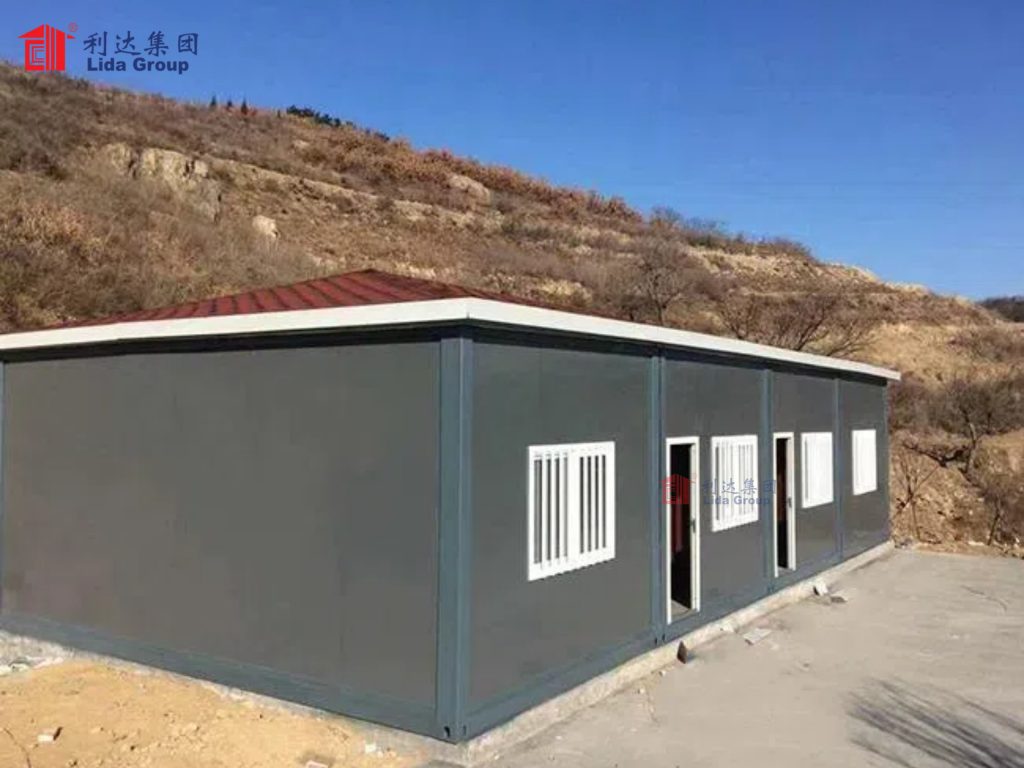
1. The Rise of Customization: Market Trends and Consumer Demand
To understand the significance of free design container apartments, it is critical to contextualize them within the evolving landscape of the global modular housing market. According to the 2025 Packaged Container House Application White Paper, the integrated housing industry is projected to reach 32 billion RMB (approximately $4.4 billion) in China alone, with a compound annual growth rate (CAGR) of 12.5% from 2020 to 2025 . Within this sector, customizable container apartments have emerged as a dominant growth driver, capturing 35% of the market share in 2025—up from just 22% in 2020 . This surge in demand is fueled by three interconnected trends reshaping the residential landscape worldwide.
First, the shift from “standardization” to “personalization” in housing preferences. A 2025 survey on temporary facility demand revealed that 85% of consumers and businesses prioritize functional customization—such as flexible room divisions, specialized workspaces, and brand-aligned exteriors—while 70% seek aesthetic personalization to reflect individual style or corporate identity . Traditional prefabricated homes, with their one-size-fits-all designs and customization rates below 30%, fail to meet these expectations . Free design container apartments address this gap by offering customization levels of up to 85%, allowing users to modify layouts, materials, and finishes to suit their unique needs .
Second, the growing need for adaptable living spaces amid changing lifestyles. The rise of remote work has increased demand for homes that integrate office zones, while urbanization and rising property prices have made compact, multi-functional dwellings essential. Container apartments, with their modular design, enable seamless reconfiguration—whether expanding a studio into a two-bedroom home for a growing family or converting a living area into a workspace. This adaptability is particularly valued by millennials and Gen Z, who prioritize flexibility over long-term homeownership.
Third, the convergence of sustainability and customization. Modern consumers increasingly seek eco-friendly housing solutions that do not sacrifice personalization. Free design container apartments meet this dual demand by leveraging recycled materials (such as repurposed shipping containers) and offering sustainable customization options—from solar panel installations to rainwater collection systems . According to the International Energy Agency, modular container construction reduces carbon emissions by 30% compared to traditional building methods, making customizable container apartments an attractive choice for environmentally conscious buyers .
Against this backdrop, free design container apartments are not merely a niche product but a response to a global shift in residential expectations. By placing customization at the forefront, they are democratizing design, allowing individuals and businesses to create spaces that truly align with their lifestyles and values.
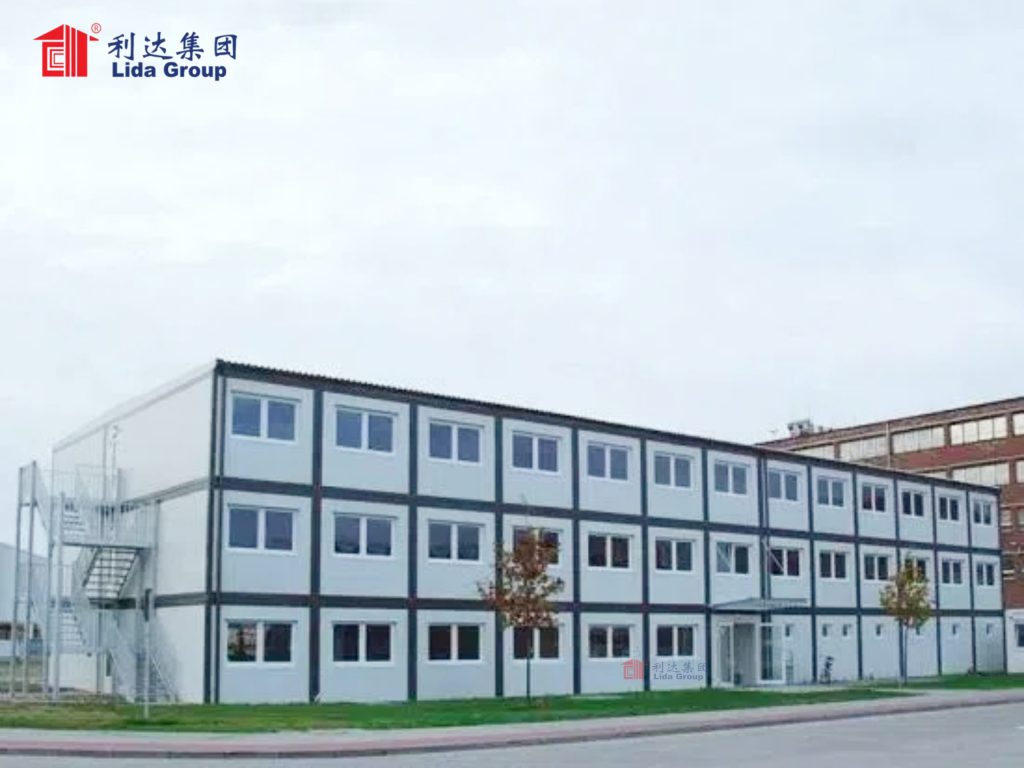
2. Technical Innovations: The Engineering of Free Design Flexibility
The ultimate flexibility of free design container apartments is made possible by a suite of technical innovations that reimagine modular construction. These advancements address the key barriers to customization—structural limitations, design complexity, and production inefficiency—while maintaining the core advantages of container housing: durability, speed, and sustainability.
2.1 Modular Structural Design: The Foundation of Customization
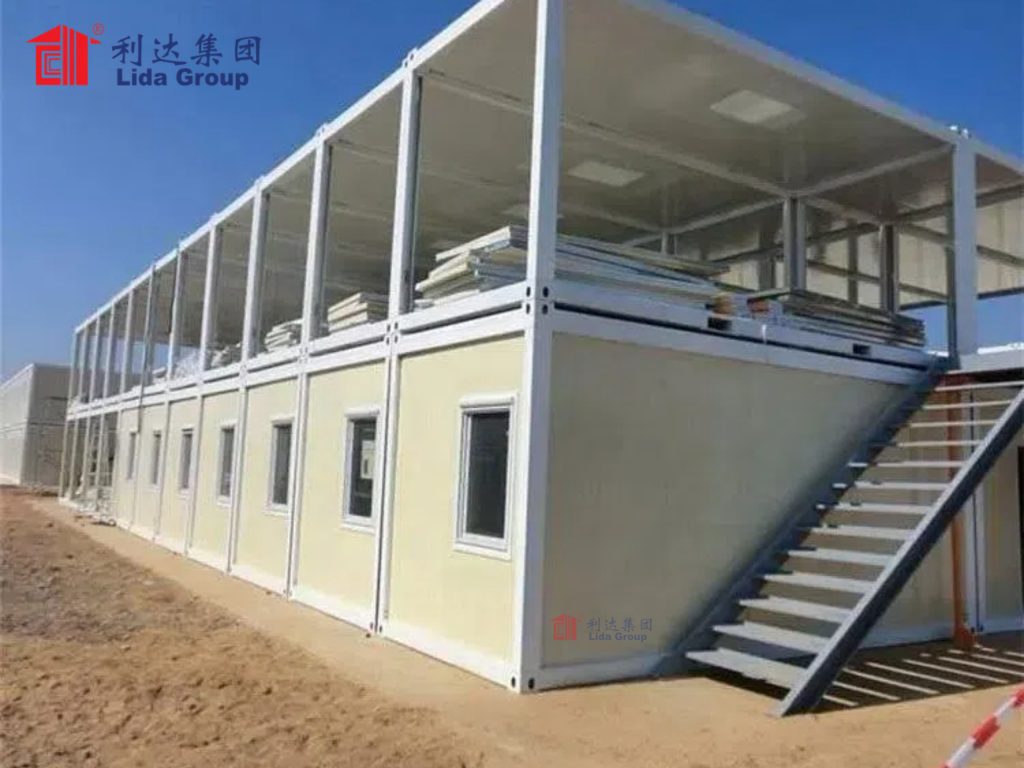
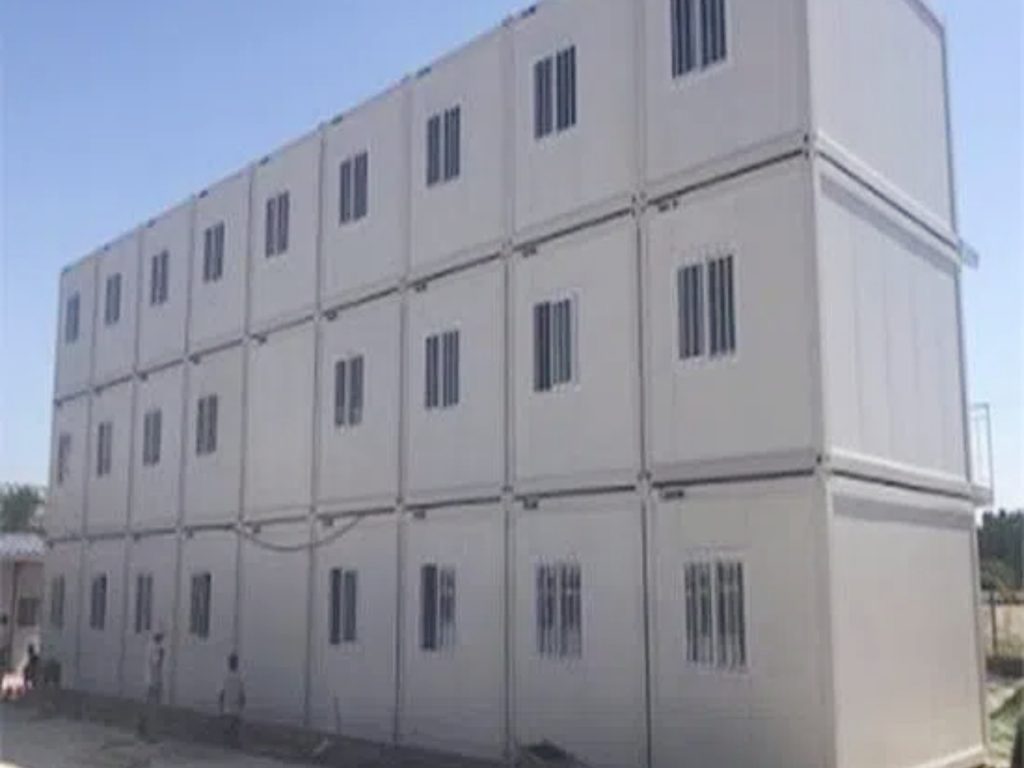
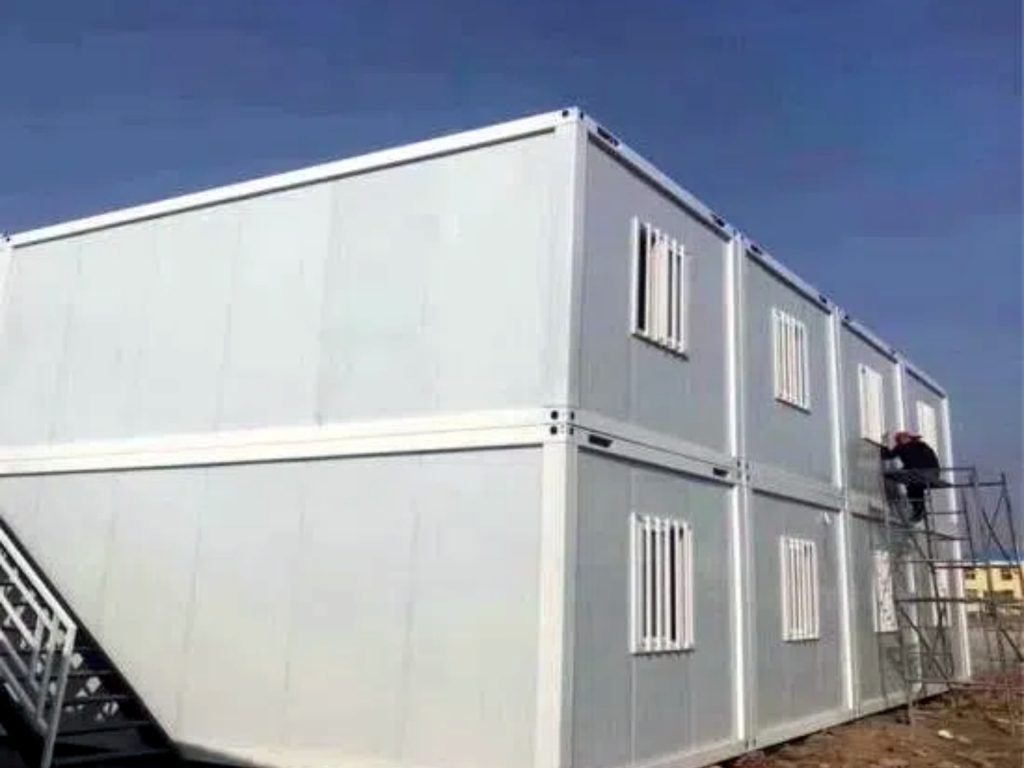
At the heart of free design container apartments lies a modular structural system that balances rigidity with adaptability. Unlike traditional container homes, which often rely on fixed steel frames that restrict modification, modern designs use high-strength, standardized components that enable flexible configuration. Lida Group, for example, employs Q355 galvanized steel frames—30% stronger than the Q235 steel used in conventional prefabricated homes—with a modular design that allows units to be stacked vertically (up to three levels) or connected horizontally (unlimited combinations) . This “building block” approach means users can customize the size and shape of their apartments, from a compact 20ft studio to a sprawling multi-container villa.
Key structural innovations include:
- Bolted Connection Systems: Replacing welding with high-strength bolts allows for easy assembly, disassembly, and reconfiguration. A two-person team can connect or modify modules in hours, eliminating the need for specialized labor .
- Standardized yet Adaptable Components: Floor plans are based on standard container dimensions (20ft, 30ft, 40ft), but internal partitions, doorways, and window openings can be customized using prefabricated, interchangeable parts. This ensures structural integrity while enabling design flexibility .
- Load-Bearing Flexibility: Advanced engineering allows for non-load-bearing internal walls, giving users the freedom to rearrange living spaces without compromising structural safety. For example, a 40ft container can be converted from an open-plan studio to a two-bedroom apartment with removable partitions .
These structural innovations ensure that free design container apartments are not just customizable but also durable. With wind resistance ratings of up to 12 levels and seismic resistance of magnitude 8, they meet global safety standards while accommodating personalized modifications .
2.2 Digital Design Tools: Empowering User-Centric Customization
The true revolution in free design container apartments lies in digital technologies that put customization in the hands of users. Advanced design tools bridge the gap between consumer vision and technical feasibility, enabling unprecedented levels of personalization.
2.2.1 BIM (Building Information Modeling) Technology
BIM has emerged as a cornerstone of free design container apartments, allowing for 3D modeling of every aspect of the dwelling—from structural components to interior finishes. Companies like Suzhou Gansu Integrated Housing use BIM to create interactive models that clients can modify in real time: adjusting room sizes, adding windows, selecting materials, and even testing energy efficiency . For example, a client designing a home office can use BIM to simulate natural light, optimize desk placement, and ensure soundproofing—all before production begins. This technology not only reduces design errors but also shortens the customization process from weeks to days .
2.2.2 AI-Powered Customization Platforms
Leading manufacturers are integrating artificial intelligence (AI) into their design tools to offer personalized recommendations based on user preferences, lifestyle, and budget. These platforms use algorithms to analyze input data—such as family size, work habits, and aesthetic tastes—and generate tailored floor plans, material combinations, and energy-efficient solutions. For instance, a digital nomad might input “relocatable, compact, home office” and receive a 20ft container design with a foldable workspace, built-in storage, and solar panels for off-grid use. AI also helps users navigate technical constraints, flagging design choices that could compromise structural safety or violate building codes .
2.2.3 Virtual and Augmented Reality (VR/AR) Visualization
VR and AR technologies allow users to “walk through” their customized container apartment before it is built. With VR headsets, clients can experience the space in 3D, test furniture arrangements, and adjust finishes in real time. AR apps, meanwhile, let users overlay their design onto a physical location—such as a backyard or urban lot—to visualize how the apartment will fit into its environment. This immersive experience reduces uncertainty and ensures that the final product aligns with the user’s vision .
2.3 Material Innovation: A Palette for Personalization
Free design container apartments offer a diverse range of materials that balance aesthetics, sustainability, and functionality—empowering users to create spaces that reflect their style while meeting performance requirements.
2.3.1 Exterior Customization
Gone are the days of utilitarian steel exteriors. Modern container apartments offer endless exterior customization options, including:
- Cladding Materials: Wood, bamboo, stone, or composite panels that mimic natural textures while enhancing insulation. For example, the Stow-Away Hotel in London features steel fin elements with dark orange interiors, creating a striking, contemporary aesthetic .
- Color and Finishes: Powder coating, paint, or vinyl wraps in custom colors—from neutral tones to bold hues—allowing users to match their home to its surroundings or make a statement.
- Architectural Features: Custom windows (including floor-to-ceiling glass, casement windows, or skylights), balconies, and green walls that add character and functionality. The Australian container home designed by Amy Plank and Richard Vaughan includes large windows and a deck that blends the interior with the natural landscape .
2.3.2 Interior Customization
Interior materials prioritize comfort, health, and personalization:
- Flooring: Options range from sustainable bamboo and FSC-certified hardwood to durable vinyl and polished concrete. The Australian container home uses Tasmanian oak flooring to create a warm contrast with the steel exterior .
- Walls and Ceilings: Eco-friendly plywood, low-VOC paint, and removable panels allow for easy updates and personalization. Some designs feature cushion walls for soundproofing and aesthetic appeal .
- Fixtures and Fittings: Customizable kitchen cabinets, bathroom fixtures, and lighting systems—from minimalist LED strips to statement chandeliers—enable users to tailor functionality and style. The Stow-Away Hotel’s kitchens include dishwashers, microwaves, and custom cabinetry, while bedrooms feature built-in storage and TV walls .
2.3.3 Sustainable Materials
Sustainability is a key component of material customization, with options including:
- Recycled and Renewable Materials: Repurposed shipping containers, recycled steel, and bamboo flooring reduce environmental impact.
- Eco-Friendly Insulation: Soy-based foam, sheep’s wool, or cellulose insulation that is non-toxic and energy-efficient. The Australian container home uses multiple layers of insulation to achieve a 7.1-star energy rating .
- Low-Impact Finishes: Zero-formaldehyde plywood, natural sealants, and water-based paints improve indoor air quality .
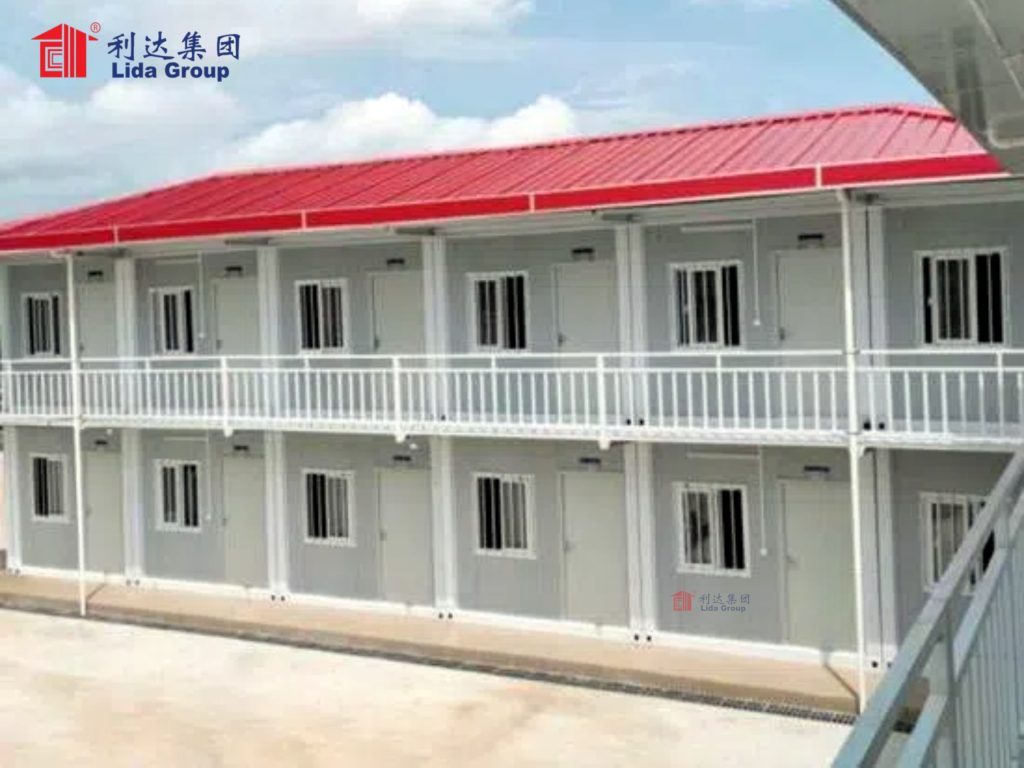
3. Product Portfolio: Customizable Solutions for Every Lifestyle
Free design container apartments are not a one-size-fits-all product—they are a versatile platform that can be tailored to diverse living scenarios. Manufacturers like Lida Group offer a range of base modules and customization options, enabling users to create apartments that suit their lifestyle, location, and budget. Below are the key product categories, each designed to maximize flexibility.
3.1 Urban Micro-Apartments: Compact Customization for City Living
Ideal for young professionals, students, and digital nomads, urban micro-apartments (20ft or 30ft base modules) prioritize space efficiency and multi-functionality. Customization options include:
- Convertible Layouts: Foldable desks, wall-mounted beds, and sliding partitions that transform the space from a living area to a bedroom or workspace. For example, a 20ft micro-apartment can include a Murphy bed that folds into the wall during the day, creating room for a home office.
- Space-Saving Storage: Built-in cabinets, under-bed drawers, and vertical storage solutions that maximize usable space. Customizable closet systems can be tailored to clothing, equipment, or hobby collections.
- Aesthetic Personalization: Minimalist, industrial, or Scandinavian-inspired finishes—from exposed steel beams to warm wood accents—to reflect individual style. The Stow-Away Hotel’s 30ft units feature natural plywood interiors, soft gradient colors, and compact kitchens that balance functionality and aesthetics .
- Energy Efficiency: Customizable insulation, LED lighting, and mini-split HVAC systems that reduce energy consumption in urban environments.
3.2 Family-Friendly Container Homes: Expandable and Adaptable
For families, free design container apartments offer expandable solutions that grow with changing needs. Base modules (40ft or combined 20ft units) can be customized with:
- Multi-Room Layouts: Connected containers that create separate bedrooms, living areas, kitchens, and bathrooms. For example, three 20ft containers can be arranged to form a 530-square-foot home with two bedrooms, a living room, and a kitchen—like the Australian container home designed by Amy Plank and Richard Vaughan .
- Child-Friendly Features: Customizable play areas, built-in bunk beds, and non-toxic materials. Outdoor decks or patios can be added for additional living space.
- Accessibility Modifications: Wide doorways, ramps, and adapted bathrooms for family members with mobility needs.
- Sustainable Add-Ons: Solar panels, rainwater collection systems, and vegetable gardens that promote eco-friendly living. The Australian home includes solar panels on a secondary roof, rainwater tanks, and native landscaping .
3.3 Co-Living and Shared Spaces: Customizable Community Living
Free design container apartments are also transforming co-living, offering flexible solutions for shared housing, student dormitories, and worker camps. Customization options include:
- Shared and Private Zones: Open-plan common areas (kitchens, living rooms, laundry facilities) paired with private bedrooms or pods. For example, a worker camp can include 40ft containers divided into four private bedrooms with shared bathrooms and a communal kitchen .
- Branded and Themed Design: For student housing or corporate accommodations, exteriors and interiors can be customized with logos, colors, or themed elements to foster community identity.
- Functional Customization: Study areas, gym facilities, or recreational spaces tailored to the needs of the community. The Poland container camp project included a gym, library, and outdoor sports court to improve resident well-being .
- Scalability: Modular units that can be added or removed as the community grows or shrinks, ensuring optimal use of space and resources.
3.4 Commercial-Residential Hybrids: Work-Live Flexibility
For entrepreneurs, freelancers, and small business owners, free design container apartments offer work-live solutions that blur the line between home and business. Customizable features include:
- Mixed-Use Layouts: Containers divided into residential and commercial zones—such as a ground-floor café with a living space above, or a home office with a retail front.
- Branded Exteriors: Customizable facades with signage, glass windows, or wooden cladding that promote the business while maintaining residential comfort.
- Functional Adaptations: Soundproofing between zones, commercial-grade kitchen equipment, or display areas for products. A temporary sales office in Shenzhen was customized with a wood-grain exterior and a coffee area, matching the project’s high-end positioning. .
- Mobility: Relocatable units that allow businesses to move to new locations without rebuilding—ideal for pop-up shops, food trucks, or seasonal businesses.
4. Global Case Studies: Free Design in Action
Free design container apartments have been deployed in diverse projects worldwide, demonstrating their flexibility, functionality, and adaptability to different climates, cultures, and needs. Below are three standout case studies that highlight the transformative potential of customizable container living.
4.1 Stow-Away Hotel, London: Luxury Customization in Urban Constraints
Client: Stow Projects & Ciel Capital
Project Scope: 20-unit apartment hotel in London’s Waterloo district, designed for flexible urban living .
Challenges: Limited space, strict building codes, and the need to balance hotel-quality amenities with apartment-style privacy.
Customization Solutions:
- Space Optimization: Each unit was built from a 30ft recycled container, customized with a compact yet fully equipped kitchen (including a dishwasher, microwave, and storage), a bedroom with a cushion TV wall, and a bathroom with subway tiles. The layout maximized usable space while maintaining comfort .
- Aesthetic Personalization: Exteriors featured steel fin elements with dark orange interiors, creating a striking, contemporary look that blended with the urban environment. Interiors used natural plywood, soft gradient colors, and high-performance double-glazed windows with privacy mesh .
- Functional Adaptations: To address noise from adjacent railway lines, the design included multi-layered soundproofing—including sound insulation rubber pad on floors and specialized doors. Semi-enclosed rear walls provided views of London’s skyline while maintaining privacy .
Results: The hotel received critical acclaim for its innovative design, offering guests a flexible living experience that combined the convenience of a hotel with the privacy of an apartment. Occupancy rates exceeded 90% within six months of opening, demonstrating the demand for customizable urban housing .
4.2 Australian Family Container Home: Sustainable and Adaptable Living
Client: Amy Plank and Richard Vaughan (Mod house designers)
Project Scope: 530-square-foot family home on a rural property in Victoria, Australia .
Challenges: Extreme weather (temperatures ranging from -5°C to 35°C), off-grid living requirements, and the need for a compact yet comfortable home.
Customization Solutions:
- Expandable Layout: Three 20ft containers were connected to form a U-shape, creating a living room, kitchen, dining area, two bedrooms, and a bathroom. A central corridor between containers housed a laundry area and storage .
- Sustainable Customization: Solar panels on a secondary “floating” roof provided renewable energy, while rainwater tanks collected water for household use. Multiple layers of insulation (three in walls, two in floors and ceilings) achieved a 7.1-star energy rating .
- Aesthetic and Functional Blending: Exteriors were clad in gray steel panels to blend with the surrounding bushland, while interiors featured warm Tasmanian oak flooring, eco-plywood walls, and built-in furniture (including a sofa with under-storage and a desk that doubled as a dining table) .
Results: The home has become a model for sustainable, customizable rural living, with minimal environmental impact and low operational costs. The couple reports that the flexible layout has adapted to their changing needs—from a child-free home to a family space with a growing garden .
4.3 Suzhou Gansu Integrated Housing: BIM-Powered Office-Residential Camp
Client: Sinohydro Bureau 10
Project Scope: 10-unit container complex for a mining project in Indonesia, combining offices and worker accommodation .
Challenges: High humidity, frequent rainfall, tight installation deadlines (3 days), and the need for brand-aligned design.
Customization Solutions:
- BIM-Driven Design: Using BIM technology, the client customized the layout to include 2 meeting rooms, 3 director offices, 4 staff work areas, and 10 dormitory units. Exteriors were branded with the client’s logo and blue VI colors .
- Climate Adaptations: Frames were made from Q355 galvanized steel with corrosion-resistant coating, while walls featured enhanced insulation and waterproofing. Floors were raised to prevent flooding, and windows included mosquito screens .
- Functional Efficiency: Dormitory units included built-in bunk beds, lockers, and shared bathrooms with water-saving fixtures. Offices featured soundproof walls, high-speed internet wiring, and air conditioning .
Results: The camp was installed on time, with zero maintenance issues after one year of operation. The client reported a 30% cost savings compared to traditional construction, and the customizable design allowed for reconfiguration when the project expanded .
These case studies demonstrate that free design container apartments are not just a theoretical concept—they are practical, scalable solutions that can be tailored to diverse environments, needs, and budgets. From luxury urban hotels to rural family homes and industrial camps, customizable container apartments are proving their versatility across the globe.
5. Sustainability: Customization Meets Eco-Conscious Living
Free design container apartments are not just flexible—they are also inherently sustainable, offering customizable solutions that minimize environmental impact. By combining modular construction, recycled materials, and energy-efficient design, these dwellings align with global efforts to reduce carbon emissions and promote circular economy principles.
5.1 Reduced Environmental Footprint Through Modular Construction
Modular container construction produces 90% less waste than traditional building methods, as components are precision-manufactured in factories to exact specifications . Any waste generated during production is recycled, and the use of standardized modules reduces material overconsumption. For free design apartments, this sustainability is enhanced by customization: users can select only the features they need, avoiding unnecessary materials and reducing waste. For example, a digital nomad might opt for a compact 20ft unit with minimal fixtures, while a family could choose a larger, energy-efficient design with solar panels—both tailored to their needs without excess.
5.2 Recycled and Renewable Materials
Free design container apartments leverage recycled shipping containers as the base structure—giving new life to a material that would otherwise end up in landfills. Each container repurposed saves approximately 3,500 kilograms of steel from being produced from raw materials, reducing carbon emissions by up to 1.8 tons . Beyond the container itself, customizable material options include:
- Recycled Steel: For framing and structural components.
- Renewable Resources: Bamboo flooring, FSC-certified wood, and natural insulation (sheep’s wool, cellulose).
- Low-Impact Finishes: Zero-formaldehyde plywood, water-based paints, and natural sealants .
These materials not only reduce environmental impact but also improve indoor air quality, promoting occupant health.
5.3 Energy and Water Efficiency
Free design container apartments offer customizable energy and water solutions that reduce operational costs and environmental impact:
- Insulation Customization: Users can select insulation levels based on climate—from enhanced polyurethane insulation for cold regions to breathable natural insulation for warm climates. This ensures optimal thermal performance, reducing heating and cooling costs by up to 30% .
- Renewable Energy Add-Ons: Solar panels, wind turbines, and geothermal systems can be integrated into the design, enabling off-grid or low-grid living. The Australian container home uses solar panels to power the entire dwelling, feeding excess energy back into the grid .
- Water Conservation: Customizable rainwater collection systems, low-flow fixtures, and greywater recycling systems reduce water consumption by up to 50%. The Australian home collects rainwater in large tanks for drinking, cooking, and gardening .
5.4 Circular Economy and Longevity
Free design container apartments are designed for longevity and reusability, aligning with circular economy principles. With a lifespan of over 20 years and a disassembly rate of 98%, these dwellings can be relocated, repurposed, or recycled at the end of their service life . For example, a container apartment used as a student dormitory can be relocated to a new campus or converted into a retail space. Manufacturers like Lida Group offer module recycling services, collecting used containers, refurbishing them, and reselling them at a fraction of the cost of new units—extending their lifecycle and reducing resource consumption .
6. Industry Impact and Future Outlook
Free design container apartments are more than a housing trend—they are a catalyst for change in the global construction industry, reshaping how we design, build, and live in homes. Their impact extends beyond individual users, influencing industry practices, urban planning, and sustainable development.
6.1 Transforming the Construction Industry
Free design container apartments are challenging the status quo of traditional construction by:
- Shortening Project Timelines: Factory prefabrication and modular assembly reduce construction time by 60-70% compared to traditional methods. A customizable 40ft container apartment can be designed, manufactured, and installed in as little as 4 weeks .
- Reducing Costs: Modular construction lowers labor costs by up to 40%, while customization eliminates waste and unnecessary expenses. Clients report cost savings of 20-30% compared to traditional homes with similar features .
- Democratizing Design: Digital tools like BIM and AI make professional design accessible to everyday users, eliminating the need for expensive architects or designers. This empowers individuals and small businesses to create personalized spaces that were once only available to high-end clients.
6.2 Reshaping Urban Living and Planning
In cities, free design container apartments offer solutions to pressing challenges such as housing shortages, high property prices, and urban sprawl:
- Affordable Housing: Customizable micro-apartments provide an affordable entry point into urban housing markets, addressing the needs of low- and middle-income residents.
- Adaptive Reuse: Container apartments can be installed in underutilized urban spaces—such as vacant lots, rooftops, or industrial zones—revitalizing neighborhoods without displacing existing communities.
- Flexible Urban Planning: Modular, relocatable container apartments allow cities to respond to changing population trends, such as temporary workforce influxes or post-disaster housing needs.
6.3 Future Innovations: The Next Frontier of Free Design
The future of free design container apartments will be driven by technological advancements that enhance customization, sustainability, and connectivity. Key innovations on the horizon include:
- AI-Generated Design: Advanced AI algorithms will create fully personalized floor plans and material combinations based on user data, including lifestyle habits, health needs, and aesthetic preferences.
- Smart Home Integration: Customizable IoT (Internet of Things) systems will allow users to control lighting, temperature, security, and appliances remotely. Sensors will optimize energy use based on occupancy and behavior.
- 3D-Printed Components: On-demand 3D printing of custom fixtures, furniture, and structural elements will reduce production time and enable even more intricate designs—from curved walls to personalized storage solutions.
- Biophilic Design Customization: Integrating natural elements—such as living walls, indoor gardens, and natural light maximization—into customizable designs to improve mental and physical health.
- Localized Production: Manufacturers will establish regional production facilities to reduce transportation emissions and tailor designs to local building codes, climates, and cultural preferences .
7. Conclusion
Free design container apartments represent a paradigm shift in modern living, merging the best of modular construction—durability, efficiency, sustainability—with the ultimate goal of personalization. By putting design control in the hands of users, these dwellings empower individuals, families, and businesses to create spaces that truly reflect their needs, values, and style—without compromising on quality or environmental responsibility.
From urban micro-apartments to rural family homes, from co-living communities to work-live hybrids, free design container apartments offer unparalleled flexibility that adapts to changing lifestyles and environments. Supported by digital design tools like BIM and AI, advanced materials, and modular engineering, they address the limitations of traditional construction while setting new standards for customization.
The global case studies highlighted—from London’s luxury Stow-Away Hotel to Australia’s sustainable family home—demonstrate that free design container apartments are not just a niche product but a scalable, practical solution for diverse living scenarios. Their sustainability credentials, including recycled materials, energy efficiency, and circular economy principles, align with global efforts to combat climate change, making them a responsible choice for the future.
As technology advances and consumer demand for personalization grows, free design container apartments will continue to evolve—offering even more sophisticated customization options, smarter features, and greater integration with sustainable living practices. For the construction industry, they represent a path toward more efficient, affordable, and user-centric building. For urban planners, they offer solutions to housing shortages and urban sprawl. For individuals, they redefine what it means to “own” a home—not as a fixed structure, but as a flexible space that grows and changes with you.
In the end, free design container apartments are more than just buildings—they are a celebration of individuality, adaptability, and sustainability. They prove that home can be both personalized and practical, unique and responsible, flexible and enduring. As we look to the future of living, it is clear that customization is not just a trend—it is the future of housing. And free design container apartments are leading the way.
Related news
-
Lida Group Sets the Standard in Durable Construction
2025-12-12 17:44:27
-
Custom-Designed Steel Structure Building by Lida Group
2025-12-12 17:55:22
-
Lida Group Unveils Innovative Prefab Mobile Container House Series
2025-12-15 16:09:53
contact us
- Tel: +86-532-88966982
- Whatsapp: +86-13793209022
- E-mail: sales@lidajituan.com
