



Experience Modern Free Design in Container Building
2025-Nov-27 11:22:22
By Admin
In the realm of contemporary architecture, container buildings have undergone a remarkable transformation—from humble industrial storage units and temporary work sheds to symbols of modern free design. No longer confined by the stereotype of “cold, utilitarian structures,” today’s container-based architecture embodies a new paradigm of creative freedom: the ability to reimagine space, adapt to diverse needs, and harmonize with natural and urban landscapes. This evolution is driven by a global shift toward sustainable living, a desire for personalized spaces, and technological advancements that unlock the full design potential of shipping containers.
Modern free design in container building is defined by four core principles: modular flexibility (the ability to combine, expand, and reconfigure units at will), aesthetic versatility (breaking industrial norms through material innovation and spatial storytelling), functional adaptability (seamlessly transitioning between residential, commercial, and public uses), and ecological consciousness (integrating sustainability into every design decision). From minimalist urban homes to vibrant hospitality spaces and community hubs, container buildings now showcase how constraints can spark creativity—proving that a standardized steel box can be a canvas for boundless design expression. This article explores the essence of modern free design in container architecture, through iconic case studies, design strategies, material innovations, and future trends that are reshaping the industry.
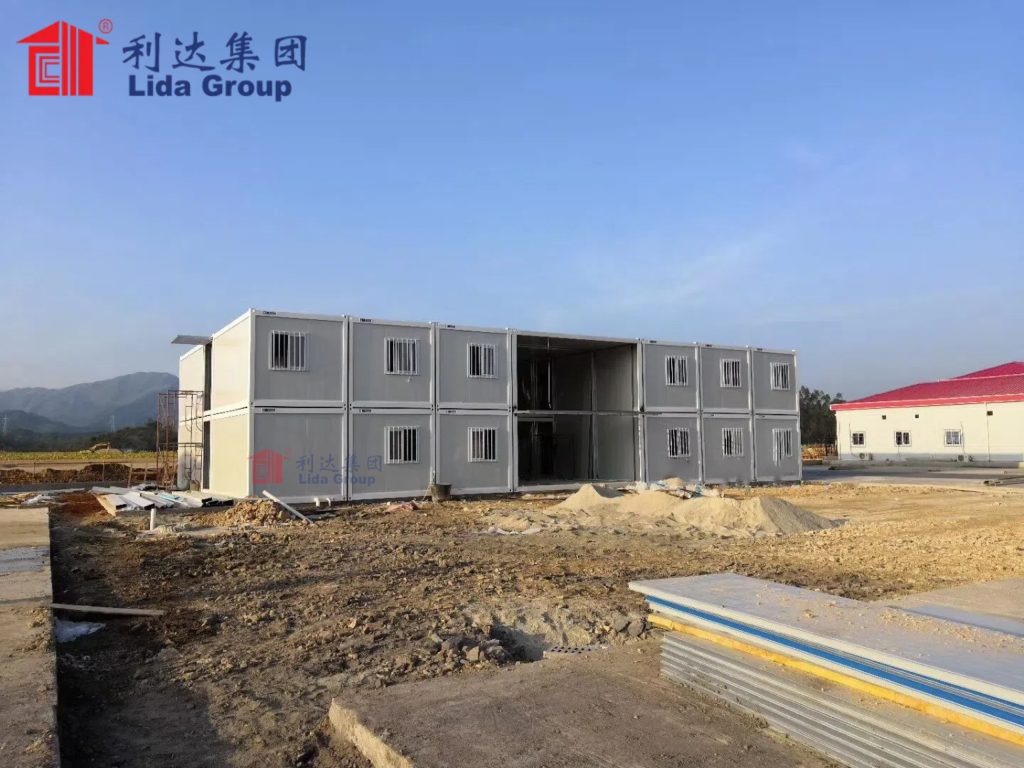
1. The Evolution of Container Building Design: From Utility to Freedom
The journey of container buildings from industrial tools to design icons reflects a broader shift in architectural philosophy—one that prioritizes adaptability, resource efficiency, and human-centricity over rigid, one-size-fits-all solutions. Shipping containers, first standardized in the 1950s for global trade, offer inherent advantages: durability (built to withstand ocean voyages and stacking), portability (easily transported by ship, truck, or rail), and cost-effectiveness (reusing decommissioned containers reduces material waste and construction costs). However, early container structures—primarily used as construction site offices, worker dormitories, or emergency shelters—lacked design refinement, reinforcing the perception of containers as “temporary” or “low-brow” alternatives to traditional buildings.
The turning point came in the late 20th century, as architects and designers began to recognize the untapped potential of these modular steel boxes. Pioneering projects like the 2006 “Container City” in London’s Trinity Buoy Wharf—developed by Urban Space Management—demonstrated that containers could be stacked, arranged, and customized to create dynamic, permanent structures with architectural merit. This project, consisting of 120 shipping containers transformed into artists’ studios, offices, and residences, challenged the notion that container buildings must be monotonous. Instead, it showcased modular flexibility as a design strength: units were arranged in asymmetrical stacks, with balconies, large windows, and colorful exteriors that reflected the creative energy of its occupants.
By the 2010s, container design had evolved beyond mere functionality to embrace “free design”—a concept that empowers users and designers to shape space according to individual needs and aesthetic preferences. This shift was fueled by three key factors:
- Growing demand for sustainable architecture: As the construction industry accounts for 39% of global carbon emissions (UN Environment Programme), repurposing shipping containers (which have a 10-15 year lifespan in trade but can last 20+ years as buildings) emerged as a low-carbon alternative.
- Urban housing crises: In cities like Tokyo, New York, and São Paulo, skyrocketing real estate prices and limited space made compact, modular container homes an attractive solution for affordable, flexible housing.
- Advancements in material and construction technology: Innovations in insulation, waterproofing, and structural engineering eliminated the “cold, noisy” drawbacks of early container buildings, making them suitable for year-round use in diverse climates.
Today, modern free design in container building rejects the idea of containers as fixed, inflexible units. Instead, it treats each container as a building block—one that can be cut, stacked, extended, or combined with other materials to create spaces that are as unique as their users. From 60-square-meter minimalist homes to 1,800-square-meter community centers, container architecture now spans scales and functions, all while retaining the core values of flexibility and sustainability.
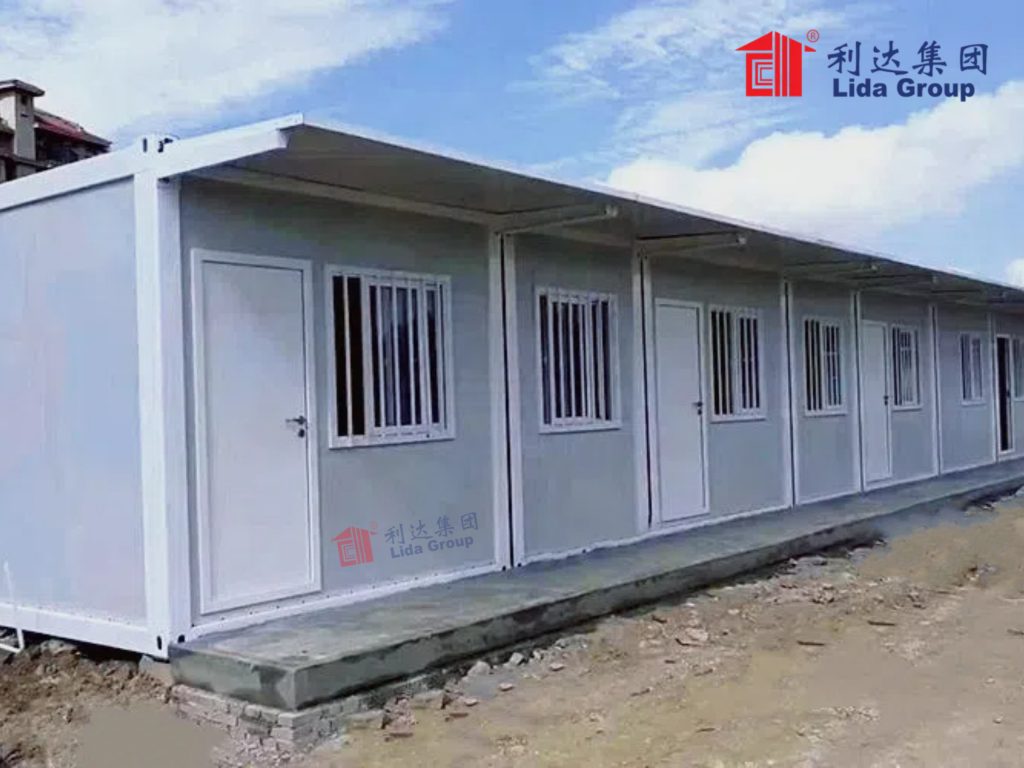
2. Iconic Case Studies: Exemplifying Modern Free Design
To understand the full spectrum of modern free design in container building, we analyze three groundbreaking projects from around the world. Each project embodies a different aspect of design freedom—spatial reconfiguration, aesthetic transformation, and functional adaptability—proving that containers are far more than just steel boxes.
2.1 CASA CONTÊINER (São Paulo, Brazil): Minimalist Freedom and Spatial Expansion
Designed by Marilia Pellegrini Arquitetura for the 2019 Casacor São Paulo exhibition, CASA CONTÊINER redefines the container home as a sleek, human-centric space that challenges the “industrial” stereotype. The project’s core design philosophy revolves around two principles: sustainability through material reuse and spatial freedom through minimalism and flexibility.
The home is constructed from two 40-foot (12.2m × 2.4m) shipping containers placed side by side, creating a 60-square-meter interior that includes a living room, kitchen, laundry area, and a bedroom suite with a full bathroom. What sets CASA CONTÊINER apart is its ability to make a compact space feel open and unconfined—achieved through a design strategy inspired by Japanese architect Kenya Hara’s concept of “emptiness” (Ma), which emphasizes negative space as a source of calm and flexibility.
The interior features a monochromatic white color palette, with smooth, seamless surfaces that obscure the container’s industrial steel texture. This minimalist approach not only creates a sense of visual expansion but also allows the space to adapt to different uses: the living area can double as a workspace, while the bedroom suite offers privacy without feeling cramped. The architect describes the space as “style-less and attribute-free,” designed to serve as a blank canvas for the user’s lifestyle rather than imposing a fixed aesthetic.
Externally, CASA CONTÊINER uses Cosentino’s Dekton ultra-compact surface material for both the flooring and exterior sunshades. This material, which mimics the elegance of marble while offering superior durability, UV resistance, and stain resistance, unifies the interior and exterior design—creating a cohesive, refined look that belies the building’s industrial origins. The containers are also equipped with large floor-to-ceiling windows that flood the interior with natural light, further enhancing the sense of space and connecting the home to its 90-square-meter outdoor 庭院 (courtyard).
The outdoor area, designed as an extension of the interior, features a granite sculptural bench created by the architect—made from 204 identical stone slabs assembled on-site. This piece serves as both seating and a focal point, blending art with functionality and reinforcing the project’s commitment to free, unconstrained design. CASA CONTÊINER demonstrates that free design in container building is not about excess, but about stripping away unnecessary elements to create spaces that are both flexible and harmonious.
2.2 Orenda Tribe Reception & Exhibition Center (Shanghai, China): Modular Freedom and Spatial Storytelling
Located in Haiyong Town, Chongming Island, the Orenda Tribe Reception & Exhibition Center is a testament to how container modules can be used to create large-scale, architecturally striking public spaces. Designed by Yiduan International Design, the 1,800-square-meter center addresses a unique challenge: transforming a isolated plot of open grassland into a welcoming, functional hub that feels integrated with nature.
The design uses ten shipping containers arranged in a staggered, overlapping configuration—creating a complex of three stories that houses reception areas (first floor), a café and tea house (second floor), and offices and meeting rooms (third floor). The key innovation here is the concept of “virtual boxes”: extending the container’s footprint with external louvered structures that act as a second skin. These virtual boxes not only expand the usable space but also create a play of light and shadow, adding depth and dynamism to the building’s facade.
The exterior color scheme—soft wood tones paired with white—blends seamlessly with the surrounding greenery, while the louvered screens reduce solar heat gain and create a sense of privacy without closing off the building from its environment. A meandering artificial river runs through the center of the complex, adding a natural element that enhances the site’s tranquility and connects the different container modules.
What makes the Orenda Tribe Center a prime example of free design is its circulation path, which follows the natural contours of the site. Visitors move through the building in a “step-by-step, scene-by-scene” journey, with indoor and outdoor spaces flowing into one another. This design rejects the linear, rigid layouts of traditional public buildings, instead offering a fluid, exploratory experience that encourages interaction with the space. The integration of Zen elements—such as minimalist landscaping and natural materials—with modern modular design creates a unique aesthetic that balances tradition and innovation.
The center’s modular construction also reflects design freedom in practice: the container units were prefabricated off-site, reducing construction time by 50% compared to traditional concrete buildings, and can be disassembled, relocated, or expanded in the future. This flexibility ensures that the building can adapt to changing needs—whether as a reception center, community space, or cultural venue—demonstrating that free design extends beyond aesthetics to include long-term adaptability.
2.3 Ccasa Hostel (Vietnam): Functional Freedom and Community-Centric Design
Ccasa Hostel, located in Vietnam, reimagines the container as a tool for creating inclusive, community-focused spaces. Designed for backpackers, the hostel embodies the motto “Connecting people from all over the world as one family”—a vision realized through a design that prioritizes shared spaces over private rooms.
The hostel is constructed from repurposed shipping containers, steel frames, and locally sourced materials (including reclaimed wood windows and handwoven baskets). The design embraces industrial aesthetics—exposed steel beams, concrete floors, and colorful cement tiles—while softening the look with lush greenery. A trellis covered in climbing plants surrounds the building, acting as a natural insulator that keeps the interior cool and reduces reliance on air conditioning.
The functional layout of Ccasa Hostel is a masterclass in design freedom: three containers painted in vibrant colors serve as dormitories (offering double, quadruple, and six-person rooms), while a separate steel-framed structure houses the reception and a small bar. The dormitories are accessed via open-air “sky bridges”—a departure from the narrow, dim corridors of traditional hostels—with a central courtyard filled with plants that brings light and fresh air to the spaces.
In a bold design choice, the hostel minimizes private sleeping spaces (beds are sized just for sleeping) to maximize shared areas: a spacious living room, an open kitchen, and a rooftop terrace with a hanging net bed. These spaces are designed to encourage interaction, with comfortable seating, communal tables, and views of the surrounding neighborhood. The rooftop, in particular, offers a “floating” experience—suspended above the city, it allows guests to relax and connect while enjoying natural light and breeze.
Ccasa Hostel demonstrates that free design in container building is not just about individual expression, but about creating spaces that foster connection. By prioritizing community over privacy, and blending industrial materials with natural elements, the project proves that containers can be used to create warm, inviting environments that feel far from the “cold” stereotype. It also highlights the economic freedom of container design: the use of repurposed materials and modular construction reduced the project’s cost by 30% compared to traditional hostels, making sustainable, community-focused hospitality accessible.
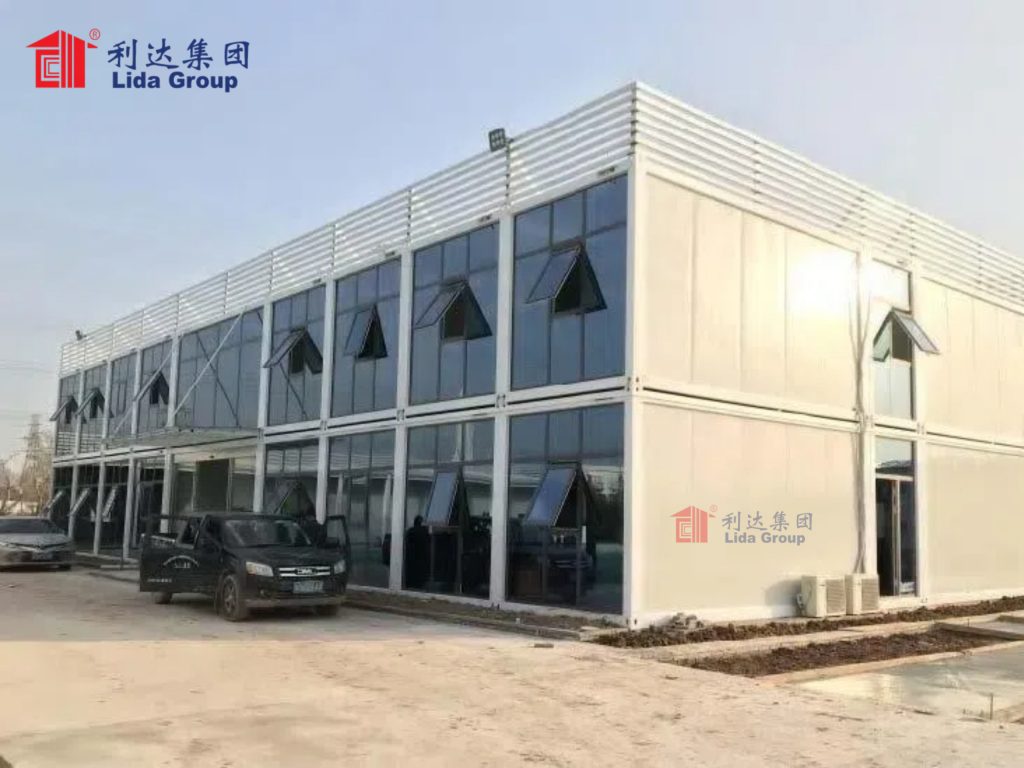
3. Design Strategies for Modern Free Design in Container Buildings
The success of projects like CASA CONTÊINER, Orenda Tribe Center, and Ccasa Hostel lies in their adoption of specific design strategies that unlock the full potential of container architecture. These strategies—rooted in modularity, material innovation, spatial reconfiguration, and sustainability—define modern free design and can be applied to projects of all scales and functions.
3.1 Modular Flexibility: The Foundation of Design Freedom
At the core of container building’s design freedom is its modular nature. Shipping containers are standardized in size (20ft or 40ft in length, 8ft in width), making them easy to stack, combine, and reconfigure. This modularity allows designers to create spaces that are both scalable and adaptable—from single-container tiny homes to multi-container complexes.
Key modular design strategies include:
- Stacking: Containers can be stacked vertically (up to 3-4 stories with proper structural reinforcement) to maximize space in dense urban areas. For example, the Orenda Tribe Center uses three-story stacking to create a large public space on a compact site.
- Juxtaposition: Placing containers side by side, at angles, or in overlapping configurations creates dynamic facades and internal spaces. CASA CONTÊINER uses side-by-side placement to create a wide, open interior, while the Orenda Tribe Center’s staggered arrangement adds visual interest and natural light.
- Expansion: Containers can be extended with additional modules or non-container elements (such as wooden decks or glass enclosures) to create larger spaces. Ccasa Hostel’s rooftop terrace and courtyard are examples of how non-container elements can expand the functionality of container modules.
- Portability: Unlike traditional buildings, container structures can be disassembled and relocated—offering “mobile design freedom.” This is particularly valuable for temporary spaces (such as event venues or disaster relief shelters) or for users who move frequently.
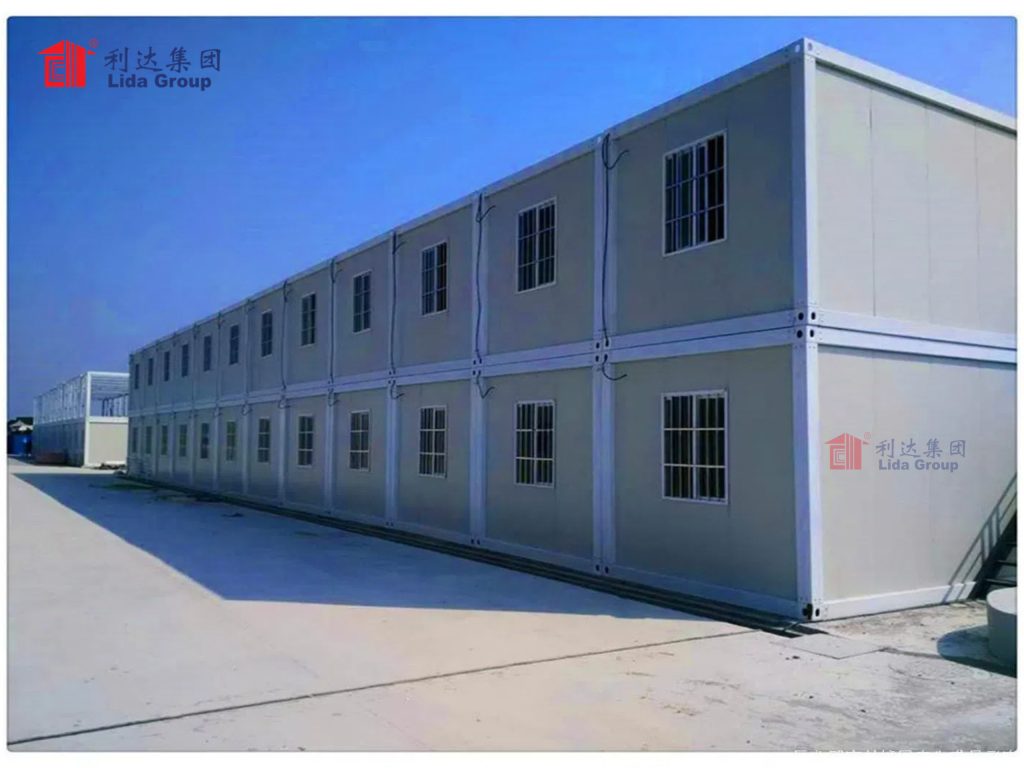
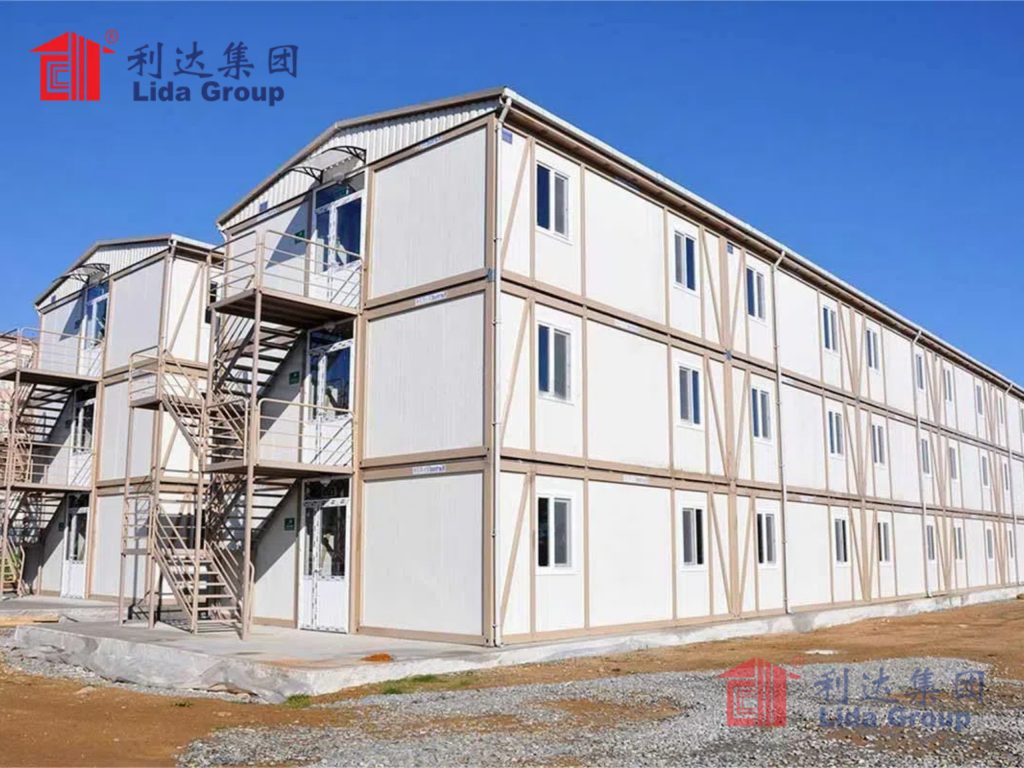
Modular flexibility also extends to the interior: container walls can be removed (with structural reinforcement) to create open floor plans, or partitioned to divide spaces into rooms. Lida Group’s prefab container series, for example, offers customizable interior configurations—allowing users to create bedrooms, offices, kitchens, or bathrooms based on their needs. This adaptability ensures that container buildings can evolve with changing lifestyles or uses, making them a sustainable long-term investment.
3.2 Material Innovation: Blending Aesthetics, Function, and Sustainability
Modern free design in container building relies heavily on material innovation to overcome the limitations of raw steel and create spaces that are both beautiful and functional. The choice of materials plays a crucial role in transforming the industrial container into a warm, inviting space—while also enhancing sustainability and performance.
Key material strategies include:
- Exterior Cladding: To soften the industrial look of steel, designers use a range of cladding materials—including wood (reclaimed or sustainably sourced), fiber cement boards, Dekton (as in CASA CONTÊINER), and even living plants (green walls). These materials not only improve aesthetics but also provide insulation and protection from the elements.
- Interior Finishes: Interior surfaces are often lined with drywall, plywood, or recycled materials to cover steel walls and create a more comfortable environment. CASA CONTÊINER uses white paint and smooth surfaces to create a minimalist, airy feel, while Ccasa Hostel embraces exposed steel and concrete for an industrial-chic aesthetic.
- Insulation and Waterproofing: Advanced insulation materials—such as fiberglass, rock wool, or spray foam—eliminate the “cold” issue of early container buildings, making them suitable for extreme climates. Waterproofing membranes and sealants prevent leaks, ensuring durability and comfort.
- Sustainable Materials: Repurposed and locally sourced materials are central to the eco-friendly ethos of container design. Ccasa Hostel uses reclaimed wood windows and handwoven baskets, while the Orenda Tribe Center incorporates local stone and sustainable wood—reducing carbon footprint and supporting local economies.
Material innovation also extends to functional elements: large windows (often cut into the steel walls) bring in natural light and connect indoor and outdoor spaces; sliding doors and folding walls allow for flexible space division; and solar panels, rainwater harvesting systems, and green roofs integrate sustainability into the design. These elements not only enhance the user experience but also demonstrate that free design can be both aesthetically pleasing and environmentally responsible.
3.3 Spatial Reconfiguration: Breaking Boundaries Between Inside and Out
Modern free design in container building rejects the idea of enclosed, isolated spaces—instead, it emphasizes the connection between indoor and outdoor environments, and the ability to reconfigure spaces for different uses. This spatial freedom is achieved through a combination of modular design, strategic openings, and flexible furnishings.
Key spatial strategies include:
- Open Floor Plans: Removing internal walls (with structural support) creates large, open spaces that can be used for multiple purposes. CASA CONTÊINER’s combined living and dining area, for example, can function as a family room, entertainment space, or home office.
- Indoor-Outdoor Flow: Large windows, sliding glass doors, and outdoor decks blur the line between inside and out. The Orenda Tribe Center’s louvered screens and meandering river create a seamless transition between the building and its natural surroundings, while Ccasa Hostel’s rooftop terrace and courtyard extend living spaces outdoors.
- Multifunctional Spaces: Designing spaces to serve multiple purposes maximizes utility and flexibility. For example, a container home’s living area might include a sofa bed for guests, while a commercial container space could transition from a café during the day to a event venue at night.
- Vertical Space Utilization: In compact container buildings, vertical space is often used for storage, lofts, or mezzanines. A 20ft container home, for example, might include a loft bedroom accessed via a ladder—freeing up the main floor for living and cooking.
Spatial reconfiguration also caters to the growing trend of “nomadic living” and remote work. Container homes can be designed to include built-in workspaces, storage for travel gear, and flexible living areas that adapt to different lifestyles. This flexibility is a key aspect of modern free design—allowing users to shape their space according to their needs, rather than being limited by fixed layouts.
3.4 Sustainable Design: Freedom to Live in Harmony with the Planet
Sustainability is not just an add-on to modern container design—it is a core component of free design. Container buildings inherently offer environmental benefits (reusing steel reduces the need for new construction materials and diverts waste from landfills), but modern designers take this further by integrating sustainable practices into every aspect of the design.
Key sustainable design strategies include:
- Energy Efficiency: Advanced insulation, energy-efficient windows, and passive design (such as orientation to maximize natural light and ventilation) reduce energy consumption for heating and cooling. Many container buildings also integrate solar panels, wind turbines, or geothermal systems for renewable energy.
- Water Conservation: Rainwater harvesting systems collect and store water for gardening, cleaning, or even drinking (with proper filtration). Low-flow fixtures and drought-resistant landscaping further reduce water use.
- Waste Reduction: Using repurposed containers and recycled materials minimizes construction waste. Additionally, the modular nature of container buildings allows for easy disassembly and reuse of components—reducing waste at the end of the building’s lifecycle.
- Eco-Friendly Landscaping: Green roofs, vertical gardens, and native plantings improve air quality, reduce heat island effect, and create habitat for wildlife. Ccasa Hostel’s trellis of climbing plants and the Orenda Tribe Center’s surrounding greenery are examples of how landscaping can enhance sustainability and aesthetics.
Sustainable design in container buildings also aligns with global goals such as the UN’s Sustainable Development Goals (SDGs), particularly SDG 11 (Sustainable Cities and Communities) and SDG 13 (Climate Action). By choosing container architecture, users exercise their freedom to live in a way that minimizes environmental impact—proving that free design can be both personal and planetary.
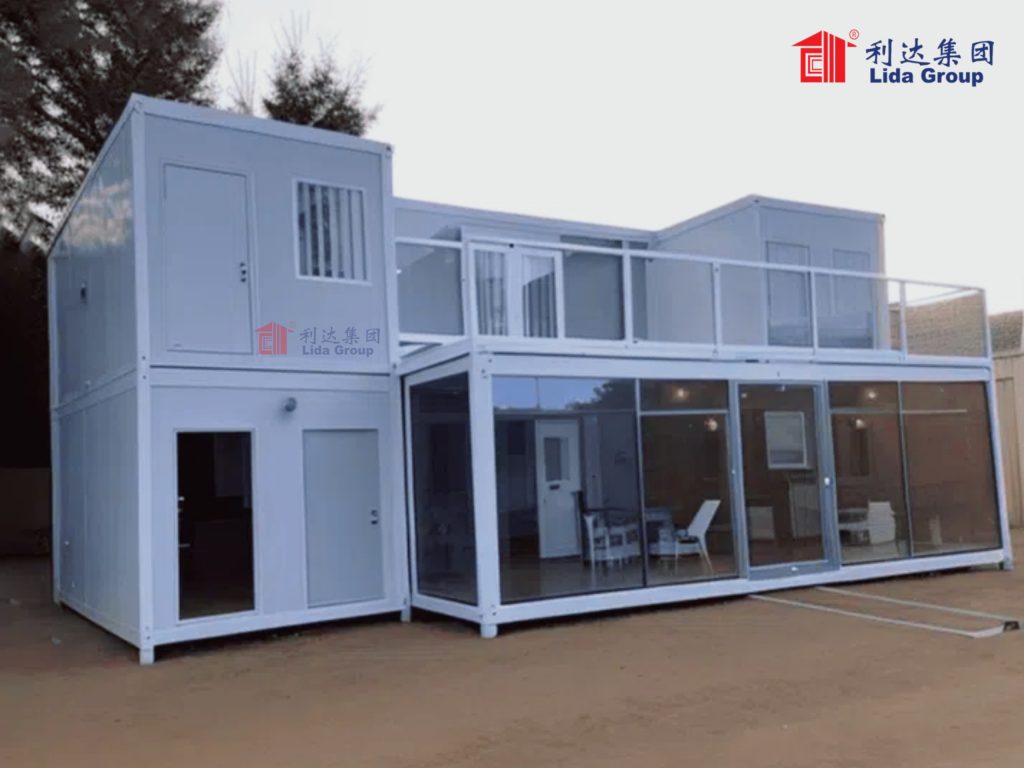
4. Global Trends Shaping Modern Free Design in Container Buildings
As container architecture gains popularity worldwide, several key trends are emerging that further expand the boundaries of design freedom. These trends reflect changing societal values—such as a focus on wellness, community, and technology—and are reshaping how container buildings are designed and used.
4.1 Wellness-Centric Design
The global wellness trend has made its way into container architecture, with designers prioritizing spaces that promote physical and mental health. This includes:
- Biophilic Design: Integrating natural elements (plants, water, natural light) into the design to reduce stress and improve well-being. Ccasa Hostel’s greenery and the Orenda Tribe Center’s river are examples of biophilic design in action.
- Indoor Air Quality: Using low-VOC (volatile organic compound) paints, natural materials, and proper ventilation to create healthy indoor environments. Lida Group’s container series, for example, uses fiberglass insulation free of VOCs.
- Active Living Spaces: Designing container homes and communities to encourage movement—such as rooftop gardens for gardening or yoga, or shared spaces for exercise.
4.2 Smart Container Buildings
Technology is transforming container design, with the integration of smart home systems that enhance convenience, energy efficiency, and security. Key smart features include:
- IoT (Internet of Things) Devices: Sensors for temperature, humidity, and energy use that can be controlled remotely via smartphone apps.
- Smart Lighting and Appliances: Energy-efficient LED lighting with dimming and color-changing capabilities, and smart appliances that reduce energy consumption.
- Security Systems: Cameras, motion sensors, and smart locks that provide peace of mind for users, particularly in urban areas.
Lida Group has announced plans to integrate IoT technology into its future container series, reflecting the growing demand for smart, connected spaces.
4.3 Community-Focused Developments
Container buildings are increasingly being used to create community hubs, co-living spaces, and affordable housing developments. These projects prioritize shared spaces—such as communal kitchens, gardens, and workspaces—to foster connection and reduce isolation. Examples include:
- Co-Living Communities: Container complexes where residents share amenities and live in a collaborative environment. These are particularly popular in cities with high housing costs, such as London and Tokyo.
- Community Centers: Container-based hubs for local communities, offering services such as libraries, classrooms, and event spaces. The Orenda Tribe Center, while a reception center, embodies this trend by creating a welcoming space for visitors and locals alike.
4.4 High-End and Luxury Container Design
Container buildings are no longer limited to affordable or temporary housing—they are increasingly being used for luxury homes, hotels, and resorts. These projects use high-end materials (such as marble, hardwood, and custom steel finishes), cutting-edge design, and premium amenities to create spaces that rival traditional luxury properties. For example:
- Boutique Container Hotels: Luxury hotels that use containers to create unique, stylish accommodations. These hotels often feature private terraces, high-end furnishings, and personalized service.
- Luxury Container Homes: Custom-designed container homes with features like infinity pools, home theaters, and expansive living spaces. These homes appeal to buyers who want a unique, sustainable alternative to traditional mansions.
5. The User Experience: Living and Working in Freely Designed Container Spaces
At the heart of modern free design in container building is the user experience. Those who live, work, or visit container spaces often cite several key benefits that align with the principles of design freedom:
5.1 Personalization
Users appreciate the ability to customize their container space to reflect their personality and needs. Whether it’s a minimalist home like CASA CONTÊINER, a community-focused hostel like Ccasa, or a public center like Orenda Tribe, container buildings offer a level of personalization that is difficult to achieve with traditional construction.
5.2 Flexibility
Many container users value the ability to reconfigure their space as their needs change. For example, a young professional might start with a single-container studio and add modules as they grow their family, or a business owner might reconfigure a container shop to accommodate new products or services.
5.3 Connection to Nature
Thanks to large windows, outdoor spaces, and biophilic design, container buildings often provide a stronger connection to nature than traditional buildings. Users report feeling more relaxed and grounded in these spaces, which can improve overall well-being.
5.4 Pride in Sustainability
For many users, choosing a container building is a statement of their commitment to sustainability. They take pride in living or working in a space that reduces environmental impact, and this sense of purpose enhances their overall experience.
Of course, container living is not without challenges—such as limited space in small units, the need for proper insulation in extreme climates, and potential zoning restrictions in some areas. However, modern design and technology have addressed many of these issues, making container buildings a viable and desirable option for a wide range of users.
6. Conclusion: The Future of Free Design in Container Buildings
Modern free design in container building represents a revolution in architecture—one that prioritizes flexibility, personalization, sustainability, and human connection over rigid norms and excess. What began as a practical solution for temporary housing and storage has evolved into a global movement, with container buildings now spanning residential, commercial, and public uses, and ranging from minimalist tiny homes to luxury resorts.
The key to this evolution is the container’s inherent modularity, which serves as a canvas for endless design possibilities. By combining this modularity with material innovation, spatial reconfiguration, and sustainable practices, designers have unlocked the full potential of the shipping container—proving that constraints can spark creativity, and that a simple steel box can be transformed into a space that is both functional and beautiful.
Iconic projects like CASA CONTÊINER, the Orenda Tribe Reception & Exhibition Center, and Ccasa Hostel demonstrate the diverse expressions of modern free design—from minimalist elegance to community-centric warmth, from compact efficiency to large-scale grandeur. These projects not only inspire future designers but also challenge the way we think about space, housing, and architecture itself.
Looking ahead, the future of free design in container buildings is bright. As technology advances, sustainability becomes increasingly important, and societal values shift toward flexibility and community, container architecture will continue to evolve and expand. We can expect to see more smart, wellness-focused, and community-centric container developments, as well as further innovations in material use and spatial design.
Ultimately, modern free design in container building is about more than just architecture—it’s about empowering people to shape their spaces according to their own needs and values. It’s about creating buildings that are not just structures, but extensions of the human desire for freedom, creativity, and connection. In a world where conformity often dominates, container buildings stand as a testament to the power of design to liberate—and to transform the ordinary into the extraordinary.
Related news
-
Lida Group Unveils New Prefab Mobile Container House Series
2025-11-27 11:00:23
-
Customizable Steel Structure Building Designs from Lida Group
2025-11-27 10:39:25
-
Lida Group's Buildings are both Cost-Effective and Durable
2025-11-27 10:32:53
contact us
- Tel: +86-532-88966982
- Whatsapp: +86-13793209022
- E-mail: sales@lidajituan.com
