



Experience Lasting Value with High Quality Construction
2026-Feb-13 17:42:48
By Admin
In an era defined by rapid urbanization, evolving consumer demands, and growing emphasis on sustainability, the value of construction extends far beyond the completion of a structure. Buildings—whether residential, commercial, industrial, or public—are long-term assets that shape daily life, drive economic activity, and impact the environment for decades. Yet, not all construction delivers the same level of value. Low-quality construction, characterized by shoddy materials, flawed craftsmanship, and short-sighted design, often leads to frequent repairs, premature deterioration, and missed opportunities, ultimately eroding investment returns and diminishing quality of life. In contrast, high-quality construction stands as a testament to durability, functionality, sustainability, and adaptability—delivering lasting value that transcends initial costs and short-term gains. This article explores the profound impact of high-quality construction on individuals, businesses, communities, and the environment, examining how it creates enduring value across multiple dimensions. From economic resilience and functional longevity to environmental sustainability and social well-being, high-quality construction is an investment that pays dividends for generations. By delving into its core principles, key components, real-world applications, and future trends, this article aims to provide a comprehensive guide to understanding and embracing high-quality construction as a pathway to lasting value. Whether you are a homeowner, investor, developer, contractor, or policy maker, recognizing the inherent value of quality in construction is essential to making informed decisions that stand the test of time.
1. Understanding High Quality Construction: Beyond Aesthetics and Compliance
High quality construction is often misunderstood as merely meeting building codes or featuring an attractive design. While compliance with regulations and visual appeal are important, true high-quality construction is a holistic approach that integrates superior materials,精湛 craftsmanship, thoughtful design, rigorous quality control, and a focus on long-term performance. It is a commitment to excellence at every stage of the construction process—from initial planning and design to material selection, fabrication, installation, and post-completion maintenance. Unlike low-quality construction, which prioritizes cost-cutting and speed over durability, high-quality construction balances efficiency with longevity, ensuring that the structure not only meets current needs but also adapts to future changes and withstands the test of time.
At its core, high quality construction is defined by four key pillars: durability, functionality, sustainability, and adaptability. Durability refers to the structure’s ability to resist wear, decay, environmental stressors (such as extreme weather, corrosion, and pest infestation), and mechanical damage over decades of use. Functionality ensures that the building is designed and constructed to effectively serve its intended purpose, with layouts, systems, and features that enhance usability and efficiency. Sustainability focuses on minimizing the building’s environmental footprint, from material sourcing and construction processes to energy consumption and waste generation. Adaptability means that the structure can be modified or repurposed as needs change—whether due to shifts in occupancy, technological advancements, or evolving user preferences. Together, these pillars form the foundation of lasting value, ensuring that the construction delivers consistent performance and remains relevant and valuable for years to come.
Another critical aspect of high quality construction is transparency and accountability. It requires collaboration between all stakeholders—architects, engineers, contractors, material suppliers, and clients—to ensure that every decision is guided by a commitment to quality. Rigorous quality control measures, including regular inspections, testing, and documentation, are essential to identifying and addressing potential issues before they escalate, preventing costly repairs and ensuring that the final structure meets or exceeds the highest standards. High-quality construction also prioritizes safety, incorporating robust structural design, fire safety measures, and hazard prevention to protect occupants and assets.
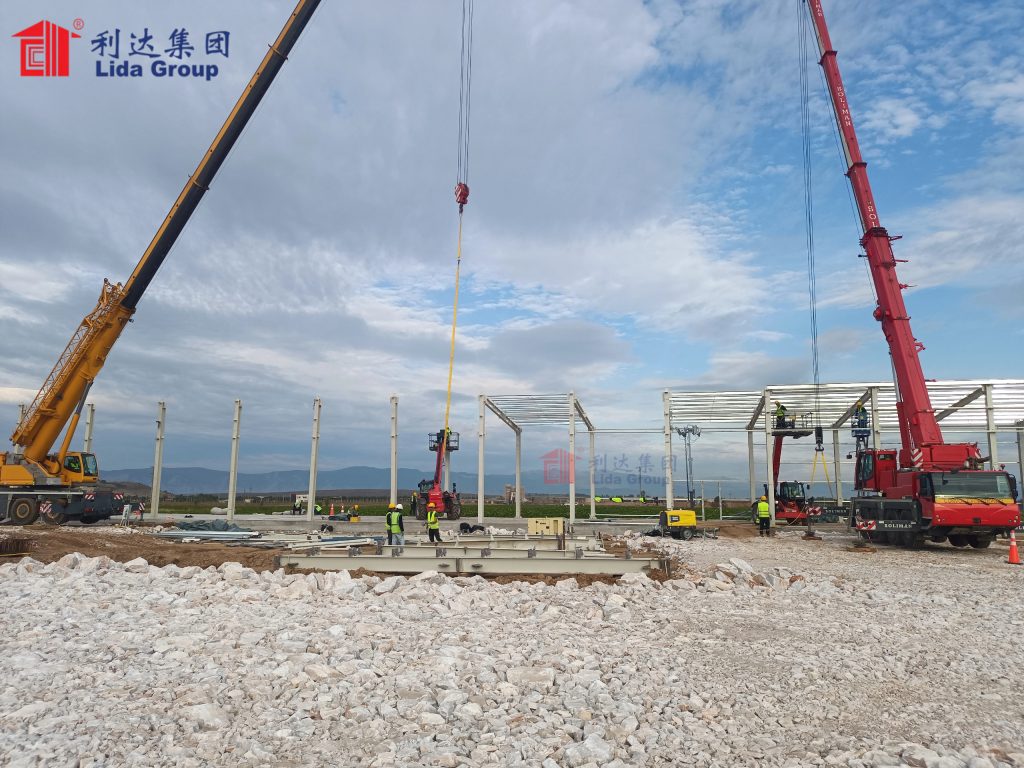
2. The Multidimensional Lasting Value of High Quality Construction
The lasting value of high quality construction manifests itself in multiple dimensions—economic, functional, environmental, and social—each contributing to the overall worth of the structure and its impact on stakeholders. Unlike low-quality construction, which often delivers short-term savings but long-term costs, high-quality construction requires a higher initial investment but yields significant returns over the building’s lifespan. Below is a detailed exploration of each dimension of lasting value, highlighting how high-quality construction creates enduring benefits for individuals, businesses, and communities.
2.1 Economic Value: Long-Term Savings and Asset Appreciation
Economic value is perhaps the most tangible and immediate benefit of high quality construction. While the initial cost of high-quality materials and craftsmanship may be higher than that of low-quality alternatives, the long-term economic savings and asset appreciation far outweigh the upfront investment. High-quality buildings require minimal maintenance and repairs compared to their low-quality counterparts, reducing ongoing operational costs and minimizing downtime.
One of the key economic benefits of high quality construction is reduced maintenance costs. Low-quality buildings often suffer from premature deterioration—cracked walls, leaking roofs, faulty electrical systems, and deteriorating foundations—requiring frequent and costly repairs. In contrast, high-quality buildings use durable materials and精湛 craftsmanship, minimizing the need for maintenance. For example, a high-quality residential home built with premium materials (such as galvanized steel framing, energy-efficient windows, and waterproof roofing) may require 50-70% less annual maintenance than a home built with low-quality materials. Over a 50-year lifespan, this translates to hundreds of thousands of dollars in savings for homeowners.
High quality construction also enhances asset value. Well-built, durable structures retain their market value better than poorly constructed ones, and often appreciate at a higher rate. For residential properties, high-quality construction can increase home values by 15-25%, as buyers are willing to pay a premium for homes that are safe, durable, and energy-efficient. For commercial properties, such as office buildings, retail spaces, and industrial facilities, high-quality construction attracts higher-quality tenants, command higher rental rates, and experience lower vacancy rates. A study by the Construction Industry Institute found that high-quality commercial buildings have a 10-15% higher rental yield and a 20% lower vacancy rate compared to low-quality buildings of the same size and location.
Additionally, high quality construction reduces the risk of costly disasters and liabilities. Poorly constructed buildings are more vulnerable to structural failure, fire, and damage from extreme weather, which can result in significant financial losses, legal liabilities, and even loss of life. High-quality buildings, with their robust structural design and safety features, minimize these risks, protecting owners and occupants from financial and legal harm. For example, in hurricane-prone regions, high-quality buildings engineered to withstand strong winds and storm surges are far less likely to suffer catastrophic damage than low-quality buildings, saving owners millions of dollars in repair and replacement costs.
2.2 Functional Value: Durability, Usability, and Long-Term Performance
Functional value refers to the ability of a building to effectively serve its intended purpose over time, providing consistent performance, usability, and comfort. High quality construction ensures that the building is not only durable but also functional, with systems and features that enhance the user experience and support long-term use.
Durability is the cornerstone of functional value. High-quality buildings are constructed to withstand the test of time, resisting wear and tear, environmental stressors, and the passage of years. For example, a high-quality industrial facility built with heavy-duty steel framing and corrosion-resistant materials can operate continuously for 50-100 years, supporting manufacturing processes without significant structural degradation. A low-quality facility, in contrast, may require major renovations or replacement after just 15-20 years, disrupting operations and increasing costs.
Usability is another key component of functional value. High-quality construction incorporates thoughtful design that prioritizes user needs, with layouts that maximize space efficiency, natural light, and ventilation. For residential homes, this means open floor plans, well-designed kitchens and bathrooms, and adequate storage space that adapts to changing family needs. For commercial buildings, this means flexible office spaces that can be reconfigured for different teams, retail spaces that attract customers and support sales, and industrial facilities that optimize workflow and productivity. High-quality buildings also feature high-performance systems—such as energy-efficient HVAC, reliable electrical, and efficient plumbing—that ensure comfort and functionality for occupants.
Long-term performance is also critical to functional value. High-quality buildings maintain their performance standards over time, with systems that operate efficiently and reliably. For example, energy-efficient windows and insulation in a high-quality home maintain consistent indoor temperatures, reducing energy consumption and ensuring comfort year-round. In a commercial building, high-quality HVAC systems provide consistent heating and cooling, improving employee productivity and customer satisfaction. Unlike low-quality buildings, which often suffer from declining performance over time (e.g., increasing energy bills, frequent system failures), high-quality buildings maintain their efficiency and reliability, delivering consistent value to users.
2.3 Environmental Value: Sustainability and Reduced Environmental Footprint
In an era of growing environmental awareness, the environmental value of high quality construction has become increasingly important. High-quality construction prioritizes sustainability, minimizing the building’s environmental impact throughout its lifecycle—from material sourcing and construction to operation and demolition. This not only benefits the environment but also delivers long-term economic and social value.
One of the key environmental benefits of high quality construction is the use of sustainable materials. High-quality buildings often incorporate recycled, renewable, or locally sourced materials, reducing the demand for virgin materials and minimizing carbon emissions associated with extraction and transportation. For example, using recycled steel in construction reduces carbon emissions by up to 74% compared to using virgin steel, while using locally sourced stone or wood reduces transportation-related emissions. High-quality materials are also more durable, reducing the need for replacement and minimizing waste generation.
High quality construction also focuses on energy efficiency, reducing the building’s energy consumption and carbon footprint. Energy-efficient features—such as insulated walls and roofs, energy-efficient windows and doors, LED lighting, and high-performance HVAC systems—are standard in high-quality buildings, reducing energy bills and greenhouse gas emissions. For example, a high-quality residential home with energy-efficient features can reduce energy consumption by 30-50% compared to a low-quality home, saving homeowners money and reducing their environmental impact. Commercial buildings with high energy efficiency ratings (such as LEED or BREEAM) often have lower operating costs and attract environmentally conscious tenants.
Additionally, high quality construction incorporates water conservation measures, such as low-flow fixtures, rainwater harvesting systems, and drought-resistant landscaping, reducing water consumption and preserving natural resources. It also prioritizes waste reduction during construction, with careful planning and recycling programs that minimize construction debris. Finally, high-quality buildings are designed to be durable and adaptable, extending their lifespan and reducing the need for demolition and new construction—both of which are resource-intensive and generate significant waste.
2.4 Social Value: Safety, Well-Being, and Community Enhancement
The social value of high quality construction is often overlooked but is equally important, as buildings play a critical role in shaping communities and improving quality of life. High-quality construction creates safe, healthy, and comfortable spaces that enhance the well-being of occupants and contribute to stronger, more resilient communities.
Safety is the most fundamental social benefit of high quality construction. High-quality buildings are designed and constructed to meet the highest safety standards, with robust structural design, fire safety measures, and hazard prevention systems that protect occupants from harm. For example, high-quality schools are built to withstand earthquakes and other natural disasters, ensuring the safety of students and staff. High-quality residential buildings have adequate fire exits, smoke detectors, and fire-resistant materials, reducing the risk of fire-related injuries and fatalities. In contrast, low-quality buildings often lack these safety features, putting occupants at risk.
High quality construction also promotes health and well-being. Well-built buildings have good ventilation, natural light, and indoor air quality, reducing the risk of respiratory diseases, allergies, and other health issues associated with poor indoor environments. For example, high-quality homes with proper ventilation and low-VOC (volatile organic compound) materials improve indoor air quality, reducing the risk of asthma and other respiratory conditions. Commercial buildings with natural light and comfortable workspaces improve employee health and productivity, reducing absenteeism and increasing job satisfaction.
Furthermore, high quality construction enhances community well-being by creating attractive, functional, and durable public spaces. High-quality schools, hospitals, libraries, and community centers serve as focal points for communities, providing essential services and fostering social interaction. High-quality residential neighborhoods with well-built homes, green spaces, and community amenities create a sense of pride and belonging, strengthening community bonds. In contrast, low-quality construction often leads to blighted areas, abandoned buildings, and unsafe communities, eroding social cohesion and quality of life.
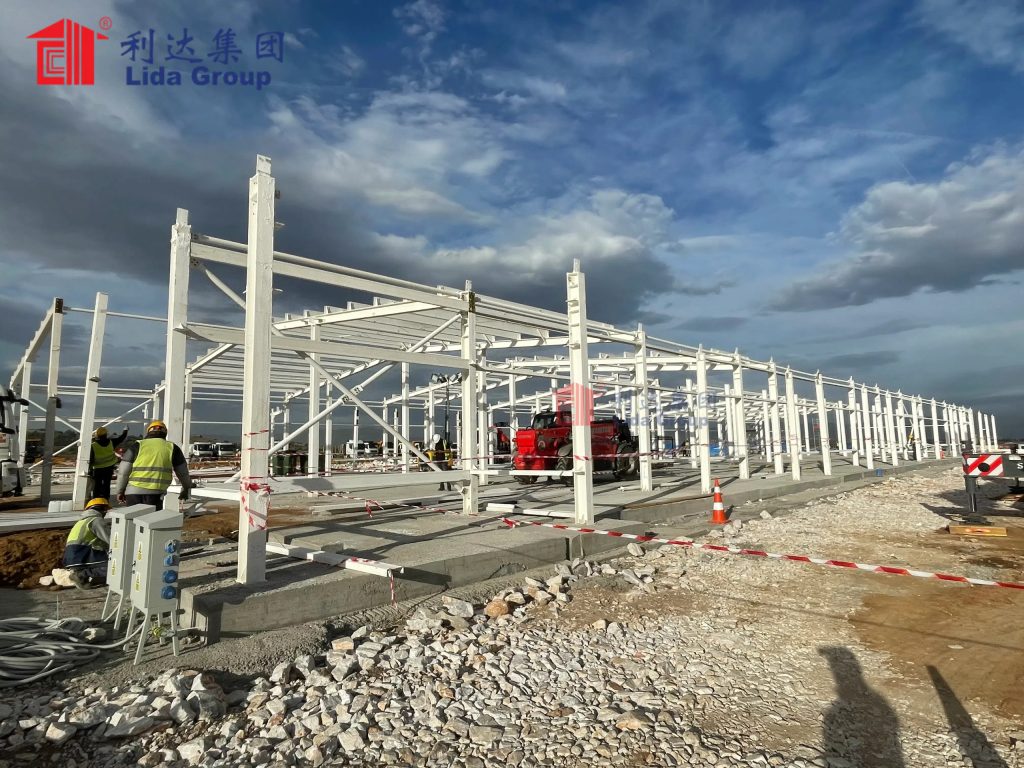
3. Key Components of High Quality Construction: Building for Longevity
Achieving high quality construction requires careful attention to every stage of the construction process and a commitment to excellence in materials, design, craftsmanship, and quality control. Below are the key components that define high-quality construction, each playing a critical role in delivering lasting value.
3.1 Superior Material Selection
The foundation of high quality construction is the use of superior materials. High-quality materials are durable, sustainable, and compatible with the building’s design and intended use. They resist wear, decay, corrosion, and environmental stressors, ensuring that the structure remains intact and functional for decades. When selecting materials, contractors and developers must consider factors such as durability, sustainability, cost-effectiveness, and compatibility with other materials and systems.
For structural components, high-quality materials include premium steel, reinforced concrete, and durable wood (such as cedar or oak). Steel is an excellent choice for framing due to its strength, durability, and recyclability, while reinforced concrete provides exceptional load-bearing capacity and resistance to fire and natural disasters. For exterior cladding, materials such as stone, brick, fiber cement, and high-quality vinyl siding are preferred for their durability and low maintenance requirements. For roofing, materials such as metal, slate, and asphalt shingles (of premium grade) are chosen for their waterproofing capabilities and longevity.
In addition to structural and exterior materials, high-quality construction also incorporates superior interior materials, such as low-VOC paints, durable flooring (e.g., hardwood, tile, luxury vinyl), and high-quality fixtures (e.g., faucets, lighting, cabinetry). These materials not only enhance the aesthetic appeal of the building but also improve indoor air quality, durability, and usability.
3.2 Thoughtful and Forward-Thinking Design
High quality construction begins with thoughtful, forward-thinking design that prioritizes durability, functionality, sustainability, and adaptability. A well-designed building is not only aesthetically pleasing but also efficient, user-friendly, and capable of adapting to future changes. Designers must consider the building’s intended use, location, climate, and user needs, as well as long-term trends such as technological advancements and environmental requirements.
Structural design is a critical aspect of high-quality construction, ensuring that the building can withstand all anticipated loads—including dead loads (the weight of the building itself), live loads (occupants, furniture, equipment), and environmental loads (wind, snow, rain, earthquakes). Structural engineers use advanced software and analysis tools to design robust, efficient structures that minimize material waste while maximizing durability and safety.
Functional design focuses on optimizing the building’s layout and systems to enhance usability and efficiency. For example, residential designs may incorporate open floor plans, natural light, and energy-efficient systems, while commercial designs may prioritize flexible spaces, efficient workflow, and customer experience. Sustainable design incorporates features such as passive solar heating, natural ventilation, and rainwater harvesting, reducing the building’s environmental footprint.
Forward-thinking design also considers adaptability, ensuring that the building can be modified or repurposed as needs change. For example, an office building may be designed with flexible floor plans that can be reconfigured for different types of workspaces, while a residential home may include extra rooms that can be converted into home offices or guest bedrooms. This adaptability extends the building’s lifespan and ensures that it remains valuable and relevant for years to come.
3.3 Exquisite Craftsmanship and Professional Installation
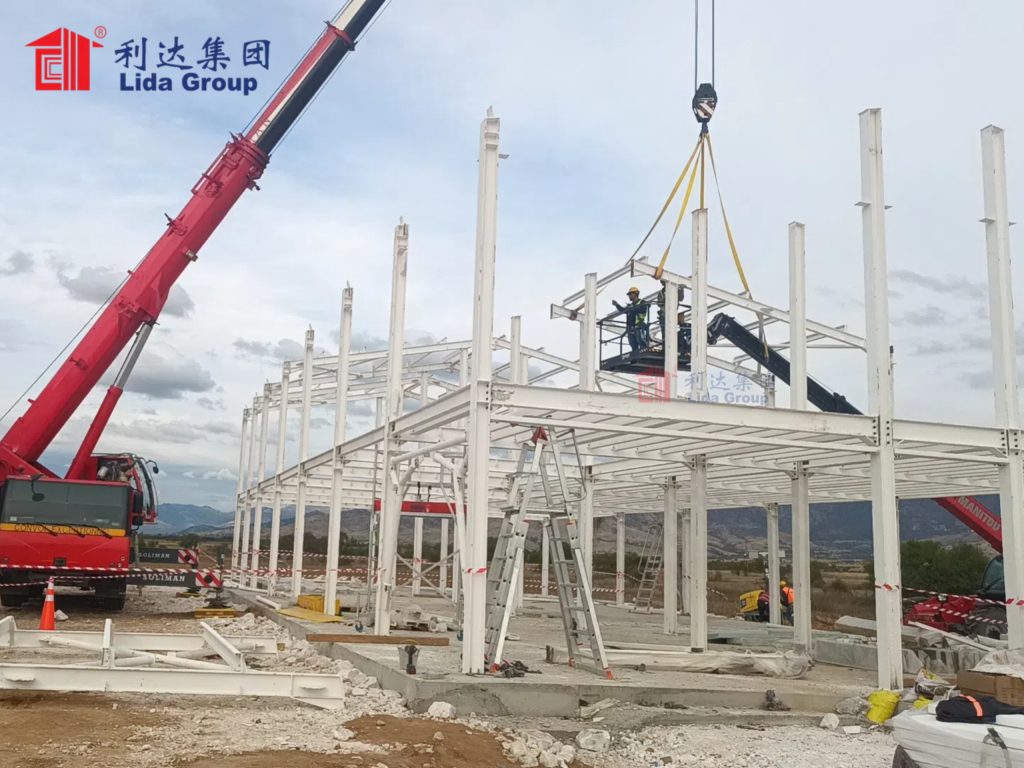
Even the highest-quality materials and best design will fail to deliver lasting value without exquisite craftsmanship and professional installation. High-quality construction requires skilled, experienced tradespeople who take pride in their work and adhere to the highest standards of quality and precision. From framing and masonry to electrical and plumbing work, every aspect of the construction process must be executed with care and attention to detail.
Professional installation ensures that materials are used correctly and systems are installed properly, minimizing the risk of leaks, failures, and other issues. For example, improper installation of roofing materials can lead to leaks and water damage, while faulty electrical wiring can pose a fire hazard. Skilled tradespeople have the knowledge and experience to install materials and systems correctly, following manufacturer guidelines and industry best practices.
High-quality construction also requires effective project management, ensuring that the construction process is organized, efficient, and on schedule. Project managers coordinate with architects, engineers, contractors, and suppliers to ensure that materials are delivered on time, work is performed to standard, and any issues are addressed promptly. They also implement quality control measures, such as regular inspections and testing, to ensure that the work meets or exceeds the required standards.
3.4 Rigorous Quality Control and Inspection
Rigorous quality control and inspection are essential to ensuring that high quality construction standards are maintained throughout the project. Quality control involves establishing clear standards and procedures for every stage of the construction process, while inspection involves verifying that these standards are met through regular checks and testing.
Quality control begins with the selection of materials and suppliers, ensuring that all materials meet the required specifications and standards. Suppliers should be vetted for their reputation, quality of products, and commitment to sustainability. Materials should be inspected upon delivery to ensure that they are free from defects and meet the required quality standards.
During construction, regular inspections are conducted to check the quality of workmanship and ensure that the work is being performed according to design plans and specifications. Inspections may be conducted by project managers, quality control specialists, or third-party inspectors, depending on the project’s size and complexity. Key inspection points include structural framing, foundation work, roofing, electrical and plumbing systems, and interior finishes.
Testing is also an important part of quality control, particularly for critical systems such as electrical, plumbing, and HVAC. For example, electrical systems are tested for safety and functionality, while plumbing systems are tested for leaks. These tests ensure that systems operate correctly and safely, minimizing the risk of failures and costly repairs.
Finally, a final inspection is conducted upon completion of the project to ensure that all work meets the required standards and that the building is safe, functional, and ready for occupancy. This inspection includes a comprehensive check of all systems, materials, and workmanship, and any deficiencies are addressed before the building is handed over to the owner.
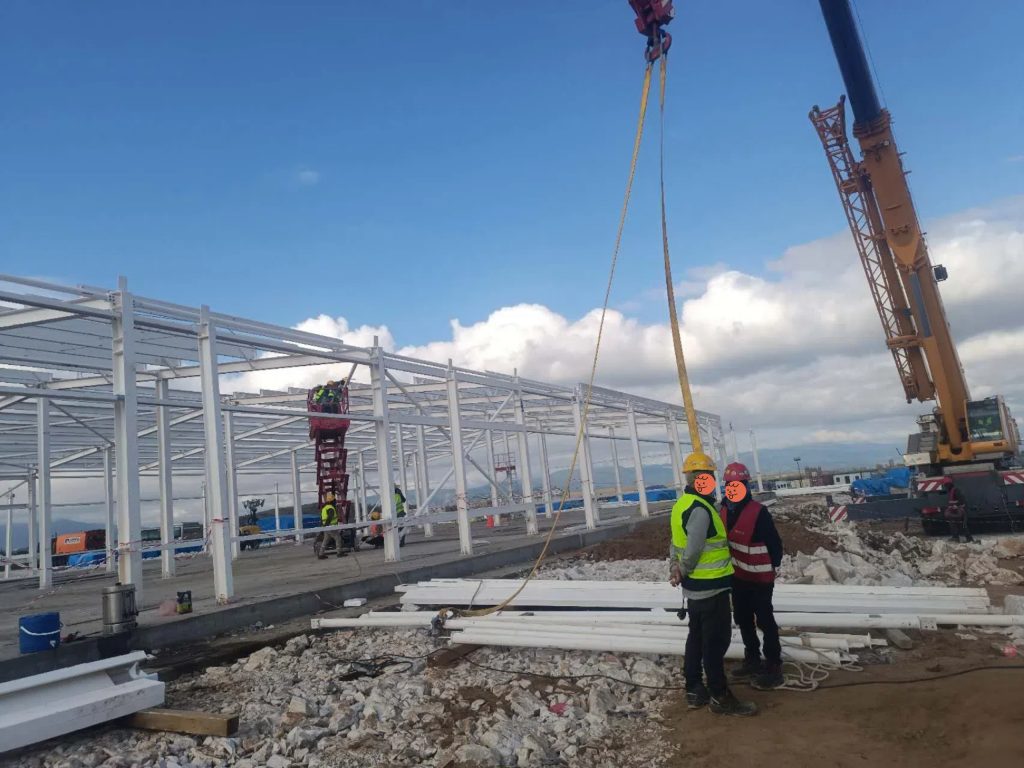
4. Global Case Studies: High Quality Construction Delivering Lasting Value
To fully understand the impact of high quality construction and its ability to deliver lasting value, it is helpful to examine real-world case studies from across the globe. These case studies demonstrate how high-quality construction has created enduring economic, functional, environmental, and social value for individuals, businesses, and communities. Each case study highlights the key components of high-quality construction and the tangible benefits it delivers over time.
4.1 Case Study 1: The Shard, London, UK (Commercial Construction)
The Shard, located in London, UK, is one of the tallest buildings in Europe and a prime example of high quality construction delivering lasting value. Completed in 2012, the 310-meter-tall skyscraper was designed by renowned architect Renzo Piano and constructed with a focus on durability, sustainability, and functionality. The building features a steel frame with a glass facade, incorporating high-quality materials and advanced engineering to withstand London’s climate and ensure long-term performance.
Economically, The Shard has delivered significant value. Despite a high initial investment of approximately £435 million, the building has become one of London’s most iconic landmarks, attracting high-end tenants such as luxury hotels, corporate offices, and restaurants. The building’s rental rates are among the highest in London, generating substantial income for its owners. Additionally, The Shard has increased the value of surrounding properties, contributing to economic growth in the area. Over the past decade, the building has maintained minimal maintenance costs due to its high-quality materials and craftsmanship, further enhancing its economic value.
Functionally, The Shard is a model of efficiency and adaptability. The building’s flexible floor plans allow tenants to customize their spaces to meet their specific needs, while its advanced HVAC and lighting systems ensure energy efficiency and occupant comfort. The building’s glass facade maximizes natural light, reducing energy consumption and improving the work environment for tenants. The Shard also features state-of-the-art safety systems, including fire-resistant materials, advanced sprinkler systems, and emergency evacuation routes, ensuring the safety of its occupants.
Environmentally, The Shard is committed to sustainability. The building incorporates a range of energy-efficient features, including a cogeneration plant that generates electricity and heat, rainwater harvesting systems, and energy-efficient windows and insulation. These features have reduced the building’s carbon footprint by 30% compared to similar commercial buildings. The Shard also uses recycled materials in its construction, including recycled steel and glass, further minimizing its environmental impact.
Socially, The Shard has enhanced London’s skyline and become a symbol of the city’s innovation and ambition. The building’s observation deck attracts millions of visitors each year, boosting tourism and contributing to the local economy. The Shard also houses a luxury hotel, restaurants, and public spaces, providing a focal point for community interaction and enhancing the quality of life for Londoners.
4.2 Case Study 2: Vauban, Freiburg, Germany (Residential Construction)
Vauban, a neighborhood in Freiburg, Germany, is a world-renowned example of high-quality, sustainable residential construction. Built on the site of a former military base, Vauban was designed to be a car-free, eco-friendly neighborhood that prioritizes durability, sustainability, and community well-being. The neighborhood features over 5,000 residential units, built with high-quality materials and advanced sustainable design principles.
Economically, Vauban has delivered lasting value for its residents and the local community. The high-quality construction of the homes has ensured that they retain their value over time, with property prices in Vauban consistently higher than in other parts of Freiburg. The homes’ energy-efficient features have also reduced utility costs for residents, saving them hundreds of euros each year. Additionally, Vauban’s eco-friendly reputation has attracted tourists and new residents, boosting the local economy and creating jobs.
Functionally, the homes in Vauban are designed to be durable, comfortable, and adaptable. The buildings are constructed with reinforced concrete and high-quality insulation, ensuring that they remain warm in winter and cool in summer with minimal energy consumption. The homes feature open floor plans, large windows for natural light, and private balconies or gardens, enhancing usability and quality of life. Many homes also include flexible spaces that can be converted into home offices or guest rooms, adapting to changing family needs.
Environmentally, Vauban is a leader in sustainable construction. The neighborhood’s homes are powered by renewable energy, including solar panels and a district heating system that uses waste heat from a nearby power plant. The homes also incorporate rainwater harvesting systems, low-flow fixtures, and drought-resistant landscaping, reducing water consumption. Vauban’s car-free design encourages walking, cycling, and public transportation, reducing carbon emissions and improving air quality.
Socially, Vauban has created a strong, vibrant community. The neighborhood features numerous parks, playgrounds, community centers, and local businesses, fostering social interaction and a sense of belonging. The high-quality, safe environment has made Vauban a popular place for families, with low crime rates and a strong focus on community well-being. Vauban has also become a model for sustainable urban development, inspiring similar projects around the world.
4.3 Case Study 3: Singapore General Hospital (SGH) Expansion, Singapore (Public Construction)
The expansion of Singapore General Hospital (SGH), one of Asia’s leading medical facilities, is a prime example of high-quality public construction delivering lasting value. Completed in 2023, the expansion project included the construction of a new 24-story tower, additional operating theaters, patient wards, and research facilities, all built with a focus on durability, functionality, safety, and sustainability.
Economically, the SGH expansion has delivered significant value to Singapore’s healthcare system. The high-quality construction of the new facilities has ensured that they require minimal maintenance, reducing long-term operational costs for the hospital. The expansion has also increased the hospital’s capacity, allowing it to treat more patients and generate additional revenue. Additionally, the new research facilities have attracted top medical researchers and funding, boosting Singapore’s reputation as a leader in healthcare and life sciences.
Functionally, the new facilities are designed to enhance patient care and operational efficiency. The tower features state-of-the-art patient wards with private rooms, advanced medical equipment, and efficient layout designs that minimize travel time for medical staff. The operating theaters are equipped with the latest technology, allowing for complex surgeries and improving patient outcomes. The building’s advanced HVAC systems ensure clean air quality, critical for preventing the spread of infections in a hospital setting. The facilities are also designed to be adaptable, allowing for future expansions and upgrades as medical technology advances.
Environmentally, the SGH expansion incorporates a range of sustainable features. The building’s facade is designed to maximize natural light and reduce heat gain, reducing energy consumption. The hospital also uses rainwater harvesting systems to collect water for landscaping and non-potable use, and energy-efficient lighting and equipment to minimize energy use. The construction process prioritized waste reduction, with over 80% of construction debris recycled or reused.
Socially, the SGH expansion has significantly improved healthcare access and quality for Singaporeans. The increased capacity has reduced waiting times for medical treatments, while the state-of-the-art facilities have improved patient outcomes and comfort. The new research facilities have also contributed to medical advancements, benefiting not only Singaporeans but also people around the world. The high-quality, safe environment of the new facilities has also boosted the morale of medical staff, improving job satisfaction and retention.
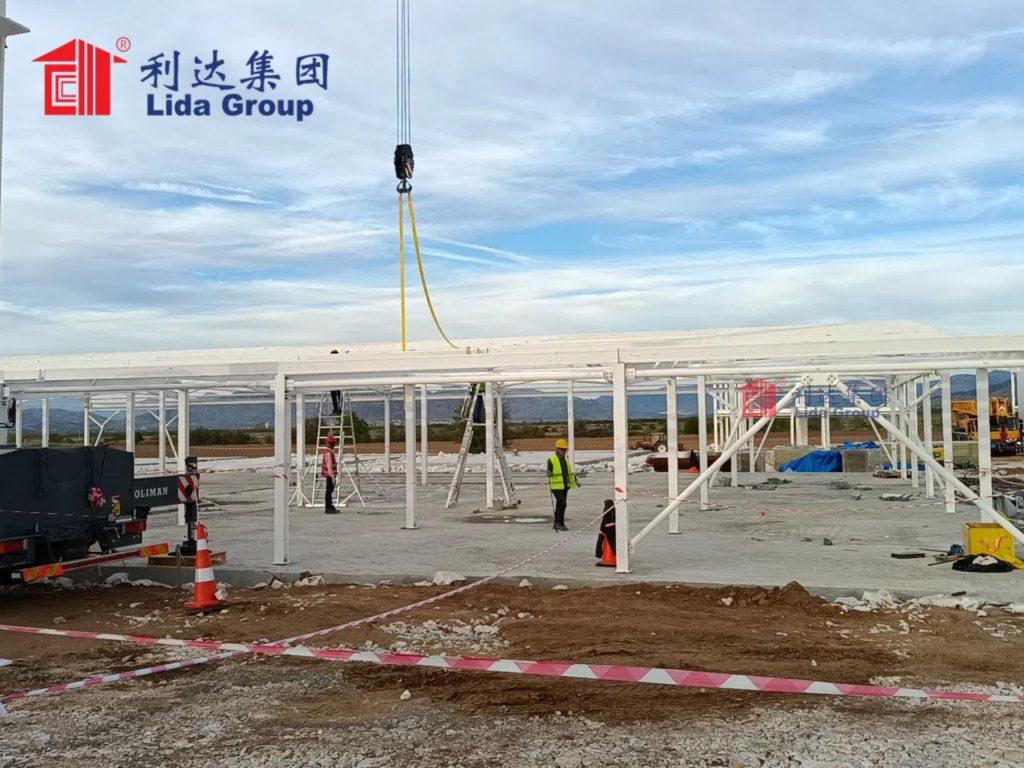
5. Challenges and Solutions in Achieving High Quality Construction
While high quality construction delivers significant lasting value, achieving it is not without challenges. From cost pressures and skill shortages to regulatory complexities and market demands, there are numerous obstacles that can hinder the delivery of high-quality construction projects. However, with careful planning, collaboration, and innovation, these challenges can be overcome. Below are the key challenges and practical solutions to achieving high-quality construction.
5.1 Challenge 1: Cost Pressures and Short-Term Thinking
One of the biggest challenges in achieving high quality construction is cost pressure. Many developers and clients prioritize short-term cost savings over long-term value, opting for low-quality materials and craftsmanship to reduce initial investment. This short-sighted approach often leads to higher long-term costs due to maintenance, repairs, and premature replacement, but it remains a common barrier to high-quality construction.
Solution: Education and value engineering are key to overcoming this challenge. Developers and clients need to be educated about the long-term economic, functional, and environmental benefits of high-quality construction, helping them understand that the higher initial investment is offset by long-term savings and asset appreciation. Value engineering—optimizing the design and materials to deliver maximum value at a reasonable cost—can also help balance quality and cost. By working with architects, engineers, and contractors to identify cost-effective, high-quality solutions, clients can achieve lasting value without overspending. Additionally, governments and industry organizations can provide incentives (such as tax breaks or subsidies) for high-quality, sustainable construction, encouraging clients to prioritize quality over short-term savings.
5.2 Challenge 2: Skill Shortages and Lack of Professional Training
Another major challenge is the shortage of skilled tradespeople and professionals in the construction industry. Many construction workers lack the training and experience needed to deliver high-quality craftsmanship, particularly in advanced techniques such as sustainable construction and complex structural installation. This skill shortage can lead to poor workmanship, delays, and costly mistakes, hindering the delivery of high-quality projects.
Solution: Investing in professional training and education is essential to addressing skill shortages. Vocational colleges, trade schools, and industry organizations can offer training programs in high-quality construction techniques, sustainable building practices, and advanced technologies. These programs should be designed to equip workers with the skills and knowledge needed to meet the highest standards of quality. Additionally, mentorship programs that pair experienced tradespeople with new workers can help pass on valuable skills and knowledge. Governments and industry organizations can also provide funding for training programs, encouraging more people to enter the construction industry and pursue careers in high-quality construction.
5.3 Challenge 3: Regulatory Complexities and Inconsistent Standards
Regulatory complexities and inconsistent building standards can also pose challenges to high-quality construction. Building codes and regulations vary widely from region to region, and some standards may be outdated or insufficient to ensure high quality. Navigating these regulations can be time-consuming and costly, and inconsistent standards can lead to confusion and a lack of accountability.
Solution: Standardizing building codes and regulations to prioritize high quality and sustainability is critical. Governments should update building codes to reflect the latest advancements in construction technology and sustainable practices, ensuring that all projects meet minimum standards of quality and safety. Additionally, industry organizations can develop voluntary standards and certifications (such as LEED, BREEAM, or ISO 9001) that go beyond regulatory requirements, providing a framework for high-quality construction. These certifications can help clients and developers identify high-quality projects and ensure accountability. Finally, governments and industry organizations can provide guidance and support to help contractors and developers navigate regulatory complexities, ensuring that projects comply with all requirements while maintaining high quality.
5.4 Challenge 4: Supply Chain Disruptions and Material Quality Issues
Supply chain disruptions—such as those caused by pandemics, natural disasters, or geopolitical tensions—can impact the availability and quality of construction materials. Shortages of high-quality materials can force contractors to use low-quality alternatives, compromising the quality of the project. Additionally, some suppliers may cut corners to meet demand, providing materials that do not meet the required standards.
Solution: Building resilient supply chains and vetting suppliers carefully can help address these challenges. Contractors and developers should establish relationships with multiple suppliers of high-quality materials, reducing reliance on a single source. They should also vet suppliers thoroughly, checking their reputation, quality control processes, and ability to deliver materials on time. Additionally, investing in material testing and inspection can ensure that all materials meet the required standards, even during supply chain disruptions. Finally, governments and industry organizations can work to strengthen supply chains, supporting local material production and reducing reliance on imported materials.
6. Future Prospects: The Evolution of High Quality Construction
Looking to the future, high quality construction is poised to evolve and innovate, driven by advancements in technology, growing environmental concerns, and changing user needs. The future of high-quality construction will focus on integrating smart technology, enhancing sustainability, and improving adaptability, further enhancing the lasting value it delivers. Below are the key trends and future prospects for high-quality construction.
6.1 Integration of Smart Technology
Smart technology is set to transform high quality construction, making buildings more efficient, safe, and user-friendly. Smart buildings incorporate sensors, IoT (Internet of Things) devices, and automated systems that monitor and control various aspects of the building’s performance—including energy consumption, indoor air quality, temperature, and security. These systems can detect issues in real time, allowing for proactive maintenance and reducing the risk of failures.
For example, smart HVAC systems can adjust heating and cooling based on occupancy and weather conditions, reducing energy consumption and improving comfort. Smart security systems can monitor access to the building and alert authorities to potential threats, enhancing safety. Smart sensors can detect leaks, structural damage, or poor indoor air quality, allowing for prompt repairs and improving the building’s longevity. As technology advances, smart buildings will become more integrated and intelligent, further enhancing the functional and economic value of high-quality construction.
6.2 Enhanced Sustainability and Circular Construction
Sustainability will continue to be a key focus of high quality construction, with an increasing emphasis on circular construction—designing buildings to be reused, recycled, or repurposed at the end of their lifespan. Circular construction minimizes waste and resource consumption, reducing the building’s environmental footprint and extending its value.
Future high-quality buildings will incorporate more recycled and renewable materials, such as cross-laminated timber (CLT), recycled steel, and bio-based materials. They will also be designed for disassembly, allowing components to be reused or recycled when the building is no longer needed. Additionally, high-quality construction will focus on net-zero energy and net-zero carbon emissions, using renewable energy sources and energy-efficient systems to minimize environmental impact. Governments and industry organizations will continue to introduce stricter sustainability standards, driving innovation in sustainable construction practices.
6.3 Modular and Prefabricated Construction
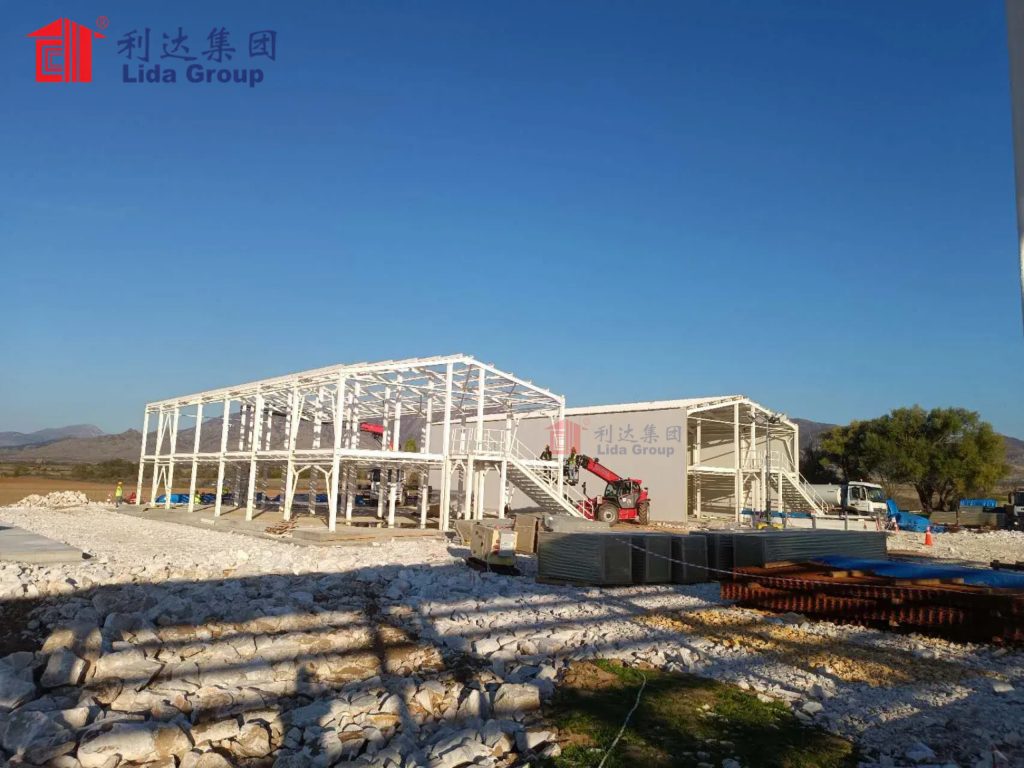
Modular and prefabricated construction is another trend that will shape the future of high quality construction. Modular construction involves manufacturing building components in a factory and assembling them on-site, while prefabricated construction involves manufacturing entire sections of the building (such as walls, floors, and roofs) in a factory before installation. These methods offer numerous benefits for high-quality construction, including improved precision, reduced waste, faster construction times, and better quality control.
Factory manufacturing ensures that components are produced to strict quality standards, minimizing errors and defects. Modular and prefabricated construction also reduces on-site waste and labor costs, while accelerating the construction process. Additionally, modular buildings are highly adaptable, allowing for easy expansion or modification as needs change. As technology advances, modular and prefabricated construction will become more sophisticated, enabling the delivery of high-quality, customizable buildings at a lower cost.
6.4 Focus on Resilience and Climate Adaptation
As climate change leads to more frequent and severe extreme weather events, high quality construction will increasingly focus on resilience and climate adaptation. Future buildings will be designed to withstand hurricanes, tornadoes, earthquakes, floods, and wildfires, ensuring that they remain safe and functional even in the face of natural disasters.
Resilient construction will incorporate features such as reinforced structural designs, flood-resistant materials, fire-resistant cladding, and wind-resistant roofing. Buildings will also be designed to adapt to changing climate conditions, such as rising temperatures and changing precipitation patterns. For example, buildings in hot climates may incorporate passive cooling systems and heat-resistant materials, while buildings in flood-prone areas may be elevated or designed with waterproof foundations. This focus on resilience will enhance the durability and safety of high-quality buildings, ensuring that they deliver lasting value even in a changing climate.
7. Conclusion: Embracing High Quality Construction for Lasting Value
High quality construction is more than just a building process—it is an investment in the future, delivering lasting value across economic, functional, environmental, and social dimensions. Unlike low-quality construction, which prioritizes short-term savings and speed over longevity, high-quality construction is a holistic approach that integrates superior materials,精湛 craftsmanship, thoughtful design, and rigorous quality control to create structures that stand the test of time. From reducing long-term maintenance costs and enhancing asset value to improving sustainability and community well-being, high-quality construction delivers benefits that extend far beyond the completion of the project.
As explored in this article, the lasting value of high-quality construction is multifaceted. Economically, it delivers long-term savings, asset appreciation, and reduced risk of costly disasters. Functionally, it ensures durability, usability, and consistent performance, adapting to changing needs over time. Environmentally, it minimizes the building’s footprint, promoting sustainability and resource conservation. Socially, it creates safe, healthy, and vibrant spaces that enhance quality of life and strengthen communities. The key components of high-quality construction—superior materials, thoughtful design,精湛 craftsmanship, and rigorous quality control—are essential to achieving these benefits, ensuring that the structure delivers value for decades.
Real-world case studies from London, Freiburg, and Singapore demonstrate the tangible impact of high-quality construction, showcasing how it has transformed communities, enhanced economic prosperity, and improved quality of life. While achieving high-quality construction faces challenges—including cost pressures, skill shortages, regulatory complexities, and supply chain disruptions—these challenges can be overcome through education, training, standardization, and innovation. By prioritizing quality over short-term gains, investing in skilled labor and sustainable materials, and embracing new technologies, we can unlock the full potential of high-quality construction.
Looking to the future, high-quality construction will continue to evolve, driven by advancements in smart technology, sustainability, modular construction, and climate resilience. These innovations will further enhance the lasting value of high-quality buildings, making them more efficient, adaptable, and environmentally friendly. As we face the challenges of rapid urbanization, climate change, and growing demand for safe, sustainable spaces, high-quality construction will play an increasingly critical role in building resilient, prosperous, and livable communities.
In conclusion, experience lasting value with high quality construction is not just a possibility—it is a necessity. Whether you are a homeowner, investor, developer, or policy maker, embracing high-quality construction is the key to creating buildings that deliver consistent value, protect assets, and improve quality of life for generations to come. High-quality construction is an investment that pays dividends in the long run, ensuring that our built environment is safe, durable, sustainable, and adaptable—now and in the future.
Related news
-
Efficient and Sturdy Steel Structure Building for Agriculture
2026-02-13 17:34:57
-
Lida Group Delivers Premium Metal Frame Farmhouse Projects
2026-02-13 17:12:13
-
Reimagine Rural Living with Steel Structure Building Designs
2026-02-13 17:04:43
contact us
- Tel: +86-532-88966982
- Whatsapp: +86-13793209022
- E-mail: sales@lidajituan.com
