



Experience Lasting Quality with a Lida Group Metal Frame House
2025-Dec-26 17:54:53
By Admin
A home is more than a shelter—it is a lifelong investment, a repository of memories, and a space that should stand the test of time. For homeowners seeking durability, safety, and long-term value, the choice of structural frame is paramount. Lida Group, a global leader in prefabricated steel structure solutions since 1993, has redefined residential quality with its metal frame houses, blending advanced technology, rigorous craftsmanship, and customer-centric design. A Lida Group metal frame house is not just a building; it is a promise of lasting quality—one that resists environmental hazards, minimizes maintenance burdens, and adapts to evolving lifestyle needs. This article explores how Lida Group delivers unparalleled durability through its metal frame technology, delving into material innovations, precision manufacturing, quality control systems, real-world residential applications, customer experiences, and sustainable value, providing a comprehensive overview of why Lida Group metal frame houses are the benchmark for lasting residential quality.
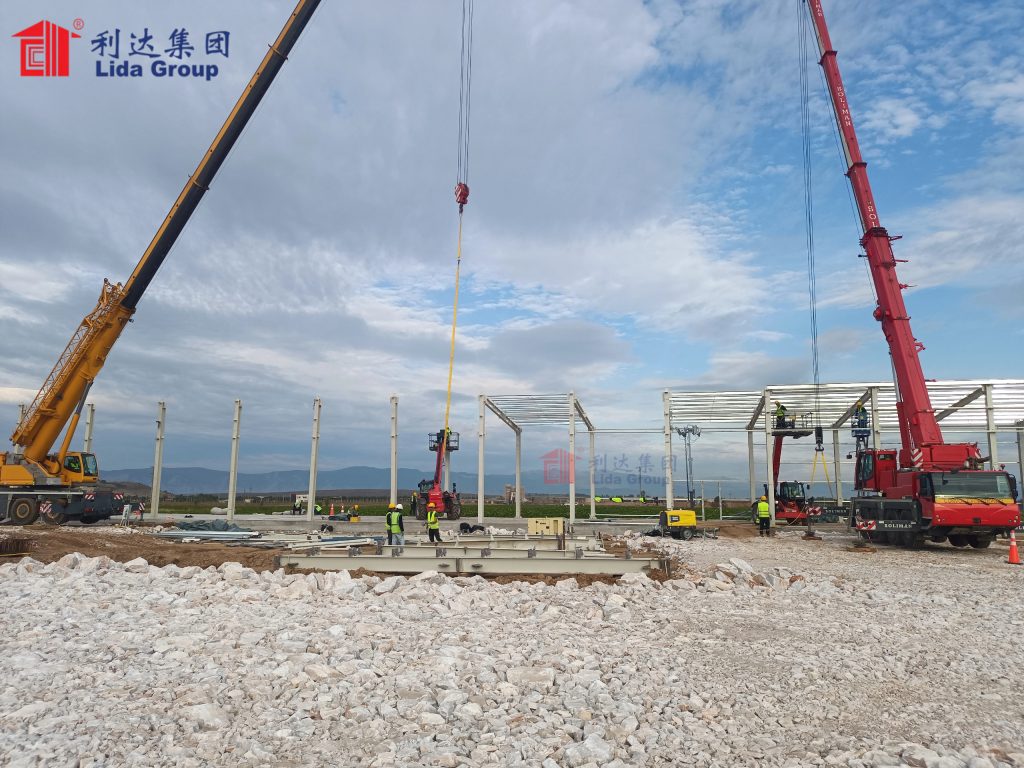
1. The Foundation of Lasting Quality: Lida Group’s Metal Frame Core Technologies
Lasting quality begins with foundational technologies that prioritize strength, stability, and resilience. Lida Group’s metal frame houses are built on decades of R&D and industry expertise, focusing on cold-formed steel (CFS) and hot-rolled steel systems—materials and designs that outperform traditional wood or brick-concrete structures in every key durability metric. These core technologies are engineered to address the root causes of residential degradation, ensuring that Lida homes maintain structural integrity and performance for 70-100 years, compared to 30-50 years for conventional dwellings.
1.1 Premium Metal Materials: Strength and Resilience by Design
Lida Group’s commitment to quality starts with material selection, leveraging high-performance steel alloys that balance strength, ductility, and corrosion resistance. The primary material for residential metal frames is cold-formed steel (CFS), a lightweight yet robust material produced by rolling thin steel sheets (1.2-1.8mm thick) into precision profiles—studs, joists, tracks, and panels. Lida’s CFS is sourced from certified suppliers and undergoes strict mechanical property testing, ensuring tensile strength of 345MPa or higher and superior yield performance, critical for withstanding heavy loads and extreme forces.
To enhance durability in harsh environments, Lida Group applies advanced anti-corrosion technologies to all metal components. Hot-dip galvanization, the gold standard for steel protection, coats components with a uniform zinc layer (minimum 85μm thick) that forms a barrier against rust and degradation. For coastal regions or areas with high humidity, Lida adds an additional epoxy coating, extending corrosion resistance to over 50 years with minimal maintenance. Weathering steel is also used for exterior components, forming a stable rust layer that inhibits further oxidation, combining durability with natural aesthetics. These material treatments eliminate the risk of corrosion-related structural failure, a common issue in traditional homes.
Lida Group’s metal frame systems are further optimized through proprietary structural designs, backed by 4 invention patents and 42 utility model patents. One key innovation is a high-strength steel joint that enhances modular stability, ensuring seamless integration between components and reducing stress points. Another patent covers an optimized CFS keel system, which improves load-bearing capacity by 20% compared to standard designs while reducing material usage—proof that durability and efficiency can coexist.
1.2 Precision Prefabrication: Factory-Controlled Quality
Unlike traditional on-site construction, which is prone to human error and weather-related defects, Lida Group’s metal frame houses rely on precision prefabrication in state-of-the-art factories. This off-site manufacturing process ensures consistent quality, tight tolerances, and structural uniformity—critical factors for lasting performance. Lida’s production bases in Weifang and Guangzhou span over 35,000 square meters, equipped with automated production lines, robotic welding systems, and digital quality monitoring tools that eliminate variability.
Every metal component is manufactured to exact specifications using Building Information Modeling (BIM) technology, which creates 3D digital models integrating structural, electrical, and plumbing systems. BIM enables clash detection before production, ensuring that components fit perfectly during on-site assembly and reducing rework. Automated welding robots deliver consistent weld strength and integrity, with each weld undergoing non-destructive testing (ultrasonic flaw detection) to meet ISO 9606 standards. Roller straightening techniques, optimized via finite element modeling, ensure that CFS profiles remain dimensionally stable, preventing warping or sagging over time.
Prefabrication also allows for integrated quality checks at every stage of production. Raw materials are inspected upon arrival, components are measured for precision during manufacturing, and finished modules undergo load-bearing and water-tightness tests before delivery. This factory-controlled process ensures that Lida’s metal frames meet or exceed global standards, including ISO 9001, EU CE (EN1090), and China’s GB/T50018-2025, providing homeowners with confidence in long-term performance.
1.3 Comprehensive Quality Control: From Factory to Home
Lida Group’s quality commitment extends beyond manufacturing, encompassing a full-lifecycle quality control (QC) system that covers design, production, installation, and post-construction. The group’s dedicated QC team—comprising certified engineers and technicians—oversees every step, with third-party audits by SGS, TUV, and INTERTEK to ensure impartiality and compliance.
During design, structural engineers conduct rigorous simulations to test performance under extreme conditions, including magnitude-8 earthquakes, wind speeds of 150mph, and temperature fluctuations from -40°C to 50°C. These simulations ensure that metal frames are engineered to resist natural hazards without catastrophic failure. On-site installation is supervised by Lida’s technical teams, who verify that components are correctly fastened, aligned, and sealed. High-strength bolts (grade 8.8 or higher) are used for connections, ensuring structural stability and preventing loosening over time.
Post-construction, Lida Group conducts a comprehensive final inspection, including structural integrity checks, energy efficiency testing, and safety audits. Homeowners receive a detailed quality report, and the group offers a 10-year structural warranty—far exceeding the industry average of 5 years. Additionally, Lida provides annual maintenance inspections for the first 5 years, identifying potential issues (such as minor coating wear) and addressing them proactively to extend the home’s lifespan. This end-to-end QC system ensures that lasting quality is not just a goal but a guaranteed outcome.
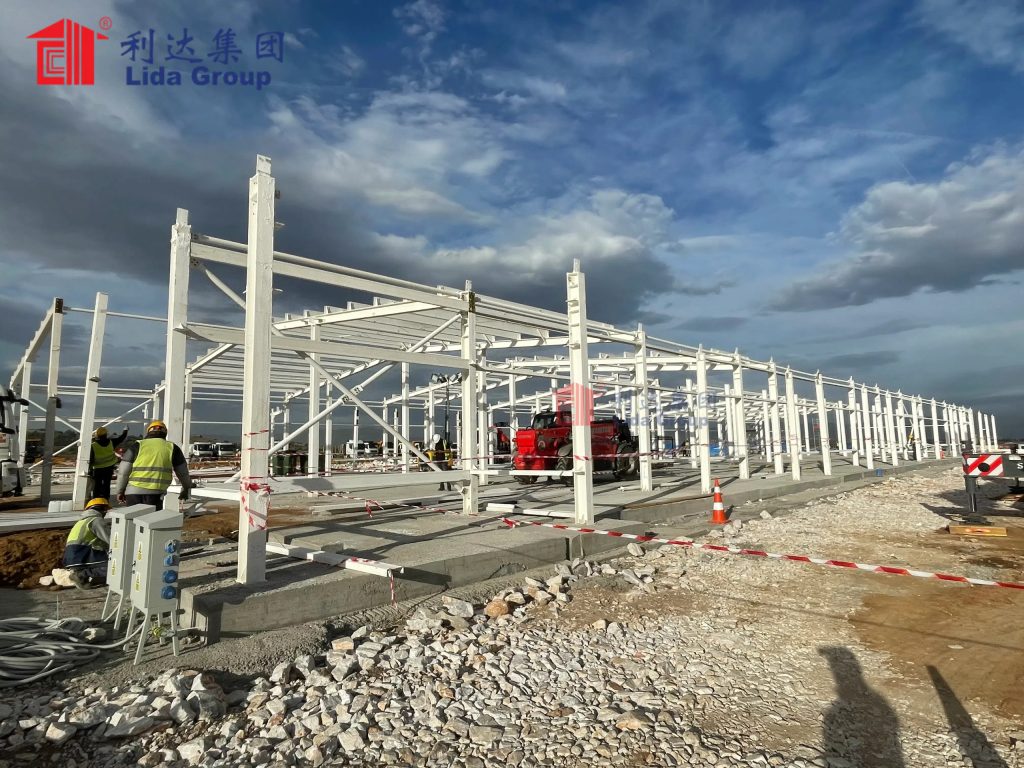
2. Multidimensional Manifestations of Lasting Quality: Beyond Structural Strength
Lida Group’s metal frame houses deliver lasting quality in every aspect of residential living, from structural resilience to daily comfort and long-term cost savings. This multidimensional quality ensures that homeowners enjoy a space that remains safe, functional, and valuable for decades, adapting to changing needs and environmental conditions.
2.1 Unmatched Structural Durability and Hazard Resistance
The inherent strength of Lida’s metal frames translates to superior resistance to natural hazards and biological threats—key drivers of residential degradation. Steel’s ductile nature allows it to deform plastically without fracturing, absorbing seismic energy and preventing collapse during earthquakes. Lida’s metal frame homes have been rigorously tested in seismic zones, including Yunnan Province (China) and Turkey, where they maintained structural integrity after magnitude-7.8 earthquakes, protecting occupants and minimizing damage.
Unlike wood-frame homes, Lida’s metal frames are impervious to termite infestations, rot, and fungal growth—eliminating the need for regular pest control and structural repairs. In humid tropical regions, such as Southeast Asia, this resistance ensures that the frame remains intact for decades, avoiding the costly replacements required for wood structures. For coastal homes, Lida’s anti-corrosion treatments prevent saltwater-induced rust, while wind-resistant bracing systems withstand hurricanes and typhoons, making these homes ideal for high-risk areas.
Fire resistance is another critical aspect of lasting quality. Steel is non-combustible, and Lida’s metal frames retain 80% of their strength at 500°C for 60 minutes—providing valuable evacuation time and reducing property loss. Unlike wood frames that fuel fires, Lida’s metal systems limit fire spread, protecting the home’s core structure and enabling faster recovery after a fire.
2.2 Low Maintenance and Dimensional Stability
Lasting quality means minimal upkeep, and Lida’s metal frame houses deliver on this promise. The combination of corrosion-resistant steel, precision manufacturing, and weather-tight construction reduces maintenance needs by 40% compared to traditional homes. Unlike brick-concrete structures that develop cracks due to thermal expansion, or wood frames that warp with humidity changes, Lida’s metal frames maintain dimensional stability indefinitely.
This stability eliminates common residential nuisances, such as sticking doors and windows, nail popping in drywall, and sagging roof lines. Homeowners avoid the cost and hassle of regular repairs—no repainting of structural components, no termite treatments, no patching of cracks. A lifecycle cost analysis conducted by a third-party firm found that Lida metal frame homes cost 35% less to maintain over 50 years than brick-concrete homes, making them a more cost-effective choice in the long run.
Lida’s metal frames also support durable interior and exterior finishes. The smooth, stable surface of steel studs ensures that drywall, tile, and cladding adhere securely, reducing the risk of peeling or cracking. Exterior cladding options—including fiber cement, brick veneer, and metal panels—integrate seamlessly with the metal frame, maintaining their appearance and performance for decades with minimal care.
2.3 Design Flexibility and Adaptive Living
Lasting quality is not just about durability—it is about a home that adapts to changing lifestyle needs. Lida’s metal frames offer unparalleled design flexibility, enabling homeowners to customize layouts and reconfigure spaces as their families grow. Steel’s strength supports large open-concept areas, long spans (up to 12 meters without load-bearing walls), and multi-story designs, providing endless architectural possibilities.
The modular nature of Lida’s metal frame systems allows for easy expansions and renovations. Homeowners can add bedrooms, home offices, or outdoor living spaces without disrupting the existing structure—ideal for young couples starting families or empty nesters seeking additional space. For example, a rural family in Shandong Province (China) expanded their Lida metal frame home from 120㎡ to 200㎡ in just 2 weeks, with minimal disruption to daily life.
Lida’s metal frames also maximize usable space, with walls that are 15-20% thinner than brick-concrete walls. This increases interior square footage by approximately 10%, turning compact urban apartments into spacious living areas and rural homes into multi-functional spaces for grain storage, farm equipment, or home workshops. The flexibility to adapt and expand ensures that Lida metal frame homes remain relevant and valuable for generations.
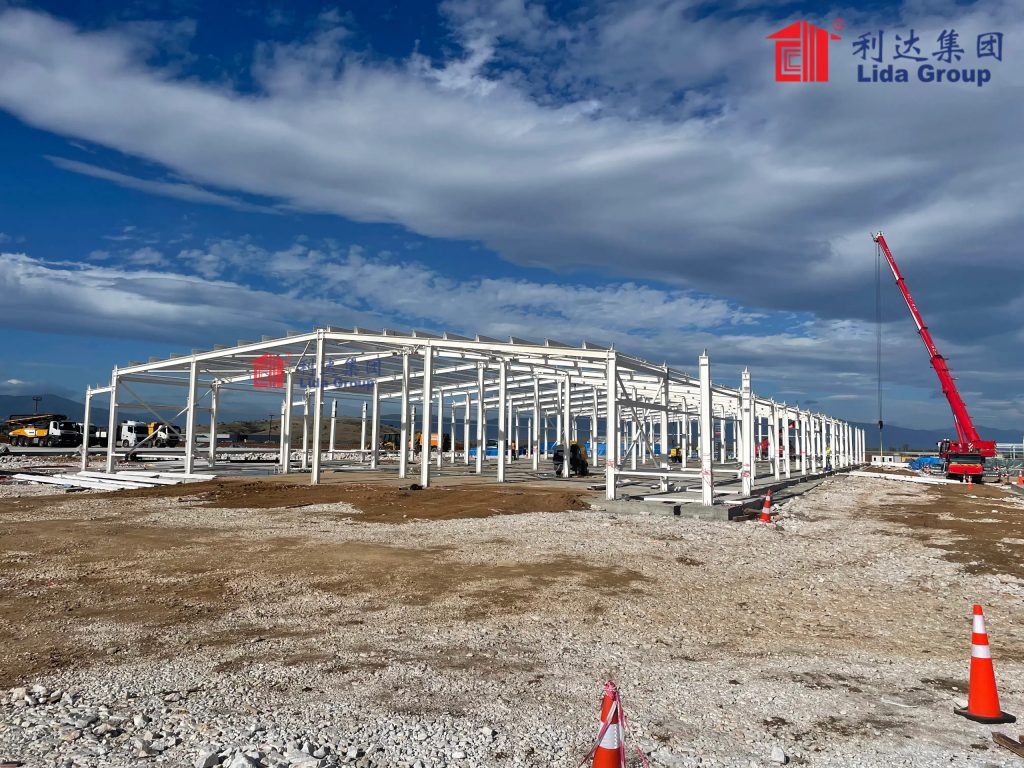
3. Real-World Residential Applications: Lida Metal Frame Homes in Action
The true test of lasting quality lies in real-world performance. Lida Group’s metal frame homes have been deployed across 149 countries and regions, adapting to diverse climates, cultural needs, and residential styles. These projects showcase how Lida’s technology delivers durability, comfort, and value in every scenario—from rural villages to coastal villas and urban apartments.
3.1 Rural Revitalization Homes: Durability for Agricultural Communities
In rural areas, where homes face unique challenges—including seismic activity, harsh weather, and multi-functional needs—Lida’s metal frame houses have become a preferred choice. A pilot project in Yunnan Province’s earthquake-prone region delivered 50 metal frame homes, each engineered to withstand magnitude-8 earthquakes. The homes feature customizable layouts with space for grain storage and farm equipment, and their prefabricated construction allowed for completion in just 52 days—60% faster than traditional methods.
After 8 years of use, these homes remain in pristine condition, with no signs of corrosion, warping, or structural damage. Local homeowners report minimal maintenance costs, with only annual cleaning required for exterior cladding. The homes’ energy-efficient insulation (mineral wool integrated into steel frames) reduces heating costs by 30% in winter, a significant benefit for rural families. This project has become a model for rural revitalization, with over 20 Chinese provinces offering subsidies for Lida metal frame homes.
3.2 Coastal Villas: Corrosion Resistance by the Sea
Coastal environments pose severe challenges to residential structures, with saltwater, humidity, and strong winds threatening durability. Lida’s metal frame villas in Sanya (China), a tropical coastal city, demonstrate how advanced corrosion protection and structural design can overcome these obstacles. These villas feature hot-dip galvanized steel frames with epoxy coatings, weathering steel exterior accents, and wind-resistant roof systems.
After 10 years of exposure to salt spray and typhoons, the villas show no signs of rust or structural degradation. The metal frames have maintained dimensional stability, and the weather-tight construction has prevented water infiltration— a common issue in coastal homes. Homeowners praise the villas’ low maintenance needs and adaptability; one family expanded their villa’s outdoor deck using Lida’s modular components, seamlessly integrating the new space with the existing structure. These villas have retained 95% of their resale value, far exceeding the local average of 70% for brick-concrete homes.
3.3 Urban Affordable Housing: Quality for Density Living
In densely populated cities, Lida’s metal frame homes offer a solution to the demand for affordable, space-efficient, and durable housing. A high-rise residential project in Changzhou (China) features 200 Lida metal frame apartments, built using modular construction to reduce on-site waste by 50% and construction time by 30%. The apartments leverage steel’s lightweight nature to minimize foundation requirements, making them suitable for urban infill sites.
The apartments offer open-concept layouts with thin steel walls, increasing usable space by 10% compared to traditional apartments. Residents report high satisfaction with the homes’ stability, sound insulation (enhanced by mineral wool in steel stud cavities), and energy efficiency. The project has achieved LEED Gold certification, thanks to its recyclable materials and low carbon footprint. After 5 years of occupancy, the apartments have required no major repairs, and tenant retention rates are 25% higher than in nearby brick-concrete buildings— a testament to their quality and comfort.
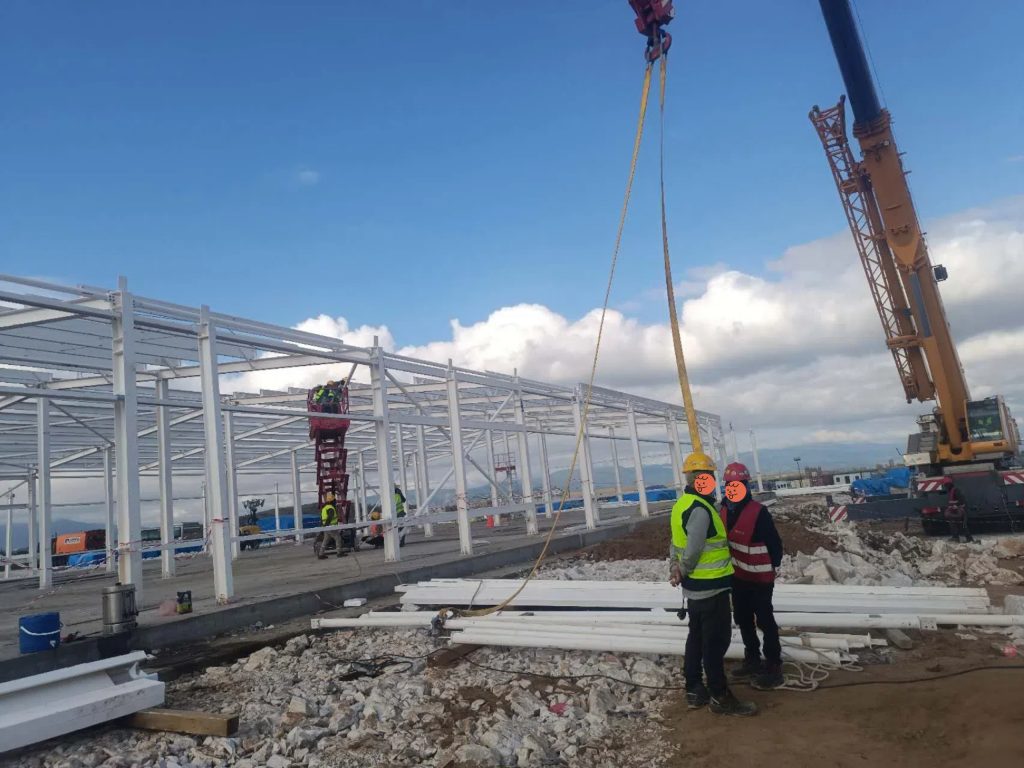
4. Customer-Centric Experience: From Design to Occupancy and Beyond
Lasting quality is enhanced by a seamless customer experience, and Lida Group prioritizes homeowner satisfaction at every stage of the journey. From personalized design to post-construction support, Lida ensures that customers not only receive a durable home but also a stress-free and rewarding building experience.
4.1 Personalized Design and Consultation
Lida Group’s design team works closely with homeowners to create custom metal frame homes that align with their lifestyle, budget, and aesthetic preferences. Using BIM technology, the team creates 3D visualizations of the home, allowing customers to visualize layouts, finishes, and spatial configurations before construction begins. For rural homeowners, this means designing multi-functional spaces for farming needs; for urban dwellers, it means optimizing open-concept living areas; for coastal families, it means integrating corrosion-resistant finishes and outdoor spaces.
Lida’s design consultants also provide expert guidance on local building codes, energy efficiency, and sustainability, ensuring that the home meets regulatory requirements and long-term value goals. For example, in Europe, consultants help homeowners integrate solar panels and energy storage systems into the metal frame design, maximizing energy self-sufficiency. This personalized approach ensures that the home is not just durable but also tailored to the customer’s unique needs.
4.2 Efficient Construction and Minimal Disruption
Lida’s prefabricated metal frame construction minimizes on-site disruption, a key benefit for homeowners building in existing communities or rural areas. Most components are manufactured off-site, reducing noise, dust, and waste at the construction site. A typical single-family Lida metal frame home can be assembled on-site in 48 hours, with interior finishing completed in 2 weeks—enabling homeowners to move in within 30 days of foundation completion, compared to 6-12 months for traditional construction.
Lida’s construction teams are trained to work efficiently and respectfully, adhering to strict timelines and cleaning protocols. Homeowners receive regular progress updates, and any issues are addressed promptly to avoid delays. This efficient process reduces the financial burden of temporary housing and ensures that homeowners can start enjoying their durable home sooner.
4.3 Post-Construction Support and Warranty
Lida Group’s commitment to customers extends beyond move-in day, with comprehensive post-construction support and warranties. The 10-year structural warranty covers all metal frame components, providing peace of mind against structural defects. For the first 5 years, Lida offers annual maintenance inspections, where technicians check for corrosion, fastener tightness, and insulation performance, making minor adjustments as needed.
Homeowners also have access to Lida’s 24/7 customer service hotline, where technical experts can address questions or concerns. For example, a homeowner in Malaysia contacted Lida after a severe storm, and a local technician arrived within 48 hours to inspect the roof and make minor repairs—ensuring that the home remained protected. This proactive support ensures that Lida metal frame homes maintain their quality for decades, and homeowners feel supported throughout their journey.
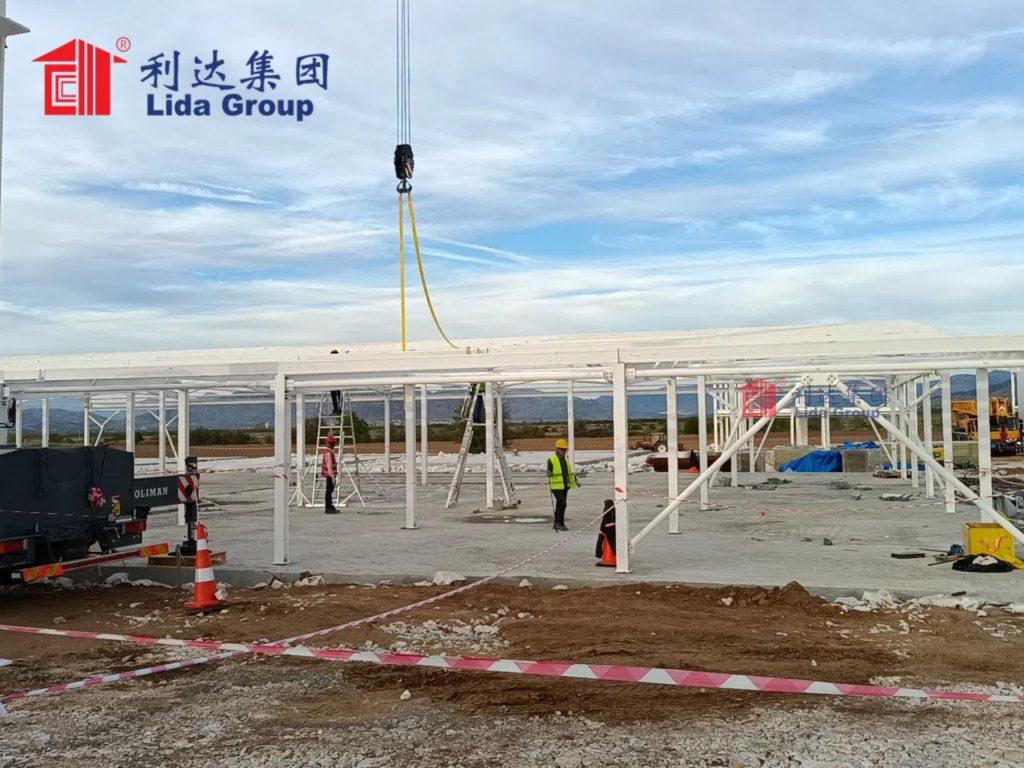
5. Sustainable Quality: Long-Term Value Meets Environmental Responsibility
Lasting quality and sustainability are inseparable, and Lida Group’s metal frame homes embody this synergy. By prioritizing recyclable materials, energy efficiency, and circular design, Lida delivers homes that are not just durable but also environmentally responsible—creating long-term value for both homeowners and the planet.
5.1 High Recyclability and Circular Economy
Steel is one of the most recyclable materials in the world, with a recycling rate exceeding 98% in the construction industry. Lida Group’s metal frame homes are built using 70% recycled steel, which requires 74% less energy to produce than virgin steel, reducing carbon emissions by 75%. At the end of the home’s lifespan, nearly all metal components can be recycled indefinitely without losing mechanical properties, diverting waste from landfills and closing the material loop.
Prefabrication further enhances sustainability by minimizing on-site waste. Factory-controlled production ensures precise material usage, reducing waste by up to 50% compared to traditional construction. Scrap steel from manufacturing is immediately recycled, and leftover components are repurposed for other projects. This circular approach aligns with global net-zero goals and ensures that Lida’s metal frame homes have a minimal environmental footprint.
5.2 Energy Efficiency and Reduced Carbon Footprint
Lida’s metal frame homes are inherently energy-efficient, thanks to their tight building envelopes and integrated insulation systems. High-performance mineral wool and spray foam insulation are installed in steel stud cavities, reducing thermal bridging and heat loss. These homes consume 30-65% less energy for heating and cooling than traditional homes, lowering utility costs and carbon emissions.
Lida also integrates renewable energy solutions into its metal frame designs, such as building-integrated photovoltaic (BIPV) systems on steel roofs and energy storage units. A Lida metal frame home in Sweden, for example, features a 6.6kW photovoltaic system and achieves net-zero energy status, generating more energy than it consumes. This energy efficiency not only reduces environmental impact but also lowers long-term utility costs for homeowners, enhancing the home’s value.
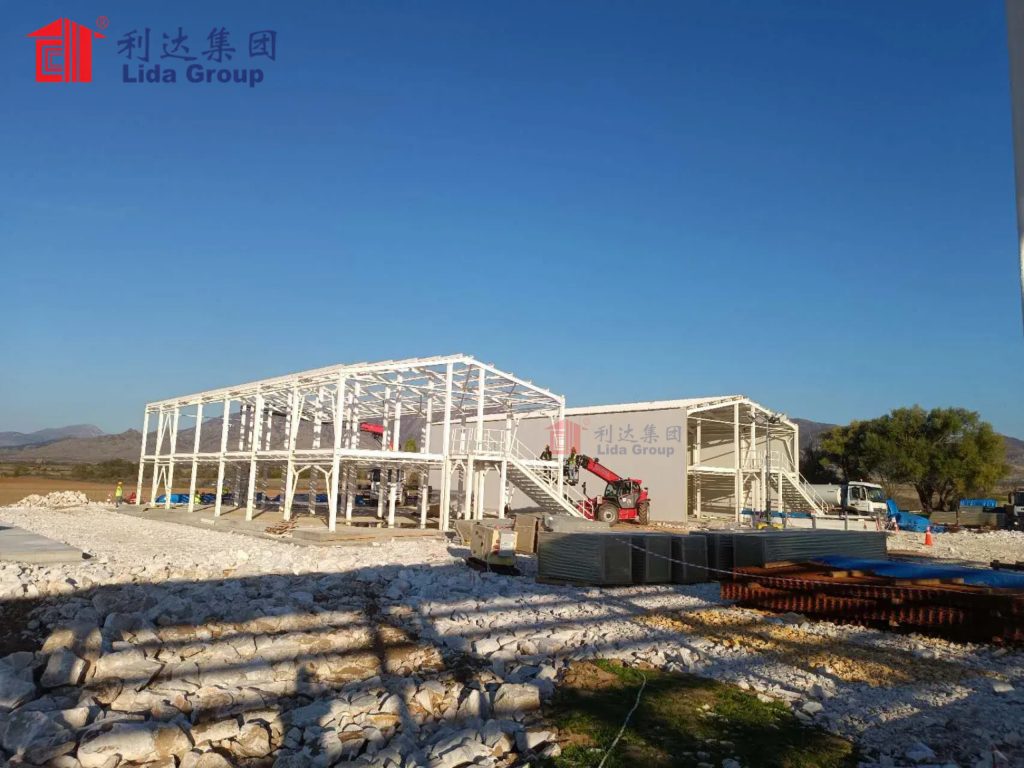
6. Conclusion: Lida Group Metal Frame Homes—Quality That Endures
A home’s true value lies in its ability to stand the test of time— to remain safe, functional, and comfortable for decades, adapting to changing needs and environmental conditions. Lida Group’s metal frame houses deliver this lasting quality through a seamless integration of premium materials, precision manufacturing, rigorous quality control, and customer-centric design. From the corrosion-resistant steel components to the modular layouts that adapt to family growth, every aspect of a Lida metal frame home is engineered for durability and long-term value.
Real-world projects across rural, coastal, and urban settings demonstrate that Lida’s metal frame homes outperform traditional structures in durability, low maintenance, and adaptability. Homeowners benefit from minimal upkeep costs, fast construction times, and personalized spaces that retain their value for generations. Lida’s commitment to sustainability ensures that this lasting quality is balanced with environmental responsibility, creating homes that are good for both families and the planet.
For homeowners seeking more than just a shelter— a home that embodies quality, resilience, and value— Lida Group’s metal frame houses are the ideal choice. Backed by decades of industry expertise, global certifications, and a customer-centric approach, Lida delivers on its promise of lasting quality, turning houses into lifelong investments and repositories of memories.
In a world where disposable construction and short-term value dominate, Lida Group stands apart by building homes that endure. A Lida metal frame home is not just a place to live; it is a legacy of quality— one that will be enjoyed by generations to come.
Related news
-
The Future of Housing is Here: Steel Structure Building
2025-12-26 17:49:25
-
Lida Group's Commitment to High Quality Construction Excellence
2025-12-26 17:29:31
-
Innovative and Resilient Steel Structure Building Solutions
2025-12-26 17:01:44
contact us
- Tel: +86-532-88966982
- Whatsapp: +86-13793209022
- E-mail: sales@lidajituan.com
