



Introduction: Exploring Safer Solutions for Future Affordable High-Rise Housing
With the rapid growth of urban populations and increasing demand for affordable housing, cities around the world are searching for innovative construction solutions that can provide safe, efficient, and cost-effective residential buildings. High-rise apartment towers have become an important option for maximizing land use, especially in densely populated urban areas. However, designing high-rise buildings requires careful consideration of structural stability, environmental conditions, construction efficiency, and long-term safety.
Among the most critical challenges in high-rise construction is seismic performance. Buildings located in earthquake-prone regions must be designed to withstand strong ground movements while protecting occupants and maintaining structural integrity. Engineers continue to research advanced structural systems that can improve earthquake resistance while keeping construction costs affordable.
Lida Group’s self-bracing steel structure designs represent an innovative approach to modern high-rise apartment construction. These designs are being studied by engineers to evaluate their seismic safety, structural performance, and potential application in affordable high-rise housing projects.
By combining advanced steel engineering, self-bracing concepts, and prefabricated construction methods, Lida Group aims to develop building solutions that provide strength, flexibility, and economic advantages. The proposed affordable high-rise apartment towers demonstrate how innovative structural technology can support the future development of safer and more accessible urban housing.
The Growing Demand for Affordable High-Rise Apartment Towers
Addressing Urban Housing Challenges
Urbanization has accelerated significantly in recent decades. More people are moving toward cities in search of employment, education, and improved living opportunities. As a result, many urban areas face increasing pressure on housing supply.
Affordable housing has become one of the most important challenges for city planners and developers. Limited land availability and rising construction costs make it difficult to provide enough residential spaces using traditional low-rise development models.
High-rise apartment towers provide an effective solution because they allow more residents to live within limited land areas. By building vertically, cities can increase housing capacity while preserving valuable land resources.
However, affordable high-rise housing must balance several important factors:
-
Structural safety
-
Construction efficiency
-
Cost control
-
Long-term durability
-
Environmental performance
Innovative structural systems, such as Lida Group’s self-bracing steel structures, provide new possibilities for achieving this balance.
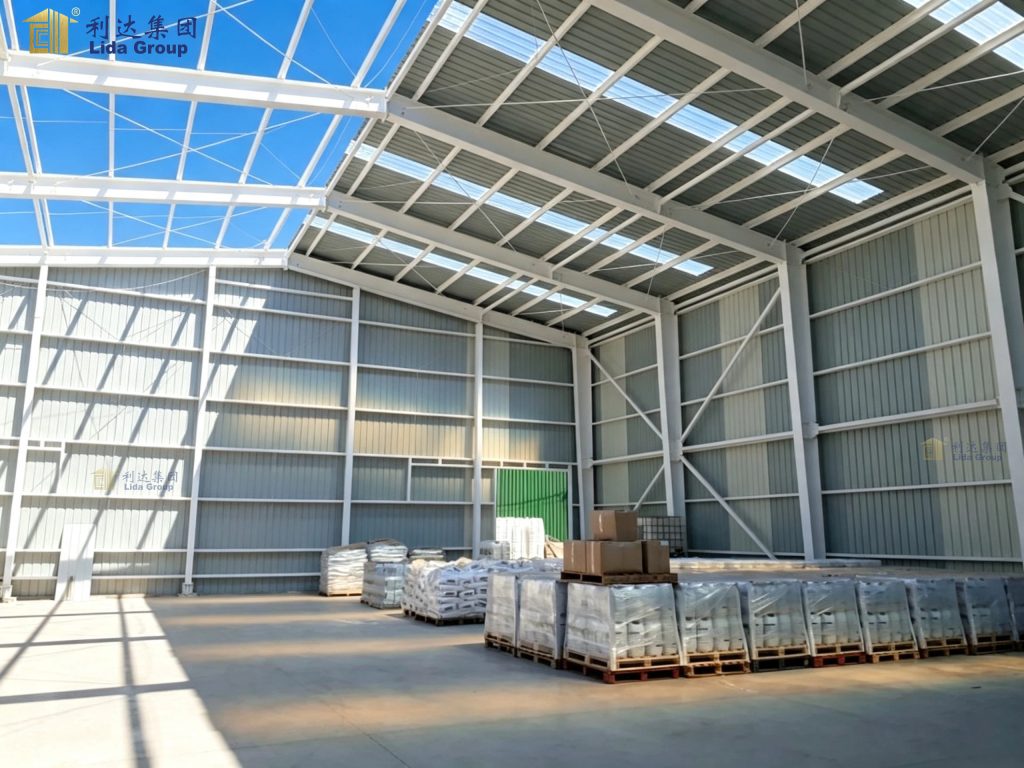
Understanding Self-Bracing Steel Structure Designs
A New Approach to Structural Stability
A building’s structural system is responsible for transferring loads and maintaining stability under different conditions. In high-rise buildings, horizontal forces caused by wind and earthquakes are especially important considerations.
Traditional buildings often rely on separate bracing systems, shear walls, or reinforced concrete cores to resist lateral forces. While these methods are effective, they may increase construction complexity, material consumption, and overall project costs.
Lida Group’s self-bracing steel structure concept focuses on creating an integrated structural system where the steel framework itself provides enhanced stability.
The self-bracing approach aims to:
-
Improve resistance against lateral forces
-
Increase structural efficiency
-
Reduce unnecessary materials
-
Simplify construction processes
-
Support flexible architectural layouts
Through advanced engineering analysis, designers evaluate how these systems perform under different loading conditions, particularly seismic forces.
Seismic Safety: A Key Consideration in High-Rise Design
Protecting Buildings and Occupants During Earthquakes
Earthquakes create complex forces that can significantly affect buildings. Unlike vertical gravity loads, seismic forces act dynamically and can cause structures to move horizontally.
A safe earthquake-resistant building must be able to:
-
Absorb seismic energy
-
Maintain structural stability
-
Limit excessive movement
-
Prevent progressive collapse
-
Protect occupants
Engineers studying Lida Group’s self-bracing steel structures focus on understanding how the system responds during earthquake events.
Important evaluation areas include:
-
Structural strength
-
Flexibility and ductility
-
Connection performance
-
Load distribution
-
Energy dissipation capability
These studies help determine whether the structural design can meet modern seismic safety requirements.
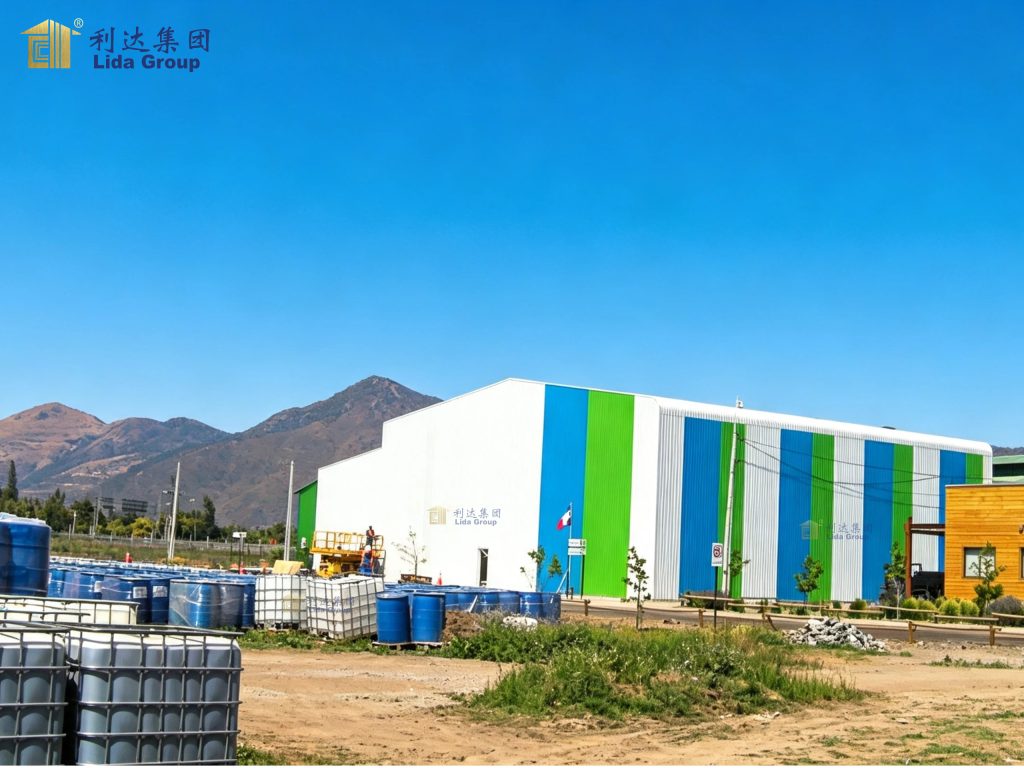
Advantages of Steel Structures for Earthquake Resistance
Strength, Flexibility, and Performance
Steel has become an important material in earthquake-resistant construction due to its excellent mechanical properties.
Compared with some traditional building materials, steel offers:
High Strength-to-Weight Ratio
Steel provides strong structural performance while maintaining relatively low weight. A lighter building structure can reduce seismic forces because earthquake loads are partly related to building mass.
Excellent Ductility
Ductility allows steel structures to deform under extreme forces without sudden failure. This characteristic is especially important during earthquakes.
Flexible Structural Design
Steel frames can be engineered in various configurations, allowing designers to optimize structural performance.
Faster Construction
Steel components can often be prefabricated, reducing construction time and improving quality control.
These advantages make steel an attractive choice for affordable high-rise apartment towers.
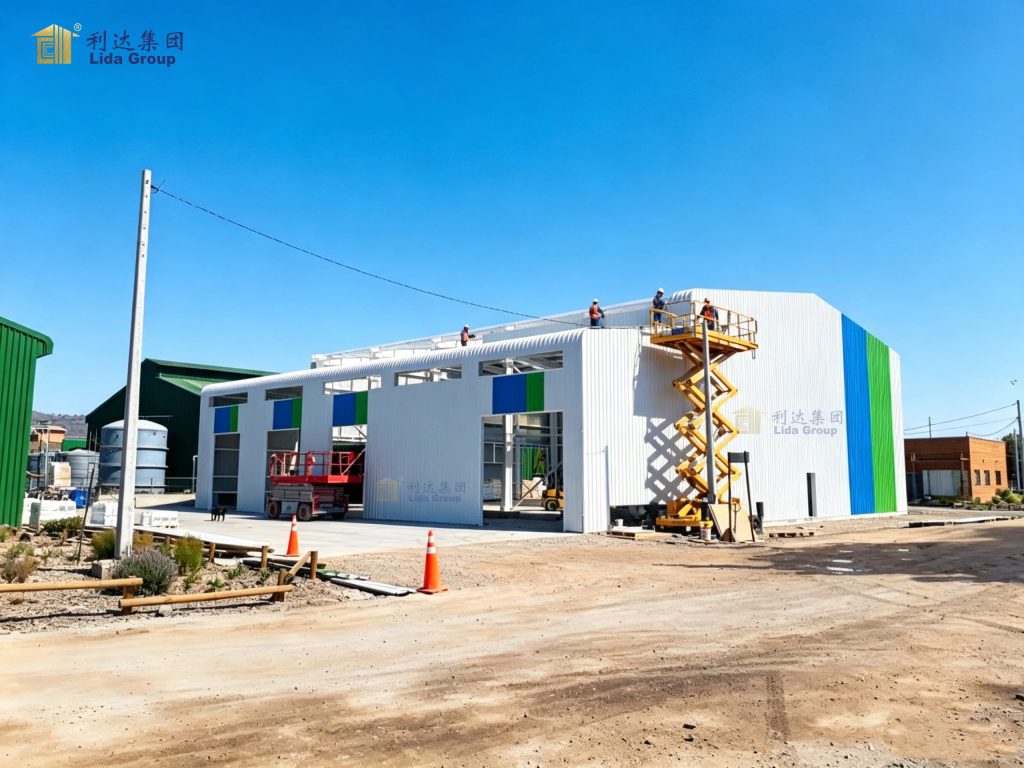
Engineering Study of Lida Group Self-Bracing Systems
Evaluating Structural Performance Through Advanced Analysis
Before applying new structural concepts to high-rise buildings, engineers conduct detailed studies to evaluate safety and reliability.
The evaluation process may include:
Computer Simulation
Advanced engineering software can simulate earthquake conditions and analyze how the building responds.
Engineers examine:
-
Structural displacement
-
Stress distribution
-
Vibration characteristics
-
Connection behavior
Structural Testing
Physical testing may be conducted on key components or scaled models to verify theoretical calculations.
Design Optimization
Based on analysis results, engineers improve structural details to enhance performance and efficiency.
Through these studies, Lida Group’s self-bracing steel structure designs can be refined to meet the requirements of modern affordable housing projects.
The Role of Prefabrication in High-Rise Affordable Housing
Improving Construction Efficiency and Quality
Affordable housing requires efficient construction methods that can reduce costs without sacrificing quality.
Prefabricated steel structures provide several advantages for high-rise apartment development.
In factory-controlled environments, steel components can be manufactured with high precision. This reduces errors and improves consistency.
Benefits include:
-
Faster assembly
-
Reduced construction waste
-
Improved quality control
-
Lower labor requirements
-
Better project scheduling
For large-scale apartment towers, prefabrication can significantly improve construction efficiency.
Lida Group’s experience in prefabricated buildings provides valuable support for developing affordable high-rise housing solutions.
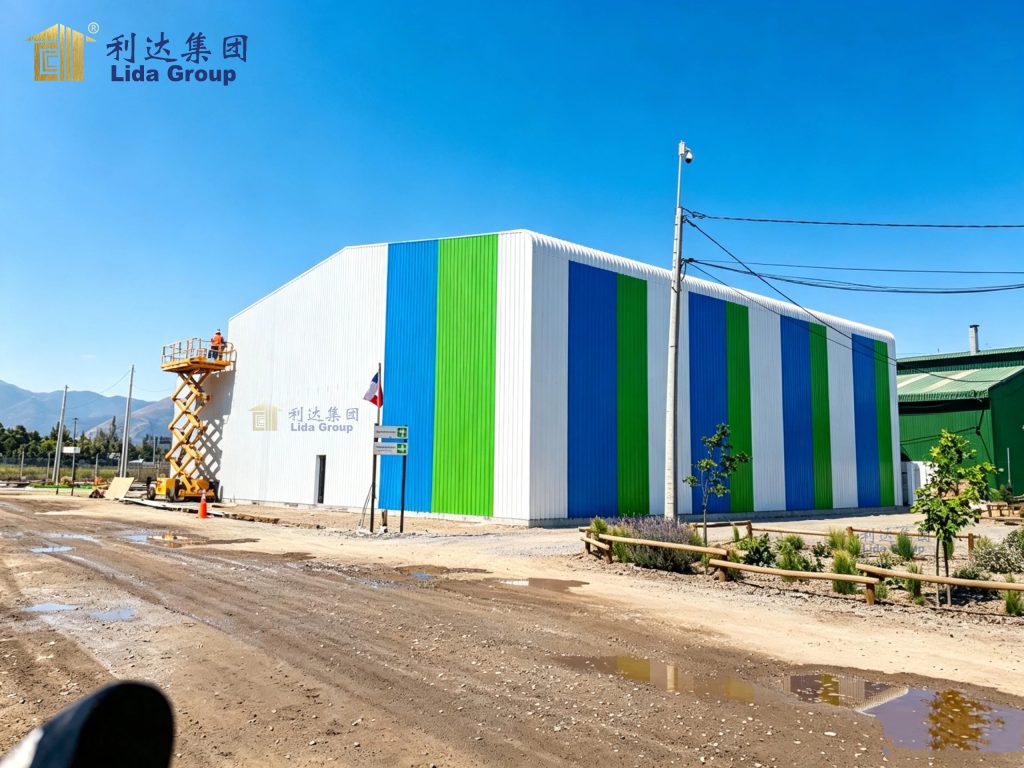
Designing Affordable High-Rise Apartments with Safety and Comfort
Creating Better Urban Living Environments
Affordable housing should not only focus on cost reduction. It must also provide safe, comfortable, and functional living spaces.
Lida Group’s proposed high-rise apartment towers are designed with attention to both structural performance and resident experience.
Important design considerations include:
-
Efficient apartment layouts
-
Natural lighting
-
Ventilation systems
-
Energy efficiency
-
Community facilities
The self-bracing steel structure provides flexibility for architectural planning, allowing designers to create practical residential spaces while maintaining safety.
This approach supports the development of affordable housing that improves urban living standards.
Sustainability Benefits of Steel Structure Apartment Towers
Supporting Green Construction Development
Sustainability is becoming increasingly important in modern building design.
Steel structures provide several environmental advantages:
Material Recyclability
Steel can be recycled and reused, reducing resource consumption.
Reduced Construction Waste
Factory manufacturing allows more accurate material usage.
Longer Building Life
Durable steel structures can provide long-term service with proper maintenance.
Energy-Efficient Design Opportunities
Steel structures can be combined with insulation systems and energy-saving technologies to improve building performance.
By integrating sustainable principles into affordable housing design, Lida Group contributes to greener urban development.
Challenges and Considerations in High-Rise Steel Construction
Ensuring Complete Structural Reliability
Although steel structures offer many advantages, successful high-rise construction requires careful engineering and planning.
Important considerations include:
Connection Design
Connections between structural components must be carefully designed because they play a critical role in overall building performance.
Fire Protection
Steel structures require appropriate fire protection systems to maintain safety during fire events.
Construction Quality
Accurate installation and quality control are essential to ensure the designed structural performance.
Local Building Requirements
High-rise buildings must comply with regional construction standards and seismic regulations.
Engineers studying Lida Group’s self-bracing designs consider these factors to create reliable and practical solutions.
Potential Applications of Lida Group Self-Bracing Steel Structures
Affordable Urban Housing Projects
The primary application of this technology is affordable high-rise apartment construction.
As cities seek solutions for housing shortages, efficient steel structures can help provide more residential units within limited spaces.
Disaster-Resistant Housing Development
In earthquake-prone regions, safe housing is especially important.
Advanced seismic-resistant structures can help communities reduce risks and improve resilience.
Rapid Urban Expansion Projects
Cities experiencing fast population growth require construction methods that can deliver housing quickly.
Prefabricated self-bracing steel structures can support rapid development while maintaining quality standards.
Future Development of Seismic-Resistant High-Rise Construction
Moving Toward Smarter Structural Solutions
The future of high-rise construction will increasingly depend on advanced engineering technologies.
Emerging trends include:
-
Intelligent structural monitoring systems
-
Improved seismic analysis methods
-
Advanced steel materials
-
Digital construction technologies
-
Sustainable building solutions
Lida Group continues exploring innovative approaches to meet future housing demands.
The development of self-bracing steel structures represents an important step toward safer, more efficient, and more affordable high-rise buildings.
Conclusion: Building Safer Affordable High-Rise Communities with Lida Group
The engineering study of Lida Group’s self-bracing steel structure designs represents an important exploration into the future of affordable high-rise apartment construction.
By combining advanced steel engineering, seismic safety principles, prefabricated construction methods, and sustainable design concepts, these innovative structural systems provide new opportunities for creating safer and more efficient urban housing.
The self-bracing steel structure approach offers potential advantages in strength, flexibility, construction speed, and cost efficiency. Through detailed engineering analysis, testing, and optimization, Lida Group aims to develop solutions that meet the growing demand for reliable affordable housing.
As cities continue to expand and seismic safety becomes increasingly important, innovative structural technologies will play a critical role in shaping the future of residential construction.
With a commitment to quality, innovation, and engineering excellence, Lida Group continues to explore new ways to create safer buildings and better living environments for communities around the world. The development of seismic-resistant affordable high-rise apartment towers represents not only a construction advancement but also a meaningful step toward a more resilient and sustainable urban future.
Related news
-
Eco-Friendly Sandwich Panel House by Lida Group Ideal for Construction Site Worker Dormitory
2026-07-31 11:09:33
-
Lida Group Introduces New Living Container House with Modular and Prefab Features
2026-07-30 17:23:33
-
Lida Group to Build Innovative Carbon Neutral Chicken Farm Houses Using Patent-Pending Large Span Steel Frame Greenhouse Design
2026-07-29 10:32:04
contact us
- Tel: +86-532-88966982
- Whatsapp: +86-13793209022
- E-mail: sales@lidajituan.com
