



Engineering Excellence in Every High-Quality Construction Project
2026-Jan-28 17:29:09
By Admin
In the dynamic landscape of global construction, engineering excellence stands as the cornerstone of high-quality projects—transcending mere compliance with standards to deliver structures that embody safety, durability, efficiency, and innovation. It is a holistic philosophy embedded in every phase of a project, from conceptual design and material selection to precision construction and lifecycle management. High-quality construction projects, whether iconic skyscrapers, critical infrastructure, industrial facilities, or sustainable communities, rely on engineering excellence to overcome complex challenges, optimize performance, and create lasting value for clients, stakeholders, and the environment. This article explores the multi-faceted nature of engineering excellence, delving into its core principles, implementation across project phases, technological enablers, real-world applications, and the transformative impact it has on the construction industry.
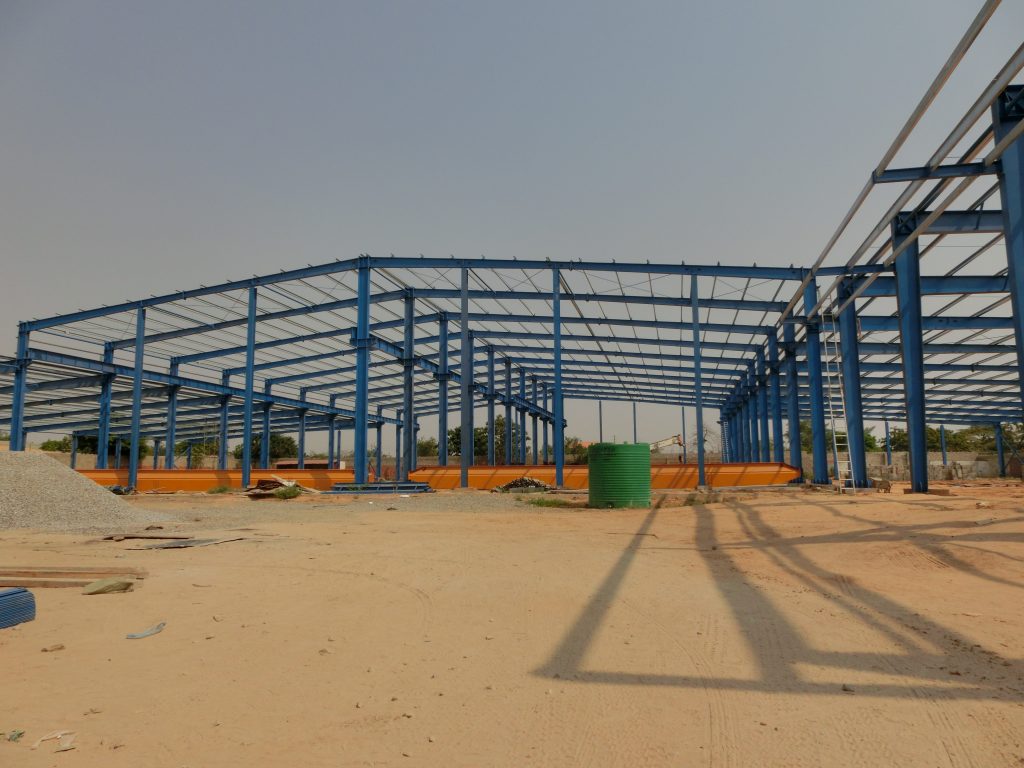
1. The Core Principles of Engineering Excellence
Engineering excellence is not a static achievement but a continuous pursuit guided by fundamental principles that align technical expertise with strategic goals. These principles serve as a compass for project teams, ensuring that every decision and action contributes to the delivery of a high-quality end product. Four core principles define engineering excellence in construction:
1.1 Precision and Accuracy
Precision is the foundation of engineering excellence, encompassing meticulous design calculations, dimensional accuracy in component manufacturing, and exacting construction tolerances. Even minor deviations can compromise structural integrity, operational efficiency, and aesthetic quality. Modern engineering leverages advanced tools such as laser scanning, computer numerical control (CNC) machining, and Building Information Modeling (BIM) to achieve precision at every stage. For instance, BIM technology enables pixel-level alignment of structural, mechanical, electrical, and plumbing (MEP) systems, eliminating clashes and ensuring seamless integration. In high-precision projects like semiconductor factories or medical facilities, tolerances are often controlled within ±0.5 mm, a standard achievable only through rigorous engineering processes.
1.2 Safety-Centric Design and Execution
Safety is non-negotiable in engineering excellence, extending beyond compliance with regulations to proactive risk mitigation and a culture of safety. Engineering teams integrate safety into design by optimizing structural load paths, selecting fire-resistant materials, and designing for extreme conditions such as earthquakes and typhoons. During construction, innovative technologies like AI-powered monitoring systems and wearable sensors enhance on-site safety. The “drone + AI” surveillance system, for example, automatically identifies safety hazards such as unprotected edges, improper PPE use, and electrical risks, reducing accident rates by up to 60% in implemented projects. This principle ensures that structures are safe for construction workers, occupants, and the surrounding community throughout their lifecycle.
1.3 Sustainability and Resilience
Engineering excellence in the 21st century is inseparable from sustainability and resilience. Projects must minimize environmental impact, optimize resource efficiency, and withstand the effects of climate change. Sustainable engineering practices include using recycled materials, implementing energy-efficient designs, and reducing carbon footprints. Resilience-focused design ensures structures adapt to changing conditions, from rising temperatures to extreme weather events. For example, modular construction methods reduce construction waste by 80% compared to traditional building, while green roofs and rainwater harvesting systems enhance water efficiency. Engineering teams also conduct lifecycle assessments (LCAs) to measure environmental impact from material extraction to decommissioning, ensuring projects align with global sustainability goals like LEED and BREEAM certifications.
1.4 Innovation and Adaptability
Engineering excellence thrives on innovation—embracing new technologies, materials, and methodologies to solve complex challenges and exceed client expectations. Adaptive engineering allows projects to respond to evolving requirements, site constraints, and industry trends. Recent innovations include AI quality management systems, modular integrated construction (MIC), and self-healing materials. The AI-powered quality control system developed by industry leaders, for instance, uses machine learning algorithms to detect concrete defects with 95% accuracy, significantly outperforming manual inspections. By fostering a culture of innovation, engineering teams transform limitations into opportunities, delivering projects that set new industry benchmarks.
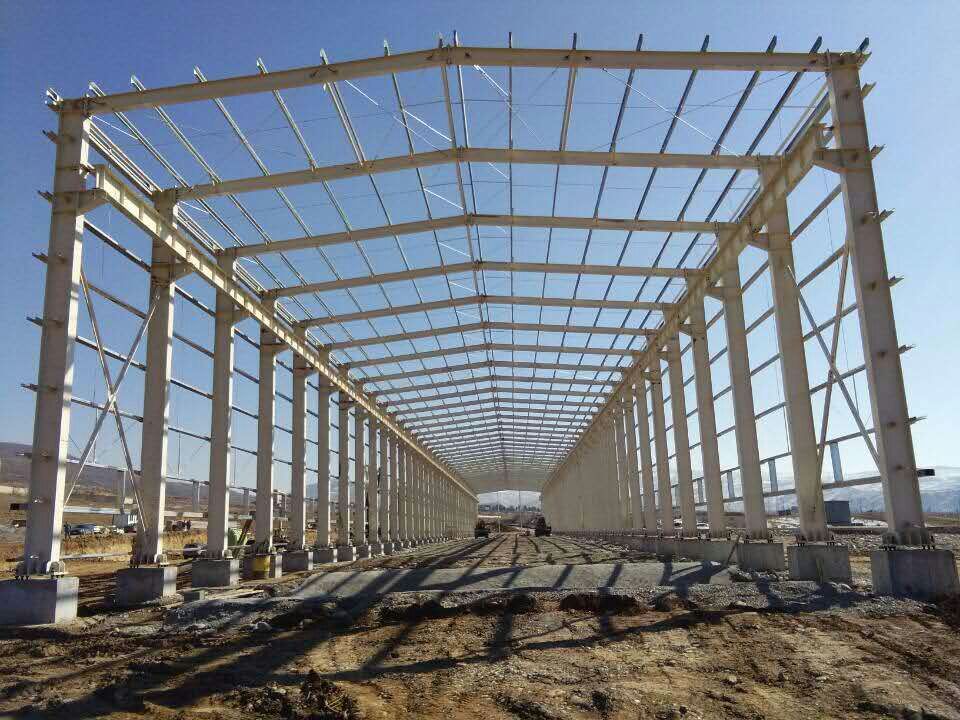
2. Engineering Excellence in the Design Phase: Laying the Foundation
The design phase is where engineering excellence takes root, as it defines the project’s scope, performance, and feasibility. A rigorous design process integrates technical expertise, stakeholder input, and innovative thinking to create solutions that balance functionality, safety, and sustainability.
2.1 Digital Design and Simulation
Digital transformation has revolutionized design engineering, with BIM and finite element analysis (FEA) at the forefront. BIM creates a 3D digital twin of the project, enabling interdisciplinary collaboration and real-time design optimization. Engineers use BIM to simulate structural performance, energy consumption, and construction sequences, identifying potential issues before ground is broken. In the design of high-rise buildings, FEA simulates wind loads, seismic activity, and thermal stress, ensuring structural stability while minimizing material usage. For example, in the design of a 50-story commercial tower, BIM integration reduced material waste by 15% and shortened the design review process by 30% through automated clash detection.
2.2 Client-Centric and Functional Design
Engineering excellence prioritizes client needs and functional performance, ensuring designs align with operational requirements and long-term goals. This involves conducting thorough needs assessments, engaging stakeholders in design reviews, and optimizing space utilization. For industrial projects, engineers design layouts that enhance workflow efficiency and accommodate future expansion. In healthcare facilities, design excellence includes optimizing patient flow, integrating medical equipment, and ensuring infection control through proper ventilation systems. The goal is to create structures that not only meet current needs but also adapt to future changes, maximizing the client’s return on investment.
2.3 Regulatory Compliance and Risk Mitigation
Design engineering must adhere to stringent local and international codes, including structural safety standards, environmental regulations, and accessibility requirements. Engineering teams conduct comprehensive code reviews and risk assessments to ensure compliance and mitigate potential liabilities. For example, projects in seismic zones must meet ASCE 7 standards for earthquake resistance, while green buildings pursue LEED certification by complying with energy efficiency and sustainability criteria. Proactive risk mitigation includes analyzing site conditions, such as soil stability and flood potential, and designing contingency plans for unexpected challenges. This rigorous approach ensures that designs are not only compliant but also resilient to unforeseen events.
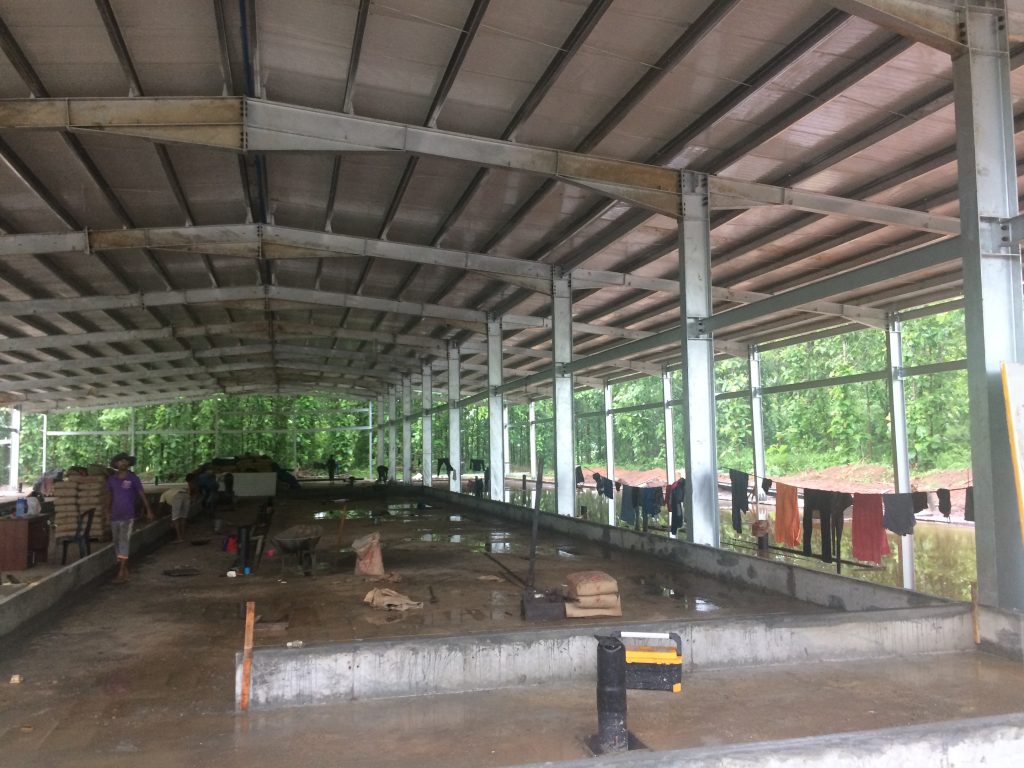
3. Engineering Excellence in Construction: Turning Design into Reality
The construction phase is where design intent is translated into physical form, requiring engineering excellence to maintain quality, safety, and efficiency. Advanced construction technologies and meticulous project management are essential to overcoming on-site challenges and delivering high-quality results.
3.1 Precision Construction Technologies
Modern construction relies on precision technologies to ensure accuracy and efficiency. Automated construction equipment, such as robotic welding arms and 3D printers, delivers consistent quality with minimal human error. Robotic welding systems achieve a weld qualification rate of over 99.8%, eliminating defects like porosity and incomplete fusion. Modular construction, a hallmark of engineering excellence, involves manufacturing 95% of components in controlled factory environments before on-site assembly. The first modular high-rise residential project in Guizhou, China, used MIC technology to reduce construction time by 50% and cut construction waste by 80%, demonstrating the efficiency of off-site construction.
3.2 AI-Powered Quality and Safety Management
AI has emerged as a game-changer in construction quality and safety management, addressing the limitations of traditional manual inspections. The “air-ground integration” monitoring system, combining drones and machine dogs, provides full-coverage surveillance of construction sites. Drones equipped with laser radar conduct 3D scans to verify structural dimensions, with AI algorithms comparing results to BIM models to detect deviations within 5 mm. Machine dogs, fitted with thermal imaging cameras, inspect hard-to-reach areas like elevator shafts and basements, identifying concrete defects and safety hazards in real time. In the Shenzhen Longhua Maternity and Child Health Hospital project, This system reduced the rate of missed safety hazards from 30% to 5% and improved defect rectification efficiency by 400%.
3.3 Lean Construction and Efficient Resource Management
Engineering excellence in construction embraces lean principles to eliminate waste, optimize resources, and improve productivity. Lean construction practices include just-in-time material delivery, standardized workflows, and continuous improvement. Engineers use digital tools to track material usage, equipment performance, and labor productivity, identifying bottlenecks and optimizing processes. For example, real-time inventory management systems prevent overstocking of materials, reducing waste and storage costs. In the construction of a highway bridge, lean practices reduced construction time by 20% and lowered costs by 12% through efficient resource allocation and workflow optimization.
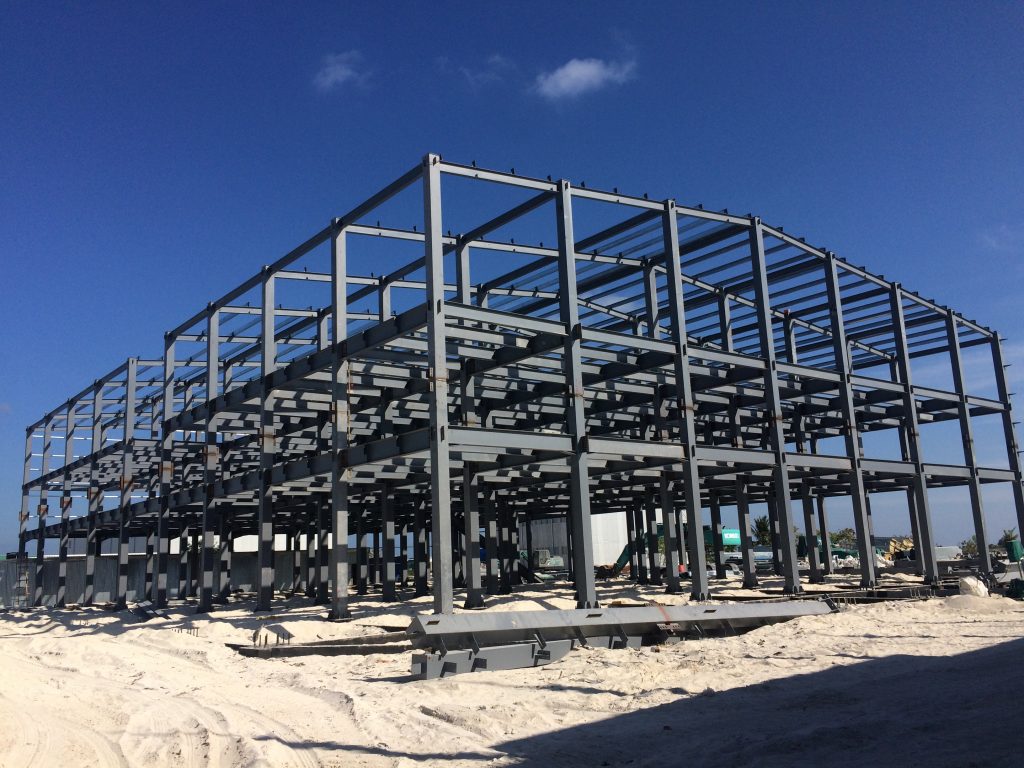
4. Material Innovation and Quality Assurance: The Building Blocks of Excellence
High-quality materials are essential to engineering excellence, as they directly impact structural performance, durability, and sustainability. Engineering teams select materials based on rigorous testing, environmental impact, and project requirements, ensuring every component meets the highest standards.
4.1 Advanced Material Selection
Innovation in construction materials has expanded the possibilities for engineering excellence. High-strength low-alloy (HSLA) steels, such as Q690, offer superior strength-to-weight ratios, reducing structural weight while enhancing durability. Self-healing concrete uses bacteria to repair cracks, extending service life and reducing maintenance costs. Composite materials, such as carbon fiber-reinforced polymers (CFRPs), provide exceptional corrosion resistance and strength, making them ideal for coastal and industrial projects. For example, the use of CFRP reinforcement in a coastal bridge project reduced maintenance costs by 70% compared to traditional steel reinforcement, thanks to its resistance to saltwater corrosion.
4.2 Rigorous Quality Control and Testing
Quality assurance is integral to material excellence, with engineering teams implementing strict testing protocols for raw materials and finished components. Materials undergo comprehensive testing for strength, durability, and environmental performance, including tensile strength tests, corrosion resistance analysis, and fire performance evaluations. In modular construction, each component is inspected before shipment, with dimensional accuracy verified to within ±2 mm. Non-destructive testing (NDT) methods, such as ultrasonic testing and X-ray inspection, detect internal defects without damaging components, ensuring structural integrity. This rigorous quality control ensures that only materials meeting the highest standards are used in construction.
4.3 Sustainable Material Practices
Sustainable material management is a key component of engineering excellence, focusing on reducing environmental impact through recycling, reuse, and responsible sourcing. Engineering teams prioritize materials with high recycled content, such as recycled steel (which maintains 100% of the strength of virgin steel) and reclaimed wood. They also avoid materials with high embodied carbon, opting for low-carbon alternatives like cross-laminated timber (CLT). In the construction of a green office building, the use of recycled materials and sustainable sourcing reduced the project’s carbon footprint by 40%, contributing to its LEED Platinum certification.
5. Project Management and Collaboration: Orchestrating Excellence
Engineering excellence cannot be achieved in isolation—it requires seamless collaboration across disciplines, effective project management, and clear communication. A well-orchestrated project team ensures that engineering goals are aligned with client expectations, timeline, and budget.
5.1 Interdisciplinary Collaboration
High-quality construction projects bring together engineers, architects, contractors, suppliers, and stakeholders, requiring effective interdisciplinary collaboration. Digital collaboration platforms, such as cloud-based BIM software, enable real-time information sharing and decision-making. Weekly coordination meetings and design reviews ensure that all teams are aligned on project goals and resolve issues proactively. In the design of a mixed-use development, collaboration between structural engineers, MEP specialists, and architects resulted in a 25% improvement in energy efficiency and optimized space utilization.
5.2 Agile Project Management
Agile project management methodologies enable engineering teams to adapt to changing requirements and unexpected challenges, maintaining excellence throughout the project lifecycle. Agile practices include iterative design reviews, flexible scheduling, and continuous stakeholder engagement. Project managers use digital tools to track progress, monitor risks, and adjust plans as needed. For example, in a modular construction project, agile management allowed the team to respond to supply chain delays by resequencing assembly tasks, ensuring the project was completed on time without compromising quality.
5.3 Stakeholder Engagement and Transparency
Engineering excellence requires transparent communication with stakeholders, including clients, regulatory bodies, and the community. Regular progress reports, site visits, and design presentations keep stakeholders informed and engaged. Engineers also address community concerns, such as noise pollution and environmental impact, through proactive mitigation measures. In the construction of a public transportation hub, community engagement sessions led to design adjustments that reduced noise levels by 35% and improved pedestrian access, demonstrating how stakeholder input enhances project excellence.
6. Real-World Case Studies: Engineering Excellence in Action
The impact of engineering excellence is best demonstrated through real-world projects that have set new industry standards. These case studies highlight how innovative engineering practices, advanced technologies, and rigorous quality control deliver exceptional results.
6.1 Shenzhen Longhua Maternity and Child Health Hospital: AI-Driven Quality and Safety
This state-of-the-art healthcare facility leveraged AI-powered quality and safety management to achieve engineering excellence. The project implemented a comprehensive “drone + machine dog + AI” monitoring system, which conducted automated inspections of construction sites, identified safety hazards, and detected concrete defects with high accuracy. The system reduced safety accidents by 60% and improved defect rectification completion rate to 98%. Modular construction methods were used for patient rooms, reducing on-site construction time by 40% and minimizing disruption to the surrounding community. The hospital’s design also integrated energy-efficient systems and infection control measures, achieving LEED Gold certification and setting a new benchmark for healthcare construction.
6.2 Guizhou Modular High-Rise Residential Project: Sustainable and Efficient Construction
As Guizhou’s first permanent modular high-rise residential project, this development exemplified engineering excellence in sustainable construction. Using MIC technology, 95% of the building components were manufactured in a factory, with single-module assembly accuracy controlled within ±2 mm. This approach reduced construction waste by 80%, cut noise pollution by 35%, and shortened the project timeline by 50% compared to traditional construction. The building’s design incorporated green energy solutions, including solar panels and rainwater harvesting systems, reducing energy consumption by 30%. The project demonstrated how modular construction can deliver high-quality, sustainable housing efficiently, even in regions with challenging climates.
6.3 Zhuhai Motianyu Aircraft Maintenance Factory: Precision Engineering for Industrial Applications
This specialized industrial facility required exceptional precision to accommodate aircraft maintenance operations. Engineering teams used BIM and FEA to design a high-strength steel structure capable of supporting heavy aircraft components. AI-powered quality control systems inspected welding work, ensuring a 99.8% weld qualification rate and eliminating structural defects. The factory’s layout was optimized for workflow efficiency, with modular components allowing for future expansion. The project also implemented strict environmental controls, reducing air and noise pollution through advanced ventilation systems and soundproofing. The facility’s successful delivery demonstrated engineering excellence in meeting the unique demands of industrial construction.
7. Conclusion: Engineering Excellence as a Continuous Journey
Engineering excellence is the driving force behind every high-quality construction project, integrating precision, safety, sustainability, and innovation across the entire lifecycle. It is not a destination but a continuous journey—one that requires technical expertise, adaptability, and a commitment to exceeding standards. From the digital design phase to precision construction, material innovation to stakeholder collaboration, engineering excellence transforms vision into reality, delivering structures that stand the test of time.
The case studies and practices highlighted in this article demonstrate that engineering excellence is achievable through a combination of advanced technologies, rigorous processes, and collaborative teamwork. AI-powered quality management systems, modular construction, and sustainable material practices are not just innovations—they are essential tools for delivering projects that meet the demands of the modern world. As the construction industry evolves, engineering excellence will continue to adapt, embracing new technologies and methodologies to address emerging challenges such as climate change, urbanization, and resource scarcity.
For construction professionals, embracing engineering excellence means prioritizing quality over speed, innovation over tradition, and sustainability over short-term gains. It means fostering a culture of continuous improvement, where every team member is committed to delivering their best work. For clients and stakeholders, engineering excellence ensures that projects are safe, durable, efficient, and aligned with their long-term goals.
In essence, engineering excellence is the foundation of a built environment that serves people, protects the planet, and inspires future generations. It is what turns ordinary construction projects into extraordinary achievements—structures that not only fulfill their functional purpose but also embody the highest standards of craftsmanship, innovation, and responsibility. As the construction industry moves forward, engineering excellence will remain the guiding principle for creating a better, more sustainable world through high-quality construction.

Related news
-
Discover the Durability of Our Steel Structure Building Systems
2026-01-28 16:45:26
-
Lida Group Delivers Premium Metal Frame Warehouse for Logistics Hub
2026-01-28 15:45:37
-
Optimize Storage with a High-Quality Metal Frame Warehouse
2026-01-28 15:31:19
contact us
- Tel: +86-532-88966982
- Whatsapp: +86-13793209022
- E-mail: sales@lidajituan.com
