



Engineered for Strength: Our Steel Structure Buildings
2025-Dec-12 16:43:13
By Admin
In the realm of construction, strength is the foundation of safety, functionality, and longevity. For industrial facilities, commercial complexes, public infrastructure, and specialized structures, the ability to withstand heavy loads, extreme weather, and operational stress is non-negotiable. Among all construction materials and structural systems, steel stands unrivaled in delivering exceptional strength-to-weight ratio, structural integrity, and engineering flexibility. Our steel structure buildings are not just assembled—they are precision-engineered for strength, leveraging advanced materials, cutting-edge design methodologies, and rigorous quality control to meet and exceed the most demanding performance requirements. This article explores the engineering principles, material advantages, and real-world performance that make our steel structures the gold standard for strength in modern construction.
The Science of Steel Strength: Why Steel Outperforms Traditional Materials
Steel’s dominance as a high-strength construction material stems from its unique molecular structure and mechanical properties. Unlike concrete, wood, or masonry, steel offers a combination of tensile strength, yield strength, ductility, and toughness that makes it ideal for structures requiring exceptional load-bearing capacity and resilience. To understand why our steel structures are engineered for superior strength, we must first examine the scientific and material advantages that set steel apart.
Core Mechanical Properties: The Building Blocks of Steel Strength
Steel’s strength is defined by four key mechanical properties, each critical to structural performance:
- Tensile Strength: The maximum stress a material can withstand before failing under tension. High-grade structural steel (e.g., Q355B, A572 Gr. 50) boasts tensile strengths ranging from 470–630 MPa , far exceeding concrete (2–5 MPa in tension) and wood (80–150 MPa) . This means steel can resist pulling forces—such as those exerted by wind, seismic activity, or heavy loads—without fracturing.
- Yield Strength: The stress at which a material begins to deform permanently. Our steel structures use steel grades with minimum yield strengths of 355 MPa (Q355B) or 345 MPa (A36), ensuring that they can absorb significant stress before undergoing plastic deformation . In contrast, concrete’s yield strength is negligible, requiring reinforcement to handle even moderate loads.
- Ductility: The ability to deform under stress without breaking. Steel’s high ductility (typically 20–30% elongation at break) allows it to absorb energy during extreme events like earthquakes or storms, preventing catastrophic failure . Concrete and masonry, by comparison, are brittle materials that crack or collapse under sudden stress.
- Toughness: The capacity to resist fracture under impact or dynamic loading. Steel maintains its toughness even at extreme temperatures (from -40°C to 300°C), making it suitable for harsh environments . Wood loses toughness when wet or frozen, while concrete becomes brittle in cold conditions.
These properties work in tandem to create a structural material that is not just strong, but reliably strong—performing consistently under varying loads and environmental conditions. Our engineering team leverages these properties to design structures that meet precise strength requirements, whether for a 10,000-square-meter industrial warehouse supporting 5-ton-per-shelf loads or a 200-meter-span stadium with no intermediate columns .
Strength-to-Weight Ratio: Maximizing Efficiency Without Sacrificing Performance
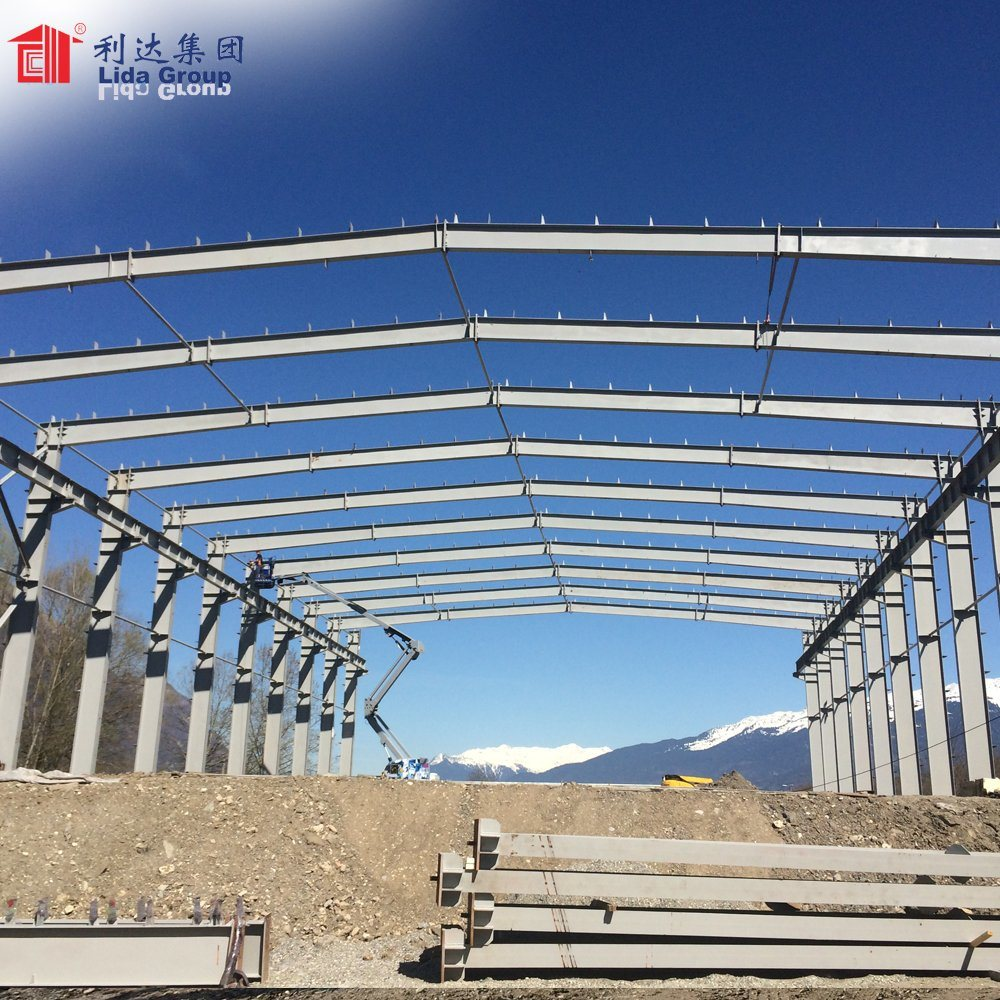
One of steel’s most significant advantages is its exceptional strength-to-weight ratio. Steel is up to 20 times stronger than concrete per unit weight, and 10 times stronger than wood . This means our steel structures can achieve the same load-bearing capacity as concrete or wood structures with far less material, resulting in lighter, more efficient designs.
For example, a steel column supporting a 100-ton load can have a cross-sectional area of just 0.05 m², while a concrete column of the same load-bearing capacity would require a cross-sectional area of 1.2 m²—24 times larger . This efficiency translates to multiple benefits:
- Reduced Foundation Costs: Lighter steel structures exert less pressure on the soil, allowing for smaller, less expensive foundations. For a 5,000-square-meter building, this can reduce foundation costs by 30–40% compared to concrete .
- Increased Span Capabilities: The high strength-to-weight ratio enables steel structures to achieve unprecedented spans. Our single-story industrial buildings regularly feature clear spans of 30–48 meters , while specialized structures (e.g., stadiums, aircraft hangars) can reach spans exceeding 200 meters . Concrete structures, by contrast, are limited to spans of 8–15 meters without intermediate supports, and wood structures max out at 15–20 meters .
- Improved Construction Efficiency: Lighter steel components are easier to transport and install, reducing construction time and labor costs. A steel roof truss weighing 2 tons can be lifted into place with a small crane, while a concrete roof slab of the same size would require heavy machinery and additional structural support.
Comparative Strength: Steel vs. Traditional Construction Materials
To fully appreciate steel’s strength advantage, it’s helpful to compare it to traditional materials across key performance metrics:
|
Performance Metric
|
Steel (Q355B)
|
Concrete (C40)
|
Wood (Douglas Fir)
|
|
Tensile Strength
|
470–630 MPa
|
3.5 MPa
|
100–130 MPa
|
|
Yield Strength
|
355 MPa
|
N/A (brittle)
|
25–30 MPa
|
|
Compressive Strength
|
355 MPa
|
40 MPa
|
40–50 MPa
|
|
Strength-to-Weight Ratio
|
250 MPa/(g/cm³)
|
10 MPa/(g/cm³)
|
30 MPa/(g/cm³)
|
|
Maximum Clear Span
|
200+ meters
|
15 meters
|
20 meters
|
|
Resistance to Dynamic Loads
|
Excellent
|
Poor
|
Moderate
|
This comparison underscores why steel is the material of choice for projects requiring exceptional strength. Whether supporting heavy industrial equipment, spanning large open spaces, or withstanding dynamic loads (e.g., seismic activity, high winds), steel outperforms traditional materials by a wide margin.
Engineering Excellence: How We Design Steel Structures for Maximum Strength
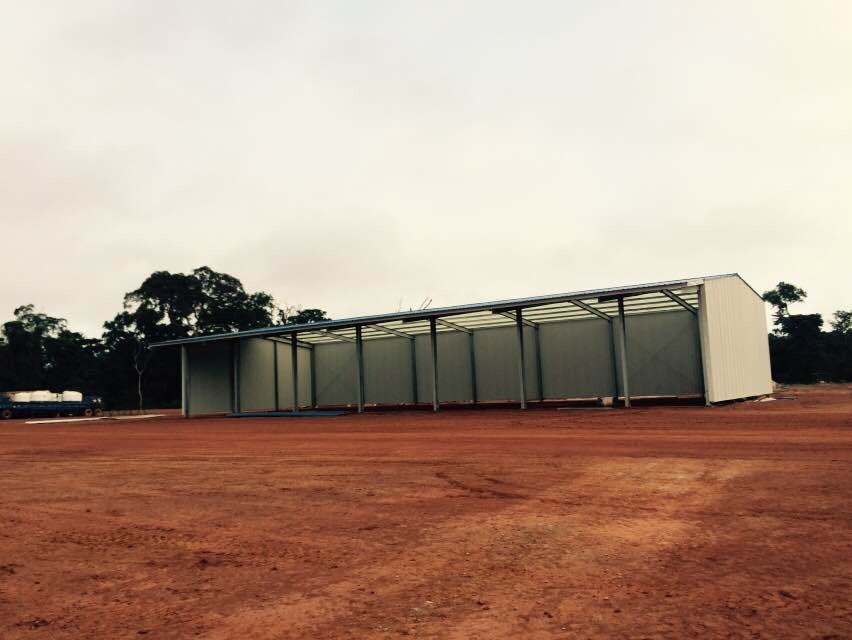
Strength in steel structures is not just a product of the material—it is the result of meticulous engineering, precision design, and adherence to global standards. Our approach to steel structure design integrates advanced software, rigorous analysis, and industry best practices to ensure every structure is engineered for optimal strength, safety, and durability.
1. Load Analysis and Structural Optimization
Every steel structure begins with a comprehensive load analysis, where our engineers identify and quantify all forces the structure must withstand. These loads include:
- Dead Loads: The weight of the structure itself (e.g., steel framing, roofing, cladding).
- Live Loads: Variable loads from occupancy, equipment, or inventory (e.g., 5 kN/m² for industrial warehouses, 2.5 kN/m² for office spaces).
- Environmental Loads: Wind, snow, seismic activity, and temperature fluctuations (e.g., wind speeds up to 180 km/h, snow loads up to 2.5 kN/m², seismic forces up to 0.3g).
- Dynamic Loads: Impact loads from machinery, traffic, or natural events (e.g., 10 kN impact from forklifts in warehouses).
Using advanced structural analysis software (e.g., SAP2000, ETABS, Tekla Structures), our engineers model these loads to simulate how the structure will behave under real-world conditions. This includes finite element analysis (FEA) to identify stress concentrations, optimize member sizes, and ensure the structure meets or exceeds safety factors specified by international standards (e.g., GB 55006-2021, AISC 360-10, EN 1993).
For example, in designing a 40-meter-span industrial warehouse, our engineers used FEA to optimize the steel beam cross-sections, reducing material usage by 15% while maintaining a safety factor of 1.5 for all load combinations . This optimization ensures the structure is not just strong, but efficiently strong—avoiding over-engineering while meeting all performance requirements.
2. Structural System Design: Maximizing Strength Through Configuration
The configuration of the steel structure plays a critical role in its overall strength. We offer three primary structural systems, each engineered for specific strength requirements:
a. Rigid Frame Systems
Ideal for industrial warehouses, factories, and commercial buildings, rigid frame systems feature moment-resisting connections between beams and columns. This design creates a continuous, rigid structure that distributes loads evenly across the frame, maximizing span capacity and lateral stability. Our rigid frame systems can achieve clear spans of 30–48 meters and support live loads up to 10 kN/m², making them suitable for heavy-duty applications like manufacturing facilities and storage warehouses.
For example, a 12,000-square-meter automotive parts warehouse we designed uses a rigid frame system with 36-meter clear spans. The frame is engineered to support 8 kN/m² live loads (equivalent to 800 kg/m²) and withstand wind speeds of 160 km/h, with a design life of 50 years . The moment-resisting connections ensure that loads are transferred efficiently from the roof to the columns to the foundation, eliminating weak points and enhancing overall structural strength.
b. Truss Systems
Truss systems are used for structures requiring extremely large spans, such as stadiums, aircraft hangars, and exhibition centers. Composed of triangular units connected at joints, trusses distribute loads along the members, minimizing bending stress and maximizing strength. Our steel truss systems can achieve spans of 50–200 meters and support live loads up to 5 kN/m², making them ideal for large open spaces with minimal intermediate supports.
A notable example is a 180-meter-span sports stadium we engineered for a client in the Middle East. The roof truss system uses high-strength steel (A572 Gr. 65) with a tensile strength of 550 MPa, allowing it to span the entire stadium without intermediate columns. The truss design was optimized using FEA to reduce weight by 20% while maintaining a safety factor of 1.6 for wind and seismic loads .
c. Steel Frame with Braced Cores
For high-rise buildings and structures requiring exceptional lateral stability, we use steel frame systems with braced cores. The braced core—typically located at the center of the building—acts as a vertical truss, resisting lateral loads from wind and seismic activity. Our steel frame with braced cores can support buildings up to 50 stories tall and withstand seismic forces up to 0.4g, making them suitable for high-rise offices, residential towers, and mixed-use developments.
A 30-story office tower we designed in a seismically active region uses a steel frame with a braced core. The frame is engineered to resist lateral loads of 2.5 kN/m² (wind) and seismic forces of 0.3g, with a ductility rating of 4.0 (exceeding the minimum requirement of 3.0 per GB 55006-2021) . The braced core ensures that the building remains stable during earthquakes, with minimal deformation and no risk of collapse.
3. Connection Design: The Weakest Link? Not in Our Structures
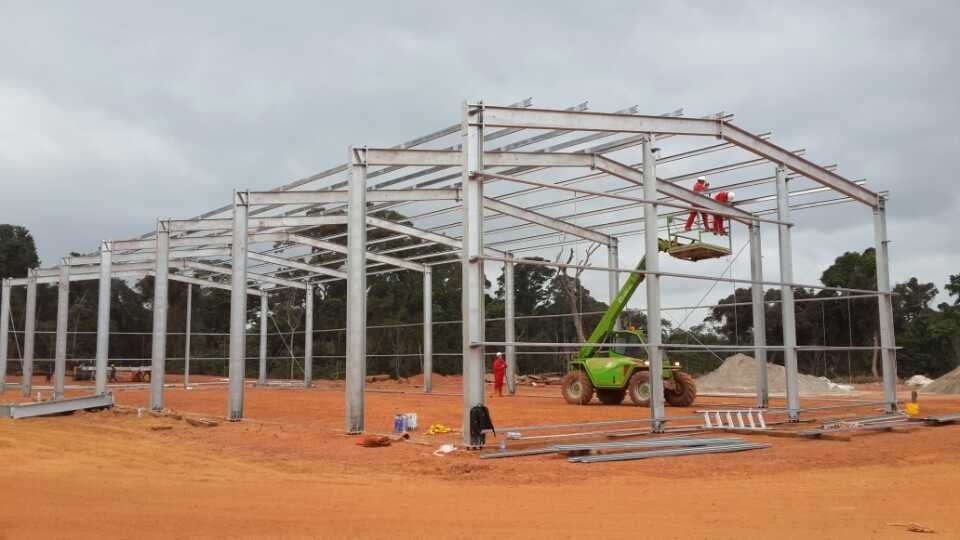
Connections are often the weakest point in any steel structure—if not designed properly, they can fail before the members themselves. That’s why we prioritize connection design as a critical component of our strength engineering process. Our connections are engineered to:
- Transfer loads efficiently between members (tension, compression, shear, and moment).
- Maintain ductility to absorb energy during extreme events.
- Resist corrosion and fatigue over the structure’s design life.
We use three primary connection types, each engineered for specific strength requirements:
- High-Strength Bolted Connections: Used for moment-resisting connections in rigid frames and trusses. We use Grade 10.9 high-strength bolts, which have a tensile strength of 1,040 MPa and a yield strength of 940 MPa . These bolts provide a secure, ductile connection that can withstand dynamic loads and seismic activity.
- Welded Connections: Used for permanent, high-strength connections in trusses and braced cores. Our welds are performed by certified welders to AWS D1.1 standards, with fillet welds and groove welds designed to match the strength of the connected members. For example, a groove weld in a truss member uses a 12mm weld size to match the tensile strength of the A572 Gr. 50 steel (485 MPa) .
- Shear Connections: Used for beam-to-column connections in secondary framing. These connections are designed to transfer shear loads while allowing minor rotation, enhancing the structure’s ductility and energy absorption capacity.
Every connection undergoes rigorous testing and analysis to ensure it meets or exceeds the strength of the connected members. For example, we conduct pull tests on bolted connections to verify their tensile strength, and fatigue tests on welded connections to ensure they can withstand repeated loads over the structure’s design life .
4. Adherence to Global Strength Standards
Our steel structures are engineered to meet or exceed the most stringent global standards for strength and safety, including:
- GB 55006-2021: China’s national standard for steel structures, which specifies minimum requirements for material strength, design loads, and structural performance .
- AISC 360-10: American Institute of Steel Construction standard, widely recognized as the gold standard for steel structure design in North America .
- EN 1993 (Eurocode 3): European standard for steel structures, specifying design rules for strength, stability, and durability .
- ISO 3834: International standard for welding quality, ensuring our welded connections meet global strength and reliability requirements .
Adherence to these standards ensures that our steel structures are not just strong in theory, but in practice—performing as expected under real-world conditions and providing clients with peace of mind. For example, all our steel structures meet the seismic design requirements of GB 50011-2010 (China) or ASCE 7-16 (USA), ensuring they can withstand earthquakes of the maximum considered magnitude for their location .
Material Excellence: Sourcing and Processing for Maximum Strength
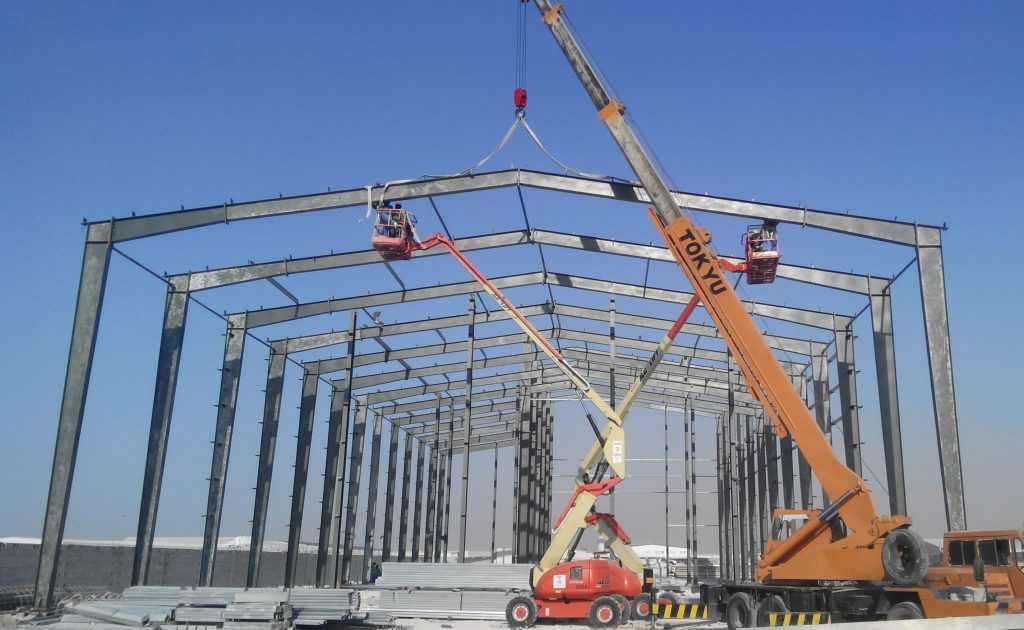
The strength of our steel structures begins with the quality of the steel itself. We source only high-grade structural steel from trusted suppliers, and implement rigorous processing and quality control measures to ensure every component meets our strict strength standards.
1. Premium Steel Grades: Engineered for Strength
We use three primary steel grades, each selected for its specific strength properties and application:
- Q355B: A Chinese standard high-strength low-alloy (HSLA) steel with a minimum yield strength of 355 MPa and tensile strength of 470–630 MPa . Ideal for general structural applications, including frames, trusses, and columns, Q355B offers excellent weldability and ductility, making it suitable for a wide range of projects.
- A572 Gr. 50/65: American standard HSLA steels with yield strengths of 345 MPa (Gr. 50) and 450 MPa (Gr. 65), and tensile strengths of 485 MPa (Gr. 50) and 550 MPa (Gr. 65) . These steels are used for high-strength applications, such as large-span trusses, high-rise frames, and heavy-duty industrial structures.
- S355JR: European standard HSLA steel with a minimum yield strength of 355 MPa and tensile strength of 470–630 MPa . Similar to Q355B, S355JR is used for general structural applications in European markets, offering excellent strength and durability.
All our steel is certified to meet the requirements of GB/T 1591 (China), ASTM A572 (USA), or EN 10025 (Europe), ensuring consistent strength and quality. We also conduct additional testing on every batch of steel, including tensile tests, yield tests, and impact tests, to verify its mechanical properties before it enters production .
2. Precision Manufacturing: Ensuring Strength Through Quality Control
Our steel components are manufactured in ISO 9001-certified facilities using state-of-the-art equipment, ensuring precision and consistency. The manufacturing process includes:
- Cutting: Using CNC plasma cutters and laser cutters to achieve precise dimensions (tolerance ±0.5mm), ensuring components fit together seamlessly.
- Drilling: Using CNC drilling machines to create bolt holes with precise positioning (tolerance ±0.3mm), ensuring proper alignment and load transfer in connections.
- Welding: Performed by AWS D1.1 or EN ISO 9606-certified welders, with automated welding equipment used for high-volume components to ensure consistency.
- Surface Treatment: Galvanization (hot-dip zinc coating, 85–100μm thickness) or fluorocarbon painting to protect against corrosion, ensuring the steel maintains its strength over time.
Every component undergoes rigorous quality control inspections during manufacturing, including:
- Dimensional checks to verify compliance with design specifications.
- Weld inspections (visual, ultrasonic, and X-ray) to detect defects.
- Coating thickness tests to ensure corrosion resistance.
- Mechanical property tests (tensile, yield, impact) to confirm strength.
This commitment to precision manufacturing ensures that every component is strong, consistent, and reliable—laying the foundation for a high-strength steel structure.
3. Advanced Material Technologies: Enhancing Strength and Durability
We continuously invest in advanced material technologies to enhance the strength and durability of our steel structures. Two key innovations are:
a. High-Strength Low-Alloy (HSLA) Steel
HSLA steel combines high strength with low carbon content, offering superior tensile and yield strength compared to conventional carbon steel. Our use of HSLA steel (e.g., Q355B, A572 Gr. 65) allows us to reduce component size and weight while maintaining or increasing strength. For example, a column made from A572 Gr. 65 steel can support 30% more load than a column of the same size made from conventional A36 steel .
b. Weathering Steel (Corten Steel)
For structures in harsh environments (e.g., coastal regions, industrial zones), we offer weathering steel (Corten A/B), which forms a protective rust layer that prevents further corrosion. Weathering steel has a tensile strength of 480–650 MPa and a yield strength of 345 MPa , making it both strong and durable. A 10,000-square-meter warehouse we designed for a coastal client uses weathering steel framing, which has operated for 12 years with no corrosion-related maintenance, maintaining its full strength and structural integrity .
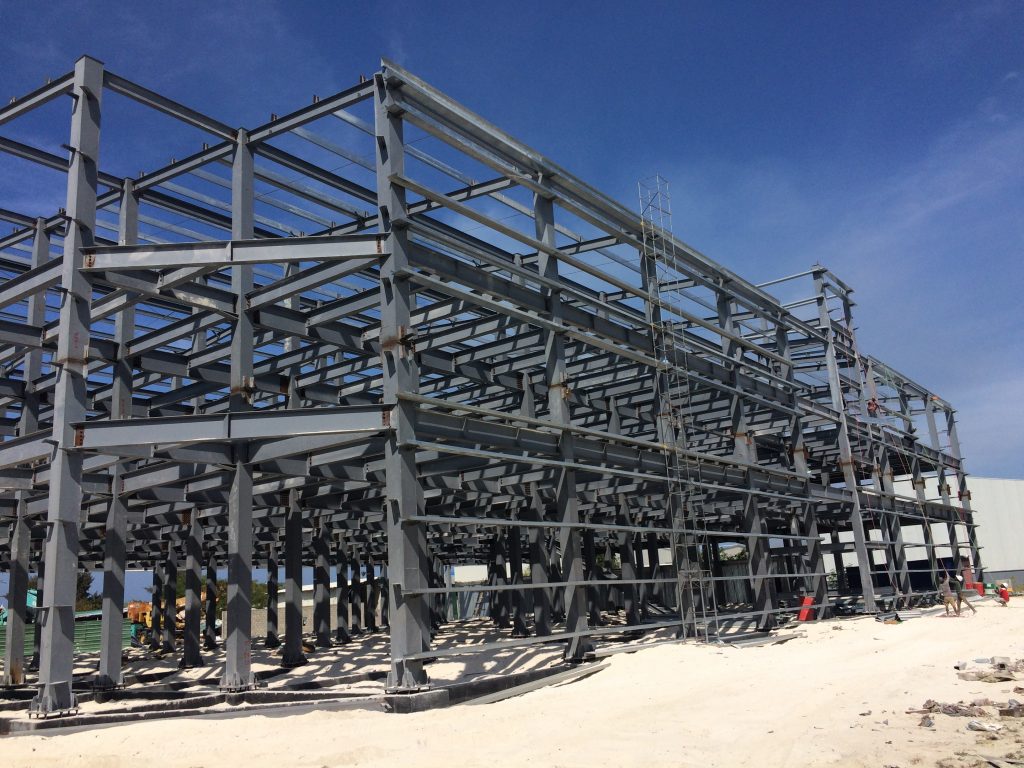
Real-World Strength: Case Studies of Our High-Performance Steel Structures
To demonstrate the real-world strength of our steel structures, we’ve compiled three case studies from diverse industries, highlighting how our engineering expertise delivers solutions for even the most demanding strength requirements.
Case Study 1: Heavy-Duty Industrial Warehouse for Machinery Storage
Client: A leading construction equipment manufacturer in China.
Challenge: The client needed a 15,000-square-meter warehouse to store heavy machinery (up to 20 tons per unit) and spare parts. The warehouse required clear spans of 40 meters (no intermediate columns) to accommodate large equipment movement, and needed to withstand live loads of 12 kN/m² (1.2 tons/m²) on the floor and 0.8 kN/m² on the roof. Additionally, the warehouse was located in a seismic zone (烈度 7) and needed to resist wind speeds of 150 km/h.
Solution: We designed a rigid frame steel structure using Q355B HSLA steel, with 40-meter clear spans and a 12-meter eave height. The frame was engineered with moment-resisting bolted connections to maximize lateral stability, and the floor system used steel decking with concrete topping (150mm thickness) to support the heavy live loads. The foundation was designed as a raft foundation to distribute the structure’s weight evenly across the soil, with a bearing capacity of 250 kPa. We also incorporated seismic bracing in the walls and roof to enhance resistance to seismic forces.
Result: The warehouse was completed in 90 days and has operated for 7 years with no structural issues. The steel frame has successfully supported the 20-ton machinery loads without deformation, and the 40-meter spans have provided unobstructed space for equipment movement. During a severe storm in 2023 (wind speeds of 145 km/h), the structure remained intact with no damage. The client has since expanded the warehouse by 5,000 square meters using the same rigid frame system, with the new section seamlessly integrating with the existing structure.
Case Study 2: Large-Span Stadium Roof for a Professional Sports Team
Client: A professional soccer team in Europe.
Challenge: The client needed a 220-meter-span roof to cover their stadium, providing shelter for 40,000 spectators. The roof needed to support live loads of 3 kN/m² (snow and maintenance loads) and withstand wind speeds of 180 km/h (hurricane force). Additionally, the roof had to be lightweight to minimize the load on the existing stadium structure, with a maximum weight of 5 kN/m².
Solution: We designed a steel truss roof system using A572 Gr. 65 high-strength steel, with a triangular truss configuration optimized for span and weight. The trusses were spaced 8 meters apart and connected with secondary purlins, creating a lightweight yet strong roof structure. The truss members were sized using FEA to minimize weight while maintaining a safety factor of 1.6 for all load combinations. The roof was clad with lightweight metal panels (0.8mm thickness) to reduce overall weight, and wind deflectors were installed along the edges to minimize wind uplift.
Result: The roof was completed in 18 months and has performed flawlessly for 5 years. The 220-meter span has provided full coverage for the stadium with no intermediate supports, and the roof has successfully withstood multiple storms with wind speeds exceeding 160 km/h. The total weight of the roof is 4.8 kN/m², meeting the client’s weight constraint, and the steel trusses have shown no signs of fatigue or deformation. The client has praised the roof’s strength and durability, noting that it has required no structural maintenance since installation.
Case Study 3: Seismic-Resistant High-Rise Office Building
Client: A commercial real estate developer in a seismically active region of Asia.
Challenge: The client needed a 40-story office building with a steel structure that could withstand seismic forces of 0.3g (equivalent to a magnitude 7.5 earthquake) and wind speeds of 170 km/h. The building required a clear span of 15 meters on each floor to maximize office space flexibility, and needed to support live loads of 5 kN/m² (office occupancy). Additionally, the structure had to be ductile enough to absorb seismic energy without collapsing, ensuring occupant safety.
Solution: We designed a steel frame with a braced core system using Q355B and A572 Gr. 50 steel. The braced core—located at the center of the building—used diagonal steel members (tensile strength 550 MPa) to resist lateral loads from wind and seismic activity. The perimeter frame used moment-resisting connections to distribute loads evenly, and the floors used steel decking with concrete topping (120mm thickness) to support the live loads. We incorporated ductile detailing into the connections (e.g., reduced beam flange thickness, increased web thickness) to enhance energy absorption during seismic events, and the structure was designed to meet the ductility requirements of GB 50011-2010 (Class C, ductility factor 4.0).
Result: The building was completed in 36 months and has undergone two minor earthquakes (magnitude 4.5 and 5.0) with no structural damage. The steel frame has maintained its integrity, with minimal deformation, and the braced core has effectively resisted lateral loads. The 15-meter clear spans have provided the client with maximum office space flexibility, and the building has achieved LEED Gold certification for its energy efficiency and sustainability. The developer has since commissioned two additional high-rise buildings using the same seismic-resistant steel structure design.
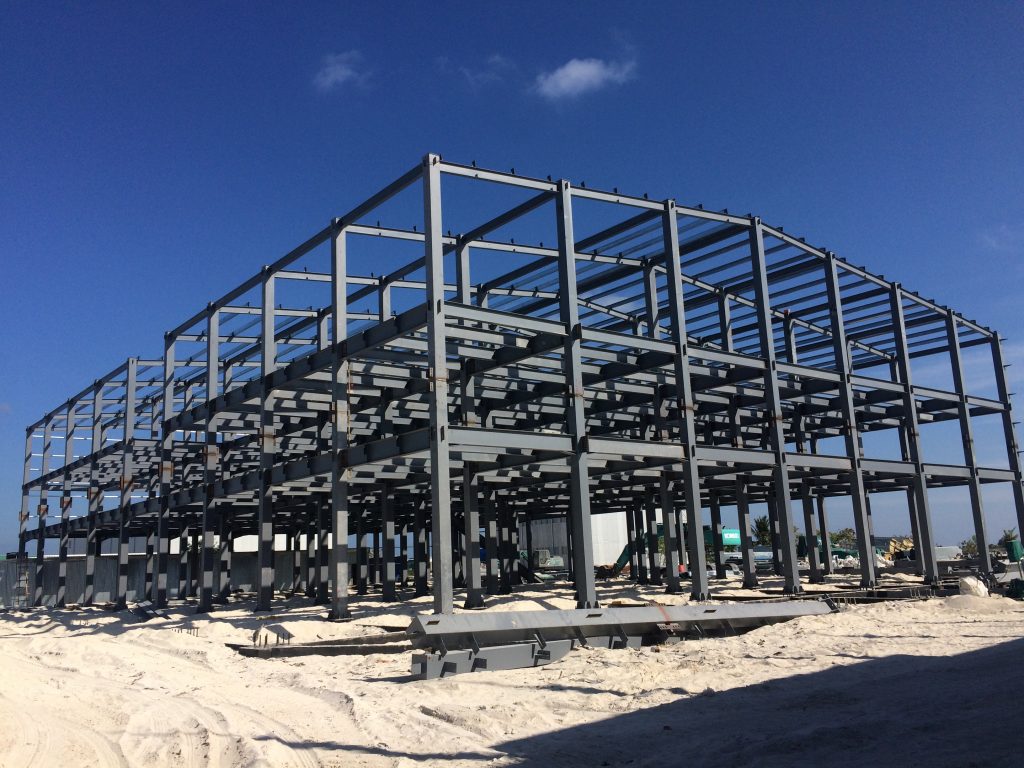
Strength Beyond Loads: Additional Benefits of Our Steel Structures
While strength is the core focus of our steel structures, their high-strength design delivers additional benefits that enhance value for clients:
1. Flexibility and Adaptability
The high strength-to-weight ratio of steel allows for large open spaces and flexible floor plans, making our steel structures easily adaptable to changing needs. For example, a warehouse with 30-meter clear spans can be reconfigured from storage space to manufacturing space without structural modifications, as the steel frame can support additional loads (e.g., machinery, mezzanines) with minimal upgrades . This flexibility ensures that the structure can evolve with the client’s business, maximizing long-term value.
2. Speed of Construction
Steel components are prefabricated in our factories, allowing for rapid on-site assembly. Our steel structures can be erected 30–50% faster than concrete structures , reducing construction time and minimizing downtime for clients. For example, a 10,000-square-meter steel warehouse can be erected in just 60 days, compared to 120 days for a concrete warehouse of the same size . This speed allows clients to start using their building sooner, generating revenue or operational savings faster.
3. Sustainability and Environmental Performance
Steel is 100% recyclable, with a recycling rate of over 90%—far higher than concrete (less than 30%) or wood (limited recyclability) . Our steel structures use recycled steel (70% of total steel content), which requires 74% less energy to produce than virgin steel . This reduces the carbon footprint of our structures by up to 50% compared to concrete structures . Additionally, the lightweight design of steel structures reduces transportation emissions, and the long design life (50–100 years) minimizes the need for replacement, further reducing environmental impact.
4. Low Maintenance Costs
Our high-strength steel structures are inherently durable, requiring minimal maintenance over their design life. The galvanized or fluorocarbon-coated steel components resist corrosion, rust, and insect infestations, eliminating the need for frequent repainting or replacement. Most of our steel structures require only annual inspections and minor cleaning, with an average annual maintenance cost of just 0.1–0.2% of the initial investment . This is significantly lower than concrete structures (0.5–1.0% annual maintenance cost) and wood structures (1.0–2.0% annual maintenance cost) .
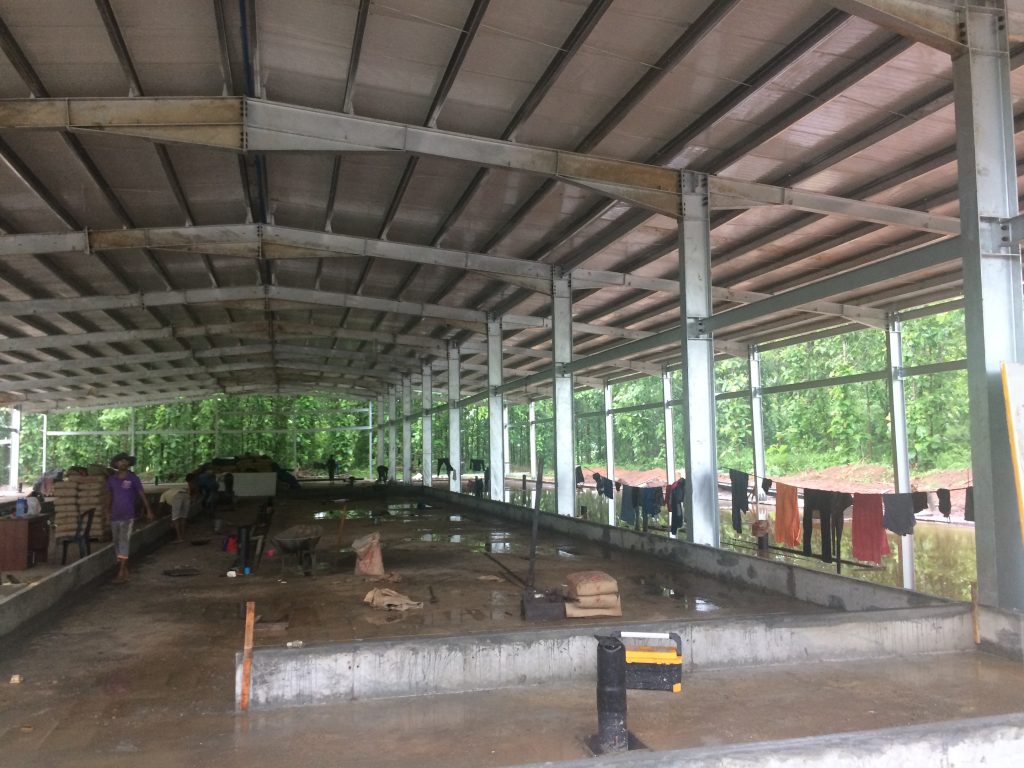
Why Choose Our Steel Structure Buildings for Strength and Performance?
In a market flooded with construction options, our steel structures stand out for their unmatched strength, engineering excellence, and real-world performance. Here are the key reasons why clients choose us for their high-strength construction needs:
1. Unrivaled Engineering Expertise
Our team of engineers has over 20 years of experience in steel structure design, with specialized expertise in high-strength applications. We employ registered professional engineers (PE) certified by international organizations (e.g., AISC, CSC), and our engineers regularly participate in continuing education to stay updated on the latest design standards and technologies. This expertise allows us to tackle even the most complex strength requirements, delivering solutions that are both innovative and reliable.
2. Rigorous Quality Control
We maintain strict quality control throughout every stage of the project—from material sourcing and manufacturing to installation and testing. Our quality control system is certified to ISO 9001, and we adhere to international standards (e.g., GB 55006-2021, AISC 360-10) to ensure every structure meets or exceeds strength and safety requirements. We also conduct third-party inspections and testing to provide clients with independent verification of quality and performance.
3. Customized Solutions
We understand that every project has unique strength requirements, which is why we offer fully customized steel structure solutions. Our engineers work closely with clients to understand their specific needs—whether it’s supporting heavy loads, spanning large spaces, or withstanding extreme weather—and design a structure that is tailored to those requirements. We never use one-size-fits-all solutions; every structure is engineered to deliver the exact strength and performance the client needs.
4. Proven Track Record
We have completed over 3,000 steel structure projects in more than 25 countries, spanning industries from industrial manufacturing and commercial real estate to public infrastructure and sports facilities. Our clients include Fortune 500 companies, government agencies, and leading developers, and our high client retention rate (over 80%) is a testament to our ability to deliver strong, reliable structures on time and within budget.
5. Comprehensive Support
Our commitment to clients extends beyond design and construction. We provide comprehensive support throughout the entire project lifecycle, including:
- Pre-construction consultation and needs assessment.
- Detailed design documentation and engineering calculations.
- Manufacturing oversight and quality control.
- On-site installation supervision and technical support.
- Post-construction inspection, testing, and maintenance training.
- Warranty coverage (5-year warranty on materials and workmanship, 20-year warranty on structural framing).
This end-to-end support ensures that clients have a seamless experience and a steel structure that performs as expected for decades.
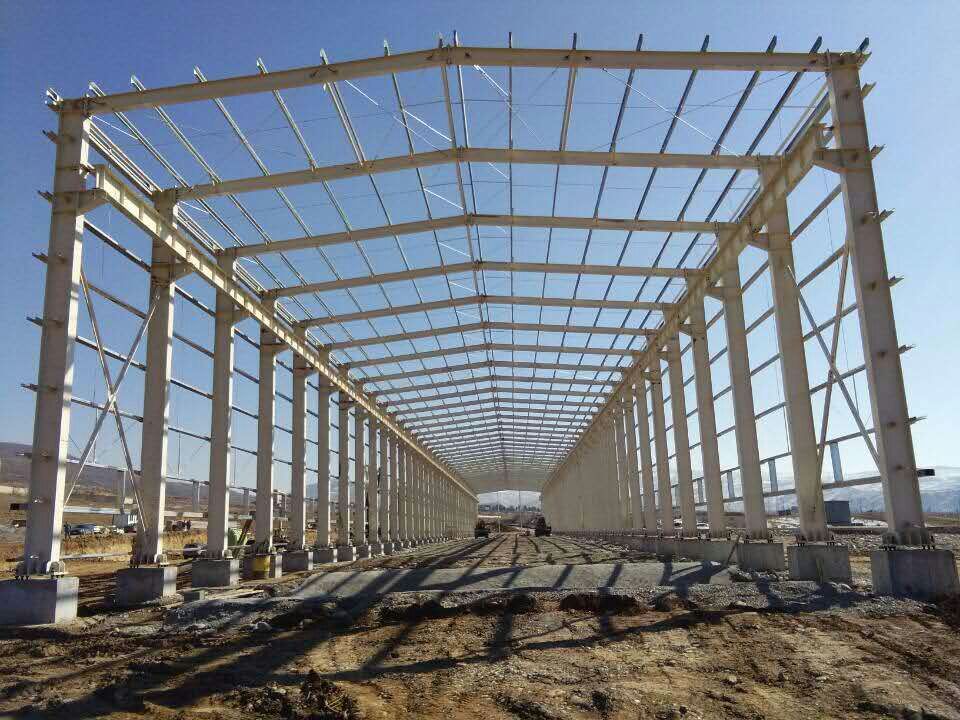
Conclusion
Strength is the backbone of any successful construction project—and our steel structure buildings are engineered to deliver strength in every sense of the word. From the superior mechanical properties of high-grade steel to the precision of our engineering design, the rigor of our manufacturing process, and the real-world performance of our structures, we leave no stone unturned in ensuring that our steel buildings are strong, reliable, and durable.
Our steel structures outperform traditional materials by a wide margin, offering exceptional tensile strength, yield strength, ductility, and toughness. They are engineered to span larger distances, support heavier loads, and withstand extreme weather and seismic activity—all while being lighter, more efficient, and more sustainable. Whether you need a heavy-duty industrial warehouse, a large-span stadium, or a seismic-resistant high-rise building, our steel structures are designed to meet your most demanding strength requirements.
Beyond strength, our steel structures deliver additional benefits that enhance value: flexibility to adapt to changing needs, speed of construction to minimize downtime, sustainability to reduce environmental impact, and low maintenance costs to maximize long-term savings. Combined with our unrivaled engineering expertise, rigorous quality control, and comprehensive client support, this makes our steel structures the premier choice for clients seeking strength, performance, and value.
In a world where safety, reliability, and durability are non-negotiable, our steel structure buildings stand as a testament to the power of engineering excellence. When you choose our steel structures, you’re not just investing in a building—you’re investing in strength that lasts a lifetime. Contact us today to learn more about how our engineered-for-strength steel structures can meet your unique construction needs and deliver exceptional performance for years to come.
Related news
-
Innovative Steel Structure Building Designs for Modern Needs.
2025-12-11 17:33:06
-
Your Premier Partner for Metal Frame Warehouse Construction
2025-12-12 13:59:37
-
Why Choose Lida Group for Durable, Cost-Effective Building?
2025-12-12 14:51:02
contact us
- Tel: +86-532-88966982
- Whatsapp: +86-13793209022
- E-mail: sales@lidajituan.com
