



Engineered for Longevity: Steel Structure Building by Lida Group
2025-Dec-25 17:44:00
By Admin
In the global construction industry, where the lifecycle of buildings directly impacts economic value, environmental sustainability, and human safety, steel structure buildings have emerged as a benchmark for longevity and reliability. Among the pioneers driving this paradigm, Lida Group stands out as a leader that integrates cutting-edge engineering, rigorous quality control, and innovative materials to deliver steel structures designed to exceed decades of service. Founded in 1993, Lida Group has evolved from a regional steel structure manufacturer to a global integrated solution provider, spanning consulting, design, production, construction, and after-sales service. With a portfolio covering 149 countries and regions, the group has demonstrated that steel structures, when engineered with precision and expertise, can far surpass the lifespan of traditional concrete and wooden buildings. This article explores how Lida Group redefines durability in steel structure construction through advanced structural engineering, material innovation, strict quality management, global project validation, and sustainable practices—solidifying its reputation as a builder of long-lasting structures.
1. The Longevity Advantage of Steel Structures: A Comparative Perspective
Steel has long been recognized as a superior material for durable construction, and its inherent properties lay the foundation for Lida Group’s long-lasting steel structures. Unlike reinforced concrete (RC) structures, which face inevitable aging and corrosion issues, or wooden structures prone to rot and pest infestation, steel offers exceptional structural stability and resistance to environmental degradation. According to industry research, well-engineered steel buildings typically have a service life of 100 to 150 years, significantly outperforming RC residential buildings (60 to 80 years) and concrete pavements (30 to 35 years) . This longevity is not merely a result of steel’s physical strength but also its adaptability to maintenance and renovation, ensuring structures remain functional and safe for generations.
A core challenge facing traditional structures is premature deterioration. Over 70% of damage to RC structures stems from reinforcement corrosion, which undermines load-bearing capacity and shortens service life drastically . In contrast, steel’s resistance to corrosion—when paired with advanced protective treatments—eliminates this critical vulnerability. Lida Group leverages this advantage by integrating steel’s natural durability with proprietary engineering solutions, creating structures that maintain structural integrity even in harsh environments, from humid coastal regions to industrial zones with high chemical exposure. Moreover, steel’s ductility and high strength-to-weight ratio enable it to withstand natural disasters, a key factor in extending a building’s lifespan by avoiding catastrophic damage.
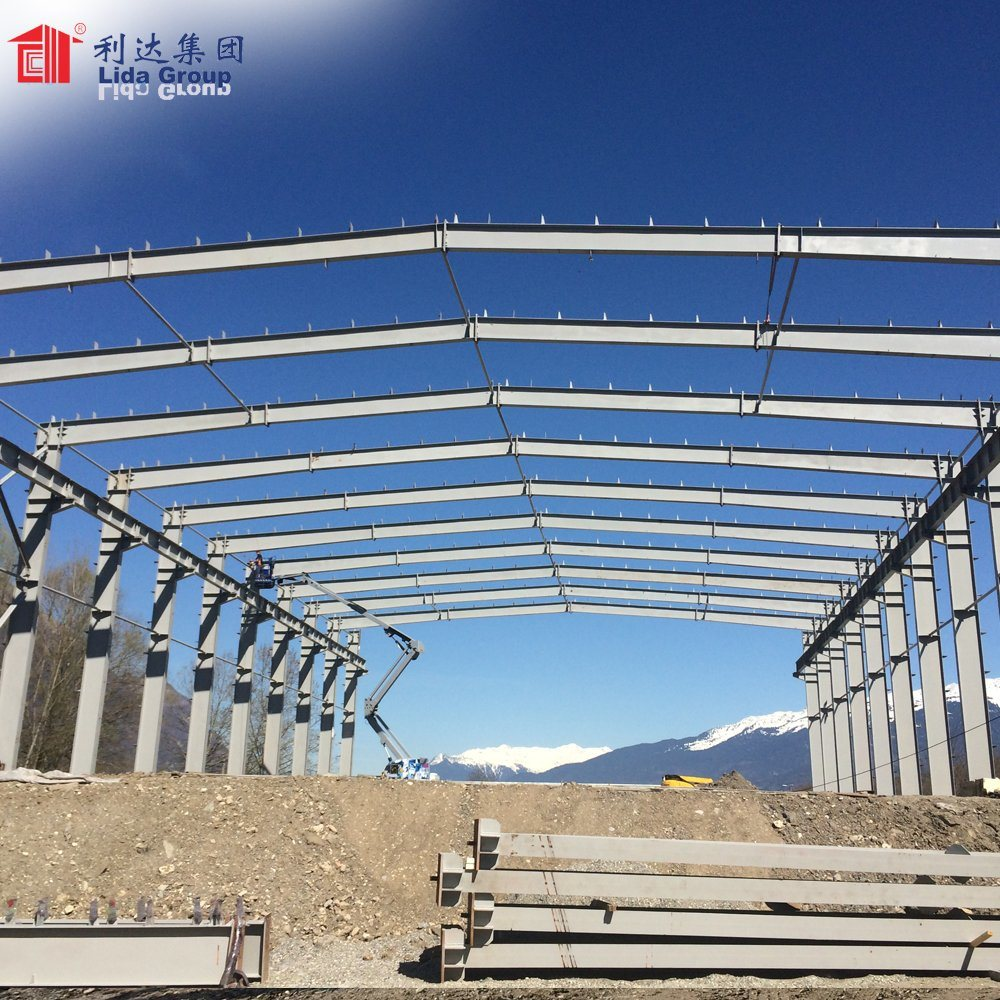
2. Advanced Structural Engineering: The Backbone of Longevity
Lida Group’s steel structures are engineered to endure through a combination of seismic resilience, wind resistance, and fire protection—three critical factors that determine a building’s ability to withstand time and hazards. The group’s engineering team integrates industry-leading technologies and proprietary systems to optimize structural performance, ensuring each project meets or exceeds international building codes for longevity and safety.
2.1 Seismic Resilience and Disaster Resistance
As a recipient of the “Advanced Enterprise for 5.12 Wenchuan Earthquake Relief,” Lida Group has honed its seismic engineering capabilities through real-world crisis response . The group’s steel structures adopt innovative seismic systems, including buckling-restrained brace frames and rocking steel interconnections, which absorb and dissipate earthquake energy to minimize structural damage. These systems, inspired by cutting-edge research in structural engineering, allow steel frames to withstand magnitude 8 earthquakes without catastrophic failure—far exceeding the performance of traditional RC structures . In seismic zones across Asia, Africa, and Latin America, Lida’s steel buildings have proven their resilience, maintaining functionality even after significant tremors.
For example, the group’s modular steel structure camp in Sudan, built for UN peacekeeping forces, is designed to resist both earthquakes and extreme temperature fluctuations. The camp’s steel frame incorporates flexible joints that allow controlled movement during seismic activity, reducing stress on the overall structure while preserving the integrity of walls and roofing. This design not only protects occupants but also ensures the camp remains operational for decades, aligning with the UN’s long-term deployment needs . Such projects demonstrate Lida’s ability to engineer steel structures that balance durability with adaptability to high-risk environments.
2.2 Wind and Environmental Resistance
In high-wind regions, Lida Group’s steel structures are optimized to withstand extreme wind loads, a critical factor in extending service life in coastal and tornado-prone areas. The group’s engineering team uses computational fluid dynamics (CFD) to simulate wind flow around structures, optimizing frame geometry and bracing systems to reduce wind pressure. Well-engineered steel structures by Lida can withstand wind speeds of up to 250 kilometers per hour (Category 5 hurricane force), maintaining structural stability through repeated exposure to severe weather .
In coastal projects, such as the beachfront industrial warehouse in Indonesia, Lida enhances wind resistance by reinforcing steel frames with high-strength bolts and anti-corrosion treatments. The structure’s steel members are designed to resist saltwater corrosion and wind-induced vibration, ensuring long-term durability in a harsh marine environment. By addressing both immediate wind damage and long-term environmental wear, Lida’s engineering solutions extend the structure’s lifespan by decades.
2.3 Fire Protection Engineering
Fire is a major threat to building longevity, but Lida Group’s steel structures incorporate robust fire protection measures to maintain structural integrity during combustion. Unlike wooden structures, steel is non-combustible, but it requires insulation to retain strength at high temperatures. Lida’s steel components are coated with intumescent fire-retardant paints and paired with fire-resistant sheathing, achieving a fire resistance rating of up to 1.22 hours—fully complying with national and international fire safety standards .
In the Qatar World Cup supporting facilities project, Lida’s steel structures for player accommodations and staff offices were engineered to withstand prolonged exposure to high temperatures. The fire protection system ensures that steel members retain 80% of their load-bearing capacity at 500°C for over an hour, providing ample time for evacuation and minimizing structural damage. This level of fire protection not only enhances safety but also reduces repair costs after fire incidents, extending the structure’s operational lifespan.
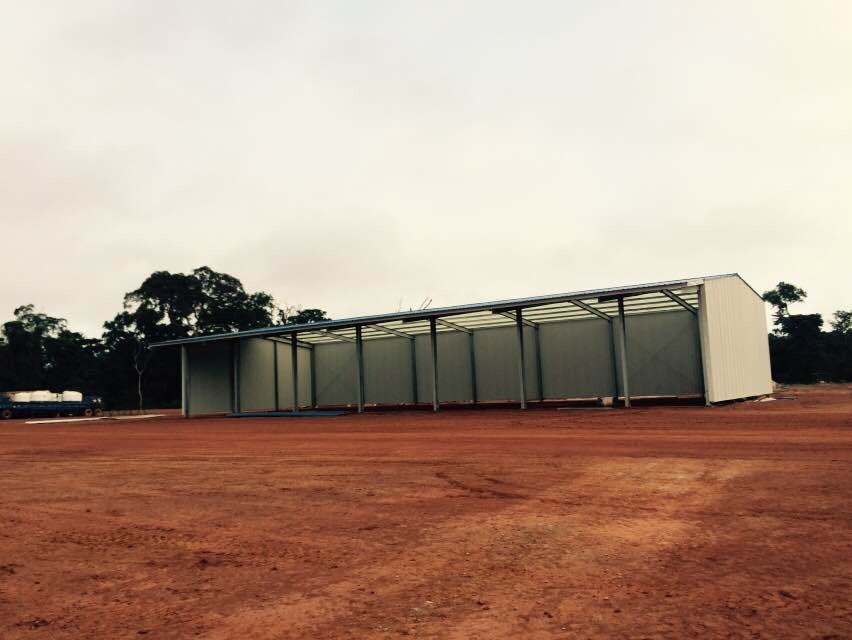
3. Material Innovation: Enhancing Durability Through Advanced Treatments
Lida Group’s commitment to longevity is further reinforced by its use of high-performance steel materials and proprietary protective treatments. The group prioritizes materials that resist corrosion, fatigue, and environmental wear, ensuring steel structures maintain their performance over decades of use. From advanced alloys to corrosion-resistant coatings, every material choice is engineered to extend the structure’s lifecycle.
3.1 Corrosion Protection Technologies
Corrosion is the primary threat to steel structure longevity, but Lida Group employs a multi-layered protection strategy to eliminate this risk. The group’s steel components undergo hot-dip galvanization, a process that immerses steel in molten zinc (450°C) to form a metallurgically bonded coating . This coating acts as a physical barrier against moisture and oxygen, and its cathodic protection properties ensure that even if scratched, the zinc sacrifices itself to prevent steel corrosion. For harsh environments, such as coastal regions or industrial zones, Lida adds a secondary layer of zinc-aluminum alloy coating or polymer-based paint, further extending corrosion resistance.
Tests show that Lida’s galvanized steel components have a service life of over 90 years in moderate environments and 60 years in harsh coastal conditions—far exceeding the lifespan of untreated steel or traditional RC structures . In the Zambia Industrial Park project, Lida’s steel structures have maintained structural integrity for over a decade in a hot, dry climate with high dust levels, thanks to their advanced corrosion protection system. This durability reduces maintenance costs and ensures the structures remain functional without major repairs.
3.2 High-Strength Steel Alloys
Lida Group utilizes high-strength low-alloy (HSLA) steels in its structures, incorporating elements such as vanadium, niobium, and titanium to enhance strength and ductility . These alloys allow for thinner, lighter steel members without compromising load-bearing capacity, reducing material fatigue and extending lifespan. HSLA steel’s resistance to wear and tear makes it ideal for high-traffic industrial buildings and long-span structures, where repeated stress could degrade traditional steel.
The group’s cold-formed steel (CFS) components, made from HSLA steel, are particularly well-suited for residential and commercial structures. These components are precision-manufactured in controlled factory environments, ensuring consistent quality and dimensional stability. CFS structures by Lida have a lifespan of over 90 years, outperforming traditional wooden frames by more than double . Additionally, CFS’s lightweight nature reduces foundation loads, minimizing long-term settlement and structural degradation.
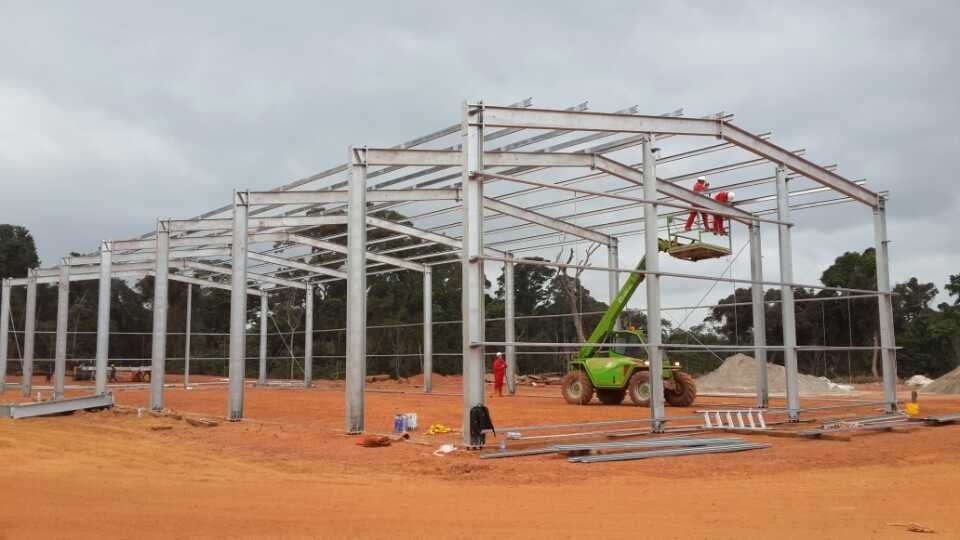
4. Rigorous Quality Management: Ensuring Longevity From Production to Completion
Longevity in steel structures is not just a product of materials and engineering—it requires strict quality control throughout the entire project lifecycle. Lida Group has established a comprehensive quality management system certified to ISO 9001, ISO 14001, and ISO 45001 standards, with production bases audited by global authorities such as SGS, TUV, INTERTEK, and BV . This system ensures that every component, from raw materials to finished structures, meets the highest standards for durability.
4.1 Raw Material and Component Inspection
Lida Group sources steel from certified suppliers and subjects all raw materials to rigorous testing in its CNAS-accredited quality inspection center . Steel samples undergo mechanical property tests, chemical composition analysis, and corrosion resistance detection, with only those meeting Grade Q355B or higher standards approved for production. During manufacturing, each component is inspected for dimensional accuracy using laser measuring equipment, and weld quality is verified through ultrasonic and radiographic testing. Non-conforming components are immediately quarantined, ensuring no defective parts enter the construction process.
4.2 Full-Lifecycle Quality Traceability
To ensure accountability and transparency, Lida Group implements a full-lifecycle traceability system using Manufacturing Execution System (MES) technology. Each steel component is assigned a unique identification code that records raw material batch numbers, production time, inspection results, and installation location. This system allows for rapid troubleshooting in the event of quality issues and enables data-driven optimization of production processes. During on-site construction, Lida’s quality control team conducts real-time inspections of assembly processes, ensuring components are installed to design specifications and structural stability is maintained.
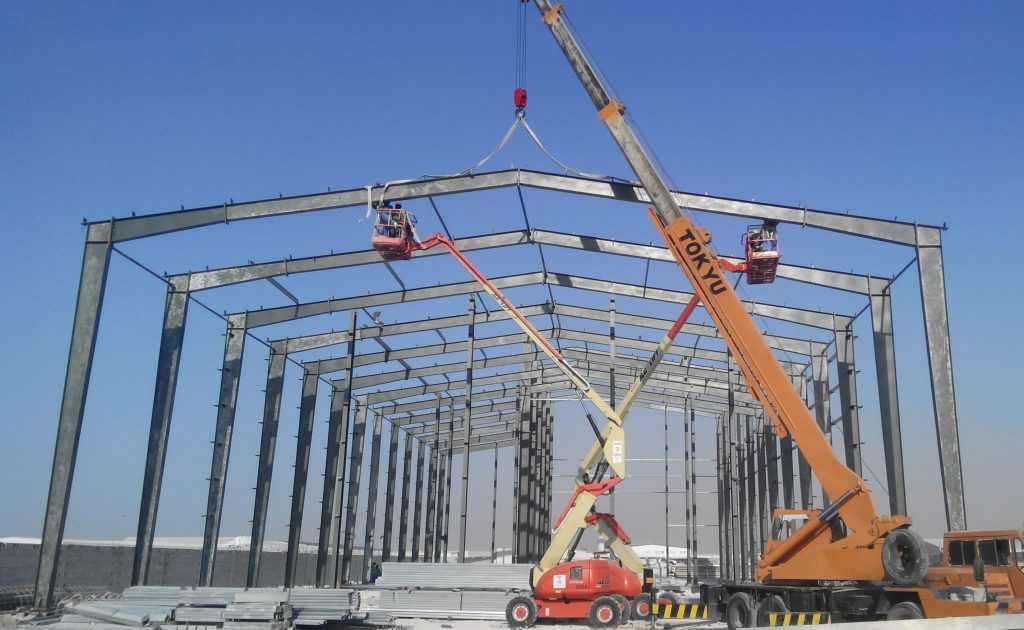
5. Global Project Excellence: Longevity Validated Across Diverse Environments
Lida Group’s steel structures have been tested and validated in diverse environments worldwide, from tropical rainforests to arid deserts, proving their ability to endure extreme conditions. The group’s portfolio of long-lasting projects spans industrial parks, UN peacekeeping camps, sports facilities, and residential complexes, each demonstrating the durability of Lida’s steel engineering solutions.
5.1 Industrial and Infrastructure Projects
The Zambia Industrial Park, a 50,000-square-meter development with 12 steel structure buildings, showcases Lida’s ability to deliver long-lasting industrial facilities. Completed in 2018, the park’s steel structures have withstood Zambia’s hot, dry climate and heavy industrial use for over seven years without major maintenance. The structures’ corrosion-resistant coatings and high-strength steel members ensure they remain functional for decades, supporting the local government’s long-term economic development goals .
Another notable project is the Qatar Stadium Supporting Facilities, built for the 2022 FIFA World Cup. Lida’s steel structure modules were designed for rapid assembly and long-term durability, withstanding Qatar’s high temperatures (up to 50°C) and humidity. Two years after the World Cup, the structures remain in use as community facilities, demonstrating their ability to adapt to post-event use and maintain longevity beyond the initial project scope.
5.2 Humanitarian and Emergency Response Projects
As a designated supplier for UN peacekeeping forces, Lida Group’s steel structures have been deployed in some of the world’s most challenging environments . The group’s modular steel camps in Sudan and South Sudan are designed to withstand extreme temperatures, earthquakes, and civil unrest, providing safe accommodation for peacekeeping personnel for over a decade. These camps’ steel frames are recyclable and repairable, ensuring they can be maintained with limited resources in remote regions.
Following the 2023 Turkey-Syria earthquake, Lida donated 100 modular steel shelters to affected communities. These shelters, assembled in 15 days, feature corrosion-resistant steel frames and fire protection systems, designed to provide durable housing for displaced families for up to 20 years. The shelters’ ability to withstand future seismic activity and harsh weather ensures they remain a long-term solution, not just a temporary fix.
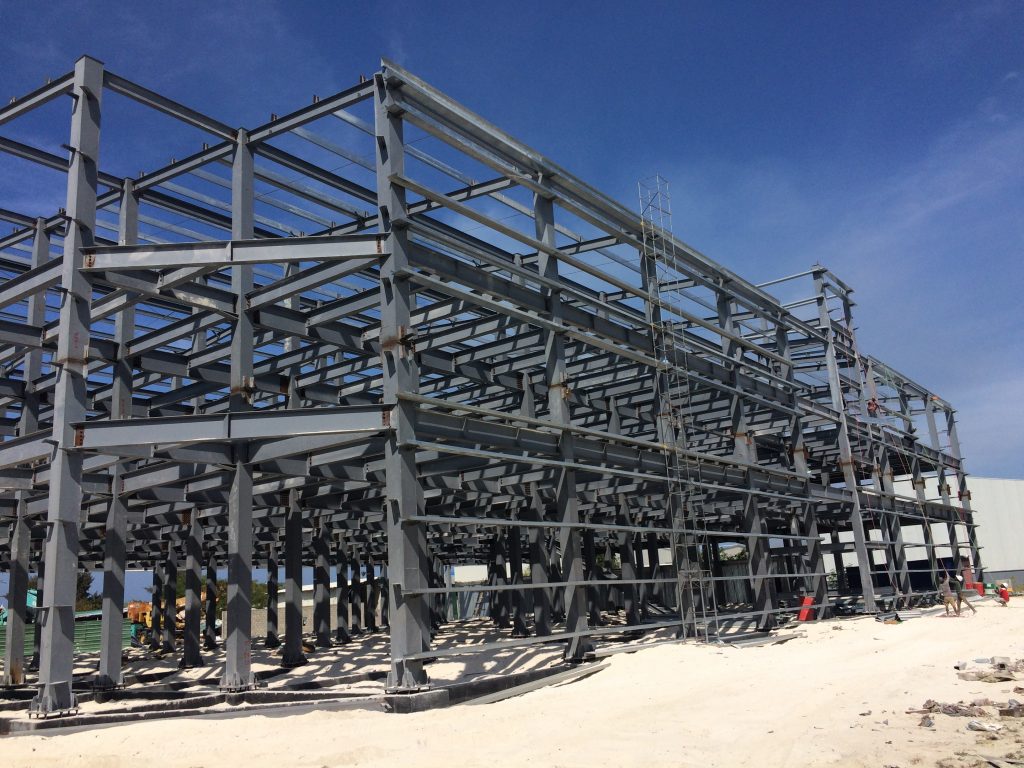
6. Sustainable Longevity: Balancing Durability with Environmental Responsibility
Lida Group recognizes that true longevity goes hand in hand with sustainability—structures must endure without compromising the environment. The group’s steel structures are engineered to minimize environmental impact throughout their lifecycle, from production to demolition, aligning with global circular economy goals.
6.1 Recyclability and Resource Efficiency
Steel is the most recyclable construction material, with a recycling rate of over 90%—far higher than wood or concrete . Lida Group’s steel structures are designed for disassembly, allowing components to be recycled or repurposed at the end of their service life. The production of recycled steel requires 74% less energy than virgin steel, reducing carbon emissions by 75% . This recyclability ensures that Lida’s steel structures contribute to a circular economy, minimizing waste and conserving natural resources.
Factory prefabrication of steel components further enhances sustainability by reducing on-site waste by up to 70% compared to traditional construction . Lida’s precision manufacturing processes ensure minimal material waste, and excess steel is recycled in-house, further reducing environmental impact. The group’s production bases also integrate renewable energy systems, such as solar power, to reduce carbon emissions during manufacturing.
6.2 Energy Efficiency and Long-Term Sustainability
Lida’s steel structures are optimized for energy efficiency, reducing operational carbon emissions and extending lifespan by minimizing wear from temperature fluctuations. The group’s steel walls and roofing incorporate high-insulation composite materials, achieving thermal resistance values (R-values) that reduce heating and cooling costs by up to 30% . This energy efficiency not only lowers environmental impact but also reduces maintenance costs, ensuring the structure remains economically viable for decades.
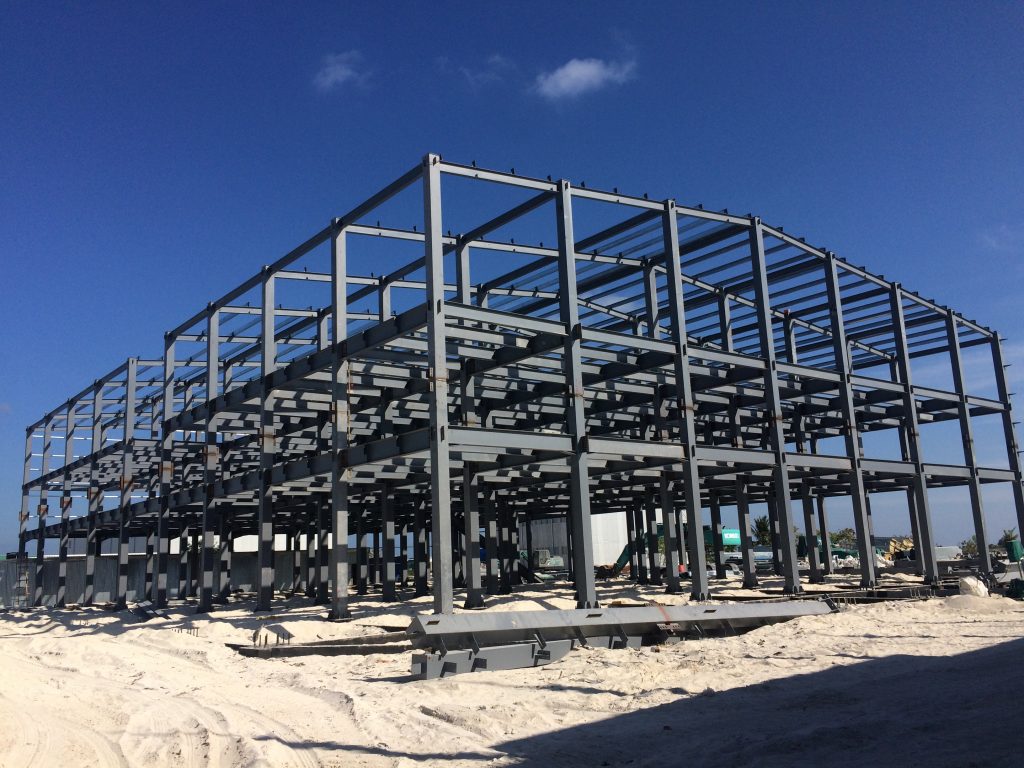
7. Cost-Effectiveness of Longevity: Total Lifecycle Value
While the initial cost of Lida’s steel structures may be 5% to 10% higher than traditional RC structures, their long lifespan and low maintenance requirements deliver superior total lifecycle value. Lida’s steel structures have 50% lower maintenance costs over their lifespan, eliminating expenses associated with corrosion repair, termite treatment, and structural degradation . Additionally, the group’s modular construction methods reduce project timelines by 20% to 30%, lowering labor costs and enabling faster occupancy .
Insurance companies also recognize the durability of Lida’s steel structures, offering 15% to 20% lower premiums for steel buildings compared to RC or wooden structures. This cost savings, combined with reduced maintenance and extended lifespan, makes Lida’s steel structures a wise long-term investment for homeowners, businesses, and governments.
8. Conclusion: Lida Group—Engineering Structures for Generations
Lida Group’s steel structure buildings redefine longevity in the construction industry, blending advanced engineering, material innovation, strict quality control, and sustainable practices to create structures that endure for decades. The group’s ability to engineer steel structures that withstand natural disasters, environmental wear, and heavy use is validated by its global portfolio of projects, from UN peacekeeping camps to industrial parks. By leveraging steel’s inherent durability and enhancing it with proprietary technologies, Lida Group has set a new standard for long-lasting construction.
The group’s commitment to quality—backed by international certifications and rigorous testing—ensures that every steel structure meets the highest standards for safety and longevity. Lida’s focus on sustainability also demonstrates that durability and environmental responsibility are not mutually exclusive; its steel structures minimize waste, reduce carbon emissions, and contribute to a circular economy.
As the construction industry increasingly prioritizes lifecycle value over short-term costs, Lida Group is poised to lead the way in engineering steel structures for future generations. By choosing Lida’s steel structures, clients are not just building a facility—they are investing in a durable, sustainable solution that will remain functional, safe, and economically viable for a century or more. Lida Group’s legacy is not just in the buildings it constructs, but in the lasting value it delivers to communities, businesses, and the planet.
Related news
-
Lida Group Delivers Flexible Modern Mobile Building Projects
2025-12-24 17:52:24
-
Lida Group Sets New Standard in High Quality Durable Construction
2025-12-25 16:06:32
-
Discover the Strength of Our Metal Frame House Designs
2025-12-25 17:33:33
contact us
- Tel: +86-532-88966982
- Whatsapp: +86-13793209022
- E-mail: sales@lidajituan.com
