



Engineered for Longevity: Low-Cost Durable Prefab Dormitories
2026-Feb-09 17:44:33
By Admin
In an era marked by rapid urbanization, growing student populations, and increasing demand for affordable housing in remote work sites, military bases, and disaster relief zones, prefabricated (prefab) dormitories have emerged as a pragmatic solution to address urgent housing needs. However, the traditional perception of prefab structures as temporary, low-quality, and short-lived has long hindered their widespread adoption for long-term use. Today, advances in materials science, modular design, and construction engineering are reshaping this narrative—enabling the development of low-cost durable prefab dormitories that are engineered specifically for longevity. These structures combine the cost-efficiency and speed of prefabrication with the durability, functionality, and sustainability required for long-term residential use, making them an ideal choice for educational institutions, corporations, governments, and non-profit organizations seeking reliable, affordable housing solutions.
The concept of “engineered for longevity” goes beyond mere durability; it encompasses a holistic approach to design, materials selection, construction, and maintenance that ensures prefab dormitories can withstand the test of time, environmental stressors, and heavy usage while remaining cost-effective throughout their lifecycle. Unlike conventional prefab buildings that prioritize short-term cost savings over long-term performance, these dormitories are designed to minimize maintenance costs, reduce environmental impact, and adapt to changing needs—all without compromising on affordability or quality. This article explores the key principles, technologies, materials, and case studies that define low-cost durable prefab dormitories engineered for longevity, examines the challenges faced in their design and implementation, and highlights their potential to transform the future of affordable housing worldwide.
1. Introduction: The Need for Long-Lasting, Affordable Prefab Dormitories
The global demand for affordable, high-quality dormitory housing is growing at an unprecedented rate. Educational institutions around the world are struggling to keep pace with surging student enrollments, with many facing severe housing shortages. For example, Morgan State University in the United States experienced a surge in enrollment exceeding 9,000 students in a single fall semester, but the campus could only accommodate 2,571 students—leading to over 4,000 requests for hotel housing and a waitlist of 600 students. Similarly, universities in developing countries often lack the resources to construct traditional dormitories, which are time-consuming and expensive to build. Beyond education, industries such as oil, gas, mining, and construction require durable dormitories for workers in remote areas, where traditional construction is logistically challenging and costly. Disaster relief efforts also rely on temporary but sturdy housing solutions that can serve as dormitories for displaced populations, often for extended periods.
Traditional on-site construction of dormitories is plagued by several limitations: long construction timelines (often 12–24 months), high labor costs, weather-related delays, and significant material waste. In contrast, prefabricated dormitories offer a faster, more efficient alternative—with construction times reduced by 50% or more, as most components are manufactured in a controlled factory setting and then transported to the site for assembly. However, early prefab dormitories were often designed for temporary use, using low-quality materials that degraded quickly, leading to high maintenance costs and short lifespans (typically 5–10 years). This made them impractical for long-term use, as the cumulative costs of repairs and replacements often exceeded the initial savings from faster construction.
The need for low-cost durable prefab dormitories engineered for longevity arises from the desire to reconcile the advantages of prefabrication—speed, cost-efficiency, and flexibility—with the requirements of long-term residential use: durability, comfort, sustainability, and low lifecycle costs. These dormitories must be able to withstand harsh environmental conditions (such as extreme temperatures, heavy rain, wind, and earthquakes), resist wear and tear from constant use (by students, workers, or displaced persons), and remain functional and comfortable for 20–50 years or more. At the same time, they must be affordable to manufacture, transport, and install, making them accessible to organizations with limited budgets. Achieving this balance requires a deliberate focus on engineering principles, materials innovation, and modular design strategies that prioritize both longevity and cost-effectiveness..
2. Understanding Prefab Dormitories: Definition, Types, and Evolution
2.1 Definition of Prefab Dormitories
A prefab dormitory is a prefabricated building designed specifically to house multiple people—such as students, workers, or displaced persons—in shared or private spaces. It is constructed by manufacturing individual components or entire modules in a factory, then transporting these components to the final site for assembly. Unlike traditional on-site construction, which involves building from scratch at the location, prefab dormitories leverage factory-controlled production to ensure consistent quality, reduce waste, and accelerate construction timelines. Prefab dormitories can be designed for either temporary or permanent use, and they can be customized to include a range of amenities, such as private or shared bedrooms, bathrooms, kitchens, study areas, lounges, and laundry facilities.
2.2 Types of Prefab Dormitories
There are several types of prefab dormitories, each with its own design principles, materials, and applications. The most common types include:
-
Modular Prefab Dormitories: These are the most widely used type of prefab dormitories. They consist of prefabricated modules (typically 10–20 feet wide and 20–40 feet long) that are manufactured as complete units in a factory—including walls, floors, ceilings, windows, doors, and internal fixtures (such as beds, desks, and cabinets). Once manufactured, the modules are transported to the site and stacked or joined together to form a complete dormitory building. Modular dormitories offer high flexibility, as modules can be added, removed, or reconfigured to adapt to changing housing needs. They are also highly durable, as modules are built to withstand transportation and stacking stresses, and they can be designed to meet strict building codes for longevity and safety.
-
Panelized Prefab Dormitories: Panelized dormitories are constructed using prefabricated wall, floor, and roof panels that are manufactured in a factory and then assembled on-site. Unlike modular dormitories, which are complete units, panelized systems require more on-site work to connect the panels and install internal fixtures. However, they are often more affordable than modular dormitories, as they require less transportation space and can be customized to fit specific site dimensions. Panelized dormitories are ideal for organizations with limited budgets that still require durable, long-lasting housing.
-
Container Prefab Dormitories: Container dormitories are built using repurposed or new shipping containers, which are modified to serve as residential units. Shipping containers are inherently durable—made from high-strength steel that can withstand extreme weather conditions, corrosion, and heavy use. They are also affordable, especially when repurposed, and can be easily transported and stacked to form multi-story dormitories. Container dormitories can be customized with insulation, windows, doors, and internal fixtures to provide comfortable living spaces, and they are highly sustainable, as repurposing containers reduces waste and conserves resources. For example, Fisk University in Nashville repurposed old shipping containers into makeshift dormitories to meet the housing needs of its growing student population, and the project received overwhelmingly positive feedback from students. A project in Santiago, Chile, used 70 containers and 6 prefabricated stair blocks to create a 1,400-square-meter, four-story dormitory that could be adapted to different site conditions.
2.3 The Evolution of Prefab Dormitories: From Temporary to Long-Lasting
Prefab dormitories have evolved significantly over the past century. In the early 20th century, prefab structures were primarily used for temporary housing—such as military barracks during World War II or emergency housing after natural disasters. These structures were designed for short-term use, using low-cost, low-quality materials (such as wood or lightweight steel) that degraded quickly. As a result, prefab dormitories gained a reputation for being flimsy, uncomfortable, and short-lived.
In the 1970s and 1980s, advances in materials science and construction engineering led to the development of more durable prefab structures. The introduction of high-strength steel, fiber-reinforced concrete, and advanced insulation materials made it possible to design prefab dormitories that could withstand harsh environmental conditions and heavy use. However, these improvements often came at a cost, making durable prefab dormitories unaffordable for many organizations.
In recent decades, the focus has shifted to developing low-cost durable prefab dormitories that combine affordability with longevity. This shift has been driven by several factors: growing demand for affordable housing, increasing awareness of sustainability, and advances in modular design and factory production. Today’s prefab dormitories are engineered to meet or exceed the durability standards of traditional on-site constructed dormitories, while remaining 20–50% more affordable. They are also designed to be sustainable, with features such as energy-efficient systems, recycled materials, and low water usage—reducing their environmental impact and lifecycle costs. For example, Sunbelt Modular’s Seawolf Village project for Stony Brook University used energy-efficient systems and eco-friendly materials to create a durable, sustainable dormitory solution that met the university’s growing housing needs.
3. Engineering for Longevity: Key Principles and Design Strategies
Engineering low-cost durable prefab dormitories for longevity requires a holistic approach that integrates design, materials, construction, and maintenance. The goal is to create structures that are resilient, adaptable, and cost-effective throughout their entire lifecycle—from manufacturing to deconstruction. Below are the key principles and design strategies that guide the development of these dormitories.
3.1 Durability as a Core Design Priority
Durability is the foundation of any prefab dormitory engineered for longevity. To achieve durability, designers must focus on three key areas: structural integrity, resistance to environmental stressors, and wear resistance. Structural integrity ensures that the dormitory can withstand loads such as wind, snow, earthquakes, and the weight of multiple floors (for multi-story buildings). This requires the use of high-strength materials and robust structural designs—such as steel frames, reinforced concrete floors, and modular connections that can absorb and distribute forces.
Resistance to environmental stressors is critical for dormitories located in harsh climates. For example, dormitories in coastal areas must be resistant to corrosion from saltwater, while those in cold climates must be insulated to prevent freezing and thawing damage. Dormitories in earthquake-prone regions must be designed to withstand seismic activity, using flexible structural systems that can bend without breaking. Materials such as galvanized steel, fiber-reinforced concrete, and weather-resistant cladding are commonly used to enhance environmental resistance. For instance, Lida Group’s low-cost prefab steel dormitories use Q235 steel and steel square tubes for the frame, with sandwich panels for walls and roofs that provide insulation and weather resistance—achieving a wind resistance of grade 11 (wind speed ≤ 111.5 km/h) and earthquake resistance of grade 7.
Wear resistance is essential for dormitories that will be used heavily by students, workers, or displaced persons. High-traffic areas such as hallways, staircases, and common rooms must be lined with durable materials such as ceramic tiles, vinyl flooring, or concrete that can withstand scuffs, scratches, and spills. Internal fixtures such as beds, desks, and cabinets should be made from sturdy materials such as steel or solid wood, and they should be designed to withstand repeated use. Additionally, finishes such as paint and sealants should be high-quality and easy to clean, reducing the need for frequent maintenance.
3.2 Modular Design for Flexibility and Longevity
Modular design is a key strategy for creating low-cost durable prefab dormitories. Modular dormitories are composed of individual modules that can be manufactured, transported, and assembled quickly. This modular approach offers several advantages for longevity: first, modules are manufactured in a controlled factory setting, ensuring consistent quality and reducing the risk of defects that can lead to premature failure. Second, modular connections are designed to be strong and durable, allowing modules to be joined together securely to form a single structure. Third, modular design enables flexibility—modules can be added, removed, or reconfigured to adapt to changing housing needs, extending the dormitory’s lifespan.
For example, a university that experiences growth in student enrollment can add additional modules to its existing prefab dormitory, rather than building a new dormitory from scratch. Similarly, a company that needs dormitories for workers in a remote site can relocate the modules to a new site once the project is completed, reducing waste and maximizing the dormitory’s value. Modular design also simplifies maintenance and repairs—if a single module is damaged, it can be removed and replaced without affecting the rest of the building. This reduces maintenance costs and extends the dormitory’s lifespan. The Seawolf Village project for Stony Brook University included seven two-story modular dormitories, with two support buildings featuring lounges, study areas, and laundry rooms—demonstrating how modular design can be used to create functional, flexible dormitory spaces.
3.3 Sustainable Design for Reduced Lifecycle Costs
Sustainability and longevity go hand in hand. Low-cost durable prefab dormitories engineered for longevity are designed to be sustainable, with features that reduce environmental impact and lifecycle costs. Sustainable design strategies include the use of recycled materials, energy-efficient systems, low water usage, and renewable energy sources.
Using recycled materials reduces the cost of manufacturing and conserves natural resources. For example, container dormitories use repurposed shipping containers, which would otherwise end up in landfills. Modular dormitories can also use recycled steel, concrete, and insulation materials, reducing material costs and environmental impact. Energy-efficient systems—such as LED lighting, high-efficiency HVAC (heating, ventilation, and air conditioning) systems, and double-glazed windows—reduce energy consumption, lowering utility costs for the dormitory’s operator. Low-water fixtures such as low-flow toilets and showerheads reduce water usage, which is especially important in areas with water scarcity.
Renewable energy sources such as solar panels can be integrated into prefab dormitories to further reduce energy costs and environmental impact. For example, a modular dormitory with solar panels on its roof can generate its own electricity, reducing reliance on grid power. Sustainable design not only reduces the dormitory’s environmental footprint but also lowers lifecycle costs—energy and water savings, combined with reduced maintenance costs, make the dormitory more affordable over time. The Chilean container dormitory project focused on passive sustainability strategies such as orientation, insulation, and cross-ventilation to reduce energy use, aligning with its low-budget goals.
3.4 Design for Maintainability
Maintainability is a critical factor in ensuring the longevity of prefab dormitories. A dormitory that is easy to maintain will have lower lifecycle costs and a longer lifespan, as small issues can be addressed quickly before they become major problems. Design for maintainability includes features such as accessible mechanical systems, easy-to-replace fixtures, and durable finishes that require minimal upkeep.
For example, mechanical systems such as HVAC units and plumbing should be located in accessible areas, such as utility closets or service shafts, making it easy for maintenance personnel to inspect and repair them. Internal fixtures such as light fixtures, faucets, and doorknobs should be standard, off-the-shelf products that can be easily replaced if they break. Finishes such as paint and flooring should be easy to clean and resistant to stains, reducing the need for frequent repainting or replacement. Additionally, the dormitory’s design should include clear access to roof systems, windows, and exterior cladding, making it easy to inspect and maintain these components. The Mansfield University dormitory project used BIM (Building Information Modeling) to facilitate maintenance, providing support for maintenance technicians and simplifying the identification of potential issues.

4. Materials for Low-Cost Durable Prefab Dormitories
The choice of materials is critical for achieving both low cost and durability in prefab dormitories. Materials must be affordable, readily available, and able to withstand environmental stressors, wear and tear, and structural loads. Below are the most commonly used materials for low-cost durable prefab dormitories, along with their advantages and applications.
4.1 Structural Materials
4.1.1 Steel
Steel is one of the most popular structural materials for prefab dormitories, thanks to its high strength, durability, and affordability. Steel frames are lightweight yet robust, making them ideal for modular and panelized dormitories. Steel is resistant to corrosion (when galvanized or painted), fire, and pests, and it can withstand extreme weather conditions such as wind and earthquakes. Additionally, steel is highly recyclable, making it a sustainable choice. The cost of steel has remained relatively stable over the years, and it is readily available worldwide, making it an affordable option for low-cost dormitories. Lida Group’s prefab steel dormitories use Q235 steel and steel square tubes for the frame, which provides excellent structural integrity and durability. Steel is also used in container dormitories, as shipping containers are made from high-strength steel that can withstand transportation and stacking stresses.
4.1.2 Fiber-Reinforced Concrete (FRC)
Fiber-reinforced concrete is a composite material made from concrete and fibers (such as steel, glass, or polypropylene). FRC is stronger and more durable than traditional concrete, with improved resistance to cracking, impact, and wear. It is commonly used for floors, walls, and roof panels in prefab dormitories, as it can withstand heavy loads and harsh environmental conditions. FRC is also affordable, as it uses less concrete than traditional reinforced concrete, and it can be precast in a factory to ensure consistent quality. Additionally, FRC is fire-resistant and pest-resistant, making it a durable choice for long-lasting dormitories.
4.1.3 Wood (Engineered Wood Products)
Engineered wood products—such as oriented strand board (OSB), plywood, and laminated veneer lumber (LVL)—are increasingly used in prefab dormitories. These products are made from recycled wood fibers or small pieces of wood that are bonded together with adhesives, making them stronger and more durable than traditional solid wood. Engineered wood is affordable, lightweight, and easy to manufacture, making it ideal for panelized and modular dormitories. It is also sustainable, as it uses less virgin wood than traditional solid wood and can be recycled. However, engineered wood is susceptible to moisture damage, so it must be treated with waterproof sealants and used in conjunction with proper insulation and ventilation systems to ensure durability.
4.2 Cladding and Insulation Materials
4.2.1 Fiber Cement Cladding
Fiber cement cladding is a popular choice for the exterior of prefab dormitories, thanks to its durability, affordability, and weather resistance. Fiber cement is made from a mixture of cement, sand, and wood fibers, and it is available in a variety of colors and textures. It is resistant to fire, water, pests, and corrosion, and it can withstand extreme temperatures. Fiber cement cladding is also low-maintenance, requiring only occasional cleaning to keep it looking new. Additionally, it is affordable, making it ideal for low-cost dormitories.
4.2.2 Vinyl Siding
Vinyl siding is another affordable and durable cladding option for prefab dormitories. Vinyl is lightweight, easy to install, and resistant to water, fire, and pests. It is available in a wide range of colors and styles, making it easy to customize the dormitory’s appearance. Vinyl siding is also low-maintenance, as it does not require painting or staining, and it can be cleaned with soap and water. However, vinyl siding can be susceptible to damage from extreme heat or cold, so it must be installed properly and chosen for the specific climate.
4.2.3 Polystyrene (EPS) and Polyurethane (PU) Insulation
Insulation is critical for ensuring the comfort and energy efficiency of prefab dormitories, and it also plays a role in durability by preventing moisture damage. Polystyrene (EPS) and polyurethane (PU) are two of the most commonly used insulation materials for prefab dormitories. EPS is affordable, lightweight, and easy to install, making it ideal for low-cost dormitories. It is also resistant to moisture, mold, and pests, and it provides excellent thermal insulation. PU insulation is more expensive than EPS but offers better thermal performance and is more durable. It is often used in dormitories located in extreme climates, where maximum insulation is required. Both EPS and PU insulation can be prefabricated into panels, making them easy to integrate into modular and panelized dormitories. Lida Group’s prefab dormitories use 50mm, 75mm, or 100mm EPS sandwich panels for walls and roofs, with 0.4mm galvanized color steel on both sides—providing excellent insulation and durability.
4.3 Internal Finishes and Fixtures
4.3.1 Vinyl and Linoleum Flooring
Vinyl and linoleum flooring are popular choices for the internal floors of prefab dormitories, thanks to their affordability, durability, and easy maintenance. Vinyl flooring is resistant to water, stains, and scratches, making it ideal for high-traffic areas such as hallways, bathrooms, and common rooms. It is also easy to install and clean, requiring only occasional sweeping and mopping. Linoleum is a sustainable alternative to vinyl, made from natural materials such as linseed oil, cork, and wood flour. It is also durable and easy to maintain, and it is available in a variety of colors and patterns.
4.3.2 Steel and Plastic Fixtures
Internal fixtures such as beds, desks, cabinets, and shelving are typically made from steel or plastic in low-cost prefab dormitories. Steel fixtures are durable, strong, and resistant to wear and tear, making them ideal for heavy use. They are also affordable and easy to manufacture, and they can be recycled. Plastic fixtures are even more affordable than steel, and they are lightweight and easy to install. However, plastic fixtures are less durable than steel, so they are often used for smaller items such as shelves and storage bins. Both steel and plastic fixtures are easy to clean and maintain, reducing the dormitory’s lifecycle costs.
4.3.3 Ceramic Tiles
Ceramic tiles are commonly used in bathrooms, kitchens, and other areas prone to moisture in prefab dormitories. Ceramic tiles are durable, water-resistant, and easy to clean, making them ideal for these high-moisture areas. They are also affordable and available in a wide range of colors and styles, allowing designers to customize the dormitory’s appearance. Ceramic tiles are easy to install, and they can withstand heavy use and spills, making them a durable choice for long-lasting dormitories.
5. Cost Control Strategies for Low-Cost Durable Prefab Dormitories
Achieving low cost without compromising on durability is one of the biggest challenges in designing prefab dormitories engineered for longevity. However, several cost control strategies can be used to reduce manufacturing, transportation, and installation costs, while still ensuring the dormitory is durable and long-lasting. Below are the key cost control strategies.
5.1 Standardization of Modules and Components
Standardization is a key cost control strategy for prefab dormitories. By standardizing the design of modules and components, manufacturers can reduce production costs through economies of scale. Standardized modules are manufactured in large quantities, reducing the cost of materials, labor, and tooling. Additionally, standardized components (such as windows, doors, and fixtures) are easier to source and install, reducing procurement and installation costs. Standardization also ensures consistent quality, reducing the risk of defects that can lead to additional costs. For example, Lida Group offers standardized prefab steel dormitories that can be customized to meet specific needs, but the core modules and components are standardized to reduce costs. Sunbelt Modular’s Seawolf Village project used standardized two-story modules, each measuring 166’ by 42’, to streamline production and reduce costs.
5.2 Optimization of Manufacturing Processes
Optimizing manufacturing processes can significantly reduce the cost of prefab dormitories. Factory production allows for greater efficiency than on-site construction, as it eliminates weather-related delays, reduces material waste, and streamlines labor. Manufacturers can use automation and robotics to reduce labor costs, and they can implement lean manufacturing principles to minimize waste and improve productivity. For example, automated cutting and welding machines can be used to manufacture steel frames, reducing the time and labor required. Additionally, prefabricating components in a controlled environment reduces material waste, as manufacturers can accurately measure and cut materials to minimize scraps. Lida Group’s factory can produce 5,000 square meters of prefab dormitories per week, demonstrating the efficiency of optimized manufacturing processes. Four skilled workers can install 100 square meters of the light steel structure in just 8 hours, further reducing labor costs.
5.3 Cost-Effective Transportation and Installation
Transportation and installation costs can be a significant portion of the total cost of prefab dormitories, especially for projects located in remote areas. To reduce these costs, designers can optimize the size and weight of modules to maximize the number of modules that can be transported on a single truck. For example, modular dormitories with modules that are 10 feet wide and 20 feet long can be easily transported on standard trucks, reducing transportation costs. Additionally, lightweight materials such as steel and engineered wood can be used to reduce the weight of modules, making them easier and cheaper to transport.
Installation costs can be reduced by simplifying the assembly process. Modular dormitories with pre-installed fixtures and connections can be assembled quickly, reducing labor costs. Additionally, using prefabricated foundation systems (such as concrete slabs or steel piers) can reduce the time and labor required for on-site foundation work. For example, the Seawolf Village project used on-site constructed stair towers for safe access, while the modular units were prefabricated and installed quickly—reducing on-site labor costs. The Chilean container dormitory project minimized on-site work by only constructing the foundation, first slab, and MEP systems on-site, with all other components prefabricated and installed rapidly.
5.4 Use of Local Materials and Suppliers
Using local materials and suppliers can reduce the cost of prefab dormitories by eliminating transportation costs for materials and reducing lead times. Local materials are often more affordable than imported materials, and they are readily available, reducing the risk of delays. Additionally, working with local suppliers can reduce procurement costs and improve communication, making it easier to address any issues that arise during manufacturing or installation. For example, a prefab dormitory project in a developing country might use locally sourced steel, concrete, and wood, reducing the cost of materials and supporting the local economy.
5.5 Lifecycle Cost Analysis
While it is important to reduce initial costs, it is also critical to consider lifecycle costs when designing low-cost durable prefab dormitories. Lifecycle costs include initial manufacturing, transportation, and installation costs, as well as maintenance, repair, energy, and water costs over the dormitory’s lifespan. A dormitory with a slightly higher initial cost but lower lifecycle costs may be more affordable in the long run. For example, using energy-efficient systems and durable materials may increase initial costs slightly, but it will reduce energy and maintenance costs over time, making the dormitory more affordable overall. The Mansfield University dormitory project conducted a detailed cost analysis, including structural estimates, general conditions estimates, and staffing costs, to ensure the project remained within budget while maintaining durability. The total structural cost for the modular units was estimated at $4,275,039.20, with general conditions costs totaling $3,030,000—demonstrating the importance of detailed lifecycle cost planning.
6. Case Studies: Successful Low-Cost Durable Prefab Dormitories Engineered for Longevity
To illustrate the principles and strategies discussed above, this section examines three successful case studies of low-cost durable prefab dormitories engineered for longevity. These case studies demonstrate how modular design, sustainable materials, and cost control strategies can be combined to create dormitories that are affordable, durable, and long-lasting.
6.1 Case Study 1: Seawolf Village Student Dormitories, Stony Brook University (New York, USA)
The Seawolf Village Student Dormitories project, developed by Sunbelt Modular’s Specialized Structures division in partnership with Stony Brook University, was designed to address the university’s urgent need for additional student housing. The objective was to create fast, affordable, and sustainable dormitory space that could accommodate the growing student population while maintaining high standards of durability and quality.
The project consisted of seven two-story modular dormitories, totaling 96,432 square feet, with each building measuring 166’ by 42’. Two of the buildings served as support structures, featuring lounges, study areas, offices, and laundry rooms on the ground floor, with dormitory rooms on the second floor. The remaining five buildings were dedicated to dormitory use, with each offering approximately 15,000 square feet of living space. The dormitories were constructed using modular prefabrication, with off-site manufacturing allowing for accelerated delivery and reduced costs. On-site stair towers were added to provide safe, efficient access to the second floor.
Durability was a core priority in the design. The modular units were built using high-strength steel frames and eco-friendly, energy-efficient materials to ensure longevity and reduce environmental impact. The dormitories were designed to withstand the harsh New York climate, with proper insulation and weather-resistant cladding to prevent moisture damage and energy loss. The use of modular design allowed for consistent quality control during manufacturing, reducing the risk of defects. Additionally, the energy-efficient systems integrated into the design reduced long-term utility costs for the university.
The project achieved significant cost savings compared to traditional on-site construction, while maintaining durability and quality. The modular construction timeline was drastically reduced, allowing the university to open the dormitories in time to meet student enrollment demands. The Seawolf Village dormitories have a projected lifespan of 40–50 years, with minimal maintenance costs, demonstrating the success of combining modular design, durable materials, and cost control strategies to create a low-cost prefab dormitory engineered for longevity.
6.2 Case Study 2: Container Dormitory Project, Santiago (Chile)
This project, designed by Ian Hsü and Gabriel Rudolphy, was a low-cost collective dormitory for students and single residents, located in Santiago, Chile. The 1,400-square-meter, four-story dormitory was constructed using 70 repurposed shipping containers and 6 prefabricated stair blocks, demonstrating the potential of container prefabrication for creating durable, affordable housing.
The design prioritized both durability and affordability. Shipping containers, which are inherently durable due to their high-strength steel construction, were repurposed to serve as residential units—reducing material costs and environmental waste. The containers were modified with insulation, windows, doors, and internal fixtures to provide comfortable living spaces. Each unit included a self-contained bedroom/study area, bathroom, and small kitchen, with ground-floor units featuring small yards and upper-floor units equipped with private balconies. The containers were交错排列 (staggered) to create dynamic spaces and improve natural light and ventilation.
To ensure longevity, the project focused on passive sustainability strategies, such as optimal orientation, insulation, and cross-ventilation—reducing energy costs and minimizing environmental impact. Only the foundation, first slab, and MEP systems were constructed on-site, with all other components prefabricated and installed in just a few weeks—significantly reducing construction time and labor costs. The modular nature of the design allowed for flexibility, as the dormitory could be expanded or reconfigured to adapt to changing needs by adding or removing containers.
The project was completed on a limited budget, yet it delivered a durable, functional dormitory with a projected lifespan of 30–40 years. The use of repurposed containers reduced initial costs by 30% compared to traditional construction, and the passive sustainability features minimized long-term energy and maintenance costs. This case study demonstrates how container prefabrication, combined with thoughtful design, can create low-cost, durable dormitories that meet the needs of low-income residents and students.
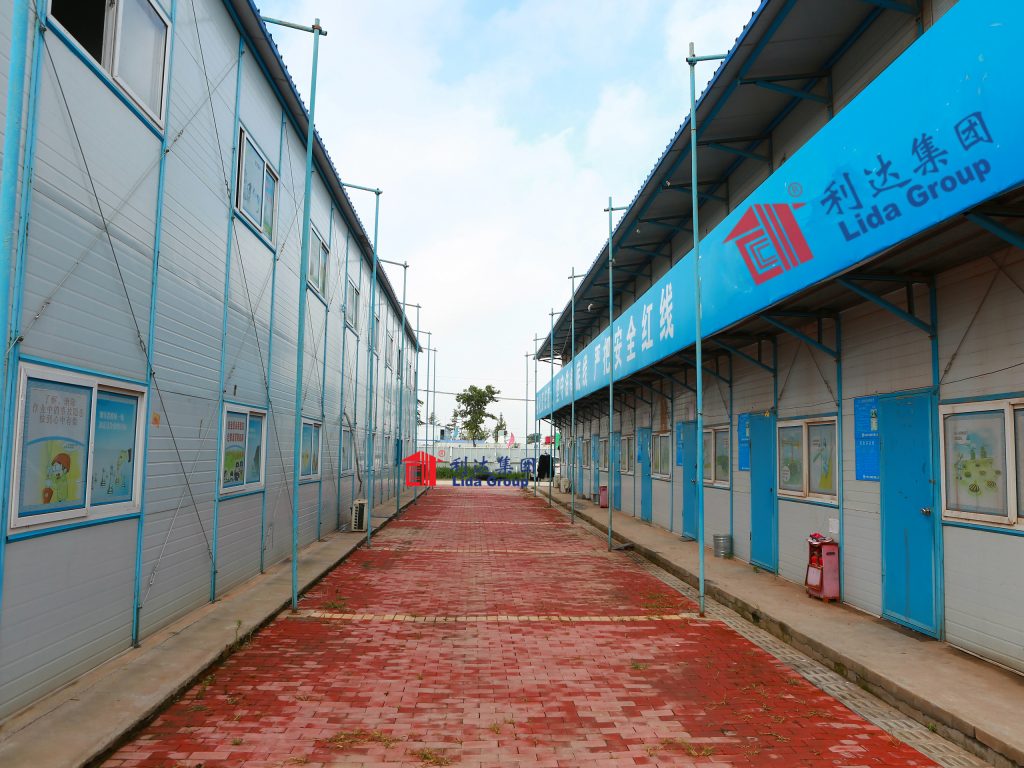
6.3 Case Study 3: Low-Cost Prefab Steel Dormitories, Lida Group (Shandong, China)
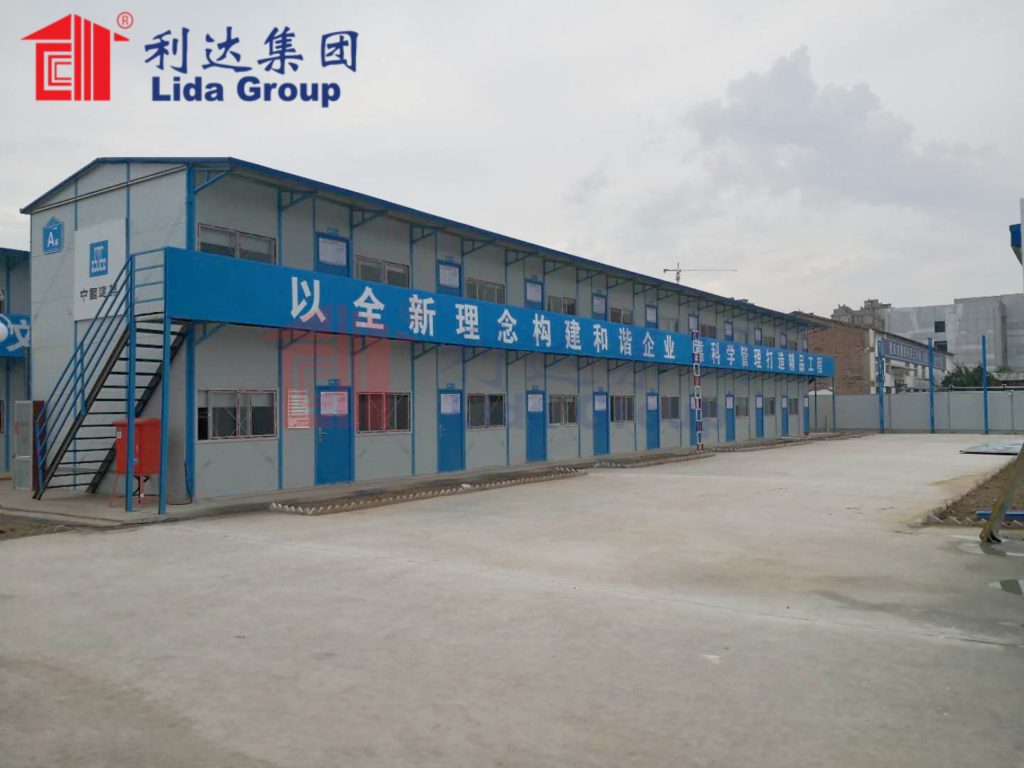
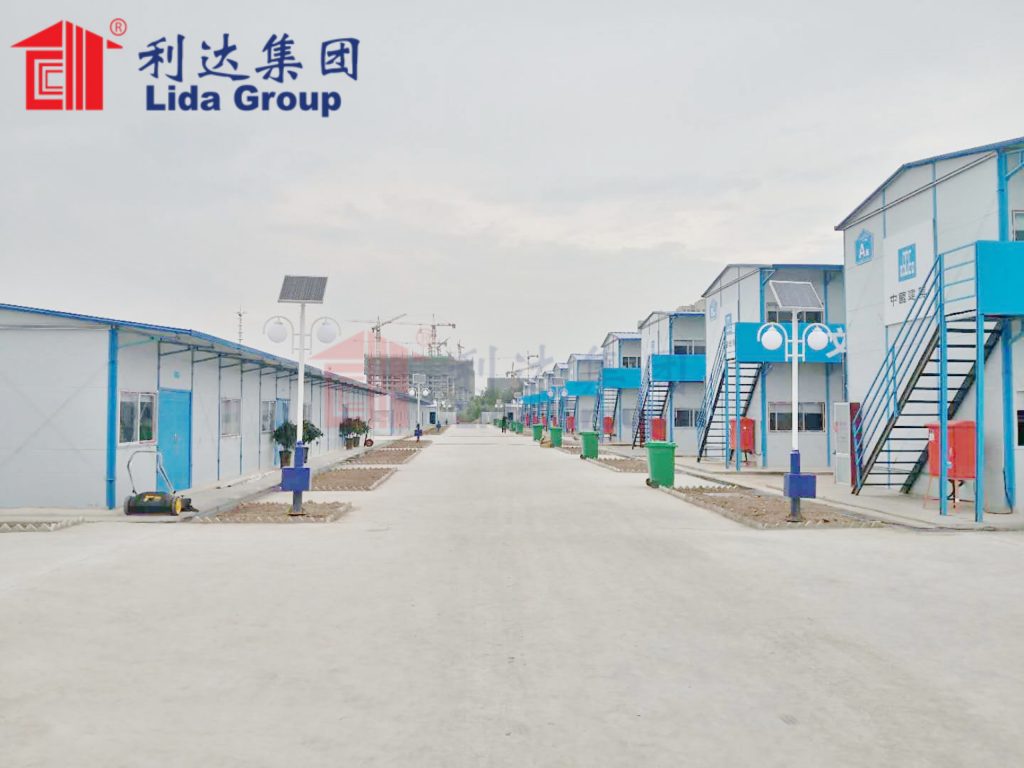
Lida Group, a leading prefabricated building manufacturer, produces low-cost prefab steel dormitories that are engineered for longevity and designed for use in a variety of settings, including construction sites, universities, and military bases. These dormitories are built using standardized modular design and cost-effective materials, making them accessible to organizations with limited budgets.
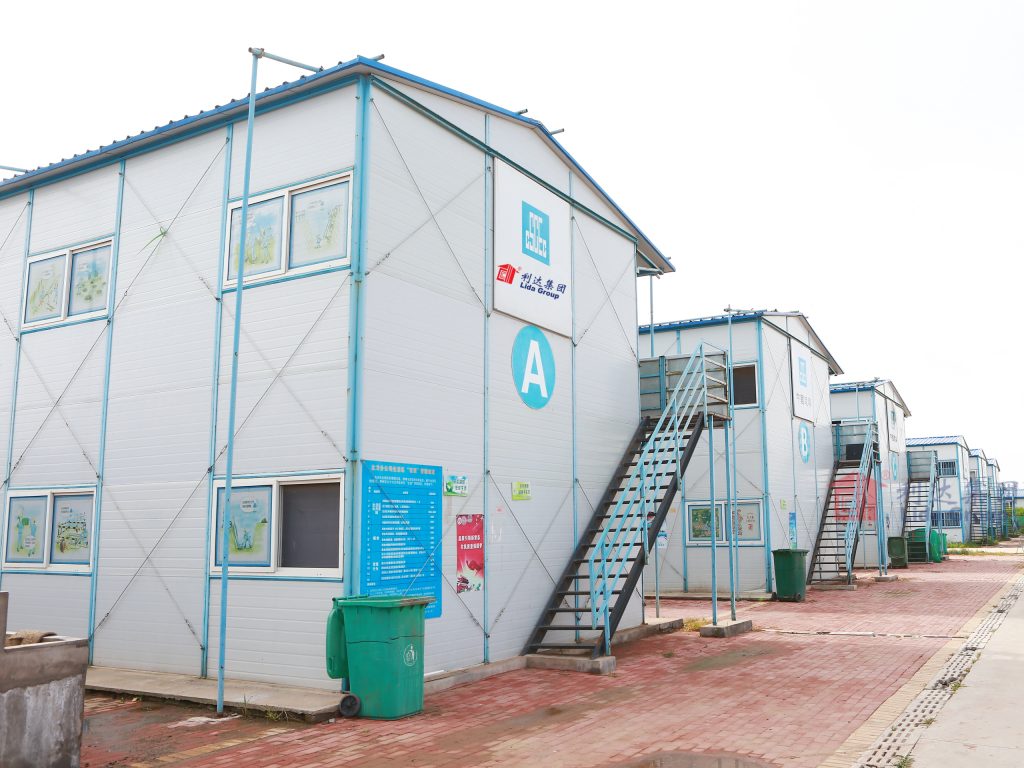
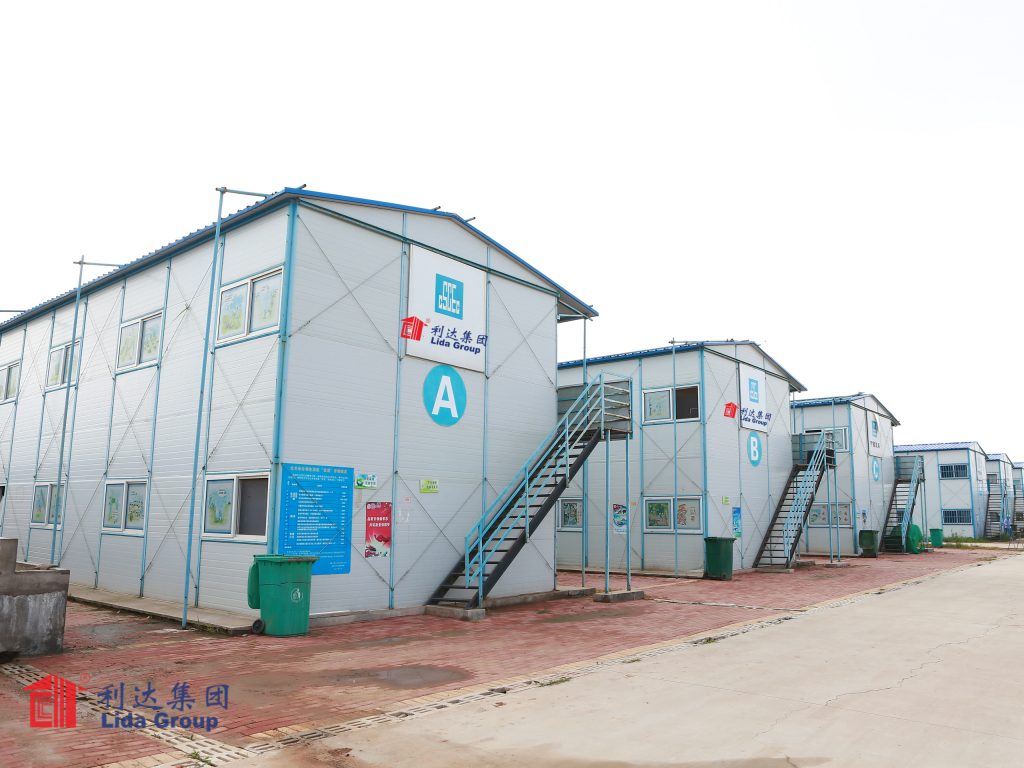
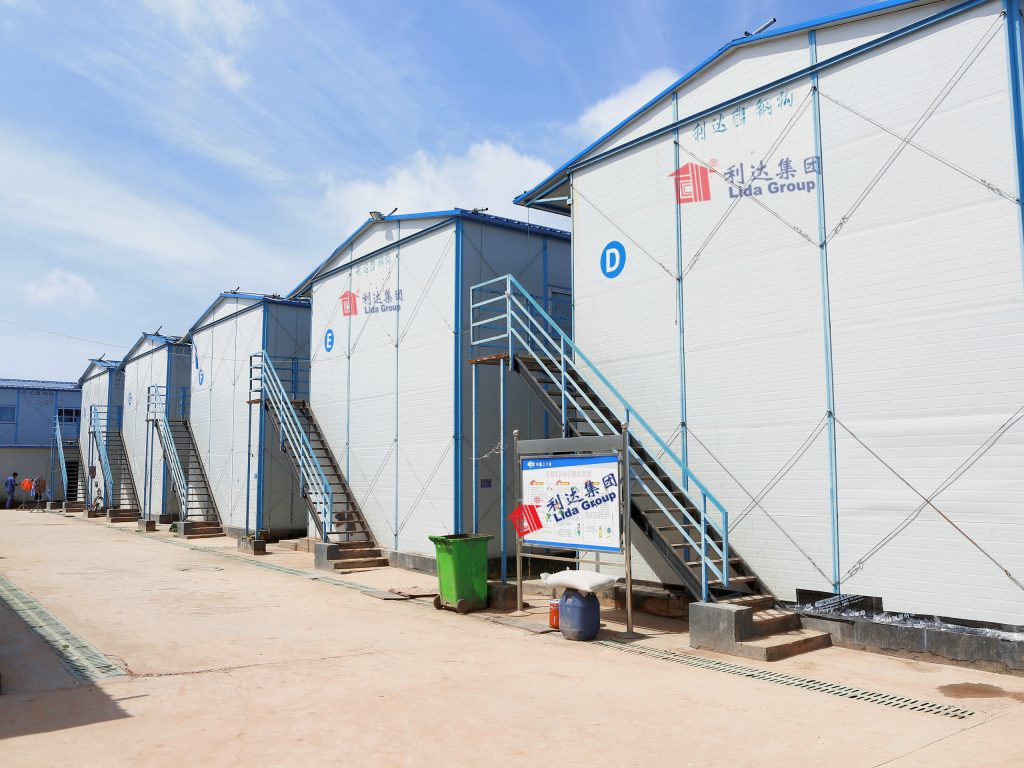
The dormitories feature a light steel frame made from Q235 steel and steel square tubes, providing excellent structural integrity. The walls and roofs are constructed using sandwich panels (EPS, polyurethane, rock wool, or fiber glass), which offer insulation, weather resistance, and durability. The panels are available in thicknesses of 50mm, 75mm, or 100mm, allowing customization based on climate needs. The dormitories are designed to meet strict durability standards, with a wind resistance of grade 11 (wind speed ≤ 111.5 km/h), earthquake resistance of grade 7, and a lifespan of over 20 years.
Cost control is achieved through standardization, optimized manufacturing, and the use of affordable, readily available materials. Lida Group’s factory can produce 5,000 square meters of dormitories per week, leveraging economies of scale to reduce production costs. The dormitories are easy to install, with four skilled workers able to assemble 100 square meters of the light steel structure in 8 hours—reducing labor costs. Additionally, the use of recyclable materials (such as steel and EPS panels) reduces environmental impact and lifecycle costs.
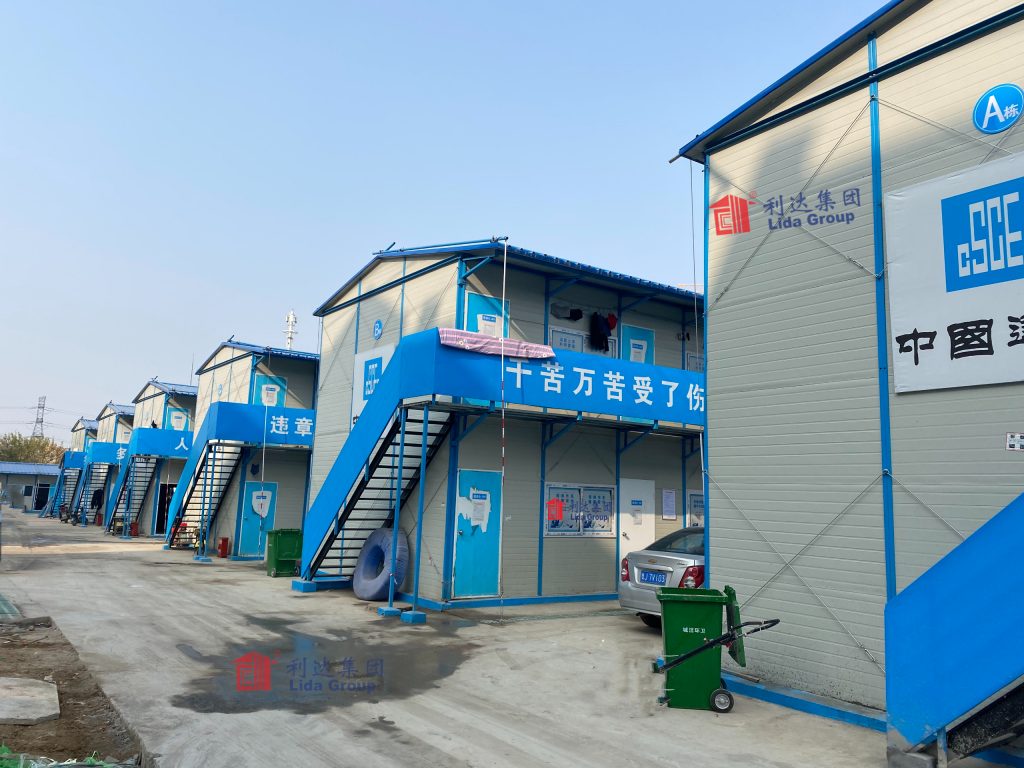
These dormitories have been deployed worldwide, providing affordable, durable housing for workers and students. For example, a construction company in Africa used Lida Group’s prefab steel dormitories to house workers on a remote project, reducing construction time by 60% and costs by 40% compared to traditional on-site construction. The dormitories have proven to be durable in harsh African climates, with minimal maintenance required over several years. This case study demonstrates how standardized modular design and cost-effective materials can be used to mass-produce low-cost, durable prefab dormitories engineered for longevity.
7. Challenges and Solutions in Designing and Implementing Low-Cost Durable Prefab Dormitories
Despite the many advantages of low-cost durable prefab dormitories engineered for longevity, there are several challenges faced in their design and implementation. These challenges include perception issues, regulatory barriers, technical limitations, and supply chain constraints. Below are the key challenges and corresponding solutions.
7.1 Perception Issues: Overcoming the “Temporary” Stigma
One of the biggest challenges facing prefab dormitories is the traditional perception that they are temporary, low-quality, and short-lived. Many organizations and individuals are hesitant to invest in prefab dormitories for long-term use, due to concerns about durability and quality. This perception is often based on outdated experiences with early prefab structures that were designed for temporary use.
Solution: To overcome this stigma, it is critical to showcase the durability and quality of modern prefab dormitories through case studies, certifications, and demonstrations. Organizations can highlight successful projects (such as the Seawolf Village and Chilean container dormitories) that have proven to be durable and long-lasting. Additionally, obtaining third-party certifications (such as ISO 9001, EN 1090, or BIM certifications) can demonstrate compliance with strict quality and durability standards. Lida Group’s prefab dormitories hold ISO 9001, EN 1090, BV, and SGS certifications, which help build trust with customers. Educating stakeholders about the advances in prefab technology, materials, and design can also help change perceptions and promote the adoption of low-cost durable prefab dormitories.
7.2 Regulatory Barriers: Navigating Building Codes and Standards
Building codes and standards vary widely by region, and many codes were developed for traditional on-site construction, making it difficult to navigate regulatory requirements for prefab dormitories. Some regions have strict rules regarding the design, manufacturing, and installation of prefab structures, which can increase costs and delays. Additionally, some regulatory bodies may be unfamiliar with modern prefab technologies, leading to resistance or delays in approval.
Solution: Designers and manufacturers must work closely with local regulatory bodies to ensure compliance with building codes and standards. This may involve adapting designs to meet regional requirements, providing detailed documentation of materials and construction processes, and conducting tests to demonstrate structural integrity and safety. Additionally, engaging with regulatory bodies early in the design process can help identify potential issues and streamline the approval process. Industry associations can also play a role in advocating for updated building codes that recognize the unique characteristics of prefab construction and support the adoption of low-cost durable prefab dormitories.
7.3 Technical Limitations: Balancing Cost, Durability, and Comfort
Balancing cost, durability, and comfort is a significant technical challenge in designing prefab dormitories. For example, using the most durable materials may increase costs, while prioritizing low cost may compromise comfort or durability. Additionally, prefab dormitories must be designed to provide a comfortable living environment, with adequate space, natural light, ventilation, and insulation—all while remaining affordable and durable.
Solution: Advanced design tools such as Building Information Modeling (BIM) can help designers optimize the balance between cost, durability, and comfort. BIM allows designers to create 3D models of the dormitory, test different materials and designs, and analyze energy efficiency, structural integrity, and cost—all before manufacturing begins. The Mansfield University dormitory project used BIM to detect field conflicts, evaluate phasing plans, and identify concerns between architectural and modular designs, helping to balance cost and quality. Additionally, conducting thorough research on materials and technologies can help identify cost-effective options that do not compromise on durability or comfort. For example, using recycled materials or energy-efficient systems can reduce costs while improving sustainability and comfort.
7.4 Supply Chain Constraints: Ensuring Availability of Materials and Components
Supply chain constraints—such as shortages of materials, delays in transportation, and rising material costs—can impact the design and implementation of prefab dormitories. This is especially true for projects located in remote areas or developing countries, where materials and components may be difficult to source.
Solution: To address supply chain constraints, designers and manufacturers should diversify their supply chains, working with multiple suppliers to ensure a steady flow of materials and components. Using local materials and suppliers can also reduce reliance on imported materials and minimize transportation delays. Additionally, planning ahead and ordering materials early can help mitigate the impact of shortages or price increases. For example, Lida Group has established a robust supply chain, allowing them to produce 5,000 square meters of dormitories per week and ensure timely delivery to projects worldwide. Finally, designing dormitories with flexible material options can allow for substitutions if a particular material is unavailable or too expensive.
8. Conclusion
Low-cost durable prefab dormitories engineered for longevity represent a transformative solution to the global demand for affordable, high-quality housing. These dormitories combine the speed, efficiency, and cost-effectiveness of prefabrication with the durability, sustainability, and functionality required for long-term residential use. By prioritizing durability as a core design principle, leveraging modular design for flexibility, using sustainable materials and technologies, and implementing effective cost control strategies, designers and manufacturers can create dormitories that are affordable, long-lasting, and adaptable to changing needs.
The key principles and strategies outlined in this article—including structural integrity, environmental resistance, wear resistance, modular design, sustainable materials, and lifecycle cost analysis—provide a roadmap for designing and implementing successful low-cost durable prefab dormitories. The case studies examined, from the Seawolf Village Student Dormitories in the United States to the container dormitory in Chile and Lida Group’s steel dormitories in China, demonstrate that these principles are not only theoretical but also practical, with successful projects deployed worldwide.
While challenges remain—including overcoming perception issues, navigating regulatory barriers, balancing cost and quality, and addressing supply chain constraints—these challenges can be addressed through collaboration, innovation, and education. By working closely with regulatory bodies, stakeholders, and local communities, designers and manufacturers can promote the adoption of prefab dormitories and ensure they meet the unique needs of each project.
Looking to the future, advances in materials science, automation, and digital design tools (such as BIM and artificial intelligence) will continue to improve the durability, affordability, and sustainability of prefab dormitories. These advances will enable the development of even more innovative designs that are tailored to specific climates, cultures, and user needs—further expanding the potential of prefab dormitories to transform the future of affordable housing.
In conclusion, low-cost durable prefab dormitories engineered for longevity are more than just a housing solution—they are a catalyst for positive change, providing affordable, safe, and comfortable homes for students, workers, and displaced persons around the world. By embracing the principles of durability, sustainability, and cost-effectiveness, we can create a future where high-quality housing is accessible to all, without compromising on longevity or environmental responsibility.
Related news
-
Lida Group's Easy Install Sandwich Panel House Saves Time and Money
2026-02-06 16:45:31
-
Affordable and Sturdy Prefab Dormitory Solutions from Lida Group
2026-02-05 17:19:40
-
Streamline Your Project with an Easy Install Sandwich Panel House
2026-02-05 16:22:27
contact us
- Tel: +86-532-88966982
- Whatsapp: +86-13793209022
- E-mail: sales@lidajituan.com
