



**Introduction**
In the global construction and industrial sectors, the management of workforce accommodation remains a critical challenge. As large-scale infrastructure projects, mining operations, and oil fields proliferate in remote locations, the demand for safe, efficient, and dignified housing for laborers has never been higher. Traditional methods of erecting temporary shelters often result in substandard living conditions, logistical nightmares, and significant environmental footprints. However, the advent of prefabricated container-based labor camps represents a paradigm shift in how we approach workforce housing.
The concept of converting standard intermodal shipping containers into livable spaces is not merely an exercise in architectural novelty; it is a response to the pressing need for mobility, speed, and sustainability. An efficient prefabricated container labor camp is designed to prioritize the well-being of the workforce while ensuring operational efficiency for the project managers. This article explores the multifaceted aspects of these modern camps, delving into their design philosophy, structural integrity, sustainability features, construction logistics, interior ergonomics, and socio-economic impacts. By examining these components, we will understand why the container camp has become the gold standard for remote workforce accommodation in the 21st century.
**Chapter 1: The Genesis of Container Architecture**
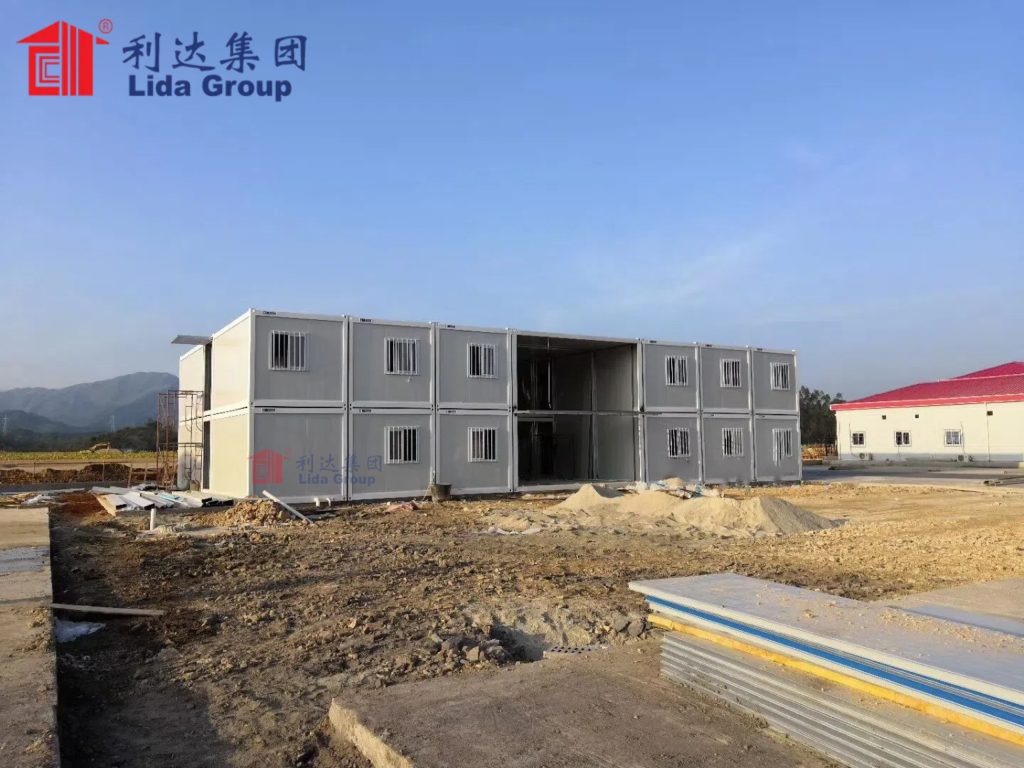
The use of shipping containers as building blocks originated from a simple observation: millions of steel containers sit idle in ports around the world after delivering goods. The International Organization for Standardization (ISO) defined these containers, typically 20 or 40 feet in length, as robust, modular units capable of withstanding harsh marine environments. This inherent durability makes them ideal for construction in extreme climates, whether the scorching heat of a desert or the frigid cold of an arctic tundra.
The shift from “shanty towns” to “container camps” began in the early 2000s when project managers in the Australian mining boom sought alternatives to demountable buildings. Traditional demountables, while modular, often lacked the structural rigidity to withstand cyclonic winds. Containers, however, are engineered to stack up to nine units high when fully loaded. This structural advantage allows labor camps to achieve high population densities without compromising safety.
**Chapter 2: Design Philosophy: Efficiency and Human Dignity**
Efficiency in a labor camp does not mean cramming as many beds into a space as possible. True efficiency is measured by the productivity of the workforce. A well-rested, healthy worker is safer and more productive. Therefore, the design philosophy of modern container camps revolves around the concept of “human-centric modularity.”
**2.1 Spatial Planning**
The typical layout involves a central “spine” of communal facilities—dining halls, recreation centers, laundries, and medical clinics—with “spokes” of sleeping quarters branching out. Each sleeping container, or “donga” as they are colloquially known in Australia and Africa, is designed to accommodate either one or two individuals. Unlike older models that forced laborers into dormitory-style rooms, single-occupancy units have become the standard for high-quality camps.
A standard 20-foot container can be subdivided to include a sleeping area, a small workstation, a bathroom pod with a shower and toilet, and climate control systems. The interior fit-out utilizes lightweight, fire-resistant materials to maximize space without adding excessive weight. Acoustic insulation is paramount; the steel walls, if untreated, act as sound amplifiers. Modern designs incorporate high-density mineral wool insulation sandwiched between the steel exterior and a gypsum board interior, ensuring that workers are not disturbed by wind, rain, or their neighbor’s alarm clock.
**2.2 Modular Flexibility**
The modular nature of containers allows for “plug-and-play” functionality. A camp can start with 50 units to house the initial construction crew and scale up to 500 units as the project moves into full operation. This scalability is financially efficient; capital is not tied up in idle infrastructure. When the project concludes, the camp can be decommissioned, the units transported to the next site, and reconfigured in a new layout. This circular economy model drastically reduces construction waste.
**Chapter 3: Structural Engineering and Safety**
Safety is the non-negotiable foundation of any labor camp. Prefabricated container camps offer superior safety profiles compared to traditional stick-built or tented camps.
**3.1 Structural Integrity**
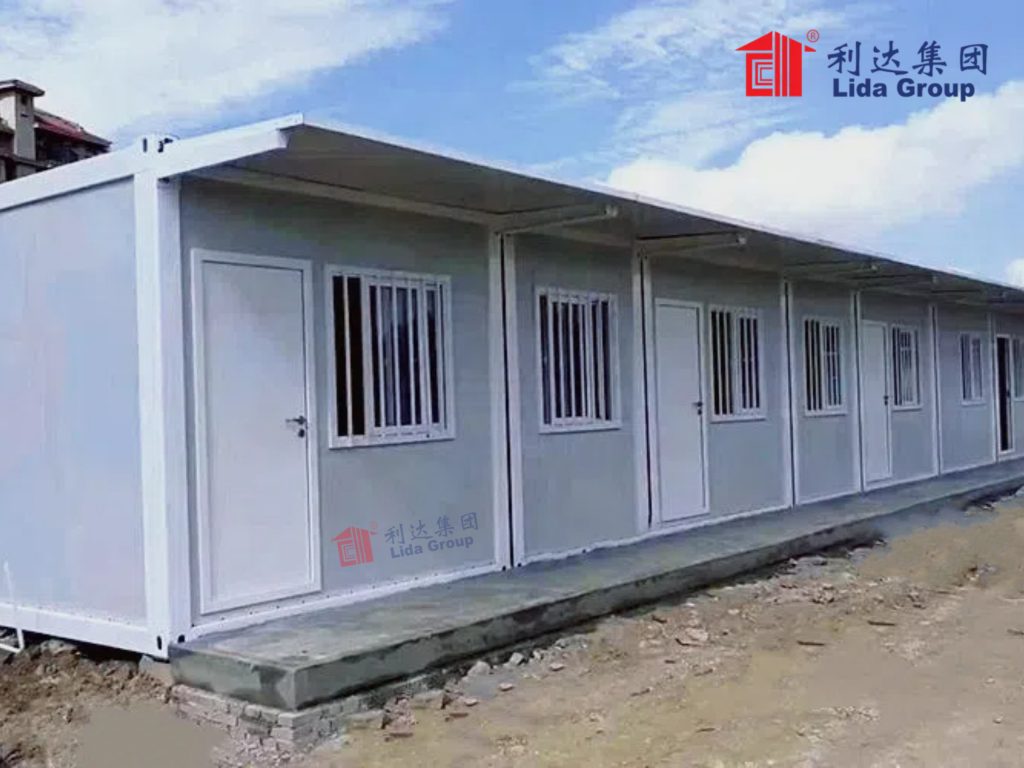
The steel Corten steel structure of a shipping container is inherently resistant to fire, mold, and pests. In seismic zones, containers perform exceptionally well because they act as a monolithic structure when welded or locked together. The interlocking corner castings (corner fittings) allow for secure stacking and easy lifting. Engineers can design multi-story complexes that are bolted to concrete foundations or, for temporary sites, placed on screw piles to minimize ground disturbance.
**3.2 Fire Safety**
In remote locations, fire services are often hours away. Container camps are designed with compartmentalization in mind. Since each container is a steel box, fire spread is naturally contained. Interior finishes are required to meet strict fire ratings, and integrated fire suppression systems (sprinklers and alarm networks) are wired through the utility corridors that run between stacked units.
**3.3 Climate Resilience**
These camps are designed to withstand Category 5 cyclones (hurricanes) in coastal regions or extreme snow loads in mountainous areas. The structural calculations for a container camp are simpler than for irregular architectural buildings because the base unit’s strength is already certified by maritime standards. Roofing systems designed to span multiple containers provide additional insulation and a structural layer to deflect falling debris or heavy snow.
**Chapter 4: Sustainability and Environmental Impact**
The construction industry accounts for a significant percentage of global carbon emissions. Container labor camps address this through several sustainability vectors.
**4.1 Repurposing and Recycling**
Using a shipping container gives a second life to a steel box that would otherwise require energy-intensive recycling or disposal. While some energy is required to cut openings for windows and doors, and to install insulation, the carbon footprint of a converted container is drastically lower than that of a conventional building that requires concrete, brick, and new steel.
**4.2 Energy Efficiency**
Modern container camps are often designed to be “off-grid.” The roofs of the containers or the communal buildings serve as mounting platforms for solar photovoltaic (PV) arrays. In sunny climates, these arrays can supply a significant portion of the camp’s energy needs. Furthermore, because the units are prefabricated, the thermal envelope is meticulously sealed. High-performance window glazing and insulated panels reduce the load on HVAC (Heating, Ventilation, and Air Conditioning) systems.
**4.3 Water Management**
Water scarcity is a common issue in remote areas. Container camps integrate greywater recycling systems and rainwater harvesting. The modular nature allows for “water treatment containers” that house reverse osmosis plants or biological treatment systems. By treating wastewater on-site and reusing it for landscaping or toilet flushing, these camps reduce the strain on local water resources.
**4.4 Waste Management**
Unlike traditional construction camps where waste is often burned or buried, container camps facilitate a “zero waste” operational model. Dedicated containers serve as sorting stations for recyclables, organic waste, and hazardous materials, ensuring that the environmental impact of the workforce remains controlled.
**Chapter 5: The Logistics of Rapid Deployment**
One of the most compelling advantages of container camps is the speed of deployment. In a conventional construction project, erecting accommodation can take 6 to 12 months, delaying the commencement of the primary project. For a container camp, the timeline is compressed.
**5.1 Prefabrication and Parallel Processing**
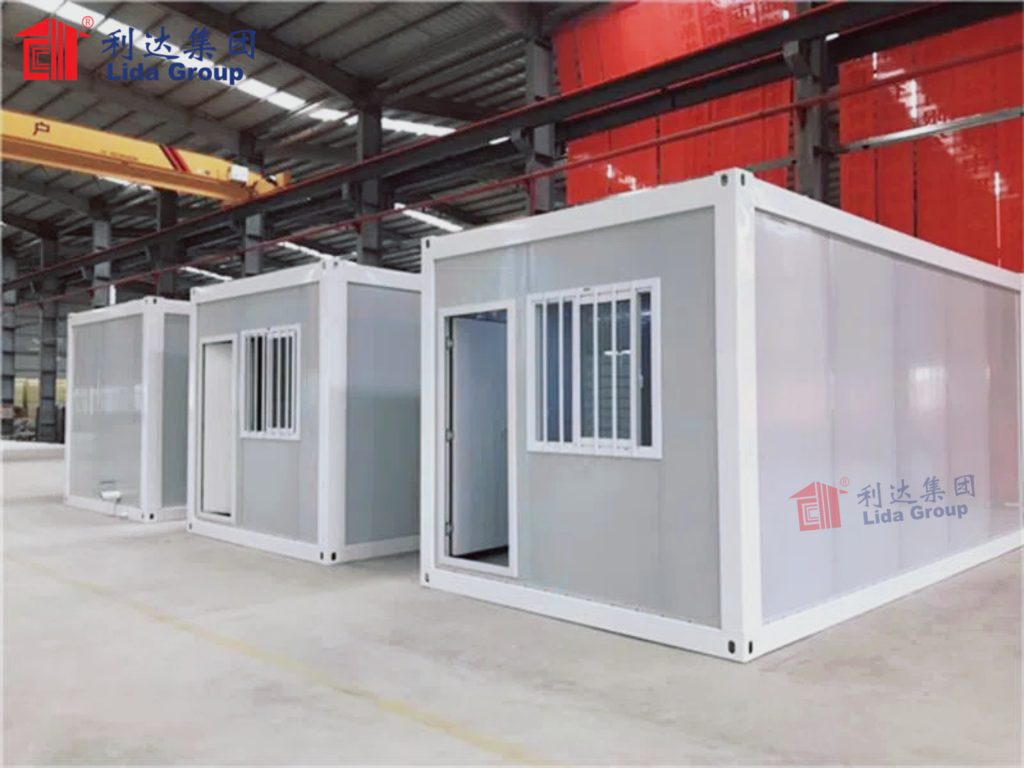
While the civil works (site leveling and foundation laying) occur on-site, the containers are being fitted out in a controlled factory environment. Factories utilize assembly-line processes where electricians, plumbers, and carpenters work simultaneously on multiple units. This parallel processing means that by the time the site is ready, 80% to 90% of the accommodation units are ready for installation.
**5.2 Transportation**
The very design of a container is optimized for global logistics. They are transported via flatbed trucks, rail, or cargo ships. For sites without road access, containers can be slung under heavy-lift helicopters. This logistical versatility allows camps to be established in locations previously considered inaccessible.
**5.3 Installation**
Once on site, a mobile crane can place a 20-foot container in under 10 minutes. The “wet connections”—water, sewer, and electrical—are standardized at the corners of the modules. Using quick-connect couplings, a block of 20 units can be fully operational within 24 hours of arrival. This rapid turnaround is invaluable for emergency response scenarios, such as post-disaster reconstruction where housing for relief workers is needed immediately.
**Chapter 6: Interior Ergonomics and Amenities**
The interior design of a container labor camp has evolved significantly from the “steel box” stereotype. There is a growing recognition in industries like oil and gas that the quality of accommodation directly correlates with retention rates and safety incidents.
**6.1 Thermal Comfort and Air Quality**
HVAC systems are no longer an afterthought. Modern units utilize high-efficiency mini-split systems that provide individual climate control for each room. Additionally, Mechanical Ventilation with Heat Recovery (MVHR) systems are increasingly common in cold climates. These systems extract stale air while bringing in fresh air without losing heat, preventing the condensation and mold issues that plagued early container conversions.
**6.2 Interior Fit-Out**
The interiors now mimic mid-range hotel rooms. Vinyl plank flooring replaces industrial rubber. Furniture is custom-built to fit the curved corners and exact dimensions of the container. Murphy beds (wall beds) are often utilized in smaller units to transform the space from a bedroom during the night to a living area during the day.
**6.3 Connectivity**
For the modern workforce, “connectivity” is as essential as running water. A labor camp without reliable high-speed internet is now considered non-compliant with welfare standards. Container camps are designed with structured cabling systems that support Wi-Fi mesh networks and 5G connectivity. This allows workers to video call families, access online training, and engage in digital entertainment during off-hours, significantly reducing feelings of isolation.
**6.4 Communal Spaces**
Beyond the sleeping quarters, the design emphasizes high-quality communal spaces. Mess halls are designed to serve hundreds of meals per hour with commercial kitchens that meet strict health codes. Recreation containers are often modified to house gyms, cinemas, and prayer rooms. These spaces serve as the “heart” of the camp, fostering community and mental well-being.
**Chapter 7: Economic Analysis**
From a financial perspective, the total cost of ownership (TCO) for a container labor camp is significantly lower than traditional alternatives.
**7.1 Capital Expenditure (CAPEX)**
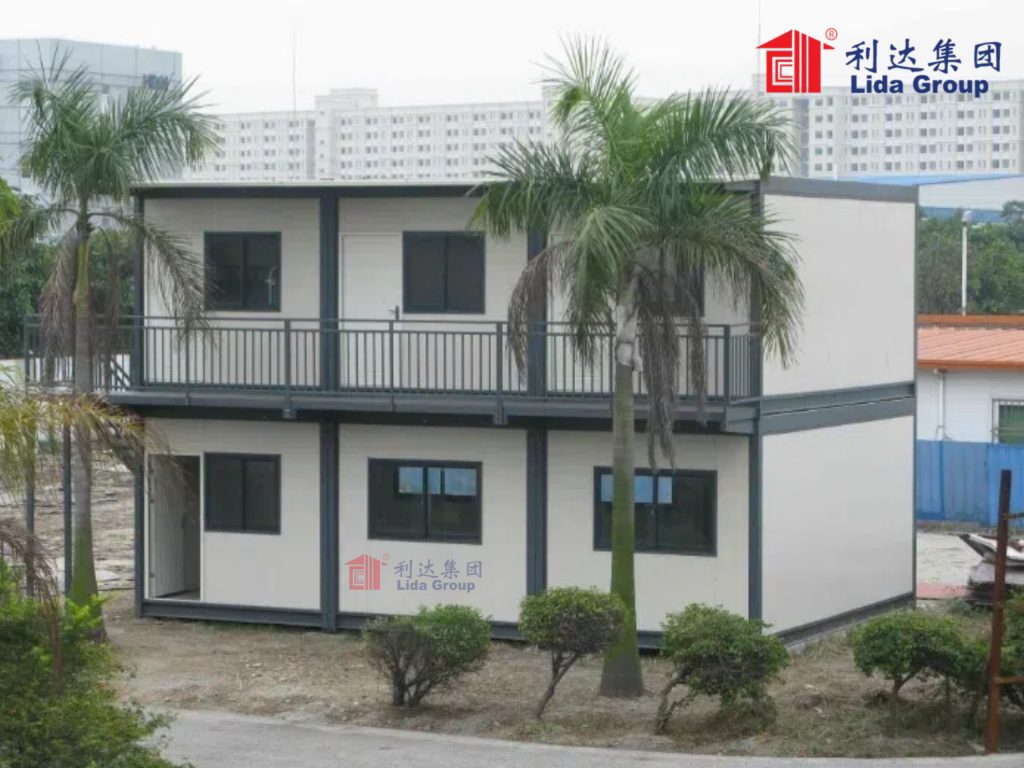
While the upfront cost per square foot for a fitted container can be comparable to high-quality modular buildings, the speed of procurement and reduced labor costs during installation often result in lower overall CAPEX. Furthermore, because containers are assets that retain resale value, companies can recover a portion of their investment at the end of a project. A used, refurbished container sells for a substantial percentage of its original purchase price.
**7.2 Operational Expenditure (OPEX)**
Energy efficiency plays a major role in reducing OPEX. The high insulation values reduce diesel consumption for generators, which is often the single largest operational cost in remote camps. Additionally, the durability of steel means maintenance costs are low. Unlike wooden structures that require repainting and repair for rot, containers require only occasional rust touch-ups.
**7.3 Flexibility and Depreciation**
Traditional buildings depreciate to zero value if they must be demolished. Container camps, however, are depreciable assets that can be redeployed. If a mining project ends after five years, the camp can be sold to another operator or moved to a new project. This flexibility offers a hedge against project life-cycle risks.
**Chapter 8: Case Studies and Global Applications**
To understand the efficacy of these designs, it is useful to examine their application across diverse environments.
**8.1 The Australian Mining Boom (Pilbara, Western Australia)**
In the Pilbara region, where temperatures exceed 50°C (122°F) and cyclones are frequent, container camps have become mandatory. Major resource companies have developed “village” standards requiring 100% containerized construction. These villages feature landscaped central oases, swimming pools, and gymnasiums, all constructed from modified containers. The success of these camps has been measured in reduced “fly-in-fly-out” (FIFO) worker fatigue and improved retention rates.
**8.2 Arctic Construction (Northern Canada and Siberia)**
In permafrost regions, building permanent foundations is nearly impossible due to thawing. Container camps are placed on elevated steel skids that sit above the ground, allowing cold air to circulate and prevent permafrost melt. The thermal envelopes are upgraded to R-40 insulation standards, allowing the interior to remain comfortable even when external temperatures drop to -40°C (-40°F).
**8.3 Humanitarian and Emergency Housing**
Beyond industrial use, the principles of efficient container design are being adapted for humanitarian crises. Organizations have utilized rapid-deploy container hospitals and shelters for displaced persons. The ability to lock, secure, and move these units makes them ideal for volatile environments.
**Chapter 9: Challenges and Considerations**
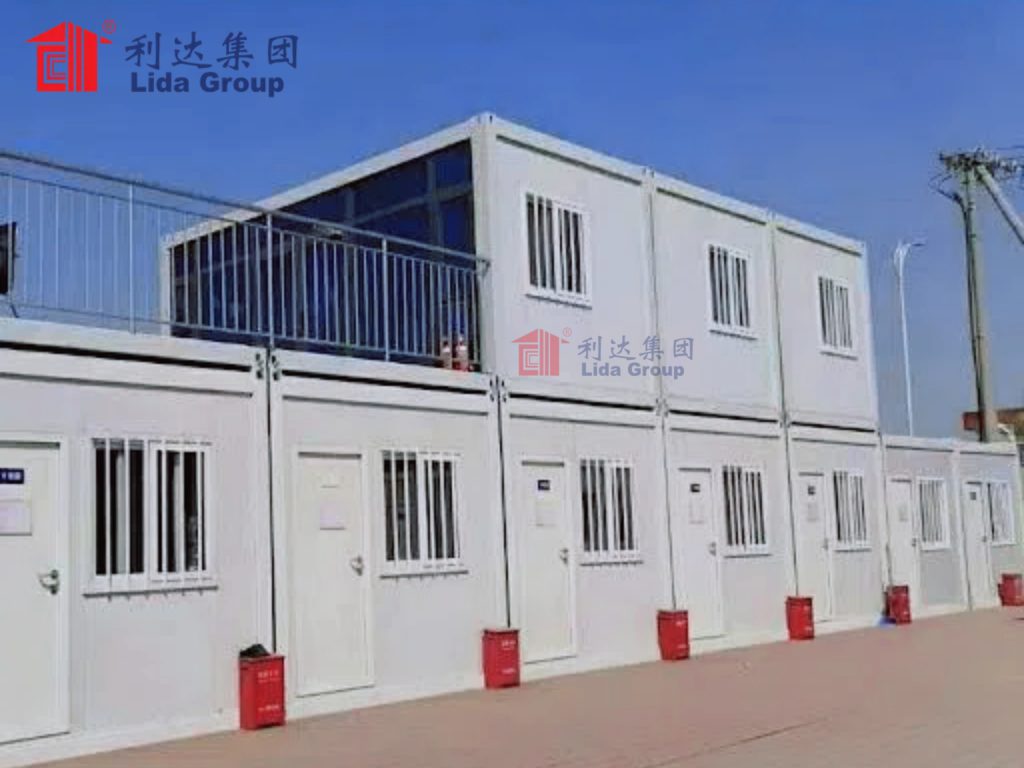
Despite the numerous advantages, the design and operation of container labor camps are not without challenges.
**9.1 Thermal Bridging**
Steel is a highly conductive material. Even with insulation, the steel structure creates thermal bridges where heat transfers easily. Modern designs address this by using thermal break coatings or constructing an insulated “jacket” around the exterior of the container to separate the interior steel from the external environment.
**9.2 Space Constraints**
While efficient, a 20-foot container offers only about 160 square feet of floor space (approx. 15 sqm). For long-term projects lasting several years, some workers may find this claustrophobic. To mitigate this, designs often incorporate “expansion boxes” or slide-out sections (similar to RVs) that increase floor space during occupancy while remaining compact for transport.
**9.3 Regulatory Hurdles**
In some jurisdictions, building codes have not caught up with container architecture. Classifying a container building can be difficult; it may be considered a temporary structure, a modular building, or a shipping container, each with different permitting requirements. Experienced manufacturers work closely with local authorities to obtain necessary approvals, often providing engineered stamped drawings that satisfy structural requirements.
**Chapter 10: The Future of Workforce Housing**
As we look toward the future, the evolution of the container labor camp is accelerating, driven by technology and a deeper understanding of human needs.
**10.1 Smart Camp Technology**
The integration of the Internet of Things (IoT) is turning passive structures into intelligent environments. Sensors embedded in the containers monitor occupancy, energy usage, and air quality. Predictive maintenance systems alert managers when an HVAC unit is about to fail. Smart access control allows for automated check-in/check-out of workers, streamlining logistics for large camps where hundreds of workers may rotate on a weekly basis.
**10.2 Biophilic Design**
There is a growing movement to incorporate biophilic design—connecting occupants with nature—into container camps. Since containers are often placed in barren landscapes, designers are incorporating “living walls” (vertical gardens) inside recreation areas, and “green roofs” on communal containers. The psychological benefits of exposure to greenery are well-documented, helping to reduce stress in high-pressure work environments.
**10.3 Advanced Materials**
Future container camps will utilize phase-change materials (PCMs) embedded in walls. These materials absorb heat during the day and release it at night, passively regulating temperature without energy consumption. Additionally, the use of self-healing coatings and photovoltaic glass (windows that generate electricity) will further enhance sustainability.
**10.4 Hybrid Manufacturing**
The next generation of units may move away from using old containers and instead utilize “container-like” modular units manufactured from lightweight composites. While these lack the maritime heritage of steel, they offer superior insulation and easier transportation due to reduced weight. However, they also lack the structural stacking strength of steel, so a hybrid approach—steel frames for structural cores and composite materials for non-load-bearing units—is likely to dominate.
**Conclusion**
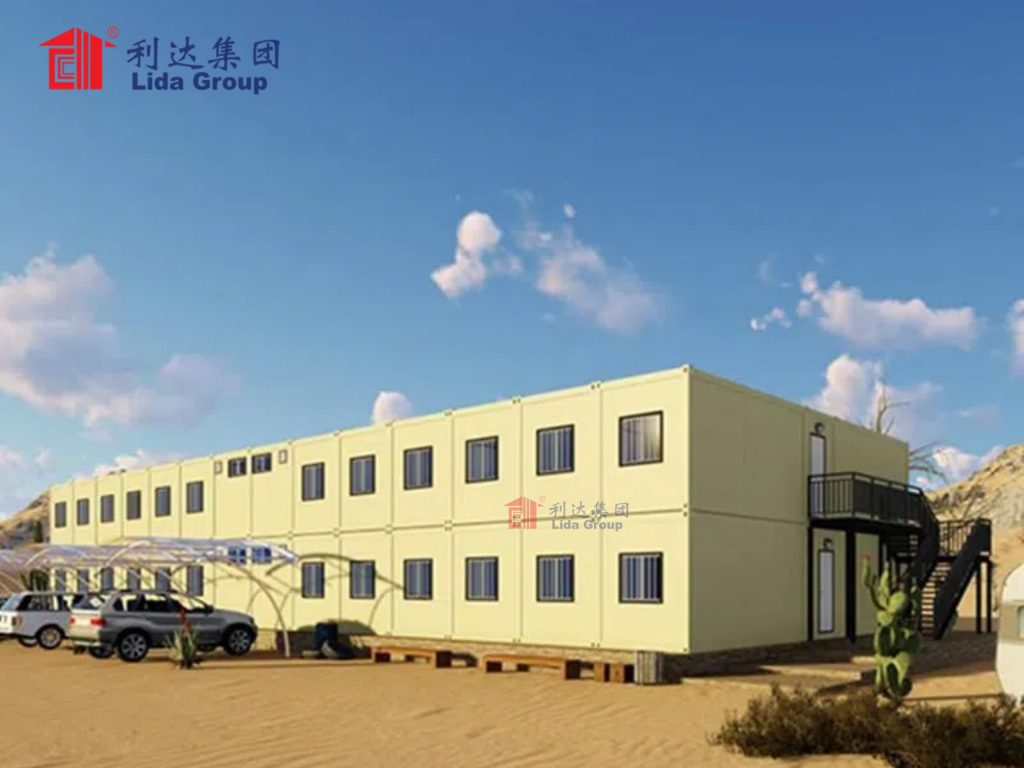
The efficient prefabricated container labor camp represents far more than just a place to sleep for the global workforce; it is a sophisticated ecosystem designed to maximize human potential in challenging environments. From the searing heat of Australian mines to the frozen expanses of the Arctic, these steel modules have proven their worth not only as durable shelters but as catalysts for operational success.
The evolution of these camps reflects a broader maturation in industrial ethics. Gone are the days when laborers were expected to endure substandard conditions. Today, forward-thinking companies recognize that the quality of the accommodation directly impacts safety, productivity, and profitability. The container camp, with its rapid deployment, structural resilience, and inherent sustainability, offers a solution that aligns the needs of the worker with the economic realities of large-scale projects.
As we have explored, the design process involves a delicate balance of engineering, psychology, and logistics. The structural integrity of the steel box provides safety against natural disasters, while modern interior fit-outs provide the comfort necessary to ensure restful sleep and mental well-being. The modularity allows for financial flexibility, turning what was once a sunk cost into a reusable asset. Furthermore, the integration of green technologies—solar power, water recycling, and smart energy management—positions these camps as leaders in the sustainable construction movement.
Looking ahead, the future of workforce housing will continue to be defined by the principles established by container camps: mobility, dignity, and efficiency. As projects become more remote and the global demand for resources continues, the need for rapidly deployable, high-quality housing will only intensify. The container, once a humble cargo carrier, has been repurposed into the cornerstone of modern industrial infrastructure.
In conclusion, the efficient prefabricated container labor camp is a testament to human ingenuity. It demonstrates that by reimagining standard objects and prioritizing the welfare of the people who build our world, we can create environments that are not only functional but also respectful and sustainable. For project managers, investors, and workers alike, the container camp stands as the definitive solution for workforce accommodation—a robust, adaptable, and dignified home away from home for the global workforce that powers industry.
Related news
-
Lida Group Unveils Modular Modern Container Accommodation Solutions
2026-03-24 10:23:12
-
Lida Group Sets New Benchmark in Steel Structure Construction
2026-03-23 17:41:39
-
Versatile Metal Frame Warehouse Ideal for Industrial and Agricultural Use
2026-03-23 16:57:34
contact us
- Tel: +86-532-88966982
- Whatsapp: +86-13793209022
- E-mail: sales@lidajituan.com
