



Efficient Prefab Worker Dormitory Designed for Comfort and Longevity
2026-Feb-25 17:27:10
By Admin
In the global construction, mining, infrastructure, and energy industries, the workforce is the backbone of project success. Ensuring that workers have access to safe, comfortable, and durable accommodation is not only a legal obligation for employers but also a critical factor in boosting productivity, reducing turnover, and maintaining project timelines. However, the traditional worker dormitory solutions have long fallen short of meeting these essential needs. Temporary board houses are inefficient, uncomfortable, and prone to rapid deterioration; permanent brick-and-concrete dormitories are durable but costly, time-consuming to build, and inflexible. As industries worldwide strive for greater efficiency, sustainability, and worker well-being, a new solution has emerged to address these gaps: the efficient prefab worker dormitory, specifically designed to prioritize both comfort and longevity without compromising on efficiency or cost-effectiveness. This innovative housing solution leverages advanced prefabrication technology, human-centered design, and high-performance materials to redefine worker accommodation, proving that efficiency, comfort, and durability can coexist to create a better living environment for workers and a more cost-effective solution for employers.
To fully understand the transformative value of efficient prefab worker dormitories, it is essential to first examine the inherent flaws of traditional worker accommodation and the industry pain points that the new prefab solution addresses. Construction and resource extraction projects often require housing for hundreds or even thousands of workers, often in remote or harsh environments with limited infrastructure. Traditional dormitory options fail to balance the core needs of efficiency, comfort, and longevity, creating challenges for both employers and workers.
Temporary board houses, the most common traditional solution, are typically constructed with thin steel sheets, low-quality insulation, and basic fixtures. While they are relatively cheap and quick to assemble, they are highly inefficient and uncomfortable. The thin materials offer poor thermal insulation, leading to extreme indoor temperatures—freezing in winter and sweltering in summer—which not only reduces worker comfort but also increases the risk of health issues such as colds, heat exhaustion, and sleep deprivation. These dormitories are also poorly ventilated, leading to stuffy indoor air, mold growth, and unpleasant odors. Durability is another major issue: the thin steel sheets are prone to rust, corrosion, and physical damage, requiring frequent repairs and replacement. Most temporary board houses have a lifespan of only 2-3 years, making them a costly long-term investment despite their low upfront cost. Additionally, the assembly and disassembly processes are often inefficient, with high material waste and labor costs.
Permanent brick-and-concrete worker dormitories, on the other hand, offer greater durability but lack efficiency and flexibility. Constructing these dormitories requires extensive on-site labor, large quantities of materials, and a lengthy construction cycle—often 2-3 months for a single dormitory block. This delays worker deployment, extending project timelines and increasing overhead costs such as site management, equipment rental, and labor. Brick-and-concrete dormitories are also inflexible: they cannot be disassembled or relocated, making them impractical for temporary projects or projects that require housing to be moved as work progresses. While they offer better comfort than temporary board houses, they are often poorly designed, with cramped living spaces, inadequate ventilation, and minimal amenities, failing to meet the modern worker’s expectations for a comfortable living environment.
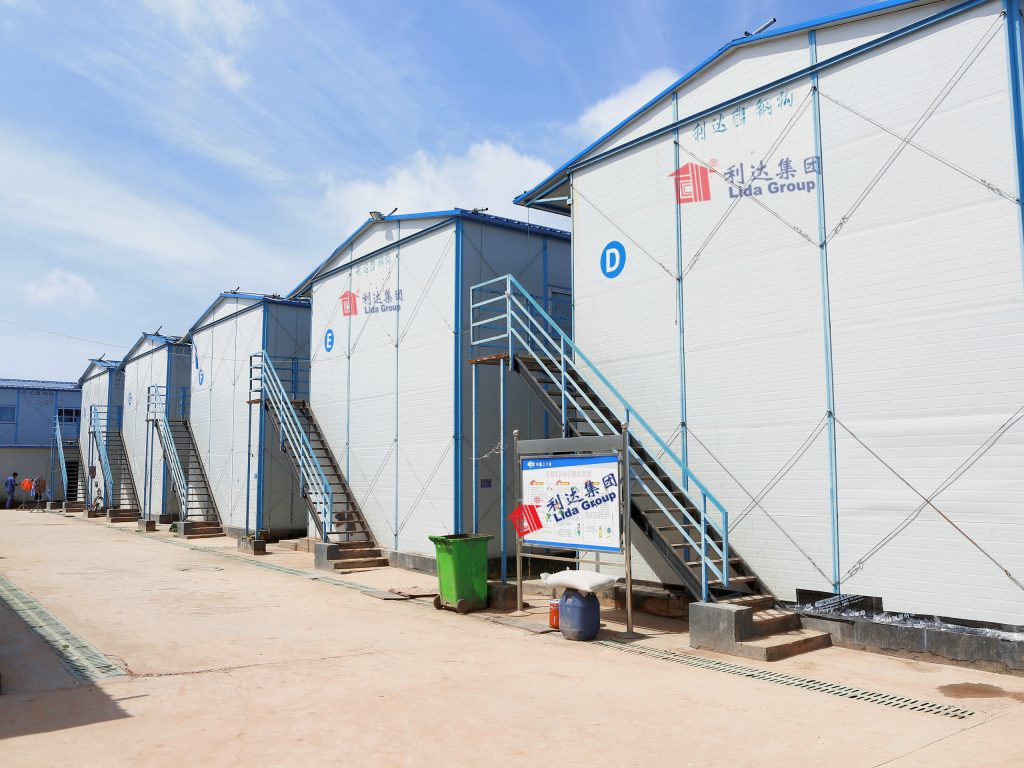
The efficient prefab worker dormitory is engineered to eliminate these trade-offs, integrating efficiency, comfort, and longevity into a single, cohesive solution. At the core of this innovation is advanced prefabrication technology, which shifts the majority of construction from the chaotic on-site environment to a controlled factory setting. This approach ensures precision, consistency, and efficiency, while allowing for human-centered design that prioritizes worker comfort and high-performance materials that ensure longevity. Unlike traditional dormitories, which prioritize one or two aspects at the expense of others, the efficient prefab worker dormitory achieves a holistic balance, delivering value for both employers and workers.
Efficiency is a defining feature of the prefab worker dormitory, manifesting in every stage of its lifecycle—from production and installation to operation and maintenance. This efficiency not only reduces costs for employers but also minimizes disruption to project timelines, making it an ideal solution for time-sensitive projects.
Factory prefabrication is the foundation of the dormitory’s efficiency. Unlike traditional on-site construction, which is prone to delays, waste, and labor inefficiencies, prefabricated components are manufactured in a controlled factory environment using computer-aided design (CAD) and advanced numerical control (NC) machinery. This precision ensures that each component is produced to exact specifications, reducing material waste to less than 3%—a dramatic improvement compared to the 10-15% waste generated by traditional on-site construction. The factory production process is also highly streamlined, with assembly lines that optimize labor and material usage, reducing production time by 40-50% compared to traditional manufacturing methods. Additionally, factory production allows for simultaneous manufacturing of multiple components, enabling faster delivery to the construction site.
On-site installation efficiency is another key advantage. Prefabricated dormitory modules are designed for quick and easy assembly, with pre-installed fixtures, wiring, and plumbing. A typical dormitory block capable of accommodating 50 workers can be fully assembled by a small team of 6-8 certified installers in 5-7 days, compared to 2-3 months for a traditional brick-and-concrete dormitory. This rapid assembly not only reduces labor costs by 50% or more but also allows workers to move on-site sooner, accelerating project timelines. The modular design of the dormitory also allows for flexible expansion or reduction, enabling employers to adjust the number of housing units based on workforce size—an essential feature for projects with fluctuating labor needs. For example, a construction company working on a highway project can add dormitory modules as the workforce grows and remove them as the project nears completion, ensuring optimal resource utilization.
Operational efficiency is also prioritized in the design of the prefab worker dormitory. The dormitories are equipped with energy-efficient systems and fixtures that reduce utility costs and environmental impact. Advanced insulation materials minimize heating and cooling needs, reducing energy consumption by 30-40% compared to traditional dormitories. LED lighting, low-flow faucets, and water-saving toilets further reduce energy and water usage, lowering operational costs for employers. Additionally, the modular design allows for easy maintenance and repairs: individual components (such as a damaged wall panel or window) can be replaced quickly without disrupting the entire dormitory block, reducing downtime and maintenance costs.
While efficiency is critical, the efficient prefab worker dormitory never compromises on comfort—a key factor in worker retention and productivity. Modern workers demand more than just a roof over their heads; they need a comfortable, healthy, and pleasant living environment where they can rest and recharge after a hard day’s work. The prefab dormitory is designed with this in mind, incorporating human-centered features that enhance comfort and well-being.
Spacious and well-designed living spaces are a hallmark of the efficient prefab worker dormitory. Unlike traditional dormitories, which often have cramped rooms with minimal space for movement, the prefab dormitory’s modular design allows for flexible layouts that maximize space utilization. A typical dormitory room is 3.6m × 7.2m with a floor height of 3.2m, providing ample space for 4-6 workers. Each room is equipped with sturdy metal bunk beds (with safety rails), wardrobes, desks, and chairs, ensuring that workers have a dedicated space for sleeping, storing personal belongings, and studying or relaxing. The beds are designed for comfort, with high-quality mattresses that reduce back pain and improve sleep quality—critical for worker productivity.
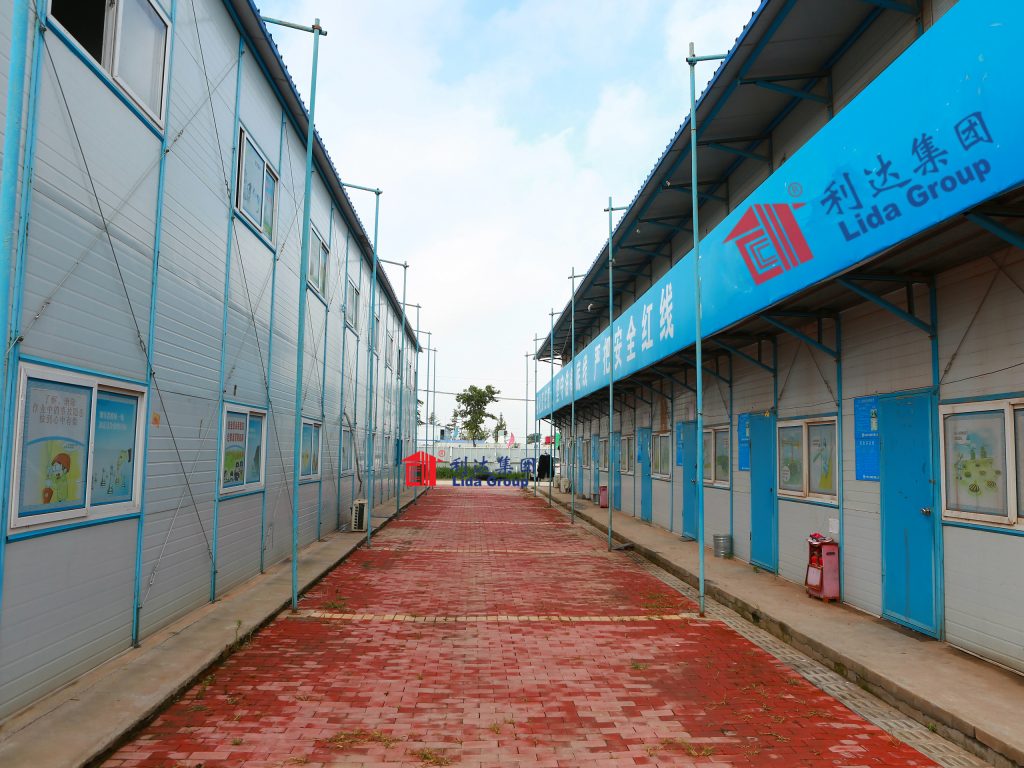
Thermal comfort is another key priority. The prefab dormitory uses high-performance sandwich panels with exceptional thermal insulation, ensuring that the indoor temperature remains comfortable year-round—18-22°C in winter and 24-26°C in summer—without excessive reliance on heating or cooling systems. The panels’ outer layers (typically galvanized steel or fiber-reinforced cement) and middle insulation layer (rock wool, EPS, or PU) work together to prevent heat transfer, keeping the interior cool in summer and warm in winter. Additionally, the dormitories are equipped with efficient heating and cooling systems that are easy to control, allowing workers to adjust the temperature to their personal preference.
Ventilation and indoor air quality are also prioritized. The dormitories feature large windows and skylights that maximize natural ventilation and lighting, reducing the need for artificial lighting and improving indoor air quality. The windows are equipped with screens to keep out insects and can be opened to allow fresh air circulation, preventing stuffiness and mold growth. For projects in polluted or dusty areas, the dormitories can be equipped with air filtration systems that remove harmful particles from the air, ensuring that workers breathe clean, healthy air. The use of non-toxic, low-VOC (volatile organic compound) materials in construction further enhances indoor air quality, reducing the risk of respiratory problems and allergies.
Communal spaces are also integrated into the dormitory design to promote social interaction and worker well-being. Each dormitory block includes communal areas such as restrooms, showers, kitchens, dining halls, and recreation rooms. The restrooms and showers are spacious, clean, and well-maintained, with hot water available 24/7. The kitchens are equipped with modern appliances, allowing workers to prepare their own meals—a welcome alternative to cafeteria food. The recreation rooms include amenities such as televisions, sofas, and tables, providing workers with a space to relax, socialize, and unwind. These communal spaces foster a sense of community among workers, reducing loneliness and improving morale.
Longevity is another core feature of the efficient prefab worker dormitory, ensuring that it provides long-term value for employers. Unlike temporary board houses that need to be replaced every 2-3 years, the prefab dormitory is designed to withstand the rigors of construction site environments, extreme weather, and heavy use, with a lifespan of 20-50 years with proper maintenance.
Material selection is the foundation of the dormitory’s longevity. The prefab dormitory uses high-performance materials that are durable, corrosion-resistant, and weather-resistant. The main structural components—including wall panels, floor slabs, and roof panels—are made of galvanized light steel frames combined with composite materials. Galvanized light steel is chosen for its exceptional strength-to-weight ratio, corrosion resistance, and durability. The steel is treated with a hot-dip galvanizing layer that provides a protective barrier against rust and corrosion, making it suitable for use in humid coastal areas, industrial regions, and harsh desert environments. For projects in extreme environments, additional protective coatings (such as nano-ceramic coatings) can be applied to further enhance corrosion resistance.
The composite sandwich panels used in the dormitory further enhance durability. These panels consist of two outer layers (galvanized steel or fiber-reinforced cement) and a middle insulation layer (rock wool, EPS, or PU), bonded together with high-strength adhesives that ensure structural integrity. The panels are resistant to physical damage, fire, water, and mold, making them ideal for use in harsh construction site conditions. They can withstand extreme temperatures ranging from -45°C to 50°C, strong winds of up to 150 km/h, and seismic activity of up to 8 magnitudes—far exceeding the safety standards of traditional temporary dormitories.
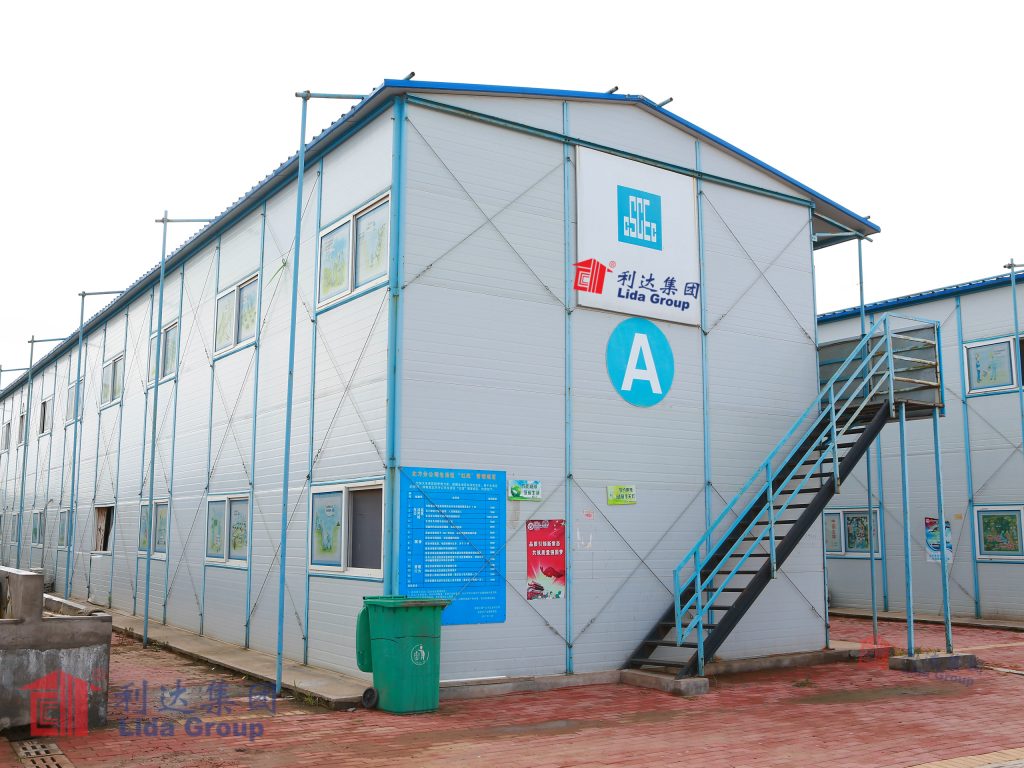
The modular structure of the prefab dormitory also contributes to its longevity. The modules are connected using high-strength bolts and connectors, creating a rigid, stable structure that can withstand heavy use and extreme weather. The modular design allows for easy inspection and maintenance of each component, ensuring that any potential issues are identified and addressed before they become major problems. Additionally, the dormitories are equipped with a patented waterproof technology that replaces traditional self-tapping screw connections with a seamless bonding system, eliminating water leakage risks—a common flaw in traditional prefabricated housing.
Rigorous quality control is another cornerstone of the dormitory’s longevity. The prefabricated components are manufactured in a controlled factory environment, with strict quality control processes in place to ensure that each component meets the highest standards. Every component undergoes rigorous testing, including material strength tests, corrosion resistance tests, waterproof tests, and thermal insulation tests. Advanced automated inspection systems—such as 3D scanning and laser measurement—ensure that each module meets precise dimensional standards, with errors kept below 2mm. During on-site installation, certified installers follow strict guidelines, and each connection point is inspected and reinforced. After installation, a comprehensive final inspection is conducted to verify that the dormitory meets all safety, durability, and quality standards.
The efficient prefab worker dormitory is also highly versatile, adaptable to a wide range of industries and environments. Whether it is a construction site in a remote mountainous region, a mining camp in the desert, an offshore oil platform, or a military base, the prefab dormitory can be customized to meet the specific needs of the project and the workers.
For cold regions, the dormitory can be equipped with thickened insulation modules, floor heating systems, and double-glazed windows to ensure thermal comfort. For hot and humid regions, the dormitory is optimized for ventilation and moisture resistance, with large windows, ceiling fans, and dehumidifiers to keep the interior cool and dry. For coastal regions, the dormitory uses enhanced anti-corrosion materials to withstand salt spray and humidity. For high-altitude regions, the dormitory can be equipped with oxygen supply systems to adapt to thin air. The modular design also allows for flexible layout adjustments, enabling employers to customize the number of rooms, room size, and communal spaces based on workforce size and needs.
To demonstrate the real-world impact of the efficient prefab worker dormitory, we highlight several global case studies that showcase its effectiveness in delivering efficiency, comfort, and longevity.
One notable case is the large-scale railway construction project in northern China, where a construction company needed to provide accommodation for 800 workers in a remote region with harsh winter conditions (temperatures dropping to -30°C) and limited infrastructure. The company chose the efficient prefab worker dormitory for its rapid installation, thermal comfort, and durability. A total of 16 dormitory blocks were manufactured in the factory in 20 days and transported to the construction site, where they were assembled in just 10 days. The dormitories were equipped with thickened rock wool insulation and floor heating systems, ensuring a comfortable indoor temperature even in extreme cold. Each room included bunk beds, wardrobes, desks, and chairs, and the dormitory blocks featured communal restrooms, showers, and a dining hall. After 3 years of use, the dormitories remained in excellent condition, with no major repairs needed. When the railway project was completed, the dormitory modules were disassembled and transported to another highway construction project in southern China, where they were reassembled and reused—saving the company 60% of the cost of building new dormitories.
In Australia, a mining company needed to provide durable, comfortable accommodation for 300 workers at a remote desert mine site with extreme heat (temperatures exceeding 45°C in summer) and strong winds. Traditional temporary board houses had failed in previous projects, requiring frequent repairs due to heat damage and corrosion. The company opted for the efficient prefab worker dormitory, which used enhanced anti-corrosion galvanized steel and high-performance PU insulation. The dormitories were equipped with air conditioning systems, large windows for ventilation, and communal recreation rooms. The rapid assembly allowed the dormitories to be completed in 8 days, enabling workers to move on-site quickly. After 2 years of use, the dormitories showed no signs of corrosion or heat damage, and workers reported high levels of comfort and satisfaction. The dormitories’ energy-efficient design reduced cooling costs by 40% compared to traditional dormitories, saving the company significant operational costs.
In Kenya, a local construction company needed to provide affordable, comfortable accommodation for 200 workers on a rural road construction project. The company had a tight budget and needed a dormitory that could be built quickly and withstand the hot, arid climate. The efficient prefab worker dormitory was the perfect solution: 4 dormitory blocks were manufactured and assembled in just 5 days, with a total cost that was 50% lower than traditional brick-and-concrete dormitories. The dormitories were equipped with EPS insulation, large windows for natural ventilation, and communal kitchens and restrooms. The use of durable materials ensured that the dormitories could withstand the harsh sun and occasional heavy rains. After 1 year of use, the dormitories remained in excellent condition, with minimal maintenance required. Workers praised the comfortable living spaces and communal areas, leading to a 20% reduction in worker turnover.
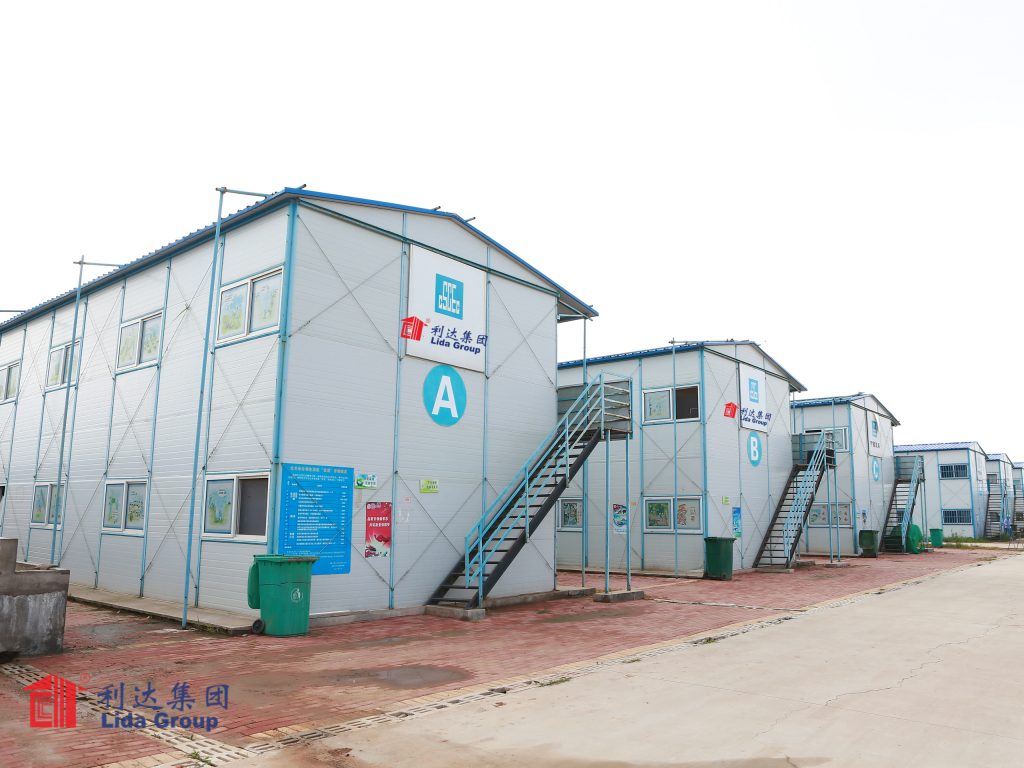
In the United Arab Emirates, an oil and gas company needed to provide accommodation for 500 workers at an offshore platform. The company required dormitories that were durable, corrosion-resistant, and comfortable, with strict safety standards. The efficient prefab worker dormitory was customized to meet these requirements, using marine-grade galvanized steel and waterproof composite panels to withstand the harsh marine environment. The dormitories were equipped with air conditioning, fire safety systems, and emergency evacuation routes. The modular design allowed the dormitories to be transported to the offshore platform in containers and assembled quickly. After 4 years of use, the dormitories remained in perfect condition, with no corrosion or damage, and workers reported high levels of comfort and safety.
The widespread adoption of efficient prefab worker dormitories is driving a paradigm shift in the global workforce housing industry, delivering tangible benefits for both employers and workers. For employers, the dormitories offer significant cost savings through reduced production, labor, and maintenance costs, as well as faster project timelines and improved worker retention. For workers, the dormitories provide a comfortable, healthy, and safe living environment that improves well-being and productivity.
Beyond these direct benefits, efficient prefab worker dormitories also promote sustainability. The factory prefabrication process reduces material waste and carbon emissions compared to traditional construction. The use of recycled materials (such as recycled steel) and energy-efficient systems further reduces the environmental footprint of the dormitories. Additionally, the reusability of the modular components reduces resource waste, aligning with the industry’s growing focus on circular economy principles.
Looking to the future, the efficient prefab worker dormitory is poised to become the standard for workforce accommodation in the global industry. As technology continues to advance, we can expect further innovations in material science and prefabrication technology, making the dormitories even more efficient, comfortable, and durable. For example, the integration of smart technologies—such as AI-driven energy management systems, real-time structural monitoring, and smart home devices—will further reduce maintenance costs and improve worker comfort. The development of new, more sustainable materials—such as bio-based composites and recycled insulation—will enhance the dormitories’ environmental performance.
Governments and international organizations are also playing a key role in promoting efficient prefab worker dormitories. Many countries are implementing policies and incentives—such as tax breaks, subsidies, and safety mandates—to encourage employers to adopt high-quality worker accommodation. The International Labour Organization (ILO) has recognized prefabricated worker dormitories as a key solution for improving worker living conditions, especially in the construction and mining industries.

Summary
The global industry has long struggled to provide worker accommodation that balances efficiency, comfort, and longevity. Traditional solutions—temporary board houses and permanent brick-and-concrete dormitories—fail to meet these core needs, resulting in high costs, low worker satisfaction, and project delays. The efficient prefab worker dormitory has emerged as a transformative solution, leveraging advanced prefabrication technology, human-centered design, and high-performance materials to redefine workforce housing.
Efficiency is embedded in every stage of the prefab dormitory’s lifecycle: factory prefabrication reduces material waste to less than 3% and production time by 40-50%; on-site assembly is rapid, with a 500-worker dormitory completed in just 10 days; and operational efficiency is enhanced through energy-efficient systems that reduce utility costs by 30-40%. This efficiency delivers significant cost savings for employers and accelerates project timelines.
Comfort is prioritized through human-centered design: spacious living rooms with comfortable bunk beds, desks, and wardrobes; exceptional thermal insulation that maintains a comfortable indoor temperature year-round; optimal ventilation and indoor air quality; and communal spaces that promote social interaction and well-being. These features improve worker satisfaction, reduce turnover, and boost productivity.
Longevity is ensured through high-performance materials—galvanized light steel frames, composite sandwich panels—and rigorous quality control, resulting in a lifespan of 20-50 years. The dormitories are resistant to corrosion, extreme weather, fire, and seismic activity, and their modular design allows for easy maintenance and reuse, further enhancing long-term value.
Real-world case studies from China, Australia, Kenya, and the United Arab Emirates demonstrate the tangible impact of efficient prefab worker dormitories, showing that they can adapt to diverse environments, meet strict safety standards, and deliver cost savings and worker comfort. These dormitories not only benefit employers and workers but also promote sustainability, aligning with global efforts to reduce carbon emissions and resource waste.
In conclusion, the efficient prefab worker dormitory represents a paradigm shift in workforce housing, proving that efficiency, comfort, and longevity can coexist. By prioritizing the needs of both employers and workers, this innovative solution is redefining the standards of worker accommodation, driving positive change in the global industry. As technology advances and adoption grows, efficient prefab worker dormitories will continue to play a critical role in improving worker well-being, reducing costs, and accelerating project success—creating a better future for workers and employers alike.
Related news
-
Eco-Friendly Sandwich Panel House Redefines Green Construction Standards
2026-02-25 17:20:23
-
Lida Group Delivers Low-Cost Durable Building for Workforce Housing
2026-02-25 16:48:06
-
New Prefab Worker Dormitory Combines Affordability and Durability
2026-02-25 16:35:01
contact us
- Tel: +86-532-88966982
- Whatsapp: +86-13793209022
- E-mail: sales@lidajituan.com
