



Efficient Prefab House Built with Easy Install Sandwich Panels
2025-Dec-24 17:13:36
By Admin
In an era marked by rapid urban renewal, unpredictable disaster relief needs, remote industrial development, and flexible commercial demands, the construction industry is increasingly calling for building solutions that transcend the limitations of fixed sites. Traditional construction, bound by rigid foundations, lengthy timelines, and site-specific design, struggles to adapt to diverse environments—from narrow urban alleys and remote rural areas to high-altitude plateaus and disaster-stricken zones. Against this backdrop, modern mobile buildings have emerged as a transformative force, and Lida Group, a global leader in prefabricated construction, has redefined the paradigm with its site-universal modern mobile building series. By integrating modular innovation, adaptive engineering, and durable materials, Lida Group’s mobile buildings deliver seamless performance across any terrain, climate, or functional requirement. This article explores the core technologies, site-adaptation capabilities, diverse applications, sustainability value, and market impact of Lida Group’s modern mobile buildings, revealing how they empower builders, developers, and communities to construct efficiently and reliably, regardless of location.
1. Lida Group: Redefining Mobile Construction for Universal Site Adaptation
With decades of expertise in prefabricated steel structures, modular systems, and integrated construction solutions, Lida Group has long been a pioneer in addressing the industry’s most pressing challenges. Recognizing the growing demand for site-flexible buildings, the company has dedicated significant resources to R&D, focusing on creating mobile structures that are not just portable, but truly adaptable to any environment. Unlike conventional mobile buildings—often limited to temporary, single-scene use—Lida Group’s offerings are engineered as versatile, long-lasting solutions that balance mobility, durability, and functionality.
Guided by the principle of “design for all sites,” Lida Group’s mobile buildings are developed in state-of-the-art facilities certified under ISO 9001 (quality management) and ISO 14001 (environmental management). The company leverages digital tools such as BIM (Building Information Modeling) and parametric design to optimize every component for site compatibility, ensuring that structures can be transported, installed, and reconfigured with minimal hassle across diverse terrains. With a global footprint spanning over 50 countries, Lida Group has validated its mobile buildings in extreme cold, sweltering heat, high altitude, and flood-prone areas, solidifying its reputation as a provider of site-universal construction solutions. From urban pop-up spaces to remote mining camps, the company’s mobile buildings prove that location no longer dictates construction feasibility.
2. Core Technologies: Powering Site Universal Adaptation
The ability of Lida Group’s modern mobile buildings to thrive in any site stems from three interconnected technological pillars: adaptive modular structures, environment-resistant materials, and flexible foundation systems. These innovations work in tandem to eliminate site limitations, ensuring stability, efficiency, and longevity across diverse conditions.
2.1 Adaptive Modular Structure Design
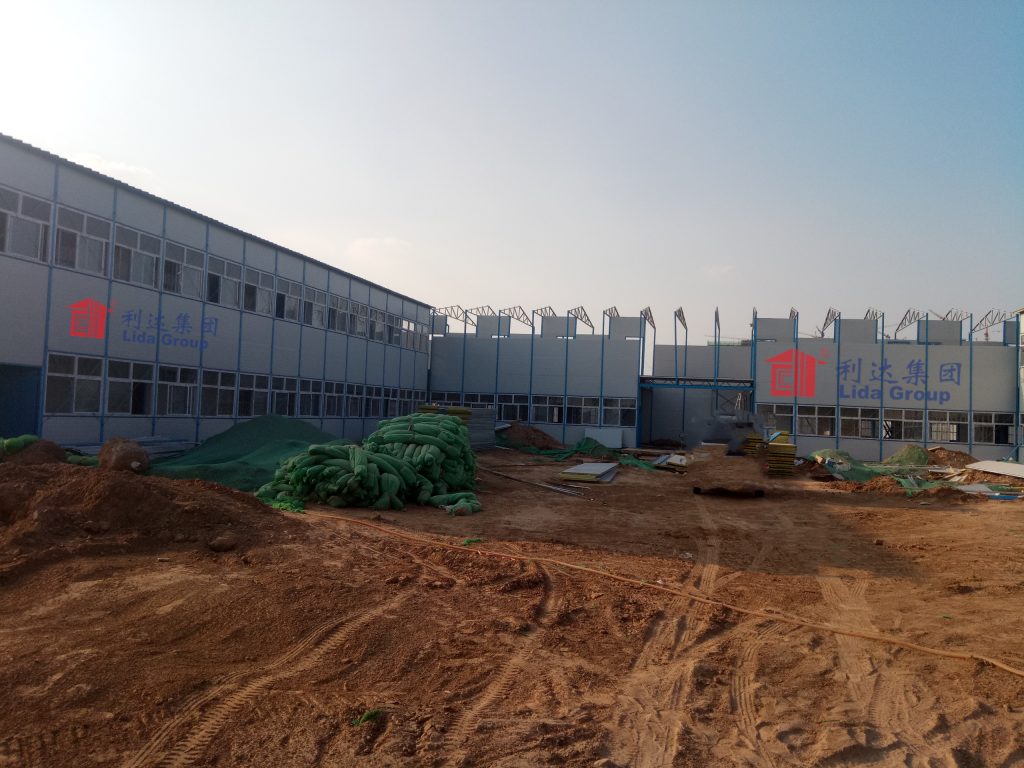
At the heart of Lida Group’s mobile buildings is a precision-engineered modular structure, built on cold-formed thin-walled steel (CFS) frames. This design departs from rigid, one-piece mobile structures, instead using standardized, interlocking modules that can be customized, expanded, or reconfigured to fit any site size or shape. The CFS frames, manufactured with automated production lines for dimensional accuracy within ±0.2mm, offer an exceptional strength-to-weight ratio—up to 70% lighter than traditional steel frames while withstanding wind loads of 120 km/h and seismic activity of magnitude 7.
A key innovation is the company’s proprietary universal connection system, combining cam-lock and tongue-and-groove joints. These joints enable tool-free assembly by general laborers, allowing modules to be connected or disassembled in hours, and ensure airtight, waterproof sealing across diverse environments. Unlike fixed structures, Lida’s modules can be stacked vertically for narrow urban sites, arranged horizontally for open rural areas, or combined in irregular layouts for sloped terrains. This modularity also facilitates transportation: a 100-square-meter building fits into 2–3 standard flatbed truckloads, making it accessible even to sites with poor road infrastructure.
2.2 Environment-Resistant Material Integration
To adapt to extreme climates—from sub-zero winters to scorching deserts—Lida Group integrates advanced, weather-resistant materials into every mobile building. The primary enclosure uses high-performance sandwich panels, available with three core options tailored to site conditions:
-
Rock Wool Core Panels: Ideal for fire-prone or high-altitude sites, these panels boast A1-class fire resistance and exceptional thermal insulation, maintaining stable indoor temperatures even in areas with 40℃+ diurnal temperature variations (such as plateau regions). Rock wool’s inorganic composition resists moisture and mold, critical for humid or flood-prone sites.
-
Polyurethane (PU) Core Panels: Designed for extreme temperature control, PU panels deliver a thermal conductivity of 0.023 W/(m²·K), making them suitable for cold storage in arid deserts or heated offices in polar regions. Their closed-cell structure prevents water penetration, adapting to both dry and wet environments.
-
EPS Core Panels: A cost-effective solution for mild to moderate climates, offering balanced insulation and impact resistance for urban or rural sites where extreme weather is rare.
Exterior finishes are treated with anti-corrosion, UV-resistant coatings to withstand salt spray (coastal sites), sand erosion (deserts), and industrial pollutants (factory zones). The CFS frames are galvanized with a 120g/m² zinc layer, ensuring a 25-year lifespan in harsh corrosive environments—double the industry average for mobile structures.
2.3 Flexible Foundation and Deployment Systems
Unlike traditional buildings that require deep, site-specific foundations, Lida Group’s mobile buildings feature four adaptive foundation solutions, eliminating the need for extensive excavation and making them compatible with any terrain:
Adjustable Steel Piers: For uneven or sloped sites (up to 15° incline), telescopic steel piers can be individually adjusted to level the structure, ideal for mountainous areas or construction sites with irregular ground. Each pier supports up to 5 tons, ensuring stability on soft soil or rocky terrain.
Portable Concrete Slabs: Precast, lightweight concrete slabs (weighing 80kg each) serve as a stable base for flat sites with limited ground preparation. They can be installed in 1–2 days and reused for future deployments, reducing waste.
Ground Anchors: For temporary or windy sites (such as coastal regions or open plains), helical ground anchors drill into the soil to secure the building, eliminating the need for concrete foundations entirely. Installation requires only a small portable drill, making it feasible for remote areas.
Container-Compatible Bases: For sites accessible by shipping containers, Lida’s mobile buildings can be mounted directly on standard container frames, leveraging existing logistics infrastructure for rapid deployment in disaster zones or remote industrial sites.
3. Site Adaptation in Action: Thriving Across Extreme and Diverse Environments
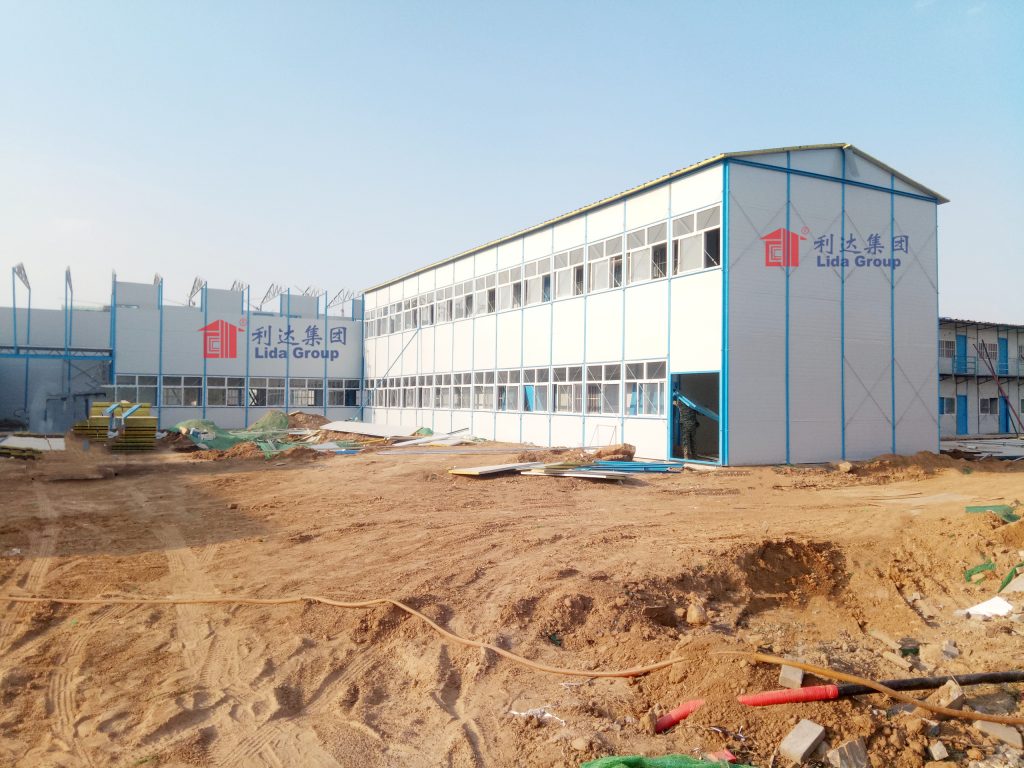
Lida Group’s modern mobile buildings have proven their site-universal capabilities in some of the world’s most challenging environments, from high-altitude plateaus to dense urban centers. Their ability to adapt to unique site constraints—whether terrain, climate, or infrastructure limitations—makes them a go-to solution for diverse industries.
3.1 High-Altitude and Extreme Cold Sites
At altitudes above 4,500 meters, where oxygen levels drop to 50% of sea-level concentrations, equipment power degrades by 30%, and concrete curing becomes unpredictable, Lida’s mobile buildings deliver reliable performance. For a lithium mine project in the Kunlun Mountains (Central Asia), Lida supplied 15 mobile buildings for worker dormitories, offices, and medical clinics. The structures used rock wool core panels and reinforced CFS frames to withstand -30℃ winters and 40℃ diurnal temperature variations.
To adapt to the high-altitude site’s limited infrastructure, the buildings were transported in modular components via 219 National Highway—one of the world’s highest-altitude roads—and installed using adjustable steel piers to navigate rocky, uneven terrain. Pre-integrated solar-powered HVAC systems and oxygen supply outlets ensured livable conditions for workers, with the buildings operational within 10 days of delivery. Unlike traditional construction, which would have required 6+ months and specialized cold-weather techniques, Lida’s solution minimized on-site labor and adapted to the site’s extreme constraints.
3.2 Narrow Urban and High-Density Sites
In dense urban areas, where space is scarce and access is limited by narrow alleys or adjacent buildings, Lida’s compact, modular mobile buildings offer a flexible alternative to fixed construction. For a downtown renewal project in a major European city, Lida supplied 20 mobile retail pods and community offices for a pedestrian mall located in a former industrial alley—just 3 meters wide in some sections.
The modules were designed to be lightweight (120kg/m²) and narrow (2.5 meters wide), allowing them to be transported via small trucks and lifted into place with portable cranes—avoiding the need for large construction equipment that would block surrounding roads. Vertical stacking of modules maximized the limited horizontal space, creating two-story retail units with rooftop terraces. The buildings’ sleek, pre-finished exteriors blended with the urban landscape, while pre-integrated electrical and plumbing systems eliminated the need for on-site excavation in the narrow alley. The entire project was completed in 14 days, minimizing disruption to nearby businesses and residents.
3.3 Remote Rural and Low-Infrastructure Sites
Rural areas with limited access to skilled labor, heavy machinery, and utility grids pose unique challenges for construction. Lida’s mobile buildings address these constraints with easy installation, off-grid compatibility, and minimal infrastructure requirements. For a rural revitalization project in Southeast Asia, Lida supplied 50 mobile houses for farming communities in areas with no paved roads or permanent power.
The buildings used EPS core panels and ground anchor foundations, allowing local laborers (with minimal training) to assemble each unit in 4–6 hours. Solar panels and battery storage systems were pre-integrated into the roof modules, providing off-grid electricity for lighting and small appliances. Rainwater harvesting systems in the roof and modular plumbing enabled self-sustaining water use. The lightweight components were transported via oxcarts and small tractors to reach remote villages, with the entire community of 50 houses installed in 3 weeks—60% faster than traditional brick-and-mortar construction.
3.4 Disaster-Prone and Emergency Sites
In disaster zones—where speed, portability, and durability are critical—Lida’s mobile buildings excel as emergency shelters, field hospitals, and command centers. Following a flood in South Asia, Lida deployed 80 mobile structures to affected regions, where roads were washed out and terrain was muddy and unstable.
The modules were transported by helicopters and boats to inaccessible areas, then installed using ground anchors to avoid sinking in soft soil. Rock wool core panels provided fire resistance and insulation, while pre-installed waterproof seals prevented water penetration. Field hospitals were equipped with pre-integrated medical gas lines, electrical systems, and HVAC units, becoming operational within 24 hours of installation—delivering critical care to displaced populations. After the emergency, the buildings were disassembled and relocated to a nearby village for use as schools and community centers, demonstrating their reusability across sites.
3.5 Coastal and Corrosive Environments
Coastal sites, with salt spray, high humidity, and strong winds, demand corrosion-resistant structures. Lida’s mobile buildings are engineered to withstand these conditions, making them ideal for coastal resorts, fishing villages, and offshore oil rig support facilities. For a coastal eco-resort in the Caribbean, Lida supplied 30 mobile glamping units, designed to resist salt corrosion and hurricane-force winds (up to 180 km/h).
The buildings used galvanized CFS frames with an additional anti-corrosion coating, PU core panels for moisture resistance, and wind-resistant connection joints. Adjustable steel piers elevated the structures above flood levels, while modular roofs with integrated drainage systems prevented water accumulation during heavy rains. The units were installed in 2 weeks, with no on-site welding or heavy machinery, preserving the resort’s natural landscape. After 5 years of operation, the buildings showed no signs of corrosion or structural degradation—outperforming traditional wooden cabins in the same environment.
4. Functional Versatility: Adapting to Any Use Case Across Sites
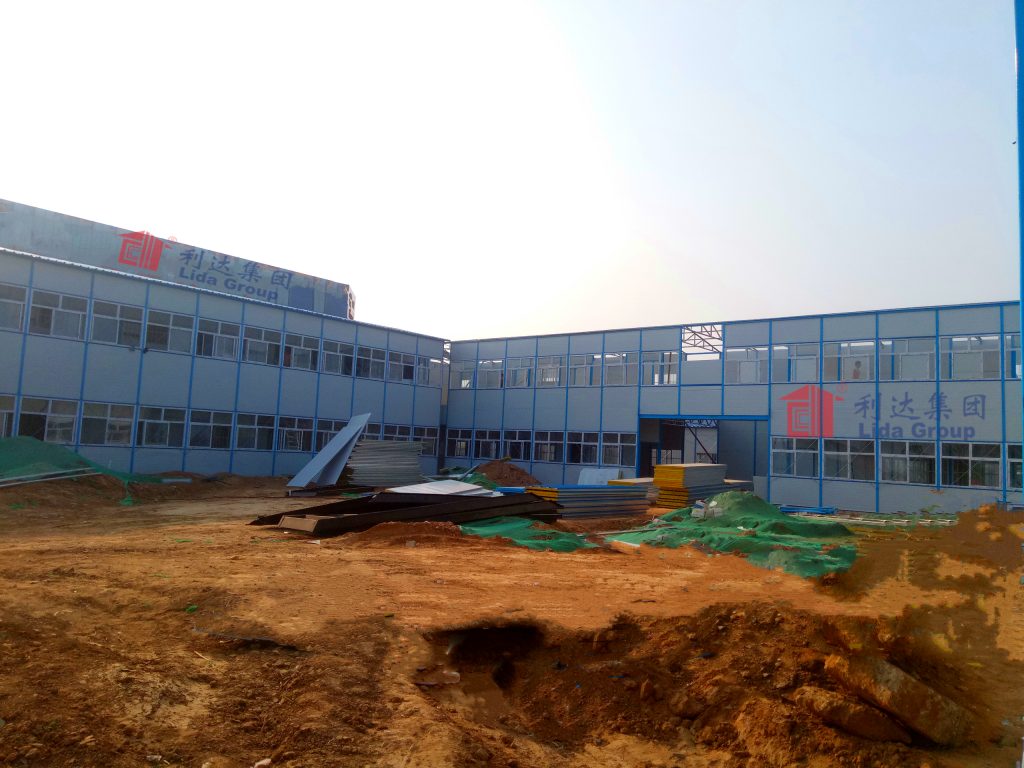
Beyond environmental adaptation, Lida Group’s mobile buildings are designed to accommodate any functional requirement, from residential and commercial to industrial and public sector use. Their modularity allows for quick reconfiguration, ensuring that the same structure can serve different purposes across different sites—maximizing flexibility and return on investment.
4.1 Residential Applications
For residential use, Lida’s mobile buildings adapt to diverse living needs, from single-family homes in rural areas to multi-module apartments in urban centers. In a remote mountain community in North America, Lida supplied 12 two-story mobile homes, each with 120 square meters of living space, customized to fit narrow mountain lots. The homes feature open-concept layouts, energy-efficient insulation, and rooftop decks for mountain views—blending comfort with site constraints. In urban areas, the buildings are used as accessory dwelling units (ADUs), fitting into small backyards or vacant lots to address affordable housing shortages.
4.2 Commercial and Retail Use
Commercial clients leverage Lida’s mobile buildings for pop-up stores, cafes, event booths, and temporary offices—adapting to high-traffic urban sites, festival grounds, or seasonal markets. A global coffee chain used Lida’s mobile pods for a summer campaign across 10 European cities, installing units in parks, train stations, and festival venues. Each pod was customized with the brand’s aesthetics, integrated POS systems, and outdoor seating, and could be relocated in 24 hours to follow seasonal foot traffic. The pods’ lightweight design allowed installation without permanent foundations, avoiding permits for fixed structures.
4.3 Industrial and Mining Sites
Industrial clients rely on Lida’s mobile buildings for on-site offices, workshops, storage facilities, and worker accommodations in remote mining, oil, and construction sites. For a large-scale infrastructure project in the Middle East, Lida supplied 30 mobile office modules, which were connected to form a fully functional headquarters with meeting rooms, cafeterias, and rest areas. The modules were relocated twice during the 2-year project as construction progressed, reducing waste and eliminating the need for multiple temporary structures. The buildings’ corrosion-resistant materials withstood the region’s high temperatures (up to 50℃) and sandstorms.
4.4 Public Sector and Humanitarian Projects
Governments and NGOs use Lida’s mobile buildings for schools, clinics, community centers, and disaster relief facilities—adapting to underserved rural areas, conflict zones, and post-disaster sites. In a rural region of Africa, Lida supplied 8 mobile classrooms for a school expansion project, where the site had no electricity or running water. The classrooms featured large windows for natural light, sound insulation, and solar-powered lighting, and were assembled by local teachers and community members in 1 week. The modules were designed to be expanded as the school grew, with additional units added to form a complete campus.
5. Sustainability: Site-Universal Design Meets Green Construction
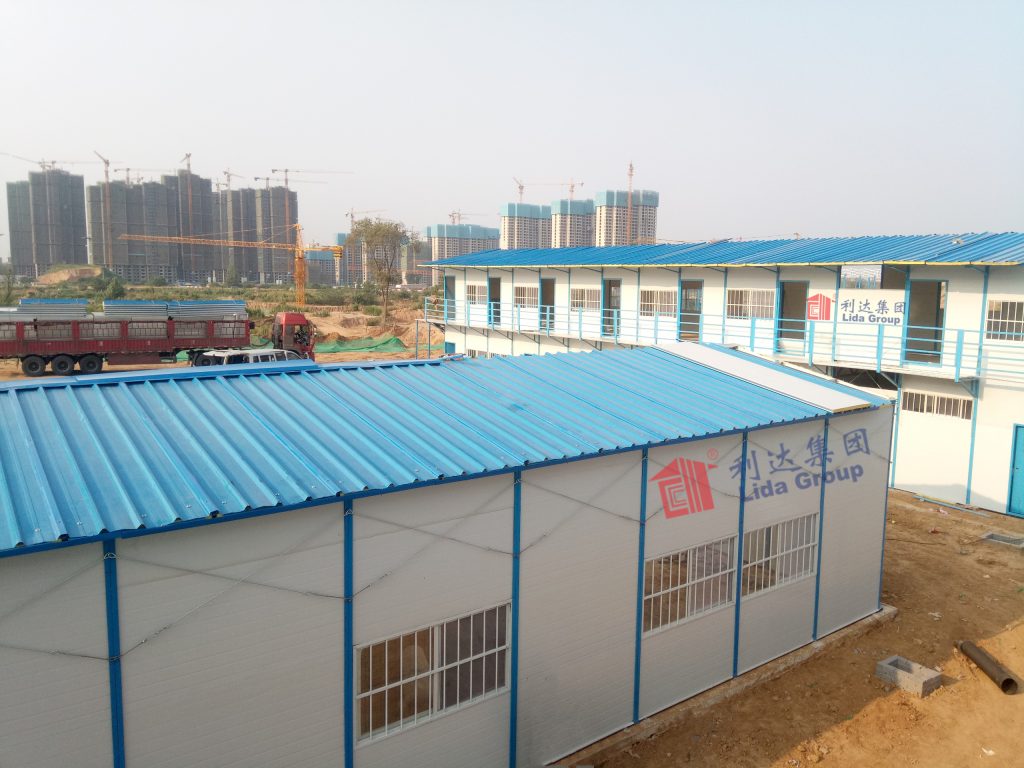
Lida Group’s modern mobile buildings align with global sustainability goals, leveraging site-adaptive design to minimize environmental impact across the entire lifecycle. Their ability to be reused, reconfigured, and deployed without extensive site modification reduces resource consumption and carbon emissions, making them a greener alternative to traditional construction.
5.1 Low-Carbon Manufacturing and Transportation
Lida’s factories use 85% renewable energy (solar and wind power) for production, reducing carbon emissions associated with manufacturing. The modular design minimizes material waste to less than 5%—compared to 15–20% for traditional construction—by ensuring precise component fabrication in a controlled environment. Lightweight materials reduce transportation emissions: a 100-square-meter mobile building requires 60% less fuel to transport than a traditional structure of the same size, a critical advantage for remote sites where transportation has a large carbon footprint.
5.2 Energy and Resource Efficiency
The advanced insulation systems in Lida’s mobile buildings reduce heating and cooling costs by 30–40% compared to traditional structures, adapting to diverse climates without excessive energy use. For off-grid sites, pre-integrated solar panels, rainwater harvesting, and greywater recycling systems enable self-sustaining operation, eliminating reliance on fossil fuels and municipal utilities. The modular design also extends the building’s lifespan, as components can be replaced or upgraded without full demolition—supporting a circular economy.
5.3 Reusability and Site Restoration
Unlike fixed buildings, which leave permanent footprints, Lida’s mobile buildings can be fully disassembled and relocated, allowing sites to be restored to their natural state. This is particularly valuable for temporary projects, such as disaster relief or seasonal events, where permanent construction would disrupt ecosystems. Lida’s take-back program ensures that end-of-life modules are recycled responsibly: CFS frames have a 90% recycling rate, while sandwich panels are separated into core and facing materials for reuse or recycling. This reusability reduces landfill waste and conserves raw materials.
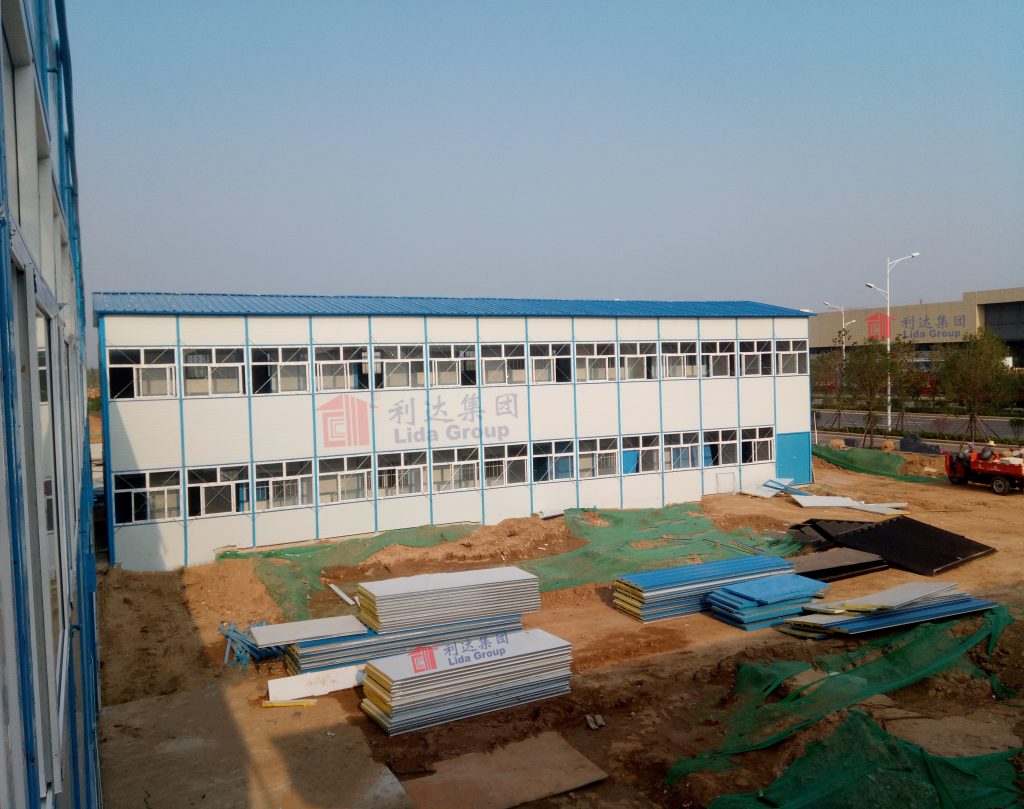
6. Market Impact and Industry Transformation
Lida Group’s modern mobile buildings are reshaping the global construction industry by breaking down site barriers and redefining what is possible in building design and deployment. Their impact is felt across labor markets, cost structures, and industry standards, driving widespread adoption of site-universal construction solutions.
6.1 Addressing Labor and Infrastructure Shortages
The global construction industry faces a chronic shortage of skilled labor, exacerbated in remote or extreme sites where skilled workers are scarce. Lida’s mobile buildings mitigate this by requiring minimal on-site labor—general workers with basic training can assemble modules, eliminating the need for specialized trades. This expands the labor pool and reduces costs, making construction feasible in areas with limited workforce infrastructure. For example, in high-altitude mining sites where skilled construction workers are rare, Lida’s solution allows mining companies to use their own workforce for installation, saving time and money.
6.2 Reducing Costs and Project Timelines
Site-universal design eliminates the need for site-specific engineering and extensive ground preparation, reducing project timelines by 60–70% compared to traditional construction. A case study of a mobile office project in the Middle East found that Lida’s solution reduced total costs by 22%—savings driven by faster installation, lower labor costs, and reduced transportation expenses. For emergency projects, the ability to deploy and install buildings in days (rather than months) can mean the difference between life and death in disaster zones.
6.3 Elevating Industry Standards for Mobile Construction
Prior to Lida’s innovations, mobile buildings were often viewed as temporary, low-quality solutions limited to specific sites. By demonstrating that mobile structures can deliver the same quality, durability, and functionality as fixed buildings across any environment, Lida has elevated industry standards. The company’s adherence to international building codes and sustainability standards has dispelled myths about mobile construction, positioning it as a mainstream, premium alternative. This has inspired other manufacturers to invest in site-adaptive technologies, driving industry-wide innovation.
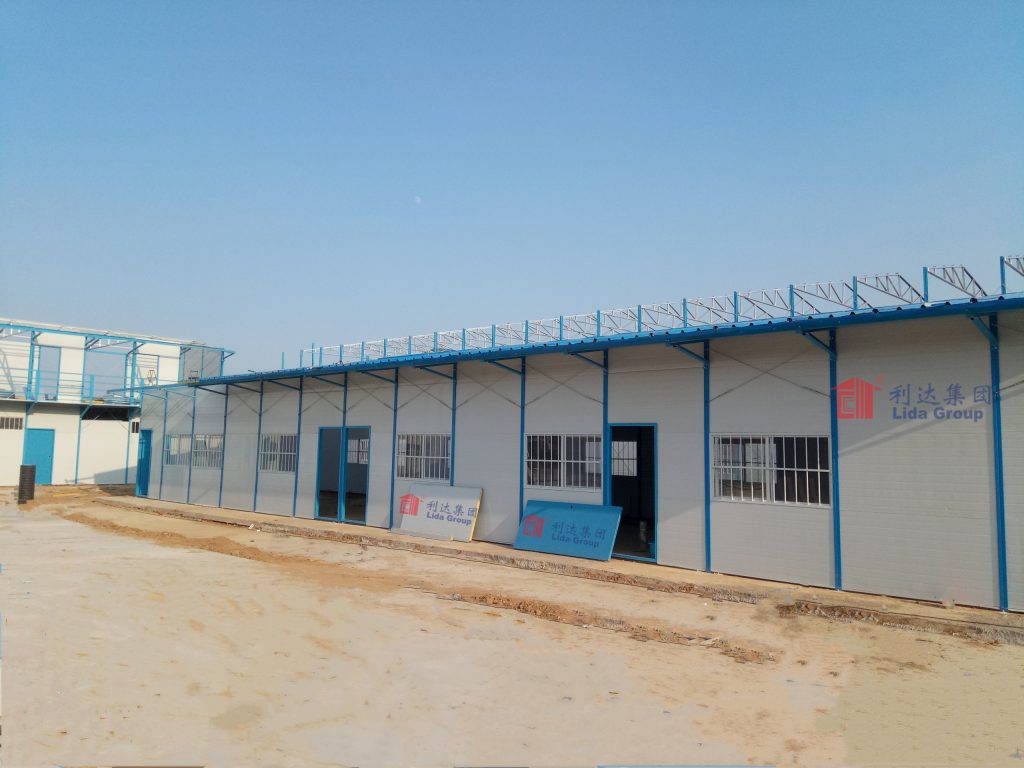
7. Challenges and Future Outlook
Despite their transformative potential, Lida Group’s modern mobile buildings face some challenges in global adoption. In some markets, traditional construction perceptions remain entrenched, with clients skeptical of mobile buildings’ long-term durability. Additionally, shipping costs for large modules can be prohibitive in extremely remote regions, though Lida has addressed this by establishing regional manufacturing facilities in key markets (Southeast Asia, Africa, and Latin America) to reduce transportation distances.
Looking ahead, the future of site-universal mobile buildings is bright, driven by growing demand for flexible, sustainable construction solutions. The global prefabricated mobile building market is projected to grow at a CAGR of 8.5% between 2025 and 2030, fueled by urbanization, remote industrial development, and climate change-driven disaster relief needs. Lida Group plans to capitalize on this growth by expanding its R&D efforts in three key areas:
Intelligent Site Adaptation: Integrating IoT sensors and AI-powered systems to enable real-time monitoring of site conditions (temperature, humidity, wind, soil stability) and automatic adjustments to building systems—optimizing performance across dynamic environments.
Advanced Material Innovation: Developing lighter, more sustainable materials (such as carbon fiber-reinforced steel and bio-based insulation) to further improve transportability and environmental resistance, while reducing carbon footprints.
Autonomous Deployment Solutions: Exploring drone and robotic technologies for transporting and installing modules in inaccessible sites (such as remote mountains or flood zones), eliminating reliance on human labor for high-risk deployments.
8. Conclusion
Lida Group’s modern mobile buildings represent a revolution in construction, proving that location no longer limits building quality, functionality, or durability. By combining adaptive modular design, environment-resistant materials, and flexible foundations, these structures thrive in every possible site—from high-altitude plateaus and narrow urban alleys to remote rural areas and disaster zones. Their versatility across residential, commercial, industrial, and public sectors underscores their ability to meet the diverse needs of a rapidly changing world.
Beyond site adaptation, Lida’s mobile buildings deliver compelling sustainability benefits, reducing carbon emissions, material waste, and environmental disruption through reusability and efficiency. They address critical industry challenges—labor shortages, cost overruns, and infrastructure limitations—while setting new standards for quality and reliability in mobile construction. As the world embraces flexibility and sustainability, Lida Group’s site-universal mobile buildings are poised to become a cornerstone of modern construction, empowering communities and businesses to build better, regardless of where “any site” may be.
For developers, builders, and organizations seeking to transcend site limitations, Lida Group’s modern mobile buildings offer a proven, forward-thinking solution. They are not just buildings—they are adaptable, sustainable tools that unlock the potential of every location, shaping a more resilient and accessible built environment for the future.
Related news
-
Revolutionizing Prefab House Construction with Easy Install Technology
2025-12-24 15:52:24
-
Sleek and Efficient Modern Mobile Building by Lida Group
2025-12-24 15:04:39
-
Lida Group Simplifies Construction with Easy Install Sandwich Panel System
2025-12-24 14:57:12
contact us
- Tel: +86-532-88966982
- Whatsapp: +86-13793209022
- E-mail: sales@lidajituan.com
