



Efficient Prefab Dormitory Built with Easy Install Sandwich Panel System
2026-Feb-05 14:50:16
By Admin
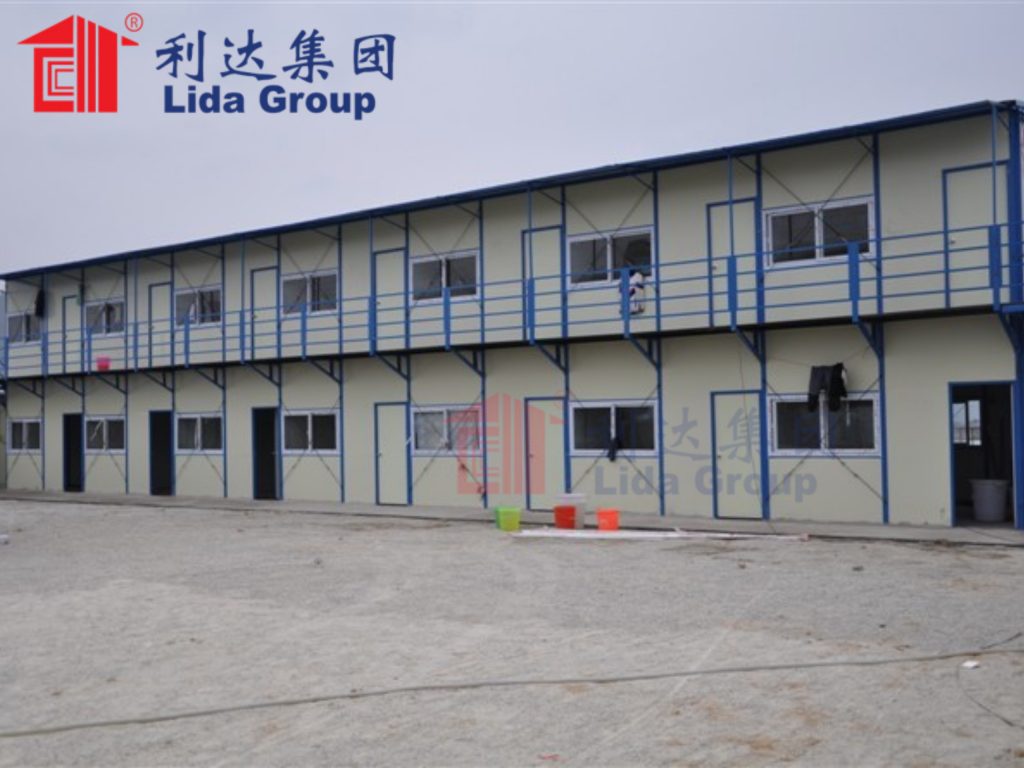
In an era marked by rapid urbanization, growing educational demands, and the need for quick-response housing solutions, the construction industry is undergoing a transformative shift toward prefabrication. Prefabricated (prefab) dormitories have emerged as a game-changer, addressing the critical challenges of traditional dormitory construction—prolonged timelines, excessive labor costs, material waste, and limited adaptability. At the heart of this revolution lies the easy install sandwich panel system, a innovative building technology that combines lightweight design, rapid assembly, and superior performance. This article provides a comprehensive exploration of efficient prefab dormitories constructed with easy install sandwich panel systems, delving into the system’s design principles, the dormitories’ core advantages, step-by-step installation processes, real-world applications, comparative analysis with traditional construction, and answers to common industry questions. By the end, readers will gain a holistic understanding of how this integrated solution redefines efficiency, affordability, and functionality in dormitory construction, catering to the diverse needs of educational institutions, corporations, construction firms, and humanitarian organizations worldwide.
The global demand for efficient dormitory solutions has never been more pressing. Educational institutions grapple with expanding student populations and tight budget constraints, requiring affordable housing that can be deployed quickly without compromising quality. Corporations, particularly those in remote industries like mining, construction, and manufacturing, need temporary or permanent employee dormitories that are easy to assemble and durable enough to withstand harsh environments. Humanitarian organizations, meanwhile, rely on rapid-deployment shelters to support displaced populations in the aftermath of natural disasters or crises. Traditional dormitory construction—characterized by on-site bricklaying, concrete pouring, and lengthy material sourcing—fails to meet these demands, often taking months to complete, generating excessive waste, and incurring high labor costs. In contrast, prefab dormitories built with easy install sandwich panel systems offer a streamlined alternative, leveraging off-site manufacturing and simplified assembly to deliver structures that are efficient to build, cost-effective to maintain, and resilient to diverse conditions.
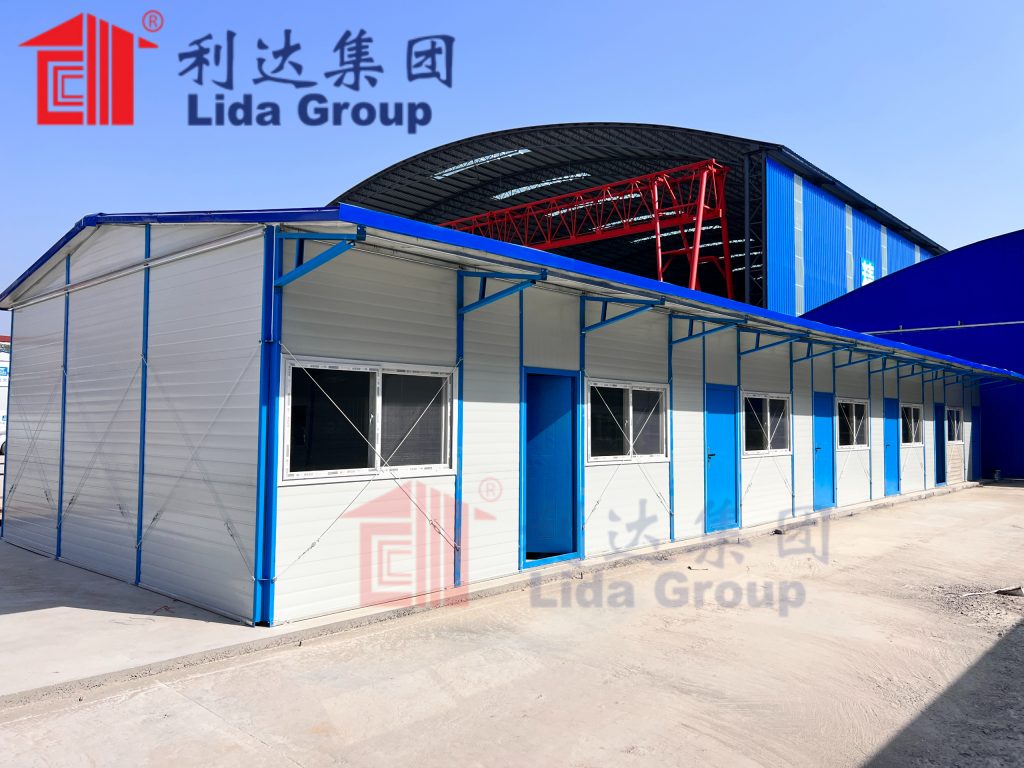
1. Overview of Easy Install Sandwich Panel System
To understand the efficiency of prefab dormitories built with this technology, it is first essential to explore the easy install sandwich panel system itself. A sandwich panel is a composite building material consisting of three distinct layers: two outer skins (facings) and a central core material, bonded together using high-strength adhesives. The system’s “easy install” designation stems from its modular design, lightweight construction, and innovative connection mechanisms—all engineered to minimize assembly time, reduce labor requirements, and eliminate the need for specialized skills or heavy equipment. Unlike traditional building materials (bricks, concrete blocks, or timber), sandwich panels are prefabricated in factories to precise specifications, ensuring consistency in quality and dimensions, which further streamlines on-site installation.
1.1 Core Components of the Easy Install Sandwich Panel System
The performance and ease of installation of the sandwich panel system are determined by its three key components: outer skins, central core, and connection system. Each component is carefully selected and designed to balance lightweight properties, structural integrity, and rapid assembly.
1.1.1 Outer Skins (Facings)
The outer skins of the sandwich panels serve as the primary structural and protective layer, providing strength, weather resistance, and aesthetic appeal. For easy install systems used in prefab dormitories, the most common outer skin materials are galvanized steel, aluminum, and fiber-reinforced calcium silicate (FRCS) board—all chosen for their lightweight, durability, and ease of handling. Galvanized steel skins are the most widely used, thanks to their low cost, corrosion resistance (via a zinc coating), and compatibility with rapid connection systems. These skins are typically 0.5-0.8mm thick, lightweight enough to be carried by 1-2 workers, yet strong enough to withstand external pressures, including wind and impact. Aluminum skins offer a more lightweight alternative (30% lighter than steel) and superior corrosion resistance, making them ideal for coastal or high-humidity environments, though they come at a slightly higher cost. FRCS board skins, meanwhile, provide a more traditional, brick-like aesthetic, are non-combustible, and offer excellent sound insulation, making them suitable for dormitories where noise reduction is a priority. All outer skins are pre-finished in the factory (with paint, PVDF coating, or natural finishes), eliminating the need for on-site painting or finishing and further reducing installation time.
1.1.2 Central Core Material
The central core of the sandwich panel is the primary insulator and structural stabilizer, playing a critical role in the panel’s thermal performance, fire resistance, and weight. For easy install prefab dormitories, the core material is selected to balance lightweight properties (for easy handling) with functional performance (insulation, fire safety). The three most common core materials are expanded polystyrene (EPS), polyisocyanurate (PIR), and rock wool (mineral wool), each with distinct advantages:
EPS (Expanded Polystyrene): The most cost-effective and lightweight core material, EPS has a density of 15-25 kg/m³, making it easy to transport and install. It offers excellent thermal insulation (thermal conductivity of 0.038-0.040 W/m·K) and moisture resistance, making it suitable for moderate climates. EPS cores are compatible with all outer skin materials and can be cut to size in the factory, ensuring a perfect fit for modular dormitory designs.
PIR (Polyisocyanurate): A high-performance core material with superior thermal insulation (thermal conductivity of 0.022-0.024 W/m·K)—up to 40% more efficient than EPS. PIR is also fire-resistant (Class B fire rating) and has a higher density (30-40 kg/m³) than EPS, providing enhanced structural stability. While slightly heavier than EPS, PIR cores remain lightweight enough for easy installation and offer long-term energy savings, making them ideal for dormitories in extreme hot or cold climates.
Rock Wool (Mineral Wool): A non-combustible core material (Class A fire rating) made from natural minerals, rock wool offers excellent fire resistance, withstanding temperatures of up to 1000°C for up to 4 hours. It also provides superior sound insulation and moisture resistance, making it suitable for dormitories in fire-prone or noisy environments (e.g., near construction sites or busy roads). Rock wool has a density of 40-60 kg/m³, slightly heavier than EPS and PIR, but still lightweight enough for manual handling during installation.
1.1.3 Easy Install Connection System
The connection system is the defining feature of the “easy install” sandwich panel system, as it eliminates the need for welding, drilling, or specialized tools, allowing panels to be assembled in minutes. The most common connection systems for prefab dormitories are tongue-and-groove (T&G) joints, quick-lock fasteners, and clip-on systems—all designed to create a tight, secure seal while enabling rapid assembly.
Tongue-and-Groove (T&G) Joints: The simplest and most widely used connection system, T&G joints feature a protruding “tongue” on one edge of the panel and a corresponding “groove” on the other. Panels are simply slid together, with the tongue fitting snugly into the groove, creating a weathertight seal. For added stability, a lightweight sealant is applied to the groove before assembly, which cures quickly and requires no additional tools. This system allows workers to assemble wall and roof panels in a matter of seconds per panel, significantly reducing installation time.
Quick-Lock Fasteners: For larger panels or structures requiring enhanced structural stability, quick-lock fasteners are used. These fasteners consist of pre-installed clips on the edge of each panel, which snap into place with a simple push or twist, creating a rigid connection. Quick-lock fasteners eliminate the need for screws or bolts, reducing assembly time by up to 50% compared to traditional fastening methods. They also allow for easy disassembly, making the panels reusable for temporary dormitories.
Clip-On Systems: Ideal for roof panels, clip-on systems use prefabricated metal clips that attach to the roof purlins (support beams), with the panels then clipped onto the clips. This system allows for rapid installation of roof panels, with each panel taking less than a minute to secure. Clip-on systems also accommodate thermal expansion and contraction, preventing panel damage over time.
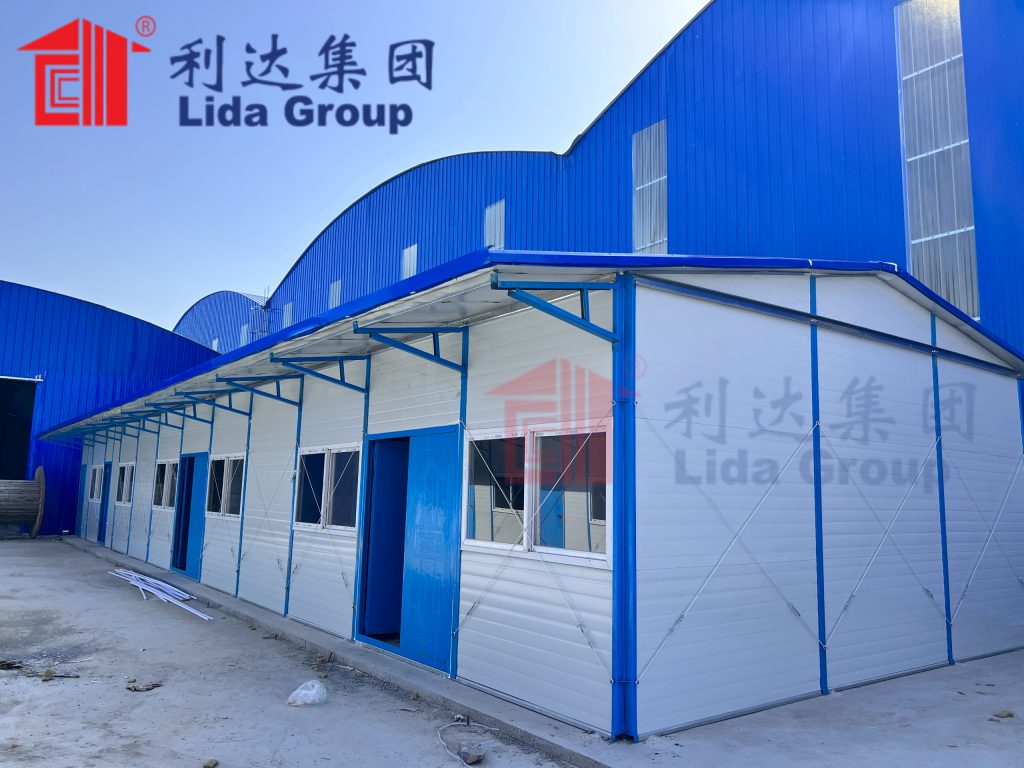
1.2 Key Design Principles of Easy Install Sandwich Panel Systems
The easy install sandwich panel system is engineered around three core design principles: modularity, lightweight construction, and integration. These principles work together to ensure the system is efficient to manufacture, transport, and install, while delivering a high-performance final structure.
Modularity: All panels are manufactured in standardized sizes (typically 1.2m wide x 2.4m-6m long), designed to fit into modular dormitory units (3m×6m or 4m×8m). This modularity allows for flexible configuration—dormitories can be expanded or modified by adding additional panels or units, without the need for custom design work. Standardized sizes also simplify transportation, as panels can be stacked and loaded onto standard shipping containers, reducing transport costs and logistics complexity.
Lightweight Construction: The combination of lightweight outer skins (steel, aluminum) and low-density core materials (EPS, PIR) results in panels that weigh between 8-15 kg/m²—significantly lighter than traditional building materials (concrete blocks weigh 150-200 kg/m², bricks weigh 120-150 kg/m²). This lightweight design means panels can be carried and installed by 1-2 workers, eliminating the need for cranes or heavy equipment (except for very large panels). This not only reduces labor costs but also makes installation possible in remote areas with limited infrastructure.
Integration: The sandwich panel system is fully integrated, meaning walls, floors, and roofs are constructed using the same panel technology, with compatible connection systems. This integration eliminates the need for separate materials (e.g., separate wall and roof materials) and simplifies installation, as workers only need to learn one assembly method. Integrated systems also create a seamless, weathertight structure, reducing the risk of air or water infiltration and improving overall energy efficiency.
2. Core Features of Efficient Prefab Dormitories with Easy Install Sandwich Panels
Prefab dormitories built with easy install sandwich panel systems are defined by their “efficiency”—a term that encompasses installation speed, cost-effectiveness, energy performance, and structural reliability. These dormitories leverage the unique properties of the sandwich panel system to address the key pain points of traditional dormitory construction, delivering solutions that are not only quick to build but also sustainable, durable, and comfortable.
2.1 Installation Efficiency: Rapid Deployment
The most striking advantage of these prefab dormitories is their rapid installation time, made possible by the easy install sandwich panel system. Traditional dormitory construction typically takes 6-12 months for a 500-student facility, involving lengthy on-site work (foundation pouring, bricklaying, roofing, interior finishing). In contrast, prefab dormitories built with sandwich panels can be installed in 1-6 weeks, depending on size—up to 90% faster than traditional methods. This speed is driven by three key factors:
Off-Site Prefabrication: All panels and modular components (walls, floors, roofs, interior fixtures) are manufactured in a controlled factory environment, while the on-site foundation is being prepared. This parallel process eliminates delays associated with on-site material preparation and weather-related disruptions (e.g., rain delaying concrete pouring). Factory prefabrication also ensures consistent quality, reducing the need for on-site adjustments or repairs.
Simplified Assembly: The easy install connection systems (T&G joints, quick-lock fasteners) allow panels to be assembled quickly, with no specialized skills required. A small team of 2-6 workers can install 50-100 m² of wall panels per day, compared to 10-15 m² per day with traditional bricklaying. For example, a 1,000 m² dormitory (accommodating 100 students) can be fully enclosed (walls and roof) in just 5-7 days, with interior finishing completed in an additional 2-3 weeks.
Minimal On-Site Labor: The lightweight panels and simplified assembly reduce the need for skilled labor (e.g., bricklayers, carpenters, welders). Most installation work can be completed by general laborers, reducing labor costs by up to 60% compared to traditional construction. This is particularly beneficial for projects in regions with a shortage of skilled construction workers.
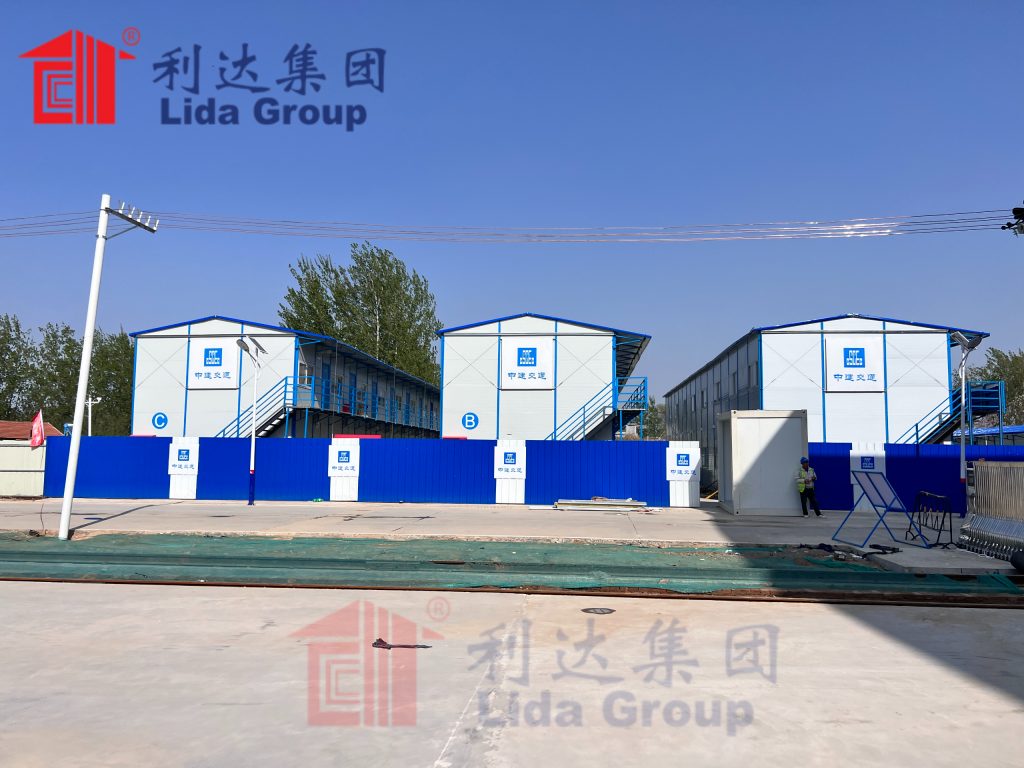
2.2 Cost Efficiency: Lower Initial and Long-Term Costs
Efficient prefab dormitories with sandwich panels offer significant cost savings, both in initial construction and long-term maintenance. These savings are achieved through streamlined manufacturing, reduced labor, and energy efficiency:
Lower Initial Construction Costs: Factory mass production of sandwich panels leverages economies of scale, reducing per-unit material costs by 20-30% compared to traditional materials. Reduced labor costs (fewer workers, shorter timeline) further lower initial costs, with total construction costs typically 30-40% lower than traditional dormitories. For example, a 500-student prefab dormitory built with EPS core sandwich panels costs approximately $700,000-$800,000, compared to $1.2 million-$1.5 million for a traditional brick-and-concrete dormitory of the same size.
Reduced Material Waste: Factory prefabrication ensures panels are cut to precise specifications, reducing material waste to less than 2%—compared to 10-15% waste in traditional construction (where materials are cut on-site, often resulting in offcuts and errors). This waste reduction not only lowers material costs but also reduces disposal fees and environmental impact.
Long-Term Maintenance Savings: The sandwich panel system is low-maintenance, thanks to its durable outer skins and weathertight connection system. Galvanized steel and aluminum skins are resistant to rust, scratches, and fading, requiring only occasional washing to remove dirt and debris. The panels’ seamless design prevents water infiltration, reducing the risk of mold, mildew, and structural damage. Interior finishes (prefabricated gypsum board, PVC flooring) are also low-maintenance, with long lifespans and easy cleaning. Overall, maintenance costs for these dormitories are 50-70% lower than traditional dormitories over a 20-year lifespan.
Energy Efficiency Savings: The excellent thermal insulation properties of sandwich panels reduce energy consumption for heating and cooling by 40-50% compared to traditional dormitories. For example, a 500-student dormitory built with PIR core panels can save $10,000-$15,000 per year in utility costs, thanks to reduced reliance on heating and air conditioning. These long-term energy savings further enhance the cost efficiency of the solution.
2.3 Structural Efficiency: Lightweight yet Durable
Despite their lightweight construction, prefab dormitories built with easy install sandwich panels are structurally robust, capable of withstanding harsh weather conditions, seismic activity, and heavy use. This structural efficiency is achieved through the sandwich panel system’s composite design, which combines the strength of the outer skins with the stability of the core material.
Wind and Seismic Resistance: The rigid connection systems and integrated panel design create a unified structure that is resistant to wind speeds of up to 120 km/h (for standard panels) and seismic activity of up to magnitude 7.0. This makes the dormitories suitable for use in hurricane-prone or earthquake-prone regions, such as Southeast Asia, the Caribbean, and parts of Africa.
Load-Bearing Capacity: The sandwich panels have excellent load-bearing capacity, with floor panels supporting up to 2.5 kN/㎡ (enough to accommodate heavy furniture, equipment, and multiple occupants) and roof panels supporting up to 1.5 kN/㎡ (suitable for snow loads in cold climates). The panels are also resistant to impact, making them durable enough for high-occupancy dormitories (e.g., student dormitories with frequent foot traffic).
Weather Resistance: The seamless connection system and weather-resistant outer skins protect the dormitory from rain, snow, humidity, and UV radiation. Galvanized steel skins with PVDF coating (optional) offer enhanced corrosion resistance, making the dormitories suitable for coastal environments or areas with high humidity. The panels’ moisture-resistant cores prevent mold and mildew growth, ensuring a healthy living environment for occupants.
2.4 Energy Efficiency: Sustainable and Comfortable
Efficient prefab dormitories with sandwich panels prioritize energy efficiency, not only to reduce costs but also to minimize environmental impact and enhance occupant comfort. The sandwich panel system’s thermal insulation properties are the foundation of this energy efficiency, but additional features further optimize performance:
Superior Thermal Insulation: As noted earlier, the central core material (EPS, PIR, rock wool) provides excellent thermal insulation, reducing heat transfer between the interior and exterior of the dormitory. This means the dormitory remains cool in hot climates and warm in cold climates, reducing the need for artificial heating and cooling. For example, in a tropical climate (e.g., Kenya), a dormitory with EPS core panels maintains an interior temperature of 24-26°C without air conditioning, compared to 30-32°C in a traditional dormitory.
Energy-Efficient Windows and Doors: Prefab dormitories are equipped with double-glazed windows and insulated doors, which further enhance thermal insulation and reduce noise transmission. Double-glazed windows reduce heat loss by up to 50% compared to single-glazed windows, while insulated doors prevent cold drafts and heat gain. These features not only lower energy costs but also improve occupant comfort by reducing noise from outside.
Natural Ventilation and Lighting: The modular design of the dormitories allows for the integration of natural ventilation systems (e.g., operable windows, ceiling vents) and large windows to maximize natural light. This reduces the need for mechanical ventilation and artificial lighting during the day, further lowering energy consumption. Natural light also improves occupant well-being, making the dormitories more comfortable and inviting.
Sustainable Materials: Many components of the sandwich panel system are recyclable, including steel, aluminum, and EPS. Factory prefabrication also reduces material waste, as noted earlier, making the solution more sustainable than traditional construction. Additionally, the energy efficiency of the dormitories reduces carbon emissions associated with heating and cooling, contributing to global sustainability goals.
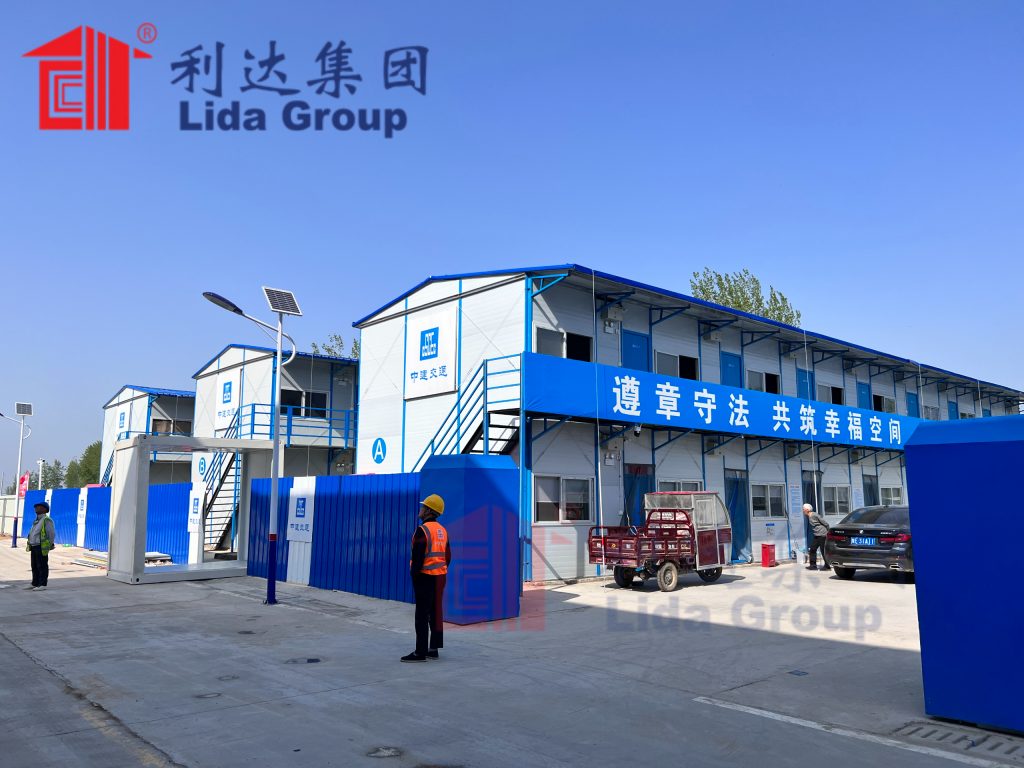
3. Step-by-Step Installation Process of Prefab Dormitories with Easy Install Sandwich Panels
The installation process of prefab dormitories built with easy install sandwich panels is streamlined and straightforward, consisting of six key steps. This process is designed to minimize on-site time, reduce labor requirements, and ensure a high-quality final structure. Below is a detailed breakdown of each step, with a focus on how the easy install sandwich panel system enhances efficiency.
3.1 Step 1: Project Design and Customization
The first step in the installation process is project design and customization, where the dormitory’s size, layout, and performance requirements are defined. This step typically takes 1-2 weeks and involves collaboration between the client (e.g., school, corporation) and the prefabrication team. Key considerations include:
Dormitory Size and Layout: The number of occupants, room configuration (shared or private rooms), and additional spaces (common areas, bathrooms, storage rooms) are determined. The modular design of the sandwich panel system allows for flexible configuration—for example, a 100-student dormitory can be designed with 50 shared rooms (2 students per room) or 100 private rooms, depending on the client’s needs.
Material Selection: The outer skin material (steel, aluminum, FRCS board) and core material (EPS, PIR, rock wool) are selected based on the client’s budget, climate conditions, and performance requirements. For example, a dormitory in a cold climate (e.g., Canada) would use PIR core panels for superior thermal insulation, while a dormitory in a coastal area (e.g., Australia) would use aluminum skins for corrosion resistance.
Technical Specifications: The foundation design, panel sizes, and connection system are finalized. The foundation for prefab dormitories is typically a shallow concrete slab (simpler and faster to install than traditional deep foundations), as the lightweight sandwich panels exert less pressure on the ground.
3.2 Step 2: Factory Prefabrication of Components
Once the design is finalized, the prefabrication of sandwich panels and modular components begins in the factory. This step runs parallel to the on-site foundation preparation, reducing the overall project timeline. Key activities include:
Panel Manufacturing: Sandwich panels are manufactured by bonding the outer skins to the central core using high-strength adhesives. The panels are cut to the precise sizes specified in the design, with connection systems (T&G joints, quick-lock fasteners) pre-installed on the edges. All panels are inspected for quality, including dimensional accuracy, bond strength, and surface finish, before being packaged for shipping.
Modular Component Production: Interior fixtures, including prefabricated gypsum board walls, PVC flooring, doors, windows, and lighting fixtures, are manufactured and pre-installed in modular units (where applicable). For example, bathroom modules are fully equipped with toilets, sinks, and showers in the factory, reducing on-site interior finishing time.
Packaging and Shipping: Panels and modular components are packaged to protect them during transportation, with labels indicating their location in the dormitory (e.g., “Wall Panel – Room 101”). Components are loaded onto standard shipping containers and transported to the construction site, typically arriving 1-2 weeks after prefabrication begins.
3.3 Step 3: On-Site Foundation Preparation
While the components are being manufactured, the on-site foundation is prepared. This step takes 1-2 weeks (depending on the size of the dormitory) and is significantly simpler than traditional foundation work, thanks to the lightweight nature of the sandwich panels. Key activities include:
Site Clearing and Leveling: The construction site is cleared of debris, vegetation, and rocks, and the ground is leveled to ensure a stable foundation.
Concrete Slab Pouring: A shallow concrete slab (100-150mm thick) is poured, with steel reinforcement bars added for structural stability. The slab is finished with a smooth surface to ensure proper installation of the floor panels. The concrete is allowed to cure for 3-5 days, which is faster than traditional deep foundations (which can take 2-3 weeks to cure).
Anchor Installation: Metal anchors are installed in the concrete slab at predetermined locations, to which the sandwich panels will be secured. These anchors are installed quickly using power tools, with no need for complex drilling or welding.
3.4 Step 4: Panel Installation (Walls, Floors, Roof)
Once the foundation is cured and the components have arrived on-site, the panel installation begins—the most critical step in leveraging the easy install sandwich panel system. This step takes 3-7 days for a small dormitory (100 students) and 1-2 weeks for a large dormitory (500+ students). Key activities include:
Floor Panel Installation: Floor panels are the first to be installed, secured to the concrete slab using the pre-installed anchors. The T&G joints of the floor panels are slid together, with sealant applied to ensure a moisture-tight seal. Floor panels are installed in a staggered pattern to enhance structural stability, with each panel taking less than a minute to secure.
Wall Panel Installation: Wall panels are installed vertically on top of the floor panels, using the same T&G or quick-lock connection system. Panels are lifted into place by 1-2 workers (no crane required for standard-sized panels) and secured to the floor anchors and to adjacent panels. Openings for windows and doors are pre-cut in the factory, so no on-site cutting is needed—panels around openings are simply installed to fit, with sealant applied to the edges to ensure weathertightness.
Roof Panel Installation: Roof panels are installed after the wall panels are in place, starting from the edge of the roof and working toward the center. Roof panels use clip-on or quick-lock connection systems, secured to the roof purlins (pre-installed on the top of the wall panels). The panels are installed with a slight slope to facilitate rainwater runoff, with gutters and downspouts installed at the edges to direct water away from the foundation.
3.5 Step 5: Interior Finishing
Interior finishing is the next step, which is streamlined by the prefabricated components. This step takes 2-3 weeks and involves installing pre-manufactured interior fixtures, ensuring the dormitory is comfortable and functional for occupants. Key activities include:
Interior Wall Finishing: Prefabricated gypsum board walls are installed between rooms, using quick-lock fasteners. These walls are pre-painted in the factory, eliminating the need for on-site painting. Electrical wiring and plumbing (pre-installed in the sandwich panels during factory production) are connected to fixtures.
Flooring and Ceiling Installation: PVC flooring (pre-cut to size) is laid over the floor panels, secured with adhesive. Ceiling panels (typically lightweight gypsum or aluminum) are installed using clip-on systems, with LED lighting fixtures pre-installed.
Fixture Installation: Doors, windows, and bathroom fixtures (toilets, sinks, showers) are installed—many of which are pre-assembled in the factory. Furniture (beds, desks, wardrobes) is delivered and placed in the rooms, completing the interior.
3.6 Step 6: Inspection and Handover
The final step is inspection and handover, ensuring the dormitory meets all design specifications, safety standards, and performance requirements. Key activities include:
Quality Inspection: The entire structure is inspected for structural stability, weathertightness, electrical and plumbing functionality, and interior finishing quality. Panels are checked for gaps or damage, and any issues are addressed quickly (e.g., reapplication of sealant, replacement of a damaged panel).
Safety Certification: The dormitory is inspected by a third-party certification body to ensure compliance with international building standards (ISO, ASTM, CE) and local safety codes (fire safety, ventilation, structural integrity).
Handover: Once the dormitory passes all inspections, it is handed over to the client. The prefabrication team provides a user manual with maintenance instructions and a warranty (typically 10-15 years for the sandwich panels and 5-10 years for interior fixtures).
4. Real-World Applications and Case Studies
Efficient prefab dormitories built with easy install sandwich panel systems have been successfully deployed across the globe, in diverse environments and applications. Below are four real-world case studies, highlighting the system’s efficiency, versatility, and performance in different scenarios—educational institutions, corporate employee housing, construction site temporary dormitories, and humanitarian shelters.
4.1 Case Study 1: Student Dormitory for a University in Kenya
Background: A public university in Nairobi, Kenya, faced a critical shortage of student housing, with over 1,000 students living off-campus. The university needed to expand its dormitory capacity by 500 students, with a tight budget of $800,000 and a timeline of 8 weeks (before the start of the new academic year). Traditional construction was estimated to cost $1.3 million and take 6 months, which was beyond the university’s budget and timeline.
Solution: The university chose a prefab dormitory built with easy install sandwich panels, featuring EPS core panels (for cost-effectiveness and thermal insulation), galvanized steel outer skins, and T&G connection systems. The dormitory was designed with 125 shared rooms (4 students per room), 10 common bathrooms, and 2 study rooms, with a total area of 1,500 m².
Implementation: Factory prefabrication of panels and components took 3 weeks, while the on-site foundation was prepared in 1 week (parallel process). Installation of panels (walls, floors, roof) took 4 days, with a team of 5 workers. Interior finishing was completed in 2 weeks, including pre-installed bathroom modules and LED lighting.
Results: The dormitory was completed in just 7 weeks, 1 week ahead of schedule, and cost $750,000—42% lower than traditional construction. The EPS core panels provided excellent thermal insulation, reducing the need for air conditioning and lowering utility costs by 45% compared to the university’s existing traditional dormitories. The dormitory has been in use for 4 years, with minimal maintenance required, and has withstood heavy rain and high temperatures (up to 35°C) without any structural damage. The university reported high student satisfaction, citing the dormitory’s comfort, brightness, and quietness (thanks to sound insulation from the sandwich panels).
4.2 Case Study 2: Corporate Employee Dormitory for a Mining Company in Australia
Background: A mining company in Western Australia needed to provide temporary dormitory housing for 200 workers at a remote mining site. The site had harsh weather conditions—extreme heat (up to 45°C in summer) and strong winds (up to 100 km/h)—and the company required a dormitory that could be installed quickly, relocated easily, and withstand the harsh environment. The budget was $900,000, and the timeline was 6 weeks.
Solution: The company selected a prefab dormitory built with easy install sandwich panels, featuring PIR core panels (for superior thermal insulation), aluminum outer skins (for corrosion resistance), and quick-lock connection systems. The dormitory included 100 modular units (2 workers per unit), 10 bathroom modules, a dining hall, and a recreation room. The modular design allowed for easy relocation once the mining project was completed.
Implementation: Factory prefabrication took 4 weeks, with panels and modules packaged for transport to the remote site (via truck). The foundation (shallow concrete slab) was prepared in 1.5 weeks. Installation of panels and modules took 5 days, with a team of 6 workers—thanks to the quick-lock connection system, which allowed for rapid assembly. The PIR core panels were pre-insulated, eliminating the need for additional insulation work.
Results: The dormitory was completed in 5.5 weeks, ahead of schedule, and cost $850,000—37% lower than traditional construction. The PIR core panels reduced cooling costs by 50%, even in extreme summer temperatures, saving the company $12,000 per year in utility costs. The aluminum outer skins withstood strong winds and corrosion (from the salty air), with no rust or damage after 3 years of use. When the mining project was completed, 50% of the modular units were relocated to another mining site, saving the company $300,000 in additional housing costs.
4.3 Case Study 3: Temporary Construction Site Dormitory in Dubai
Background: A construction company in Dubai needed temporary dormitories for 150 workers on a 2-year construction project (building a shopping mall). The company required a dormitory that could be installed quickly, withstand the hot, sandy climate (temperatures up to 40°C), and be easily disassembled after the project. The budget was $500,000, and the timeline was 2 weeks.
Solution: The company chose a prefab dormitory built with easy install sandwich panels, featuring EPS core panels (lightweight and cost-effective), galvanized steel outer skins with PVDF coating (dust and corrosion resistance), and clip-on connection systems. The dormitory included 75 modular units (2 workers per unit), 5 bathroom modules, and a small kitchen area.
Implementation: Factory prefabrication took 1 week (standardized panels), with components shipped to Dubai via container. The foundation (gravel base with lightweight concrete slab) was prepared in 3 days. Installation of panels and modules took just 2 days, with a team of 4 workers—thanks to the clip-on connection system, which allowed for rapid assembly of roof and wall panels. Interior finishing (PVC flooring, LED lighting) was completed in 2 days.
Results: The dormitory was completed in just 1.5 weeks, meeting the company’s tight timeline, and cost $480,000. The PVDF-coated steel skins prevented dust accumulation and corrosion, requiring only weekly cleaning. The EPS core panels provided adequate thermal insulation, with fans (instead of air conditioning) keeping the interior cool, reducing energy costs by 35%. After the 2-year project, the dormitory was disassembled in 1 day and the panels were stored for future use, providing long-term value for the company.
4.4 Case Study 4: Humanitarian Shelter Dormitory in Nepal
Background: After a major earthquake in Nepal (magnitude 7.8), a humanitarian organization needed to provide temporary dormitory housing for 300 displaced families (1,800 people) in a remote mountainous region. The organization required shelters that could be installed quickly, withstand aftershocks, and provide protection from the cold (temperatures dropping to 0°C in winter) and heavy rain. The budget was $600,000, and the timeline was 1 week (critical for supporting displaced populations).
Solution: The organization selected prefab dormitories built with easy install sandwich panels, featuring rock wool core panels (Class A fire rating, seismic resistance), galvanized steel outer skins, and T&G connection systems. The dormitories included 50 modular units (6 people per unit), 15 bathroom modules, and 3 communal kitchens. The panels were lightweight enough to be transported to the remote site via helicopter and carried by local workers (no heavy equipment available).
Implementation: Factory prefabrication took 3 days (emergency production), with panels packaged in lightweight bundles. The foundation (simple gravel base with wooden supports) was prepared by local workers in 1 day. Installation of panels and modules took 3 days, with a team of 3 engineers and 20 local workers (trained on-site in 1 hour to use the T&G connection system). The rock wool core panels provided excellent thermal insulation and fire resistance, critical for the cold climate and temporary living conditions.
Results: The dormitories were completed in 7 days, providing safe housing for 1,800 displaced people. The rock wool core panels withstood several aftershocks (magnitude 4.0-5.0) without any structural damage, ensuring the safety of occupants. The thermal insulation kept the interior warm in winter, reducing the risk of hypothermia. The dormitories were used for 2 years, until permanent housing was built, and the panels were then repurposed to build a local school, demonstrating the system’s sustainability and versatility.
5. Comparative Analysis: Easy Install Sandwich Panel Prefab Dormitories vs. Traditional Dormitories
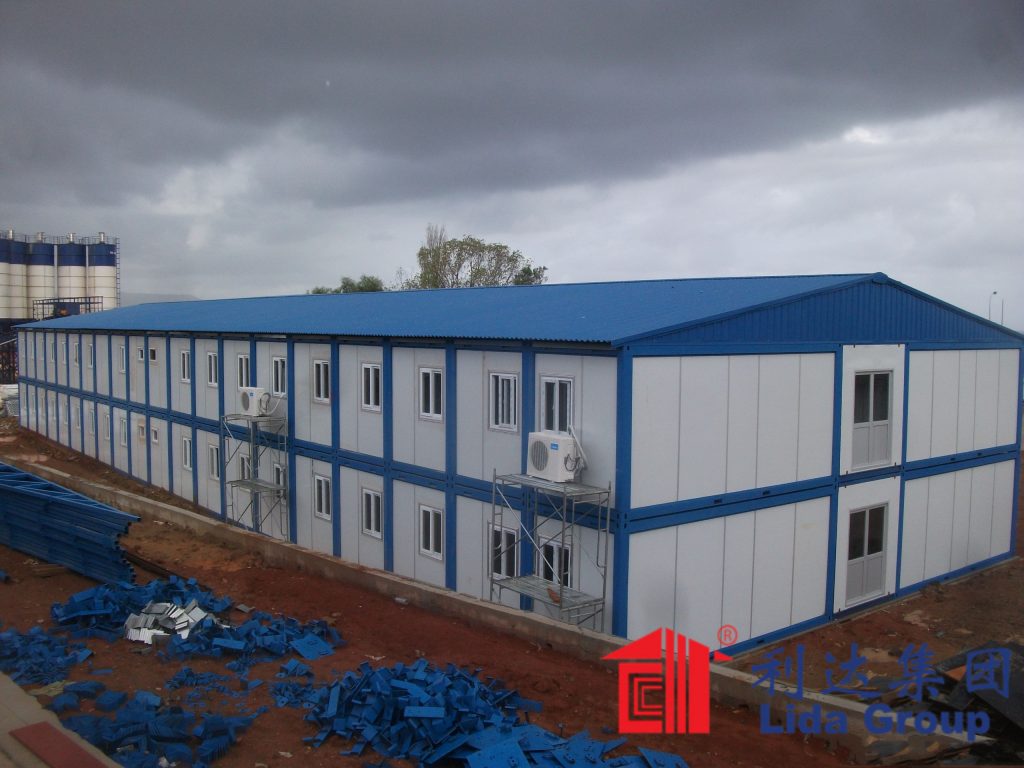
To fully appreciate the efficiency of prefab dormitories built with easy install sandwich panel systems, it is essential to compare them to traditional dormitory construction (brick-and-mortar, concrete, wood framing) across key metrics. The table below summarizes the key differences, followed by a detailed explanation of each metric.
|
Metric
|
Easy Install Sandwich Panel Prefab Dormitories
|
Traditional Dormitory Construction
|
|---|---|---|
|
Construction Time
|
1-6 weeks (up to 90% faster)
|
6-12 months
|
|
Total Construction Cost
|
30-40% lower
|
Higher (premium for materials and labor)
|
|
Labor Requirements
|
2-6 workers (no specialized skills)
|
10-20 workers (skilled labor required)
|
|
Material Waste
|
Less than 2%
|
10-15%
|
|
Energy Efficiency (Utility Costs)
|
40-50% lower
|
Higher (poor thermal insulation)
|
|
Durability (Lifespan)
|
20-50 years (low maintenance)
|
30-60 years (high maintenance)
|
|
Flexibility (Expandability/Relocation)
|
High (modular, easily expandable/relocatable)
|
Low (fixed structure, difficult to modify)
|
|
Weather/Seismic Resistance
|
High (wind: 120 km/h; seismic: 7.0 magnitude)
|
Moderate (requires additional reinforcement)
|
As the table demonstrates, easy install sandwich panel prefab dormitories outperform traditional dormitories in nearly every key metric, particularly in terms of efficiency, cost, and labor requirements.
Construction Time: The most significant difference is construction time—prefab dormitories are completed in weeks, while traditional dormitories take months. This is due to off-site prefabrication (parallel process with foundation work) and simplified assembly (easy install connection systems). For organizations with tight timelines (e.g., schools needing dormitories for the new academic year, humanitarian organizations responding to crises), this speed is critical.
Cost: Prefab dormitories are 30-40% cheaper than traditional dormitories, thanks to lower material costs (economies of scale in factory production), reduced labor costs (fewer workers, no specialized skills), and minimal material waste. While traditional dormitories may have a slightly longer lifespan, their high maintenance costs (painting, repointing, repairing water damage) make prefab dormitories more cost-effective over their lifetime.
Labor: Prefab dormitories require only 2-6 workers (general laborers), while traditional dormitories need 10-20 workers, including skilled tradespeople (bricklayers, carpenters, welders). This is a significant advantage in regions with a shortage of skilled labor or high labor costs.
Material Waste: Factory prefabrication ensures panels are cut to precise specifications, reducing waste to less than 2%, compared to 10-15% in traditional construction. This not only lowers material costs but also reduces environmental impact.
Energy Efficiency: The thermal insulation properties of sandwich panels reduce utility costs by 40-50% compared to traditional dormitories, which often have poor insulation (brick walls, single-glazed windows). This long-term energy savings further enhances the cost efficiency of prefab dormitories.
Flexibility: Prefab dormitories are modular, allowing for easy expansion (adding additional panels or units) or relocation (disassembling and moving panels to a new site). Traditional dormitories are fixed structures, making modification or relocation difficult and costly.
Weather/Seismic Resistance: The integrated sandwich panel system and rigid connection systems make prefab dormitories more resistant to wind, rain, and seismic activity than traditional dormitories, which often require additional reinforcement to withstand harsh conditions.
6. Common Questions and Concerns About Easy Install Sandwich Panel Prefab Dormitories
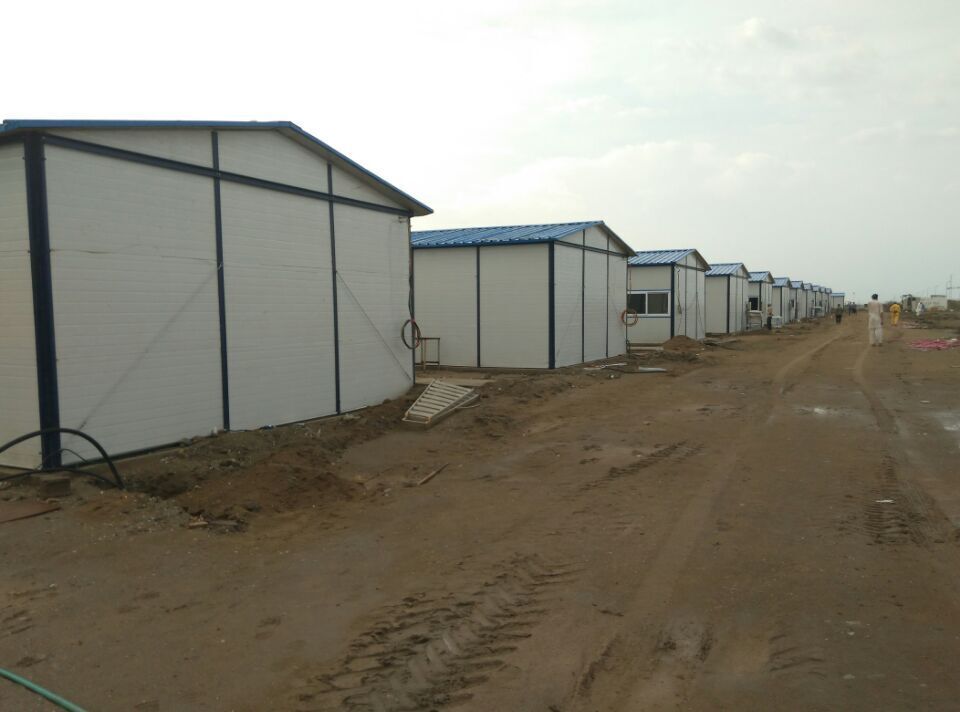
Organizations considering prefab dormitories built with easy install sandwich panel systems often have questions or concerns about the system’s ease of installation, durability, cost, and functionality. Below are answers to the most common questions, addressing key misconceptions and providing clear, evidence-based information.
6.1 Is the easy install sandwich panel system really easy to install? Do I need specialized skills?
Yes, the easy install sandwich panel system is designed specifically for simplified assembly, with no specialized skills required. The connection systems (T&G joints, quick-lock fasteners) are intuitive and require only basic training (1-2 hours) for workers to master. Most installation work can be completed by general laborers, eliminating the need for skilled tradespeople (e.g., welders, carpenters). As demonstrated in the Nepal case study, local workers with no construction experience were trained to install the panels in just 1 hour, completing the dormitories in 3 days. The lightweight panels (8-15 kg/m²) can be carried and installed by 1-2 workers, with no need for cranes or heavy equipment (except for very large panels).
6.2 Are prefab dormitories with sandwich panels durable enough for long-term use?
Absolutely. These dormitories are engineered for long-term use, with a lifespan of 20-50 years depending on the materials used. The sandwich panel system’s composite design (outer skins + core material) provides excellent structural integrity, withstanding wind, rain, snow, UV radiation, and seismic activity. The outer skins (steel, aluminum) are corrosion-resistant and scratch-resistant, while the connection systems create a weathertight seal, preventing water infiltration and mold growth. The low-maintenance design means the dormitories require minimal upkeep (occasional cleaning, minor component replacement), making them durable enough for long-term use in high-occupancy environments (e.g., student dormitories, corporate housing). As shown in the Kenya case study, the dormitory has been in use for 4 years with no structural damage, despite harsh weather conditions.
6.3 Are prefab dormitories with sandwich panels more expensive than traditional dormitories?
No—prefab dormitories are significantly cheaper than traditional dormitories, with total construction costs 30-40% lower. This is due to three key factors: lower material costs (factory mass production leverages economies of scale), reduced labor costs (fewer workers, no specialized skills), and minimal material waste (less than 2% compared to 10-15% in traditional construction). While the initial cost of sandwich panels may be slightly higher than traditional materials (e.g., bricks), the savings in labor and waste more than offset this difference. Additionally, prefab dormitories offer long-term cost savings through lower maintenance and energy costs, making them more cost-effective over their lifetime.
6.4 Can the dormitories be customized to meet specific design requirements?
Yes, the modular design of the sandwich panel system allows for extensive customization. Dormitories can be customized in terms of size (from small 50-student facilities to large 1,000-student complexes), layout (shared or private rooms, common areas, bathrooms), and performance (thermal insulation, fire resistance, aesthetic appeal). The outer skin material and color can be selected to match the client’s aesthetic preferences (e.g., FRCS board for a traditional look, colored steel skins for a modern look). Core materials can be chosen based on climate conditions (PIR for extreme temperatures, rock wool for fire-prone areas). Additionally, the modular design allows for easy expansion—clients can start with a small dormitory and add additional units as their needs grow, without the need for custom design work.
6.5 Are the dormitories suitable for use in harsh climates (extreme heat, cold, or coastal areas)?
Yes, easy install sandwich panel prefab dormitories are specifically engineered to adapt to harsh climates, with customizable components that address the unique challenges of extreme heat, extreme cold, and coastal environments. Their adaptability stems from the flexible selection of outer skins and core materials, combined with the system’s weathertight connection design, ensuring durability and occupant comfort even in the harshest conditions. For extreme heat (e.g., Dubai, Western Australia), dormitories can be equipped with PIR core panels (the most thermally efficient core material) and outer skins with reflective PVDF coating, which reflects sunlight and reduces heat absorption—keeping the interior 8-10°C cooler than traditional dormitories without excessive reliance on air conditioning. As demonstrated in the Dubai case study, such configurations allow dormitories to operate efficiently in temperatures up to 45°C with minimal energy consumption. For extreme cold (e.g., Nepal, Canada), rock wool or PIR core panels are recommended for their superior insulation performance, combined with thickened outer steel skins and sealed connection systems to prevent cold air infiltration. The Nepal case study proved that rock wool core panels can maintain a comfortable interior temperature (18-22°C) even when external temperatures drop to 0°C, reducing heating costs and protecting occupants from hypothermia. For coastal areas (e.g., coastal Australia), aluminum outer skins are preferred for their exceptional corrosion resistance to salty air and humidity, while galvanized steel skins with anti-corrosion coatings are also a cost-effective alternative. The seamless connection system further prevents saltwater intrusion, avoiding structural damage and extending the dormitory’s lifespan. In summary, by selecting the appropriate core and outer skin materials, these prefab dormitories can reliably withstand the challenges of harsh climates, making them a versatile solution for global applications.
7. Conclusion
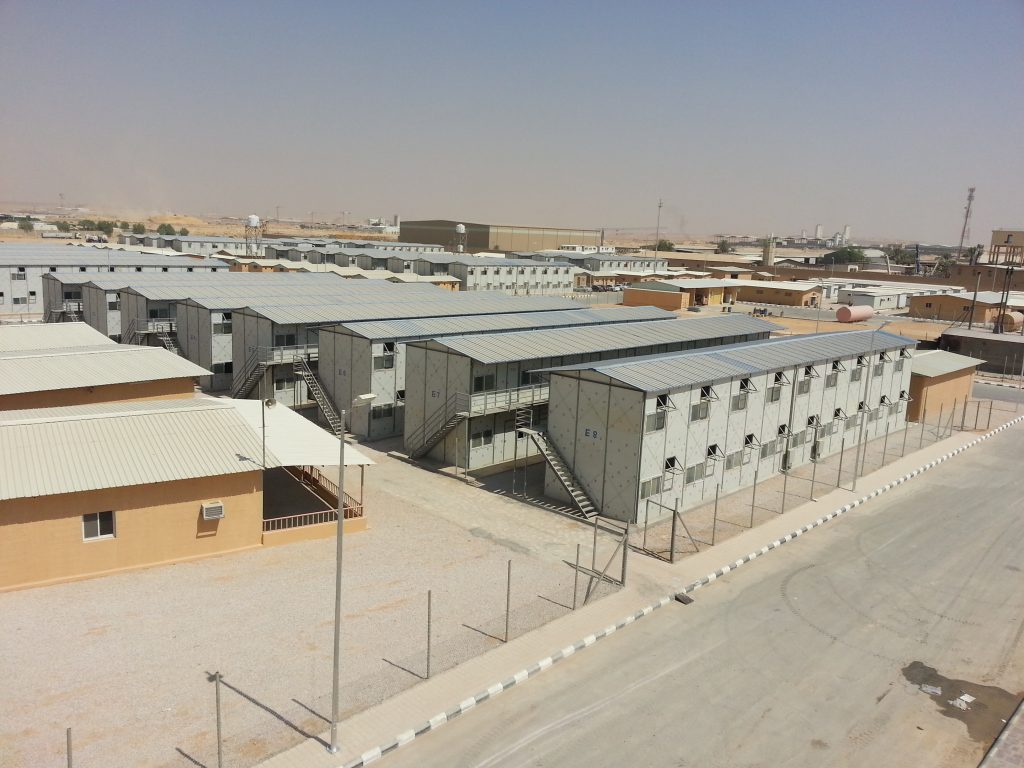
Efficient prefab dormitories built with easy install sandwich panel systems represent a transformative solution in the field of dormitory construction, addressing the long-standing pain points of traditional construction and redefining the standards of efficiency, affordability, durability, and sustainability. At the core of this innovation is the easy install sandwich panel system—with its modular design, lightweight components, and intuitive connection mechanisms—that enables rapid deployment, reduces labor and material costs, and ensures consistent quality. These prefab dormitories offer a suite of core advantages: they can be installed 90% faster than traditional dormitories, cost 30-40% less over their lifetime, require minimal skilled labor, generate less than 2% material waste, and deliver 40-50% energy savings, all while maintaining structural durability (20-50 year lifespan) and adaptability to diverse environments. Real-world case studies across Kenya, Australia, Dubai, and Nepal have validated their performance in educational, corporate, temporary construction, and humanitarian scenarios, demonstrating their versatility in harsh climates, remote locations, and tight timelines. Comparative analysis further confirms their superiority over traditional dormitories in nearly every key metric, from construction speed and cost to flexibility and weather resistance. By addressing common industry concerns—including installation ease, durability, cost, customization, and climate adaptability—easy install sandwich panel prefab dormitories have emerged as a reliable, future-forward solution for educational institutions, corporations, construction firms, and humanitarian organizations worldwide. As the construction industry continues to prioritize efficiency, sustainability, and adaptability, these prefab dormitories are poised to become the new standard, offering a scalable, cost-effective way to meet the growing global demand for high-quality dormitory housing while minimizing environmental impact.
Related news
-
Low-Cost Durable Construction Solutions for Prefab Dormitories by Lida Group
2026-02-05 14:02:03
-
Discover Our Easy Install Sandwich Panel House for Rapid Building
2026-02-05 11:29:38
-
Lida Group Engineers Durable Mobile Dormitories for Schools
2026-01-29 17:52:47
contact us
- Tel: +86-532-88966982
- Whatsapp: +86-13793209022
- E-mail: sales@lidajituan.com
