



Efficient Modern Mobile Container Dormitory for Institutional Use
2026-Jan-22 16:21:13
By Admin
Institutions ranging from educational campuses and construction enterprises to non-profit organizations and government agencies are increasingly seeking housing solutions that balance efficiency, mobility, durability, and compliance. Traditional fixed dormitories often fail to meet the dynamic needs of institutions—whether for temporary student accommodation, on-site worker housing for infrastructure projects, emergency shelters for disaster relief, or modular facilities for rural education. Against this backdrop, efficient modern mobile container dormitories have emerged as a transformative solution, redefining institutional housing with their streamlined deployment, smart integration, and adaptive design. These dormitories leverage advanced modular technology, eco-friendly materials, and institutional-specific customization to address core pain points such as long construction timelines, high operational costs, and rigid spatial configurations. This article explores the technical innovations, efficiency drivers, institutional application scenarios, and industry impact of these dormitories, highlighting how they are becoming indispensable for modern institutional operations.
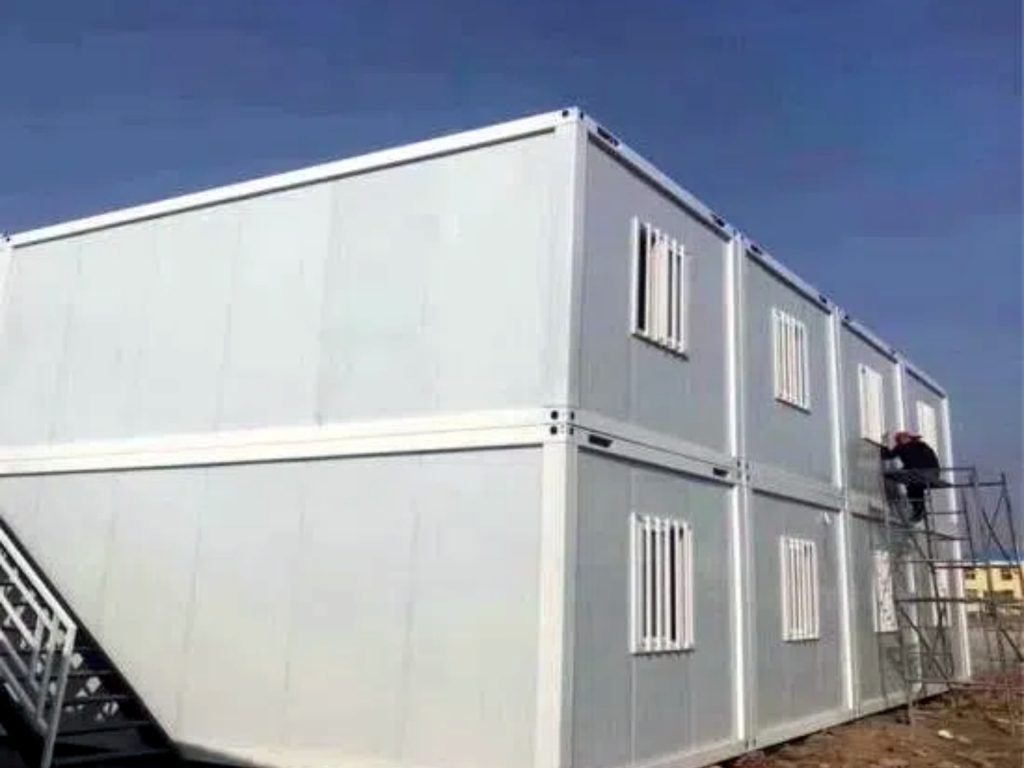
1. The Rising Demand for Institutional Mobile Container Dormitories: Market and Industry Context
The global market for modular and mobile institutional housing is experiencing robust growth, driven by evolving institutional needs and favorable policy support. According to industry reports, the global mobile board房 market is projected to expand at a CAGR of 9.1% from 2025 to 2030, with institutional applications accounting for over 40% of total demand. This growth is fueled by a confluence of factors that make traditional housing solutions increasingly unviable for institutions.
1.1 Dynamic Institutional Needs and Flexibility Requirements
Institutions often face fluctuating housing demands that require flexible, scalable solutions. For educational institutions, rural schools with scattered student populations or urban universities hosting short-term programs need dormitories that can be deployed quickly and relocated if needed. Construction companies and infrastructure projects require temporary worker housing that can move alongside project sites, while non-profits and governments need emergency shelters for disaster relief or temporary resettlement. Traditional brick-and-mortar dormitories, with their long construction cycles and permanent nature, cannot adapt to these dynamic needs—often leading to underutilization or waste. Mobile container dormitories, by contrast, offer on-demand deployment, reusability, and reconfigurability, aligning perfectly with institutional flexibility requirements.
1.2 Cost and Efficiency Pressures on Institutions
Budget constraints are a universal challenge for institutions, making cost-effectiveness a top priority. Traditional dormitory construction involves high upfront costs, lengthy labor-intensive processes, and substantial maintenance expenses. Mobile container dormitories reduce total cost of ownership by 30-40% compared to traditional housing, thanks to streamlined manufacturing, rapid assembly, and low long-term maintenance. For cash-strapped institutions like rural schools or non-profits, this cost advantage is transformative. For example, the “Flying Box” public welfare project, which provides mobile dormitories for rural students in China, built its first unit for approximately $45,000—30% lower than the cost of a conventional school dormitory of the same size.
1.3 Policy Support for Sustainable and Modular Construction
Governments worldwide are promoting modular and prefabricated construction through policy incentives, further driving institutional adoption of mobile container dormitories. China’s Ministry of Housing and Urban-Rural Development offers subsidies for modular housing projects, including institutional facilities, while the EU’s Green Deal provides funding for sustainable mobile buildings. These policies encourage institutions to adopt eco-friendly solutions that reduce carbon emissions and construction waste—key strengths of mobile container dormitories.
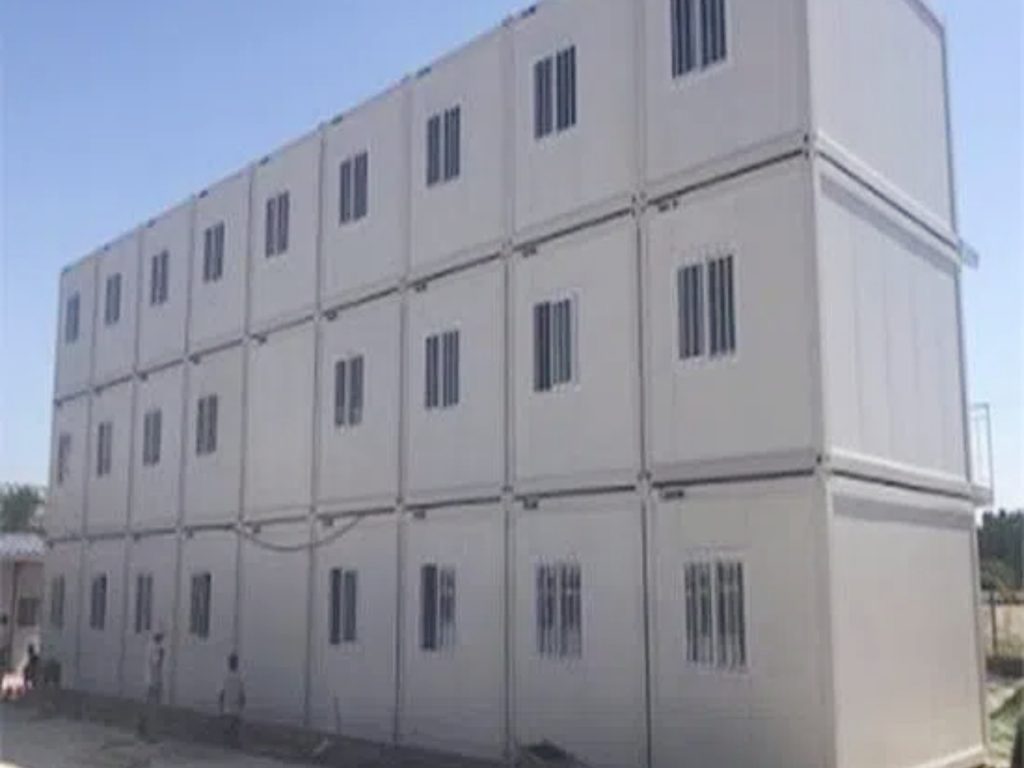
2. Technical Innovations: The Engineering of Efficient Modern Mobile Container Dormitories
Efficient modern mobile container dormitories for institutional use are the product of sophisticated engineering and innovative design, optimized to meet the unique demands of institutional users—safety, durability, efficiency, and comfort. Every component, from structural frames to smart systems, is engineered to deliver performance while maintaining mobility and cost-effectiveness.
2.1 Structural Design: Durability, Mobility, and Safety
The structural backbone of these dormitories is a high-strength steel frame, typically constructed from Q235 galvanized steel—a material renowned for its balance of strength, corrosion resistance, and affordability. The frame is precision-manufactured with pre-cut, pre-drilled components, ensuring seamless assembly and structural integrity. Corner pillars (210×150×30mm with 2.75mm thickness) provide robust support for vertical stacking (up to 3 levels), meeting EN 12079 and GB 50017 standards for seismic resistance (grade 8) and wind resistance (up to 12 levels, 220 km/h). This makes the dormitories suitable for diverse climates, from earthquake-prone rural areas to coastal regions with high salt spray.
Mobility is integrated into the structural design: units are lightweight (2.5-3 tons for a 20ft dormitory) and equipped with ISO-compatible lifting points, enabling transportation by truck, ship, or crane. Folding models, such as the LD-CH-016, can be compacted for transport—10 folded units fit into a single 40ft shipping container, reducing logistics costs by 50%. For institutional projects requiring frequent relocation, this design eliminates the need for disassembly and reassembly of components, ensuring rapid deployment at new sites.
Safety is paramount for institutional use, especially for student or worker dormitories. The dormitories comply with A-class fireproof standards (GB 8624-2012), using non-flammable rock wool insulation and fire-retardant steel components. Hidden wiring and sealed electrical compartments reduce fire hazards, while emergency exits and smoke detectors are integrated into the design. For high-security institutions like military camps or detention centers, optional steel security doors, anti-climb rails, and surveillance mounting points can be added.
2.2 Panel Technology: Efficiency in Insulation and Comfort
Walls, roofs, and floors use integrated sandwich panels that combine insulation, weatherproofing, and structural support—critical for institutional comfort and energy efficiency. Two primary panel configurations are available for institutional use: 75mm rock wool sandwich panels for high fire resistance and thermal performance, and 50mm fiberglass panels for cost-sensitive projects. Rock wool insulation has a thermal conductivity coefficient of 0.038 W/(m·K), maintaining stable indoor temperatures in extreme climates (-45℃ to 50℃), while fiberglass panels offer excellent soundproofing (60dB noise reduction)—essential for student dormitories or worker quarters.
The floor system comprises 18mm fiber cement board, 100mm fiberglass insulation, and 1.8mm anti-slip PVC flooring, supporting a load capacity of 2.5 kN/㎡—sufficient for bunk beds, storage cabinets, and heavy foot traffic. Roof panels feature a 0.4mm color steel sheet with PE finish, combined with waterproof sealing and drainage systems to prevent leaks, even in heavy rainfall. For educational institutions like rural schools, panels can be customized with sound-absorbing materials to minimize classroom-to-dormitory noise transmission.
2.3 Smart and Efficient Systems Integration
Modern institutional dormitories demand smart systems to enhance efficiency, safety, and manageability. These dormitories integrate IoT-enabled solutions that streamline operations for institutional administrators. Key smart features include:
-
Intelligent Energy Management: Roof-mounted monocrystalline silicon PV panels and lithium iron phosphate batteries provide renewable energy, reducing reliance on grid power. An AI-powered energy management system (EMS) optimizes power distribution, monitoring usage in real time and adjusting lighting, heating, and cooling to minimize waste. For off-grid rural schools, this system ensures reliable power for lighting, charging stations, and educational equipment.
-
Access Control and Safety Monitoring: RFID card access systems restrict entry to authorized personnel, while smoke detectors, carbon monoxide sensors, and emergency alarms connect to a central control panel. For student dormitories, administrators can monitor occupancy and safety status remotely via a mobile app, ensuring compliance with institutional safety protocols.
-
Water Conservation Systems: Low-flow faucets, showers, and water recycling systems reduce water consumption by 40%, critical for institutions operating in water-scarce regions. For construction camps or disaster relief sites, integrated water storage tanks (500L-1000L) ensure access to clean water during infrastructure disruptions.
2.4 Institutional-Specific Customization
Unlike generic mobile dormitories, those designed for institutional use offer extensive customization to meet sector-specific needs. Educational institutions may opt for dormitories with integrated study areas, bunk beds with storage, and outdoor activity platforms—like the “Flying Box” dormitories, which feature landscaped outdoor spaces and connections to school runways. Construction camps can customize units with shared bathrooms, laundry facilities, and tool storage areas, while emergency shelters may include medical examination rooms and quarantine compartments.
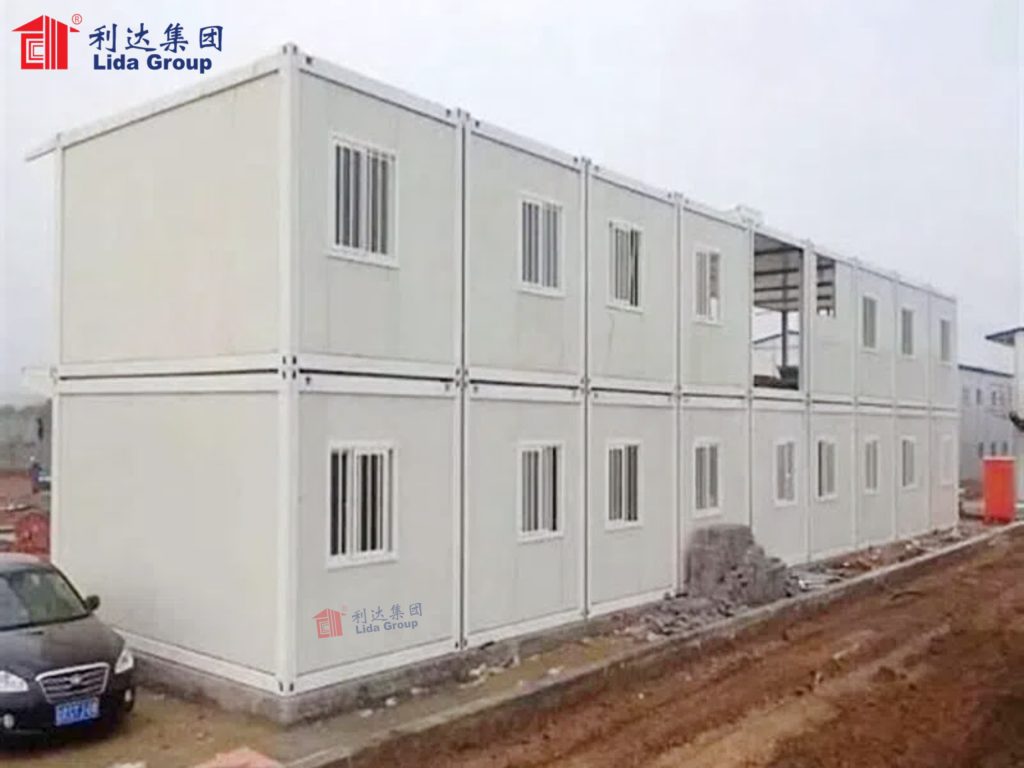
Modular combination allows for horizontal and vertical expansion, enabling institutions to scale housing capacity as needed. A rural school can start with 5 units to house 50 students and add 3 more units as enrollment grows, without disrupting existing operations. For large-scale institutions like universities or construction projects, dormitory complexes can be designed with shared kitchens, meeting rooms, and recreational spaces, creating a cohesive living environment.
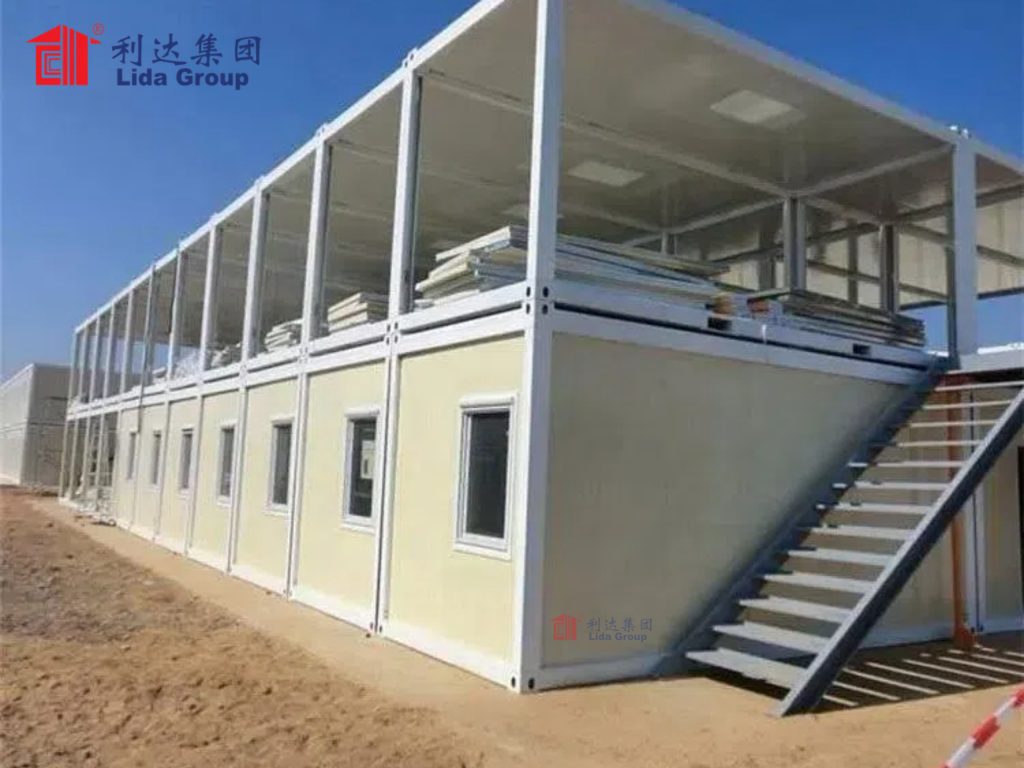
3. Core Advantages: Delivering Efficiency for Institutional Operations
Mobile container dormitories offer a suite of advantages that address the unique challenges of institutional housing, making them a superior alternative to traditional solutions. These advantages are rooted in efficiency—across deployment, operation, and lifecycle management.
3.1 Rapid Deployment and Time Efficiency
Institutions often require housing solutions on tight timelines—whether for the start of a school year, the launch of a construction project, or emergency response. Mobile container dormitories can be manufactured in 25-30 days and assembled on-site in hours to days. A 2-person team can assemble a 20ft unit in 4 hours, while a 10-unit dormitory complex for a rural school can be fully installed in 3 days—60% faster than traditional construction. The “Flying Box” project demonstrated this efficiency: the first dormitory at Guizhou Qianxi Shaba Primary School was designed, manufactured, and installed in just 3 months, ensuring students had accommodation before the new semester.
3.2 Cost Efficiency Across the Lifecycle
Institutions benefit from cost savings at every stage of the dormitory lifecycle. Upfront costs are 20-40% lower than traditional dormitories, thanks to standardized manufacturing, bulk material procurement, and reduced labor requirements. For example, a 200-square-meter institutional dormitory costs $50,000-$60,000, compared to $80,000-$100,000 for a conventional building of the same size. Long-term costs are minimized by low maintenance (annual costs under $500 per unit) and reusability—dormitories can be relocated to new sites or repurposed for other institutional needs, eliminating demolition and reconstruction costs.
Logistics costs are also reduced by the compact design: standard units stack 4-6 per 40ft shipping container, while folding models stack 10 units, cutting transportation expenses by half. For institutions operating across multiple locations, this mobility translates to significant cost savings in regional expansion.
3.3 Sustainability and Compliance
Institutions are increasingly held to high sustainability standards, and mobile container dormitories align with these goals. Up to 65% of the steel used in frames is recycled, reducing carbon emissions by 65% compared to virgin steel. Insulation materials are low-VOC and recyclable, complying with EU EC1+ standards, while energy-efficient systems lower carbon footprints. For non-profits and government agencies, this sustainability supports grant eligibility and public accountability.
Compliance with international standards (ISO, CE, TÜV) ensures that dormitories meet institutional regulatory requirements, from building codes to health and safety protocols. This eliminates costly rework and legal risks, a critical consideration for public institutions and non-profits.
3.4 Flexibility and Reusability
Institutional needs are often temporary or dynamic, and mobile container dormitories excel in adaptability. A construction company can relocate dormitories from a highway project to a railway site once work is completed, while a school can repurpose dormitories as classrooms if student enrollment declines. The “Flying Box” dormitories are designed for full reusability—units can be disassembled, transported to other rural schools, and reassembled with minimal wear, maximizing resource utilization for the Public welfare project.
This reusability also supports circular economy principles, reducing construction waste and aligning with institutional sustainability missions. For emergency response institutions, the ability to deploy dormitories quickly and repurpose them after crises ensures long-term value from short-term investments.
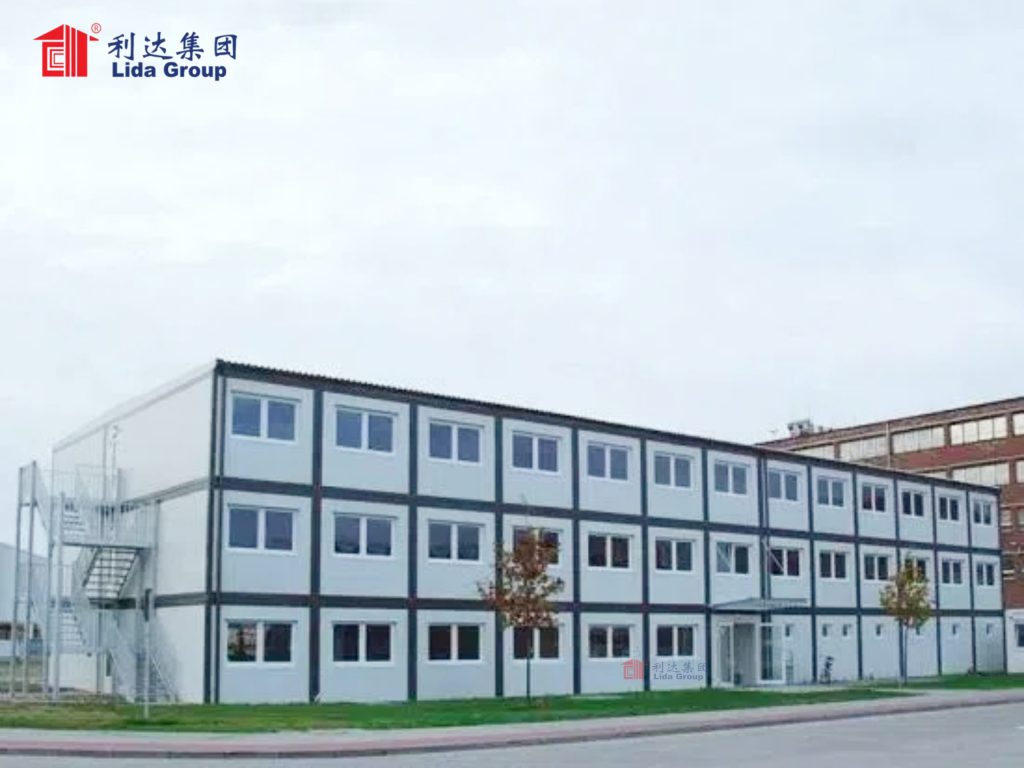
4. Institutional Application Scenarios: From Education to Emergency Response
The versatility of efficient modern mobile container dormitories makes them suitable for a wide range of institutional use cases, each tailored to sector-specific needs. Below are key applications that demonstrate their value across industries.
4.1 Educational Institutions: Rural and Urban Schools
Rural schools often face challenges of limited funding, scattered student populations, and fluctuating enrollment—making mobile container dormitories an ideal solution. The “Flying Box” project, launched by the China Youth Development Foundation, has deployed modular dormitories in rural schools across Guizhou, Hubei, Sichuan, and Yunnan provinces. These dormitories address the issue of long commutes for rural students, providing safe, comfortable accommodation with thermal insulation, natural lighting, and outdoor activity spaces. The second “Flying Box” dormitory at Hubei Badong Yaoyingping Primary School, designed by Huazhong University of Science and Technology, features Tujia ethnic architectural elements, integrating with local culture while delivering modern comfort.
Urban universities also benefit from these dormitories for short-term programs, summer camps, or temporary student housing during campus renovations. A university in California used 15 mobile container dormitories to house 150 international students during a 6-month exchange program, completing installation in 2 weeks and reducing costs by 35% compared to renting off-campus apartments. The dormitories were equipped with study areas, high-speed internet, and laundry facilities, meeting student expectations for modern living.
4.2 Construction and Infrastructure Projects
Construction companies and infrastructure developers rely on temporary worker housing that is safe, affordable, and mobile. Guangzhou Guizu Container Co., Ltd. supplies container dormitories to construction sites across China, featuring shared bathrooms, air conditioning, and tool storage. These dormitories can be deployed alongside project sites, ensuring workers have convenient accommodation close to their jobs, improving productivity and safety.
For large-scale infrastructure projects like Saudi Arabia’s NEOM Future City, mobile container dormitories are customized for high-temperature climates (up to 50℃) with enhanced insulation, ventilation, and solar energy systems. A team of 200 workers was housed in 40 units, installed in 5 days, with shared kitchens and recreational spaces to support worker well-being. After the project phase is complete, the dormitories will be relocated to other NEOM construction sites, maximizing reuse.
4.3 Non-Profit and Public Welfare Projects
Non-profits focus on cost-effectiveness, sustainability, and community impact—all strengths of mobile container dormitories. Beyond the “Flying Box” project, international NGOs use these dormitories for humanitarian aid, such as housing displaced families after natural disasters or supporting rural communities without access to permanent housing. During the COVID-19 pandemic, a Southeast Asian NGO deployed 50 mobile container dormitories as quarantine centers, equipped with medical-grade ventilation, sanitization stations, and remote health monitoring systems. The dormitories were later repurposed as community centers, ensuring long-term value for the investment.
4.4 Emergency Response and Disaster Relief
Governments and emergency management agencies require rapid-deployment housing for disaster survivors, and mobile container dormitories deliver on this need. After the Tubbs Fire in Santa Rosa, California, which destroyed over 6,300 homes, modified container dormitories were deployed to house displaced families, offering a durable alternative to tents. The dormitories were equipped with insulation, heating, and essential utilities, providing comfort during the recovery period.
In earthquake-prone regions like Nepal, mobile container dormitories are pre-positioned in strategic locations, ready to be deployed within 48 hours of a disaster. These dormitories meet grade 8 seismic resistance standards, ensuring safety in aftershocks, and can be customized as temporary medical facilities or community shelters as needed.
4.5 Military and Government Institutions
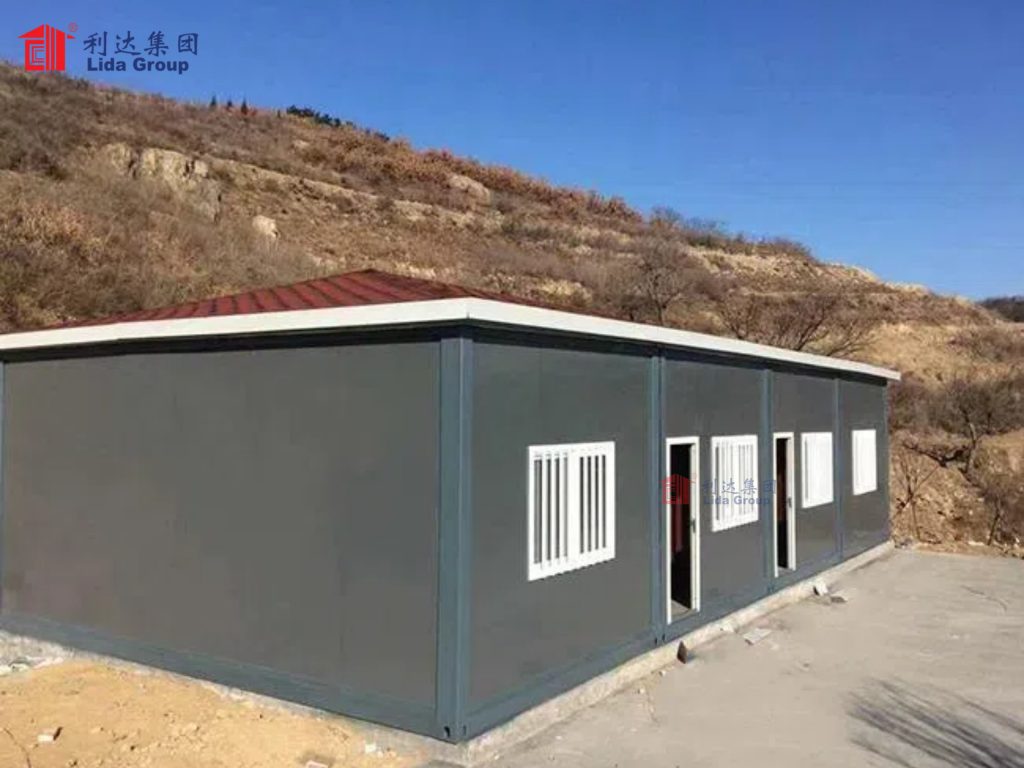
Military camps and border outposts require mobile, secure, and durable housing for personnel. Mobile container dormitories are customized with high-security features, including blast-proof panels, reinforced doors, and surveillance systems. For remote border stations, solar-storage integration ensures off-grid power supply, while thermal insulation maintains comfortable temperatures in extreme cold or heat. A military base in Mongolia uses 30 mobile container dormitories to house 300 personnel, with units stacked 2 levels high to save space. The dormitories can be relocated as border patrol routes change, supporting dynamic operational needs.
5. Industry Impact and Future Trends
Efficient modern mobile container dormitories are reshaping institutional housing, driving innovation in the modular construction industry and setting new standards for efficiency and sustainability. As institutional demand grows, several key trends are emerging that will further enhance their value.
5.1 Mainstream Adoption and Market Expansion
Once considered a niche solution, mobile container dormitories are gaining mainstream acceptance among institutions. The global institutional mobile housing market is projected to reach $6.3 billion by 2030, driven by adoption in education, construction, and emergency response sectors. Asia-Pacific leads growth, with China, India, and Indonesia investing in rural education and infrastructure projects, while North America and Europe focus on sustainability and emergency preparedness.
5.2 Technological Advancements: Smart and Sustainable Innovations
Future innovations will focus on enhancing smart integration and sustainability. Manufacturers are developing AI-powered predictive maintenance systems that monitor dormitory components (e.g., insulation, electrical systems) and alert administrators to potential issues before they escalate. 3D-printed components will streamline production, reducing lead times and enabling more complex institutional-specific designs. For sustainability, recycled ocean plastic insulation and carbon-negative steel frames will further reduce environmental impact, aligning with institutional net-zero goals.
Digital twin technology will allow institutions to simulate dormitory layouts, energy usage, and occupancy before deployment, optimizing design for specific needs. For example, a school can use a digital twin to test different dormitory configurations to maximize student comfort and space utilization.
5.3 Policy and Regulatory Alignment
Governments are updating regulations to support institutional use of mobile container dormitories, reducing barriers to adoption. China has streamlined approval processes for modular school dormitories, cutting wait times from 3 months to 15 working days, while the EU has expanded funding for sustainable institutional housing under the Green Deal. These policies will accelerate adoption, especially among public institutions.
5.4 Customization for Specialized Institutional Needs
Manufacturers are expanding customization options to meet specialized institutional requirements. For healthcare institutions, dormitories can be converted into temporary medical staff housing with infection control features, while for research facilities, units can be equipped with climate-controlled storage and laboratory space. This specialization will open new markets and solidify mobile container dormitories as a versatile institutional solution.
6. Conclusion
Efficient modern mobile container dormitories have emerged as a game-changing solution for institutional housing, blending technical innovation, efficiency, and adaptability to meet the dynamic needs of educational, construction, non-profit, and government institutions. By addressing core challenges of traditional housing—slow deployment, high costs, rigidity, and sustainability—these dormitories deliver value across the institutional lifecycle, from rapid installation to long-term reuse.
The technical advancements in structural design, smart systems, and customization ensure that dormitories meet institutional safety, comfort, and compliance requirements, while core advantages like cost efficiency and mobility align with budget and operational goals. Real-world applications, from the “Flying Box” rural school dormitories to construction camp housing and disaster relief shelters, demonstrate their versatility and impact across sectors.
As the industry evolves, technological innovations and policy support will further enhance the value of these dormitories, driving mainstream adoption and expanding their role in institutional operations. In an era where efficiency, sustainability, and flexibility are paramount, mobile container dormitories are not just a temporary housing solution—they are a strategic asset for institutions seeking to optimize resources, adapt to change, and deliver on their missions.
For institutions worldwide, efficient modern mobile container dormitories represent a shift toward more agile, sustainable, and cost-effective housing—one that supports operational excellence while addressing social and environmental priorities. As this technology continues to advance, it will redefine the future of institutional living, creating safer, more comfortable, and more resilient spaces for communities and workers globally.
Related news
-
Cost-Effective Prefab House Solutions from Lida Group
2026-01-22 16:01:34
-
Lida Group Launches Modern Mobile Container Dormitory Series
2026-01-22 15:21:00
-
Lida Group Pioneers Modern Metal Frame Building Techniques
2026-01-19 17:16:15
contact us
- Tel: +86-532-88966982
- Whatsapp: +86-13793209022
- E-mail: sales@lidajituan.com
