



Efficient and Durable Steel Structure Construction Solutions
2026-Jan-16 17:35:02
By Admin
In the contemporary construction industry, the pursuit of efficiency and durability has become a core driver of innovation, with steel structure solutions emerging as the gold standard for balancing these two critical attributes. Steel, as a versatile and high-performance building material, has revolutionized construction practices worldwide, replacing traditional concrete and masonry in countless industrial, commercial, residential, and infrastructure projects. Unlike conventional construction methods that are often plagued by prolonged timelines, material waste, and limited longevity, steel structure solutions offer unparalleled efficiency in design, manufacturing, and installation, coupled with exceptional durability that withstands extreme climates, structural stress, and the test of time. This article explores the multifaceted advantages of steel structure construction, delves into the technologies and methodologies that enhance its efficiency and durability, analyzes real-world applications across diverse sectors, and examines the future trends shaping the evolution of steel structure solutions. By synthesizing industry insights, technical data, and practical case studies, this piece demonstrates why steel structures have become the preferred choice for modern construction projects seeking long-term value, sustainability, and performance.
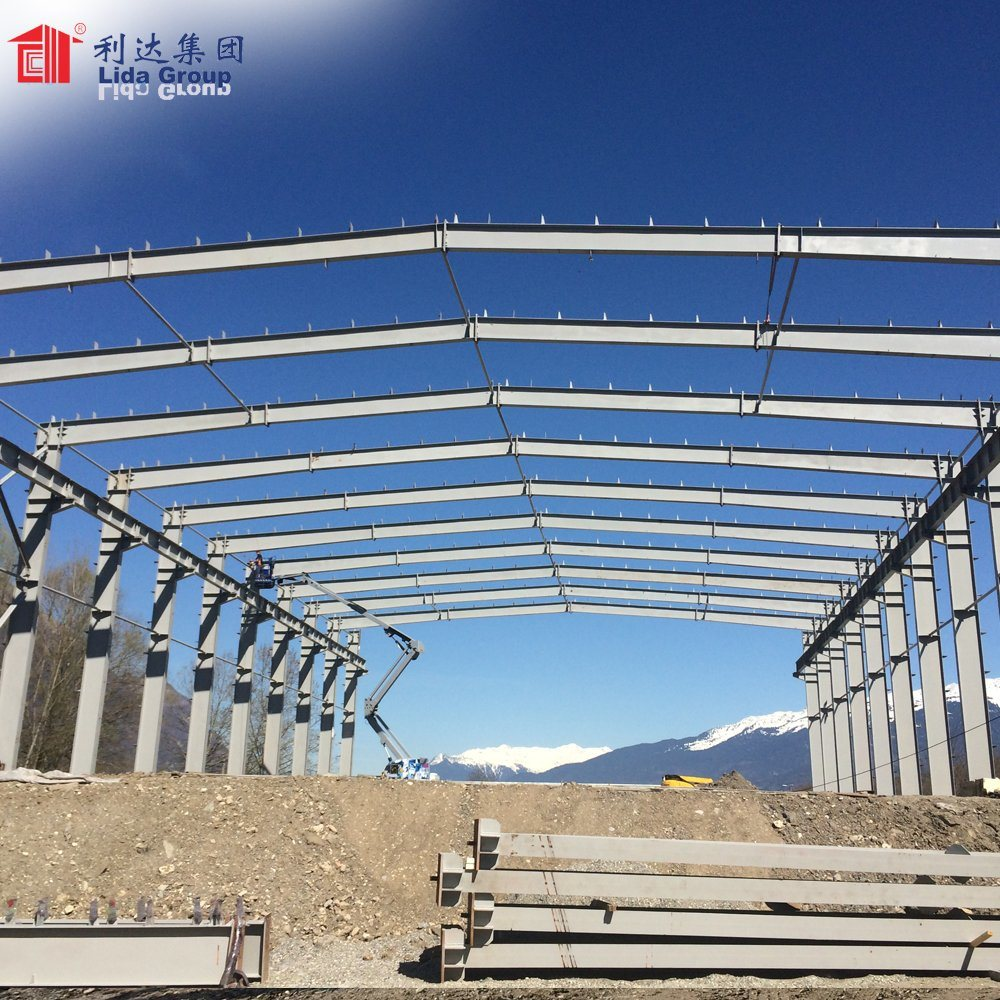
1. The Dual Core Advantages: Efficiency and Durability in Steel Structures
Steel structure construction stands out in the industry due to its inherent ability to deliver both efficiency and durability—two attributes that are often perceived as mutually exclusive in traditional building methods. Efficiency in steel construction manifests throughout the project lifecycle, from initial design to final installation, while durability is embedded in the material’s physical properties and enhanced by advanced processing techniques. Together, these advantages translate to reduced costs, shorter timelines, lower environmental impact, and extended service life, making steel structures a cost-effective and sustainable solution for modern construction needs.
1.1 Defining Efficiency in Steel Structure Construction
Efficiency in steel construction encompasses three key dimensions: design efficiency, manufacturing efficiency, and installation efficiency. Design efficiency refers to the ability to create optimized structural layouts that minimize material usage while maximizing load-bearing capacity, thanks to steel’s high strength-to-weight ratio. Steel’s tensile strength—up to 400-550 MPa for standard structural steel—allows for longer spans, slimmer columns, and more open floor plans, eliminating the need for excessive supporting members and reducing overall material consumption. This not only reduces material costs but also enhances architectural flexibility, enabling designers to create innovative spaces that would be impractical with concrete or wood.
Manufacturing efficiency is achieved through the prefabrication of steel components in controlled factory environments. Unlike on-site construction, which is vulnerable to weather delays, labor inconsistencies, and material waste, steel components are fabricated with precision using automated equipment, ensuring uniform quality and dimensional accuracy. Prefabrication reduces on-site work by 60-70% compared to traditional methods, as pre-cut, pre-welded, and pre-finished components are delivered to the site ready for assembly. This streamlines the construction process, shortens project timelines by 30-50%, and minimizes on-site labor requirements, addressing the global challenge of skilled labor shortages.
Installation efficiency is further enhanced by the lightweight nature of steel structures relative to their strength. Steel components are easier to transport and hoist, requiring smaller cranes and less heavy machinery than concrete structures. Modular assembly techniques, where prefabricated steel modules are joined on-site, enable rapid construction even in remote or constrained locations. For example, a 10,000-square-meter steel structure warehouse can be installed in 4-6 weeks, compared to 12-16 weeks for a concrete equivalent. This accelerated timeline not only reduces construction costs but also allows projects to become operational sooner, generating faster returns on investment for clients.
1.2 Defining Durability in Steel Structure Construction
Durability in steel structures is rooted in the material’s inherent properties and reinforced by protective treatments and structural design. Steel is inherently resistant to compression, tension, and bending, making it capable of withstanding heavy loads, seismic activity, and extreme weather conditions such as hurricanes, tornadoes, and snowstorms. Unlike concrete, which can crack over time due to shrinkage, creep, or environmental stress, steel maintains its structural integrity for decades with minimal maintenance. The average service life of a well-designed and protected steel structure is 50-100 years, compared to 30-50 years for traditional concrete buildings.
Corrosion resistance is a critical factor in ensuring steel durability, and modern steel structures employ a range of protective measures to mitigate rust and degradation. Hot-dip galvanizing, where steel components are coated with a layer of zinc, provides a sacrificial barrier that protects the underlying steel from moisture and chemicals. This treatment extends the component’s lifespan by 20-30 years in harsh environments such as coastal areas or industrial zones. Additional protective measures include epoxy coatings, polyurethane paints, and weathering steel—an alloy that forms a stable rust layer over time, eliminating the need for ongoing painting. These treatments ensure that steel structures maintain their performance even in corrosive, humid, or saline environments.
Steel’s durability is also enhanced by its fire resistance when properly treated. Intumescent paints and fireproof coatings expand when exposed to high temperatures, forming a protective layer that insulates the steel and maintains its structural strength for up to 2 hours. This meets international fire safety standards and ensures that steel structures can withstand fire incidents without catastrophic failure. Combined with steel’s resistance to pests, rot, and mold, these features make steel structures exceptionally durable and low-maintenance, reducing long-term operational costs for building owners.
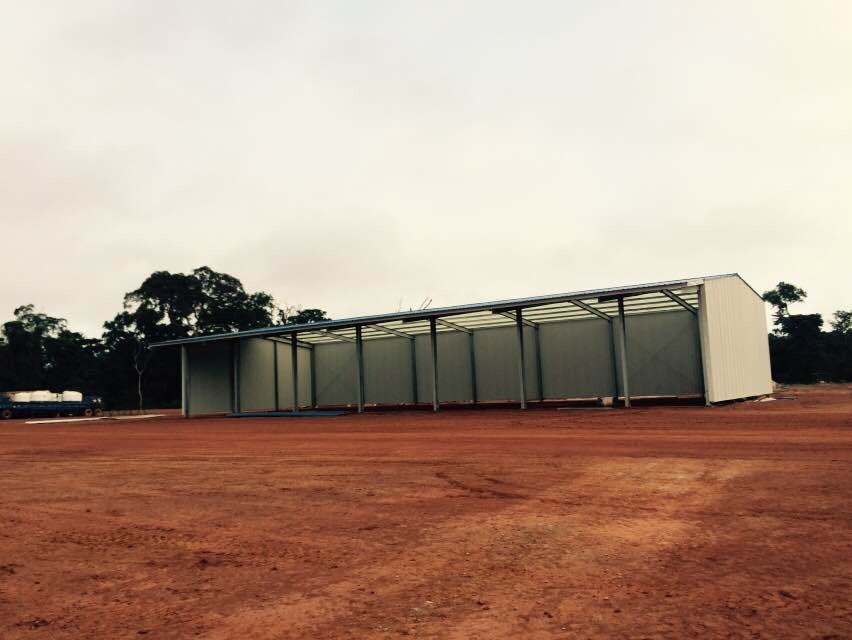
2. Design Optimization: The Foundation of Efficient and Durable Steel Structures
The efficiency and durability of steel structures begin with thoughtful design optimization, which leverages advanced technologies and engineering principles to maximize performance while minimizing waste. Modern design practices integrate digital tools, structural analysis, and architectural flexibility to create steel solutions that are both efficient to construct and durable in service.
2.1 Building Information Modeling (BIM) for Design Efficiency
Building Information Modeling (BIM) has revolutionized steel structure design by enabling 3D parametric modeling that integrates structural, mechanical, electrical, and architectural systems. Unlike traditional 2D blueprints, BIM creates a comprehensive digital twin of the project, allowing engineers to visualize, analyze, and optimize every component before construction begins. This digital approach eliminates design conflicts—such as clashes between steel beams and electrical wiring—early in the process, reducing costly rework and delays during installation.
BIM also enhances material efficiency by optimizing structural layouts to minimize steel usage. For example, in the design of a steel-framed office building, BIM software can analyze load paths and redistribute forces to reduce the size and number of structural members, cutting material costs by 10-15% while maintaining structural integrity. The software also generates accurate bills of materials, ensuring that only necessary components are fabricated, reducing waste and inventory costs. Additionally, BIM facilitates collaboration between design teams, contractors, and manufacturers, streamlining communication and ensuring that all stakeholders align on design goals, further enhancing project efficiency.
2.2 Structural Analysis for Durability and Performance
Structural analysis is a critical component of steel structure design, ensuring that the structure can withstand anticipated loads and environmental conditions over its lifespan. Engineers use advanced software such as SAP2000, ETABS, and Robot Structural Analysis to simulate stress, strain, seismic activity, wind loads, and temperature fluctuations, optimizing the design for durability. For example, in seismic zones, steel structures are designed with moment-resisting frames, braced frames, or eccentrically braced frames that absorb and dissipate seismic energy, protecting the structure from collapse.
Wind load analysis is another key aspect of durability design, particularly for tall buildings and structures in hurricane-prone regions. Steel structures are engineered to resist wind pressures of up to 2.5 kPa (52 psf) for high-rise buildings, with tapered columns and optimized beam spacing to reduce wind resistance. Temperature fluctuation analysis ensures that steel structures accommodate thermal expansion and contraction without cracking or warping, using expansion joints and flexible connections that maintain structural integrity in extreme heat or cold. These analyses ensure that steel structures are durable enough to withstand the most demanding environmental conditions.
2.3 Standardization and Modular Design for Efficiency
Standardization and modular design are key strategies for enhancing the efficiency of steel structure construction. Standardized steel components—such as I-beams, H-sections, and angle irons—are mass-produced in factories, reducing fabrication time and costs. These components are interchangeable, allowing for rapid assembly and simplifying maintenance and repairs over the structure’s lifespan. Modular design takes standardization a step further, grouping steel components into prefabricated modules that are assembled off-site and transported to the project site for final installation.
Modular steel structures offer significant efficiency gains, as modules can be fabricated concurrently with site preparation, reducing overall project timelines by 30-40%. For example, modular steel housing units can be fabricated in a factory in 2-3 weeks and installed on-site in days, compared to months for traditional construction. Modular design also enhances quality control, as modules are fabricated in controlled environments with strict quality standards, ensuring consistency and durability. Additionally, modular steel structures are highly adaptable, allowing for future expansions or modifications without major structural changes, further extending their service life and value.
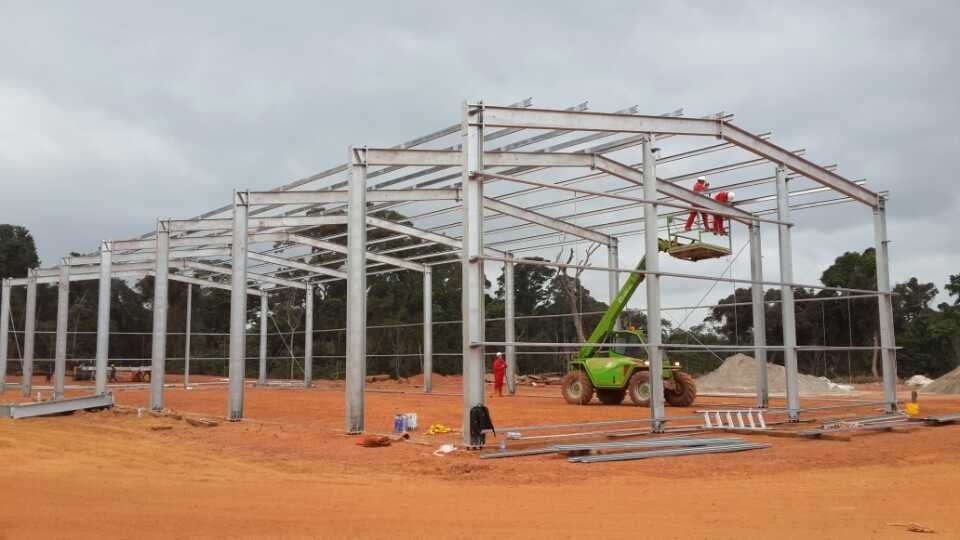
3. Advanced Manufacturing Technologies: Enhancing Precision and Durability
The efficiency and durability of steel structures are heavily influenced by manufacturing processes, with advanced technologies driving improvements in precision, quality, and consistency. Modern steel fabrication facilities employ automated equipment, robotic systems, and non-destructive testing to produce components that meet the highest standards of performance and durability.
3.1 Automated Fabrication and Robotic Welding
Automated fabrication technologies have transformed steel component production, replacing manual labor with precision machinery that ensures dimensional accuracy and consistency. CNC (Computer Numerical Control) cutting machines use laser, plasma, or waterjet technology to cut steel plates and sections with tolerances as tight as ±0.1 mm, eliminating errors and reducing waste. Automated bending and rolling machines shape steel components to exact specifications, ensuring that they fit perfectly during assembly.
Robotic welding is a cornerstone of modern steel fabrication, offering superior precision and strength compared to manual welding. Robotic welders can produce consistent, high-quality welds at a rate 3-5 times faster than manual welders, reducing fabrication time and labor costs. The welds are stronger and more uniform, minimizing the risk of structural weaknesses that could compromise durability. Additionally, robotic welding systems are equipped with sensors that monitor weld quality in real-time, detecting defects and making adjustments automatically. This level of precision ensures that steel components can withstand heavy loads and environmental stress for decades.
3.2 Non-Destructive Testing (NDT) for Quality Assurance
Non-destructive testing (NDT) is a critical quality control measure in steel fabrication, ensuring that components are free from defects that could affect durability. NDT methods allow inspectors to evaluate the structural integrity of steel components without damaging them, identifying internal flaws such as cracks, porosity, or incomplete welds. Common NDT techniques used in steel fabrication include ultrasonic testing, magnetic particle testing, liquid penetrant testing, and radiographic testing.
Ultrasonic testing uses high-frequency sound waves to detect internal defects, providing detailed images of the steel’s structure. Magnetic particle testing identifies surface and near-surface cracks by applying a magnetic field and iron particles, which cluster around defects. Liquid penetrant testing reveals surface cracks by applying a colored dye that seeps into cracks, making them visible after cleaning. Radiographic testing uses X-rays or gamma rays to produce images of internal structures, detecting defects that are invisible to other methods. These NDT techniques ensure that only defect-free components are shipped to the project site, maintaining the durability and safety of the steel structure.
3.3 Protective Coatings and Treatments for Durability
Manufacturing processes also include protective treatments that enhance the durability of steel components by preventing corrosion, rust, and environmental degradation. Hot-dip galvanizing is the most widely used treatment, where steel components are immersed in a bath of molten zinc, forming a thick, adherent coating that protects against moisture and chemicals. The zinc coating acts as a sacrificial anode, corroding slowly over time to protect the underlying steel. Hot-dip galvanizing provides protection for 20-30 years in rural environments and 10-15 years in coastal or industrial areas, with minimal maintenance.
Other protective treatments include epoxy coatings, which provide a hard, chemical-resistant barrier, and polyurethane paints, which offer UV resistance and flexibility. Weathering steel, also known as Corten steel, is an alloy that forms a stable, rust-like patina when exposed to the elements, preventing further corrosion. This material is ideal for outdoor structures such as bridges and sculptures, as it requires no additional coating and develops a unique aesthetic over time. These protective treatments ensure that steel components maintain their structural integrity and appearance, even in harsh environments.
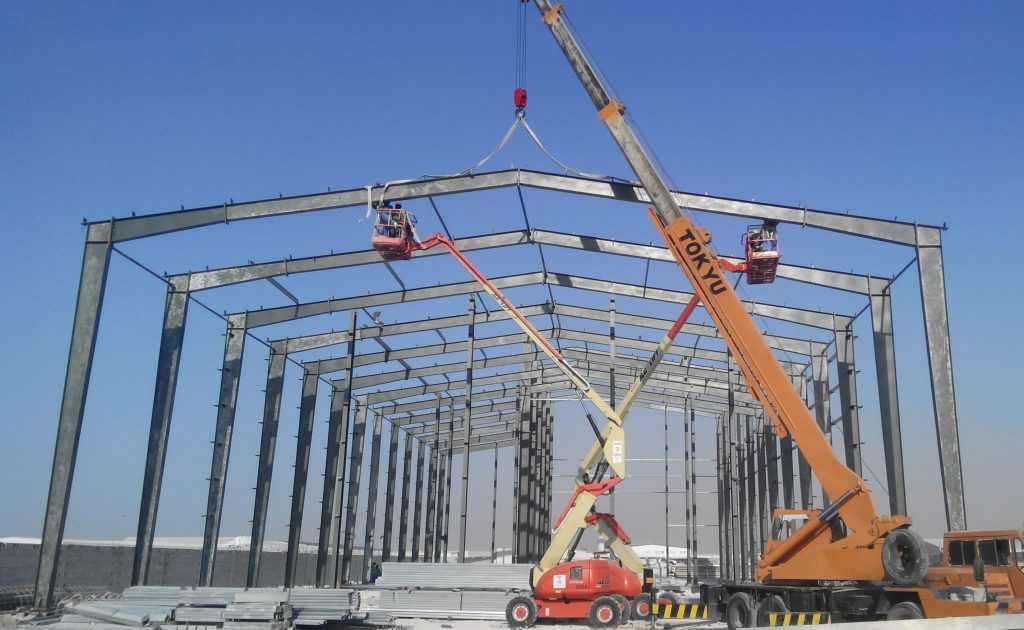
4. Material Innovations: Advancing Efficiency and Durability in Steel
Material innovations have played a pivotal role in enhancing the efficiency and durability of steel structures, with new steel alloys and composite materials offering improved performance, reduced weight, and enhanced sustainability. These innovations have expanded the applications of steel structures, making them suitable for even the most demanding projects.
4.1 High-Strength and High-Performance Steel Alloys
High-strength steel (HSS) alloys have revolutionized steel structure design, offering superior strength and stiffness compared to traditional carbon steel. HSS alloys such as S460, S550, and S690 have yield strengths ranging from 460 MPa to 690 MPa, allowing for the use of smaller, lighter components that reduce material usage and construction costs. For example, using S550 steel instead of standard S275 steel can reduce the weight of a steel frame by 20-25%, cutting material costs and simplifying transportation and installation.
Advanced high-performance steel alloys, such as weathering steel, fire-resistant steel, and seismic-resistant steel, are tailored to specific environmental and performance requirements. Fire-resistant steel retains its strength at high temperatures, eliminating the need for additional fireproof coatings in some applications. Seismic-resistant steel has enhanced ductility, allowing it to absorb seismic energy without breaking, making it ideal for structures in earthquake-prone regions. These specialized alloys ensure that steel structures are durable and safe in challenging conditions, expanding their applicability across diverse sectors.
4.2 Composite Materials for Enhanced Performance
Composite materials, which combine steel with other materials such as concrete, fiberglass, or carbon fiber, offer enhanced efficiency and durability compared to pure steel structures. Steel-concrete composite structures, for example, leverage the strength of steel and the stiffness of concrete, creating a system that is more efficient and durable than either material alone. In composite beams, steel I-beams are connected to concrete slabs, allowing the concrete to resist compression and the steel to resist tension, reducing the size of the beam and increasing load-bearing capacity.
Fiber-reinforced polymer (FRP) composites are another innovative material used to enhance steel structure durability. FRP coatings or wraps provide superior corrosion resistance, making them ideal for steel structures in coastal or industrial environments. FRP composites are also lightweight and flexible, allowing for easy application to complex steel components. Additionally, carbon fiber-reinforced steel offers enhanced strength and stiffness, reducing material usage and improving structural performance. These composite materials extend the service life of steel structures while reducing maintenance costs, making them a sustainable and cost-effective solution.
4.3 Sustainable and Recyclable Steel Materials
Sustainability is a key consideration in modern construction, and steel is one of the most sustainable building materials available. Steel is 100% recyclable without losing its strength, with over 90% of structural steel in new buildings coming from recycled materials. Recycling steel requires 74% less energy than producing steel from raw iron ore, reducing carbon emissions and environmental impact. Additionally, steel structures are highly durable, reducing the need for replacement and minimizing waste over their lifespan.
Green steel, produced using renewable energy sources such as hydrogen or solar power, is an emerging innovation that further enhances the sustainability of steel structures. Green steel production eliminates carbon emissions associated with traditional steelmaking, making it a key component of global efforts to combat climate change. By integrating sustainable steel materials into construction projects, builders can reduce their environmental footprint while delivering efficient and durable structures that meet green building standards such as LEED and BREEAM.
5. Real-World Applications: Efficient and Durable Steel Structures Across Sectors
The efficiency and durability of steel structures have made them the preferred choice for a wide range of applications across industrial, commercial, residential, and infrastructure sectors. Real-world case studies demonstrate how steel solutions deliver value by reducing construction time, lowering costs, and providing long-term performance in diverse environments.
5.1 Industrial Warehouses and Manufacturing Facilities
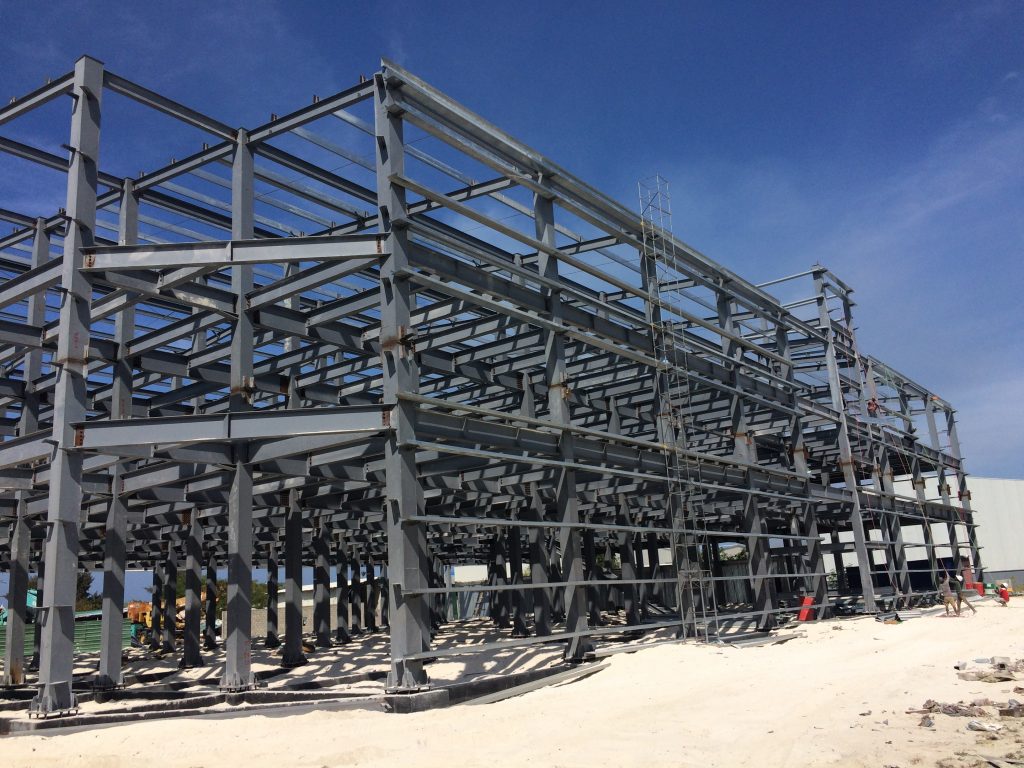
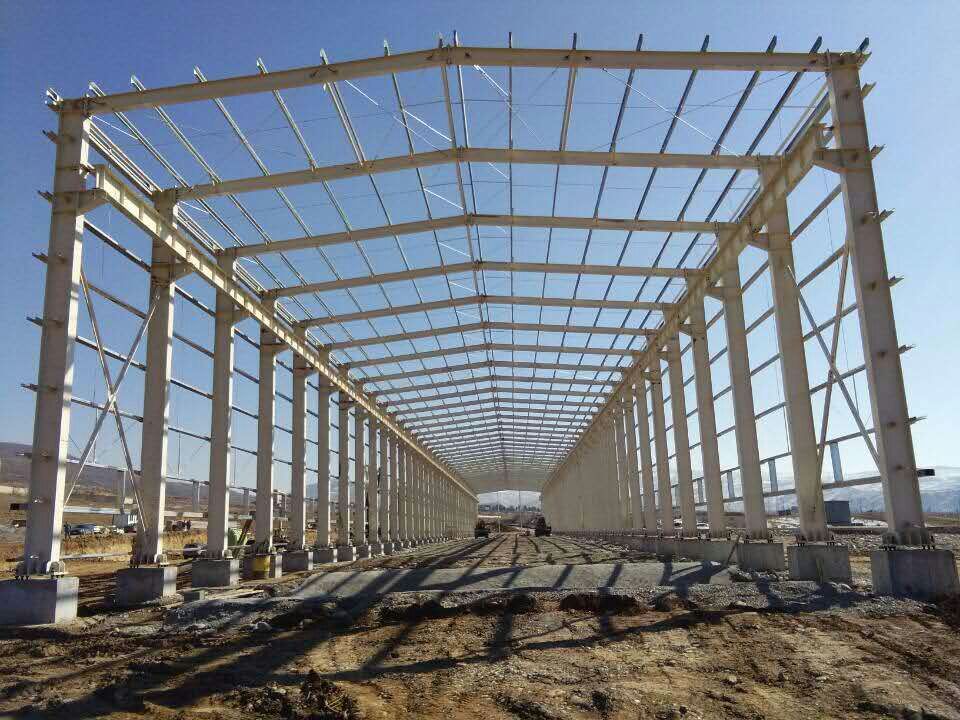
Industrial warehouses and manufacturing facilities require large, open spaces with high load-bearing capacity, making steel structures an ideal solution. Steel’s high strength-to-weight ratio allows for clear spans of up to 100 meters, eliminating the need for interior columns and maximizing usable space. Prefabricated steel components enable rapid construction, with a 50,000-square-meter warehouse typically completed in 8-12 weeks—half the time required for a concrete equivalent.
A case in point is a logistics warehouse in Germany, constructed using a steel frame with prefabricated components. The steel structure featured clear spans of 40 meters, allowing for flexible storage and material handling. The use of high-strength steel reduced the weight of the frame by 22%, cutting material and transportation costs. The warehouse was completed in 10 weeks, enabling the client to begin operations three months earlier than planned. The steel structure’s durability ensures that it can withstand heavy forklift traffic, extreme temperature fluctuations, and humidity, with a projected service life of 80 years.
5.2 Commercial High-Rise Buildings
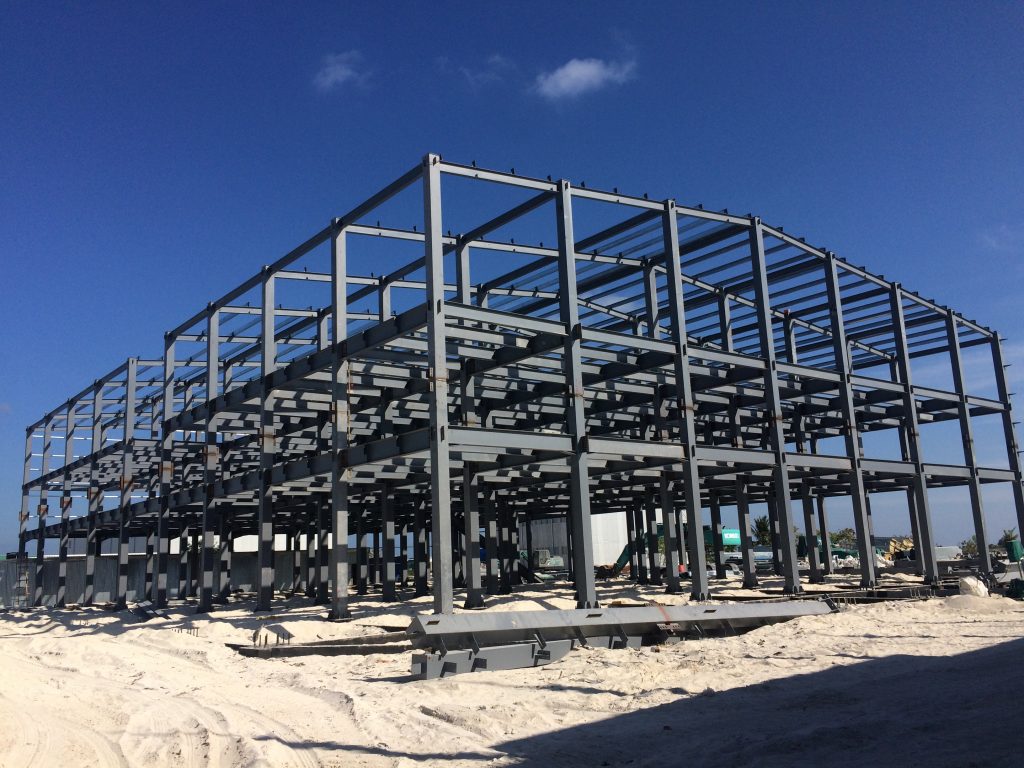
Commercial high-rise buildings demand efficiency in construction and durability in service, with steel structures offering the perfect balance. Steel’s lightweight nature reduces foundation costs, while its strength allows for tall, slender designs with open floor plans. Prefabricated steel components enable rapid vertical construction, with some high-rises adding one floor per week. Additionally, steel structures are highly adaptable, allowing for future renovations and expansions to meet changing tenant needs.
The Shanghai Tower, one of the tallest buildings in the world, features a steel frame with a reinforced concrete core, demonstrating the efficiency and durability of steel-concrete composite construction. The steel frame provides flexibility and strength, while the concrete core enhances stability and fire resistance. The use of BIM design optimized the steel structure, reducing material usage by 15% and minimizing construction delays. The tower’s steel structure is designed to withstand seismic activity and strong winds, with a projected service life of 100 years. The efficient construction process allowed the tower to be completed in 6 years, a remarkable feat for a 632-meter-tall building.
5.3 Infrastructure Projects: Bridges and Highways
Infrastructure projects such as bridges and highways require durable structures that can withstand heavy traffic, extreme weather, and environmental stress. Steel bridges offer superior durability compared to concrete bridges, with a service life of 75-100 years versus 50-75 years for concrete. Steel bridges are also easier to maintain and repair, with modular components that can be replaced without closing the entire bridge. Additionally, steel’s lightweight nature reduces transportation and installation costs, making it ideal for remote or difficult-to-access locations.
The Golden Gate Bridge in San Francisco is a legendary example of a durable steel bridge. Completed in 1937, the bridge’s steel structure has withstood decades of strong winds, saltwater corrosion, and seismic activity, thanks to regular maintenance and protective treatments. The bridge’s steel frame is painted with a specialized zinc-rich primer and topcoat that prevents corrosion, with repainting conducted every 7-10 years. The bridge’s durability and iconic design have made it a symbol of engineering excellence, demonstrating the long-term value of steel infrastructure.
5.4 Residential Construction: Steel-Framed Homes and Apartments
Steel structures are increasingly used in residential construction, offering efficiency, durability, and architectural flexibility. Steel-framed homes are faster to build than traditional wood or concrete homes, with prefabricated components that reduce on-site work by 60%. Steel is resistant to pests, rot, and mold, eliminating the need for chemical treatments and reducing maintenance costs. Additionally, steel frames are fire-resistant and seismic-resistant, making them safer than wood-framed homes.
A residential apartment complex in Sweden, constructed using steel-framed modules, demonstrates the efficiency and durability of steel in residential construction. The modules were fabricated in a factory, complete with walls, floors, and finishes, and transported to the site for assembly. The complex was completed in 4 months, compared to 12 months for a traditional concrete complex. The steel frames are hot-dip galvanized to resist corrosion, ensuring a service life of 70 years. The apartments feature open floor plans and large windows, made possible by steel’s strength and flexibility, creating bright, spacious living spaces.
6. Future Trends: Innovations Shaping the Next Generation of Steel Structures
The future of steel structure construction is marked by continuous innovation, with emerging technologies and trends poised to further enhance efficiency and durability. From artificial intelligence (AI) and robotics to sustainable manufacturing and smart structures, these innovations will redefine the capabilities of steel structures and expand their applications.
6.1 AI and Machine Learning for Design and Optimization
Artificial intelligence (AI) and machine learning are set to revolutionize steel structure design by automating complex tasks and optimizing performance. AI-powered design software can analyze thousands of structural configurations in minutes, identifying the most efficient and durable solution based on project requirements. Machine learning algorithms can learn from past projects, improving design accuracy and reducing errors over time. Additionally, AI can predict maintenance needs by analyzing data from sensors embedded in steel structures, allowing for proactive repairs and extending service life.
6.2 Smart Steel Structures with IoT Integration
The Internet of Things (IoT) is transforming steel structures into smart, connected systems that monitor and optimize performance in real-time. Sensors embedded in steel components collect data on temperature, humidity, stress, strain, and corrosion, transmitting the data to a central platform for analysis. This data allows building owners and engineers to detect potential issues early, reduce maintenance costs, and ensure that the structure remains durable and safe. For example, IoT sensors in a steel bridge can monitor traffic loads and structural stress, alerting engineers to potential fatigue or damage before it becomes critical.
6.3 Sustainable Manufacturing and Circular Economy
The steel industry is increasingly embracing sustainable manufacturing practices and the circular economy, with a focus on reducing carbon emissions and minimizing waste. Green steel production using hydrogen or renewable energy is expected to become mainstream in the next decade, eliminating carbon emissions from steelmaking. Additionally, the recycling of steel components at the end of their lifespan will become more efficient, with AI-powered sorting systems separating steel from other materials and optimizing the recycling process. This circular approach will ensure that steel remains a sustainable building material for future generations.
6.4 3D Printing of Steel Components
3D printing, or additive manufacturing, is an emerging technology that offers new possibilities for steel structure design and fabrication. 3D-printed steel components can be customized to complex shapes, eliminating the need for traditional cutting and bending processes. This reduces material waste and allows for innovative structural designs that are more efficient and durable. While 3D printing of large steel components is still in its early stages, advances in technology are making it increasingly feasible for commercial applications. In the future, 3D printing could revolutionize steel fabrication, enabling on-site printing of components and further reducing construction time and costs.
7. Conclusion
Efficient and durable steel structure construction solutions represent the future of modern construction, offering a unique combination of performance, sustainability, and value. Steel’s inherent strength, flexibility, and recyclability, combined with advanced design technologies, manufacturing processes, and material innovations, make it the ideal choice for projects across industrial, commercial, residential, and infrastructure sectors. The efficiency of steel structures is evident in their rapid design, prefabrication, and installation, which reduce project timelines, labor costs, and material waste. Their durability is guaranteed by protective treatments, structural analysis, and high-performance materials, ensuring that they withstand extreme conditions and maintain their integrity for decades.
Real-world case studies demonstrate the tangible benefits of steel structures, from accelerated construction timelines and reduced costs to extended service life and enhanced safety. As the construction industry evolves, emerging trends such as AI, IoT, green steel, and 3D printing will further enhance the efficiency and durability of steel structures, expanding their applications and solidifying their position as the gold standard for modern construction.
In a world where sustainability, efficiency, and durability are increasingly critical, steel structure construction solutions offer a proven, forward-thinking approach to building. By embracing steel’s unique advantages and leveraging innovative technologies, the construction industry can deliver projects that meet the needs of today while preparing for the challenges of tomorrow. For builders, owners, and engineers alike, steel structures are more than just a building material—they are a long-term investment in quality, performance, and sustainability that will endure for generations.
Related news
-
Discover the Strength of Our Metal Frame Building Systems
2026-01-09 17:51:00
-
High Quality Construction is the Hallmark of Lida Group
2026-01-16 16:55:21
-
Your Partner for Advanced Steel Structure Construction
2026-01-09 17:38:29
contact us
- Tel: +86-532-88966982
- Whatsapp: +86-13793209022
- E-mail: sales@lidajituan.com
