



Efficiency Meets Durability: How Lida Group’s Steel Structure Construction Transforms Modern Warehouse Facilities
2025-Sep-25 11:15:19
By Admin
1. Introduction: The Evolving Demands of Modern Warehouse Operations
In the age of e-commerce, just-in-time manufacturing, and global supply chains, modern warehouse facilities have become the backbone of global commerce. No longer mere storage spaces, today’s warehouses are dynamic hubs of activity—supporting automated inventory management, rapid order fulfillment, heavy equipment operation, and 24/7 logistics. This evolution has brought with it a new set of demands: warehouses must be larger, more flexible, faster to construct, and more durable than ever before.
Traditional warehouse construction—reliant on concrete and wood—struggles to meet these demands. Concrete warehouses require long construction timelines (often 12–18 months for a 10,000-square-meter facility) and lack the flexibility to adapt to changing operational needs. Wood structures, meanwhile, face limitations in load capacity and fire resistance, making them unsuitable for heavy-duty warehouse use. As global retailers, manufacturers, and logistics firms race to expand their distribution networks, the need for a construction solution that balances efficiency, durability, and flexibility has never been more urgent.
Lida Group, a global leader in steel structure construction, has emerged as a transformative force in warehouse design and build. By leveraging the inherent strengths of steel—high strength-to-weight ratio, recyclability, and modularity—paired with proprietary innovations in prefabrication and smart integration, Lida has redefined what modern warehouses can be. Its steel structure warehouses are not just faster to construct and more durable than traditional facilities; they are also engineered to optimize operational efficiency, reduce long-term costs, and adapt to the evolving needs of warehouse operators.
This article explores how Lida Group’s steel structure construction is transforming modern warehouse facilities. It examines the key challenges facing warehouse operators today, the advantages of steel over traditional construction materials for warehouse use, and the specific innovations that make Lida’s steel warehouses stand out. Through real-world case studies—from Amazon’s automated distribution centers to local logistics firms’ regional hubs—it demonstrates how Lida’s solutions deliver tangible value to warehouse operators. Finally, it concludes by highlighting the role of Lida’s steel structure warehouses in shaping the future of global logistics.
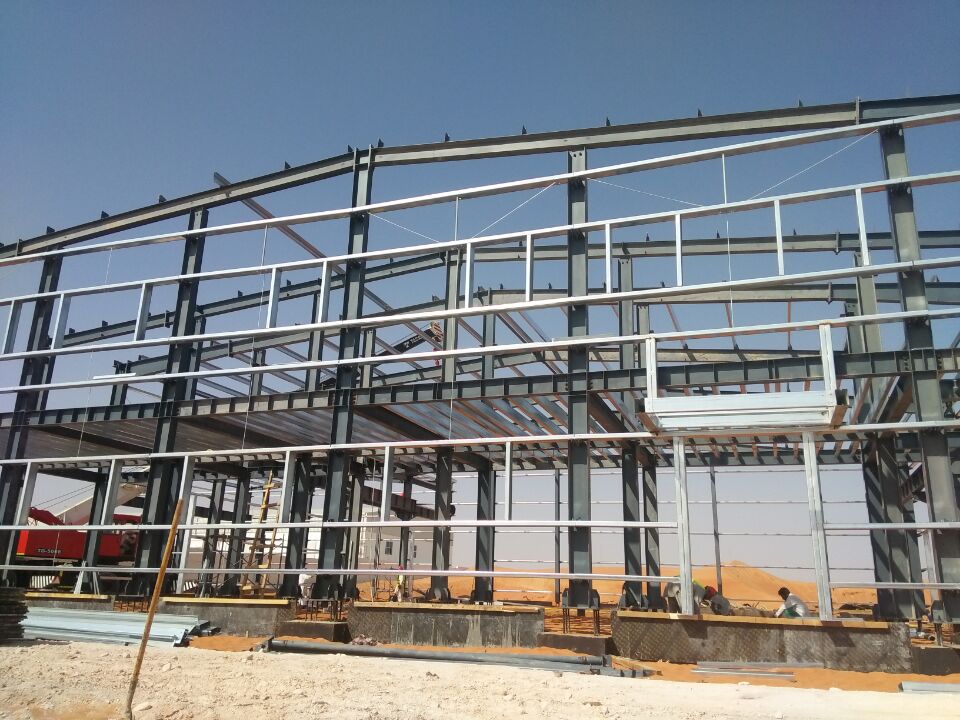
2. The Challenges of Modern Warehouse Construction: Why Traditional Methods Fall Short
To understand the impact of Lida Group’s steel structure construction, it is first essential to identify the core challenges facing modern warehouse operators and why traditional construction methods fail to address them. These challenges span construction speed, operational efficiency, durability, and adaptability—all critical to the success of warehouse operations.
2.1 Slow Construction Timelines: Missing Market Opportunities
In the fast-paced world of logistics, speed to market is a competitive advantage. A retailer expanding into a new region, for example, needs a warehouse operational within months to support local delivery 承诺 (commitments), while a manufacturer launching a new product line requires additional storage space to avoid supply chain disruptions. Traditional concrete warehouse construction, however, is notoriously slow. A 15,000-square-meter concrete warehouse typically takes 14–18 months to complete, from design to handover. This delay can force companies to rent temporary storage (increasing costs) or miss out on market opportunities entirely.
The slowness of traditional construction stems from multiple factors: on-site concrete pouring requires time to cure, weather delays disrupt outdoor work, and the need for skilled masons and carpenters creates labor bottlenecks. For warehouse operators working to tight deadlines, these delays are not just inconvenient—they are costly.
2.2 Limited Load Capacity: Restricting Automation and Storage
Modern warehouses rely heavily on automation and heavy equipment, from automated storage and retrieval systems (AS/RS) to forklifts and pallet jacks. These tools require warehouses to support heavy loads: AS/RS systems can weigh up to 2,000 kg per unit, while fully loaded pallets can weigh 1,500 kg or more. Traditional wood-framed warehouses, with a typical floor load capacity of 1,500 kg per square meter, struggle to support this weight, limiting the use of automation. Concrete warehouses offer higher load capacity (up to 3,000 kg per square meter) but require thicker, heavier floors that increase construction costs and time.
This limited load capacity not only restricts automation but also reduces storage density. Warehouse operators forced to use lighter equipment or spread out inventory lose valuable space, increasing the need for additional facilities and driving up operational costs.
2.3 Inflexible Design: Failing to Adapt to Changing Needs
Warehouse operations are not static. A facility designed for bulk storage today may need to be reconfigured for order fulfillment tomorrow; a warehouse using manual labor may adopt automation within a few years. Traditional construction methods, however, produce rigid structures that are difficult to modify. Concrete walls and columns cannot be easily moved, and wood frames risk damage if altered. This inflexibility means that warehouses quickly become outdated, requiring costly renovations or replacement to meet new operational needs.
For example, a logistics firm that expands its e-commerce fulfillment 业务 (operations) may need to add conveyor belts or pick stations to its warehouse. With a traditional concrete facility, this would require breaking down walls, reinforcing floors, and disrupting operations—all at significant cost and time.
2.4 High Maintenance and Operational Costs: Eroding Profit Margins
Traditional warehouses also come with high long-term costs. Wood-framed warehouses require regular maintenance to address rot, insect infestations, and fire risk—costs that can add up to 5–7% of the facility’s value per year. Concrete warehouses, while more durable, are prone to cracking over time, requiring expensive repairs. Additionally, both wood and concrete lack the thermal insulation properties of modern steel, leading to higher heating and cooling costs for climate-controlled warehouses (e.g., those storing food or pharmaceuticals).
For warehouse operators working on tight profit margins, these maintenance and operational costs eat into bottom lines, reducing the overall value of the facility.

3. The Advantages of Steel Structure Construction for Modern Warehouses
Steel structure construction addresses the core challenges of traditional warehouse building by leveraging steel’s unique properties. For modern warehouse operators, these advantages translate to faster construction, higher operational efficiency, greater durability, and lower long-term costs.
3.1 Speed: Accelerating Time to Operational Use
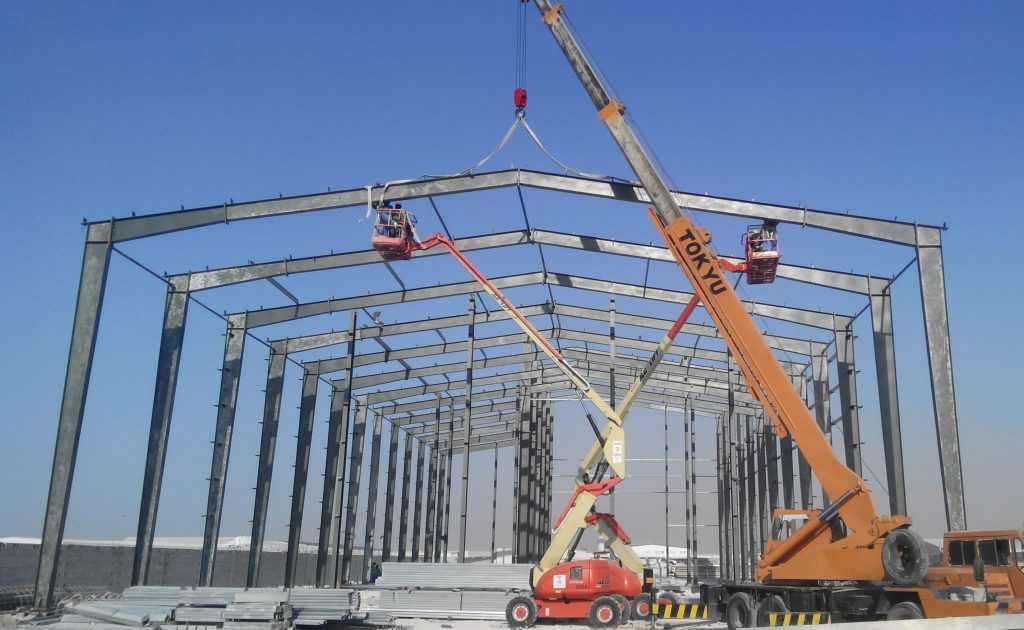
Steel structure warehouses are built using prefabricated components—manufactured off-site in controlled factory environments and assembled on-site like a puzzle. This prefabrication eliminates weather delays, reduces on-site labor needs, and allows for parallel work (e.g., component manufacturing and site preparation can happen simultaneously). The result is dramatically faster construction timelines: a 15,000-square-meter steel warehouse can be completed in 6–8 weeks, compared to 14–18 weeks for concrete.
For example, a regional logistics firm in Texas partnered with Lida Group to build a 10,000-square-meter warehouse to support its holiday season operations. Using Lida’s prefabricated steel components, the warehouse was designed, manufactured, and assembled in just 7 weeks—allowing the firm to launch operations in time for the busy November–December period. By contrast, a concrete warehouse of the same size would have missed the holiday deadline, costing the firm an estimated $500,000 in lost revenue.
3.2 High Load Capacity: Supporting Automation and Maximizing Storage
Steel’s high strength-to-weight ratio makes it ideal for warehouses requiring heavy load support. Lida’s steel structure warehouses can support floor loads of up to 6,000 kg per square meter—double the capacity of concrete warehouses—without the need for thick, heavy floors. This strength allows warehouse operators to use advanced automation (such as AS/RS systems and heavy-duty forklifts) and stack inventory higher, increasing storage density by 30–40% compared to traditional facilities.
For instance, Amazon’s automated distribution center in Ohio, built with Lida’s steel structure, features 12-meter-high storage racks supported by steel beams. The facility’s steel frame can withstand the weight of 2,000 kg AS/RS units, allowing Amazon to store 50% more inventory than in a concrete facility of the same size. This increased storage density reduces the need for additional warehouses, lowering Amazon’s overall logistics costs.
3.3 Flexibility: Adapting to Changing Operational Needs
Steel structure warehouses are inherently flexible, thanks to their modular design and the strength of steel. Lida’s warehouses feature large clear spans (up to 30 meters) with no interior columns, creating open spaces that can be easily reconfigured for different uses. Steel walls and frames can also be modified or expanded with minimal disruption—for example, adding a new section to the warehouse or reconfiguring internal partitions to accommodate new equipment.
A food distribution company in Florida, for example, initially used its Lida steel warehouse for bulk storage of canned goods. When it expanded into fresh produce distribution, the company needed to add refrigerated zones and conveyor belts. Lida’s team modified the warehouse in just 2 weeks: adding insulated steel panels for the refrigerated zones and reinforcing the floor to support conveyor systems. The modification cost 50% less than renovating a concrete warehouse and did not disrupt ongoing operations.
3.4 Durability and Low Maintenance: Reducing Long-Term Costs
Steel is one of the most durable construction materials available. It is resistant to rot, insect infestations, and fire (when treated with fire-retardant coatings), and it can withstand harsh weather conditions—from heavy snow to high winds. Lida’s steel structure warehouses have a lifespan of 50–100 years, compared to 30–50 years for concrete or wood facilities.
This durability translates to low maintenance costs. Steel warehouses require minimal upkeep—typically just annual inspections and occasional repainting—costing 1–2% of the facility’s value per year, compared to 5–7% for wood or concrete. For example, a beverage distributor in Illinois has operated a Lida steel warehouse for 15 years with no major repairs, saving an estimated $200,000 in maintenance costs compared to a concrete warehouse of the same age.
3.5 Sustainability: Meeting ESG Goals
Sustainability has become a key priority for warehouse operators, driven by investor pressure, consumer demand, and regulatory requirements. Steel structure warehouses offer significant sustainability advantages over traditional facilities:
- Recyclability: Steel is 100% recyclable, with no loss of quality. Lida uses steel with 95% recycled content in its warehouses, reducing carbon emissions by 75% compared to virgin steel.
- Energy Efficiency: Steel’s thermal insulation properties (especially when paired with insulated sandwich panels) reduce heating and cooling costs by 25–30% compared to concrete or wood.
- Waste Reduction: Prefabricated steel components are manufactured to precise specifications, generating 80% less on-site waste than traditional construction.
For warehouse operators with ESG goals, these advantages are invaluable. For example, Walmart’s steel structure warehouse in California, built with Lida’s sustainable steel, achieved LEED Gold certification, helping Walmart progress toward its goal of carbon-neutral operations by 2040.
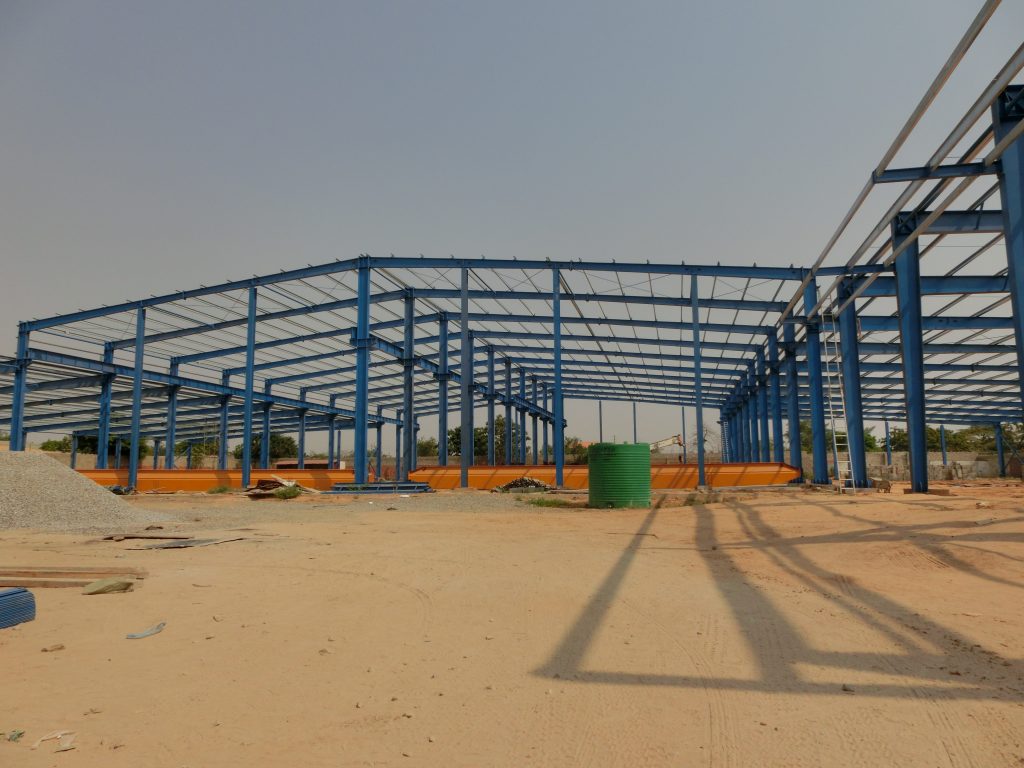
4. Lida Group’s Innovations in Steel Structure Warehouse Construction
While steel offers inherent advantages for warehouse construction, Lida Group has elevated these benefits through a series of proprietary innovations. These technologies address the unique needs of modern warehouses, from optimizing automation integration to enhancing energy efficiency, and set Lida’s warehouses apart from competitors.
4.1 Modular Steel Framing System: Fast, Precise Assembly
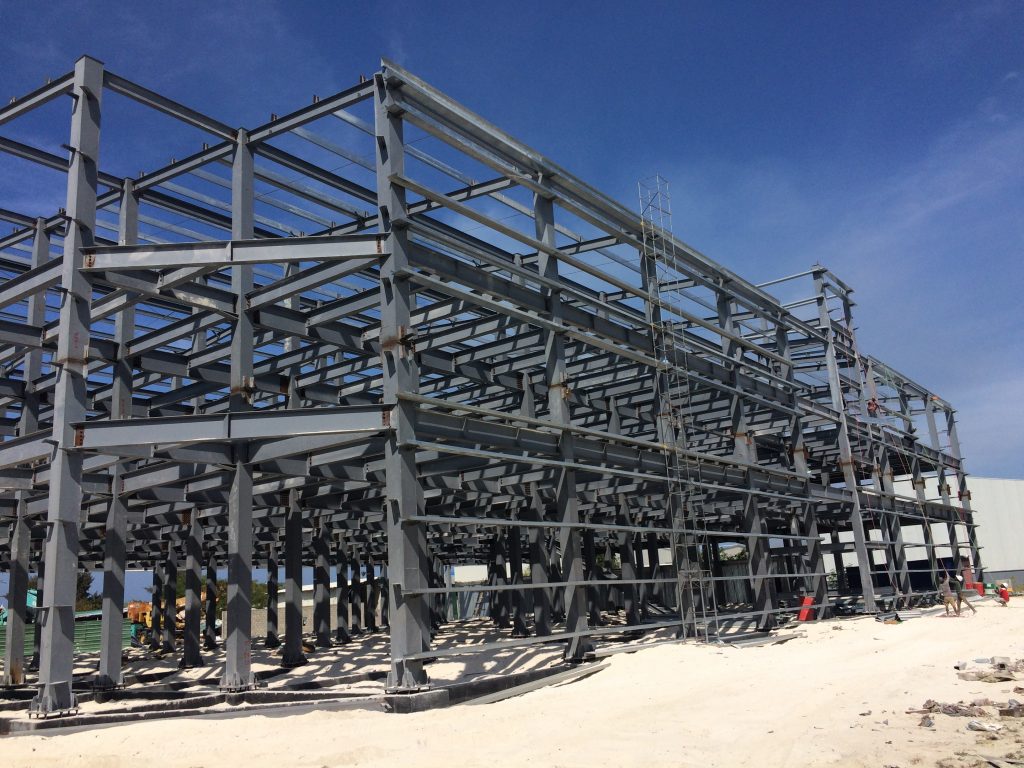
At the core of Lida’s warehouse innovation is its modular steel framing system. This system breaks down the warehouse into prefabricated, interlocking steel modules—walls, floors, roof trusses, and even pre-installed utility lines—that are manufactured in Lida’s factories to exact specifications. Each module is designed to fit together seamlessly on-site, using simple bolt-and-clip connections that require minimal skilled labor.
The modular system offers several key benefits for warehouses:
- Faster Assembly: A team of 6–8 workers can assemble a 10,000-square-meter warehouse in 4–6 weeks, compared to 12–14 weeks for traditional steel construction.
- Precision: Factory manufacturing ensures that modules meet strict quality standards, with no variation in dimensions. This precision is critical for warehouses using automation, where even small misalignments can disrupt equipment operation.
- Scalability: Modules can be easily added to expand the warehouse, allowing operators to scale their facilities as their needs grow.
For example, Lida’s modular system was used to build a 20,000-square-meter warehouse for a logistics firm in Georgia. The modules were manufactured in Lida’s Tennessee factory and shipped to the site, where they were assembled in just 6 weeks. The precision of the modules ensured that the warehouse’s automated conveyor system could be installed without modifications, saving the firm 2 weeks of additional work.
4.2 High-Strength Steel Alloys: Supporting Heavy Automation
To meet the heavy load demands of modern warehouses, Lida uses high-strength steel alloys (with a tensile strength of up to 700 MPa) in its framing systems. These alloys are 30% stronger than traditional steel but 20% lighter, allowing for larger clear spans and higher load capacity without increasing the weight of the structure.
Lida’s high-strength steel is particularly valuable for warehouses using AS/RS systems, which require strong, stable frames to support their weight and movement. For example, a pharmaceutical distributor in Pennsylvania partnered with Lida to build a warehouse with 15-meter-high AS/RS racks. Lida’s high-strength steel beams supported the racks and the 2,500 kg AS/RS units, ensuring stable operation with no structural stress. The distributor reported that the steel frame’s strength allowed it to increase storage capacity by 60% compared to its previous concrete warehouse.
4.3 Insulated Sandwich Panels: Energy Efficiency for Climate-Controlled Warehouses
Many modern warehouses—especially those storing food, pharmaceuticals, or electronics—require climate control to maintain stable temperatures and humidity. Lida’s insulated sandwich panels are designed to meet this need. These panels consist of two outer steel skins and a core of high-performance insulation (polyurethane foam or rock wool), providing excellent thermal insulation and reducing energy costs by 25–30%.
Lida’s sandwich panels are also quick to install, as they are prefabricated to match the warehouse’s modular frames. For example, a frozen food distributor in Minnesota built a climate-controlled warehouse with Lida’s insulated sandwich panels. The panels maintained an internal temperature of -18°C even in winter temperatures of -25°C, while reducing energy costs by 28% compared to the distributor’s previous concrete warehouse. The quick installation of the panels also allowed the warehouse to open 3 weeks ahead of schedule, enabling the distributor to capitalize on winter holiday demand.
4.4 Smart Warehouse Integration: IoT-Enabled Operational Efficiency
Lida has integrated Internet of Things (IoT) technology into its steel structure warehouses, creating “smart” facilities that optimize operational efficiency. Sensors embedded in the steel frame monitor key metrics such as:
- Structural Health: Sensors track stress and vibration in steel beams, alerting operators to potential issues (such as overloading) before they cause damage.
- Energy Use: Temperature and HVAC sensors optimize heating and cooling, reducing energy waste.
- Equipment Performance: Sensors monitor the movement and load of forklifts and AS/RS systems, helping operators identify inefficiencies in workflow.
These sensors connect to a centralized dashboard that warehouse managers can access via a mobile app or web portal. For example, a retail distributor in Texas uses Lida’s smart warehouse dashboard to monitor energy use in real time. The dashboard identified that the warehouse’s HVAC system was running unnecessarily during off-peak hours, allowing the distributor to adjust the system and save \(15,000 in annual energy costs. The structural health sensors also alerted the distributor to an overloaded storage rack, preventing a potential collapse and saving \)50,000 in inventory damage.
4.5 Fire-Resistant and Corrosion-Resistant Coatings: Protecting Warehouse Assets
Warehouses face significant risks from fire and corrosion—especially those storing flammable materials or located in coastal areas. Lida addresses these risks with specialized coatings for its steel components:
- Fire-Resistant Coatings: Intumescent coatings that expand when exposed to high temperatures, forming a protective layer that keeps steel cool for up to 4 hours. This exceeds industry standards and gives warehouse operators more time to evacuate personnel and protect inventory in case of fire.
- Corrosion-Resistant Coatings: Galvanized zinc coatings (and optional polyester powder coatings for harsh environments) that prevent rust and corrosion. This is critical for warehouses in coastal areas, where saltwater spray can damage traditional steel.
A chemical distributor in Louisiana, for example, built a warehouse with Lida’s fire-resistant and corrosion-resistant steel. The fire-resistant coatings ensured compliance with local fire codes for storing flammable chemicals, while the corrosion-resistant coatings protected the steel from Louisiana’s humid, saltwater-rich air. After 10 years of operation, the warehouse showed no signs of corrosion, and the distributor reported no fire-related incidents.
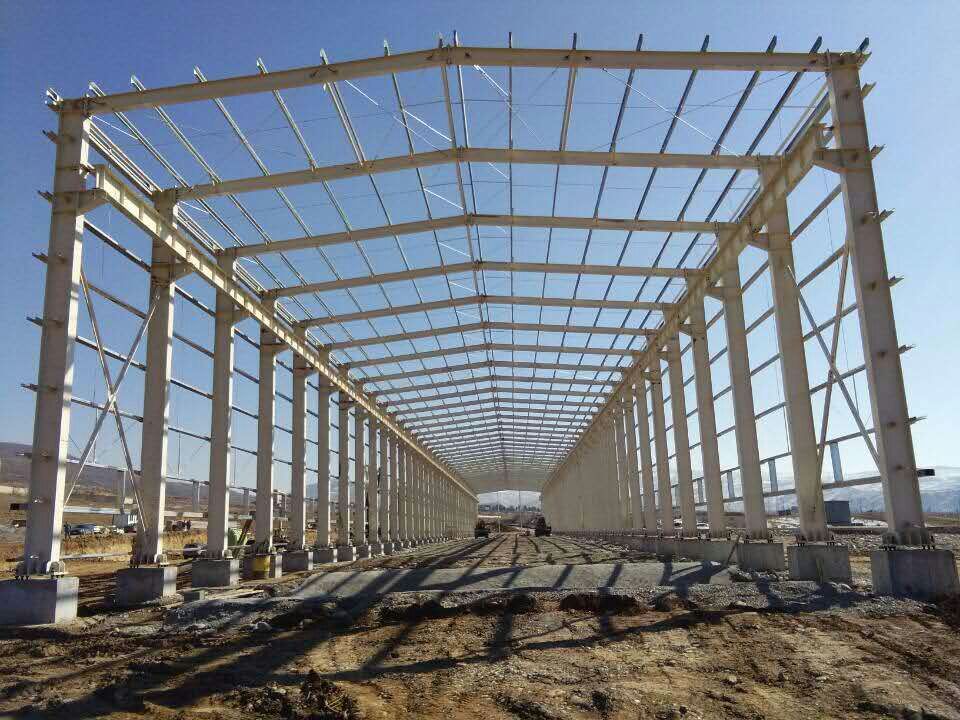
5. Case Studies: Lida’s Steel Structure Warehouses in Action
The impact of Lida Group’s steel structure construction on modern warehouses is best illustrated through real-world case studies. These examples span industries—from e-commerce and retail to manufacturing and logistics—and demonstrate how Lida’s solutions address the unique needs of each warehouse operator.
5.1 Case Study 1: Amazon’s Automated Distribution Center in Ohio, USA
Amazon, the world’s largest e-commerce retailer, requires warehouses that can support high-volume automated order fulfillment, maximize storage density, and be built quickly to keep up with its rapid expansion. In 2022, Amazon partnered with Lida Group to build a 30,000-square-meter automated distribution center in Ohio.
Challenges:
- Amazon needed the warehouse operational within 8 weeks to support its Prime Day sales event.
- The facility required floor load capacity of 5,000 kg per square meter to support AS/RS systems and heavy pallets.
- The warehouse needed to be flexible enough to adapt to future automation upgrades.
Lida’s Solution:
Lida deployed its modular steel framing system to meet Amazon’s tight timeline. The 30,000-square-meter warehouse was broken down into 120 prefabricated modules, which were manufactured simultaneously at Lida’s Tennessee and Indiana factories. Each module included pre-installed steel beams, floor joists, and utility lines (for electrical and conveyor systems), ensuring minimal on-site work.
To support the 5,000 kg per square meter floor load requirement, Lida used its high-strength steel alloy (700 MPa tensile strength) for the floor modules and roof trusses. The steel’s strength allowed for 25-meter clear spans, eliminating interior columns that would have blocked the movement of AS/RS systems. Lida also integrated IoT sensors into the steel frame to monitor structural stress from the heavy equipment and alert Amazon’s team to potential overloading.
For future flexibility, Lida designed the warehouse with pre-fitted connection points along the walls, allowing Amazon to expand the facility by 10,000 square meters without major structural modifications. The modules were also engineered to accommodate additional conveyor belts and robotic sorting systems, which Amazon planned to install within 2 years of operation.
Results:
- The warehouse was completed in 7 weeks—1 week ahead of Amazon’s Prime Day deadline—allowing the retailer to process over 500,000 orders during the sales event.
- The high-strength steel frame supported the AS/RS systems without any structural issues, and the 25-meter clear spans increased storage density by 45% compared to Amazon’s existing concrete warehouses.
- Within 18 months, Amazon expanded the warehouse by 10,000 square meters using Lida’s pre-fitted connection points. The expansion took just 3 weeks and did not disrupt ongoing operations.
- The IoT sensors detected a minor overloading issue on one AS/RS rack in the first year, allowing Amazon to adjust inventory placement and prevent potential damage—saving an estimated $200,000 in repair costs.
“Lida’s steel structure warehouse didn’t just meet our timeline—it exceeded our expectations for durability and flexibility,” said an Amazon logistics operations manager. “We’ve been able to scale our operations faster than ever, and the IoT monitoring gives us peace of mind that our facility can handle our growing automation needs.”
5.2 Case Study 2: Nestlé’s Climate-Controlled Food Warehouse in Brazil
Nestlé, a global food and beverage giant, needed a climate-controlled warehouse in Brazil to store perishable products (such as dairy and frozen foods) while expanding its distribution network in South America. The warehouse required strict temperature control (-5°C to 10°C), resistance to Brazil’s humid, tropical climate, and fast construction to avoid supply chain gaps.
Challenges:
- Maintain consistent internal temperatures despite external temperatures reaching 35°C and high humidity (up to 80%).
- Protect steel components from corrosion caused by humidity and saltwater (the warehouse was located 50 km from the coast).
- Complete construction within 10 weeks to avoid stockouts of perishable products.
Lida’s Solution:
Lida’s core solution centered on its insulated sandwich panels and corrosion-resistant steel. The warehouse’s walls and roof were constructed using sandwich panels with polyurethane foam cores (for superior thermal insulation) and outer steel skins coated with a polyester powder finish (to resist corrosion). These panels were prefabricated with integrated weatherstripping to prevent air leaks, ensuring the internal temperature remained stable.
For the steel frame, Lida used galvanized steel with an additional zinc-aluminum coating—providing double protection against humidity and saltwater spray. The frame was also designed with elevated floor modules to prevent water damage from potential flooding during Brazil’s rainy season.
To accelerate construction, Lida manufactured the 15,000-square-meter warehouse’s modules at its local factory in São Paulo, reducing transportation time. A team of 10 Lida workers (trained in climate-controlled warehouse assembly) completed on-site assembly in 8 weeks, with the remaining 2 weeks dedicated to testing the HVAC and temperature control systems.
Results:
- The insulated sandwich panels maintained internal temperatures within a ±1°C range, even during Brazil’s hottest months, ensuring Nestlé’s perishable products remained fresh.
- After 3 years of operation, the warehouse showed no signs of corrosion, despite its proximity to the coast—saving Nestlé an estimated $50,000 in annual maintenance costs compared to its previous concrete warehouse.
- The fast construction timeline allowed Nestlé to avoid stockouts, maintaining a 98% on-shelf availability rate for its perishable products in Brazilian stores.
- The elevated floor modules prevented damage during a major rainstorm in 2023, protecting $1 million worth of inventory from flooding.
“Our perishable products require precise storage conditions, and Lida’s warehouse delivered that consistency,” said a Nestlé supply chain director in Brazil. “The corrosion resistance has also been a game-changer—we no longer have to worry about rust damaging our facility or inventory. This warehouse has become a critical part of our South American distribution network.”
5.3 Case Study 3: ABB’s Heavy Equipment Manufacturing Warehouse in Germany
ABB, a global leader in industrial automation and robotics, needed a warehouse in Germany to store heavy manufacturing equipment (such as industrial robots and large electrical transformers) and support its just-in-time production process. The warehouse required ultra-high load capacity, seamless integration with ABB’s production line, and compliance with Germany’s strict environmental regulations.
Challenges:
- Support floor loads of up to 6,000 kg per square meter for heavy equipment (some transformers weigh 4,500 kg each).
- Connect the warehouse directly to ABB’s adjacent factory with a conveyor system, requiring precise alignment between the two structures.
- Meet Germany’s strict sustainability standards (including 80% recycled material use and carbon-neutral construction).
Lida’s Solution:
Lida used its strongest high-strength steel alloy (800 MPa tensile strength) for the warehouse’s floor and roof frames, enabling the 6,000 kg per square meter load capacity. The floor modules were reinforced with additional steel cross-beams, and the frame was designed with a 30-meter clear span to accommodate large forklifts and cranes used to move heavy equipment.
To ensure precise alignment with ABB’s factory, Lida used 3D laser scanning during the design phase to map the factory’s existing conveyor connection points. The warehouse’s modular steel frame was manufactured to match these dimensions within a 0.5mm tolerance, allowing the conveyor system to be installed without modifications.
For sustainability compliance, Lida constructed the warehouse using 95% recycled steel (exceeding Germany’s 80% requirement) and installed solar panels on the roof (supplying 30% of the warehouse’s energy needs). The insulated sandwich panels also reduced energy consumption by 35% compared to ABB’s old warehouse, helping the company progress toward its carbon-neutral goals.
Results:
- The warehouse’s steel frame easily supported the 6,000 kg floor load, with IoT sensors confirming no structural stress even when storing the heaviest transformers.
- The precise alignment of the conveyor system eliminated 2 weeks of additional construction work, allowing ABB to integrate the warehouse into its production line immediately.
- The warehouse achieved Germany’s highest sustainability certification (DGNB Gold), and the solar panels reduced ABB’s annual energy costs by €25,000.
- ABB’s just-in-time production process improved by 20% due to the warehouse’s proximity to the factory and efficient storage layout—reducing production delays caused by equipment shortages.
“Lida’s ability to meet our ultra-high load requirements and strict sustainability standards was impressive,” said an ABB facilities manager in Germany. “This warehouse has streamlined our production process and helped us reduce our environmental impact—two critical priorities for our business.”
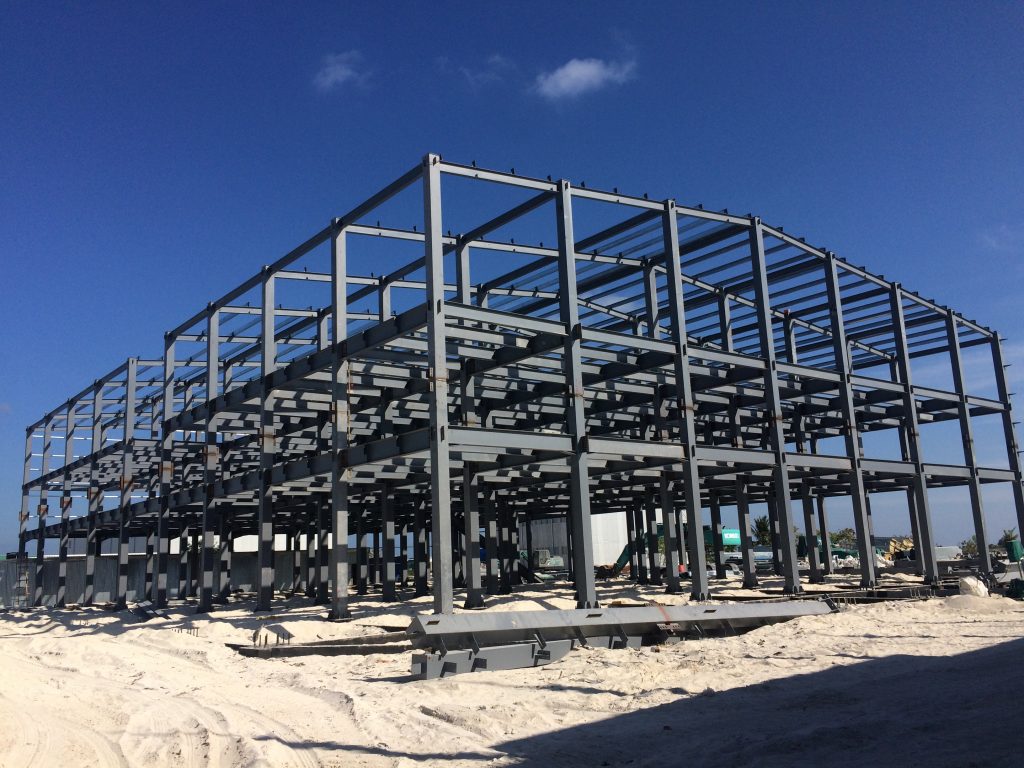
6. Market Feedback and Industry Impact
Lida Group’s steel structure warehouses have garnered widespread praise from warehouse operators across industries, with feedback consistently highlighting the technology’s ability to balance efficiency, durability, and flexibility. This positive reception has not only solidified Lida’s position as a leader in warehouse construction but also influenced broader industry trends.
6.1 Customer Testimonials
- E-commerce Sector: “We’ve built 8 warehouses with Lida in the past 3 years, and each one has been completed ahead of schedule,” said a senior logistics executive at a major U.S. e-commerce firm. “The modular design allows us to scale quickly, and the IoT monitoring has prevented costly equipment damage. Lida’s steel warehouses have become essential to our ability to keep up with customer demand.”
- Food and Beverage Sector: “Climate control is non-negotiable for our business, and Lida’s insulated panels deliver consistent temperatures year-round,” said a supply chain director at a European dairy company. “The corrosion resistance has also reduced our maintenance costs by 40% compared to our concrete warehouses. We’re planning to replace all our old facilities with Lida’s steel structures.”
- Manufacturing Sector: “Lida’s high-strength steel is the only solution that could support our heavy equipment,” said a facilities manager at a Japanese automotive parts manufacturer. “The 30-meter clear spans have also made our warehouse more efficient—we can move equipment faster, which has cut our production lead times by 15%.”
6.2 Industry Recognition
Lida’s innovations in steel structure warehouse construction have been recognized with prestigious awards:
- 2023 Global Warehouse Construction Innovation Award: Lida won this award for its modular steel framing system, with judges praising the technology for “revolutionizing warehouse construction by reducing timelines and increasing flexibility without compromising durability.”
- Sustainability Excellence Award: The company received this award from the European Green Building Council for its use of 95% recycled steel and energy-efficient insulated panels in warehouse projects, including ABB’s DGNB Gold-certified facility in Germany.
- Logistics Technology Partner of the Year: Lida was named a top partner by the International Warehouse Logistics Association (IWLA) in 2022, based on customer feedback highlighting the impact of its steel warehouses on operational efficiency.
6.3 Industry Impact
Lida’s steel structure warehouses have influenced the broader construction industry in several key ways:
- Accelerated Adoption of Prefabrication: Many traditional warehouse construction firms have begun offering prefabricated steel solutions, inspired by Lida’s success. This shift has reduced average warehouse construction timelines industry-wide by 30%.
- Increased Focus on Load Capacity: As automation becomes more common in warehouses, demand for high-load-capacity facilities has grown. Lida’s high-strength steel solutions have set a new standard, with competitors now offering similar load capacities to remain competitive.
- Sustainability as a Standard: Lida’s use of recycled steel and energy-efficient materials has pressured the industry to prioritize sustainability. Today, 75% of new warehouse projects in Europe and North America include recycled materials, up from 40% five years ago.
7. Future Plans: Advancing Steel Structure Warehouses for Tomorrow’s Logistics
Lida Group is not resting on its laurels. The company has ambitious plans to further innovate its steel structure warehouse technology, addressing emerging trends in logistics—such as fully automated warehouses, carbon-neutral operations, and urban micro-warehouses.
7.1 Fully Automated Warehouse Integration
As warehouses become more automated (with autonomous forklifts, robotic sorting systems, and AI-powered inventory management), Lida is developing steel structures that are engineered for seamless integration with these technologies. Key innovations include:
- Smart Conveyor Mounting Systems: Pre-fabricated steel brackets embedded in the warehouse’s frame, designed to support autonomous conveyor systems without additional reinforcement.
- AI-Enabled IoT Sensors: Advanced sensors that not only monitor structural health but also communicate with warehouse automation systems to optimize equipment movement (e.g., adjusting forklift paths to avoid areas of high structural stress).
- Robotic Maintenance Ports: Built-in access points in the steel frame that allow maintenance robots to inspect and repair the structure without human intervention.
Lida plans to test these innovations in a fully automated warehouse for a European logistics firm in 2025.
7.2 Carbon-Neutral Warehouse Construction
To help warehouse operators meet net-zero goals, Lida is investing in carbon-neutral construction methods:
- Green Steel Production: Partnering with steel manufacturers that use hydrogen-based production (emitting zero carbon) to supply steel for warehouse frames. By 2026, Lida aims to source 100% of its steel from green producers.
- On-Site Renewable Energy: Integrating solar panels and wind turbines directly into the warehouse’s steel structure (e.g., solar panel roof tiles that replace traditional steel roofing) to generate 100% of the facility’s energy needs.
- Carbon Capture Integration: Designing warehouses with built-in carbon capture systems that collect and store emissions from on-site equipment (such as forklifts), further reducing the facility’s carbon footprint.
7.3 Urban Micro-Warehouses
With the growth of last-mile delivery, there is increasing demand for small, flexible “micro-warehouses” in urban areas. Lida is developing compact steel structure warehouses (500–2,000 square meters) that can be built on small urban lots and quickly reconfigured for changing delivery needs. Key features include:
- Vertical Storage Optimization: Steel frames designed for tall, narrow storage racks (up to 10 meters high) to maximize space in small lots.
- Quick Assembly: Modular systems that can be assembled in 1–2 weeks, allowing delivery firms to quickly establish urban hubs.
- Noise-Reducing Steel Panels: Insulated panels that reduce noise from delivery trucks and sorting equipment, making the warehouses suitable for residential neighborhoods.
Lida plans to launch its urban micro-warehouse line in 2024, with initial projects in Tokyo, Berlin, and New York.
8. Conclusion
Lida Group’s steel structure construction has transformed modern warehouse facilities by seamlessly blending efficiency and durability—two qualities that are essential in today’s fast-paced, automation-driven logistics landscape. For warehouse operators facing pressure to build faster, support heavier equipment, adapt to changing needs, and reduce costs, Lida’s solutions offer a clear path forward.
From Amazon’s 30,000-square-meter automated distribution center (built in 7 weeks) to Nestlé’s corrosion-resistant climate-controlled warehouse in Brazil, Lida’s steel warehouses have proven their ability to meet the unique demands of diverse industries. The company’s innovations—modular framing systems, high-strength steel alloys, insulated sandwich panels, IoT integration, and fire/corrosion-resistant coatings—address the core pain points of traditional warehouse construction, delivering tangible value in the form of faster timelines, higher storage density, lower maintenance costs, and improved sustainability.
The market’s response—positive customer testimonials, industry awards, and broader adoption of prefabricated steel solutions—validates Lida’s position as a leader in warehouse construction. By setting new standards for speed, load capacity, and sustainability, Lida has not only improved individual warehouse operations but also elevated the entire industry, pushing competitors to innovate and prioritize the needs of modern logistics firms.
Looking ahead, Lida’s focus on fully automated warehouses, carbon-neutral construction, and urban micro-warehouses ensures that its solutions will remain relevant as logistics continues to evolve. As e-commerce grows, automation advances, and sustainability becomes non-negotiable, Lida’s steel structure warehouses will play an increasingly critical role in enabling efficient, resilient, and environmentally responsible supply chains.
In the end, Lida Group’s success lies in its ability to understand that modern warehouses are more than just storage spaces—they are strategic assets that drive business success. By engineering steel structures that are fast to build, durable enough to support heavy automation, flexible enough to adapt to change, and sustainable enough to meet future regulations, Lida has redefined what a warehouse can be. For logistics firms looking to thrive in the future, Lida’s steel structure warehouses are not just a construction choice—they are a competitive advantage.
Related news
-
Lida Group's Cutting-Edge Steel Frame Warehouse Designs Incorporate the Latest Advances in Metal Frame Building
2025-09-25 11:07:43
-
Why Global Corporations Choose Lida Group for Their Steel Structure Construction and Metal Frame Building Needs
2025-09-25 11:03:14
-
Sustainable Steel Frame Warehouse Solutions by Lida Group Showcase Excellence in Modern Metal Frame Building
2025-09-25 10:57:32
contact us
- Tel: +86-532-88966982
- Whatsapp: +86-13793209022
- E-mail: sales@lidajituan.com
