



Eco-Friendly Sandwich Panel House Redefines Green Construction Standards
2026-Feb-25 17:20:23
By Admin
In an era marked by growing global concern over climate change, resource depletion, and environmental degradation, the construction industry stands at a critical crossroads. As one of the world’s largest consumers of energy and raw materials, and a major contributor to greenhouse gas emissions (accounting for approximately 39% of global carbon emissions, according to the United Nations Environment Programme), the industry is under unprecedented pressure to transition from traditional, energy-intensive practices to sustainable, eco-friendly alternatives. Green construction—defined by its focus on environmental responsibility, resource efficiency, and human well-being—has emerged as the only viable path forward. However, traditional green building solutions often face a fundamental challenge: balancing environmental performance with practicality, affordability, and scalability. Many so-called “green” buildings are prohibitively expensive, difficult to construct, or fail to deliver on their sustainability promises over the long term. Against this backdrop, the eco-friendly sandwich panel house has emerged as a transformative innovation, redefining green construction standards by seamlessly integrating exceptional environmental performance, cost-effectiveness, durability, and adaptability—proving that sustainable building can be accessible, efficient, and scalable for communities and industries worldwide.
To understand how eco-friendly sandwich panel houses are redefining green construction standards, it is first essential to clarify what constitutes a true green building standard—and why traditional solutions have fallen short. Green construction standards, such as LEED (Leadership in Energy and Environmental Design), BREEAM (Building Research Establishment Environmental Assessment Method), and China’s GB/T 50378, are designed to evaluate a building’s environmental performance across key dimensions: energy efficiency, water conservation, material selection, indoor environmental quality, waste reduction, and carbon footprint. While these standards provide a valuable framework, many traditional buildings that claim to meet them rely on costly, niche materials or complex construction processes that make widespread adoption impractical. For example, some green buildings use expensive renewable materials that are difficult to source at scale, or require extensive on-site labor that increases carbon emissions and costs. Others prioritize short-term environmental gains (such as using recycled materials) but fail to address long-term sustainability (such as poor energy efficiency or lack of recyclability at the end of the building’s lifecycle). This gap between ideal and practicality has limited the impact of green construction, leaving the industry in need of a solution that can meet or exceed green standards while being accessible and cost-effective.
The eco-friendly sandwich panel house addresses this gap by reimagining the core of building design and construction. At its heart is the high-performance sandwich panel—a three-layer composite structure that combines two outer protective layers (typically made of galvanized steel, fiber-reinforced cement, or recycled composite materials) with a middle insulation layer (such as rock wool, expanded polystyrene (EPS), polyurethane (PU), or fiberglass). This seemingly simple design is engineered to deliver exceptional environmental performance across every stage of the building’s lifecycle—from material sourcing and production to construction, use, and end-of-life recycling. Unlike traditional buildings, which often prioritize one aspect of sustainability (e.g., energy efficiency) at the expense of others (e.g., material waste), the eco-friendly sandwich panel house achieves a holistic balance, setting new benchmarks for what green construction can and should be.
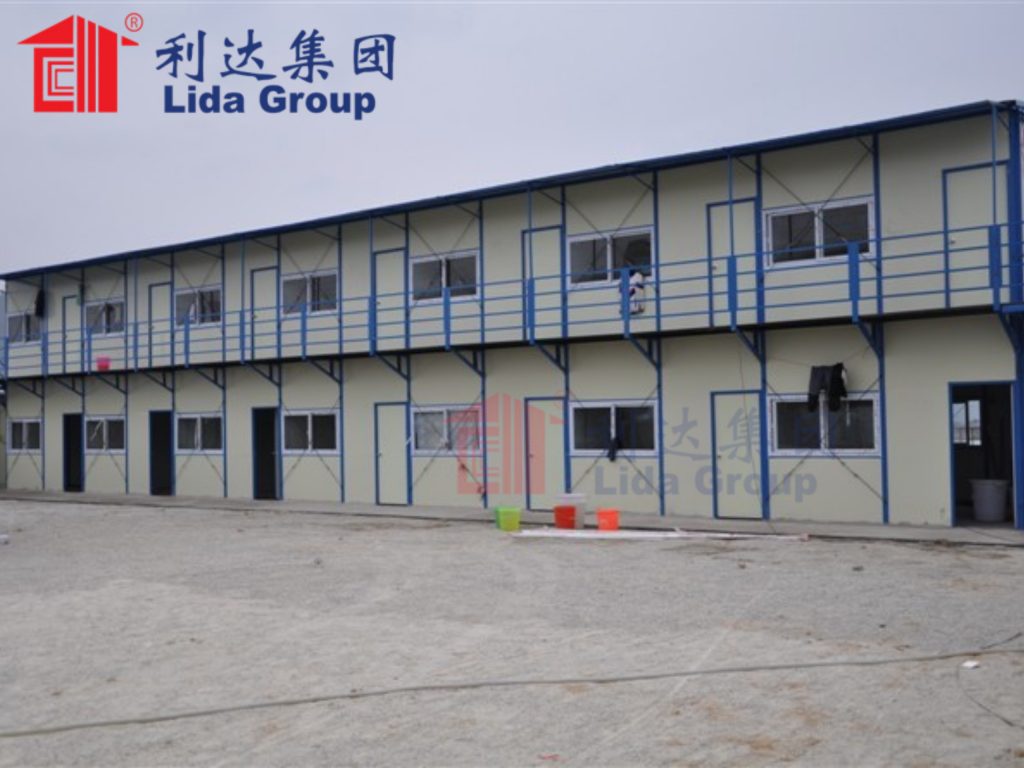
One of the most significant ways eco-friendly sandwich panel houses redefine green construction standards is through their commitment to sustainable material sourcing and production. Traditional construction relies heavily on virgin materials—such as concrete, brick, and steel—that require enormous amounts of energy to extract and process. For example, producing one ton of cement generates approximately one ton of carbon dioxide, making it one of the largest industrial sources of greenhouse gas emissions. In contrast, eco-friendly sandwich panels prioritize recycled, renewable, and low-impact materials, minimizing their environmental footprint from the outset.
The outer layers of the sandwich panels are often made from galvanized steel sourced from recycled materials—typically 98% recycled steel, according to industry standards. This not only diverts steel scraps from landfills but also reduces the energy required to produce new steel: recycling steel uses 74% less energy than producing virgin steel, and reduces carbon emissions by 72% (World Steel Association). For projects in environmentally sensitive areas, some manufacturers also offer outer layers made from fiber-reinforced cement (FRC), which is composed of natural materials (cement, sand, and plant fibers) and is 100% recyclable. The middle insulation layer is equally eco-conscious: rock wool insulation is made from recycled basalt rock or slag, both byproducts of industrial processes; EPS insulation is often made from recycled plastic, reducing plastic waste; and PU insulation is formulated to be low-VOC (volatile organic compound), minimizing indoor air pollution.
Beyond material selection, the production process of eco-friendly sandwich panels further elevates green construction standards. Unlike traditional on-site construction, which generates 10-15% material waste due to manual errors, imprecise cutting, and over-ordering, sandwich panels are manufactured in controlled factory environments using computer-aided design (CAD) and advanced numerical control (NC) machinery. This precision reduces material waste to less than 3%, a dramatic improvement that aligns with the circular economy principles of reduce, reuse, and recycle. Additionally, factory production minimizes on-site construction waste, which accounts for 30% of all municipal solid waste globally. The manufacturing process also prioritizes energy efficiency: most modern sandwich panel factories use renewable energy sources (such as solar or wind power) to power their operations, and implement closed-loop water systems to reduce water consumption by up to 80% compared to traditional manufacturing facilities.
Energy efficiency is another area where eco-friendly sandwich panel houses set new green construction standards. Traditional buildings often suffer from poor insulation, leading to excessive energy consumption for heating and cooling—accounting for 40% of a building’s total energy use. Eco-friendly sandwich panels are engineered for maximum thermal insulation, with a U-value (a measure of heat transfer) as low as 0.16 W/(m²·K), far below the minimum requirements of most green building standards (which typically require a U-value of 0.30 W/(m²·K) or higher). This exceptional insulation performance reduces heating and cooling energy consumption by 30-50% compared to traditional brick-and-concrete buildings, directly lowering carbon emissions and energy bills.
To enhance energy efficiency further, eco-friendly sandwich panel houses often integrate additional green technologies, such as solar panels, rainwater collection systems, and smart energy management systems. Solar panels installed on the roof can generate clean, renewable energy to power the building’s lighting, appliances, and heating/cooling systems, reducing reliance on fossil fuels. Rainwater collection systems capture and store rainwater for non-potable uses (such as irrigation, toilet flushing, and cleaning), reducing freshwater consumption by up to 40%. Smart energy management systems use sensors and AI to optimize energy use, automatically adjusting heating, cooling, and lighting based on occupancy and environmental conditions. These integrated technologies not only improve the building’s environmental performance but also make it more resilient and cost-effective over time.
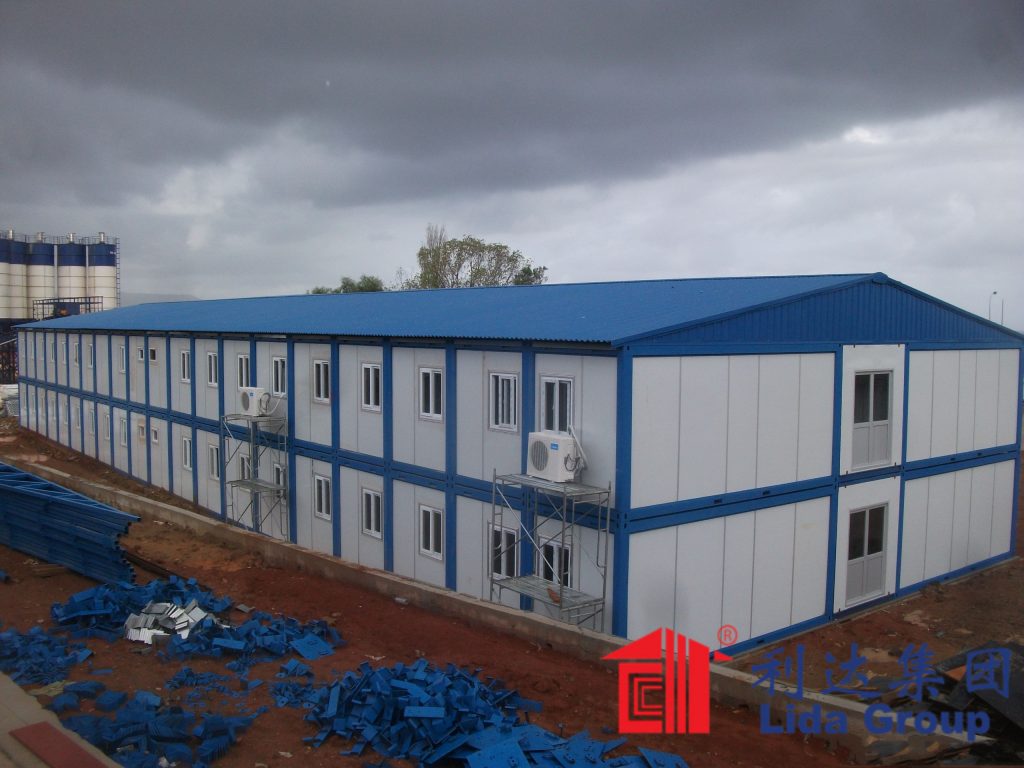
Indoor environmental quality (IEQ) is a critical component of green construction standards, as it directly impacts the health and well-being of building occupants. Traditional construction materials—such as paint, glue, and insulation—often contain high levels of VOCs, formaldehyde, and other toxic substances that can cause respiratory problems, allergies, and other health issues. Eco-friendly sandwich panels are designed to eliminate this risk: the insulation materials used are non-toxic, low-VOC, and free of formaldehyde, and the outer layers are treated with eco-friendly coatings that do not release harmful chemicals. Additionally, the tight seal of the sandwich panel structure reduces air infiltration, preventing outdoor pollutants (such as dust, pollen, and exhaust fumes) from entering the building. Large windows and skylights in the design maximize natural lighting, reducing the need for artificial lighting and improving occupant mood and productivity. Ventilation systems are optimized to ensure adequate fresh air circulation, further enhancing indoor air quality. These features not only meet the strictest IEQ requirements of green building standards but also set a new benchmark for healthy, sustainable living environments.
Durability and long-term sustainability are often overlooked in traditional green construction, but they are essential to redefining green standards—and eco-friendly sandwich panel houses excel in both areas. A building’s sustainability cannot be measured solely by its initial environmental performance; it must also consider its lifespan and end-of-life impact. Traditional brick-and-concrete buildings have a lifespan of 30-50 years, but they are difficult to demolish and recycle, resulting in massive amounts of construction waste. In contrast, eco-friendly sandwich panel houses have a lifespan of 50-70 years with proper maintenance, and their modular design makes them easy to disassemble and recycle at the end of their lifecycle.
The durability of sandwich panels is attributed to their robust construction: the galvanized steel outer layers are resistant to corrosion, rust, and physical damage, making them suitable for use in harsh environments (such as coastal areas, deserts, and high-altitude regions). The composite structure of the panels also makes them resistant to fire, water, mold, and seismic activity—withstanding earthquakes of up to 8 magnitudes and wind speeds of up to 150 km/h. This durability reduces the need for frequent repairs and replacements, minimizing material waste and extending the building’s useful life. When the building reaches the end of its lifecycle, the sandwich panels can be disassembled, sorted, and recycled: the steel components are melted down and reused, the insulation materials are repurposed or recycled, and the composite materials are processed into new building products. This closed-loop lifecycle ensures that the building’s environmental impact is minimized even after it is no longer in use—a key feature that traditional green buildings often fail to achieve.
Affordability and scalability are two of the most transformative ways eco-friendly sandwich panel houses redefine green construction standards. One of the biggest barriers to widespread adoption of green construction is cost: traditional green buildings are often 20-30% more expensive than conventional buildings, making them inaccessible to many communities, especially in developing countries. Eco-friendly sandwich panel houses eliminate this barrier by delivering exceptional green performance at a cost that is comparable to, or even lower than, traditional buildings.
The cost savings stem from several factors: optimized material usage (reducing waste and material costs by 15-20%), streamlined factory production (reducing labor costs by 40-50%), and rapid on-site assembly (shortening the construction cycle by 60% compared to traditional construction). A typical 100-square-meter eco-friendly sandwich panel house can be assembled by a small team of 6-8 certified installers in 5-7 days, compared to 2-3 months for a traditional brick-and-concrete house. This rapid assembly not only reduces labor costs but also minimizes overhead costs (such as site rental, equipment rental, and project management fees). Additionally, the long lifespan and low maintenance requirements of sandwich panel houses reduce long-term costs: maintenance costs are less than 5% of the total construction cost annually, compared to 10-15% for traditional buildings. For example, a rural family in Bangladesh that built a 80-square-meter sandwich panel house saved 35% on total construction costs compared to a traditional brick house, while reducing annual energy bills by 40%.
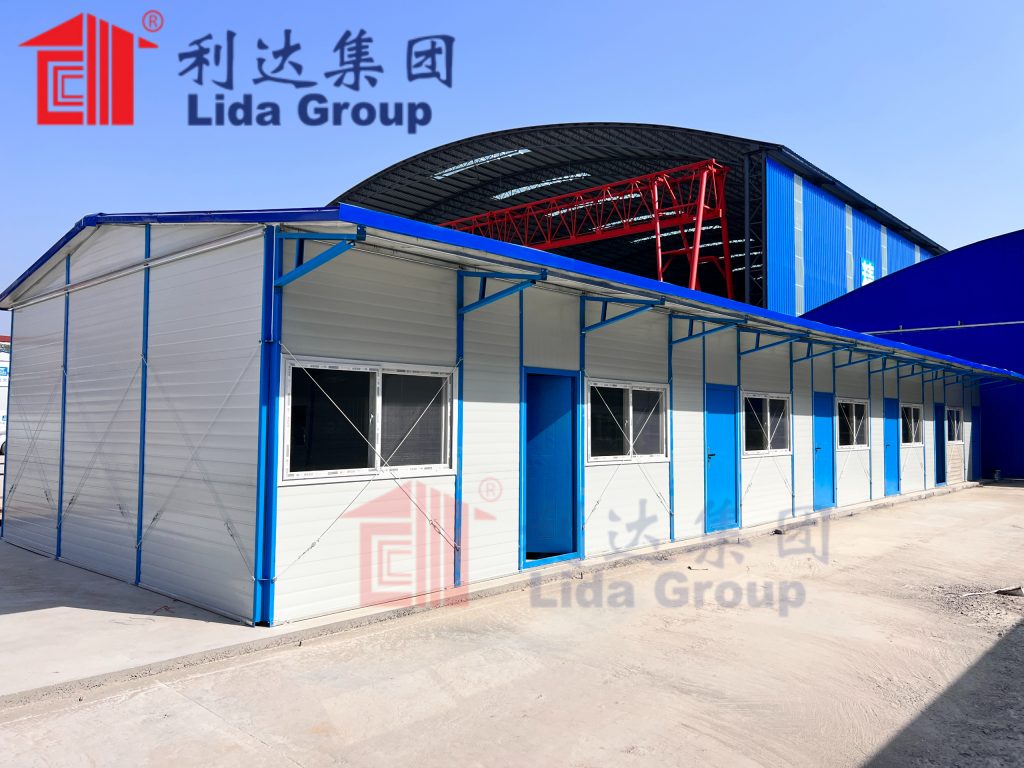
Scalability is another key advantage: eco-friendly sandwich panel houses can be customized to meet a wide range of needs, from small single-family homes to large multi-story apartment buildings, schools, hospitals, and commercial facilities. Their modular design allows for flexible layout adjustments, enabling builders to adapt the structure to different climates, terrains, and cultural preferences. This scalability makes them ideal for addressing global housing shortages—especially in developing countries, where an estimated 1.6 billion people lack adequate housing (United Nations Human Settlements Programme). By providing an affordable, sustainable housing solution that can be deployed quickly at scale, eco-friendly sandwich panel houses are making green construction accessible to communities that were previously excluded from traditional green building options.
To demonstrate how eco-friendly sandwich panel houses are redefining green construction standards in practice, we highlight several global case studies that showcase their real-world impact, from meeting and exceeding international green building standards to transforming communities and industries.
One notable case is the sustainable residential community in Berlin, Germany, a project developed in partnership with a leading European green building developer and a sandwich panel manufacturer. The community consists of 100 eco-friendly sandwich panel houses, each designed to meet the highest LEED Platinum certification standards—the most rigorous green building certification globally. The houses use sandwich panels with 98% recycled steel outer layers and rock wool insulation made from recycled slag, reducing the carbon footprint by 60% compared to traditional residential buildings. The community integrates solar panels, rainwater collection systems, and smart energy management systems, generating 100% of its energy from renewable sources and reducing freshwater consumption by 45%. Indoor air quality was prioritized through the use of low-VOC materials and optimized ventilation, resulting in a 30% reduction in respiratory complaints among residents compared to nearby traditional communities. The project was completed in just 6 months (compared to 18 months for a traditional community of the same size) and was 20% more affordable than other LEED Platinum-certified developments in the area. It has since become a model for sustainable residential construction in Europe, demonstrating that green building standards can be achieved without compromising affordability or speed.
In Costa Rica, a non-governmental organization (NGO) partnered with a local construction company to build 50 eco-friendly sandwich panel houses for rural communities affected by deforestation. The project aimed to provide sustainable, affordable housing while promoting reforestation and environmental conservation. The sandwich panels used in the houses were made from locally sourced recycled materials, including recycled steel and coconut fiber insulation (a renewable, biodegradable material). The houses were designed to be energy-efficient, with thick insulation and natural ventilation to reduce the need for air conditioning—critical in Costa Rica’s hot, humid climate. Each house also included a small garden for growing vegetables, promoting food security and reducing the community’s carbon footprint. The project met BREEAM Excellent certification standards and was completed in 3 months, with local workers trained in sandwich panel assembly to create sustainable jobs. The houses have withstood heavy rains and tropical storms without damage, and residents have reported a 50% reduction in energy bills and a 35% reduction in water usage. The project has since expanded to other rural communities in Costa Rica, proving that eco-friendly sandwich panel houses can be adapted to local contexts while meeting global green construction standards.
Another impactful case is the industrial warehouse project in Dubai, United Arab Emirates, where a logistics company sought to reduce its environmental footprint by constructing a sustainable warehouse using eco-friendly sandwich panels. The warehouse covers 10,000 square meters and uses sandwich panels with galvanized steel outer layers and PU insulation, designed to withstand Dubai’s extreme heat (temperatures exceeding 45°C in summer). The panels’ exceptional thermal insulation reduced the warehouse’s cooling energy consumption by 45%, saving the company $200,000 annually in energy costs. The warehouse also integrated solar panels on the roof, generating 20% of its energy from renewable sources, and a rainwater collection system that reduces freshwater use by 30%. The project achieved LEED Gold certification and was completed in 2 months—60% faster than a traditional warehouse. The durability of the sandwich panels has been tested by Dubai’s harsh climate, with no signs of corrosion or damage after 3 years of use. This case demonstrates that eco-friendly sandwich panel houses are not limited to residential use but can also redefine green construction standards in industrial and commercial sectors.
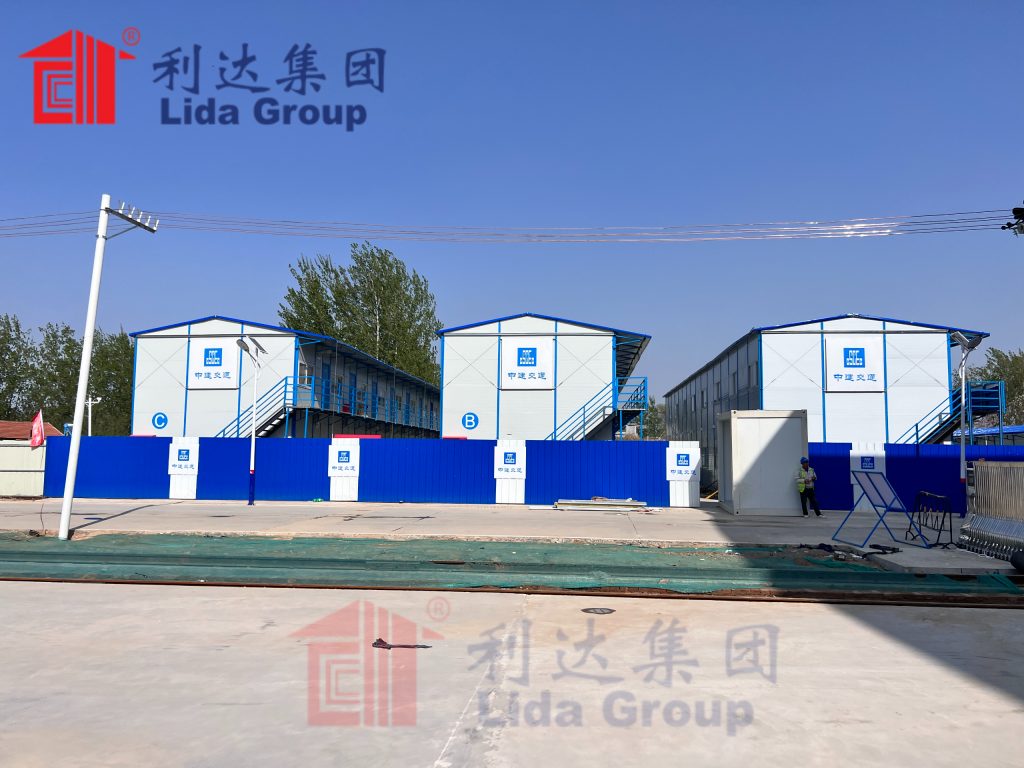
In China, the government’s “Green Building Initiative” has promoted the use of eco-friendly sandwich panel houses in rural revitalization projects. In a village in Shandong Province, 200 sandwich panel houses were built to replace old, dilapidated homes, each meeting China’s GB/T 50378 Green Building Standard. The houses used locally produced sandwich panels with recycled steel and EPS insulation, reducing carbon emissions by 55% compared to traditional brick houses. The modular design allowed for flexible layouts, with each house including a living room, bedrooms, a kitchen, and a bathroom—improving the quality of life for rural residents. The project also included solar water heaters and biogas systems, further reducing reliance on fossil fuels. The houses were completed in 1 month, and residents reported a 40% reduction in energy bills and a significant improvement in indoor comfort. This project has become a model for rural green construction in China, showcasing how eco-friendly sandwich panel houses can align with national green building standards while addressing rural housing needs.
The widespread adoption of eco-friendly sandwich panel houses is driving a paradigm shift in the global green construction industry, redefining what is possible for sustainable building. Their impact extends beyond individual buildings, influencing green construction standards, policies, and practices worldwide. Firstly, they are raising the bar for green building performance: by delivering exceptional energy efficiency, material sustainability, indoor environmental quality, and durability, they are pushing existing green standards to become more rigorous and holistic. Many green building certification bodies—including LEED and BREEAM—are now updating their standards to include criteria specifically tailored to modular and prefabricated buildings, recognizing the unique sustainability benefits of sandwich panel technology.
Secondly, eco-friendly sandwich panel houses are promoting the adoption of circular economy principles in the construction industry. By prioritizing recycled materials, reducing waste, and enabling end-of-life recycling, they are moving the industry away from the “take-make-waste” model to a more sustainable, closed-loop system. This shift is encouraging other construction companies to invest in recycled materials and modular design, driving broader industry transformation.
Thirdly, they are making green construction accessible to a wider range of stakeholders, from individual homeowners to governments and large corporations. By eliminating the cost barrier associated with traditional green buildings, they are accelerating the transition to sustainable construction globally—especially in developing countries, where the need for affordable, sustainable housing is most urgent. This accessibility is critical for achieving global climate goals, as the construction industry must reduce its carbon emissions by 45% by 2030 (compared to 2010 levels) to limit global warming to 1.5°C (Paris Agreement).
Fourthly, eco-friendly sandwich panel houses are driving technological innovation in the green building industry. Manufacturers are investing in research and development to improve the performance of sandwich panels—developing new insulation materials (such as bio-based composites), integrating smart technologies (such as digital twin monitoring systems), and enhancing recyclability. This innovation is not only improving the sustainability of sandwich panel houses but also spurring advancements in other green building technologies.
Looking to the future, eco-friendly sandwich panel houses will continue to redefine green construction standards as technology advances and adoption grows. Manufacturers are focusing on developing even more sustainable materials, such as lightweight, high-strength composites that reduce material usage and carbon emissions. The integration of smart technologies will become more widespread, with AI-driven energy management systems, real-time structural monitoring, and smart home devices optimizing sustainability and comfort. Additionally, the expansion of global supply chains will make sandwich panel houses more accessible to developing countries, helping to address global housing shortages and reduce carbon emissions.
Governments and international organizations are also playing a key role in promoting eco-friendly sandwich panel houses. Many countries are implementing policies and incentives—such as tax breaks, subsidies, and green building mandates—to encourage the adoption of modular and prefabricated green buildings. The United Nations has recognized sandwich panel technology as a key solution for achieving Sustainable Development Goal 11 (Sustainable Cities and Communities), which aims to ensure access to safe, affordable, and sustainable housing for all. As these policies take effect, the adoption of eco-friendly sandwich panel houses will accelerate, further solidifying their role as the new standard for green construction.
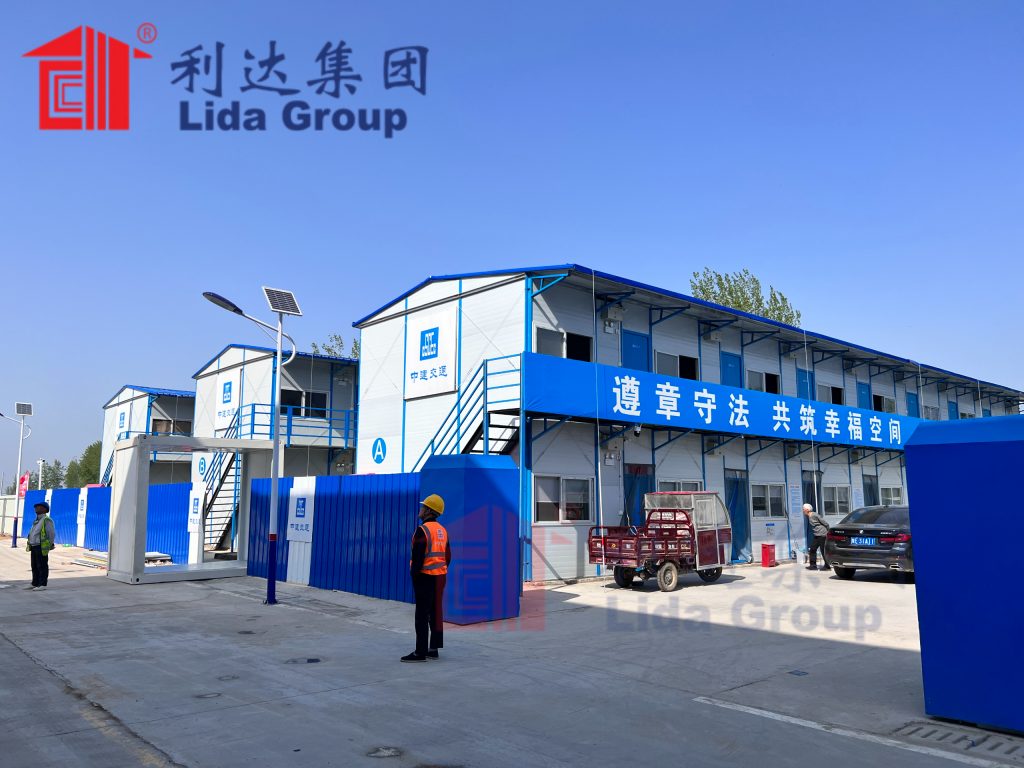
Summary
In a world grappling with climate change and resource depletion, the construction industry is under pressure to embrace sustainable practices—and eco-friendly sandwich panel houses have emerged as a transformative solution that redefines green construction standards. Traditional green building solutions often fail to balance environmental performance with affordability, scalability, and durability, limiting their impact. Eco-friendly sandwich panel houses address this gap by integrating sustainable materials, energy-efficient design, indoor environmental quality, and circular economy principles into a practical, cost-effective, and scalable solution.
These innovative houses redefine green construction standards in multiple critical ways: they prioritize sustainable material sourcing and production, using 98% recycled steel and low-impact insulation materials to reduce waste and carbon emissions; they deliver exceptional energy efficiency, with U-values as low as 0.16 W/(m²·K) and integrated renewable energy technologies that reduce energy consumption by 30-50%; they ensure superior indoor environmental quality through non-toxic, low-VOC materials and optimized ventilation; they offer exceptional durability (50-70-year lifespan) and end-of-life recyclability, minimizing long-term environmental impact; and they are affordable and scalable, making green construction accessible to communities worldwide.
Real-world case studies from Germany, Costa Rica, Dubai, and China demonstrate the tangible impact of eco-friendly sandwich panel houses, showing that they can meet and exceed the strictest international green building standards (LEED, BREEAM, GB/T 50378) while being faster to construct and more affordable than traditional green buildings. These projects have transformed communities, reduced carbon emissions, improved quality of life, and created sustainable jobs—proving that green construction can be both environmentally responsible and economically viable.
The impact of eco-friendly sandwich panel houses extends beyond individual buildings, driving broader industry transformation: they are raising green building standards, promoting circular economy principles, making sustainable construction accessible globally, and spurring technological innovation. As the world continues to prioritize climate action and sustainable development, eco-friendly sandwich panel houses will play an increasingly important role in shaping the future of green construction.
In conclusion, eco-friendly sandwich panel houses represent a paradigm shift in green construction, redefining what it means to build sustainably. By seamlessly integrating environmental performance, affordability, durability, and scalability, they have set a new standard for the industry—one that prioritizes the planet, people, and prosperity. As adoption grows and technology advances, these houses will continue to drive positive change, helping the construction industry meet global climate goals and create a more sustainable, equitable, and livable world for all. The eco-friendly sandwich panel house is not just a new type of building; it is a new vision for green construction—one that is accessible, efficient, and sustainable for generations to come.

Related news
-
Lida Group Delivers Low-Cost Durable Building for Workforce Housing
2026-02-25 16:48:06
-
New Prefab Worker Dormitory Combines Affordability and Durability
2026-02-25 16:35:01
-
Sustainable Housing: Eco-Friendly Sandwich Panel House by Lida Group
2026-02-24 17:55:11
contact us
- Tel: +86-532-88966982
- Whatsapp: +86-13793209022
- E-mail: sales@lidajituan.com
