



Easy Assembly Container Apartments Redefine Rapid Housing
2025-Dec-29 16:08:55
By Admin
The global housing crisis has emerged as one of the most pressing challenges of the 21st century, with the United Nations Human Settlements Programme (UN-Habitat) estimating that over 2.8 billion people worldwide live in substandard housing conditions. Among this figure, more than 1.1 billion reside in slums or informal settlements, and 300 million are completely homeless. This crisis is exacerbated by rapid urbanization, frequent natural disasters, regional conflicts, and the growing gap between housing supply and demand—especially in emerging economies where infrastructure development struggles to keep pace with population growth. In response to this urgent need, the construction industry is seeking innovative solutions that prioritize speed, affordability, sustainability, and scalability. Easy assembly container apartments have emerged as a transformative force, redefining the paradigm of rapid housing by leveraging modular design, advanced assembly technologies, and eco-friendly materials to deliver functional, adaptable spaces in a fraction of the time required for traditional construction.
Container-based housing is not a new concept, but recent advancements in easy assembly technologies have elevated it from a temporary, utilitarian solution to a viable, long-term alternative for residential, commercial, and emergency use. Unlike conventional brick-and-mortar buildings that rely on on-site casting, welding, and lengthy construction cycles, easy assembly container apartments are prefabricated in factories as standardized modules, then transported to sites for quick splicing. This model eliminates the inefficiencies of traditional construction—such as weather delays, labor-intensive processes, and material waste—and enables developers, governments, and aid organizations to deploy housing solutions in days or weeks rather than months or years. As the global container houses market expands—valued at USD 62.2 billion in 2025 and projected to grow at a CAGR of 7.6% to reach USD 120.5 billion by 2034—easy assembly container apartments are poised to capture a significant share of this growth, driven by their unique combination of speed, cost-effectiveness, and sustainability.
The Evolution of Easy Assembly Technology: From Welding to Precision Splicing
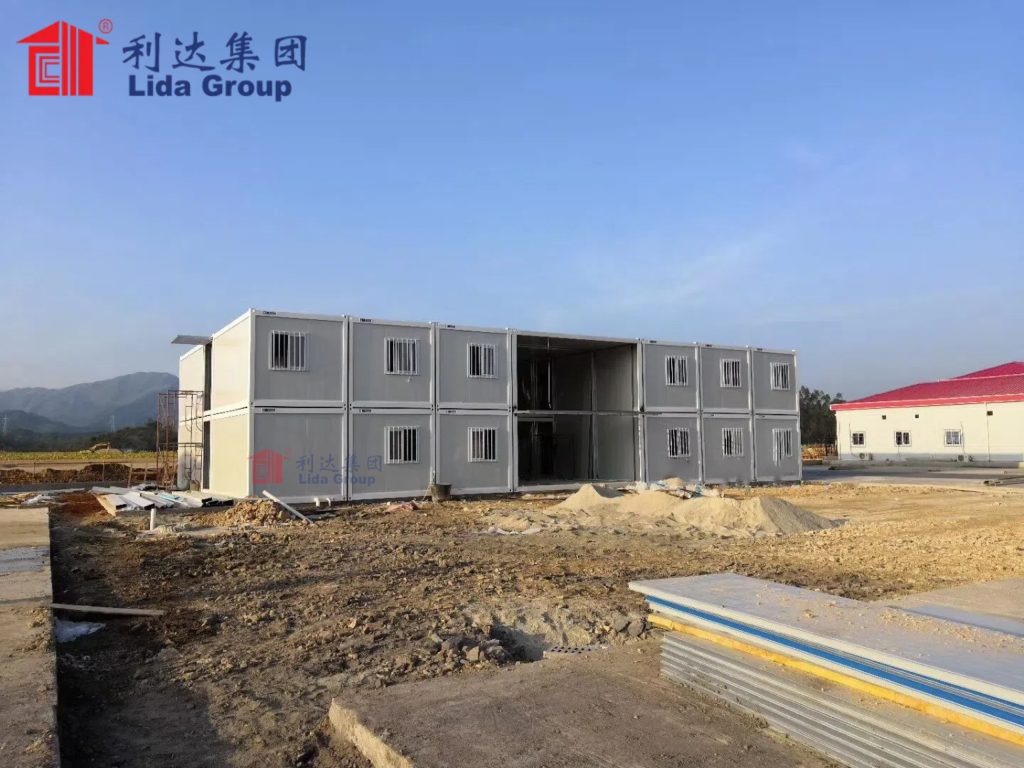
The core innovation behind easy assembly container apartments lies in their assembly systems, which have evolved dramatically from the labor-intensive welding methods of early container structures. Traditional portable houses required 5-7 days of on-site work per unit, with labor costs accounting for over 40% of total project expenses. For a 50-unit construction camp dormitory project, this translated to 10 workers spending 35 days on installation, with labor costs reaching approximately RMB 280,000. Tight deadlines would force additional labor recruitment, increasing costs by a further 30%. Today’s easy assembly technologies have addressed these pain points through two primary precision splicing systems: tenon-and-mortise splicing and lock-and-buckle splicing, both of which eliminate the need for on-site welding and drastically reduce installation time and labor requirements.
Tenon-and-Mortise Splicing Systems: Universal Compatibility and Speed
Pioneered by enterprises like Suzhou Gansu Construction, the tenon-and-mortise splicing system adopts a “pre-embedded tenon + snap-fit” design that enables seamless connection of prefabricated modules. The key advantage of this technology is its high component universality—reaching up to 95%—which covers over 90% of project requirements and minimizes customization costs. Unlike traditional welding, which requires skilled labor and on-site adjustments, tenon-and-mortise components are precision-manufactured in factories, ensuring a perfect fit during on-site assembly. A two-person team can complete the installation of 3-4 units per day, a fourfold increase in efficiency compared to traditional methods. This system has proven its value in large-scale projects, such as an Indonesian mining camp where 500 easy assembly container apartments were installed in just 10 days, meeting the urgent housing needs of workers in a remote area with limited infrastructure.
The tenon-and-mortise system’s durability matches its efficiency. The pre-embedded tenons are made of high-strength alloy steel, ensuring structural stability even in multi-story configurations. This system also offers excellent adaptability to different terrains and climates, as modules can be quickly adjusted to account for uneven ground or local weather conditions. For example, in flood-prone regions, the modules can be elevated on prefabricated supports without modifying the core assembly structure, enhancing the apartments’ resilience to natural hazards.
Lock-and-Buckle Splicing Systems: Precision and High-Rise Capability
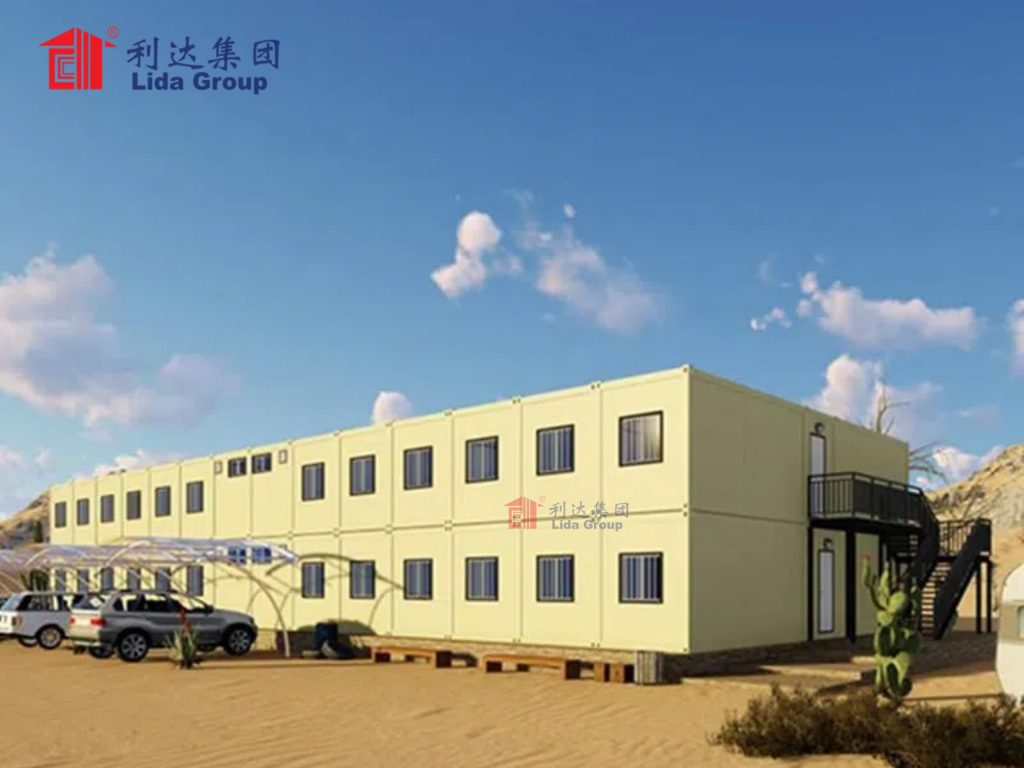
Represented by industry leaders like CIMC Modular Buildings, the lock-and-buckle splicing system takes precision assembly to the next level by integrating pre-embedded lock components into the container frame. On-site assembly requires only electric tools to rotate the locks, completing connections with an accuracy of ±1mm. This level of precision makes the system ideal for multi-story container apartments (3-5 floors), a capability that expands the application scope of container housing beyond single-story temporary structures. In Sydney’s metro construction project, a 3-story dormitory using lock-and-buckle container apartments reduced the installation cycle from 28 days to 14 days, cutting labor costs by 30% while maintaining compliance with Australia’s strict building safety standards.
The lock-and-buckle system’s structural integrity is enhanced by its frame design, which uses high-strength alloy steel with a wall thickness of 3.0mm—significantly stronger than traditional container frames. This strength allows for vertical stacking without compromising stability, making it suitable for high-density urban housing projects where land is scarce. Additionally, the system’s airtight connections improve thermal insulation and soundproofing, addressing two common drawbacks of early container housing and making the apartments more comfortable for long-term residence.
Material Innovations: Balancing Lightweight, Durability, and Comfort
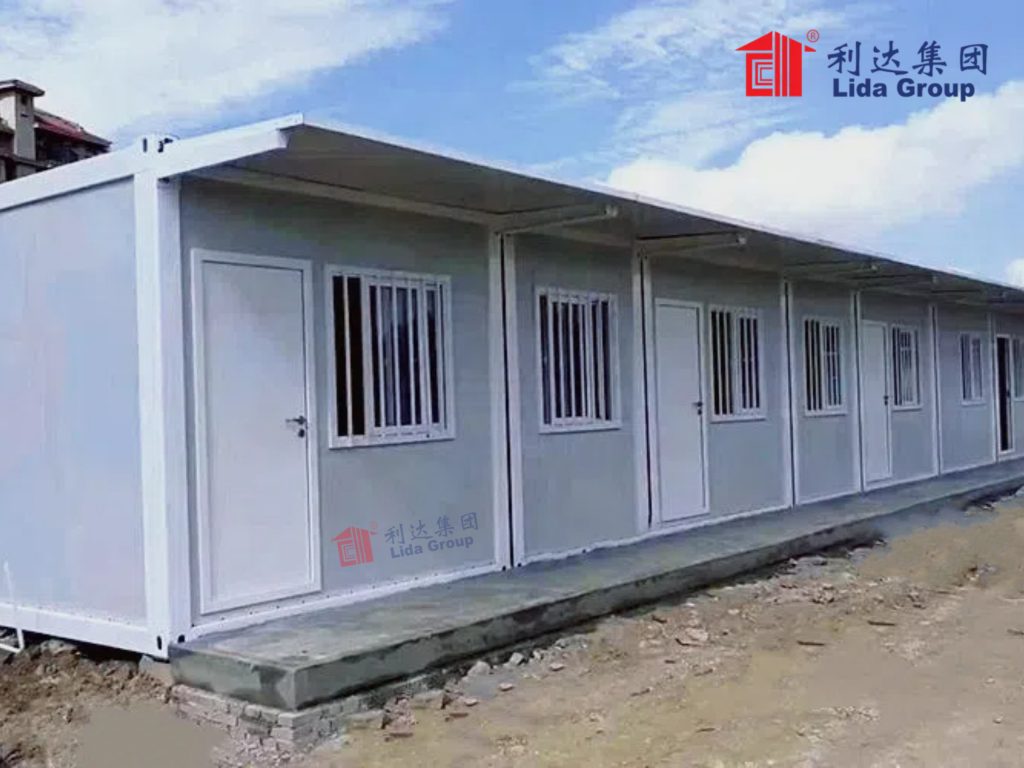
Easy assembly container apartments’ performance is further enhanced by advanced material technologies that balance lightweight construction (for easy transportation and assembly) with durability and livability. The walls and roofs of modern units adopt composite materials such as rock wool insulation panels, aluminum foil-faced polyurethane foam, and glass fiber-reinforced plastic (GFRP), which provide superior thermal insulation compared to traditional steel sheets. These materials reduce energy consumption for heating and cooling by up to 40%, making the apartments suitable for extreme climates—from the high temperatures of the Middle East to the cold winters of Northern Europe.
Interior materials prioritize health and sustainability, with E0-grade formaldehyde-free boards, moisture-resistant flooring, and non-toxic paints becoming industry standards. Many manufacturers also integrate recycled materials into the production process, such as recycled steel for frames and recycled plastic for interior fixtures, reducing the carbon footprint of each unit. For example, a single 20-foot container apartment made with recycled steel reduces carbon emissions by approximately 70% compared to one built with virgin steel, aligning with global carbon neutrality goals.
Diversified Application Scenarios: Beyond Temporary Housing
Easy assembly container apartments have transcended their original role as temporary construction camp housing to become versatile solutions for a wide range of scenarios. Their rapid deployment capability, scalability, and adaptability make them ideal for emergency response, urban housing shortages, infrastructure projects, cultural tourism, and remote area development. Each application leverages the core advantages of easy assembly technology to address specific market needs, demonstrating the format’s potential to redefine rapid housing across sectors.
Emergency Response and Disaster Relief
In emergency situations—such as natural disasters, pandemics, or conflicts—speed is critical to saving lives and providing dignified living conditions for displaced populations. Easy assembly container apartments excel in these scenarios, as they can be transported in bulk and installed within hours of arrival. A notable example is the 2022 COVID-19 response in Chengdu’s Jinjiang District, where 70 easy assembly container apartments were deployed overnight to serve as nucleic acid testing stations and rest areas for frontline epidemic prevention workers. The units were pre-equipped with air conditioning, beds, and lighting in the factory, requiring only water and electricity connections on-site to become operational. Within 24 hours, the 70 units were installed across 40 locations, accommodating over 600 workers and supporting the city’s epidemic control efforts.
For post-disaster reconstruction, easy assembly container apartments offer a temporary yet durable solution that can be later repurposed or relocated. After earthquakes, floods, or hurricanes, these units provide safe housing while permanent structures are rebuilt, reducing the risk of informal settlements and improving community resilience. International aid organizations like the UN have increasingly adopted this technology for refugee camps, as the modular design allows for flexible expansion as more displaced people arrive, and the easy assembly process minimizes reliance on local labor and resources..
Infrastructure and Construction Camps
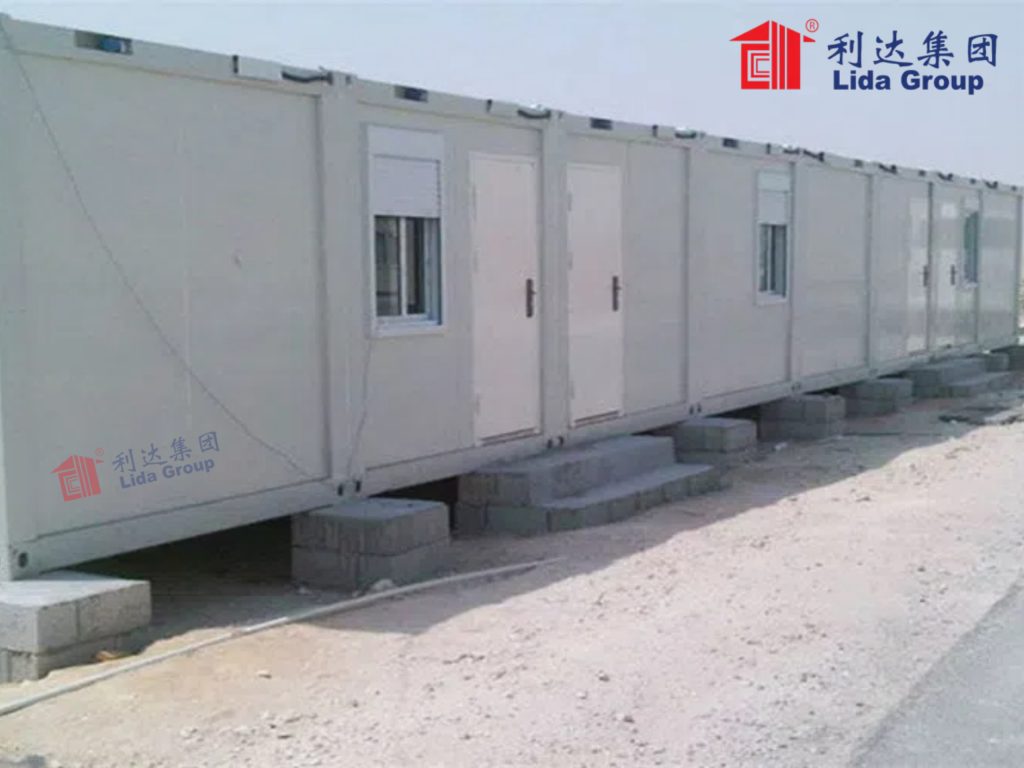
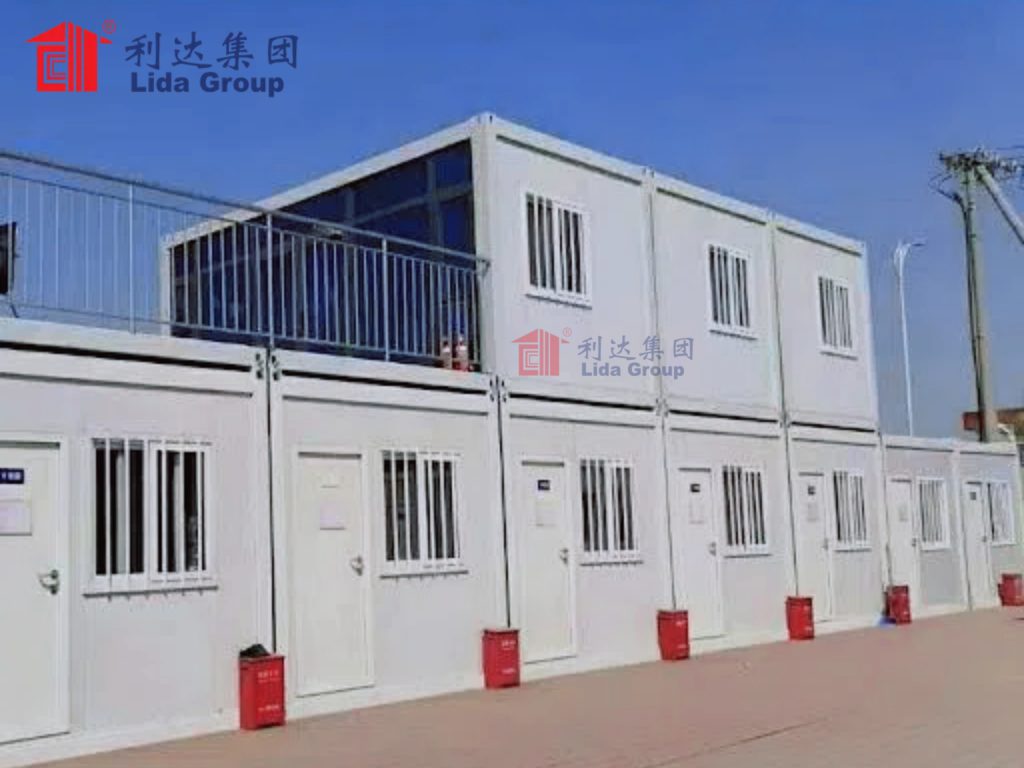
The construction industry remains a core market for easy assembly container apartments, as infrastructure projects—such as railways, highways, mines, and ports—require large-scale temporary housing for workers in remote areas. Traditional construction camps are time-consuming to build and often generate significant waste, while easy assembly units can be installed quickly, disassembled after the project ends, and reused for subsequent projects. For example, a 50-unit worker dormitory for a railway construction project in Southeast Asia was completed in just 12 days using tenon-and-mortise container apartments, compared to the 45 days required for a traditional camp. The units were later relocated to another section of the railway, reducing the project’s overall housing costs by 40%.
Modern construction camp apartments also prioritize worker comfort, with features such as private bedrooms, shared kitchens, bathrooms, and air conditioning—improvements that enhance worker retention and productivity. The modular design allows for the creation of integrated camp facilities, including offices, canteens, and medical rooms, all of which can be assembled and disassembled in tandem with the housing units.
Urban Affordable and Temporary Housing
In cities facing acute housing shortages—particularly for low-income groups, young professionals, and migrant workers—easy assembly container apartments offer an affordable, scalable solution. These units can be deployed as temporary or semi-permanent housing in urban infill sites, vacant lots, or near public transportation hubs, addressing housing needs without the long lead times of traditional residential construction. In Shanghai, for example, a pilot project converted a former industrial site into a community of 200 easy assembly container apartments, targeting young professionals. The units featured modern interiors, shared communal spaces, and solar-powered lighting, with monthly rents 30% lower than nearby traditional apartments. The project was completed in three months, a fraction of the time required for a conventional residential building, and demonstrated the potential of container housing to contribute to urban renewal.
Local governments are increasingly embracing easy assembly container apartments as part of their affordable housing strategies. In Chile, which has integrated container housing into national social housing programs, easy assembly units are used to address the country’s housing deficit, particularly in rural and low-income urban areas. The units’ quick construction cycle allows governments to respond rapidly to housing needs, while their low cost makes them accessible to households with limited financial resources.
Cultural Tourism and Remote Lodging
The customizable design and minimal environmental impact of easy assembly container apartments have made them a popular choice in the cultural tourism industry. Developers and operators are transforming these units into boutique homestays, glamping sites, and resort accommodations, leveraging their modularity to create unique, scalable tourism projects. In scenic areas, container apartments can be installed with minimal on-site disturbance, preserving the natural environment while providing visitors with comfortable lodging. For example, a mountain resort in Yunnan Province used 50 lock-and-buckle container apartments to create a eco-friendly glamping site. The units were designed with large windows to maximize views, and the easy assembly process reduced construction-related damage to the surrounding forest ecosystem. After the tourism season, the units can be disassembled and stored, minimizing the site’s year-round environmental footprint.
In remote areas with limited tourism infrastructure—such as national parks or rural communities—easy assembly container apartments offer a cost-effective way to develop lodging facilities. Their ability to be transported to inaccessible locations and installed without complex on-site work makes them ideal for areas where traditional construction is impractical or prohibitively expensive.
Global Market Dynamics: Growth Drivers and Regional Trends
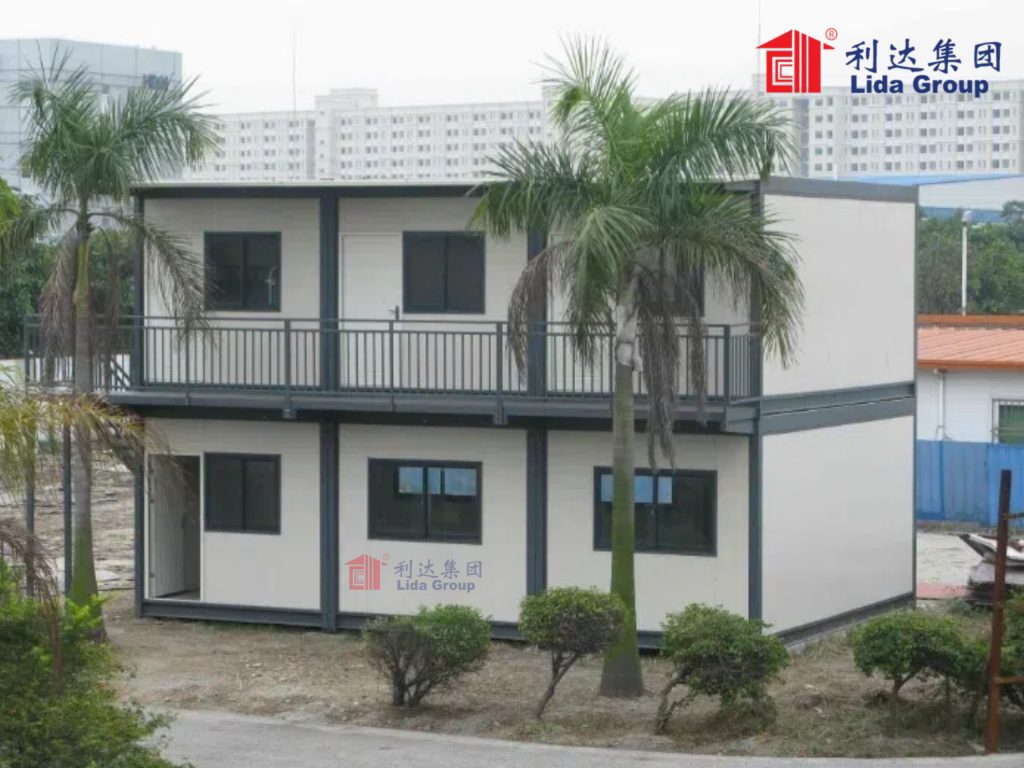
The global easy assembly container apartment market is driven by a confluence of factors, including the growing global housing crisis, increasing adoption of modular and prefabricated construction methods, rising demand for sustainable building solutions, and supportive government policies. Regional markets exhibit distinct trends, with emerging economies focusing on affordability and rapid deployment, while developed economies prioritize customization, sustainability, and high-end applications.
Market Growth Drivers
The primary driver of market growth is the urgent need for affordable and rapid housing solutions. With UN-Habitat projecting that the global housing deficit will widen without intervention, governments and organizations are turning to easy assembly container apartments as a pragmatic alternative to traditional construction. The cost advantage of these units—typically 30-50% lower than conventional apartments—makes them accessible to low-income populations and reduces the financial burden on governments implementing social housing programs.
Sustainability is another key growth driver. As governments and consumers prioritize eco-friendly living, the environmental benefits of container housing—including material recycling, reduced waste, and energy efficiency—have become increasingly attractive. Repurposing retired shipping containers into housing reduces the amount of waste sent to landfills, while the prefabricated model minimizes on-site material waste by up to 70% compared to traditional construction. Additionally, easy assembly container apartments can be easily integrated with renewable energy systems, such as solar panels and rainwater collection systems, further enhancing their sustainability credentials.
Technological advancements in assembly systems and materials have also fueled market growth, improving the performance, comfort, and durability of container apartments. As these technologies mature, consumer and industry perceptions of container housing have shifted from “temporary” to “permanent,” expanding their application in residential and commercial markets. Supportive government policies—such as tax incentives for prefabricated construction, streamlined building codes for container housing, and subsidies for affordable housing projects—have further accelerated market adoption.
Regional Market Trends
Asia-Pacific is the largest and fastest-growing market for easy assembly container apartments, driven by rapid urbanization, large-scale infrastructure development, and frequent natural disasters. Countries like China, India, Indonesia, and Vietnam are investing heavily in modular construction to address housing shortages and support infrastructure projects. China, in particular, has emerged as a global leader in container housing technology, with domestic manufacturers accounting for over 40% of global production. The country’s “Urban-Rural Construction Carbon Peak Implementation Plan” has further promoted the adoption of eco-friendly prefabricated buildings, including easy assembly container apartments.
Africa represents a high-potential market, with demand driven by severe housing shortages, post-conflict reconstruction needs, and rapid urbanization. Over 62% of urban housing in Africa is informal, creating an urgent need for affordable, rapid solutions. Easy assembly container apartments are well-suited to the continent’s needs, as they require minimal on-site infrastructure and can be deployed quickly in remote or conflict-affected areas. International aid organizations and local governments are increasingly partnering with container housing manufacturers to implement projects in refugee camps, rural communities, and urban slums.
In North America and Europe, the market is focused on high-end, customized applications, such as luxury tiny homes, urban infill projects, and eco-friendly resorts. Consumers in these regions prioritize design flexibility, sustainability, and energy efficiency, driving innovation in materials and interior design. For example, European manufacturers are integrating smart home technologies—such as IoT-based energy monitoring and remote control systems—into easy assembly container apartments, catering to the growing demand for connected, sustainable living spaces. Strict green building standards, such as LEED in the United States and BREEAM in Europe, have also pushed manufacturers to enhance the environmental performance of their products.
Challenges and Future Outlook
Despite its strong growth potential, the easy assembly container apartment market faces several challenges that must be addressed to realize its full potential. These include inconsistent industry standards, regulatory barriers, consumer perception issues, and technical limitations in extreme climates. However, ongoing technological innovations and supportive policies are expected to mitigate these challenges, driving continued market expansion.
Key Challenges
Inconsistent industry standards and building codes remain a major barrier to market growth. While some countries have developed specific regulations for container housing, many others lack clear guidelines, creating uncertainty for developers and limiting cross-border adoption. This inconsistency also affects component compatibility, as manufacturers may design products to meet regional standards rather than global ones, reducing the scalability of projects.
Consumer perception is another challenge, with many still viewing container housing as temporary, low-quality, or aesthetically unappealing. Overcoming this perception requires investment in design innovation, marketing, and pilot projects that demonstrate the long-term viability and aesthetic potential of easy assembly container apartments. For example, high-end container apartment projects in urban areas have helped shift consumer attitudes by showcasing modern, stylish interiors and communal amenities.
Technical limitations in extreme climates—such as poor thermal insulation in very hot or cold regions—remain a concern, although material innovations are addressing this issue. Additionally, the high initial cost of advanced assembly technologies and sustainable materials may deter price-sensitive customers, particularly in low-income countries. Scaling production and optimizing supply chains are critical to reducing these costs and making easy assembly container apartments more accessible globally.
Future Outlook
The future of easy assembly container apartments is promising, with technological innovation and market expansion driving transformation in the rapid housing sector. Manufacturers are increasingly integrating artificial intelligence (AI) and building information modeling (BIM) technologies into the design and assembly process, optimizing component precision, reducing installation time, and enabling predictive maintenance. For example, AI algorithms can analyze assembly data to identify inefficiencies, while BIM technology allows for digital simulation of projects, reducing errors and improving collaboration between designers, manufacturers, and installers.
The integration of smart home and renewable energy technologies will further enhance the appeal of easy assembly container apartments. Future units are likely to feature integrated solar panels, energy storage systems, smart lighting, and climate control, making them self-sufficient and reducing reliance on grid infrastructure. This will be particularly valuable for remote areas and emergency scenarios where access to utilities is limited.
Market expansion will be driven by increased government investment in affordable housing, growing demand for emergency response solutions, and the expansion of infrastructure projects in emerging economies. The “China Production + Local Assembly” model—pioneered by global manufacturers—will help reduce transportation costs and tariff barriers, making easy assembly container apartments more competitive in regional markets. Additionally, industry associations and international organizations are expected to play a key role in developing global standards, harmonizing regulations, and promoting best practices, facilitating cross-border adoption.
Conclusion
Easy assembly container apartments represent a paradigm shift in rapid housing, offering a solution that addresses the global housing crisis’s core challenges: speed, affordability, sustainability, and scalability. By replacing labor-intensive traditional construction with precision prefabrication and advanced splicing technologies, these units deliver functional, adaptable spaces in a fraction of the time, while reducing costs and environmental impact. From emergency response and infrastructure camps to urban affordable housing and cultural tourism, their diversified application scenarios demonstrate their ability to meet evolving market needs across sectors and regions.
The market’s growth trajectory—fueled by global housing shortages, sustainability trends, and technological innovation—positions easy assembly container apartments as a key player in the future of construction. While challenges such as inconsistent standards, consumer perception, and cost barriers remain, ongoing advancements in materials, assembly systems, and policy support are poised to overcome these hurdles. As manufacturers scale production, optimize supply chains, and innovate in design and technology, easy assembly container apartments will become an increasingly mainstream housing solution, redefining what rapid, sustainable housing can be.
In essence, easy assembly container apartments are more than just a building product—they are a catalyst for positive change in the global housing sector. By prioritizing efficiency, sustainability, and adaptability, they offer a path toward addressing the housing crisis while advancing global carbon neutrality goals. As these units gain traction in markets around the world, they have the potential to transform how we build, live, and respond to crises, creating a more resilient, equitable, and sustainable built environment for future generations.
Related news
-
Lida Group Unveils Next-Gen Modern Mobile Container House
2025-12-29 15:02:27
-
Experience Lasting Quality with a Lida Group Metal Frame House
2025-12-26 17:54:53
-
The Future of Housing is Here: Steel Structure Building
2025-12-26 17:49:25
contact us
- Tel: +86-532-88966982
- Whatsapp: +86-13793209022
- E-mail: sales@lidajituan.com
