



Easy Assembly Container Apartments Redefine Rapid Deployment
2026-Jan-22 15:19:19
By Admin
In the global construction industry, the demand for efficient, flexible, and cost-effective housing solutions has never been more urgent. Urbanization, natural disasters, infrastructure expansion, and labor shortages have exposed the limitations of traditional on-site construction—long timelines, high material waste, and rigid design. Against this backdrop, easy assembly container apartments have emerged as a transformative force, redefining the standards of rapid deployment in residential construction. These modular dwellings, built on prefabricated technology and optimized for quick assembly, combine structural durability, environmental sustainability, and functional versatility. From emergency relief camps to construction worker dormitories, student housing to boutique hotels, they are reshaping how communities, businesses, and governments address housing needs. This article explores the technical innovations, efficiency advantages, diverse applications, and industry impact of easy assembly container apartments, revealing how they are revolutionizing the future of building and deployment.
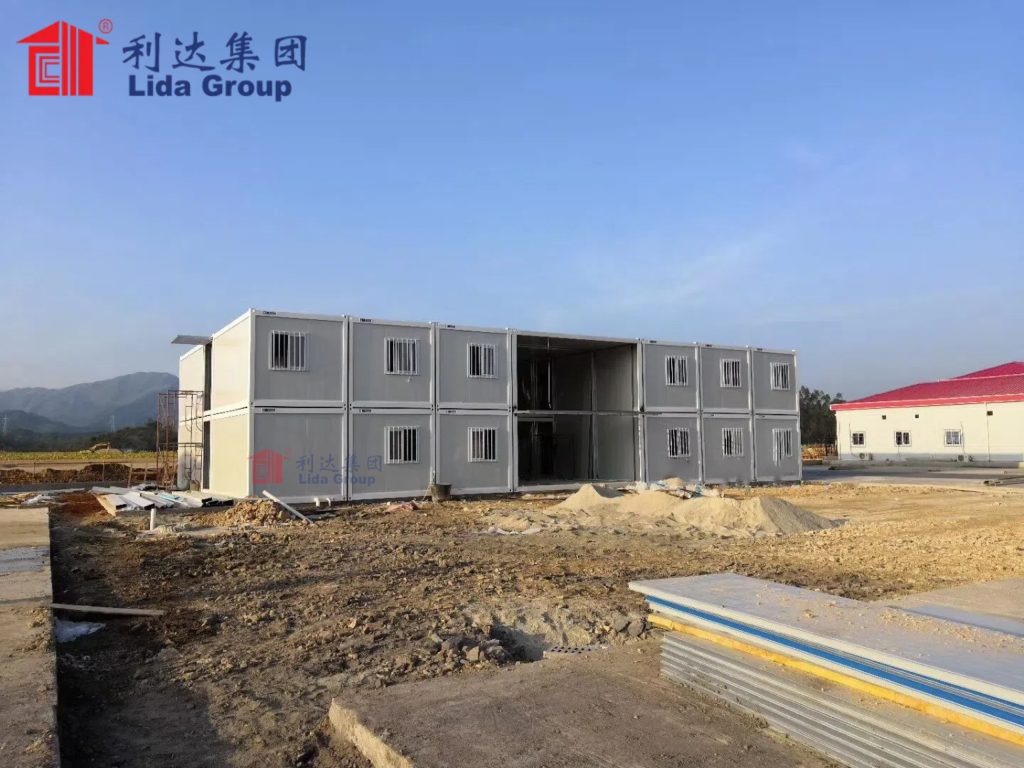
1. The Rise of Easy Assembly Container Apartments: Industry Context and Drivers
The popularity of easy assembly container apartments is not a passing trend but a response to converging market pressures and global challenges. The year 2026 marks a turning point for modular construction, as traditional methods struggle to keep pace with demands for speed, cost control, and sustainability . According to industry reports, the global container house market is projected to reach $15.7 billion by 2027, with a compound annual growth rate (CAGR) of 9.1%, driven primarily by the adoption of easy-assemble technologies . Several key factors have fueled this growth, creating a fertile ground for the widespread adoption of these innovative dwellings.
1.1 Labor Shortages and Productivity Gaps
The construction industry worldwide is grappling with an acute skilled labor crisis. Experienced tradespeople are retiring faster than new workers enter the field, leading to rising labor costs and project delays . Easy assembly container apartments address this gap by minimizing on-site labor requirements and simplifying the construction process. Unlike traditional buildings that require teams of electricians, plumbers, and carpenters for on-site fabrication, these modular units are pre-manufactured in factories with standardized components. For instance, Ganxu quick-assembly container apartments can be installed by a 2-person team at a rate of 3-4 units per day—60% more efficient than traditional prefabricated houses . This efficiency not only reduces reliance on scarce skilled labor but also shortens project timelines dramatically.
1.2 Cost Volatility and Supply Chain Pressures
Fluctuations in the prices of lumber, steel, and concrete have plagued the construction industry in the mid-2020s, making cost predictability a major challenge . Easy assembly container apartments mitigate this risk through off-site manufacturing, which enables bulk purchasing of materials and reduces waste. Factory-controlled production ensures precise material usage, with waste rates as low as 3% compared to 15-20% in traditional on-site construction . Additionally, the standardized design of these units allows for mass production of components, lowering manufacturing costs. A single easy-assembly container apartment unit typically costs 15-20% less than a custom-built modular house, with long-term maintenance costs under $500 per unit annually .
1.3 Sustainability and Circular Economy Goals
As governments and businesses prioritize carbon neutrality, easy assembly container apartments have emerged as a sustainable alternative to traditional construction. Each unit repurposes or utilizes recycled steel—global data shows that repurposing a 40-foot container reduces steel consumption by 3.5 tons and cuts carbon emissions by 65% . The steel frames of these apartments are 100% recyclable, aligning with circular economy principles, while insulation materials such as fiberglass and rock wool are non-toxic and energy-efficient . Furthermore, their modular design allows for reusability: units can be disassembled, transported, and reassembled at new sites, reducing the environmental impact of demolition and new construction.
1.4 Urgent Housing and Emergency Response Needs
Natural disasters, pandemics, and urban displacement have highlighted the need for rapid-deployment housing solutions. Easy assembly container apartments excel in emergency scenarios, where speed can mean the difference between shelter and homelessness. Unlike traditional temporary housing, which may take weeks to construct, these units can be deployed and assembled within 48 hours—critical for disaster relief efforts . For example, after the Tubbs Fire in Santa Rosa, California, which destroyed over 6,300 homes, modified container units were used to provide temporary housing for displaced families, offering a durable and comfortable alternative to tents . This versatility has made easy assembly container apartments a go-to solution for governments and NGOs worldwide.
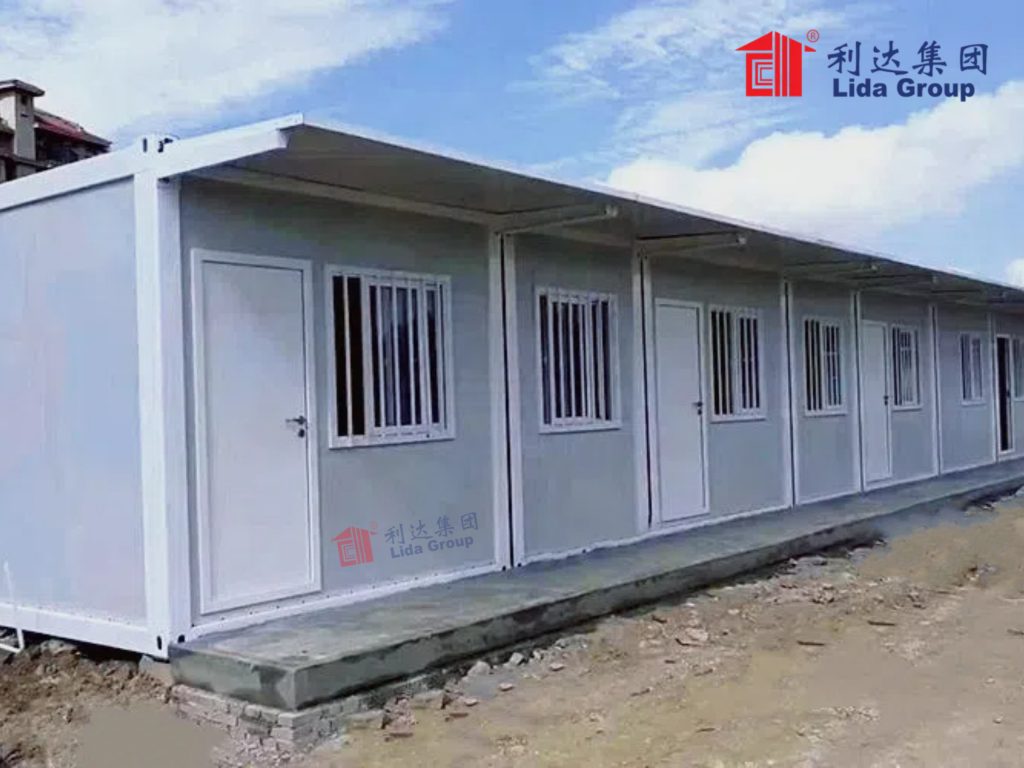
2. Technical Innovations: The Engineering Behind Easy Assembly
The success of easy assembly container apartments hinges on sophisticated engineering and standardized design. Manufacturers have optimized every component—from steel frames to insulation panels—to balance ease of assembly, structural integrity, and comfort. These technical innovations not only simplify installation but also ensure compliance with international safety and quality standards, making the units suitable for diverse climates and applications.
2.1 Structural Design and Material Selection
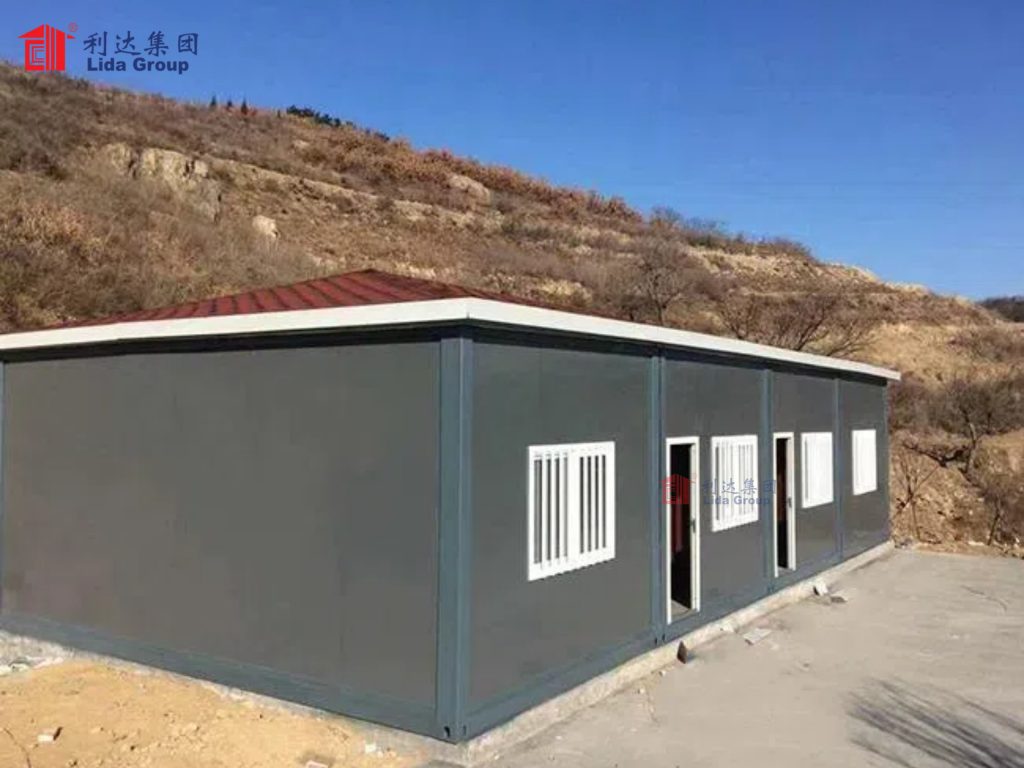
At the core of easy assembly container apartments is a robust steel frame, typically constructed from Q235 galvanized steel—a material known for its high strength, corrosion resistance, and durability . The frame components, including roof trusses, floor beams, and corner pillars, are pre-cut, pre-drilled, and galvanized with a minimum zinc thickness of 40 g/m² to withstand harsh environments, from coastal salt spray to extreme temperatures . Corner pillars, measuring 210×150×30mm with a thickness of 2.75mm, provide critical support for stacking (up to 3 levels) and lifting, meeting the rigorous requirements of the EN 12079 standard for structural integrity .
Walls, roofs, and floors are constructed using sandwich panels, which combine insulation, structural support, and weather resistance in a single prefabricated component. Common wall panels are 50mm or 75mm thick, filled with fiberglass, rock wool, or EPS foam, and clad in 0.4mm color steel sheets . Rock wool panels offer A-class fire resistance (compliant with GB 8624-2012), while fiberglass insulation provides excellent thermal performance with a thermal conductivity coefficient as low as 0.038 W/(m·K) . The floor system typically consists of 18mm fiber cement board, 100mm fiberglass insulation, and 1.8mm PVC flooring, ensuring soundproofing, moisture resistance, and load-bearing capacity (up to 2.5 kN/㎡) .
2.2 Assembly Technology: Simplifying Installation
The defining feature of these apartments is their “easy assembly” design, which eliminates the need for complex tools or specialized skills. Two primary assembly technologies dominate the market: quick-connect modular systems and hydraulic folding systems.
Quick-connect systems, exemplified by Ganxu’s fast-assembly containers, use pre-punched components and standard ISO Twistlock connectors. Each connection point can bear up to 25 tons, with a combination error of less than 2mm/m, ensuring structural stability . A 2-person team can assemble a standard 3m×6m unit in just 4 hours without电焊机 (welding machines) or cutting tools—thanks to precision pre-fabrication . For larger projects, this efficiency scales: a 200-person dormitory complex (40 units) was completed in 5 days by a small team in an Indonesian mine project, saving 30% of the construction period compared to traditional methods .
Hydraulic folding systems take efficiency further, with units that can be unfolded and deployed in 15-20 minutes using hydraulic rods. These units feature a “double-wing flip” design, expanding from a compact transport size to a spacious living area—increasing usable space by 22% (from 18㎡ to 22㎡) . This design is particularly valuable for emergency response, as it requires no professional installation; even on-site workers can set up units with minimal training .
2.3 Safety and Compliance
Easy assembly container apartments meet stringent international safety standards, ensuring reliability in diverse environments. To enter the European market, units must obtain CE certification under EN 12079, which mandates rigorous testing for structural integrity, weather resistance, and fire safety . Key tests include top and bottom strength assessments (to withstand 1.8x design load), wind resistance (up to 12 levels, or 220 km/h), and seismic resistance (grade 8) . Fire safety is enhanced by A-class fireproof panels and hidden wiring (concealed in sandwich panels), while waterproofing is achieved through sealed joints and weatherstripping, passing IP65-level water resistance tests .
In addition to structural safety, units comply with environmental and health standards. Insulation materials are low-VOC (volatile organic compounds), meeting EU EC1+ levels, and steel components are free of harmful coatings . For extreme climates, units can be customized with enhanced insulation, enabling stable use in temperatures ranging from -45℃ to 50℃ .
2.4 Customization and Versatility
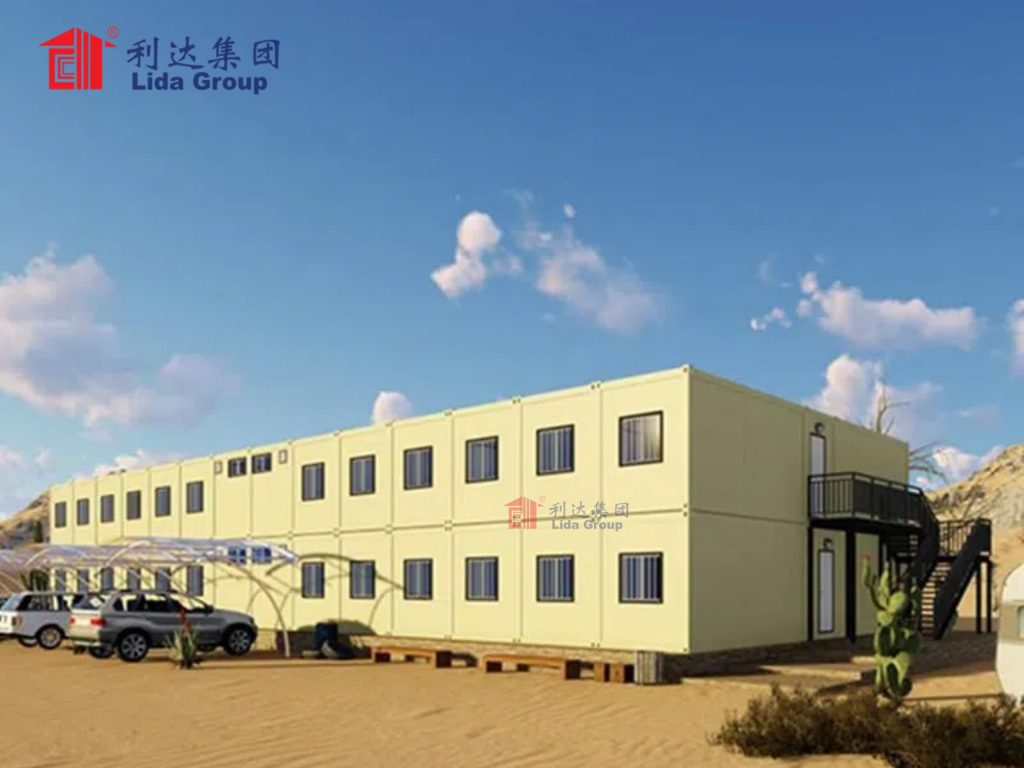
Despite their standardized design, easy assembly container apartments offer significant customization options to meet diverse needs. Manufacturers provide a range of sizes (20ft, 40ft, and custom dimensions) and configurations, from single-bedroom units to multi-story complexes . Horizontal and vertical combination is simplified by modular connectors, allowing for the creation of dormitories, offices, hotels, and even hospitals . Interior customization includes pre-installed plumbing, electrical systems, air conditioning, and finishes (such as wooden floors or decorative walls), while exterior options include custom colors, windows (UPVC or aluminum), and doors (steel or glass) .
High-end applications, such as boutique hotels, can incorporate luxury features like open balconies, solar panels, and smart home systems. A 2025 project in Thailand transformed 10 custom container units into a “网红民宿” (Internet-famous guesthouse) with Southeast Asian-style interiors—藤编家具 (rattan furniture), solid wood floors, and outdoor terraces. The units were manufactured and shipped in 45 days, with no on-site decoration needed, achieving a 90% monthly occupancy rate .
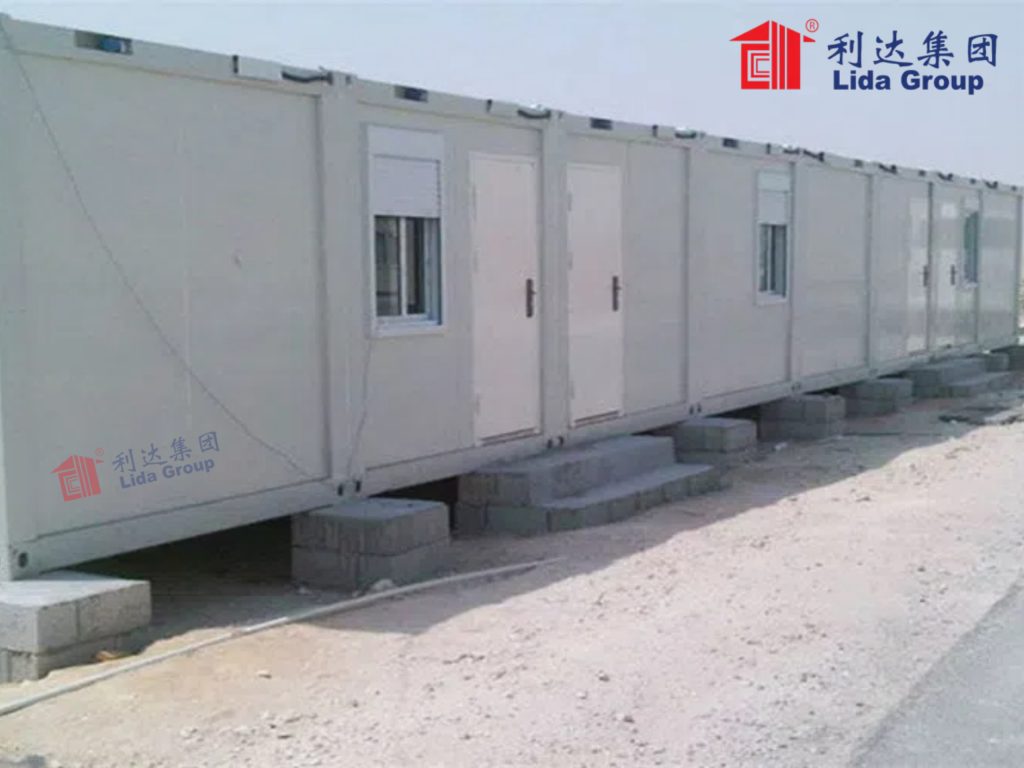
3. Efficiency Advantages: Redefining Rapid Deployment
The true value of easy assembly container apartments lies in their ability to deliver functional housing at unprecedented speeds, without compromising quality or cost. Compared to traditional construction and even conventional modular housing, they offer a suite of efficiency benefits that redefine what “rapid deployment” means in the industry.
3.1 Accelerated Project Timelines
Modular construction compresses project schedules by enabling simultaneous off-site manufacturing and on-site preparation. While foundation work proceeds at the site, container units are being produced in a factory—cutting overall project time by 30-50% . For easy assembly units, this timeline is further reduced by simplified on-site installation. A three-story container apartment complex in Amsterdam was fully assembled in just 72 hours, a feat impossible with traditional construction . In emergency scenarios, this speed is life-changing: after a hurricane in the Solomon Islands, folding container units were deployed as a temporary hospital in 48 hours, providing critical medical care to survivors .
3.2 Cost Efficiency Throughout the Lifecycle
Easy assembly container apartments offer cost savings at every stage of the project lifecycle. Initial costs are lower due to standardized production and reduced labor requirements—single units range from $2,100 to $2,500, with bulk orders offering further discounts . Transportation costs are minimized by compact design: folding units can be stacked 10 per 40ft shipping container, reducing logistics expenses by 50% . Long-term costs are controlled by low maintenance needs (annual costs under $500 per unit) and a lifespan of 15-20 years for high-quality units . When compared to traditional housing, the total cost of ownership over 10 years is 22-30% lower .
3.3 Mobility and Reusability
Unlike permanent buildings, easy assembly container apartments are designed for mobility. Units can be disassembled or folded, transported to new sites, and reassembled with minimal wear and tear . This reusability is a game-changer for temporary projects, such as construction camps or event housing. After a project is completed, units can be relocated to another site, repurposed for a new use, or resold—maximizing return on investment. For example, container units used as worker dormitories for a subway project in Suzhou were later relocated to a mine site in Indonesia, extending their useful life and reducing waste .
3.4 Minimal On-Site Disruption
Traditional construction is often associated with noise, dust, and traffic congestion—major concerns in urban areas. Easy assembly container apartments minimize on-site disruption, as most manufacturing occurs in factories. On-site work is limited to assembly and connection to utilities, which is quiet and fast. This makes them ideal for urban projects, such as student housing near universities or temporary shelters in densely populated areas. In Shanghai’s Jing’an District, 156 container units were transformed into a smart office community with minimal disruption to nearby residents, completing the project in just 60 days .
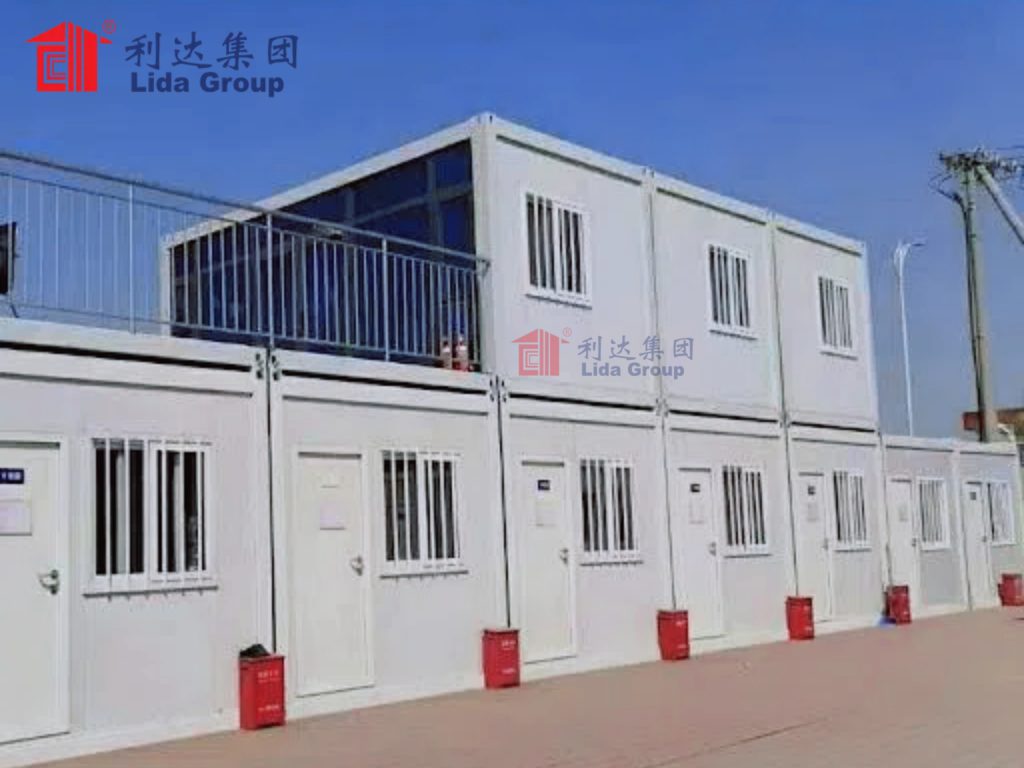
4. Diverse Applications: From Emergency Relief to Luxury Living
The versatility of easy assembly container apartments has expanded their use beyond temporary housing, making them a viable solution for a wide range of applications. Their combination of speed, durability, and customization has attracted clients from governments, businesses, and the hospitality industry.
4.1 Emergency Relief and Disaster Response
Natural disasters such as wildfires, floods, and earthquakes require immediate housing solutions, and easy assembly container apartments are well-suited for this role. They can be transported by truck, ship, or air to remote areas, assembled quickly, and equipped with essential utilities. The Santa Rosa Tubbs Fire case study demonstrated their effectiveness: six container units were converted into temporary housing for a displaced family, providing a safe and comfortable alternative to overcrowded shelters . In 2024, German modular mobile ICU units—built on container platforms—were deployed to 3000 pandemic-affected areas worldwide, with 6-hour assembly times enabling rapid medical response .
4.2 Construction and Infrastructure Projects
Construction sites, mines, and infrastructure projects (such as highways and railways) require temporary housing for workers. Easy assembly container apartments are the preferred choice here, as they can be deployed alongside project sites and relocated as work progresses. The Indonesian mine project mentioned earlier used 40 units to house 200 workers, completing installation in 5 days and reducing costs by 22% compared to traditional dormitories . Similarly, a subway construction project in Qingdao used container units to house 600 workers, with a 92% occupant satisfaction rate due to comfortable interiors and shared facilities .
4.3 Education and Student Housing
Colleges and universities worldwide face a shortage of affordable student housing. Easy assembly container apartments offer a fast and cost-effective solution, with units that can be customized into study bedrooms, shared kitchens, and common areas. Unlike traditional dormitories, which take years to build, container student housing can be completed in months. For example, a university in California used container units to add 98 beds to its campus, cutting construction costs by 40% and completing the project in just 4 months . The modular design also allows for easy expansion as student enrollment grows.
4.4 Hospitality and Tourism
The hospitality industry has embraced easy assembly container apartments for their unique aesthetic, speed of construction, and cost efficiency. Boutique hotels, glamping sites, and beach resorts are using custom units to create memorable experiences. In South Africa’s Whale Bay, a container hotel with cantilevered sea-view suites achieves an average nightly rate of $800 and a 92% occupancy rate year-round . In Thailand, the aforementioned “网红民宿” (Internet-famous guesthouse) leveraged container customization to create a unique brand identity, attracting tourists and social media attention .
4.5 Healthcare and Remote Communities
Remote communities and underserved areas often lack adequate healthcare facilities. Easy assembly container apartments can be converted into clinics, pharmacies, or mobile hospitals, providing essential medical services. These units are equipped with insulation, ventilation, and medical-grade utilities, and can be deployed in areas with limited infrastructure. Huawei’s overseas bases use container units integrated with 5G and energy storage systems to create smart medical stations, enabling 72-hour deployment of fully functional healthcare facilities .
5. Industry Impact and Future Trends
Easy assembly container apartments are not just changing how housing is built—they are reshaping the entire construction industry. Their adoption is driving innovation, policy changes, and a shift toward more sustainable and efficient building practices. As technology advances and market demand grows, several key trends are emerging.
5.1 Mainstream Adoption and Market Expansion
Once considered a niche solution for temporary housing, easy assembly container apartments are moving into the mainstream. Developers, governments, and businesses are recognizing their value for permanent and semi-permanent projects, from affordable housing complexes to commercial spaces . The Asia-Pacific region is leading this growth, with China, India, and Indonesia driving demand for infrastructure-related housing . In Europe, strict sustainability regulations are boosting adoption, while in North America, the focus is on emergency housing and student dormitories .
5.2 Technological Innovation and Smart Integration
The future of easy assembly container apartments lies in smart technology integration. Manufacturers are incorporating IoT (Internet of Things) sensors, AI-powered energy management systems, and renewable energy solutions. Siemens has developed a smart central control system that optimizes 23 environmental parameters (temperature, humidity, lighting) to reduce energy consumption by 70% . Solar panels and battery storage systems are becoming standard options, enabling off-grid use in remote areas. Japanese manufacturers are experimenting with phase-change energy storage walls, which further improve thermal efficiency and reduce energy costs .
Automation is also transforming production. AI welding robots have increased manufacturing precision to ±0.5mm, with single production lines capable of producing 80 units per day . BIM (Building Information Modeling) technology is used to optimize design, simulate assembly, and ensure compliance with local regulations, reducing errors and delays .
5.3 Policy Support and Regulatory Alignment
Governments are increasingly supporting modular construction through policy incentives and regulatory reforms. China’s Ministry of Housing and Urban-Rural Development has compressed approval times for container housing projects to 15 working days and offers subsidies of up to $60 per square meter . The EU’s Green Deal includes funding for sustainable modular housing, while the U.S. Federal Emergency Management Agency (FEMA) has updated its guidelines to prioritize container units for disaster relief . These policies are reducing barriers to adoption and accelerating market growth.
5.4 Sustainability and Circular Economy Advancements
As sustainability goals become more ambitious, manufacturers are focusing on reducing the environmental footprint of easy assembly container apartments. This includes using recycled materials (such as ocean plastic in insulation), improving recyclability, and designing units for end-of-life disassembly . The Belgian Living Box project integrates rainwater collection, composting systems, and solar power to create self-sustaining units with zero net waste . Future innovations may include biodegradable insulation materials and carbon-negative steel frames, further aligning with global climate targets.
6. Conclusion
Easy assembly container apartments have emerged as a transformative solution in the global housing landscape, redefining rapid deployment through technical innovation, efficiency, and versatility. By addressing the core limitations of traditional construction—labor shortages, cost volatility, and slow timelines—they offer a practical path forward for meeting urgent housing needs, from disaster relief to urban development. Their robust design, compliance with international safety standards, and sustainability credentials make them a viable alternative to permanent buildings, while their customization options enable use across diverse industries.
The impact of these modular dwellings extends beyond individual projects; they are driving a paradigm shift in the construction industry toward off-site manufacturing, circular economy principles, and smart technology integration. As market demand grows and technology advances, easy assembly container apartments will continue to evolve, offering even greater efficiency, sustainability, and functionality. Governments, businesses, and communities that embrace this innovation will be better positioned to address housing challenges, reduce environmental impact, and build more resilient societies.
In an era where speed, cost, and sustainability are paramount, easy assembly container apartments are not just a temporary fix—they are the future of building. Their ability to deliver high-quality housing quickly and efficiently redefines what is possible in construction, proving that rapid deployment and long-term value can coexist. As the industry continues to adapt and innovate, these modular dwellings will play an increasingly critical role in shaping the built environment for generations to come.
Related news
-
Lida Group: Unmatched Expertise in Steel Structure Projects
2026-01-19 17:45:04
-
Build with Confidence: High Quality from Lida Group
2026-01-19 17:28:42
-
Lida Group Pioneers Modern Metal Frame Building Techniques
2026-01-19 17:16:15
contact us
- Tel: +86-532-88966982
- Whatsapp: +86-13793209022
- E-mail: sales@lidajituan.com
