



Durable Metal Frame Farmhouse Solutions from Lida Group
2026-Feb-13 16:40:11
By Admin
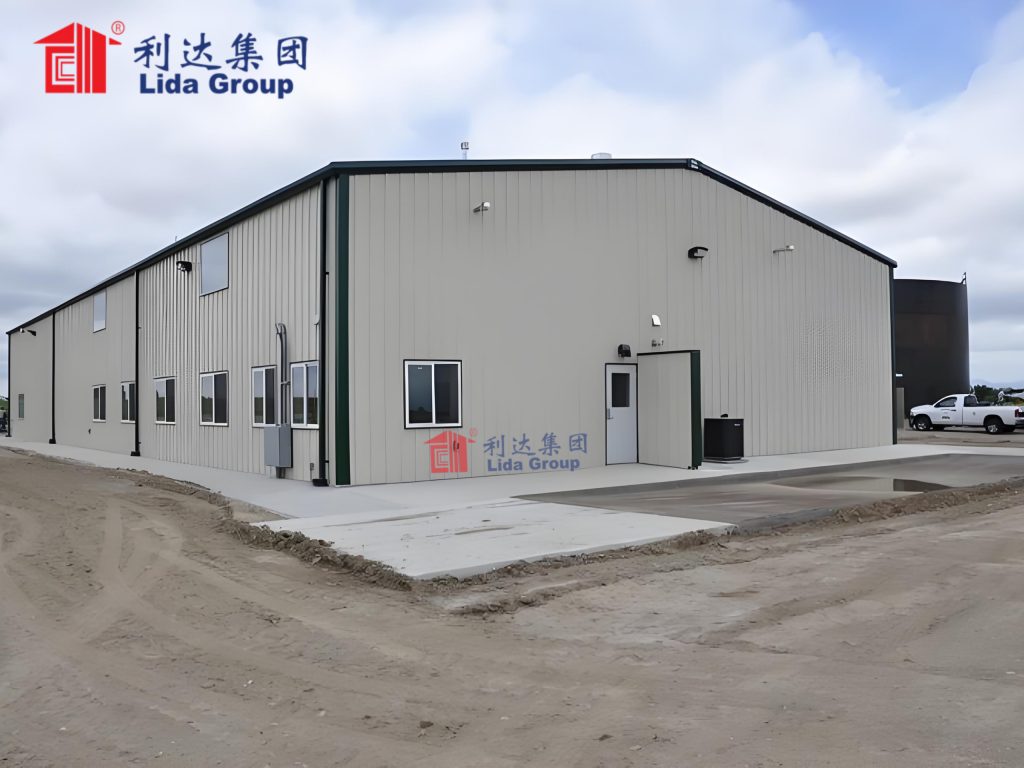
In an era of global rural revitalization and growing demand for long-lasting, low-maintenance rural housing, the search for durable farmhouse solutions has become a top priority for rural residents, agricultural operators, and rural development stakeholders worldwide. Traditional farmhouses, predominantly constructed with brick-and-concrete, wood, or adobe, often struggle with short lifespans, poor resistance to natural hazards, high maintenance costs, and limited adaptability to modern rural living needs. Wood-framed farmhouses, in particular, are vulnerable to rot, pest infestations, and fire, with termite damage alone costing property owners billions annually globally. Against this backdrop, metal frame construction has emerged as a transformative alternative, offering unparalleled durability, structural stability, and sustainability. Lida Group, a leading global provider of prefabricated steel and metal structure buildings, has stepped forward with its innovative and robust Durable Metal Frame Farmhouse Solutions, redefining the standards for long-lasting rural housing. These solutions, tailored specifically for rural environments and agricultural lifestyles, combine high-quality metal materials, advanced engineering, and modular design to deliver farmhouses that are resilient, efficient, and built to stand the test of time—addressing the long-standing pain points of traditional rural construction while meeting the evolving needs of modern rural communities.
Lida Group’s Durable Metal Frame Farmhouse Solutions are more than just a construction product; they are a comprehensive response to the unique challenges of rural housing. Rural environments pose distinct threats to building durability: extreme weather conditions (such as heavy rainfall, strong winds, snow loads, and temperature fluctuations), high humidity, exposure to agricultural chemicals, and potential pest infestations all take a toll on traditional structures. Additionally, modern rural residents no longer settle for basic shelter—they seek homes that are safe, comfortable, energy-efficient, and flexible enough to accommodate diverse needs, from agricultural storage and home-based businesses to rural tourism accommodation. Lida Group’s metal frame solutions excel in all these areas, leveraging the inherent advantages of metal framing to create farmhouses that are not only durable but also functional, sustainable, and cost-effective in the long run.
This article explores the full scope of Lida Group’s Durable Metal Frame Farmhouse Solutions, starting with the global context of rural housing needs and the limitations of traditional construction methods. It delves into Lida Group’s expertise in metal frame construction, the technical details that make its solutions exceptionally durable, the core advantages over traditional farmhouses, real-world application cases across diverse climates and scenarios, and the impact of these solutions on rural development and revitalization. Finally, it concludes with a summary of the solutions’ value and a look ahead to their future adoption. Throughout, the focus remains on “durability”—the defining feature of Lida’s metal frame farmhouses—and how this core strength translates to long-term value for rural residents and operators worldwide.
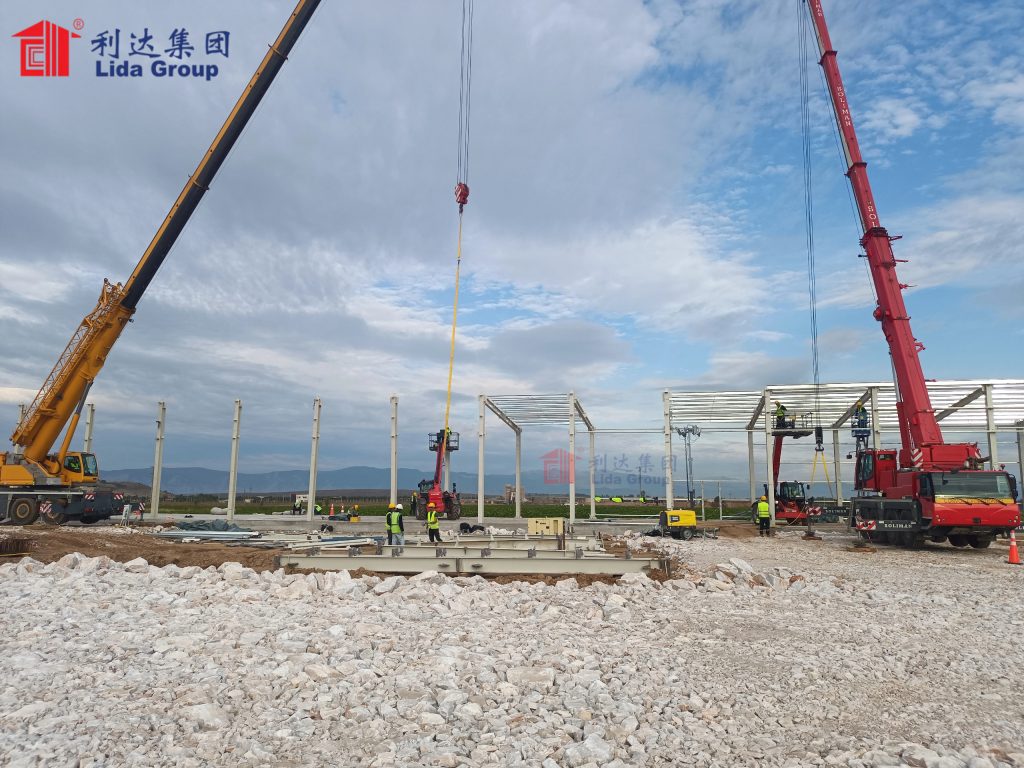
1. Introduction: The Global Need for Durable Rural Housing and the Shortcomings of Traditional Farmhouses
Rural housing is the foundation of rural life, and its durability directly impacts the quality of life of rural residents, the sustainability of rural development, and the resilience of agricultural communities. As rural revitalization initiatives gain momentum across continents—from China’s Rural Revitalization Strategy to similar programs in Europe, Africa, and the Americas—the demand for high-quality, durable farmhouses has never been more urgent. According to industry research, the global rural housing market is projected to grow at a CAGR of 7.2% through 2030, with durability and sustainability emerging as the top priorities for buyers and policymakers alike.
Traditional farmhouse construction methods, however, are ill-equipped to meet these demands, with inherent limitations that compromise durability and long-term performance. Below is a detailed analysis of the key shortcomings of traditional farmhouses, highlighting the need for innovative solutions like Lida Group’s metal frame farmhouses:
1.1 Short Lifespan and High Maintenance Costs
Most traditional farmhouses—whether brick-and-concrete, wood-framed, or adobe—have relatively short lifespans. Brick-and-concrete farmhouses typically last 20–30 years before showing significant signs of deterioration, such as cracks, peeling, and water damage, requiring costly renovations. Wood-framed farmhouses fare even worse, with a lifespan of just 15–25 years, as wood is susceptible to rot, fungal decay, termite infestations, and warping when exposed to rural humidity and weather extremes. A study by Pest World.org found that termite damage alone costs U.S. property owners over $5 billion each year, a problem that plagues wood-framed rural structures worldwide. Adobe houses, common in arid regions, are vulnerable to water damage and erosion, with lifespans of less than 20 years in areas with occasional heavy rainfall.
These short lifespans translate to high long-term maintenance costs. Traditional farmhouses require regular repairs—such as replacing rotted wood, repointing brickwork, or patching adobe walls—adding up to significant expenses over time. For rural residents with limited incomes, these maintenance costs can become a financial burden, diverting resources from agricultural production and other essential needs.
1.2 Poor Resistance to Natural Hazards
Rural areas are often exposed to a range of natural hazards, including earthquakes, strong winds, hurricanes, snowstorms, and wildfires. Traditional farmhouses are largely unable to withstand these threats, putting residents and their property at risk. Brick-and-concrete structures are rigid and brittle, making them prone to collapse during earthquakes—over 70% of rural brick-and-concrete houses in earthquake-prone regions fail to meet basic seismic fortification standards. Wood-framed farmhouses are highly flammable, posing a severe fire risk, and are easily damaged by strong winds and snow loads. Even minor storms can cause significant damage to traditional rural structures, leading to costly repairs or complete rebuilding.
1.3 Environmental Vulnerability
Rural environments are characterized by high humidity, exposure to agricultural chemicals, and frequent temperature fluctuations—all of which accelerate the deterioration of traditional building materials. Brick-and-concrete walls are prone to mold growth in humid conditions, compromising indoor air quality and structural integrity. Wood-framed structures absorb moisture, leading to rot and pest infestations, while adobe walls erode when exposed to rain or irrigation water. Agricultural chemicals, such as fertilizers and pesticides, can also corrode traditional building materials over time, further reducing their lifespan.
1.4 Limited Flexibility and Adaptability
Modern rural life demands flexible housing that can adapt to changing needs—whether expanding for a growing family, adding storage space for agricultural machinery, or converting part of the home into a rural tourism guest room or home-based business. Traditional farmhouses, with their rigid structures, are difficult to renovate or expand without significant cost and effort. For example, adding a second floor to a brick-and-concrete farmhouse requires extensive structural modifications, while expanding a wood-framed house often involves replacing or reinforcing existing framing, leading to additional expenses and construction delays.
Against this backdrop, metal frame construction has emerged as the ideal solution for durable rural housing. Metal frames offer inherent advantages over traditional materials: they are resistant to rot, pests, fire, and corrosion; they have exceptional structural strength and seismic/wind resistance; they are lightweight yet robust; and they allow for flexible, modular design. Lida Group, with decades of expertise in metal frame construction, has refined these advantages to create specialized Durable Metal Frame Farmhouse Solutions that are tailored to the unique needs of rural environments—filling the gap left by traditional construction methods and setting a new standard for long-lasting rural housing.
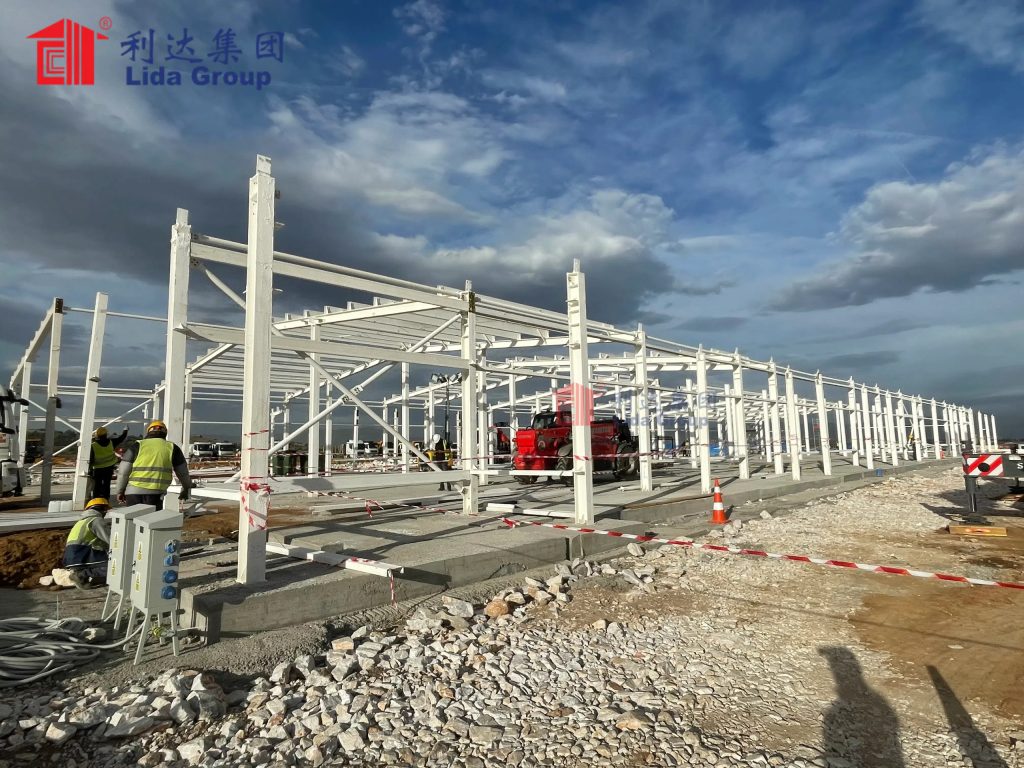
2. About Lida Group: A Global Leader in Durable Metal Frame Construction
To understand the quality and reliability of Lida Group’s Durable Metal Frame Farmhouse Solutions, it is essential to first recognize the group’s expertise, experience, and commitment to excellence in metal frame construction. Founded in 1993 and headquartered in Shandong, China, Lida Group has grown into a leading high-tech enterprise specializing in the R&D, design, production, construction, and service of prefabricated metal structure buildings. With a global footprint spanning over 100 countries and regions—including Southeast Asia, Africa, Europe, Latin America, and Oceania—Lida Group has established a reputation for delivering durable, high-performance metal frame solutions across diverse industries, from commercial and industrial buildings to residential and rural structures.
2.1 Core Strengths in Metal Frame Construction
Lida Group’s competitive advantage lies in its integrated industrial chain, advanced production technology, and uncompromising focus on quality and durability. The group boasts a 73,000-square-meter modern production base equipped with internationally advanced automated production lines—including cold-formed thin-walled steel production lines imported from the United States and automated welding equipment—that ensure precision and consistency in every metal frame component. With an annual production capacity of 100,000 tons of metal structure components and 500,000 square meters of prefabricated metal frame buildings, Lida Group can efficiently meet the demands of large-scale rural housing projects.
At the heart of Lida Group’s expertise is its team of 50+ technical engineers and 200+ skilled workers, who specialize in metal frame design, structural engineering, and rural construction. The group uses advanced 3D modeling and structural calculation software to optimize every aspect of its metal frame farmhouses, ensuring they meet international standards (including ISO, CE, TUV, and SGS) for durability, safety, and performance. Lida Group’s production base has passed rigorous factory audits by international authoritative institutions, and its products hold a range of certifications, including ISO 9001 quality management system certification, ISO 14001 environmental management system certification, and ISO 45001 occupational health and safety management system certification—testament to its commitment to quality and reliability.
2.2 Experience in Rural and Metal Frame Projects
Long before launching its specialized Durable Metal Frame Farmhouse Solutions, Lida Group accumulated extensive experience in rural construction and metal frame projects—laying the groundwork for its tailored rural housing solutions. The group has successfully undertaken hundreds of rural housing projects worldwide, including rural renovation programs, agricultural industrial park supporting housing, and rural tourism accommodation, demonstrating its deep understanding of rural environments, local cultures, and the unique needs of rural residents.
In metal frame construction, Lida Group has a proven track record of delivering durable structures that withstand extreme conditions. The group has built metal frame buildings in earthquake-prone regions (such as Yunnan, China, and parts of Southeast Asia), hurricane-prone coastal areas (such as the Caribbean), and harsh arid regions (such as Africa’s Sahel zone), all of which have maintained their structural integrity and performance over decades. For example, Lida Group’s metal frame warehouse projects in Africa have withstood years of extreme heat and sandstorms without significant deterioration, while its metal frame residential buildings in earthquake-prone regions have passed rigorous seismic testing, ensuring the safety of occupants during natural disasters.
This combination of rural construction experience and metal frame expertise allows Lida Group to design and deliver farmhouses that are not only durable but also practical, comfortable, and aligned with rural lifestyles. The group’s team works closely with local stakeholders to adapt its metal frame solutions to local climate conditions, cultural preferences, and budget constraints—ensuring each farmhouse is tailored to the specific needs of the community it serves.
2.3 Commitment to Durability and Sustainability
Durability and sustainability are the guiding principles behind Lida Group’s Durable Metal Frame Farmhouse Solutions. The group recognizes that rural housing must be built to last, as frequent replacements are costly and environmentally unsustainable. To this end, Lida Group uses only the highest-quality metal materials and advanced manufacturing processes to ensure its metal frame farmhouses have a lifespan of 50–70 years—far longer than the 20–30 year lifespan of traditional brick-and-concrete farmhouses and the 15–25 year lifespan of wood-framed farmhouses.
In terms of sustainability, Lida Group’s metal frame solutions are inherently eco-friendly. Metal is 100% recyclable, and the group uses recycled steel in many of its components, reducing the consumption of non-renewable resources and minimizing environmental impact. The prefabricated construction method used for Lida’s metal frame farmhouses generates 80% less construction waste than traditional on-site construction, as components are manufactured to precise dimensions in a controlled factory setting. Additionally, the energy efficiency of Lida’s metal frame farmhouses—enabled by advanced insulation technology—reduces energy consumption for heating and cooling by up to 65% compared to traditional farmhouses, aligning with global “dual carbon” goals and reducing the environmental footprint of rural communities.
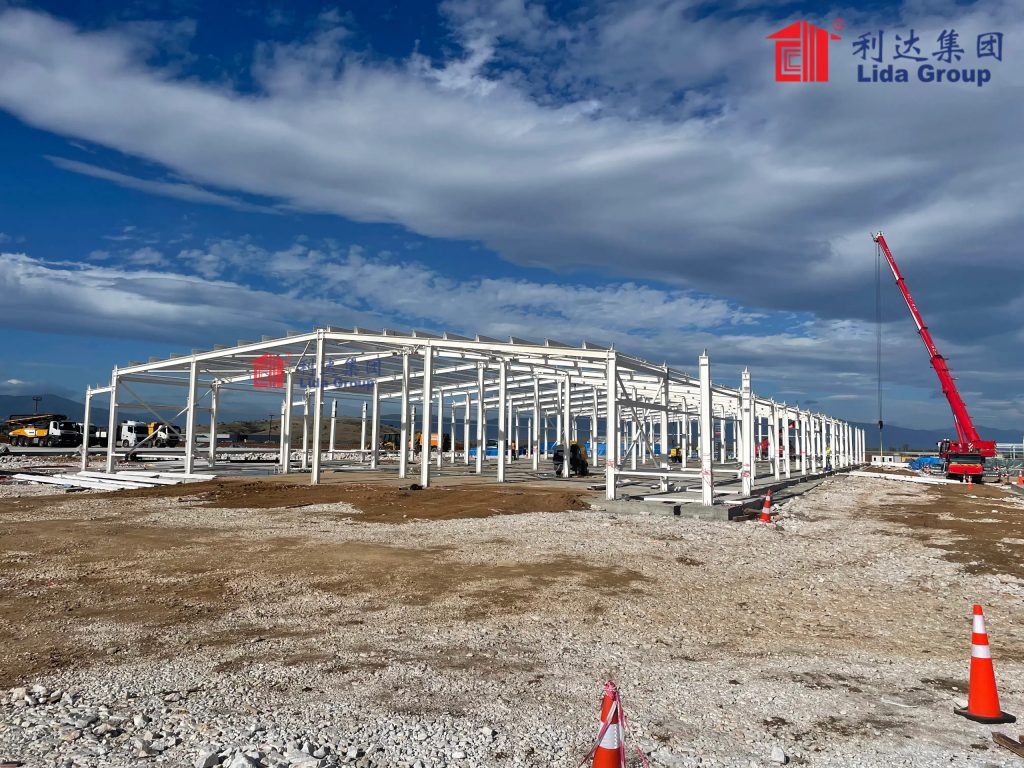
3. Technical Details of Lida Group’s Durable Metal Frame Farmhouse Solutions
Lida Group’s Durable Metal Frame Farmhouse Solutions are the result of decades of technological innovation and engineering refinement, with every technical detail designed to maximize durability, structural stability, and long-term performance. Unlike generic metal frame buildings, Lida’s solutions are specifically tailored for rural environments, with optimized materials, structural design, and配套 technologies that address the unique threats to rural housing. Below is a detailed breakdown of the core technical features that make Lida’s metal frame farmhouses exceptionally durable:
3.1 High-Quality Metal Frame Materials
The durability of a metal frame building starts with the quality of its materials, and Lida Group spares no expense in selecting the best metal for its farmhouses. The group uses two primary types of metal for its frames, chosen for their strength, corrosion resistance, and longevity:
-
Galvanized Aluminum Zinc G550 High-Strength Steel: This premium steel is used for the main structural components of the farmhouse, including columns, beams, and purlins. G550 steel has a high tensile strength (550 MPa) and excellent ductility, making it resistant to bending, cracking, and deformation under heavy loads (such as snow and wind). It is coated with a layer of galvanized aluminum zinc, which provides superior corrosion resistance—protecting the steel from humidity, rain, agricultural chemicals, and saltwater (in coastal rural areas). This coating ensures the metal frame remains rust-free and durable for decades, even in harsh rural environments.
-
Q235/Q355 Carbon Steel: Used for secondary structural components (such as wall studs and floor joists), Q235 and Q355 carbon steel offer a balance of strength and cost-effectiveness. These steels are also treated with hot-dip galvanizing and powder coating, forming a double protective layer that enhances corrosion resistance and durability. Q355 carbon steel, in particular, has a higher yield strength (355 MPa) than Q235, making it ideal for use in regions prone to strong winds or heavy snow loads.
All metal materials used by Lida Group are sourced from reputable suppliers and undergo rigorous quality testing before production—ensuring they meet international standards for strength and durability. The group also uses high-strength bolts and connectors to join metal frame components, ensuring tight, secure connections that resist loosening over time. These bolts are made of corrosion-resistant steel and are designed to withstand the vibrations and stress of rural life (such as agricultural machinery operation).
3.2 Structural Design for Maximum Durability and Stability
Lida Group’s metal frame farmhouses feature a scientific, optimized structural design that enhances durability and stability, ensuring they can withstand the toughest rural conditions. Key design features include:
-
Triangular Truss Structure: The roof and main frame of Lida’s farmhouses adopt a triangular truss design, which distributes weight evenly across the structure and provides exceptional stability. This design is inherently resistant to bending and deformation, making the farmhouse capable of withstanding heavy snow loads (up to 1.5 kN/m²) and strong winds (up to 50 m/s, equivalent to a Level 12 hurricane). The triangular truss structure also enhances seismic resistance, as it can absorb and dissipate seismic energy during an earthquake, reducing the risk of collapse.
-
Modular and Prefabricated Design: Lida’s metal frame farmhouses are built using a modular, prefabricated design, with all components manufactured in the group’s factory to precise dimensions. This modular design ensures consistent quality and tight fits between components, reducing the risk of water leakage, air infiltration, and structural weakness. Prefabrication also eliminates on-site cutting and welding (for most components), minimizing errors and ensuring the structural integrity of the frame. The modular components are connected using high-strength bolts, allowing for quick on-site assembly while maintaining durability.
-
Foundation Optimization: The foundation of a farmhouse is critical to its durability, and Lida Group designs custom foundations for each project based on local soil conditions and climate. For rural areas with soft soil, the group uses prefabricated concrete piles to anchor the metal frame securely to the ground, preventing settlement and deformation over time. For earthquake-prone regions, the foundation is designed to absorb seismic energy, with reinforced concrete slabs and shock-absorbing connectors that reduce the impact of earthquakes on the frame. This foundation optimization ensures the farmhouse remains stable and durable, even in challenging soil conditions.
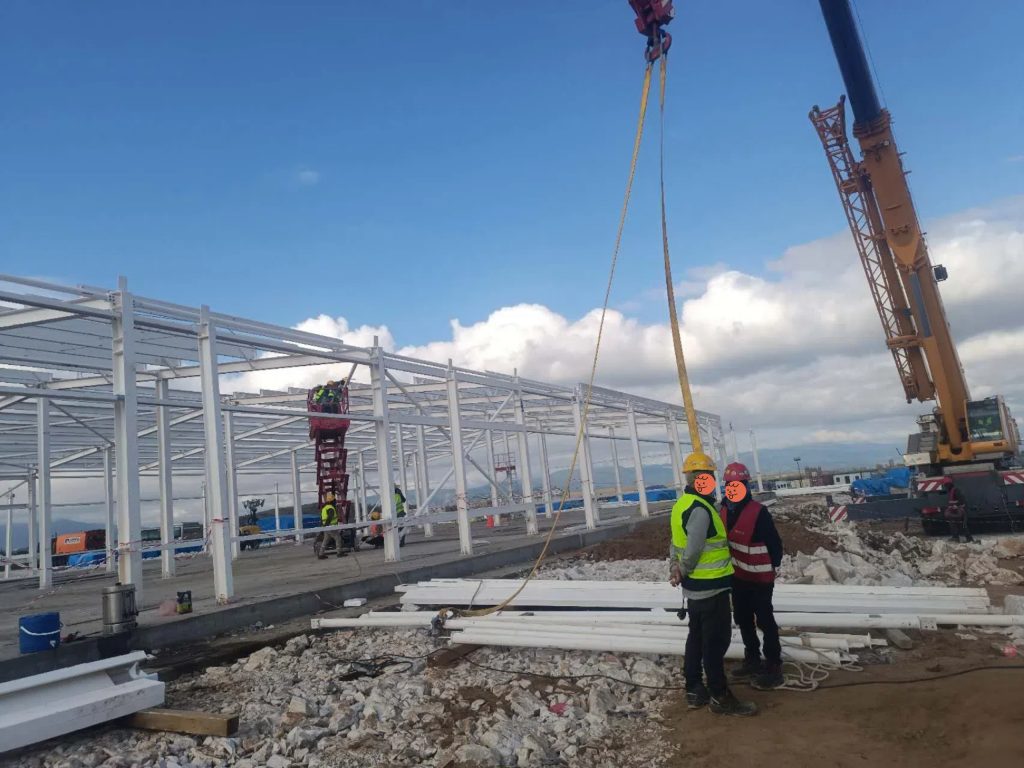
3.3 Corrosion and Weather Resistance Technologies
Rural environments are harsh on building materials, with humidity, rain, wind, and agricultural chemicals all posing threats to metal frames. Lida Group incorporates advanced corrosion and weather resistance technologies to protect its metal frame farmhouses, ensuring they remain durable for decades:
-
Multi-Layer Coating System: All metal components are treated with a multi-layer coating system to prevent corrosion. The process starts with shot blasting (SA2.5 standard) to remove rust and debris from the steel surface, followed by a layer of anti-rust primer, a layer of corrosion-resistant paint, and a final layer of weather-resistant powder coating. This multi-layer system provides superior protection against humidity, rain, saltwater, and agricultural chemicals, ensuring the metal frame remains rust-free and intact for 50+ years. In coastal rural areas, the group adds an additional layer of anti-corrosion coating to further enhance protection against salt spray.
-
Waterproof and Moisture-Proof Design: Lida’s metal frame farmhouses feature a comprehensive waterproof and moisture-proof design to prevent water damage and mold growth. The roof adopts a slope design (15–30 degrees) to ensure rapid water runoff, and high-quality waterproof rolls (such as PVC or TPO) are installed between the metal roof panels and the frame. The wall panels are connected with waterproof connectors, and all joints are sealed with high-temperature-resistant, waterproof sealants to prevent water leakage. The group also installs moisture barriers in the walls and floors to prevent humidity from penetrating the structure, reducing the risk of mold growth and metal corrosion.
-
UV Resistance: For rural areas with intense sunlight (such as arid regions), Lida’s metal frame farmhouses are equipped with UV-resistant coatings on the exterior panels and frame components. These coatings reflect sunlight and prevent UV radiation from damaging the metal and other building materials, reducing fading and deterioration over time. This UV resistance ensures the farmhouse maintains its appearance and structural integrity, even after years of exposure to intense sunlight.
3.4 Insulation and Energy Efficiency Technologies
While durability is the core focus of Lida’s metal frame farmhouses, the group also prioritizes energy efficiency—recognizing that energy costs are a significant burden for rural residents. Lida’s solutions incorporate advanced insulation technologies that not only reduce energy consumption but also enhance durability by protecting the metal frame from temperature fluctuations:
-
High-Performance Insulated Sandwich Panels: The walls and roof of Lida’s metal frame farmhouses use insulated sandwich panels, which consist of two outer layers of galvanized color steel and a central core of environmentally friendly insulation material (EPS, PU, or rock wool). These panels are customized based on local climate conditions:
-
PU core panels (thermal conductivity ≤ 0.023 W/m·K) are used in cold regions to provide superior thermal insulation, ensuring the farmhouse remains warm in winter without excessive heating.
-
EPS core panels (thermal conductivity 0.028–0.033 W/m·K) are used in moderate climates to balance insulation and cost-effectiveness.
-
Rock wool core panels (thermal conductivity ≤ 0.044 W/m·K) are used in fire-prone regions, as they are incombustible and provide additional fire protection.
-
-
Air-Tight Seal Design: The modular design of Lida’s metal frame farmhouses ensures a tight seal between components, preventing air leakage and reducing heat transfer. All windows and doors are equipped with weatherstripping to further enhance air tightness, and the group uses energy-efficient windows (such as PVC or aluminum alloy frames with double-glazed glass) to minimize heat loss. This air-tight design reduces energy consumption for heating and cooling by up to 65% compared to traditional farmhouses, and also prevents humidity from entering the structure—protecting the metal frame from corrosion and mold growth.
3.5 Fire and Pest Resistance
Fire and pest infestations are major threats to rural housing, and Lida’s metal frame farmhouses are designed to resist both:
-
Fire Resistance: Metal is inherently non-combustible, making Lida’s metal frame farmhouses far more fire-resistant than wood-framed structures. The group also uses fire-resistant insulation materials (such as rock wool) and fire-rated wall panels to slow the spread of fire, giving occupants ample time to evacuate. The metal frame itself remains intact even at high temperatures (up to 600℃), preventing the structure from collapsing during a fire. Lida’s metal frame farmhouses meet international fire safety standards (such as ISO 834), ensuring the safety of residents and their property.
-
Pest Resistance: Unlike wood-framed farmhouses, Lida’s metal frame farmhouses are completely resistant to termites, rodents, and other pests. Metal does not provide a food source for pests, and the multi-layer coating system prevents pests from damaging the frame. The group also installs pest barriers around the foundation of the farmhouse to prevent pests from entering the structure, further enhancing protection. This pest resistance eliminates the need for costly pest control treatments and reduces the risk of structural damage caused by infestations.
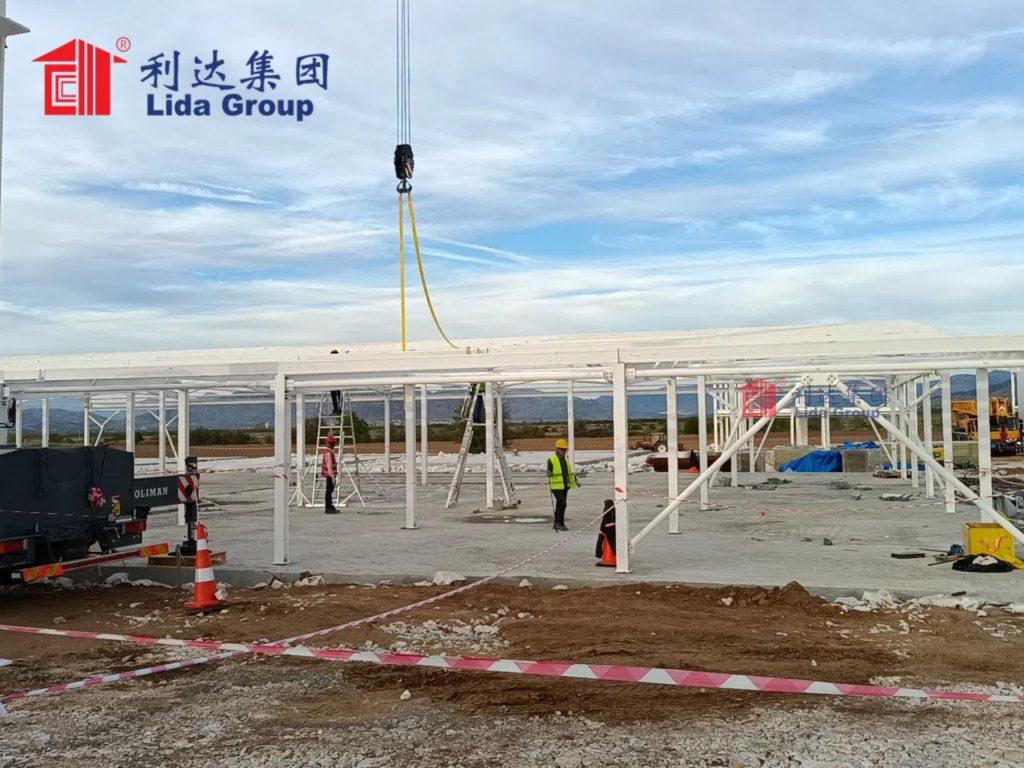
4. Core Advantages of Lida Group’s Durable Metal Frame Farmhouse Solutions
Lida Group’s Durable Metal Frame Farmhouse Solutions offer a range of core advantages over traditional farmhouses and even other metal frame rural housing options—all centered around their exceptional durability. These advantages translate to long-term value for rural residents, agricultural operators, and rural development stakeholders, making Lida’s solutions the ideal choice for modern rural housing. Below is a detailed overview of these advantages:
4.1 Unmatched Durability and Long Lifespan
The most significant advantage of Lida’s metal frame farmhouses is their unmatched durability and long lifespan. Thanks to high-quality metal materials, advanced corrosion protection, and optimized structural design, Lida’s farmhouses have a lifespan of 50–70 years—more than twice the lifespan of traditional brick-and-concrete farmhouses (20–30 years) and three times the lifespan of wood-framed farmhouses (15–25 years). This long lifespan means rural residents can enjoy a stable, secure home for generations without the need for costly replacements or major renovations.
The durability of Lida’s solutions is further demonstrated by their ability to withstand extreme rural conditions. Whether exposed to heavy rainfall, strong winds, snowstorms, earthquakes, humidity, agricultural chemicals, or pest infestations, Lida’s metal frame farmhouses remain structurally intact and functional. In practical tests, Lida’s farmhouses have withstood Level 12 hurricanes, magnitude 9 earthquakes, and decades of extreme heat and humidity without significant deterioration—proving their resilience and reliability.
4.2 Low Maintenance Costs
Traditional farmhouses require frequent, costly maintenance to address issues like rot, rust, pest infestations, and water damage. Lida’s metal frame farmhouses, by contrast, have extremely low maintenance costs—saving rural residents thousands of dollars over the lifespan of the structure. The metal frame’s corrosion resistance eliminates the need for regular rust treatment, while its pest and fire resistance reduces the risk of costly damage caused by infestations or fires. The insulated sandwich panels and waterproof design also prevent mold growth and water damage, reducing the need for repairs to walls and roofs.
In fact, Lida’s metal frame farmhouses require only minimal annual maintenance: a simple inspection of the frame, connectors, and waterproof seals, and occasional cleaning of the exterior panels. This minimal maintenance translates to annual costs that are just 30–40% of the maintenance costs of traditional brick-and-concrete farmhouses and 20–30% of the costs of wood-framed farmhouses. For rural residents with limited incomes, this low maintenance burden is a significant financial benefit, allowing them to allocate resources to other essential needs.
4.3 Superior Safety and Resilience
Safety is a top priority for rural housing, and Lida’s metal frame farmhouses excel in this area. The exceptional structural strength of the metal frame ensures the farmhouse can withstand natural hazards like earthquakes, strong winds, and snowstorms—protecting residents and their property. The fire-resistant design reduces the risk of fire-related damage and injury, while the pest-resistant design eliminates the health risks associated with pest infestations (such as termite bites and mold-related respiratory issues).
Lida’s metal frame farmhouses also meet strict international safety standards, including seismic fortification standards (up to magnitude 9), wind resistance standards (up to Level 12), and fire safety standards (ISO 834). This commitment to safety gives rural residents peace of mind, knowing their home is built to protect them from the toughest rural conditions. In earthquake-prone regions, Lida’s farmhouses have been recognized by local governments as “safe rural housing models,” as they provide reliable protection during natural disasters.
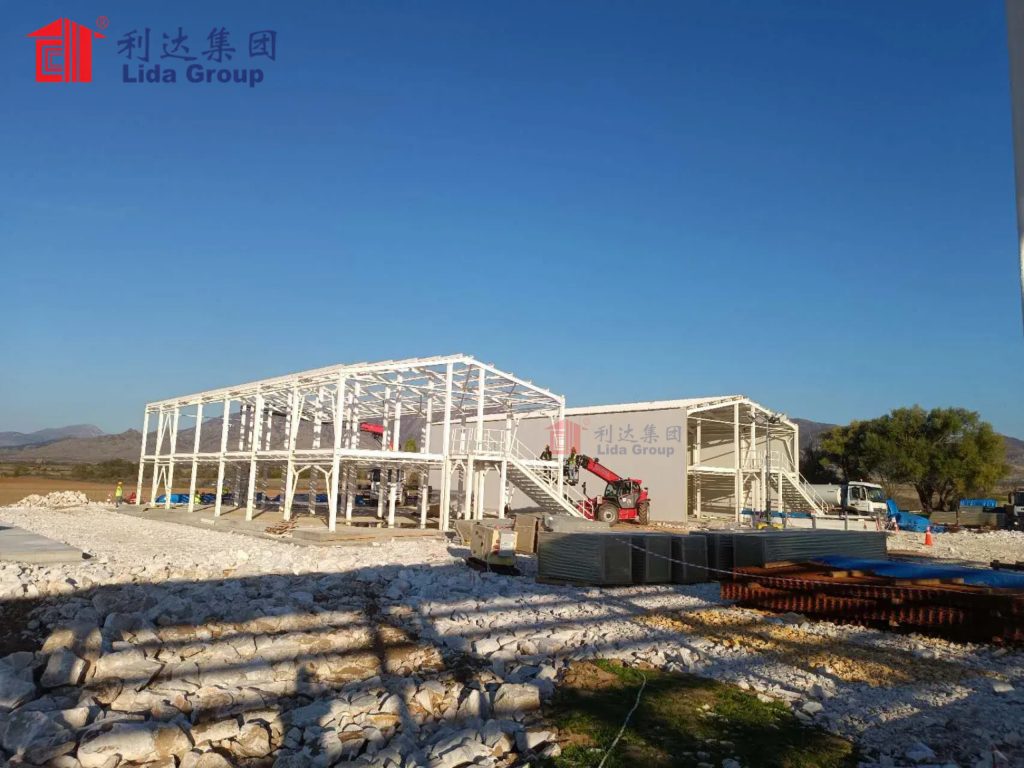
4.4 Rapid Construction and Cost-Effectiveness
While the initial investment in Lida’s metal frame farmhouses may be slightly higher than that of traditional brick-and-concrete farmhouses, their long-term cost-effectiveness is unmatched. The rapid prefabricated construction method used by Lida Group reduces construction time by 70–80% compared to traditional on-site construction: a 300-square-meter farmhouse can be fully constructed (including foundation, frame assembly, and interior decoration) in just 4–6 weeks, compared to 6–12 months for a traditional brick-and-concrete farmhouse of the same size.
This rapid construction reduces labor costs by 50%, as only 4–7 skilled workers are needed for on-site assembly—compared to 10–15 workers for traditional construction. The prefabricated method also eliminates weather-related delays, ensuring the project is completed on schedule, regardless of rain, snow, or other adverse conditions. Over the lifespan of the farmhouse, the low maintenance costs and long lifespan further enhance cost-effectiveness, making Lida’s solutions more affordable than traditional farmhouses in the long run.
Additionally, Lida Group leverages economies of scale in production to reduce the cost of metal components, making its solutions accessible to rural residents with limited budgets. The group also offers flexible payment plans and works with local governments to access rural housing subsidies, further reducing the financial burden on rural families.
4.5 Flexibility and Adaptability
Modern rural life demands flexible housing that can adapt to changing needs, and Lida’s metal frame farmhouses are designed with this in mind. The modular design of the metal frame allows for easy expansion and renovation—rural residents can add additional modules (such as bedrooms, storage rooms, or home-based business spaces) without significant cost or effort. The metal frame’s strength and flexibility also allow for open floor plans, large windows, and unique architectural features, giving rural residents the freedom to customize their farmhouse to their preferences and lifestyle.
For example, a rural family can start with a small, one-story farmhouse and add a second floor as the family grows. An agricultural operator can add a storage module for agricultural machinery or a workshop for processing agricultural products. A rural tourism operator can customize the farmhouse with guest rooms, a restaurant, and leisure areas to accommodate tourists. This flexibility ensures Lida’s metal frame farmhouses remain relevant and functional as rural needs evolve, further enhancing their long-term value.
4.6 Sustainability and Environmental Friendliness
Lida’s metal frame farmhouses are inherently sustainable and environmentally friendly, aligning with global efforts to reduce carbon emissions and promote sustainable rural development. Key sustainability features include:
-
100% Recyclable Materials: Metal is fully recyclable, and Lida Group uses recycled steel in many of its components—reducing the consumption of non-renewable resources and minimizing environmental impact. At the end of the farmhouse’s lifespan, all metal components can be recycled and reused, reducing construction waste and promoting a circular economy.
-
Reduced Construction Waste: The prefabricated construction method generates 80% less construction waste than traditional on-site construction, as components are manufactured to precise dimensions in a controlled factory setting. This reduces the amount of waste sent to landfills and minimizes environmental pollution in rural areas.
-
Energy Efficiency: The advanced insulation technology used in Lida’s farmhouses reduces energy consumption for heating and cooling by up to 65% compared to traditional farmhouses. This not only lowers energy costs for rural residents but also reduces greenhouse gas emissions, contributing to global climate goals.
-
Eco-Friendly Materials: Lida Group uses eco-friendly, low-VOC (volatile organic compound) adhesives and insulation materials in its farmhouses, ensuring indoor air quality and reducing environmental pollution. The group also avoids the use of clay bricks (which destroy cultivated land) and other environmentally harmful materials, protecting rural ecological resources.
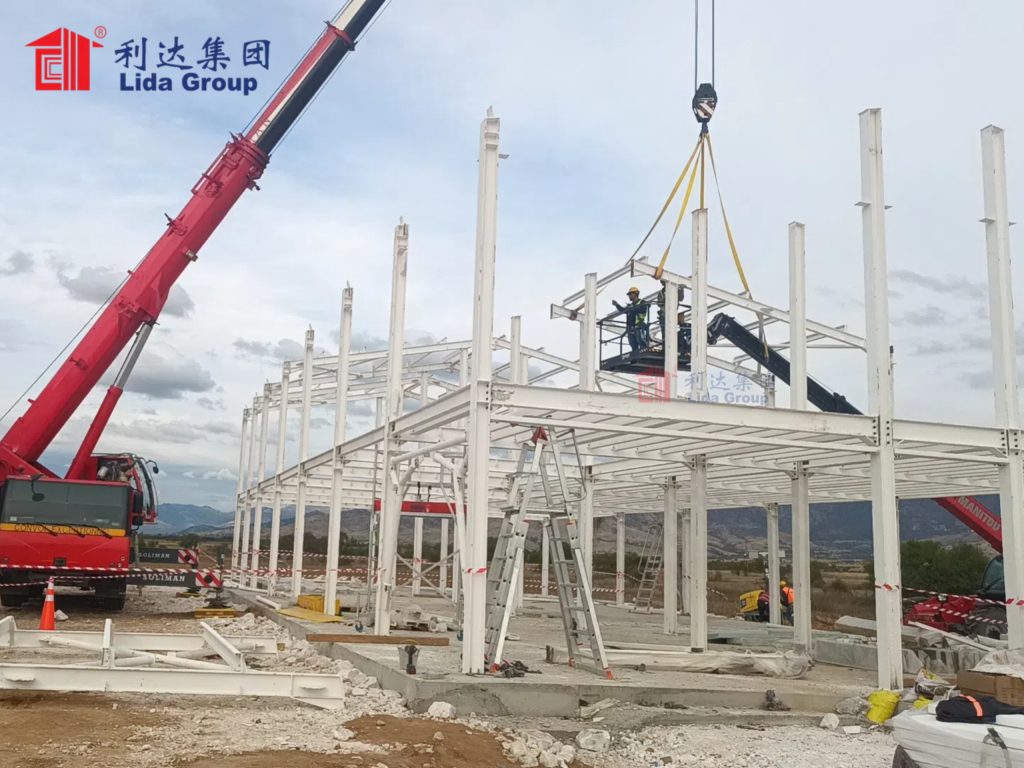
5. Practical Application Cases of Lida Group’s Durable Metal Frame Farmhouse Solutions
To fully demonstrate the durability, functionality, and value of its Durable Metal Frame Farmhouse Solutions, Lida Group has implemented numerous pilot projects and large-scale applications across diverse climates, regions, and scenarios. These cases—ranging from rural residential housing to agricultural tourism accommodation—have verified the solutions’ core advantages and have been widely recognized by rural residents, local governments, and industry insiders. Below are three representative cases that highlight the real-world performance of Lida’s metal frame farmhouses:
5.1 Case 1: Rural Residential Housing Project in Yunnan, China (Earthquake-Prone Region)
Yunnan is one of China’s most earthquake-prone regions, with frequent seismic activity and a high risk of damage to traditional rural housing. In 2023, Lida Group undertook a rural residential housing project in a small town in Yunnan, aimed at providing safe, durable housing for 100 rural households affected by previous earthquakes. The project required farmhouses that could withstand magnitude 9 earthquakes, heavy rainfall, and high humidity—all while being affordable and comfortable for rural residents.
Lida Group designed and built two-story metal frame farmhouses for the project, each with a construction area of 120 square meters. The main frame used galvanized aluminum zinc G550 high-strength steel, treated with a multi-layer anti-corrosion coating to resist humidity and agricultural chemicals. The walls and roof used rock wool core insulated sandwich panels (100 mm thick) for fire resistance and thermal insulation, and the foundation was reinforced with prefabricated concrete piles to ensure stability in soft soil and seismic conditions. The farmhouses featured 3 bedrooms, 1 living room, 1 kitchen, 2 bathrooms, and a storage room—meeting the living needs of a family of 4–5 people.
The construction of the project started in March 2023 and was completed in April 2023, with a total construction cycle of just 4 weeks—far faster than the 8-month cycle of the traditional brick-and-concrete farmhouses that were originally planned. The project cost 2,100 yuan per square meter, and with the local government’s rural housing subsidy of 300 yuan per square meter, the actual cost borne by each household was 1,800 yuan per square meter—comparable to the cost of traditional brick-and-concrete farmhouses.
Since moving into the new farmhouses, local residents have praised their durability and safety. In July 2023, a magnitude 5.6 earthquake struck the region, and while some traditional brick-and-concrete houses nearby suffered cracks and damage, Lida’s metal frame farmhouses remained completely intact. Ms. Li, a resident of the town, said: “We used to live in constant fear of earthquakes, but now we feel safe in our new metal frame house. It’s also warm in winter and cool in summer, and we haven’t had any issues with mold or pests—something we struggled with in our old brick house.” The project has been recognized by the Yunnan provincial government as an excellent rural housing renovation project, providing a model for other earthquake-prone rural areas in China.
5.2 Case 2: Rural Tourism Farmhouse Project in Southeast Asia (Tropical Climate)
Southeast Asia’s tropical climate—characterized by high temperatures, high humidity, heavy rainfall, and occasional typhoons—poses significant challenges to rural housing durability. In 2024, Lida Group partnered with a local tourism operator in Thailand to build a rural tourism farmhouse project, aimed at providing high-quality accommodation for tourists while showcasing traditional rural culture. The project required farmhouses that could withstand typhoons, heavy rainfall, and high humidity, while also being aesthetically pleasing and functional.
Lida Group designed 20 metal frame farmhouses for the project, with a total construction area of 3,000 square meters. The farmhouses adopted a traditional Thai architectural style, with curved roofs and wooden decorative elements, blending seamlessly with the local rural landscape. The main frame used Q355 carbon steel, treated with an additional anti-corrosion coating to resist humidity and salt spray (from nearby coastal areas). The walls and roof used PU core insulated sandwich panels (75 mm thick) for superior thermal insulation and water resistance, and the roof was equipped with high-quality PVC waterproof rolls to prevent leakage during heavy rainfall. Each farmhouse featured 2 guest rooms, 1 living room, 1 bathroom, and a small courtyard—catering to the needs of tourist families.
The project was completed in 5 weeks, and the farmhouses were put into use in June 2024. Since opening, the farmhouses have withstood two typhoons (Level 10 and Level 11) without significant damage, and have remained free of mold and corrosion despite the high humidity. The tourism operator reported that the farmhouses have an average occupancy rate of over 85% during peak tourist seasons, with tourists praising their comfort, durability, and unique design. “Lida’s metal frame farmhouses have exceeded our expectations,” said the operator. “They are not only beautiful and comfortable but also extremely durable—even in our harsh tropical climate. The low maintenance costs have also helped reduce our operating expenses, making the project more profitable.”
5.3 Case 3: Agricultural Operator Farmhouse Project in Africa (Arid Region)
Africa’s Sahel zone is an arid region characterized by extreme heat, sandstorms, and limited water resources—posing unique challenges to rural housing durability. In 2023, Lida Group undertook a farmhouse project for a large-scale agricultural operator in Niger, aimed at providing housing for farm workers and storage space for agricultural machinery and crops. The project required farmhouses that could withstand extreme heat (temperatures up to 45℃), sandstorms, and water scarcity—while being energy-efficient and low-maintenance.
Lida Group designed 15 one-story metal frame farmhouses for the project, each with a construction area of 100 square meters. The main frame used galvanized aluminum zinc G550 high-strength steel, treated with a UV-resistant coating to protect against intense sunlight. The walls and roof used EPS core insulated sandwich panels (50 mm thick) for thermal insulation, reducing indoor temperatures by 8–10℃ compared to the outside. The farmhouses featured 2 bedrooms, 1 kitchen, 1 bathroom, and a large storage room—meeting the needs of farm workers and agricultural storage. The group also installed solar panels on the roof of each farmhouse to provide electricity, addressing the region’s limited grid power supply.
The project was completed in 6 weeks, and the farmhouses have been in use for over a year. Despite being exposed to extreme heat and frequent sandstorms, the metal frame farmhouses remain structurally intact, with no signs of corrosion or deterioration. The insulation panels have proven effective at keeping the interior cool, reducing the need for artificial cooling and saving energy. The storage room—equipped with moisture barriers and pest-resistant design—has successfully protected agricultural machinery and crops from sand damage and pest infestations. The agricultural operator said: “Lida’s metal frame farmhouses have been a game-changer for our operation. They are durable, energy-efficient, and low-maintenance—perfect for our harsh arid environment. The farm workers are much more comfortable, and we have saved a lot of money on maintenance and energy costs.”
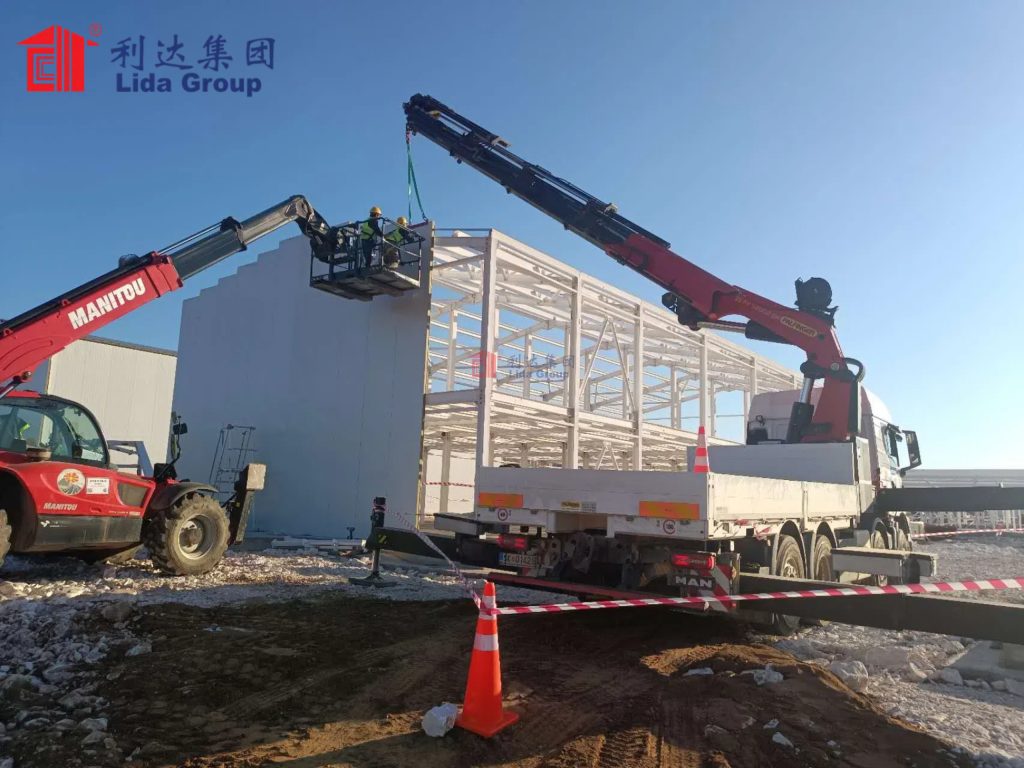
6. Impact of Lida Group’s Durable Metal Frame Farmhouse Solutions on Rural Development
Lida Group’s Durable Metal Frame Farmhouse Solutions have far-reaching implications for rural development and revitalization, going beyond providing durable housing for rural residents. By addressing the long-standing shortcomings of traditional rural construction, these solutions drive positive change in rural communities—enhancing quality of life, promoting economic development, protecting the environment, and strengthening community resilience. Below is a detailed analysis of their impact:
6.1 Enhancing Rural Residents’ Quality of Life and Safety
The most direct impact of Lida’s metal frame farmhouses is improving the quality of life and safety of rural residents. By providing durable, safe, and comfortable housing, Lida’s solutions eliminate the constant worry of housing damage, mold growth, pest infestations, and natural disasters—giving rural residents peace of mind. The energy-efficient design reduces energy costs, freeing up resources for other essential needs (such as education, healthcare, and agricultural production). The flexible layout and additional storage space also improve the functionality of rural homes, making them more suitable for modern rural lifestyles.
In earthquake-prone, hurricane-prone, and other high-risk regions, Lida’s metal frame farmhouses have significantly reduced the risk of injury and property damage caused by natural disasters—saving lives and protecting rural families’ livelihoods. For example, in the Yunnan project, the farmhouses’ ability to withstand earthquakes ensured that rural residents remained safe during seismic activity, preventing the loss of life and property that often occurs with traditional structures.
6.2 Promoting Rural Economic Development
Lida’s Durable Metal Frame Farmhouse Solutions also play a key role in promoting rural economic development. The rapid construction of the farmhouses reduces the time rural residents spend on building or repairing their homes, allowing them to focus on agricultural production and other income-generating activities. The flexible design of the farmhouses also supports home-based businesses—such as handicraft production, agricultural product processing, and rural tourism—providing rural residents with additional sources of income.
For rural tourism operators, Lida’s metal frame farmhouses offer a cost-effective, durable solution for accommodation, helping to attract more tourists and boost rural tourism revenue. In the Thailand project, the farmhouses’ unique design and durability have become a major attraction for tourists, contributing to the local tourism industry’s growth. Additionally, the construction of Lida’s metal frame farmhouses creates local employment opportunities—from on-site assembly to maintenance—providing rural residents with temporary and long-term jobs.
The low maintenance costs of Lida’s farmhouses also reduce rural families’ financial burden, allowing them to invest more in agricultural production (such as purchasing new machinery or improving irrigation systems). This increased investment in agriculture helps to boost crop yields and agricultural productivity, driving rural economic growth.
6.3 Driving the Transformation of the Rural Construction Industry
Traditional rural construction is dominated by manual labor, backward construction methods, and low-quality materials—resulting in inefficiency, poor durability, and high environmental impact. Lida’s Durable Metal Frame Farmhouse Solutions represent a new model of rural construction, promoting the industrialization, standardization, and modernization of the rural construction industry.
The popularization of Lida’s metal frame solutions is driving the development of related industries in rural areas—such as metal component production, building material supply, and on-site installation services. Lida Group’s local partners in rural areas have set up metal component processing plants and installation teams, employing local rural laborers and providing them with training in metal frame construction. This not only creates employment opportunities but also helps to upgrade rural construction teams’ skills, improving the overall level of the rural construction industry.
Additionally, Lida’s focus on quality and durability is helping to change the traditional mindset of rural residents, who often prioritize low initial costs over long-term value. By demonstrating the benefits of durable metal frame farmhouses—such as low maintenance costs and long lifespan—Lida Group is encouraging rural residents to invest in high-quality housing, driving the transformation of the rural construction industry.
6.4 Protecting Rural Ecological Environment
Lida’s Durable Metal Frame Farmhouse Solutions are inherently sustainable and environmentally friendly, contributing to the protection of the rural ecological environment. The use of recycled steel and prefabricated construction reduces the consumption of non-renewable resources and minimizes construction waste, reducing environmental pollution in rural areas. The energy-efficient design of the farmhouses reduces greenhouse gas emissions, aligning with global climate goals.
Additionally, Lida’s solutions avoid the use of clay bricks— which require the excavation of soil and destroy cultivated land. In rural areas, where cultivated land is a precious resource, this is a significant environmental benefit. The pest-resistant and mold-resistant design of the farmhouses also reduces the use of pesticides and fungicides, minimizing environmental pollution and protecting rural ecosystems.

7. Challenges and Future Outlook
Despite the significant advantages and positive impact of Lida Group’s Durable Metal Frame Farmhouse Solutions, there are still some challenges in their promotion and popularization worldwide. These challenges are primarily related to traditional mindsets, policy support, and market awareness. However, with the growing demand for durable rural housing and the support of rural revitalization initiatives, the future outlook for Lida’s solutions is extremely promising.
7.1 Current Challenges
-
Traditional Mindset Barriers: Many rural residents around the world still have a preference for traditional brick-and-concrete or wood-framed farmhouses, believing that “traditional materials are more reliable” or “metal houses are cold and impersonal.” This traditional mindset makes it difficult to promote metal frame farmhouses, even though they offer superior durability and long-term value. Lida Group needs to strengthen publicity and promotion, through on-site demonstrations, project visits, and educational materials, to help rural residents understand the advantages of metal frame farmhouses.
-
Insufficient Policy Support in Some Regions: While many countries and regions have introduced rural revitalization policies, some remote rural areas still lack specific subsidy policies and implementation rules for durable rural housing. This increases the financial burden on rural residents, making it difficult for them to afford metal frame farmhouses. Lida Group needs to work closely with local governments to advocate for more policy support, such as rural housing subsidies and tax incentives, to promote the adoption of its solutions.
-
Shortage of Professional Installation Teams: Metal frame farmhouses require skilled installation workers to ensure structural integrity and durability. However, in many rural areas, there is a shortage of professional installation teams, as most rural construction workers are familiar with traditional construction methods but lack experience in metal frame assembly. Lida Group needs to strengthen the training of installation teams, partnering with local vocational schools and training institutions to cultivate a pool of skilled workers for rural areas.
7.2 Future Outlook
With the deepening of global rural revitalization and the growing demand for durable rural housing, the market prospect of Lida Group’s Durable Metal Frame Farmhouse Solutions is very broad. In the future, Lida Group will focus on the following areas to promote the development and popularization of its solutions:
-
Continuous Technological Innovation: Lida Group will invest more resources in R&D to further optimize its metal frame farmhouse solutions. The group will focus on developing more environmentally friendly and high-performance metal materials, such as lightweight, high-strength alloy steel, to reduce the overall weight of the structure while enhancing durability. Additionally, Lida will integrate smart technology into its farmhouses, including smart energy management systems, intelligent security monitoring, and remote maintenance functions, to meet the growing demand for smart rural housing. The group will also continue to optimize the modular design, developing more flexible and customizable modules to adapt to diverse rural lifestyles and needs.
-
Strengthening Policy Cooperation and Market Expansion: Lida Group will actively cooperate with governments at all levels and international organizations to advocate for more supportive policies for durable rural housing. The group will participate in rural revitalization projects worldwide, expanding its market presence in underdeveloped rural areas and emerging markets. By establishing local branches and cooperation bases, Lida will improve its localized service capabilities, providing faster design, production, and installation services to local rural residents. Additionally, the group will strengthen cooperation with local construction companies and real estate developers to jointly promote the popularization of metal frame farmhouses.
-
Enhancing Publicity and Education: To overcome traditional mindset barriers, Lida Group will carry out extensive publicity and education activities. The group will organize on-site project visits, hold technical seminars, and produce promotional videos and brochures to showcase the advantages of metal frame farmhouses. Lida will also cooperate with rural communities, village committees, and agricultural associations to conduct training sessions for rural residents, helping them understand the long-term value and practical benefits of metal frame housing. By sharing real-world cases and user testimonials, the group will gradually change the traditional perception of rural housing and enhance market acceptance of its solutions.
-
Cultivating Professional Talent Teams: To address the shortage of professional installation teams, Lida Group will establish a comprehensive talent training system. The group will cooperate with local vocational schools, technical colleges, and training institutions to set up special courses on metal frame construction, cultivating a large number of skilled installation workers and technical personnel for rural areas. Additionally, Lida will provide on-the-job training and technical guidance for existing rural construction workers, helping them master the skills of metal frame assembly and maintenance. By building a professional talent pool, the group will ensure the quality and efficiency of on-site construction, further enhancing the reputation of its solutions.
-
Deepening Sustainable Development Practices: In line with global “dual carbon” goals, Lida Group will further strengthen its commitment to sustainability. The group will increase the use of recycled materials in its metal components, improve the energy efficiency of its farmhouses, and develop zero-carbon or low-carbon metal frame farmhouses integrated with renewable energy (such as solar, wind, and geothermal energy). Additionally, Lida will promote green construction practices, reducing the environmental impact of the entire construction process. By integrating durability and sustainability, the group will provide rural communities with housing solutions that are not only long-lasting but also environmentally friendly, contributing to the sustainable development of rural areas worldwide.
8. Conclusion
In an era of global rural revitalization, the demand for durable, safe, and sustainable rural housing has become more urgent than ever before. Traditional farmhouse construction methods, with their inherent shortcomings of short lifespans, high maintenance costs, poor resistance to natural hazards, and limited flexibility, can no longer meet the evolving needs of modern rural communities. Lida Group’s Durable Metal Frame Farmhouse Solutions have emerged as a transformative alternative, redefining the standards for long-lasting rural housing through high-quality materials, advanced engineering, and user-centric design.
This article has comprehensively explored the full scope of Lida Group’s Durable Metal Frame Farmhouse Solutions, starting from the global context of rural housing needs and the limitations of traditional construction. It has detailed Lida Group’s expertise as a global leader in metal frame construction, highlighting its integrated industrial chain, advanced production technology, and rich experience in rural and extreme environment projects. The technical details of the solutions—including high-quality metal materials, optimized structural design, advanced corrosion and weather resistance technologies, energy-efficient insulation, and fire and pest resistance—have been thoroughly analyzed, demonstrating why Lida’s metal frame farmhouses are exceptionally durable with a lifespan of 50–70 years.
The core advantages of Lida’s solutions, such as unmatched durability, low maintenance costs, superior safety, rapid construction, flexibility, and sustainability, have been verified through real-world application cases across diverse climates—from earthquake-prone Yunnan, China, to tropical Southeast Asia and arid Africa. These cases have shown that Lida’s metal frame farmhouses not only withstand extreme rural conditions but also bring practical benefits to rural residents, agricultural operators, and rural tourism operators.
Furthermore, Lida Group’s Durable Metal Frame Farmhouse Solutions have far-reaching impacts on rural development, enhancing rural residents’ quality of life and safety, promoting rural economic development, driving the transformation of the rural construction industry, and protecting the rural ecological environment. While there are still challenges in promoting these solutions—such as traditional mindset barriers, insufficient policy support in some regions, and a shortage of professional installation teams—the future outlook is promising.
Looking ahead, Lida Group will continue to focus on technological innovation, policy cooperation, market expansion, publicity and education, and talent cultivation, striving to promote the popularization of its metal frame farmhouse solutions worldwide. By adhering to the principles of durability and sustainability, Lida Group is committed to providing rural communities with high-quality housing solutions that stand the test of time, contributing to the realization of global rural revitalization and the construction of livable, productive, and sustainable rural areas.
In summary, Lida Group’s Durable Metal Frame Farmhouse Solutions are more than just a construction product—they are a comprehensive, long-term solution to the challenges of rural housing. With their exceptional durability, practicality, and sustainability, these solutions have the potential to transform rural living worldwide, bringing safety, comfort, and prosperity to rural communities for generations to come.
Related news
-
Lida Group Completes Major Prefab Dormitory Using Innovative Sandwich Panels
2026-02-11 17:45:45
-
Lida Group Introduces Steel Structure Building for Modern Farmhouses
2026-02-13 16:26:11
-
Engineered for Longevity: Low-Cost Durable Prefab Dormitories
2026-02-09 17:44:33
contact us
- Tel: +86-532-88966982
- Whatsapp: +86-13793209022
- E-mail: sales@lidajituan.com
