



Durable and Scalable Prefab Mobile Container House Solutions
2025-Dec-17 16:25:46
By Admin
Introduction
In an era marked by rapid urbanization, climate change, and the urgent need for sustainable development, the construction industry is undergoing a profound transformation. Traditional building methods, characterized by lengthy construction cycles, high resource consumption, and significant environmental impact, are increasingly being challenged by innovative alternatives. Among these, prefab mobile container house solutions have emerged as a game-changer, offering a unique combination of durability, scalability, and sustainability. These modular structures, derived from repurposed or newly manufactured shipping containers, are reshaping the way we think about residential, commercial, and emergency housing.
The global modular construction market is experiencing unprecedented growth, with a projected value of $1.2 trillion by 2030, according to McKinsey Global Institute’s 2025 report . Container houses, as a core segment of modular construction, are driving this expansion, fueled by their alignment with global ESG (Environmental, Social, Governance) goals and the increasing demand for cost-effective, efficient building solutions. In China alone, the container house market has exceeded 30 billion yuan, with the “14th Five-Year Plan for Prefabricated Construction Development” targeting modular buildings to account for over 15% of new constructions by 2025 . Beyond China, these structures are gaining traction in Southeast Asia, Australia, Europe, and the Americas, proving their adaptability to diverse geographical, climatic, and cultural contexts.
This article explores the multifaceted advantages of durable and scalable prefab mobile container house solutions, delving into their technical specifications, scalability mechanisms, application scenarios, industry innovations, and future trends. By examining real-world case studies and leveraging the latest industry data, we aim to provide a comprehensive overview of how these modular structures are redefining modern construction practices and addressing some of the most pressing challenges facing the industry today.
1. The Foundation of Durability: Materials, Engineering, and Performance
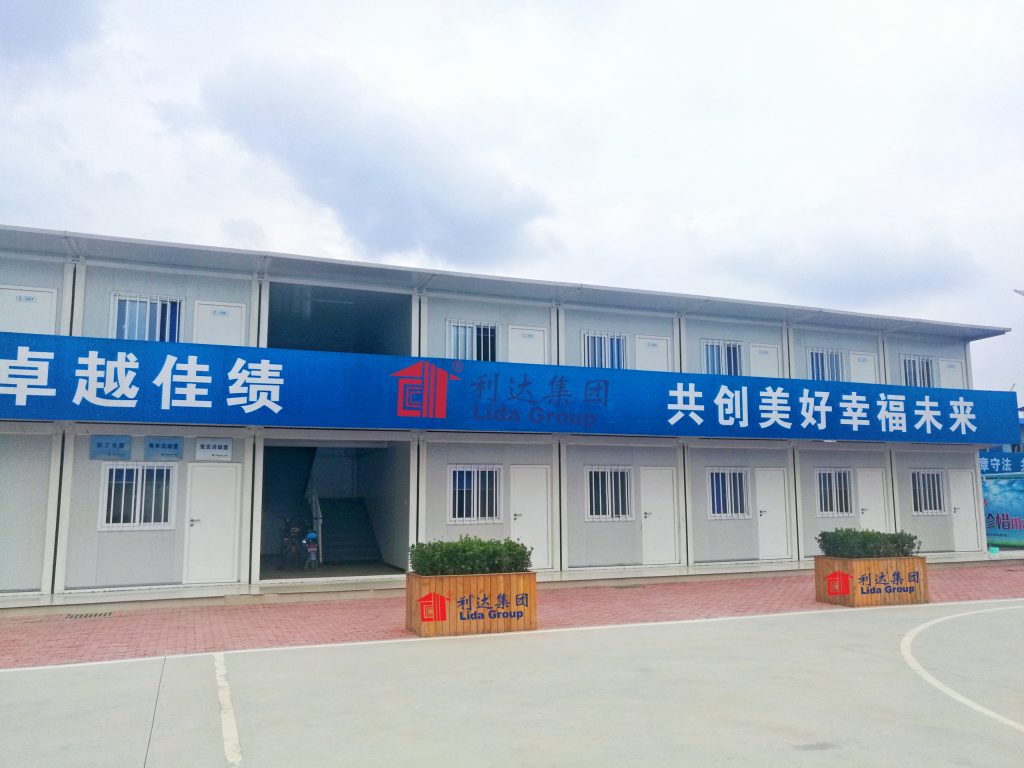
Durability is a cornerstone of prefab mobile container house solutions, distinguishing them from conventional temporary structures. These buildings are engineered to withstand extreme environmental conditions, ensure long-term structural integrity, and minimize maintenance requirements. The durability of container houses stems from three key pillars: high-quality materials, precision engineering, and rigorous testing against industry standards.
1.1 Material Selection: Strength and Sustainability
The structural framework of prefab container houses is typically constructed from galvanized steel, a material renowned for its exceptional strength, corrosion resistance, and longevity. Unlike traditional brick and concrete structures, which are prone to cracking and deterioration over time, galvanized steel frames provide robust support that can withstand significant loads and environmental stressors. For instance, leading manufacturers such as Suzhou Gansu and CIMC Modular Buildings use galvanized square tubes and C-beams with a wall thickness of up to 2mm, ensuring structural stability and a lifespan of 15-20 years for their packaged container houses . Some high-end models, incorporating weather-resistant steel alloys like Cu-P-Cr-Ni, offer corrosion resistance five times greater than Ordinary steel, making them ideal for harsh environments such as coastal areas, mines, and deserts .
In addition to steel frames, the cladding and insulation materials play a crucial role in enhancing durability and performance. Most container houses use EPS (Expanded Polystyrene) or PU (Polyurethane) sandwich panels for walls and roofs, which provide excellent thermal insulation, soundproofing, and waterproofing. These panels, combined with double-glazed PVC or aluminum alloy windows and sealed doors, create a weather-tight envelope that can withstand temperature extremes ranging from -40℃ to 50℃ . For example, Suzhou Gansu’s packaged container houses maintain stable internal temperatures even in environments ranging from -20℃ to 40℃, making them suitable for both frigid northern regions and hot tropical climates .
Sustainability is another key consideration in material selection. Many manufacturers prioritize eco-friendly materials, such as zero-formaldehyde plant fiber boards for interiors, which meet EU E0-class standards and reduce indoor air pollution . Moreover, the use of recycled shipping containers in construction contributes to circular economy principles, with each 40-foot container reducing steel consumption by 3.5 tons and lowering carbon emissions by 65% compared to traditional building materials . The steel used in container houses is also highly recyclable, with a recovery rate of up to 90% at the end of the structure’s lifespan, minimizing waste and environmental impact .
1.2 Structural Engineering: Safety and Resilience
Prefab container houses are engineered to meet or exceed strict structural safety standards, ensuring resilience against natural disasters such as earthquakes, hurricanes, and heavy snowfall. The modular design, with its rigid steel frame and interlocking connections, provides exceptional structural stability. Most container houses have a wind resistance rating of 11-12 levels (wind speeds up to 120 km/h) and can withstand earthquakes of magnitude 7-8 . For example, the expandable container houses from WZH House have a maximum wind resistance of 120 km/h and an earthquake resistance rating of 8, making them suitable for regions prone to natural disasters .
Load-bearing capacity is another critical engineering feature. The floor load capacity of packaged container houses typically ranges from 2.5 kN/㎡ to 4.0 kN/㎡, allowing them to support heavy furniture, equipment, and even second-story additions . The roof load capacity, usually around 0.5-2.5 kN/㎡, can accommodate solar panels, air conditioning units, and snow loads . These load-bearing capabilities are verified through rigorous testing, ensuring that container houses can be used for long-term residential, commercial, and industrial purposes.
Precision manufacturing is essential to maintaining structural integrity. Leading manufacturers use advanced production technologies, such as AI-powered welding robots and BIM (Building Information Modeling) software, to ensure consistent quality and accuracy. For instance, CIMC Modular Buildings’ AI welding robot production line achieves a manufacturing precision of ±0.5mm, significantly reducing assembly errors and enhancing structural reliability . The use of standardized components and modular design also ensures that each container unit can be easily assembled and disassembled without compromising structural safety.
1.3 Long-Term Performance and Maintenance
One of the key advantages of prefab container houses is their low maintenance requirements and long service life. Unlike traditional buildings, which require regular painting, plastering, and structural repairs, container houses are designed to be durable and easy to maintain. The galvanized steel frame and corrosion-resistant materials prevent rust and deterioration, even in humid or saline environments . With proper maintenance, a well-constructed container house can last 15-30 years, depending on the type and usage .
Maintenance costs for container houses are significantly lower than those for traditional buildings. The modular components are easily replaceable, and most manufacturers offer standardized spare parts that can be quickly sourced and installed. For example, the fast-assembly container houses from Yajie Integrated Housing have a lifespan of 8-10 years and require minimal maintenance, with replacement parts readily available at low cost . Additionally, the sealed design of container houses prevents moisture infiltration and mold growth, reducing the need for costly repairs related to water damage.
The durability of container houses is also supported by industry certifications and standards. Many manufacturers comply with international standards such as CE, SGS, and ISO, ensuring that their products meet global quality and safety requirements . In China, container houses must adhere to national standards for fire safety (Grade A or B), thermal insulation, and structural performance . These certifications provide assurance to customers that container houses are not only durable but also safe and reliable for long-term use.
2. Scalability: From Single Units to Complex Structures
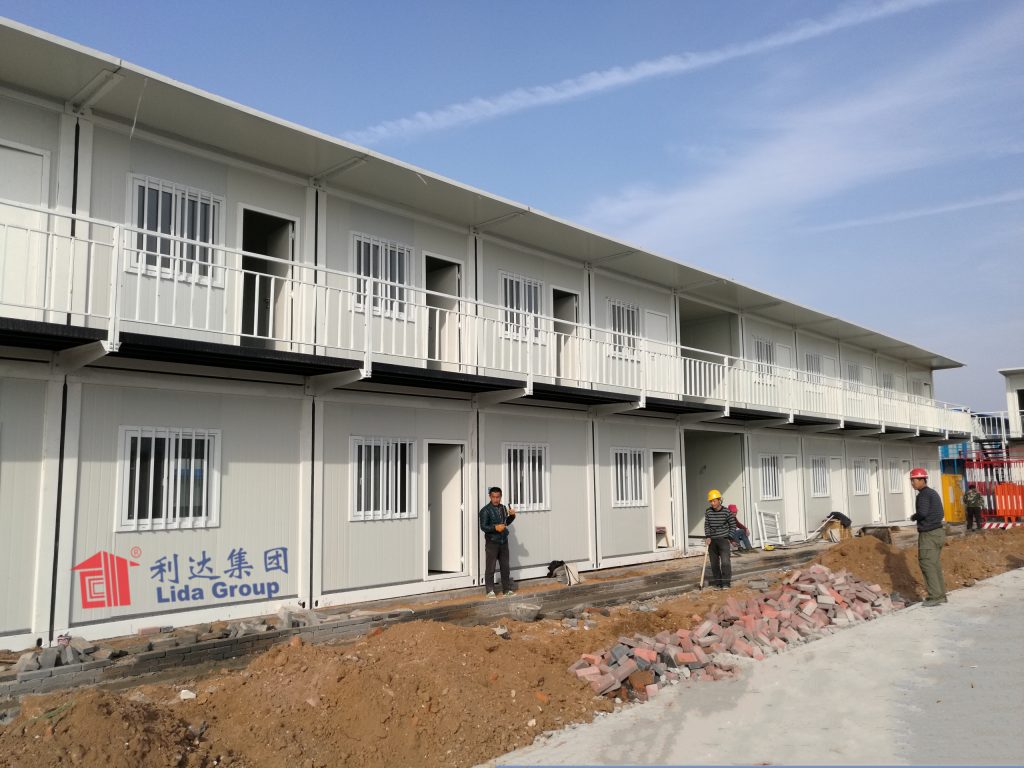
Scalability is another defining feature of prefab mobile container house solutions, enabling them to adapt to a wide range of spatial and functional requirements. Unlike traditional buildings, which are fixed in size and layout, container houses can be easily expanded, reconfigured, or relocated to meet changing needs. This scalability is achieved through modular design, flexible connection systems, and versatile spatial configurations.
2.1 Modular Design: The Building Blocks of Scalability
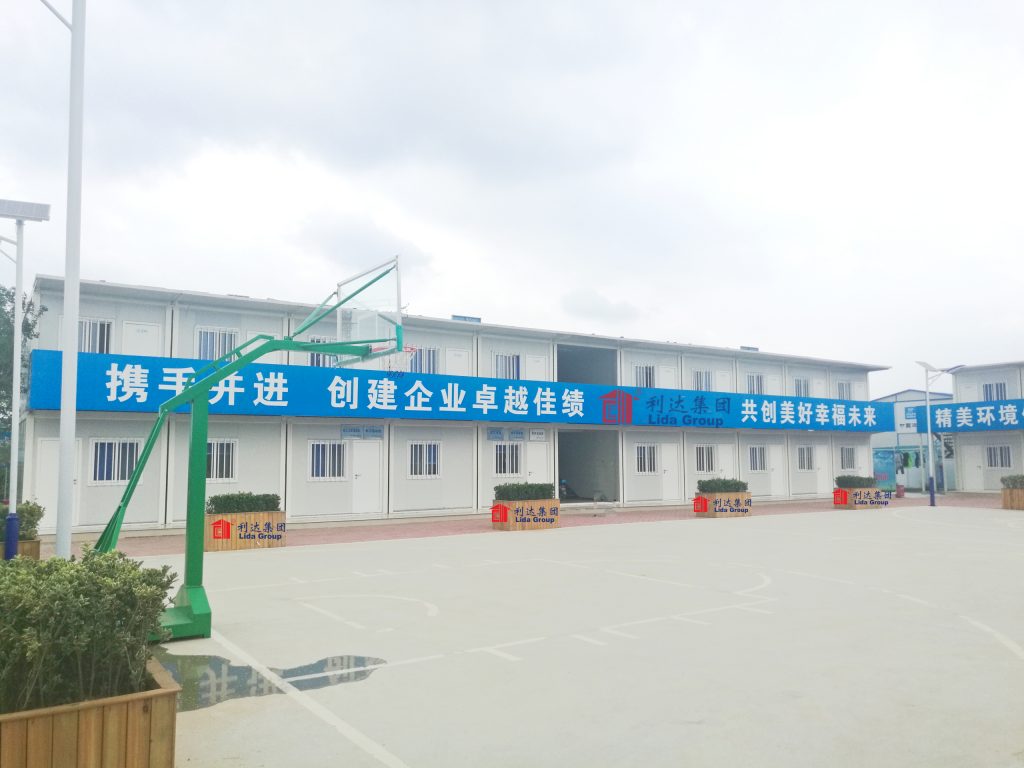
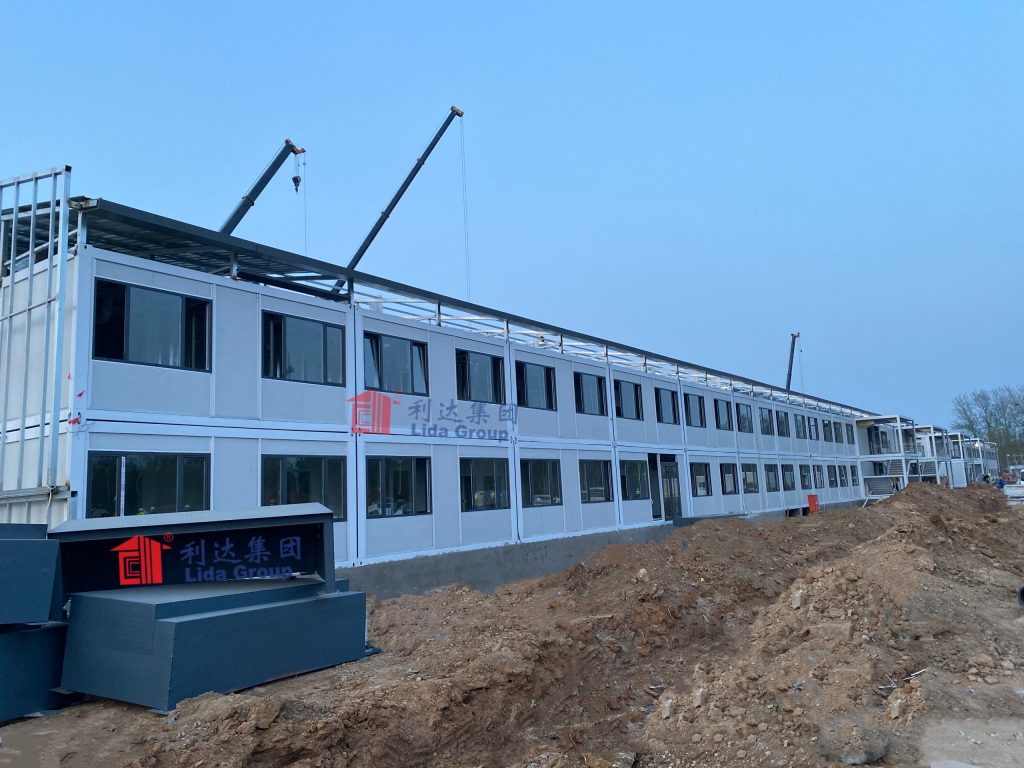
At the heart of container house scalability is modular design. Each container unit is a self-contained module that can be combined with other units to create larger structures. These modules are standardized in size (typically 20ft or 40ft in length) and designed with compatible connection points, allowing for quick and easy assembly . The use of modular components means that container houses can be expanded horizontally (by adding more units side by side) or vertically (by stacking units to create multi-story buildings).
Horizontal scalability is particularly useful for projects that require flexible space expansion, such as construction camps, student dormitories, and commercial complexes. For example, a single 18㎡ standard container can be expanded to form a 36㎡ duplex, a 72㎡ office space, or even a 50,000㎡ industrial complex by combining hundreds of units . Vertical scalability, on the other hand, allows for the creation of multi-story buildings, with some projects reaching up to 10 stories high. The interlocking connection systems, such as ISO Twistlock international standard locks, ensure that stacked units are securely fastened, with each connection point capable of bearing up to 25 tons of weight .
Modular design also enables quick reconfiguration of space. Container units can be easily disassembled and reassembled in different layouts to accommodate changing needs. For instance, a container house used as a temporary office during a construction project can be reconfigured into a residential unit once the project is completed. This flexibility makes container houses ideal for temporary or semi-permanent applications, as well as for projects that require frequent changes in spatial layout.
2.2 Flexible Connection Systems: Ensuring Stability and Versatility
The scalability of container houses is made possible by advanced connection systems that provide both structural stability and flexibility. These systems allow container units to be joined together securely while maintaining the ability to disassemble and relocate them if needed. There are several types of connection systems used in container house construction, each with its own advantages and applications.
Fast-assembly connection systems are designed for quick and easy assembly, making them ideal for short-term projects or emergency situations. These systems typically use bolted connections or interlocking mechanisms that can be installed without specialized tools. For example, Suzhou Gansu’s fast-assembly container houses use modular Splicing design, allowing a 2-person team to assemble 3-4 units per day . The connection points are precision-engineered to ensure a tight fit, preventing water infiltration and enhancing structural stability.
Welded connection systems, on the other hand, are used for long-term or permanent structures that require maximum stability. These systems involve welding the steel frames of container units together, creating a single, rigid structure. Welded connections are commonly used in packaged container houses, which are designed for long-term use in commercial, residential, or industrial applications . While welded connections are more permanent than bolted connections, they still allow for disassembly if needed, although the process is more time-consuming and requires specialized equipment.
Another innovative connection system is the hydraulic folding mechanism, which is used in folding container houses. These houses can be folded into a compact size for transportation and then expanded on-site using hydraulic or manual systems. For example, Suzhou Gansu’s double-wing folding container houses can be expanded in just 15-20 minutes, with a 20-30% increase in usable space compared to standard folding containers . The folding mechanism also reduces transportation costs, as a single truck can carry 8-10 folded units compared to just 2-3 expanded units .
2.3 Spatial Configuration: Adapting to Diverse Needs
Container houses offer unparalleled flexibility in spatial configuration, allowing them to be customized to meet the specific needs of different applications. Whether it’s a small residential unit, a large commercial complex, or an emergency shelter, container houses can be designed to fit any spatial requirement.
Residential container houses can be configured to include bedrooms, bathrooms, kitchens, living rooms, and even balconies. Expandable container houses, in particular, offer a high degree of spatial flexibility. For example, a 20ft expandable container from WZH House can be expanded to a size of 640058002530mm, providing ample living space for a small family . These houses can be customized with a variety of interior finishes, including PVC flooring, wooden walls, and modern fixtures, creating a comfortable and stylish living environment.
Commercial container houses are often used for offices, shops, restaurants, and hotels. Their modular design allows for the creation of open-plan office spaces, individual workstations, or private meeting rooms. For example, the Jiku Community in Shanghai’s Jing’an District transformed 156 containers into a smart office space with a floor area ratio increased by 40% . Container hotels, such as the Whale Bay Container Hotel in South Africa, use cantilever technology to create sea-view suites, offering a unique and luxurious accommodation experience .
Emergency container houses are designed to be quickly deployed and configured to meet the needs of disaster-affected communities. These houses can be used as temporary shelters, medical clinics, or command centers. For example, during a recent earthquake relief effort, 50 folding container houses were deployed and assembled in just one day, providing shelter for 200 displaced people . The modular design of emergency container houses allows for the rapid expansion of shelter capacity as needed, ensuring that relief efforts can be scaled up quickly.
3. Key Applications: From Emergency Shelters to Luxury Residences
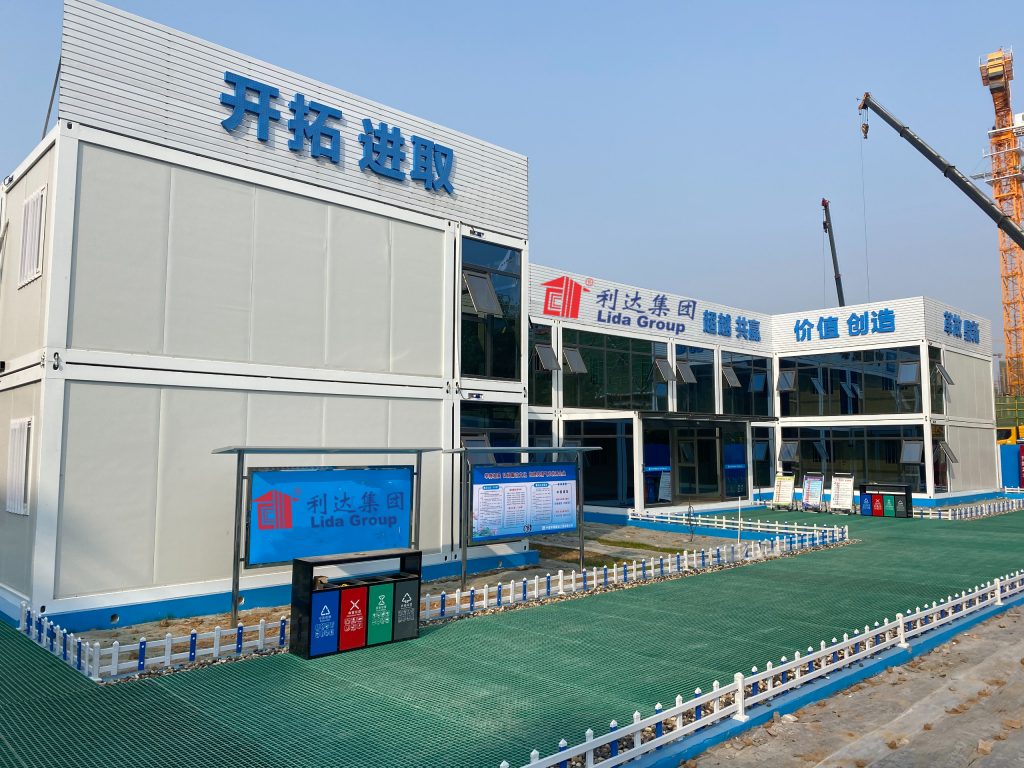
Prefab mobile container house solutions are versatile enough to be used in a wide range of applications, from temporary emergency shelters to permanent luxury residences. Their durability, scalability, and sustainability make them an ideal choice for diverse sectors, including construction, tourism, healthcare, and urban development.
3.1 Construction and Infrastructure
The construction industry is one of the largest users of container houses, using them as temporary accommodation for workers, on-site offices, and storage facilities. Container houses offer several advantages for construction projects, including fast installation, low cost, and easy relocation. For example, during the construction of the Hong Kong-Zhuhai-Macao Bridge, Yajie Integrated Housing provided temporary dormitories for construction workers, with a 2-person team able to install 4 units per day . These dormitories were not only cost-effective but also environmentally friendly, reducing construction waste by 90% compared to traditional on-site construction .
Container houses are also used in infrastructure projects such as road construction, pipeline installation, and power plant development. For example, in the Saudi Arabia Taif Solar Project, Suzhou Gansu supplied 2000 container house modules for worker dormitories, bathrooms, and offices, with a total sales volume exceeding 5 million US dollars . These container houses were designed to withstand the extreme desert climate, with excellent thermal insulation and wind resistance.
3.2 Tourism and Hospitality
The tourism industry has embraced container houses as a unique and sustainable accommodation option. Container hotels, resorts, and guesthouse offer travelers a novel experience while minimizing environmental impact. Many container tourism projects are located in scenic areas, where traditional construction may be restricted due to environmental concerns. For example, the Thai guesthouse project by Suzhou Gansu used packaged container houses designed to blend with the local “natural style” tourism positioning, with pre-installed air conditioning, flooring, and zero-formaldehyde interior materials . These container houses were highly praised by local customers for their comfort and unique design, with an average occupancy rate of over 90% .
Container houses are also used for temporary tourism facilities such as pop-up shops, food stalls, and exhibition booths. Their portability and quick installation make them ideal for events such as music festivals, art exhibitions, and sports competitions. For example, during the Hangzhou Asian Games, Xinhua Chang Group provided temporary exhibition booths made from folding container houses, which were delivered and installed in just 3 days .
3.3 Healthcare and Emergency Response
Container houses play a crucial role in healthcare and emergency response, providing rapid and reliable shelter for medical facilities and displaced populations. Mobile medical container units, equipped with advanced medical equipment and Negative pressure isolation system, can be quickly deployed to disaster zones or remote areas to provide essential healthcare services. For example, Germany’s modular mobile ICU units can be deployed in just 6 hours, with 3000 units already used in global anti-epidemic projects in 2024 .
Emergency container houses are also used for disaster relief, providing temporary shelter for people displaced by earthquakes, floods, hurricanes, and other natural disasters. These houses are designed to be lightweight, portable, and easy to assemble, making them ideal for rapid deployment. For example, in the aftermath of a recent flood in China, folding container houses were airdropped to the disaster area, with a 2-3 person team able to assemble one unit in just 30 minutes . These houses provided safe and comfortable shelter for hundreds of displaced people, helping to mitigate the impact of the disaster.
3.4 Urban Development and Residential Use
Container houses are increasingly being used for urban development projects, including affordable housing, student dormitories, and mixed-use developments. In many cities, container houses are seen as a solution to the housing crisis, offering a low-cost and sustainable alternative to traditional apartments. For example, the Stack Innovation Center in Australia used container modules to create 32 different spatial configurations, including residential units, offices, and retail spaces . These container houses were not only affordable but also energy-efficient, with integrated solar panels and rainwater collection systems.
Student dormitories are another common application for container houses. Many universities and colleges use container houses to provide additional accommodation for students, as they can be quickly installed and expanded as needed. For example, a university in Indonesia used fast-assembly container houses to accommodate 150 students, with a 2-person team able to install 3 units per day . These dormitories were cost-effective, with a per-square-meter cost 40% lower than traditional dormitories .
4. Industry Innovations and Leading Practices
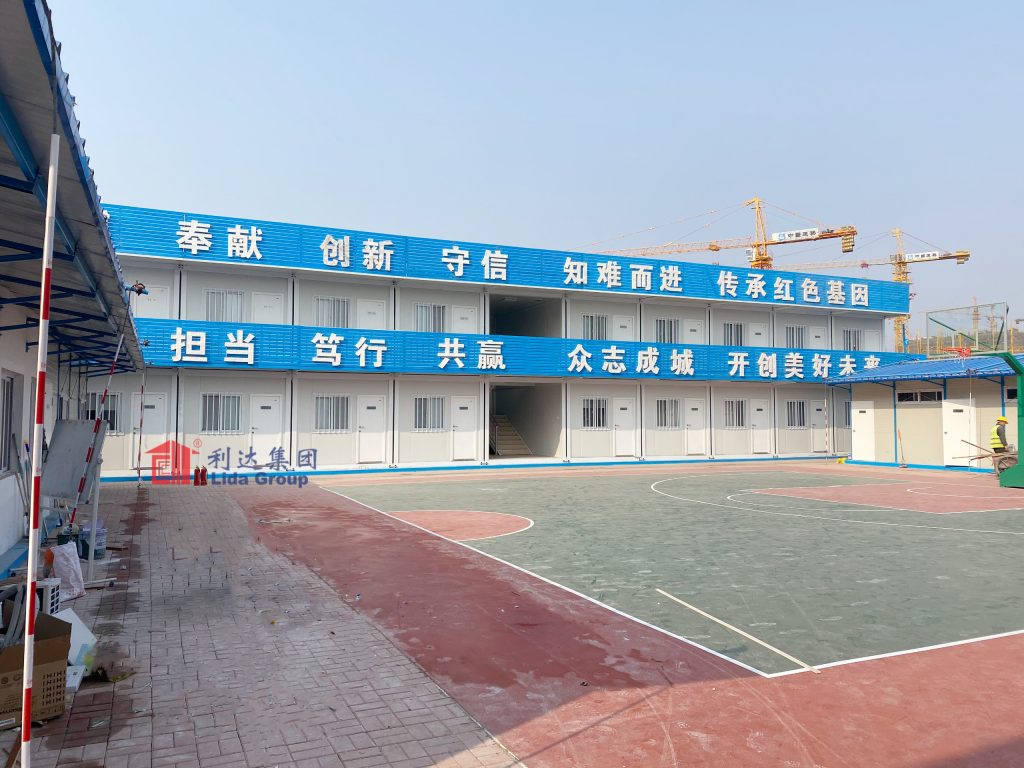
The prefab mobile container house industry is constantly evolving, with manufacturers investing in research and development to improve durability, scalability, and sustainability. Leading companies are adopting innovative technologies and business models to meet the growing demand for high-quality container house solutions. This section highlights some of the key innovations and leading practices in the industry.
4.1 Technological Innovations
Technological innovation is driving the growth of the container house industry, with advances in materials, manufacturing, and design. One of the most significant innovations is the use of BIM (Building Information Modeling) software, which allows for the digital design, simulation, and construction of container house projects. BIM technology enables manufacturers to optimize the design of container units, reduce assembly errors, and improve construction efficiency. For example, CIMC Modular Buildings uses BIM technology to achieve full-process digital management from design to construction, resulting in a 40% reduction in installation time for its Australian hotel project .
Another key innovation is the development of smart container houses, which integrate advanced technologies such as IoT (Internet of Things), renewable energy systems, and intelligent control systems. Smart container houses can monitor and adjust environmental parameters such as temperature, humidity, and air quality, providing a comfortable and energy-efficient living environment. For example, Siemens has launched a smart central control system for container houses that can automatically optimize 23 environmental parameters, improving management efficiency by 70% . Many smart container houses also integrate solar panels, wind turbines, and energy storage systems, enabling them to operate off-grid and reduce reliance on fossil fuels .
Folding and expandable technologies are also advancing, making container houses more portable and space-efficient. Double-wing folding container houses, developed by companies such as Suzhou Gansu, can be expanded in just 15-20 minutes, with a 20-30% increase in usable space compared to standard folding containers . Expandable container houses, which can be expanded horizontally or vertically, offer even greater spatial flexibility, with some models able to expand from a 20ft container to a 100㎡ living space .
4.2 Leading Manufacturers and Their Practices
Several leading manufacturers are setting the standard for quality and innovation in the container house industry. These companies are known for their advanced technology, high-quality products, and excellent customer service.
Suzhou Gansu Integrated Housing Technology Co., Ltd. is one of the leading container house manufacturers in China, with a 21,000㎡ modern standard factory and a daily production capacity of 300 units . The company offers a comprehensive product portfolio, including fast-assembly container houses, packaged container houses, folding container houses, and double-wing folding container houses . Suzhou Gansu’s products are known for their durability, scalability, and customization capabilities, with a focus on meeting the needs of overseas projects. The company has served over 1200 customers in more than 20 countries and regions, including Indonesia, Thailand, Saudi Arabia, and Australia .
CIMC Modular Buildings, a subsidiary of China International Marine Containers (Group) Co., Ltd., is a global leader in modular construction. The company has production bases in Shenzhen, Shanghai, Tianjin, and other cities, with a global service network covering more than 50 countries and regions . CIMC’s container houses are designed using BIM technology and feature high-quality materials and precision engineering. The company’s products are widely used in mining camps, industrial parks, and commercial projects around the world, with a focus on long-term durability and sustainability .
Yajie Integrated Housing Co., Ltd. is a leading manufacturer of temporary container houses in China, with a focus on the domestic market. The company’s fast-assembly container houses are known for their high installation efficiency and low cost, making them ideal for short-term construction projects . Yajie has participated in several major domestic projects, including the Beijing Winter Olympics temporary facilities and the Beijing-Shanghai High-Speed Railway temporary dormitories .
4.3 Quality Control and Certification
Quality control is a top priority for container house manufacturers, with companies implementing strict quality management systems to ensure that their products meet international standards. Most leading manufacturers have obtained ISO certification for their quality management systems, as well as product certifications such as CE, SGS, and TUV . These certifications ensure that container houses meet strict requirements for structural safety, fire resistance, thermal insulation, and environmental performance.
In China, container houses must comply with national standards such as GB/T 27790-2011 “Prefabricated Steel Structure Houses” and GB 50016-2014 “Code for Fire Protection Design of Buildings” . These standards specify requirements for materials, structural design, fire safety, and installation, ensuring that container houses are safe and reliable for use in various applications.
Many manufacturers also conduct their own quality control tests, including wind tunnel tests, earthquake simulation tests, and thermal insulation tests. These tests help to verify the performance of container houses under extreme conditions and ensure that they meet the needs of customers in different regions. For example, Suzhou Gansu conducts rigorous testing on its container houses to ensure that they can withstand wind speeds of up to 120 km/h and temperatures ranging from -20℃ to 40℃ .
5. Market Trends and Future Outlook
The prefab mobile container house market is poised for continued growth in the coming years, driven by increasing demand for sustainable, efficient, and cost-effective building solutions. Several key trends are shaping the future of the industry, including the adoption of green technologies, the expansion of overseas markets, and the integration of smart features.
5.1 Growing Demand for Sustainable Construction
Sustainability is becoming an increasingly important factor in the construction industry, with governments, businesses, and consumers demanding more environmentally friendly building solutions. Container houses, with their low carbon footprint, high material recycling rate, and energy efficiency, are well-positioned to meet this demand. According to the World Steel Association, container houses reduce carbon emissions by 60% compared to traditional brick-concrete structures . This aligns with global efforts to reduce greenhouse gas emissions and combat climate change.
In response to this trend, manufacturers are investing in green technologies such as renewable energy integration, energy-efficient insulation, and eco-friendly materials. Many container houses now come equipped with solar panels, wind turbines, and energy storage systems, enabling them to operate off-grid and reduce reliance on fossil fuels . The use of recycled materials and low-VOC (volatile organic compound) finishes is also becoming more common, further reducing the environmental impact of container houses.
Governments around the world are supporting the development of sustainable construction through policies and incentives. For example, China’s “14th Five-Year Plan for Prefabricated Construction Development” provides subsidies of up to 400 yuan/㎡ for modular buildings, including container houses . The European Union’s Green Deal also promotes the use of sustainable building materials and modular construction, creating opportunities for container house manufacturers in Europe.
5.2 Expansion of Overseas Markets
The global market for container houses is expanding rapidly, with increasing demand from overseas markets such as Southeast Asia, Africa, and Latin America. These regions are experiencing rapid urbanization and infrastructure development, creating a strong demand for affordable and efficient building solutions. Container houses are particularly well-suited to these markets, as they can be easily transported and installed in remote or underdeveloped areas.
Leading manufacturers are expanding their overseas presence through partnerships, joint ventures, and direct sales. For example, Suzhou Gansu has established a global sales network covering more than 20 countries and regions, with a focus on Southeast Asia, Australia, and the Americas . The company provides customized solutions for overseas projects, including compliance with local building standards and certification requirements . CIMC Modular Buildings also has a strong global presence, with projects in Australia, Europe, and Southeast Asia .
Overseas markets present both opportunities and challenges for container house manufacturers. One of the main challenges is adapting to local building standards and regulations, which can vary significantly from country to country. Manufacturers must ensure that their products meet local requirements for structural safety, fire resistance, and environmental performance. Another challenge is logistics, as transporting container houses over long distances can be costly and time-consuming. To address this, manufacturers are exploring local production and assembly facilities, which can reduce transportation costs and lead times.
5.3 Integration of Smart Technologies
The integration of smart technologies is another key trend in the container house industry. Smart container houses, equipped with IoT sensors, intelligent control systems, and renewable energy technologies, offer a range of benefits, including improved energy efficiency, enhanced comfort, and remote monitoring. These features are particularly attractive to commercial and residential customers who are looking for modern, high-tech living and working spaces.
Manufacturers are partnering with technology companies to develop smart container house solutions. For example, Siemens has collaborated with container house manufacturers to integrate its smart central control system into container houses, enabling automatic optimization of environmental parameters . Other companies are developing mobile apps that allow users to control lighting, temperature, and security systems remotely, providing greater convenience and control.
The use of AI and machine learning is also becoming more common in container house design and construction. AI-powered design software can optimize the layout and configuration of container units, reducing material waste and improving energy efficiency. Machine learning algorithms can also analyze data from IoT sensors to predict maintenance needs and optimize performance, reducing downtime and maintenance costs.
6. Conclusion
Prefab mobile container house solutions represent a revolutionary approach to modern construction, offering a unique combination of durability, scalability, sustainability, and cost-effectiveness. These modular structures are engineered to withstand extreme environmental conditions, with high-quality materials and precision engineering ensuring long-term structural integrity. Their modular design and flexible connection systems enable easy expansion and reconfiguration, making them suitable for a wide range of applications, from temporary emergency shelters to permanent luxury residences.
The container house industry is experiencing rapid growth, driven by increasing demand for sustainable and efficient building solutions. Leading manufacturers are investing in technological innovations such as BIM, smart technologies, and folding/expandable systems to improve product performance and meet the evolving needs of customers. The industry is also expanding into overseas markets, with growing demand from regions experiencing rapid urbanization and infrastructure development.
As the world continues to face challenges such as climate change, housing shortages, and infrastructure deficits, prefab mobile container house solutions are likely to play an increasingly important role in addressing these issues. Their low carbon footprint, high material recycling rate, and energy efficiency make them a sustainable choice for the future of construction. With ongoing innovations in materials, design, and technology, container houses are poised to become an even more versatile and widely used building solution in the years to come.
In conclusion, prefab mobile container house solutions are not just a temporary trend but a long-term solution that is redefining the construction industry. Their durability, scalability, and sustainability make them an ideal choice for a wide range of applications, and their continued evolution is likely to drive further growth and innovation in the industry. Whether it’s for a construction project, a tourism development, an emergency response, or a residential community, container houses offer a flexible, efficient, and sustainable alternative to traditional building methods.
Related news
-
Redefining Affordability in Housing with Cost-Effective Prefab Construction
2025-12-16 17:05:35
-
Lida Group Launches Customizable Free Design Container Apartments
2025-12-16 17:26:52
-
Rapid Deployment of Prefab Mobile Container Houses by Lida Group
2025-12-16 15:55:28
contact us
- Tel: +86-532-88966982
- Whatsapp: +86-13793209022
- E-mail: sales@lidajituan.com
