



Discover the Strength of Our Metal Frame House Designs
2025-Dec-25 17:33:33
By Admin
In the dynamic landscape of residential construction, the pursuit of durability, safety, and versatility has led to a paradigm shift in building materials and structural systems. Metal frame house designs, once primarily associated with industrial and commercial projects, have emerged as a game-changer in the residential sector, redefining what modern homes can achieve in terms of strength, longevity, and adaptability. Unlike traditional wooden framing or brick-concrete structures, metal frame systems leverage the inherent properties of steel—superior tensile strength, dimensional stability, and resistance to environmental hazards—to create homes that stand the test of time while offering unparalleled design freedom. This article delves into the multifaceted strengths of metal frame house designs, exploring their structural superiority, material innovations, durability enhancements, sustainable attributes, design flexibility, and real-world applications. By unpacking these core advantages, we reveal why metal frame houses are becoming the preferred choice for homeowners, architects, and builders worldwide.
1. Structural Strength: The Foundation of Metal Frame Superiority
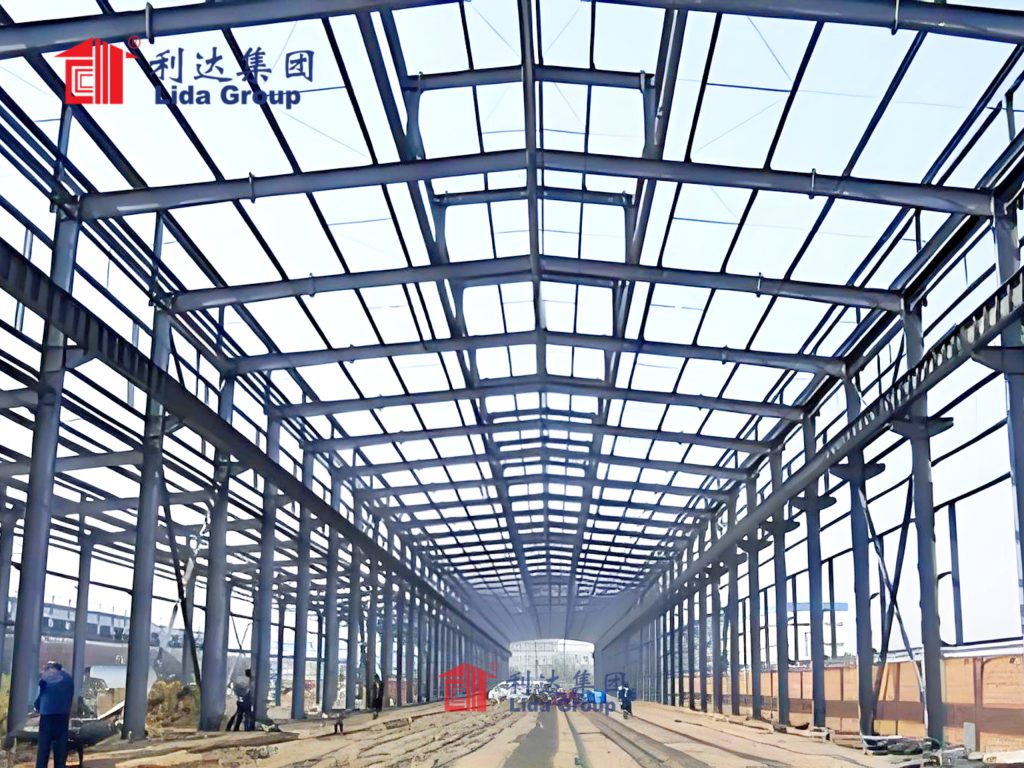
At the core of metal frame house designs lies an unrivaled structural strength that outperforms traditional building systems in nearly every critical metric. Steel, the primary material in metal frames, boasts a tensile strength of approximately 400 to 550 megapascals (MPa), far exceeding that of wood (30 to 50 MPa) and even concrete (2 to 5 MPa in tension). This exceptional strength-to-weight ratio enables metal frames to support heavier loads with slimmer profiles, reducing material usage without compromising structural integrity. Unlike wooden studs that can warp, twist, or shrink over time, metal frames maintain precise dimensions indefinitely, ensuring walls remain straight, floors stay level, and roofs retain their structural stability for decades.
1.1 Resistance to Natural Disasters
Metal frame houses excel in extreme weather conditions, offering robust protection against earthquakes, hurricanes, tornadoes, and wildfires—threats that pose significant risks to traditional homes. In seismic zones, steel’s ductility (ability to bend without breaking) allows metal frames to absorb and dissipate earthquake energy, minimizing structural damage. Advanced metal frame systems, such as cold-formed steel (CFS) framing with rocking steel interconnections, have been proven to withstand magnitude 8 earthquakes without catastrophic failure . These interconnections, designed for prefabricated modular construction, enable quick assembly while enhancing seismic performance by allowing controlled movement during tremors, reducing stress on the overall structure.
In high-wind regions, metal frames demonstrate exceptional wind resistance, meeting or exceeding international building codes for hurricane-prone areas. A well-engineered metal frame house can withstand wind speeds of up to 250 kilometers per hour (155 miles per hour)—equivalent to a Category 5 hurricane—without structural collapse. This is attributed to steel’s high modulus of elasticity, which allows the frame to flex slightly under wind pressure before returning to its original shape. Additionally, metal frames can be reinforced with additional bracing and fasteners to further enhance wind load capacity, making them ideal for coastal and tornado alley regions.
Wildfire resistance is another critical advantage of metal frame houses. Unlike wood, steel is non-combustible and does not contribute to fire spread. Metal frames retain their structural integrity at temperatures up to 500°C (932°F) for extended periods, providing occupants with more time to evacuate and reducing the risk of building collapse during fires. When combined with fire-resistant sheathing and insulation, metal frame houses achieve fire ratings that far surpass those of wooden-framed homes, offering an added layer of safety for families and properties.
1.2 Load-Bearing Capacity and Structural Stability
Metal frames exhibit exceptional load-bearing capacity, making them suitable for a wide range of residential designs, from single-story cottages to multi-story villas. Cold-formed steel studs, the most common type of metal framing in residential construction, can support vertical loads of up to 1,200 kilograms per linear meter, enabling larger open spaces and fewer interior load-bearing walls. This load-bearing efficiency is particularly beneficial for modern home designs that prioritize open-concept layouts, as it eliminates the need for bulky wooden beams or columns that disrupt spatial flow.
Structural stability is further enhanced by the precision of metal frame manufacturing. Unlike wooden studs, which are prone to natural variations in density and moisture content, metal frames are produced in controlled factory environments using automated processes. This ensures consistent dimensions and material properties across all components, resulting in a tighter, more stable structure. Pre-punched service holes in metal studs—designed for electrical wiring, plumbing, and HVAC systems—also contribute to structural stability by eliminating the need for on-site cutting, which can weaken wooden frames . These holes are strategically placed to avoid compromising the stud’s load-bearing capacity, ensuring the frame remains strong while facilitating efficient utility installation.
2. Material Innovations: Enhancing Durability and Performance
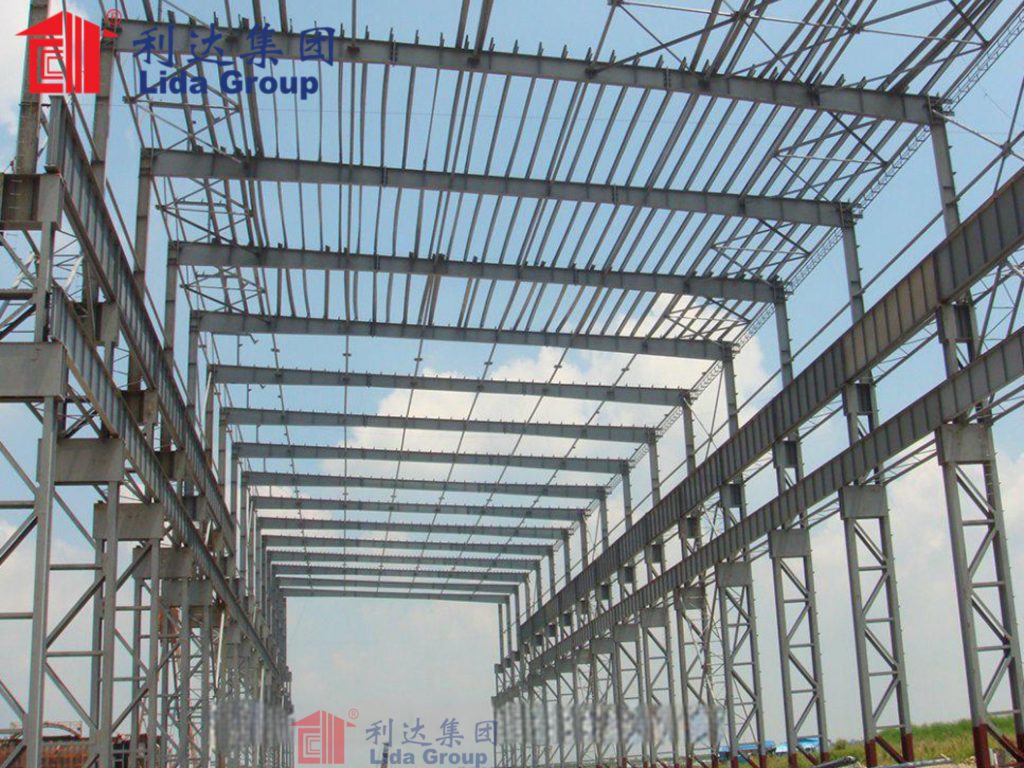
The strength of metal frame house designs is not solely derived from steel’s inherent properties but also from advanced material treatments and component innovations. Manufacturers have developed specialized coatings, alloys, and composite materials to address potential limitations of steel—such as corrosion—and enhance overall performance. These innovations ensure that metal frame houses remain durable and functional in diverse environmental conditions, from humid coastal areas to dry inland regions.
2.1 Corrosion Protection Technologies
Corrosion is a primary concern for metal structures, but modern metal frame systems incorporate robust corrosion protection measures to extend their service life. Hot-dip galvanization is the most widely used and effective method, involving immersing steel components in a bath of molten zinc (450°C/850°F) to form a metallurgically bonded zinc coating . This coating acts as a physical barrier, preventing moisture and oxygen from contacting the underlying steel. When scratched or damaged, the zinc coating provides cathodic protection—sacrificing itself to corrode instead of the steel—due to zinc’s higher electronegativity in the galvanic series.
The zinc coating forms a series of stable corrosion products over time, including zinc oxide, zinc hydroxide, and zinc carbonate, which further enhance its protective properties . These products create a thin, tenacious layer that is insoluble in water, significantly reducing the corrosion rate in most environments. For coastal regions with high salt content or industrial areas with chemical exposure, additional corrosion protection measures—such as zinc-aluminum alloy coatings or polymer-based paints—are applied to provide extra durability. Tests show that galvanized metal frames can last up to 75 years in moderate environments and 50 years in harsh coastal conditions, far exceeding the lifespan of untreated steel or wooden frames.
2.2 Advanced Steel Alloys and Composite Materials
Advancements in steel alloy technology have further improved the performance of metal frame houses. High-strength low-alloy (HSLA) steels, which contain small amounts of alloying elements such as vanadium, niobium, and titanium, offer enhanced strength and ductility compared to conventional carbon steel. These alloys allow for thinner, lighter framing components without sacrificing load-bearing capacity, reducing material costs and transportation weights. Cold-formed steel frames made from HSLA steel are up to 30% lighter than wooden frames of equivalent strength, making them easier to handle and install on-site.
Composite materials are also being integrated into metal frame designs to enhance specific performance attributes. For example, steel-foam composite panels combine metal framing with rigid foam insulation, creating walls that are not only strong but also highly energy-efficient. These panels provide excellent thermal insulation and soundproofing, addressing a common misconception that metal frames are poor insulators. Other composite systems, such as steel-concrete composite floors, leverage the strength of steel and the stiffness of concrete to create durable, vibration-resistant floors suitable for multi-story homes.
3. Design Flexibility: Unlocking Creative Residential Architecture
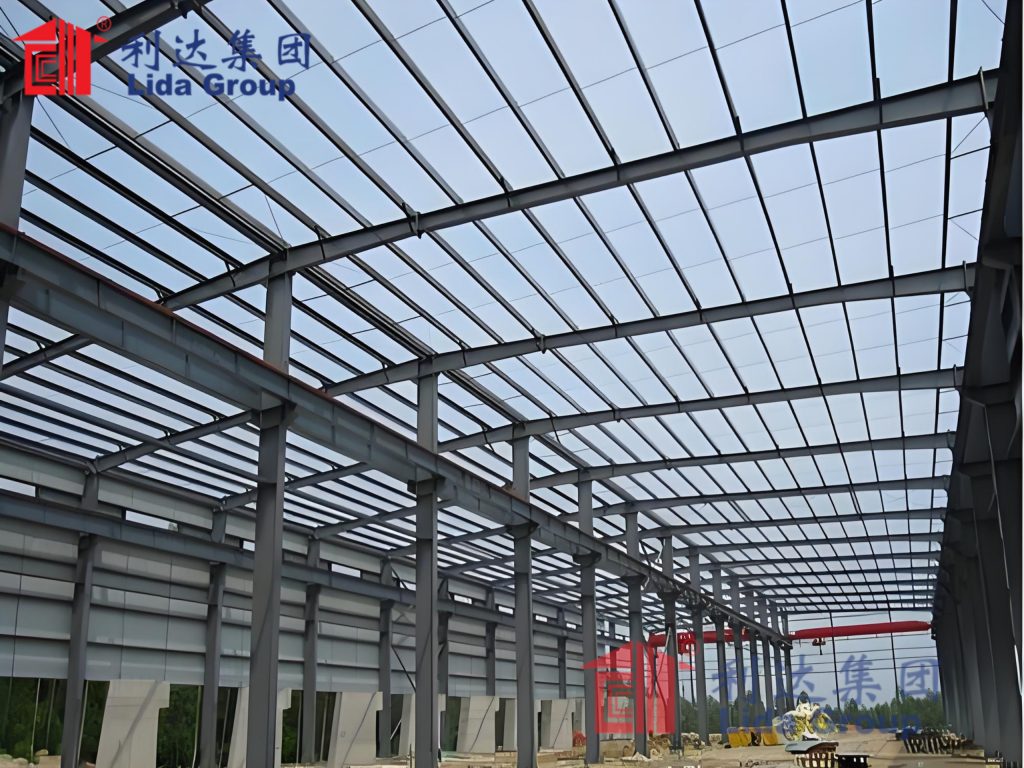
One of the most compelling strengths of metal frame house designs is their unparalleled design flexibility, which empowers architects and homeowners to bring bold, innovative concepts to life. Unlike traditional building systems that impose limitations on shape, size, and layout, metal frames adapt to a wide range of architectural styles—from modern minimalist homes to traditional cottages and contemporary villas. This flexibility stems from the material’s strength, precision, and compatibility with modular construction methods.
3.1 Modular and Prefabricated Construction Advantages
Metal frames are ideally suited for modular and prefabricated construction, a method that involves manufacturing building components in a factory and assembling them on-site. This approach not only accelerates construction timelines but also enables greater design flexibility. Prefabricated metal frame modules can be customized to fit specific dimensions and layouts, allowing for seamless integration of unique design elements such as curved walls, cantilevered floors, and large window openings. The novel rocking steel interconnection system, for example, facilitates quick assembly of modular units while maintaining structural integrity, enabling complex designs that would be difficult or costly to achieve with traditional construction .
Modular metal frame construction also supports design adaptability over time. Homeowners can easily expand or modify their homes by adding new modules, as metal frames are compatible with existing structures. This is particularly valuable for growing families or those who wish to update their homes without undertaking major renovations. Additionally, prefabricated metal components are manufactured with precision, ensuring that new modules align perfectly with the original structure, maintaining structural stability and aesthetic consistency.
3.2 Customization for Aesthetic and Functional Needs
Metal frames accommodate a wide range of exterior and interior finishes, allowing homeowners to customize their homes to reflect personal style while maintaining structural performance. Externally, metal frames can support brick, stone, wood siding, stucco, or fiber cement cladding, enabling traditional or contemporary aesthetics. Internally, the slim profile of metal studs creates more usable wall space, providing additional room for insulation, wiring, and storage. This slim profile also allows for thinner walls, increasing interior square footage—a significant advantage in smaller homes or urban settings where space is at a premium.
Large open spaces and expansive window walls are easily achievable with metal frames, as their high load-bearing capacity eliminates the need for intermediate supports. This enables designs that maximize natural light and outdoor views, creating bright, airy interiors. Metal frames also support heavy interior features such as stone fireplaces, floating staircases, and large built-in furniture, as they can be reinforced to handle concentrated loads. Whether designing a home with a grand two-story foyer, a rooftop deck, or a walk-in closet with custom shelving, metal frames provide the structural foundation to bring these ideas to life.

4. Sustainable and Eco-Friendly Attributes
In an era of increasing environmental consciousness, metal frame house designs stand out for their sustainable and eco-friendly properties. Steel is one of the most recyclable materials on the planet, with a recycling rate of over 90%—far higher than wood, concrete, or plastic . This recyclability reduces the environmental impact of metal frame houses by minimizing waste and conserving natural resources. Additionally, metal frame construction supports energy efficiency, reduces carbon emissions, and promotes a circular economy, aligning with global sustainability goals.
4.1 Recyclability and Circular Economy
Steel’s recyclability is a key sustainability advantage. Unlike wood, which degrades when recycled, steel can be melted down and reused indefinitely without losing its structural properties. The production of recycled steel requires 74% less energy than producing virgin steel, reducing carbon emissions by 75% . This means that metal frame houses contribute to a circular economy, where materials are reused rather than discarded, minimizing landfill waste. At the end of a metal frame house’s service life, nearly all components can be recycled, reducing the environmental footprint of demolition and reconstruction.
Metal frame construction also reduces waste during the building process. Factory-manufactured metal components are precision-cut to exact specifications, minimizing on-site waste. In contrast, traditional wooden framing generates significant waste due to on-site cutting, trimming, and discarded offcuts. Studies show that metal frame construction produces up to 70% less construction waste than wooden framing, further enhancing its environmental credentials .
4.2 Energy Efficiency and Carbon Footprint Reduction
Metal frame houses are highly energy-efficient when paired with proper insulation, thanks to their airtight construction and compatibility with advanced insulation materials. The precision of metal frames creates a tighter building envelope, reducing air infiltration and heat loss. Pre-punched service holes in metal studs allow for seamless installation of insulation, eliminating gaps that can compromise energy efficiency. When insulated with foam or fiberglass, metal frame walls achieve thermal resistance values (R-values) comparable to or higher than wooden walls, reducing heating and cooling costs by up to 30% .
The reduced carbon footprint of metal frame houses extends beyond construction and operation. Steel production has become increasingly low-carbon, with many manufacturers using renewable energy sources such as solar and wind power to power their facilities. Additionally, metal frame houses have a longer lifespan than wooden-framed homes—up to 100 years compared to 30 to 50 years for wood—reducing the need for frequent reconstruction and the associated carbon emissions. By combining recyclability, energy efficiency, and longevity, metal frame houses offer a sustainable alternative to traditional construction methods.
5. Cost-Effectiveness: Long-Term Value Beyond Initial Investment
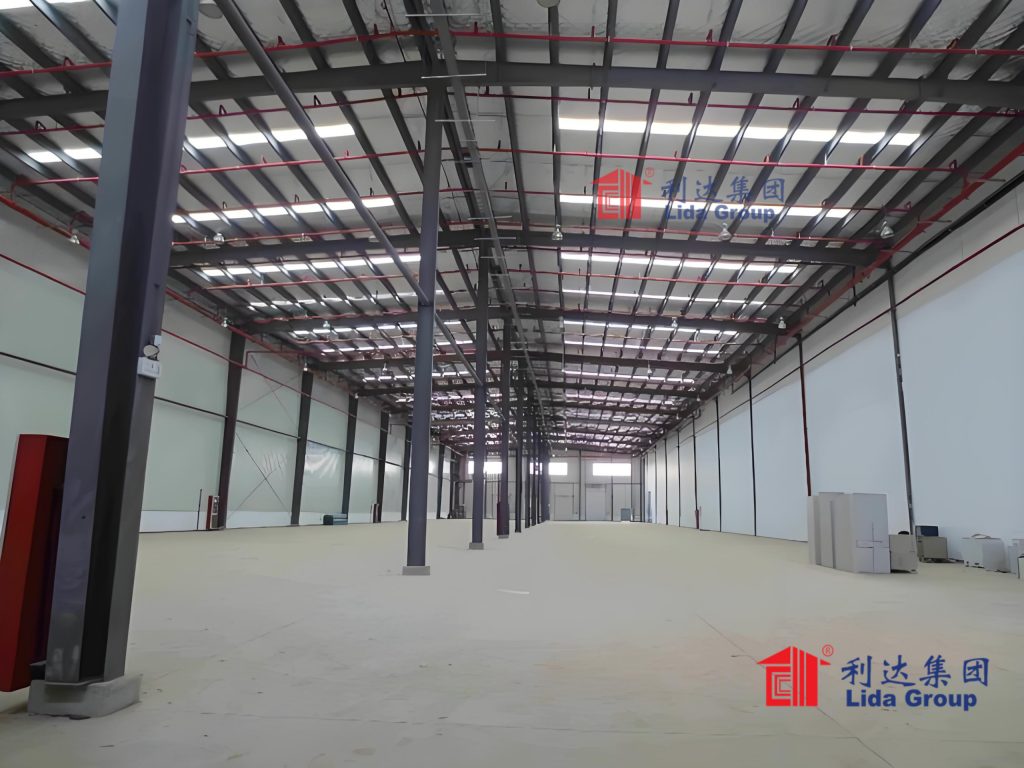
While the initial cost of metal frame construction may be slightly higher than wooden framing (typically 5% to 10% more), the long-term cost-effectiveness of metal frame houses makes them a wise investment. Metal frames reduce maintenance costs, minimize repair expenses, and enhance property value, delivering significant returns over the home’s lifespan. Additionally, the speed of construction and reduced labor costs associated with modular metal frame systems can offset the initial material cost difference.
5.1 Low Maintenance and Repair Costs
Metal frames require minimal maintenance compared to wooden frames, which are prone to rot, mold, mildew, and termite infestations. Steel is impervious to pests, eliminating the need for expensive termite treatments or repairs. Unlike wood, metal does not warp, crack, or shrink, reducing the need for cosmetic repairs such as fixing bowed walls, loose trim, or popped nails . The galvanized coating on metal frames also eliminates the need for painting or staining, further reducing maintenance costs. Studies show that metal frame houses have 50% lower maintenance costs over their lifespan than wooden-framed homes, saving homeowners thousands of dollars in repairs.
The durability of metal frames also reduces the risk of costly damage from natural disasters. In earthquake or hurricane-prone areas, metal frame houses are less likely to suffer structural damage, minimizing repair costs and insurance premiums. Many insurance companies offer lower rates for metal frame houses due to their superior safety and durability, providing additional long-term savings.
5.2 Construction Efficiency and Labor Savings
Modular metal frame construction accelerates project timelines, reducing labor costs and minimizing delays. Prefabricated metal components are delivered to the site ready for assembly, eliminating the need for on-site cutting, measuring, and fitting. The lightweight nature of metal frames also reduces the need for heavy equipment and additional laborers, further lowering construction costs. On average, metal frame houses are completed 20% to 30% faster than wooden-framed homes, allowing homeowners to move in sooner and reducing carrying costs such as interest on construction loans.
The precision of metal frame components also reduces the risk of construction errors, which can lead to costly rework. Factory-manufactured metal frames are built to exact specifications, ensuring a perfect fit during assembly. This eliminates the need for on-site modifications, saving time and labor. For builders, the efficiency of metal frame construction translates to higher productivity and profitability, making metal frames an attractive option for residential projects.
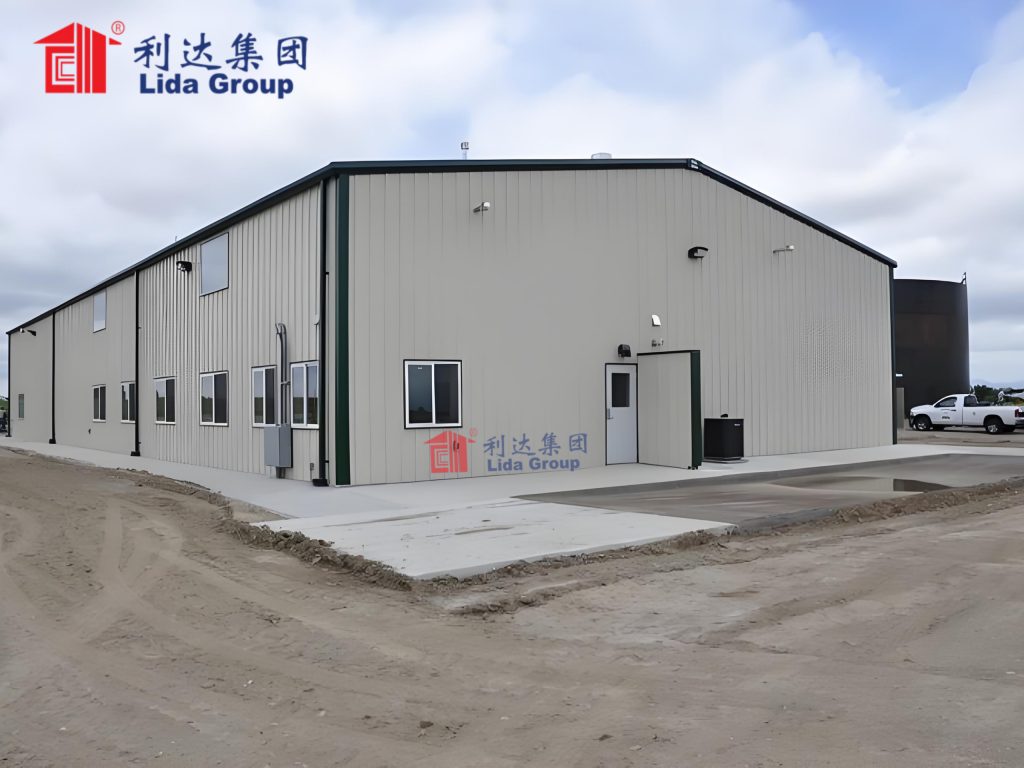
6. Real-World Applications: Metal Frame Houses in Diverse Environments
Metal frame house designs have proven their versatility and strength in a wide range of real-world applications, from residential communities to disaster relief shelters. Their ability to adapt to diverse climates, terrains, and design needs has made them a popular choice across the globe. Below are examples of how metal frame houses are being used to deliver durable, functional, and sustainable homes in various contexts.
6.1 Residential Communities and Luxury Villas
In upscale residential communities, metal frame houses are favored for their design flexibility and premium aesthetics. Architects use metal frames to create custom luxury villas with unique features such as curved facades, cantilevered balconies, and large glass walls. For example, a beachfront villa in Bali, Indonesia, uses cold-formed steel framing to withstand high humidity and tropical storms while featuring open-concept living spaces and panoramic ocean views. The metal frame’s slim profile maximizes interior space, while the galvanized coating ensures durability in the coastal environment.
In urban settings, metal frame houses are ideal for narrow lots and multi-story designs. A townhouse development in Tokyo, Japan, uses modular metal frames to construct compact, energy-efficient homes with flexible layouts. The metal frames allow for quick construction, minimizing disruption to the surrounding neighborhood, and the durable structure ensures longevity in the densely populated area.
6.2 Disaster Relief and Emergency Shelters
Metal frame houses are a critical solution for disaster relief, as they can be quickly deployed and provide safe, durable shelter for displaced communities. Following the 2023 Turkey-Syria earthquake, modular metal frame shelters were deployed to affected areas, offering immediate housing for families. These shelters, which can be assembled in 15 days or less, feature earthquake-resistant frames, waterproofing, and insulation, providing a safe and comfortable living environment. The metal frames are also recyclable, allowing the shelters to be repurposed or recycled once they are no longer needed.
In hurricane-prone regions such as the Caribbean, metal frame houses are used as permanent residences and emergency shelters. A community in Puerto Rico, rebuilt after Hurricane Maria, features metal frame homes with reinforced wind-resistant frames and impact-resistant windows. These homes have withstood subsequent hurricanes with minimal damage, proving the strength and durability of metal frame designs in extreme weather.
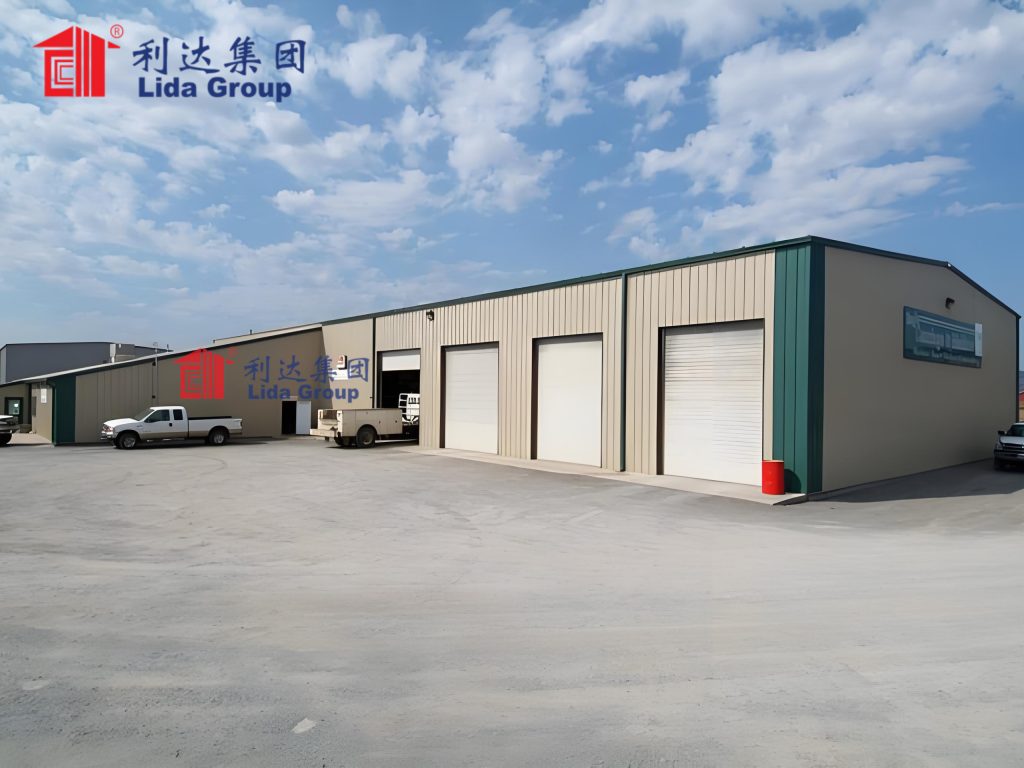
7. Conclusion: Embracing the Strength of Metal Frame House Designs
Metal frame house designs represent a revolution in residential construction, offering a unique combination of structural strength, durability, design flexibility, sustainability, and cost-effectiveness. From their ability to withstand natural disasters to their adaptability to diverse architectural styles, metal frames address the most pressing needs of modern homeowners and builders. The advanced material technologies—such as galvanized corrosion protection and high-strength alloys—ensure that metal frame houses remain functional and attractive for decades, while their sustainable attributes align with global efforts to reduce environmental impact.
The real-world applications of metal frame houses, from luxury villas to disaster relief shelters, demonstrate their versatility and reliability across diverse environments. While the initial investment may be slightly higher, the long-term savings in maintenance, repairs, and energy costs, combined with enhanced property value, make metal frames a smart choice for homeowners seeking lasting value. As the construction industry continues to prioritize sustainability, safety, and innovation, metal frame house designs are poised to become the standard for modern residential construction.
By choosing metal frame house designs, homeowners are not just building a home—they are investing in a structure that offers uncompromising strength, creative freedom, and environmental responsibility. Whether designing a cozy cottage, a modern mansion, or a resilient disaster shelter, metal frames provide the foundation for homes that stand the test of time, delivering comfort, safety, and value for generations to come. As technology continues to advance, the strengths of metal frame house designs will only grow, solidifying their place as the future of residential construction.
Related news
-
Speed and Strength: Our Easy Install Sandwich Panel Prefab House
2025-12-24 17:36:02
-
Lida Group Delivers Flexible Modern Mobile Building Projects
2025-12-24 17:52:24
-
Lida Group Sets New Standard in High Quality Durable Construction
2025-12-25 16:06:32
contact us
- Tel: +86-532-88966982
- Whatsapp: +86-13793209022
- E-mail: sales@lidajituan.com
