



Discover the Flexibility of Our Modern Mobile Container House
2025-Dec-29 17:45:03
By Admin
In an era defined by dynamic living needs, rapid urbanization, and the urgent call for sustainable development, modern mobile container houses have transcended their humble origins as temporary storage units to become a symbol of architectural flexibility. No longer confined to construction sites or emergency shelters, these innovative structures have redefined what it means to create adaptable, functional spaces that evolve with human demands. With 17 million shipping containers sitting idle in global ports—each capable of being upcycled into a livable space while reducing 7,500 kg of carbon emissions compared to conventional construction—the modern mobile container house emerges as a solution that marries flexibility, sustainability, and affordability. This article delves into the multifaceted flexibility of our modern mobile container house, exploring how modular design, adaptive technology, and versatile applications are reshaping the future of housing and commercial spaces worldwide.
The global container architecture market is witnessing unprecedented growth, driven by the escalating demand for flexible and eco-friendly building solutions. According to UNCTAD’s 2024 Review of Maritime Transport, containerised trade is projected to grow at an average annual rate of 2.7% between 2025 and 2029, fueling the supply of repurposed containers for architectural use. Meanwhile, the global prefabricated container house market, valued at $62.2 billion in 2025, is expected to expand at a CAGR of 7.6% to reach $120.5 billion by 2034. At the heart of this growth lies flexibility—the ability to customize, relocate, repurpose, and scale spaces with minimal effort and cost. Our modern mobile container house leverages cutting-edge engineering and user-centric design to unlock this flexibility, offering a versatile solution that adapts to diverse climates, lifestyles, and industries.
Modular Design: The Foundation of Spatial Flexibility
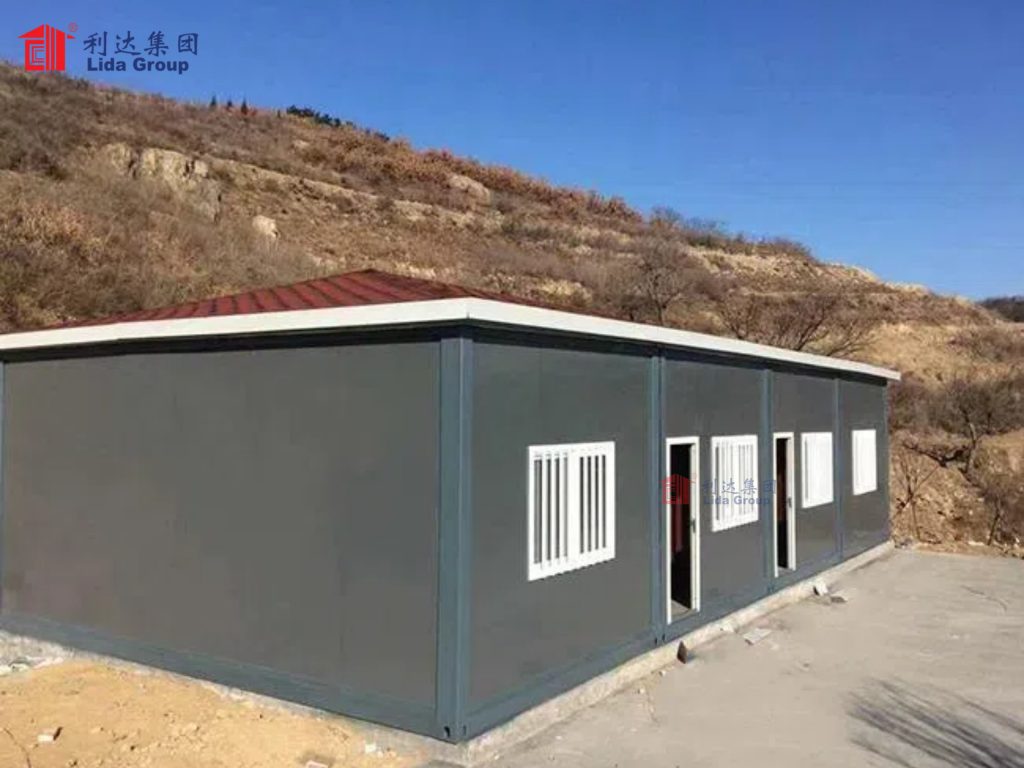
The flexibility of modern mobile container houses begins with their modular design—a core feature that distinguishes them from traditional brick-and-mortar structures. Unlike conventional buildings, which are permanently fixed to their foundations and require extensive demolition to modify, our container houses are constructed from standardized, interlocking modules that can be combined, rearranged, and expanded with remarkable ease. This modularity is rooted in precision engineering, including advanced splicing systems and universal components, enabling endless spatial configurations to suit any need.
Interchangeable Modules and Universal Components
Our mobile container houses are built with 95% universal components, ensuring seamless compatibility across different modules and configurations. Each standard 20-foot or 40-foot module shares common frames, wall panels, and connection systems, eliminating the need for custom tooling or specialized parts when modifying spaces. For instance, a single 20-foot module (providing 320 square feet of living space) can function as a standalone studio apartment, while multiple modules can be combined horizontally or vertically to create larger structures—from two-bedroom family homes to multi-story commercial buildings.
The universal component system also allows for quick reconfiguration as needs change. A space initially designed as a home office can be transformed into a guest suite by swapping interior partitions and fixtures, all without altering the core structure. This interchangeability extends to exterior elements: modular facade panels can be replaced to update the aesthetic, while additional windows or doors can be installed to enhance natural light or accessibility. In a residential project in California, homeowners expanded their container house from a 1-bedroom unit to a 3-bedroom home by adding two modules and reconfiguring the existing layout—all completed in just 10 days with minimal disruption.
Vertical and Horizontal Expansion Capabilities
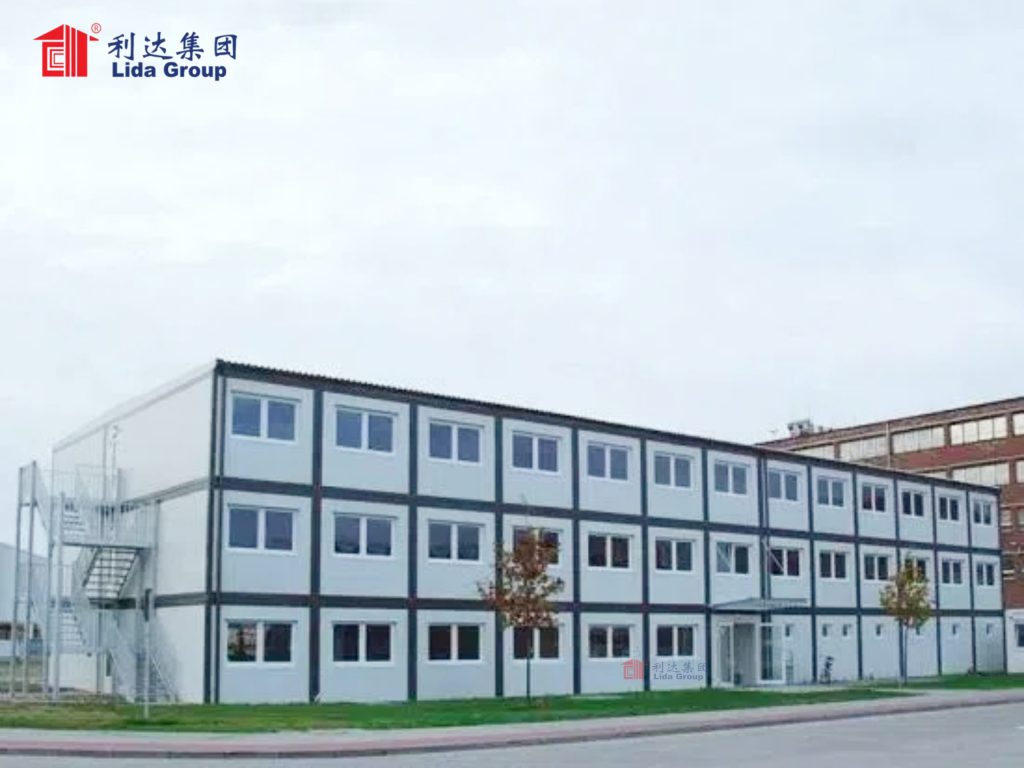
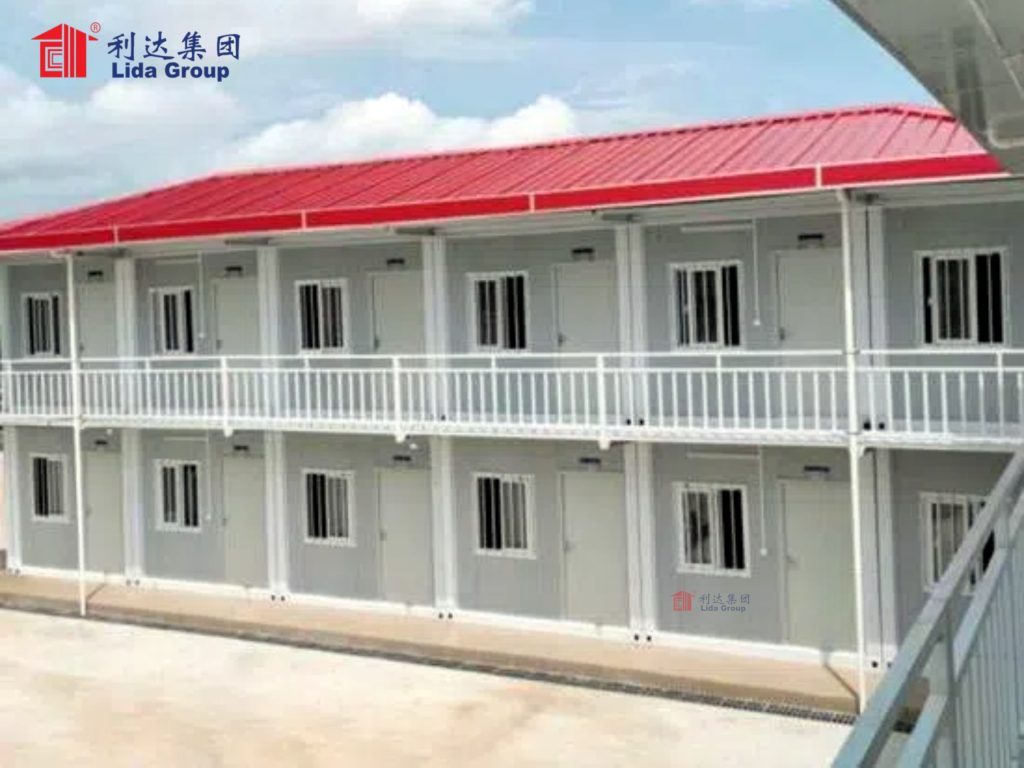
One of the most striking expressions of flexibility is the ability to expand container houses both vertically and horizontally, maximizing space utilization in diverse environments. Horizontally, modules can be connected side-by-side or end-to-end to create open-concept layouts, such as a 1,200-square-foot living space formed by four 20-foot modules. This configuration is ideal for urban settings where land is scarce, as it allows for efficient use of narrow lots or infill sites.
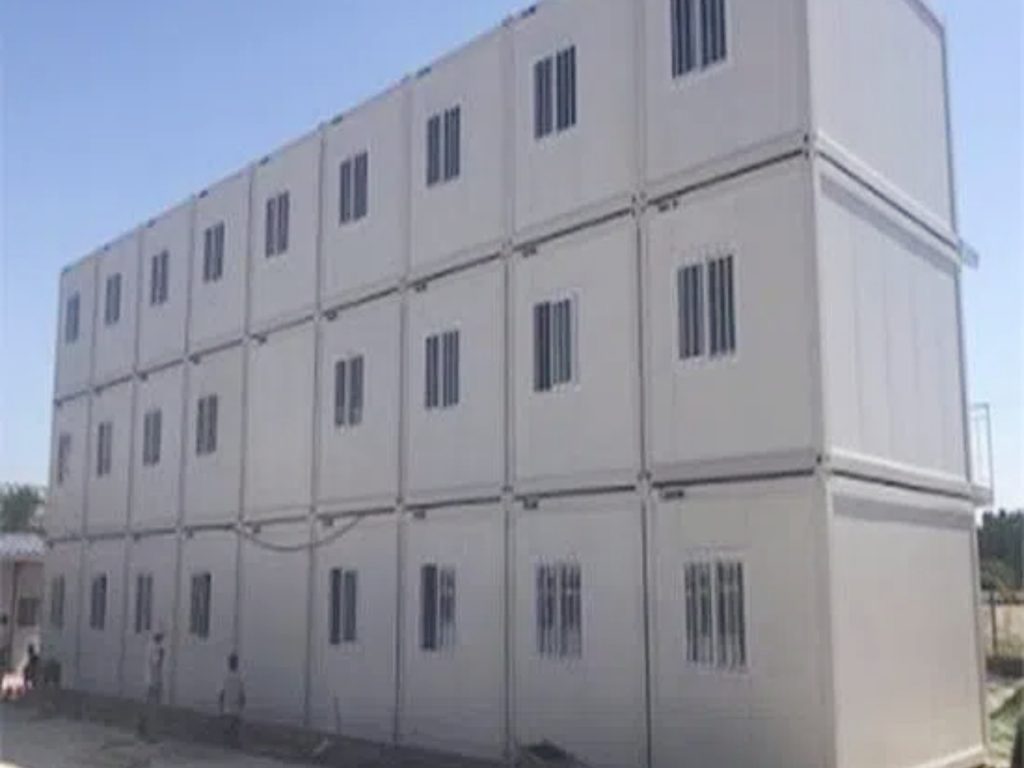
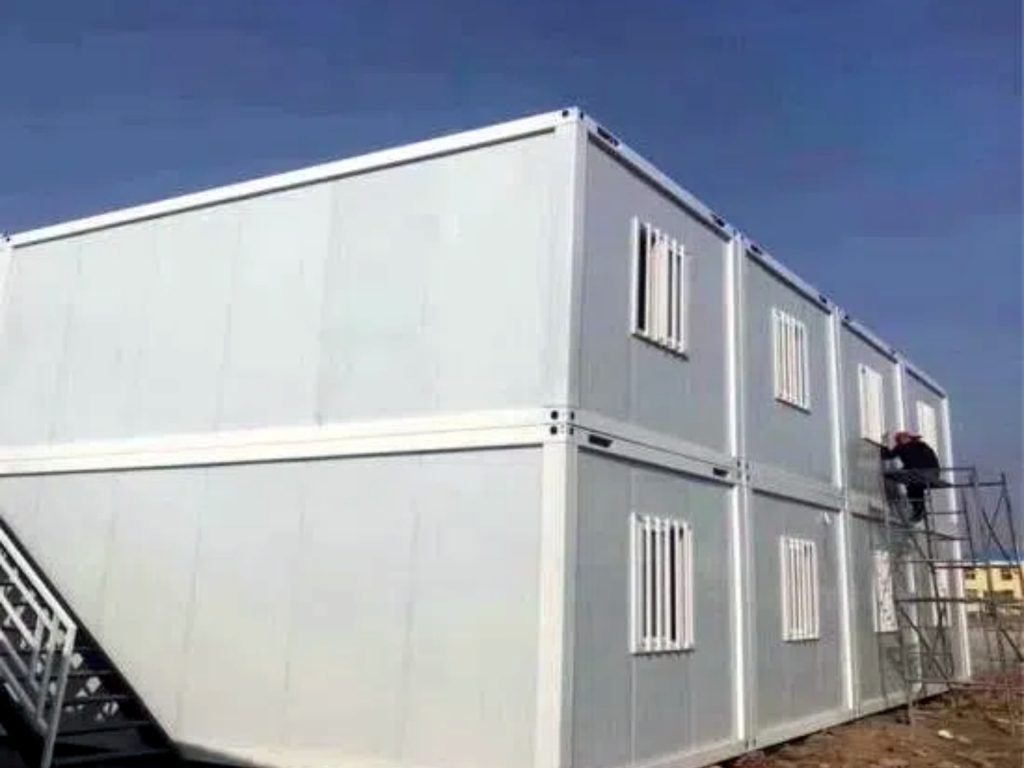
Vertically, our container houses support stacking of up to 5 floors using advanced lock-and-buckle splicing systems, which ensure structural stability with ±1mm connection accuracy. This vertical flexibility is transformative for high-density areas, such as student dormitories or urban affordable housing complexes. A pilot project in Birmingham, UK, utilized stacked container modules to create a 3-story apartment building with 24 units, achieving a 40% higher density than traditional low-rise construction. The stacked design also incorporated shared rooftop gardens and communal spaces, demonstrating how vertical expansion can enhance both space efficiency and quality of life.
Tool-Free Assembly and Disassembly
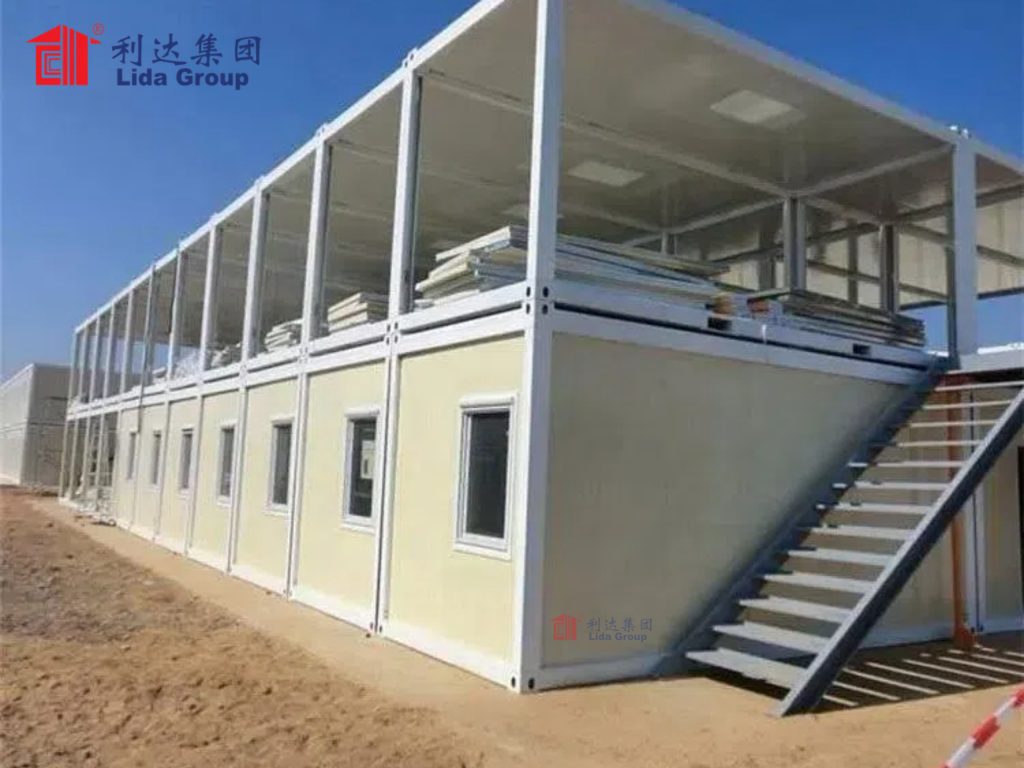
Flexibility is further enhanced by our tool-free assembly and disassembly system, which eliminates the need for on-site welding or specialized labor. Leveraging a combination of tenon-and-mortise splicing and quick-release locks, a two-person team can assemble a single module in under 2 hours, with a full multi-module structure completed in days rather than months. This efficiency not only reduces construction time but also enables easy relocation—modules can be disassembled, transported to a new site, and reassembled with minimal wear and tear.
For example, a construction company in Indonesia used our mobile container houses to provide worker housing for a railway project. Once the project phase was completed, the 50 modules were disassembled, loaded onto trucks (with one 5-ton truck transporting 6 folded modules), and relocated to another project site—saving the company 40% in housing costs compared to building temporary structures. The ability to reuse modules across multiple projects underscores the long-term flexibility and cost-effectiveness of our design.
Adaptive Applications: Flexibility Across Industries and Lifestyles
The true power of our modern mobile container house lies in its ability to adapt to diverse applications, seamlessly transitioning between residential, commercial, emergency, and recreational uses. This versatility makes it a valuable asset for individuals, businesses, governments, and aid organizations, addressing a wide range of spatial needs with a single, flexible solution.
Residential Flexibility: From Compact Studios to Family Homes
In the residential sector, our container houses offer unparalleled flexibility to accommodate changing family dynamics and lifestyle preferences. For young professionals or digital nomads, a compact 20-foot module can be customized as a fully functional studio with a fold-down bed, built-in storage, and a compact kitchen—optimizing space for mobility and minimalism. As needs evolve, additional modules can be added to create separate bedrooms, a home office, or a larger living area.
For families, multi-module configurations can be tailored to include bedrooms, bathrooms, a kitchen, and a living room, with the option to expand as children grow. In New Zealand, a family of four transformed three 40-foot modules into a spacious home with three bedrooms, an open-plan kitchen and dining area, and a rooftop deck. The design incorporated large windows for natural light and phase-change material insulation to maintain a comfortable interior temperature year-round. What sets this home apart is its flexibility: the rooftop deck can be converted into a guest room with the addition of a small module, while the home office can be reconfigured into a playroom as the family expands.
Our container houses also excel in off-grid and remote living scenarios, where flexibility and self-sufficiency are critical. Equipped with solar panels, lithium iron phosphate batteries, and rainwater collection systems, these homes can operate independently of municipal utilities. A couple in Colorado built an off-grid container home using two modules and a 6.4 kW solar array, achieving full energy autonomy. The home’s flexible energy system allows for the addition of wind turbines or extra solar panels as energy needs increase, while the interior can be rearranged to accommodate seasonal activities—from a winter workspace to a summer guest quarters.
Commercial and Recreational Applications: Adapting to Business Needs
Businesses are increasingly turning to our mobile container houses for their flexible commercial applications, from pop-up shops and cafes to office spaces and retail kiosks. The modular design allows for quick customization to reflect brand identity, while the mobility enables businesses to test new markets or relocate based on customer demand.
In urban areas, pop-up shops constructed from our container modules have become a popular trend, offering retailers a low-cost, flexible way to access high-traffic locations. A fashion brand in Shanghai launched a pop-up store using two 20-foot modules, customized with floor-to-ceiling glass doors, LED lighting, and a modular display system. The store was assembled in 3 days and operated for 3 months, after which it was disassembled and relocated to another neighborhood—avoiding the long-term leases and construction costs associated with traditional retail spaces.
In the tourism sector, our container houses are transformed into boutique homestays, glamping sites, and resort accommodations, blending seamlessly with natural surroundings while offering flexible lodging options. A mountain resort in Yunnan Province, China, used 50 of our modules to create an eco-friendly glamping site. Each module was customized with large windows to showcase mountain views, vertical garden walls for natural insulation, and a private patio. The flexibility of the design allows the resort to adjust capacity seasonally—adding modules during peak tourism months and storing them during off-seasons, reducing maintenance costs and environmental impact.
Emergency Response and Humanitarian Aid: Flexible Solutions for Crisis Scenarios
In emergency situations—such as natural disasters, pandemics, or conflicts—flexibility can mean the difference between chaos and effective response. Our modern mobile container houses are a staple of humanitarian aid efforts, thanks to their rapid deployment, durability, and adaptability to diverse crisis needs.
After the 2023 Turkey-Syria earthquake, our container modules were deployed to create temporary housing, medical clinics, and command centers. The standardized design allowed for quick assembly by local workers with minimal training, with 1,000 modules installed in just 2 weeks. The modules were easily customized to suit specific needs: medical clinics were fitted with antibacterial walls, non-slip floors, and isolation spaces, while housing units were equipped with heating systems to combat cold weather. As the recovery effort progressed, many of these modules were repurposed into schools and community centers, demonstrating their long-term flexibility beyond emergency use.
During the COVID-19 pandemic, our container houses were converted into mobile testing stations and quarantine facilities, deployed to high-risk areas to expand healthcare capacity. The modules could be quickly transported to parking lots, stadiums, or community centers, and configured with ventilation systems, medical equipment, and waiting areas. Their mobility allowed health authorities to redirect resources as infection rates shifted, ensuring efficient use of limited healthcare infrastructure.
Climate Adaptability: Flexible Design for Extreme Environments
Flexibility extends beyond spatial configuration to include adaptation to diverse and extreme climates. Our modern mobile container houses are engineered with climate-specific features that can be adjusted to withstand harsh weather conditions—from sub-zero temperatures in Siberia to scorching heat in the Middle East—without compromising comfort or functionality.
Cold Climate Adaptations
For cold climates, our container houses are equipped with a range of flexible insulation solutions, including triple-glazed windows, vacuum insulation panels, and phase-change material (PCM) wall layers. PCM materials absorb and store thermal energy during the day, releasing it at night to maintain a stable interior temperature, reducing reliance on heating systems by up to 40%. In Siberia, our modules were customized with additional insulation layers, heated floors, and wind-resistant facades to withstand temperatures as low as -30°C. The flexible design allows homeowners to adjust insulation levels seasonally—adding removable insulation panels during winter and removing them in summer to enhance ventilation.
Hot and Humid Climate Solutions
In hot and humid regions, such as Southeast Asia and the Middle East, our container houses feature reflective coatings on exterior walls to reduce heat absorption, cross-ventilation systems to improve air circulation, and solar-powered cooling units. The modular design allows for the addition of awnings, pergolas, or vertical gardens to provide shade and reduce ambient temperatures. In Dubai, a commercial project using our modules incorporated building-integrated photovoltaics (BIPV) on the roof and walls, generating electricity to power air conditioning systems while reducing heat gain. The flexible energy system also includes battery storage, ensuring continuous cooling during power outages common in high-temperature regions.
Flood and Storm Resilience
For flood-prone areas, our container houses can be elevated on modular steel supports, adjusted to different heights based on flood risk. The supports are corrosion-resistant and can be easily disassembled or relocated if flood patterns change. In Bangladesh, a community project used our elevated container houses to provide safe housing for families in flood-prone regions. The modules were equipped with rainwater collection systems and waterproof flooring, and their mobility allowed families to relocate to higher ground during severe floods—offering a flexible solution to climate-induced displacement.
Energy and Utility Flexibility: Sustainable and Adaptive Systems
Modern mobile container houses are not just flexible in space and application—they also feature adaptive energy and utility systems that can be customized to meet specific needs, reduce environmental impact, and adapt to changing energy sources.
Integrated Renewable Energy Solutions
Our container houses are designed to integrate seamlessly with renewable energy systems, including solar panels, wind turbines, and hydroelectric generators. The flexible BIPV system allows solar panels to be installed on roofs, walls, or even as part of the facade, maximizing energy capture while maintaining architectural aesthetics. A project in Texas used our modules with 8-12 kW solar systems, generating 120% of household energy needs and feeding excess power back to the grid through net metering. Homeowners can easily expand the solar array as energy needs grow—for example, adding panels when purchasing an electric vehicle or expanding the living space.
Energy storage is another key flexible feature, with lithium iron phosphate batteries (offering a 25-year lifespan) that can store excess solar energy for use during cloudy weather or power outages. Advanced energy management systems (EMS) use AI to optimize energy use, prioritizing critical loads and adjusting charging cycles based on weather forecasts. In a Colorado community of 12 networked container homes, the EMS created a microgrid that survived an 8-day winter blackout, seamlessly switching between solar, battery, and backup generator power.
Water Conservation and Waste Management
Flexible water management systems allow our container houses to adapt to areas with limited water resources. Rainwater collection systems can be installed or expanded based on rainfall patterns, with filters and purification units to make water safe for drinking, cooking, or irrigation. In arid regions like Australia, our modules are equipped with greywater recycling systems that treat wastewater from sinks and showers for reuse in landscaping, reducing potable water consumption by up to 50%.
Waste management flexibility is achieved through modular composting units and recycling stations, which can be customized based on household size or waste generation. For remote areas without access to municipal waste services, these systems allow for self-sufficient waste handling, while in urban areas, they can be integrated with local recycling programs.
Future Trends: Enhancing Flexibility with Smart Technology
The future of modern mobile container houses lies in the integration of smart technology to further enhance flexibility, efficiency, and user experience. Emerging innovations are transforming these structures into intelligent, adaptive spaces that respond to user behavior, environmental conditions, and evolving needs.
AI-Powered Adaptive Interiors
AI-driven smart home systems are being integrated into our container houses to automate and customize interior spaces. Smart blinds adjust to sun paths to optimize natural light and temperature, while modular furniture—controlled by voice commands or mobile apps—reconfigures to suit different activities: a dining table that expands for gatherings, a sofa that converts into a bed, or a workspace that retracts to create open floor space. In a prototype showcased at the UK’s Solar Storage Live 2024 exhibition, AI algorithms learned user preferences over time, automatically adjusting lighting, temperature, and furniture layout to maximize comfort and efficiency.
Digital Twin and BIM Integration
Building Information Modeling (BIM) and digital twin technology are revolutionizing the flexibility of container house design and modification. A digital twin of the structure allows users to visualize and test different configurations—from interior layouts to exterior expansions—before making physical changes. This technology enables precise planning, reduces errors, and allows for rapid customization. For example, a business owner can use the digital twin to redesign a container cafe’s interior, testing different seating arrangements and equipment layouts to optimize customer flow, all without disrupting operations.
Circular Economy and Modular Upgrading
Future flexibility will also be driven by a circular economy approach, where modules and components are designed for easy upgrading, repair, and recycling. Our container houses are built with replaceable parts—from insulation panels to interior fixtures—allowing users to update or repair components without replacing the entire structure. This extends the lifespan of the building while reducing waste. For example, as energy efficiency standards evolve, older insulation can be replaced with newer, more efficient materials, and solar panels can be upgraded to higher-efficiency models, ensuring the house remains adaptable to future sustainability requirements.
Conclusion
Our modern mobile container house redefines flexibility as a multifaceted concept—encompassing spatial configuration, application adaptability, climate resilience, energy management, and future-proofing. From modular design that enables endless spatial arrangements to adaptive systems that thrive in extreme environments, these structures offer a level of versatility unmatched by traditional construction. Whether used as a compact studio, a commercial pop-up, an emergency shelter, or a family home, our container houses evolve with the needs of their users, reducing waste, lowering costs, and minimizing environmental impact.
The flexibility of our modern mobile container house is not just a design feature—it is a response to the dynamic challenges of the 21st century. As global housing shortages persist, urbanization accelerates, and climate change intensifies, flexible solutions that can be deployed quickly, adapted to diverse needs, and reused across multiple contexts are more critical than ever. Our container houses embody this vision, proving that sustainable, affordable, and flexible housing can be accessible to all.
Looking ahead, the integration of smart technology, circular economy principles, and advanced materials will further enhance the flexibility of mobile container houses, solidifying their role as a cornerstone of the future built environment. By embracing flexibility, we are not just building houses—we are creating spaces that empower individuals, businesses, and communities to adapt, innovate, and thrive in an ever-changing world. The modern mobile container house is more than a structure; it is a flexible canvas for life’s possibilities.
Related news
-
Lida Group Champions Cost-Effective Prefab Construction Solutions
2025-12-29 17:33:00
-
Lida Group Unveils Next-Gen Modern Mobile Container House
2025-12-29 15:02:27
-
Experience Lasting Quality with a Lida Group Metal Frame House
2025-12-26 17:54:53
contact us
- Tel: +86-532-88966982
- Whatsapp: +86-13793209022
- E-mail: sales@lidajituan.com
