



Discover the Durability of Our Steel Structure Building Systems
2026-Jan-28 16:45:26
By Admin
In the realm of architecture and construction, durability stands as a fundamental pillar that defines the long-term value, safety, and sustainability of any building. For industrial facilities, commercial complexes, logistics hubs, and infrastructure projects, a durable structure is not merely a requirement but a strategic investment—one that minimizes maintenance costs, extends service life, and withstands the test of time and harsh environmental conditions. Among all construction materials and structural systems, steel structure building systems have emerged as the gold standard for durability, leveraging inherent material advantages, advanced manufacturing processes, and innovative design concepts to deliver unparalleled performance. Our steel structure building systems, refined through decades of engineering expertise and technological innovation, embody the pinnacle of durability, offering reliable solutions for projects across diverse industries and geographic locations. This article delves into the multi-dimensional durability of our steel structure building systems, exploring the material science, structural design, anti-corrosion technologies, environmental adaptability, and lifecycle value that make them a superior choice for modern construction.
1. The Inherent Durability of Steel: A Material Foundation for Longevity
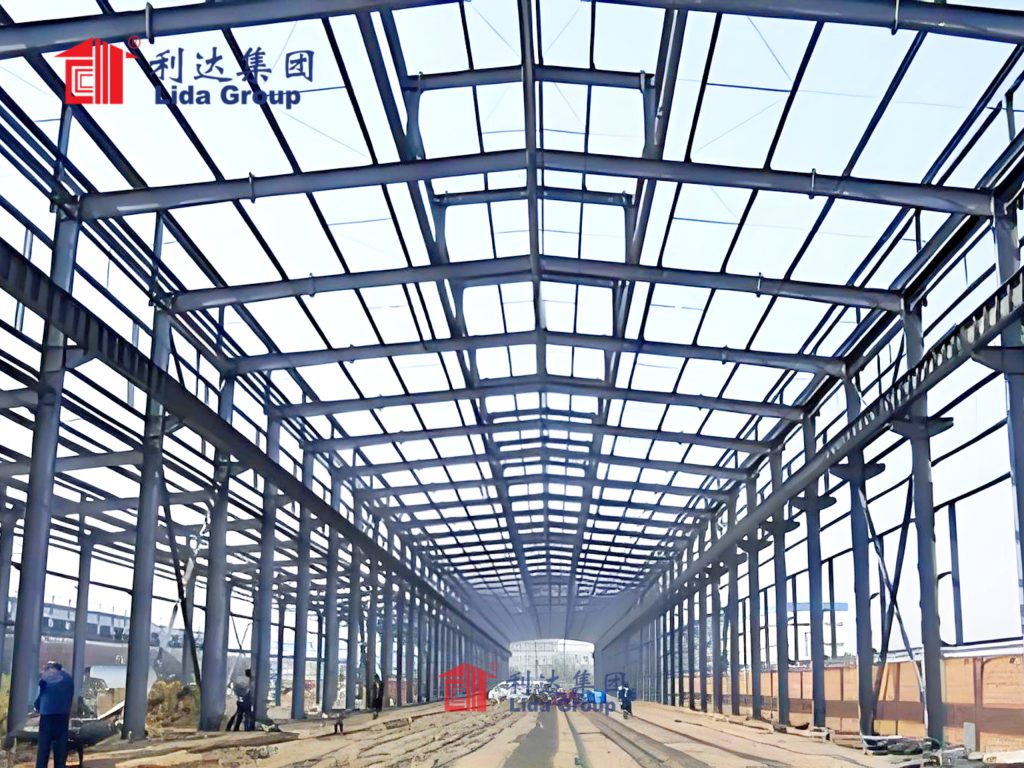
The durability of our steel structure building systems begins with the inherent properties of steel—an alloy renowned for its strength, toughness, and resistance to degradation. Unlike traditional materials such as concrete, wood, or masonry, steel possesses unique mechanical characteristics that enable it to maintain structural integrity over decades, even under continuous load and adverse conditions. This inherent durability is rooted in three core material advantages: high strength-to-weight ratio, exceptional toughness, and resistance to biological and chemical deterioration.
Steel’s high strength-to-weight ratio is a defining feature that contributes to its durability. Our systems utilize high-strength low-alloy (HSLA) steels, including Q355, Q460, and Q690 grades, which offer significantly higher yield strength compared to conventional carbon steel. For instance, Q690 High-strength steel boasts a yield strength of 690 MPa, nearly twice that of Q355 steel, while maintaining a lightweight profile that reduces structural load and foundation stress. This strength allows our steel structures to withstand heavy loads, including industrial equipment, stacked cargo, and extreme weather-induced forces, without permanent deformation or structural failure. The lightweight nature of steel also minimizes wear and tear on structural components, extending their service life and reducing maintenance needs.
Exceptional toughness is another critical attribute of steel that enhances durability. Steel can absorb and dissipate energy under dynamic loads, such as earthquakes, typhoons, or impact forces, without fracturing—a property known as ductility. Unlike brittle materials like concrete, which crack or collapse under sudden stress, our steel structures are designed to deform plastically under extreme conditions, maintaining structural stability and protecting the building and its contents. This toughness is validated by rigorous testing, with our systems meeting or exceeding international seismic standards, capable of withstanding seismic intensities up to 8 degrees and wind speeds of 220 km/h—performance levels that ensure durability in high-risk regions.
Unlike wood, which is susceptible to rot, mold, and insect infestation, or concrete, which is prone to cracking and spalling, steel is inherently resistant to biological deterioration. Steel does not provide a nutrient source for microorganisms, eliminating the risk of decay or pest damage. Additionally, steel’s chemical stability prevents degradation from most organic and inorganic substances, making it suitable for industrial environments where exposure to chemicals, oils, or corrosive gases is common. This inherent resistance to biological and chemical damage reduces the need for frequent maintenance and repairs, further enhancing the long-term durability of our steel structure systems.
2. Advanced Anti-Corrosion Technologies: Safeguarding Steel Against Degradation
While steel is inherently durable, exposure to moisture, salt, chemicals, and extreme temperatures can lead to corrosion—a primary factor that affects the service life of steel structures. To address this challenge, our steel structure building systems integrate state-of-the-art anti-corrosion technologies, forming a multi-layered protection system that significantly reduces corrosion rates and extends structural lifespan. These technologies are tailored to the specific environmental conditions of each project, ensuring optimal performance in coastal areas, high-humidity regions, industrial zones, and other corrosive environments.
Our core anti-corrosion solution combines hot-dip galvanization with nano-ceramic coating—a dual-process that delivers superior protection compared to traditional single-layer treatments. Hot-dip galvanization involves immersing steel components in a molten zinc bath, forming a dense, metallurgically bonded zinc layer on the surface. This zinc layer acts as a sacrificial anode, corroding preferentially to protect the underlying steel. The galvanized layer provides excellent adhesion and uniformity, with a thickness of 85-100 microns that can withstand moderate corrosive environments for 20-25 years without significant degradation.
To enhance protection further, we apply a nano-ceramic coating over the galvanized layer, leveraging advanced zinc-zirconia composite technology. This coating, fabricated using a room-temperature sol-gel process, forms a uniform, compact film with a thickness of 300-350 nanometers, composed primarily of zinc, zirconium, and oxygen compounds. Electrochemical testing confirms that this nano-ceramic coating reduces the corrosion current density of galvanized steel by 25%-50% in 3.5% NaCl aqueous solutions—simulating coastal or high-salt environments—effectively isolating the steel from corrosive media and slowing down the galvanic corrosion process. The combination of hot-dip galvanization and nano-ceramic coating reduces the annual corrosion rate to as low as 0.003 mm, extending the service life of steel components to over 30 years, even in harsh corrosive environments.
For specialized applications, such as chemical plants or marine structures, we offer additional anti-corrosion enhancements, including fluoropolymer coatings and corrosion-inhibiting primers. Fluoropolymer coatings provide exceptional chemical resistance, withstanding exposure to acids, alkalis, and organic solvents, while maintaining flexibility and adhesion under extreme temperature fluctuations. Corrosion-inhibiting primers contain active ingredients that release corrosion-resistant compounds when exposed to moisture, forming a protective barrier that prevents rust formation even if the topcoat is damaged. These tailored solutions ensure that our steel structure systems maintain durability in the most challenging corrosive conditions.
3. Structural Design and Manufacturing Precision: Reinforcing Durability Through Engineering
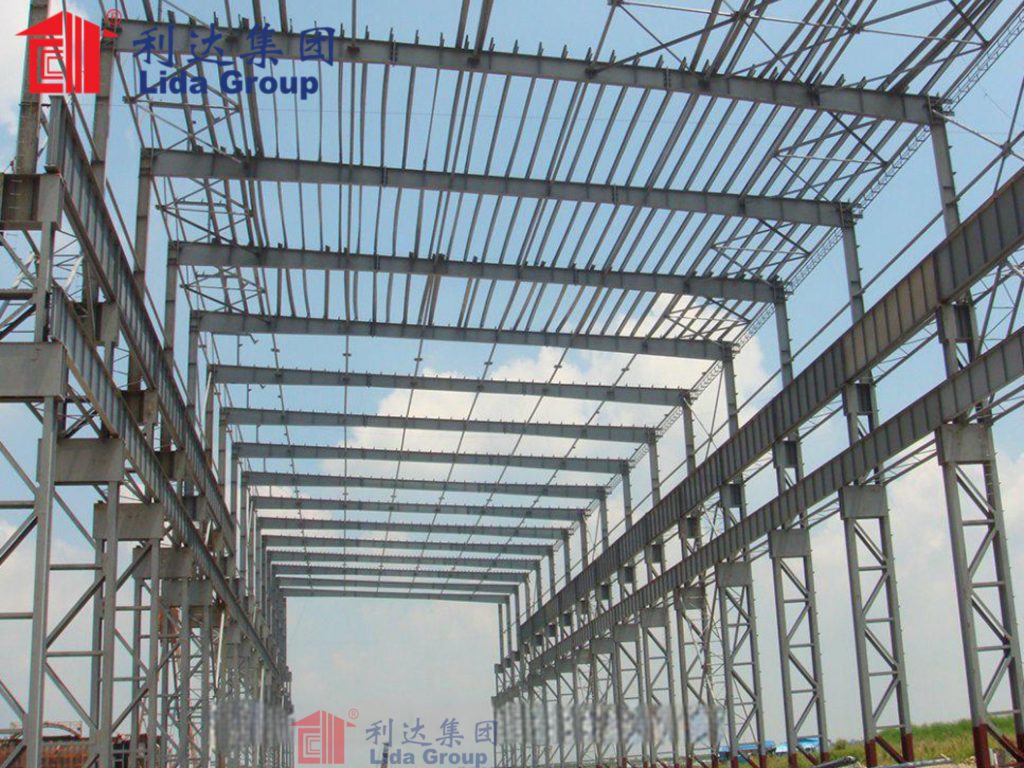
Durability in steel structure systems is not solely dependent on materials and coatings—it is also a product of meticulous structural design and precision manufacturing. Our engineering team integrates durability considerations into every stage of the design process, optimizing structural geometry, node connections, and load distribution to minimize stress concentration and fatigue damage. Coupled with advanced prefabrication technologies, this design philosophy ensures that our steel structures maintain structural integrity over decades of service.
Node connection design is a critical aspect of structural durability, as weak or improperly designed connections are often the primary failure points in steel structures. Our systems utilize high-strength bolted connections with precision-machined components, replacing traditional welded connections in high-stress areas. Bolted connections offer superior fatigue resistance, as they avoid the heat-affected zones and residual stresses associated with welding, which can compromise steel strength and accelerate corrosion. Each bolted connection is designed with a safety factor of 3.5 or higher, ensuring that it can withstand dynamic loads and environmental stress without loosening or failure. Additionally, we apply anti-corrosion treatments to fasteners, including galvanization and nano-coating, to ensure that connections maintain their structural performance over time.
Structural optimization further enhances durability by reducing stress concentration and improving load-bearing efficiency. Using advanced finite element analysis (FEA) and Building Information Modeling (BIM) technology, our engineers simulate various load conditions—including static loads, dynamic loads, and environmental loads—to identify potential stress hotspots. We then optimize the structural design, such as increasing the cross-sectional area of beams at critical points, adopting curved profiles to distribute stress evenly, or integrating stiffeners to enhance structural rigidity. For large-span structures, our optimized designs reduce deflection and vibration, minimizing fatigue damage caused by repeated load cycles.
Precision prefabrication is another cornerstone of our durability commitment. Over 92% of our steel components are manufactured in controlled factory environments, using automated welding robots, laser cutting equipment, and CNC machining tools. Automated welding robots with laser guidance achieve a weld qualification rate of over 99.8%, ensuring consistent weld quality and eliminating defects such as porosity, cracks, or incomplete fusion that can weaken structural components. Laser cutting equipment maintains dimensional accuracy within ±0.08 mm, ensuring that components fit together seamlessly during on-site assembly, reducing stress and wear on connections. This factory prefabrication process not only improves structural precision but also minimizes on-site construction time by 40% compared to traditional methods, reducing exposure of steel components to environmental elements during construction.
4. Environmental Adaptability: Durability Across Extreme Conditions
Modern construction projects span diverse geographic locations, from tropical regions with high temperature and humidity to cold climates with freezing temperatures, and from earthquake-prone areas to coastal zones with strong winds and salt spray. Our steel structure building systems are engineered to adapt to these extreme environmental conditions, maintaining durability and performance regardless of the operating environment. This adaptability is validated through rigorous testing and real-world project experience across the globe.
In high-temperature and high-humidity regions, such as Southeast Asia, our systems are designed to withstand prolonged exposure to temperatures up to 50℃ and relative humidity exceeding 90%. The combination of hot-dip galvanization and nano-ceramic coating prevents moisture absorption and corrosion, while PU composite insulation panels with a thermal conductivity of ≤0.025 W/(m·K) maintain stable internal temperatures and reduce thermal stress on structural components. Color-coated aluminum-zinc steel sheets used for roofing feature high light reflectivity, reducing solar radiation absorption and lowering internal temperatures by 3-5℃, minimizing thermal expansion and contraction that can cause structural fatigue.
For cold climates, our steel structures are engineered to resist freeze-thaw cycles and low temperatures down to -40℃. We use low-temperature-resistant steel grades, such as Q355GNHD, which maintain ductility and toughness at sub-zero temperatures, preventing brittle fracture. The anti-corrosion coating system is formulated to withstand temperature fluctuations, maintaining adhesion and protection even when exposed to repeated freezing and thawing. Additionally, we optimize the structural design to prevent ice accumulation on roofs and eaves, reducing additional loads and potential structural damage.
In seismic and typhoon-prone regions, our steel structures leverage the material’s ductility and structural optimization to ensure durability under extreme dynamic loads. The moment-resisting frame design dissipates seismic energy through plastic deformation of beams and columns, protecting critical components from failure. For typhoon-prone coastal areas, our systems feature wind-resistant bracing and reinforced connections, capable of withstanding wind speeds up to 250 km/h. A case in point is our steel structure warehouse for a Southeast Asian logistics hub, which has withstood multiple typhoons with wind speeds exceeding 200 km/h since its commissioning, showing no signs of structural damage or corrosion.
5. Full-Lifecycle Durability: Maximizing Value Over Decades
True durability extends beyond initial performance—it encompasses the entire lifecycle of the building, from construction to decommissioning. Our steel structure building systems deliver exceptional lifecycle durability, characterized by long service life, low maintenance requirements, and high recyclability, maximizing the return on investment for our clients and minimizing environmental impact.
The service life of our steel structure systems typically exceeds 50 years, more than double that of traditional masonry structures and comparable to high-quality concrete structures. This extended service life is attributed to the combination of high-strength materials, advanced anti-corrosion technologies, and robust structural design. Unlike concrete, which begins to degrade after 20-30 years due to cracking and reinforcement corrosion, our steel structures maintain structural integrity with minimal degradation, even under heavy use and harsh conditions. For example, our industrial steel厂房 in China, commissioned in 1995, has operated continuously for over 30 years with only routine maintenance, still meeting current safety and performance standards.
Low maintenance requirements further enhance the lifecycle value of our steel structure systems. The advanced anti-corrosion coating system reduces the need for frequent touch-ups, with maintenance intervals extended to 10-15 years—compared to 3-5 years for traditional painted steel structures. Routine maintenance primarily involves visual inspections and bolt tightening, with no major repairs required for the first 25 years of service. This translates to significant cost savings: the annual maintenance cost of our steel structures is only 15% of that of concrete structures and 20% of traditional steel structures, with a lifecycle maintenance cost reduction of up to 60%.
Steel’s high recyclability adds another dimension to lifecycle durability, aligning with global sustainability goals. At the end of its service life, steel from our structures can be recycled at a rate of over 90%—the highest among all construction materials. Recycled steel maintains the same mechanical properties as virgin steel, with no loss of strength or durability, reducing the need for raw material extraction and lowering carbon emissions by 50% compared to virgin steel production. This circular economy model ensures that our steel structure systems deliver long-term value not only to our clients but also to the environment.
6. Real-World Case Studies: Durability in Action
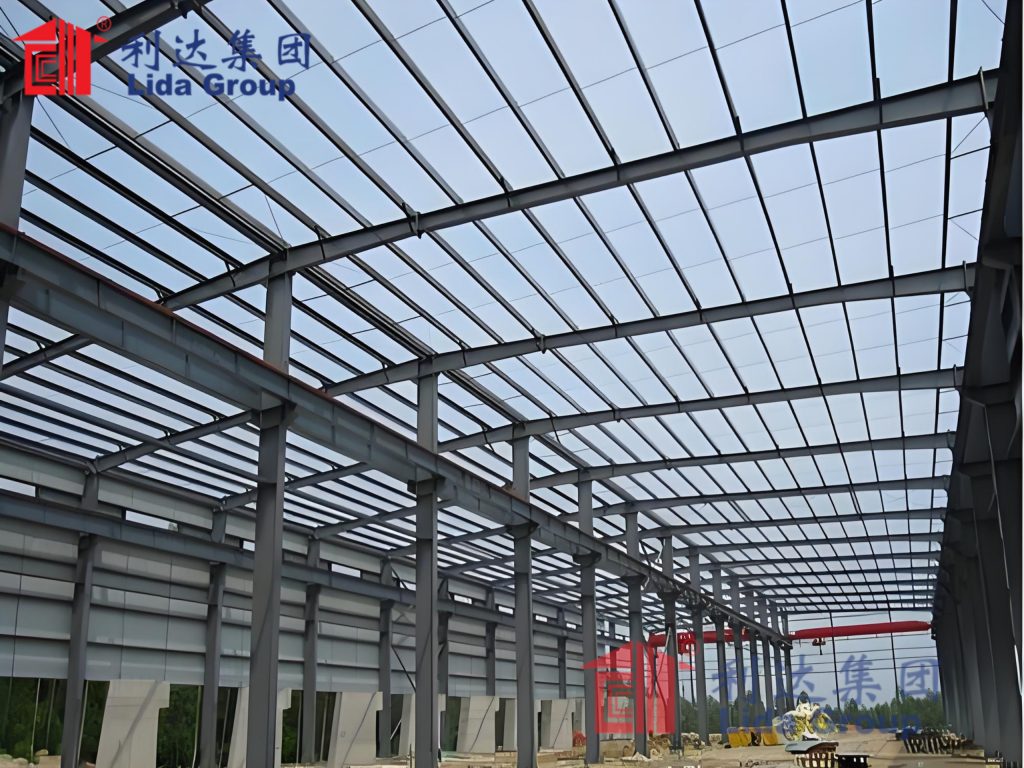
The durability of our steel structure building systems is not just theoretical—it is proven through numerous real-world projects across diverse industries and environments. These case studies demonstrate how our systems withstand harsh conditions, maintain performance over time, and deliver long-term value to our clients.
6.1 Southeast Asian Logistics Hub: Durability in High-Temperature, High-Humidity, and Typhoon-Prone Environments
We delivered an 85,000-square-meter steel structure warehouse for a regional logistics hub in Southeast Asia, a region characterized by high temperatures (up to 50℃), high humidity (over 85%), and frequent typhoons. The warehouse uses Q460 high-strength steel for the main frame, with a yield strength of 460 MPa, and features a dual anti-corrosion system of hot-dip galvanization and nano-ceramic coating. The structural design incorporates a 45-meter clear-span layout with bolted connections, reinforcing resistance to wind and seismic loads.
Since its commissioning in 2023, the warehouse has withstood three typhoons with wind speeds exceeding 180 km/h, showing no structural deformation or coating damage. Regular inspections confirm that the corrosion rate remains below 0.003 mm per year, and the internal structural components maintain their original strength and rigidity. The warehouse operates 24/7 with heavy forklift traffic and stacked cargo loads of up to 5,000 kg per square meter, requiring only routine maintenance to date. This project demonstrates the durability of our systems in the most challenging tropical environments.
6.2 Industrial Chemical Plant: Corrosion Resistance in Aggressive Chemical Environments
For a chemical plant in the Middle East, we designed a steel structure system for storage tanks and processing facilities, where exposure to acids, alkalis, and salt spray is constant. The system uses Q690 high-strength steel, combined with a triple anti-corrosion layer: hot-dip galvanization, corrosion-inhibiting primer, and fluoropolymer topcoat. The node connections are sealed with chemical-resistant gaskets to prevent corrosive media from penetrating.
After five years of operation, the steel structures show no signs of corrosion or structural degradation, even in areas directly exposed to chemical vapors. The fluoropolymer coating maintains its integrity, with no cracking or peeling, and the bolted connections remain tight and secure. The plant’s maintenance team reports that annual maintenance costs are 70% lower than those of the previous concrete structures, validating the durability and cost-effectiveness of our steel systems in aggressive chemical environments.
6.3 Bridge Infrastructure: Fatigue Resistance and Long Service Life
We supplied the steel structure for a 500-meter-span highway bridge in a seismic zone in China, requiring exceptional fatigue resistance and durability. The bridge uses Q355 and Q690 steel grades, with optimized moment-resisting frames and bolted connections to withstand seismic loads and repeated traffic-induced vibrations. The steel components are protected with hot-dip galvanization and nano-ceramic coating, with additional corrosion protection for underwater piers.
The bridge has been in service for 12 years, carrying over 10,000 vehicles per day. Fatigue testing of structural components shows minimal wear, with no cracks or deformation detected. The anti-corrosion coating system remains intact, and underwater inspections confirm no corrosion on piers. The bridge is expected to have a service life of over 70 years, significantly exceeding the 50-year design life of traditional concrete bridges, demonstrating the durability of our steel systems in infrastructure applications.

7. Industry Standards and Certifications: Validating Durability Excellence
The durability of our steel structure building systems is validated by compliance with stringent international standards and certifications, ensuring that our products meet or exceed global performance requirements. We adhere to a comprehensive quality management system certified to ISO 9001, ISO 14001, and ISO 45001, covering every stage of design, manufacturing, and installation.
Our steel materials meet international standards such as EN 10025 (European), ASTM A36/A572 (American), and GB/T 1591 (Chinese), with each batch of steel tested for tensile strength, yield strength, ductility, and corrosion resistance. The anti-corrosion coating system is certified by the International Organization for Standardization (ISO) and meets the requirements of ISO 12944 for corrosion protection of steel structures. Our bolted connections comply with ISO 898-1, ensuring high strength and reliability.
Many of our projects have obtained prestigious green building certifications, such as LEED Gold and BREEAM Excellent, which recognize the durability, sustainability, and lifecycle value of our steel structure systems. These certifications validate that our systems not only deliver exceptional durability but also contribute to environmental sustainability, aligning with the global shift toward green construction.
8. Conclusion: Durability Redefined—The Future of Steel Structure Building Systems
Our steel structure building systems redefine durability in modern construction, combining inherent material advantages, advanced anti-corrosion technologies, precision engineering, and environmental adaptability to deliver unparalleled performance over decades. The durability of our systems is not a single feature but a comprehensive solution—one that begins with high-strength steel materials, is enhanced by multi-layered anti-corrosion protection, reinforced by meticulous structural design and manufacturing, and validated by real-world performance in extreme environments.
The value of this durability extends beyond long service life: it minimizes maintenance costs, reduces downtime, enhances safety, and contributes to environmental sustainability through high recyclability. For our clients, this translates to a strategic investment that delivers consistent value over the entire lifecycle of the building, whether it is a logistics hub in a typhoon-prone region, a chemical plant in an aggressive environment, or a bridge in a seismic zone.
As the construction industry continues to prioritize sustainability, resilience, and long-term value, our steel structure building systems are well-positioned to lead the way. We remain committed to innovating and refining our technologies, leveraging advancements in material science, manufacturing, and design to further enhance durability and performance. By choosing our steel structure building systems, you are not just building a structure—you are building a durable, reliable, and sustainable asset that will stand the test of time.
In essence, durability is the foundation of every steel structure we design and deliver. It is embedded in our materials, our processes, our engineering, and our commitment to excellence. Discover the difference that true durability can make for your next project—experience the reliability, value, and peace of mind that our steel structure building systems provide.
Related news
-
Optimize Storage with a High-Quality Metal Frame Warehouse
2026-01-28 15:31:19
-
Lida Group Delivers Premium Metal Frame Warehouse for Logistics Hub
2026-01-28 15:45:37
-
Lida Group Introduces Advanced Steel Structure Building Solutions
2026-01-27 17:54:07
contact us
- Tel: +86-532-88966982
- Whatsapp: +86-13793209022
- E-mail: sales@lidajituan.com
