



In the ever-evolving landscape of architecture and construction, the quest for materials that offer superior strength, versatility, efficiency, and sustainability is perpetual. For centuries, wood and masonry have dominated the built environment, but they come with inherent limitations—susceptibility to the elements, dimensional inconsistency, and significant environmental impact. Today, a modern alternative has not only emerged but has proven its unparalleled value across virtually every building sector: metal frame construction. This is not the industrial I-beam of massive skyscrapers alone; it is a refined, precision-engineered system primarily using cold-formed steel (CFS) that is revolutionizing how we design and build everything from homes and apartments to offices and schools. This article delves deep into the multitude of advantages offered by our advanced metal frame construction, demonstrating why it is the intelligent choice for a resilient, efficient, and sustainable future.
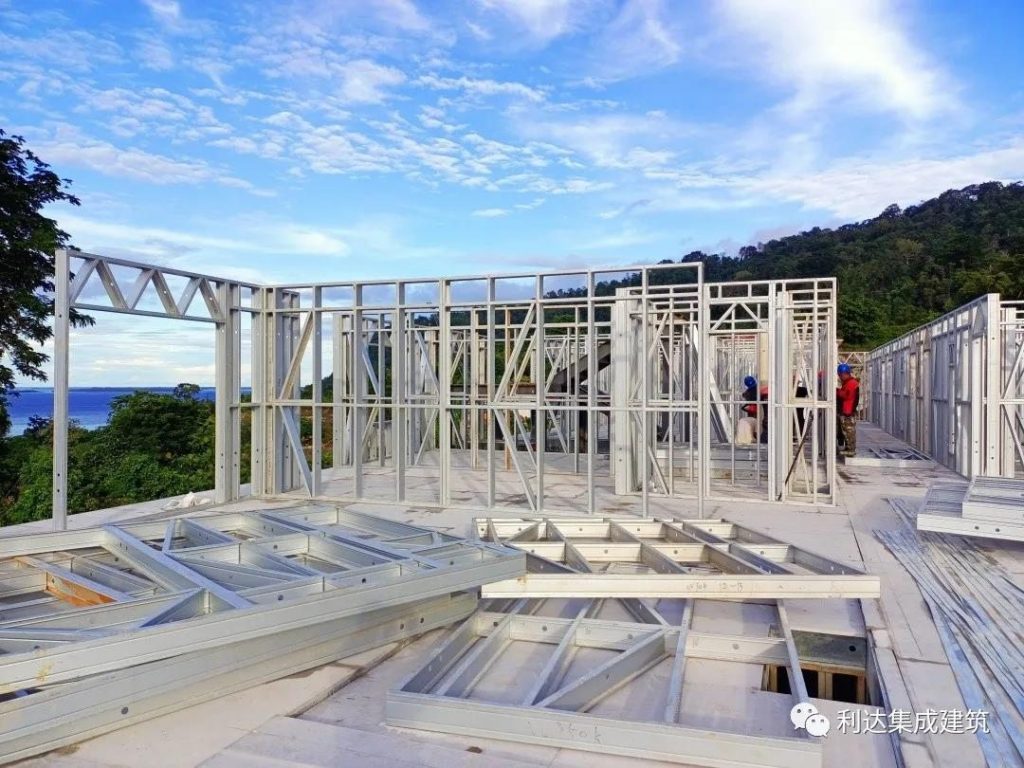
**I. The Foundation of Strength and Durability**
The primary function of any structure is to remain standing and secure, safeguarding its occupants and contents. This is where metal frame construction establishes its fundamental superiority.
**A. Unmatched Structural Integrity**
Metal framing, particularly cold-formed steel, possesses an exceptional strength-to-weight ratio. This means it can support heavy loads—such as multiple stories, heavy cladding, or rooftop equipment—with a lighter and less bulky framework than traditional materials.
* **Resistance to the Elements:** Unlike wood, which can warp, twist, split, or rot when exposed to moisture, steel is inorganic and impervious to these threats. Our metal frames will not absorb water, providing crucial protection against mold growth and structural degradation that can compromise air quality and building integrity. This inherent resistance ensures the long-term stability of the structure, a critical factor in humid climates or areas prone to flooding.
* **Dimensional Stability:** A wood stud can change its shape and size with fluctuations in humidity, leading to problems like nail pops, cracked drywall, and sticking doors. Our steel frames are manufactured to exacting tolerances and remain dimensionally stable for the life of the building. This stability translates into perfectly straight walls and true corners, eliminating the call-backs and repairs often associated with wood framing settling and shifting.
**B. Superior Resilience to Catastrophic Events**
In an era of increasing extreme weather events, the resilience of a building is paramount. Metal frame construction offers a robust defense.
* **Fire Resistance:** Steel is non-combustible. It does not fuel a fire. While it can lose strength at extremely high temperatures (a factor addressed with fire-rated drywall or spray-on coatings), it will not burn. This provides invaluable additional time for occupant evacuation and firefighter intervention, significantly enhancing life safety compared to wood framing, which actively contributes to a fire’s fuel load.
* **Wind and Seismic Performance:** The high strength and ductility of steel allow it to bend without breaking, a vital property during earthquakes and high-wind events like hurricanes and tornadoes. Our frames are engineered as a system, with strong connections that allow the structure to absorb and dissipate energy, swaying without collapsing. This ductile performance is far superior to the brittle failure often associated with masonry or the splintering of wood under extreme lateral loads.
* **Pest and Insect Resistance:** Termites, carpenter ants, and other wood-destroying organisms pose zero threat to a steel frame. There is no need for toxic chemical treatments that can leach into the soil or affect indoor air quality. This provides permanent peace of mind and eliminates a major maintenance concern and cost for homeowners and building owners.
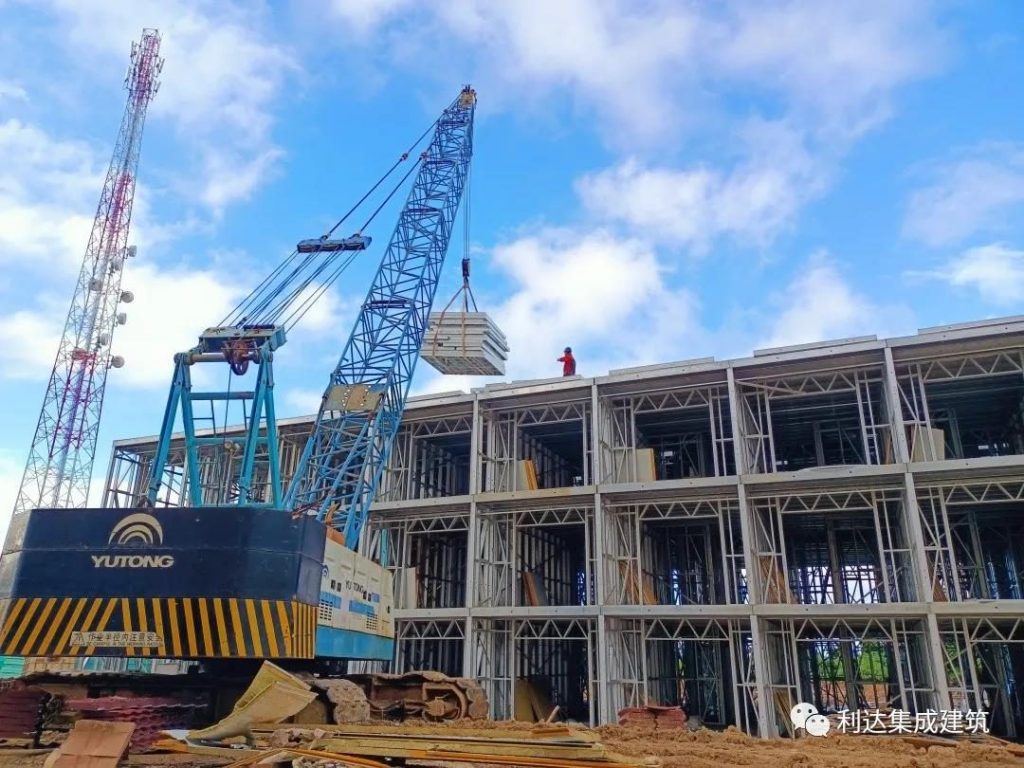
**II. The Hallmarks of Precision and Efficiency**
Modern construction is as much about the process as it is about the final product. Metal frame construction introduces a level of predictability and speed that traditional methods cannot match.
**A. The Power of Prefabrication**
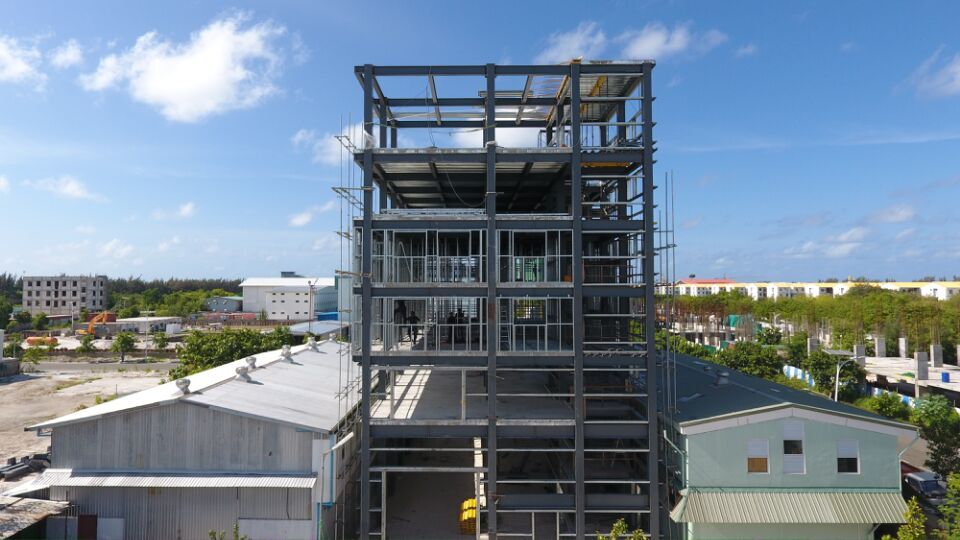
Our metal frame construction thrives in a controlled factory environment. Using advanced Building Information Modeling (BIM) software, every component of the frame is digitally designed, engineered, and precision-manufactured.
* **Computer-Aided Manufacturing (CAM):** Each stud, track, and joist is cut, punched, and formed by automated machinery. This guarantees absolute accuracy, with every hole for electrical wiring and plumbing pre-punched in the exact same location on every stud. This eliminates the on-site guesswork, measuring errors, and “field modifications” that plague stick-framing projects.
* **Reduced On-Site Waste:** Prefabrication is a cornerstone of lean construction. Because components are cut to order, material waste is minimized to an astonishing degree—often less than 2%, compared to the 15-20% waste common on a wood-framed job site. This is not only cost-effective but also profoundly better for the environment.
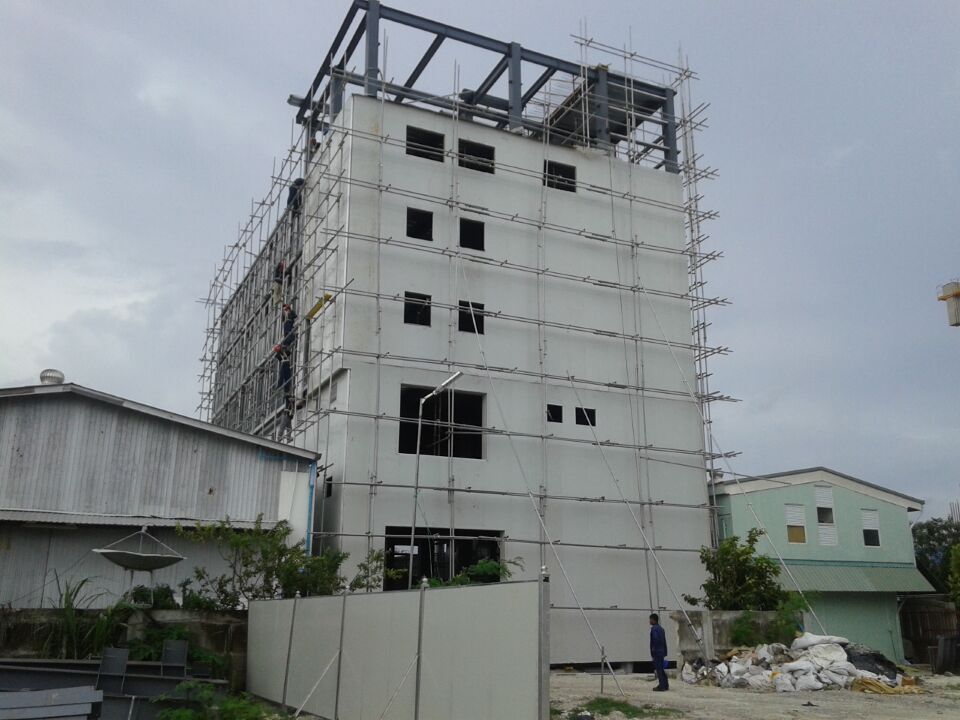
* **Rapid On-Site Assembly:** When the prefabricated components arrive on-site, they are like a large, complex kit. Our trained crews can assemble the frame with remarkable speed. Walls are often built as panels and lifted into place, and the entire “drying-in” process—getting the structure framed, sheathed, and weather-tight—happens in a fraction of the time required for traditional construction. This speed reduces labor costs, minimizes the building’s exposure to the elements during construction, and allows subsequent trades to begin their work sooner.
**B. Consistency and Quality Assurance**
The factory-controlled process ensures that every single piece is identical and meets the highest quality standards. There are no “bad batches” of steel. You will not encounter the knots, splits, or warped “crowns” that a carpenter must constantly work around with lumber. This consistency simplifies the entire construction process for every contractor involved, from the framers to the drywall installers and cabinet makers, leading to a higher-quality finished product with fewer defects.
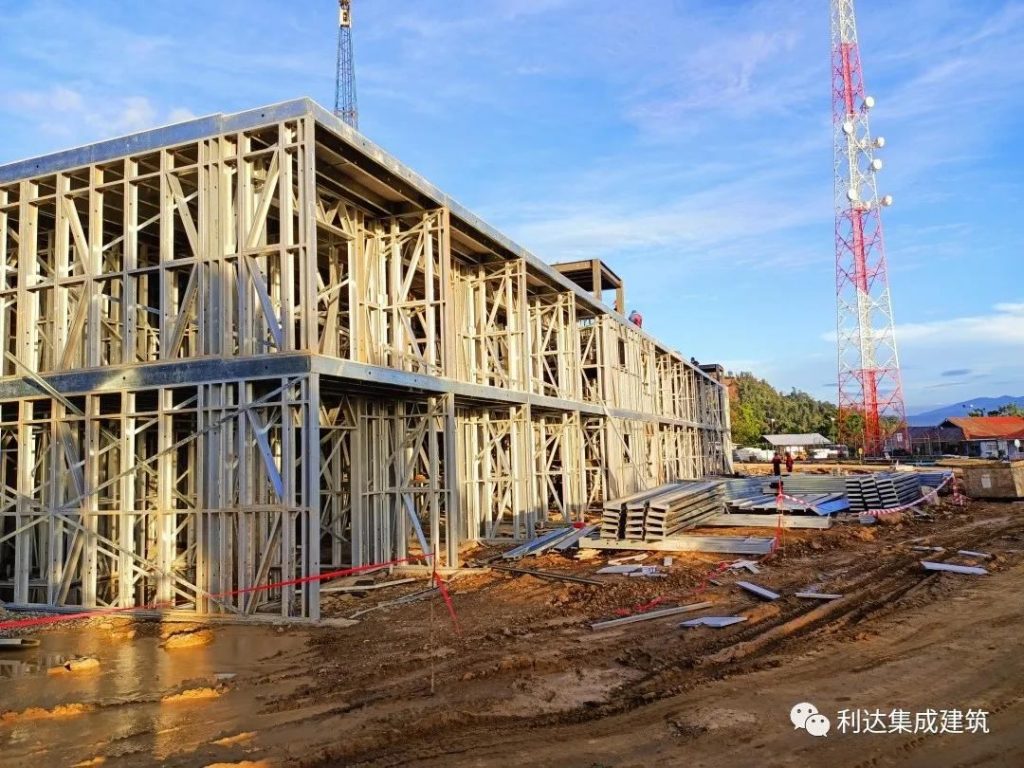
**III. The Imperative of Sustainability and Environmental Stewardship**
In a world with finite resources, the environmental footprint of our buildings is a critical consideration. Metal frame construction aligns perfectly with the principles of green building.
**A. Recycled Content and Recyclability**
Steel is the most recycled material on the planet. Our cold-formed steel frames are typically manufactured with a recycled content of 25% to over 90%, primarily sourced from old cars, appliances, and demolished structures. This drastically reduces the demand for virgin iron ore and the energy-intensive process of mining it. Furthermore, at the end of a building’s life, the steel frame is 100% recyclable. It can be dismantled and turned into new steel products, creating a true closed-loop system and diverting massive amounts of waste from landfills. In contrast, wood framing waste often ends up as debris in landfills or is burned.
**B. Resource Efficiency and Forest Conservation**
The use of steel framing directly contributes to the conservation of old-growth and second-growth forests. By choosing a metal frame, you are making a conscious decision to reduce the pressure on these vital ecosystems, which play a crucial role in carbon sequestration, biodiversity, and water cycle regulation. The efficiency of the prefabrication process further enhances this benefit by using minimal raw material to achieve maximum structural performance.
**C. Enhanced Energy Efficiency**
A metal frame building can be designed to be exceptionally energy-efficient. While steel is a conductor of heat (a potential thermal bridge), this is easily and effectively managed with modern building techniques.
* **Thermal Break Strategies:** We employ various methods to eliminate thermal bridging. One common approach is to use insulated exterior sheathing, which creates a continuous layer of insulation outside the steel frame, effectively wrapping the building in a thermal blanket. Another method involves designing walls with two rows of studs staggered apart, preventing a direct conductive path from the interior to the exterior.
* **Superior Air Tightness:** The precision fit of metal components and the use of specialized tapes and sealants allow for the creation of an exceptionally airtight building envelope. When combined with a balanced mechanical ventilation system like a Heat Recovery Ventilator (HRV), this drastically reduces uncontrolled air leakage—the primary cause of energy loss in most buildings. The result is a structure that requires significantly less energy to heat and cool, leading to lower utility bills and a reduced carbon footprint for decades to come.
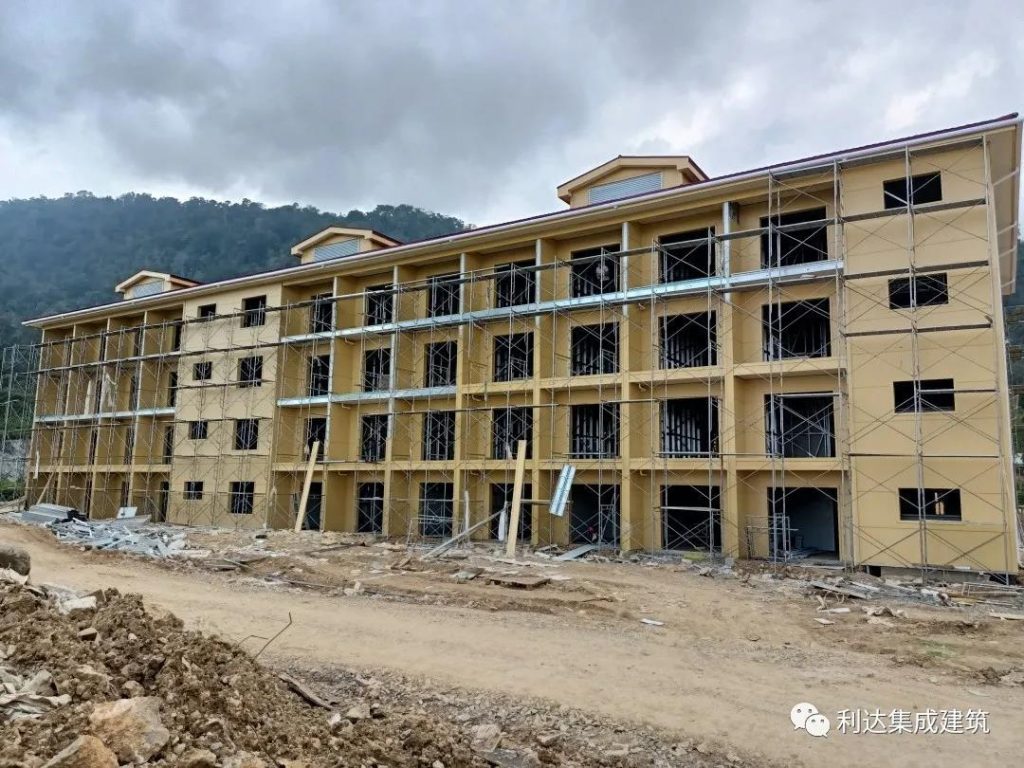
**IV. Unparalleled Design Versatility and Flexibility**
Architectural vision should not be constrained by the limitations of building materials. Metal frame construction liberates designers and homeowners, enabling breathtaking creativity and adaptability.
**A. Spanning Capabilities and Open Floor Plans**
The superior strength of steel allows for longer spans between supporting members. This enables the creation of large, open, and column-free interior spaces that are highly sought after in modern residential and commercial design. Vaulted ceilings, grand entryways, and flexible commercial floor plates are all easily achievable. This flexibility also allows for easier future renovations, as non-load-bearing walls can be moved or removed with minimal structural impact.
**B. Integration with Other Systems**
The predictable and consistent nature of a metal frame makes it easier to integrate other building systems. The pre-punched holes provide designated pathways for electrical wiring, plumbing, and data cabling, simplifying installation and reducing labor time for these trades. There is no need for drilling or notching, which can weaken wood frames. Furthermore, the strength of steel is ideal for supporting heavy exterior cladding materials like brick, stone, or stucco, as well as interior features such as granite countertops and large cabinetry.
**C. Adaptability for Future Needs**
A building is a long-term asset, and its needs may change over time. The durability and strength of a metal frame make it ideally suited for adaptations and additions. Whether it’s adding a new wing, another story, or reconfiguring interior walls, the robust initial structure provides a solid and dependable foundation for any future modification.
**V. Long-Term Economic Value: A Wise Investment**
While the initial material cost for steel framing can be competitive with or sometimes higher than wood, the true economic value is revealed when considering the total cost of ownership over the building’s lifespan.
* **Reduced Insurance Premiums:** Many insurance companies offer reduced premiums for homes and commercial buildings with steel frames due to their superior resistance to fire, wind, and termites. These savings can accumulate significantly over the years, offsetting any initial cost difference.
* **Lower Maintenance Costs:** The fact that a steel frame will not rot, warp, or attract pests means that the ongoing maintenance costs are drastically lower. There is no need for termite re-treatments, and concerns about water damage compromising the structural integrity are greatly diminished.
* **Durability and Longevity:** A steel frame building is built to last for generations. It does not degrade over time like organic materials. This longevity protects your investment and ensures the building retains its value.
* **Energy Cost Savings:** As detailed earlier, the potential for superior energy efficiency translates directly into lower monthly utility bills, a financial benefit that compounds year after year.
**Conclusion: Building the Future on a Steel Frame**
The evidence is clear and compelling. Metal frame construction is not merely an alternative to traditional building methods; it is a demonstrably superior system for the demands of the 21st century. Its advantages form a powerful, interconnected web of benefits that span the entire lifecycle of a structure.
From its foundational **strength and durability**—offering resilience against fire, wind, pests, and time—to its **precision and efficiency**—enabling faster, waste-free construction through prefabrication—this method represents a smarter way to build. It firmly addresses the urgent need for **environmental stewardship** through its high recycled content, recyclability, and contribution to enhanced energy efficiency, aligning perfectly with global sustainability goals.
Furthermore, it unleashes **design versatility**, giving architects and owners the freedom to create the open, adaptable spaces that define modern living and working. When all these factors are considered, the **long-term economic value** becomes undeniable, making it a wise and forward-thinking investment.
In choosing our metal frame construction, you are selecting more than a set of materials; you are opting for a process that is predictable, a product that is permanent, and a philosophy that is responsible. You are investing in a legacy of safety, efficiency, and sustainability—a building that is not only constructed for today but is engineered to endure and perform for generations to come. The future of construction is strong, precise, and green. The future is built on a metal frame.
Related news
-
Lida Group: A Leader in Innovative Steel Structure Building
2025-11-26 17:06:37
-
Customizable Prefab House Solutions from Lida Group
2025-11-26 16:57:51
-
Lida Group Completes Project Using Sandwich Panel Construction
2025-11-25 17:53:51
contact us
- Tel: +86-532-88966982
- Whatsapp: +86-13793209022
- E-mail: sales@lidajituan.com
