



Discover Our Modern Free Design Container Building Concepts
2025-Nov-27 13:18:29
By Admin
The container building, once confined to the realm of industrial utility and temporary shelter, has evolved into a canvas for modern free design—where structural constraints give birth to creative freedom, and standardized modules unlock boundless possibilities. In an age where architecture craves individuality, sustainability, and responsiveness to dynamic lifestyles, modern free design container building concepts redefine what a “built space” can be: they are not just structures, but flexible, expressive, and eco-conscious environments that adapt to people, not the other way around.
Free design in container architecture transcends mere aesthetics; it embodies a philosophy of liberation—liberation from fixed floor plans, liberation from resource-intensive construction, liberation from the disconnect between built form and natural surroundings, and liberation from the one-size-fits-all mentality of traditional building. These concepts prioritize four core pillars: Modular Freedom (seamless combination and reconfiguration of units), Aesthetic Freedom (breaking industrial stereotypes through material innovation and artistic expression), Functional Freedom (adapting to diverse uses and lifestyle changes), and Ecological Freedom (harmonizing with nature through sustainable practices).
This article delves into the most innovative modern free design container building concepts, exploring how architects, designers, and manufacturers like Lida Group and CIMC Building Technology are pushing boundaries. Through detailed concept analysis, real-world case studies, technological enablers, and market insights, we uncover how these concepts are reshaping architecture, urban living, and our relationship with the spaces we inhabit.
1. The Philosophy of Modern Free Design in Container Architecture
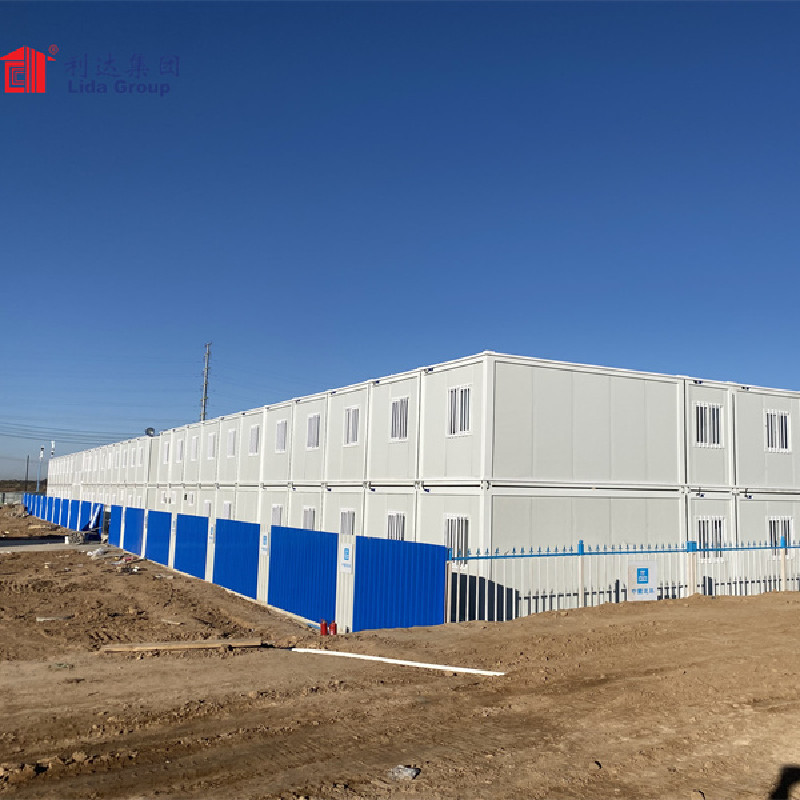
To understand modern free design container building concepts, we must first redefine “freedom” in the context of architecture. Unlike conventional buildings, which are often rigid, permanent, and resource-heavy, container-based free design thrives on constraints turned into strengths: the standardized dimensions of shipping containers (20ft/40ft) become a modular grid for creative composition; the inherent durability of steel frames provides a robust foundation for bold spatial experiments; and the adaptability of prefabrication allows for rapid iteration and customization.
1.1 Core Principles of Free Design Container Concepts
Modern free design container building concepts are guided by five non-negotiable principles, each reinforcing the idea of liberation:
- Constraint as Catalyst: Embracing the container’s fixed dimensions to spark innovative solutions (e.g., expanding, stacking, or cutting modules to create unique spaces).
- User-Centric Customization: Empowering users to co-create spaces that reflect their needs, preferences, and lifestyles—from solo digital nomads to multi-generational families.
- Spatial Fluidity: Eliminating rigid boundaries between indoor/outdoor, public/private, and work/living spaces to create dynamic, adaptable environments.
- Circularity and Regeneration: Designing for full lifecycle sustainability—reusing containers, minimizing waste, and enabling disassembly and relocation to reduce environmental impact.
- Cross-Disciplinary Fusion: Blending architecture with art, technology, and ecology to create spaces that are functional, beautiful, and responsible.
These principles challenge the outdated perception of container buildings as “cheap” or “temporary.” Instead, they position them as a forward-thinking architectural solution that addresses pressing global issues: urban housing shortages, climate change, resource depletion, and the growing demand for flexible, personalized living and working spaces.
1.2 The Rise of Free Design: Market and Societal Drivers
The adoption of modern free design container concepts is fueled by a confluence of societal, economic, and environmental factors:
- Urban Housing Crises: Cities worldwide face a shortage of affordable, flexible housing. Free design containers leverage modularity to utilize underused urban spaces—from vacant lots to rooftops—enabling “infill development” that is fast, cost-effective, and minimally disruptive. For example, CIMC Building Technology’s “Youth Residence Program” in Shenzhen uses container modules to build affordable rental housing on scattered idle land, delivering 10 units per 100 square meters of land.
- Remote Work and Nomadic Lifestyles: The global surge in remote work (up 159% between 2005 and 2021, per Global Workplace Analytics) has created a demand for spaces that double as homes and offices, and can be relocated with ease. Free design containers offer the mobility and multi-functionality that digital nomads (projected to reach 1 billion by 2035, per Nomad List) crave.
- Sustainability Mandates: With the construction industry accounting for 39% of global carbon emissions (UN Environment Programme), there is urgent pressure to adopt low-carbon building methods. Free design container concepts prioritize circularity—reusing steel containers diverts waste from landfills, while prefabrication reduces on-site waste by up to 70% (CIMC data) and cuts carbon emissions by 30% compared to traditional construction.
- Consumer Demand for Individuality: Modern users reject generic spaces, seeking environments that reflect their identities and adapt to their changing needs. Free design containers offer unparalleled customization, from modular configurations to material finishes and smart technology integration.
2. Innovative Modern Free Design Container Concepts: From Idea to Reality
Modern free design container building concepts are not abstract theories—they are tangible, built solutions that reimagine space, function, and aesthetics. Below are the most transformative concepts, each demonstrated through groundbreaking projects.
2.1 Modular Freedom: The “Lego System” of Architecture
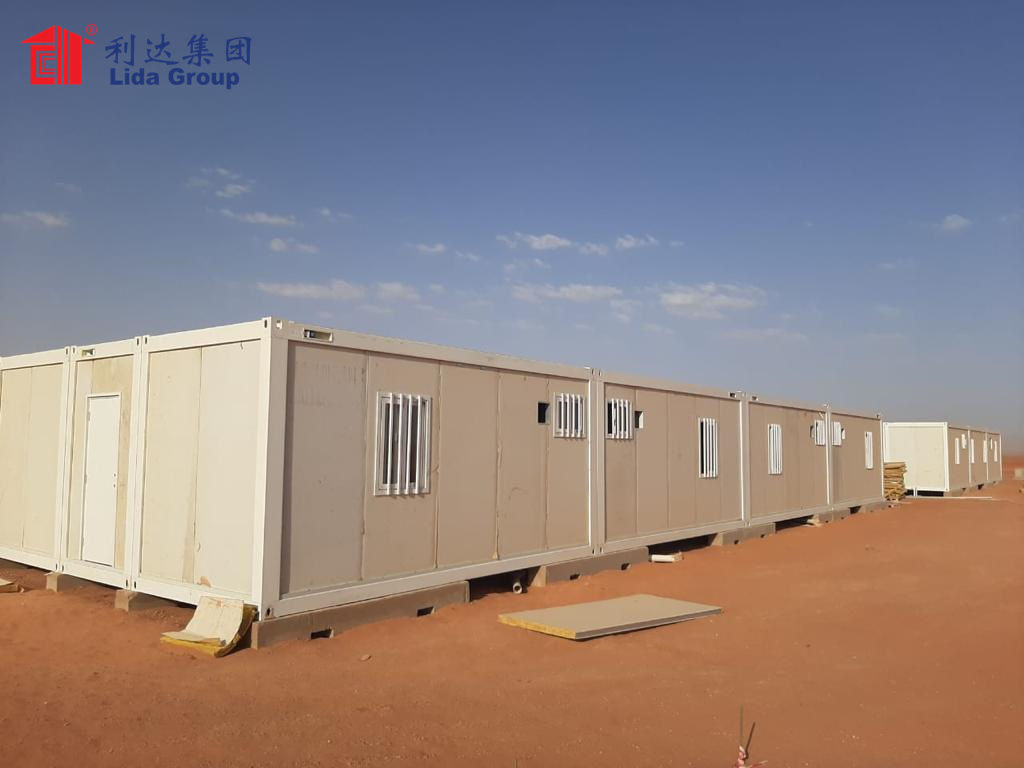
Modular freedom is the foundation of container free design: the ability to combine, stack, expand, and reconfigure standardized container modules to create spaces of any size, shape, or function—from tiny homes to entire communities. This concept treats each container as a building block that can be rearranged at will, offering unprecedented flexibility and scalability.
Key Innovations:
- Interlocking Modular Systems: Containers are equipped with universal connection points that allow for vertical stacking (up to 4 stories with structural reinforcement) and horizontal combination (side-by-side, staggered, or angular arrangements). Advanced locking mechanisms ensure structural integrity while enabling quick assembly and disassembly.
- Expandable Modules: Hydraulic or mechanical systems allow single containers to expand horizontally or vertically, doubling or tripling floor space without compromising portability. Lida Group’s LD-Expand 20 model, for example, expands from 14.8㎡ to 29.6㎡ in 10 minutes, transforming from a compact unit to a spacious home with a living room, bedroom, kitchen, and bathroom.
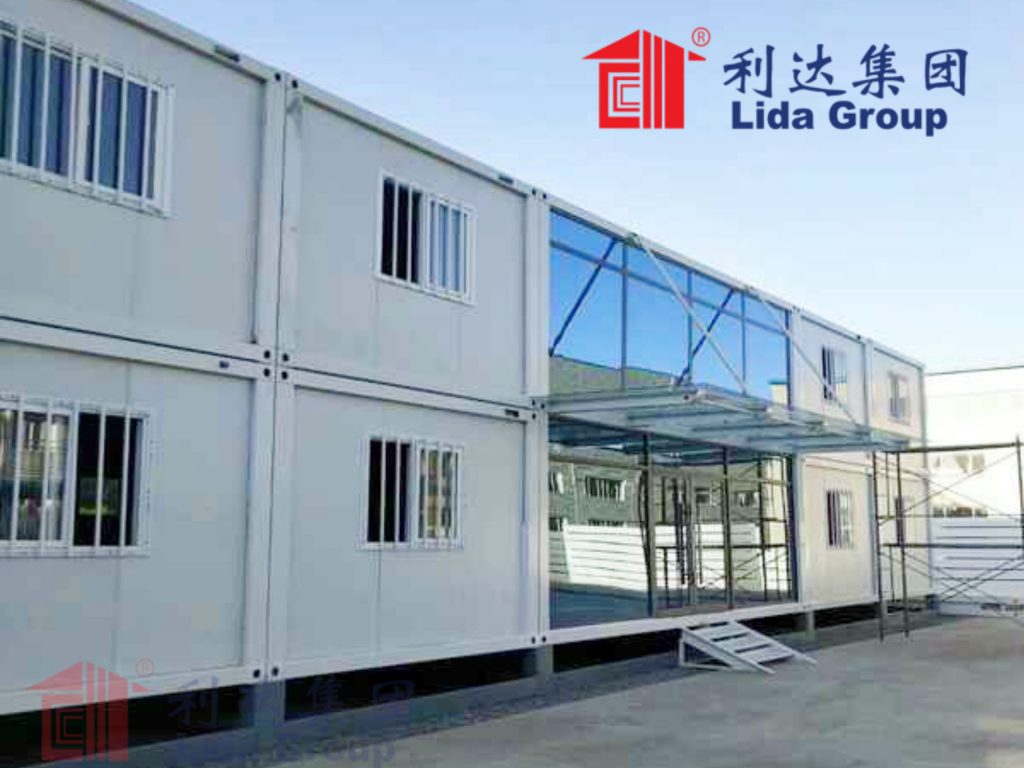
- Hybrid Combinations: Merging containers with non-container elements (e.g., glass enclosures, wooden decks, or green walls) to create dynamic facades and internal spaces that transcend the “steel box” stereotype.
Case Study: CIMC’s “Youth Residence Program” (Shenzhen, China)
CIMC Building Technology’s award-winning “Youth Residence Program” exemplifies modular freedom in urban contexts. The project uses standardized 20ft container modules to build 6-story affordable rental housing for young professionals and new residents. Key features of modular freedom:
- Site Adaptability: Modules are configured to fit scattered, irregularly shaped idle land—“filling gaps” in the urban fabric that traditional construction cannot utilize. Each 100㎡ plot accommodates 10 units, maximizing land efficiency.
- Rapid Deployment: 90% of construction is completed in factories, with on-site assembly requiring only simple installation. The entire project—from design to “move-in ready”—takes just 3-6 months, compared to 12-18 months for traditional residential buildings.
- Scalability and Reusability: Modules can be added, removed, or relocated as demand changes. When the land is needed for other purposes, the entire complex can be disassembled, and containers reused elsewhere—reducing waste and extending the lifecycle of the building.
The program’s modular freedom addresses two critical urban challenges: efficient use of underutilized land and rapid delivery of affordable housing. Each unit is fully furnished (with built-in furniture, appliances, and storage) and customizable, allowing residents to personalize their space without permanent modifications.
2.2 Aesthetic Freedom: From Industrial to Artistic
Aesthetic freedom rejects the notion that container buildings must be industrial, utilitarian, or visually monotonous. This concept celebrates the container’s raw steel structure while transforming it through material innovation, artistic expression, and contextual integration—proving that sustainability and beauty can coexist.
Key Innovations:
- Material Transformation: Cladding containers with sustainable materials (e.g., reclaimed wood, fiber cement panels, recycled plastic composites, or living green walls) to soften industrial edges and blend with natural or urban surroundings. CIMC’s Youth Residence uses fiber cement panels in neutral tones to create a modern, cohesive facade that complements neighboring buildings.
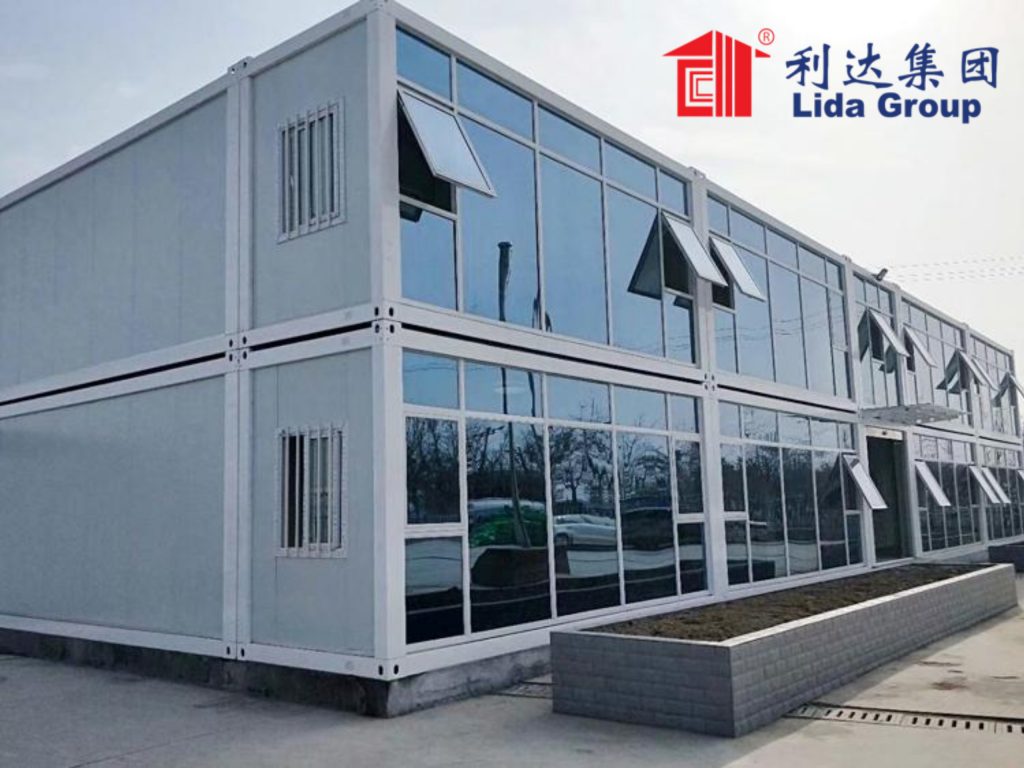
- Cutting and Carving: Strategic cutting of container walls to create large windows, balconies, or angular openings that flood interiors with natural light and create visual interest. Laser cutting technology enables precise, intricate designs that turn steel walls into architectural features.
- Color and Art Integration: Using bold colors, murals, or digital prints to transform containers into public art. This not only enhances aesthetics but also fosters community identity—turning container developments into cultural landmarks.
Case Study: “Container Park” (Las Vegas, USA)
Las Vegas’s Container Park is a vibrant example of aesthetic freedom in commercial and public spaces. The project uses 43 repurposed shipping containers to create a mixed-use development with shops, restaurants, and a central plaza. Key aesthetic elements:
- Stacked and Staggered Design: Containers are stacked in asymmetrical configurations, with cantilevered units creating shade and visual dynamism. Balconies and open walkways connect modules, breaking up the mass and creating a pedestrian-friendly environment.
- Material Contrast: Raw steel exteriors are paired with warm wood accents, glass storefronts, and vertical gardens. The contrast between industrial and natural materials creates a inviting, contemporary aesthetic that draws visitors.
- Artistic Expression: Large-scale murals and sculptural elements—including a 40ft tall metal tree at the center of the plaza—turn the development into a public art installation. Local artists collaborated on the design, ensuring the space reflects the community’s cultural identity.
The Container Park demonstrates that aesthetic freedom in container design is not just about “making containers look nice”—it’s about creating spaces that are visually engaging, culturally relevant, and emotionally resonant.
2.3 Functional Freedom: Spaces That Adapt to Life’s Changes
Functional freedom is the ability of container buildings to evolve with their users’ needs—transitioning between residential, commercial, public, and emergency uses without major renovations. This concept addresses the static nature of traditional buildings, which are designed for a single purpose and become obsolete as lifestyles or demands change.
Key Innovations:
- Multi-Functional Interiors: Flexible layouts with movable partitions, foldable furniture, and built-in storage that maximize usable space. For example, a living room can convert into a home office during the day, or a bedroom can expand to accommodate guests.
- Dual-Use Modules: Containers designed for multiple functions—e.g., a unit that serves as a café during the day and a community center at night, or a medical clinic that can be quickly reconfigured into a shelter during disasters.
- Smart Adaptability: Integration of IoT technology and motorized systems that allow users to adjust space dynamically. Smart partitions, retractable roofs, and adjustable lighting can be controlled via smartphone apps, adapting the space to different activities in seconds.
Case Study: Lida Group’s “Multi-Role Emergency Shelter” (South Sudan)
Lida Group’s emergency shelter project for UNHCR in South Sudan exemplifies functional freedom in humanitarian contexts. The project delivered 500 20ft container modules that serve as both temporary homes for refugees and multi-purpose community spaces. Key features:
- Rapid Reconfiguration: Each container is designed with removable partitions that allow it to function as a family home (sleeping 4-5 people) or a communal space (e.g., a classroom, medical station, or food distribution center) when partitions are removed.
- Built-In Flexibility: Foldable beds, collapsible tables, and modular storage systems maximize space efficiency. When not in use, furniture can be stored to create open areas for gatherings or activities.
- Utility Adaptability: The containers are equipped with multi-purpose utility connections that support residential needs (water, electricity, sewage) and specialized uses (e.g., medical equipment power, classroom lighting). Solar panels and water filtration systems ensure self-sufficiency in remote areas.
The project demonstrates that functional freedom can save lives: during the 2024 South Sudan refugee crisis, the shelters were reconfigured 3 times in 6 months to adapt to changing needs—from housing to medical facilities as a cholera outbreak emerged, then to classrooms as children returned to school.
2.4 Ecological Freedom: Designing in Harmony with Nature
Ecological freedom is the concept of designing container buildings that minimize environmental impact, regenerate natural resources, and coexist harmoniously with ecosystems. This goes beyond “sustainable design”—it’s about creating buildings that give back to the planet, not just take.
Key Innovations:
- Circular Material Use: Reusing shipping containers (diverting steel from landfills) and incorporating recycled or renewable materials (e.g., reclaimed wood, recycled plastic insulation, or bio-based composites). Each repurposed container saves approximately 2.4 tons of steel and reduces carbon emissions by 3.6 tons compared to manufacturing new steel.
- Passive Design Strategies: Optimizing orientation, insulation, and natural ventilation to reduce energy consumption. High-performance insulation (75mm fiberglass sandwich panels) and double-glazed windows minimize heating and cooling needs, while large windows and skylights maximize natural light.
- Eco-System Integration: Incorporating green roofs, vertical gardens, rainwater harvesting systems, and solar panels to create self-sufficient, nature-positive buildings. Green roofs reduce heat island effect, absorb rainwater, and provide habitat for pollinators.
Case Study: “Eco-Container Community” (Copenhagen, Denmark)
Copenhagen’s Eco-Container Community is a model of ecological freedom, featuring 20 container homes that achieve net-zero carbon emissions and self-sufficiency in water and energy. Key ecological features:
- Circular Construction: All containers are repurposed from decommissioned shipping fleets. Interior finishes use 100% recycled or renewable materials (e.g., bamboo flooring, recycled plastic wall panels, and wool insulation).
- Energy Independence: Each home is equipped with 4kW solar panels and a 10kWh battery storage system, providing enough energy for heating, cooling, and appliances. Excess energy is shared with the community via a microgrid.
- Water Cycle Management: Rainwater harvesting systems collect up to 500L of water per unit, which is filtered for drinking, cooking, and gardening. Greywater is treated on-site and reused for irrigation, reducing water consumption by 60%.
- Biodiversity Integration: Vertical gardens cover 40% of the exterior, supporting local plant and insect species. Green roofs are planted with native wildflowers, providing food for bees and butterflies while reducing stormwater runoff.
The community has become a global benchmark for ecological freedom, proving that container buildings can be not just sustainable, but regenerative—contributing to the health of the planet rather than depleting its resources.
3. Technological Enablers: Making Free Design Possible
Modern free design container concepts are only feasible due to cutting-edge technological innovations that address the limitations of traditional container construction. These technologies enhance flexibility, durability, aesthetics, and sustainability—turning bold design ideas into practical realities.
3.1 Digital Design and Fabrication
- Parametric Design Software: Tools like Grasshopper and Rhino allow architects to model complex container configurations, simulate structural performance, and optimize space utilization—all in 3D. Parametric design enables “generative” freedom: the software can generate hundreds of design options based on user inputs (e.g., budget, size, function), empowering users to co-create their ideal space.
- 3D Printing and Custom Fabrication: 3D printing of custom components (e.g., connectors, brackets, or interior fixtures) eliminates the need for expensive molds, enabling unique design elements that were previously impossible with standardized manufacturing. For example, 3D-printed staircases or shelving units can be tailored to fit the exact dimensions of a container.
- BIM (Building Information Modeling): BIM technology integrates design, construction, and maintenance data into a single digital model. This ensures that container modules fit together perfectly, reduces errors during assembly, and enables easy modifications later—supporting modular and functional freedom.
3.2 Advanced Materials
- Lightweight, High-Strength Steel Alloys: New steel formulations reduce container weight by 15-20% while maintaining durability, making transportation and assembly easier and more energy-efficient.
- Eco-Friendly Cladding and Insulation: Materials like recycled plastic composite panels (which mimic wood or stone) and formaldehyde-free fiberglass insulation enhance aesthetics and sustainability. These materials are also lightweight, weather-resistant, and easy to install—supporting aesthetic and ecological freedom.
- Self-Healing and Smart Materials: Emerging materials like self-healing concrete (for foundations) and phase-change materials (for insulation) improve durability and energy efficiency. Smart materials, such as solar-responsive glass that adjusts transparency based on sunlight, enhance functional freedom by automatically adapting to environmental conditions.
3.3 Smart Technology Integration
- IoT (Internet of Things) Systems: Centralized IoT hubs control lighting, temperature, security, and appliances via smartphone apps or voice commands. For example, users can reconfigure lighting scenes for work, relaxation, or entertainment, or adjust heating/cooling based on occupancy—enhancing functional freedom.
- Energy Management Systems: Smart meters and AI-powered algorithms monitor energy usage, optimizing solar panel output and battery storage to maximize efficiency. Some systems even predict energy needs based on user behavior, ensuring off-grid self-sufficiency.
- Remote Monitoring and Maintenance: Sensors embedded in containers monitor structural health, temperature, humidity, and energy usage. Alerts are sent to users or maintenance teams if issues arise, ensuring longevity and reducing downtime—critical for modular and portable spaces.
4. Market Trends and Global Impact
Modern free design container concepts are reshaping the global architecture and construction market, driving innovation, increasing accessibility, and addressing pressing social and environmental challenges.
4.1 Market Growth and Diversification
The global container building market is projected to reach $4.5 billion by 2030 (Grand View Research), with free design concepts driving growth in key sectors:
- Affordable Housing: Projects like CIMC’s Youth Residence Program are scaling globally, providing low-cost, high-quality housing in cities with housing shortages. In Europe, container-based social housing projects have increased by 40% since 2020.
- Hospitality and Tourism: Boutique hotels, glamping resorts, and pop-up lodges are adopting free design containers for their unique aesthetics, mobility, and sustainability. A 2024 survey of hospitality developers found that 65% plan to incorporate container modules in future projects.
- Commercial and Public Spaces: Cafés, co-working spaces, community centers, and even schools are using container free design for its flexibility and cost-effectiveness. In Kenya, Lida Group has delivered 1,000 container classrooms to rural areas, providing affordable education facilities that can be expanded as student numbers grow.
4.2 Social Impact: Addressing Inequality and Displacement
Free design container concepts have profound social impact, particularly in marginalized communities:
- Affordable Housing for Vulnerable Groups: Container homes are 30-50% cheaper than traditional homes, making homeownership accessible to low-income families, young professionals, and refugees.
- Disaster Response and Humanitarian Aid: Rapid-deployment container shelters provide safe, dignified housing for displaced people, with functional freedom allowing them to adapt to changing needs (e.g., medical care, education). Lida Group’s South Sudan project sheltered 2,000 refugees, with a 92% satisfaction rate among residents.
- Community Empowerment: Many free design container projects involve local communities in design and construction, creating jobs and building capacity. CIMC’s Youth Residence Program trained 50 local workers in modular assembly, equipping them with skills for future employment.
4.3 Environmental Impact: Leading the Circular Economy
Free design container concepts are at the forefront of the circular economy in construction:
- Waste Reduction: Prefabrication reduces on-site waste by 70% (CIMC data) compared to traditional construction, which generates 30% of global waste. Reusing containers diverts millions of tons of steel from landfills each year.
- Carbon Emissions Reduction: Container buildings have a 30-40% lower carbon footprint than traditional buildings over their lifecycle. CIMC’s Youth Residence reduces carbon emissions by 30% compared to concrete residential buildings of the same size.
- Resource Conservation: Using recycled and renewable materials reduces reliance on virgin resources. For example, each container home uses 80% less concrete than a traditional home, conserving water and reducing deforestation.
5. Challenges and Future Directions
While modern free design container concepts offer immense potential, they face challenges that must be addressed to achieve mainstream adoption. At the same time, emerging trends promise to push the boundaries of free design even further.
5.1 Current Challenges
- Regulatory Barriers: Many countries lack building codes and zoning regulations tailored to container buildings, particularly for permanent residential use. Some regions restrict container homes to industrial zones or temporary shelters, limiting their accessibility.
- Structural and Safety Concerns: Critics argue that container buildings may not withstand extreme weather (e.g., hurricanes, earthquakes) or fire without proper reinforcement. Addressing these concerns requires rigorous testing and certification—something manufacturers like Lida Group and CIMC are leading with ISO 9001, CE, and fire safety certifications.
- Consumer Perceptions: Despite advances in design, many consumers still associate container buildings with “cheap” or “temporary” housing. Educating the public about the quality, durability, and aesthetic potential of free design containers is critical for mainstream acceptance.
5.2 Future Trends: The Next Frontier of Free Design
The future of free design container concepts is defined by even greater flexibility, sustainability, and integration with technology:
- Autonomous Mobility: Integrating electric propulsion systems and self-driving technology to create “mobile container homes” that can relocate independently—no truck or trailer required. These homes could follow users to vacation destinations, work sites, or climate-friendly locations.
- AI-Driven Customization: Using artificial intelligence to design container spaces tailored to individual lifestyles, preferences, and even biometrics. AI could analyze user data (e.g., work habits, family size, energy usage) to generate optimal layouts and configurations.
- Biophilic and Regenerative Design: Going beyond sustainability to create container buildings that actively restore ecosystems. This includes features like green roofs that support edible gardens, rainwater systems that recharge groundwater, and materials that biodegrade at the end of their lifecycle.
- Multi-Use Urban Hubs: Container-based “micro-cities” that combine housing, workspaces, retail, and public services in a single, adaptable complex. These hubs could address urban density challenges while fostering community and reducing carbon footprints.
6. Conclusion
Modern free design container building concepts represent a revolution in architecture—one that prioritizes creativity, adaptability, and ecological harmony over rigid norms and resource depletion. These concepts prove that the container’s standardized dimensions are not a constraint, but a catalyst for innovation: a single steel box can be transformed into a personalized home, a vibrant community center, a life-saving shelter, or a net-zero carbon residence—all while remaining flexible enough to evolve with changing needs.
From CIMC’s urban infill housing to Lida Group’s emergency shelters and Copenhagen’s eco-communities, free design container projects around the world demonstrate the tangible impact of these concepts: they address housing shortages, reduce environmental harm, empower communities, and redefine what it means to “live freely” in the 21st century.
At their core, modern free design container building concepts are about liberation—liberation from fixed spaces, liberation from unsustainable practices, and liberation from the idea that architecture must be permanent to be valuable. They remind us that the best buildings are not those that dictate how we live, but those that adapt to how we choose to live.
As technology advances, regulations evolve, and consumer perceptions shift, free design container buildings will continue to gain momentum—becoming a mainstream architectural solution that shapes more sustainable, equitable, and creative cities. The future of architecture is free—and it’s built on containers.
Related news
-
Innovative Prefab Mobile Container House for Flexible Living
2025-11-27 11:53:34
-
Lida Group Champions Cost-Effective Prefab Construction
2025-11-27 11:39:07
-
Experience Modern Free Design in Container Building
2025-11-27 11:22:22
contact us
- Tel: +86-532-88966982
- Whatsapp: +86-13793209022
- E-mail: sales@lidajituan.com
