



Discover Our Easy Install Sandwich Panel House for Rapid Building
2026-Feb-05 11:29:38
By Admin
In an era where speed, efficiency, and sustainability are redefining the construction industry, the demand for rapid-building solutions that do not compromise on quality, durability, or comfort has never been higher. From residential homes and temporary shelters to industrial warehouses and commercial facilities, builders, developers, and property owners are increasingly seeking alternatives to traditional construction methods—methods that are often time-consuming, labor-intensive, costly, and environmentally taxing. Enter our easy install sandwich panel house: a revolutionary building solution designed to address the core pain points of modern construction, delivering fast, reliable, and high-performance structures that adapt to diverse needs and environments. This comprehensive guide will take you through every aspect of our sandwich panel houses, from their innovative design and easy installation process to their unmatched benefits, versatile applications, real-world success stories, and how they compare to traditional building methods. By the end, you will understand why our easy install sandwich panel houses are the future of rapid, sustainable construction.
1. Introduction: The Evolution of Rapid Construction and the Rise of Sandwich Panel Houses
The construction industry has undergone a profound transformation over the past few decades, driven by global urbanization, population growth, climate change, and the need for more efficient use of resources. Traditional construction—relying on bricks, concrete, and mortar—has long been the standard, but it is plagued by inherent limitations: extended project timelines (often taking months or even years to complete), high labor costs due to the need for skilled workers, significant material waste, and a large carbon footprint. As the world races to meet the growing demand for housing, infrastructure, and emergency shelters, these limitations have become increasingly problematic, prompting a shift toward prefabricated and modular building solutions.
Among these innovative solutions, sandwich panel houses have emerged as a game-changer. A sandwich panel is a composite material consisting of three layers: two outer facing sheets (known as skins) and a central core material. The outer skins, typically made of high-quality steel, aluminum, or fiber-reinforced calcium silicon board, provide structural strength, weather resistance, and an attractive finish. The central core, which varies depending on the intended use, is responsible for key performance attributes such as thermal insulation, soundproofing, fire resistance, and lightweight properties. Common core materials include expanded polystyrene (EPS), extruded polystyrene (XPS), polyurethane (PU), polyisocyanurate (PIR), and rock wool (mineral wool)—each offering unique benefits to suit different project requirements.
Our easy install sandwich panel houses take this proven technology to the next level, focusing on simplicity, speed, and versatility without sacrificing quality. Unlike traditional sandwich panel structures that may require specialized skills or heavy equipment for installation, our houses are engineered for ease of assembly, allowing even non-professional teams to complete construction in a fraction of the time required for traditional buildings. Whether you are a homeowner looking to build a cozy cottage, a developer needing to construct a multi-unit residential complex, a business owner expanding with a new warehouse, or an organization responding to a humanitarian crisis with emergency shelters, our easy install sandwich panel houses offer a flexible, cost-effective, and sustainable solution.
This article aims to provide a comprehensive overview of our easy install sandwich panel houses, covering every detail you need to make an informed decision. We will explore the design and components of our panels, break down the step-by-step installation process, highlight the numerous benefits they offer (from speed and cost savings to energy efficiency and durability), showcase their diverse applications, share real-world case studies, compare them to traditional building methods, address common questions and concerns, and conclude with a summary of why our sandwich panel houses are the ideal choice for rapid building projects.

2. Understanding Our Easy Install Sandwich Panel: Design, Components, and Specifications
At the heart of our easy install sandwich panel houses is the sandwich panel itself—carefully engineered to balance strength, performance, and ease of installation. Every component of our panels is selected for its quality, durability, and compatibility, ensuring that the final structure is not only quick to build but also built to last. In this section, we will delve into the design principles, key components, and technical specifications of our sandwich panels, helping you understand what sets them apart from other building materials.
2.1 Design Principles
Our sandwich panels are designed with three core principles in mind: simplicity, performance, and versatility. The modular design ensures that each panel is lightweight yet strong, easy to transport and handle, and compatible with a range of building configurations. We use a tongue-and-groove connection system, which eliminates the need for complex fastening methods and ensures a tight, secure fit between panels—reducing installation time and improving the overall structural integrity of the building. Additionally, our panels are prefabricated in a controlled factory environment, ensuring consistent quality and precision that is difficult to achieve with on-site construction methods. This factory prefabrication also minimizes material waste and reduces the risk of weather-related delays during installation.
2.2 Key Components
Each of our sandwich panels consists of three main components: outer facing sheets (skins), central core material, and connecting hardware. Below is a detailed breakdown of each component, including the materials used, their benefits, and how they contribute to the overall performance of the panel.
2.2.1 Outer Facing Sheets (Skins)
The outer facing sheets are the “face” of the sandwich panel, responsible for protecting the core material, providing structural support, and enhancing the aesthetic appeal of the building. We offer two primary types of outer skins to suit different project needs:
-
Galvanized Steel Skins: The most popular choice for our sandwich panels, galvanized steel skins are coated with a layer of zinc to prevent corrosion and rust. They are available in a range of thicknesses (typically 0.3mm to 0.8mm) and can be further coated with a polyester or PVDF (polyvinylidene fluoride) finish for additional protection and aesthetic variety. Galvanized steel skins offer excellent strength-to-weight ratio, weather resistance, and fire resistance, making them ideal for both indoor and outdoor applications. They are also highly durable, with a lifespan of up to 50 years when properly maintained.
-
Fiber-Reinforced Calcium Silicon Board Skins: For projects that require a more traditional or natural appearance, we offer fiber-reinforced calcium silicon board skins. These skins are made from a mixture of calcium silicate, fiber, and other additives, resulting in a lightweight, fire-resistant, and moisture-resistant material. They can be painted, tiled, or finished with other decorative materials to match the desired aesthetic, making them suitable for residential homes, offices, and other buildings where appearance is a priority. They are also non-toxic and environmentally friendly, aligning with our commitment to sustainable construction.
2.2.2 Central Core Material
The central core is the “heart” of the sandwich panel, determining key performance attributes such as thermal insulation, soundproofing, fire resistance, and weight. We offer a range of core materials, allowing you to choose the one that best fits your project’s requirements and budget. Below is an overview of our most popular core materials:
-
Expanded Polystyrene (EPS) Core: EPS is a lightweight, cost-effective core material made from expanded polystyrene foam. It offers excellent thermal insulation properties (with a thermal conductivity of approximately 0.033 W/m·K) and is resistant to moisture, mold, and mildew. EPS core panels are ideal for residential homes, small offices, and temporary structures where cost and energy efficiency are key priorities. They are also easy to cut and shape, making them highly versatile for custom designs. Additionally, EPS is a recyclable material, contributing to the sustainability of our panels. Our EPS core panels are available in various densities (15-30 kg/m³) to suit different structural requirements, and they can help reduce energy costs by up to 20% compared to traditional buildings.
-
Rock Wool (Mineral Wool) Core: Rock wool is a fire-resistant core material made from molten rock (typically basalt or diabase) that is spun into fibers and bonded together. It offers exceptional fire resistance (achieving Class A fire rating, the highest possible), withstanding temperatures of up to 1000°C for up to 4 hours without releasing toxic gases. Rock wool also provides excellent soundproofing and thermal insulation properties, making it ideal for industrial buildings, warehouses, hospitals, schools, and other structures where fire safety and noise reduction are critical. It is non-combustible, moisture-resistant, and environmentally friendly, as it is made from natural materials and is recyclable.
-
Polyurethane (PU) Core: PU is a high-performance core material made from polyurethane foam, offering superior thermal insulation (thermal conductivity of 0.022-0.026 W/m·K) and structural strength. It is lightweight, moisture-resistant, and has excellent adhesion to the outer skins, ensuring a strong bond between layers. PU core panels are ideal for buildings in extreme climates (both hot and cold), as they provide exceptional energy efficiency, reducing heating and cooling costs significantly. They are also resistant to mold, mildew, and pests, making them suitable for residential, commercial, and industrial applications. However, PU is slightly more expensive than EPS, making it a better choice for projects where energy efficiency is a top priority.
-
Polyisocyanurate (PIR) Core: PIR is a modified version of PU, offering even better thermal insulation and fire resistance. It has a thermal conductivity of approximately 0.022 W/m·K, making it one of the most energy-efficient core materials available. PIR core panels are also fire-resistant (achieving Class B or Class A ratings depending on the formulation) and moisture-resistant, making them ideal for high-performance buildings such as data centers, laboratories, and commercial facilities where energy efficiency and fire safety are non-negotiable. They have a longer lifespan than PU and are highly durable, making them a cost-effective choice for long-term projects.
2.2.3 Connecting Hardware
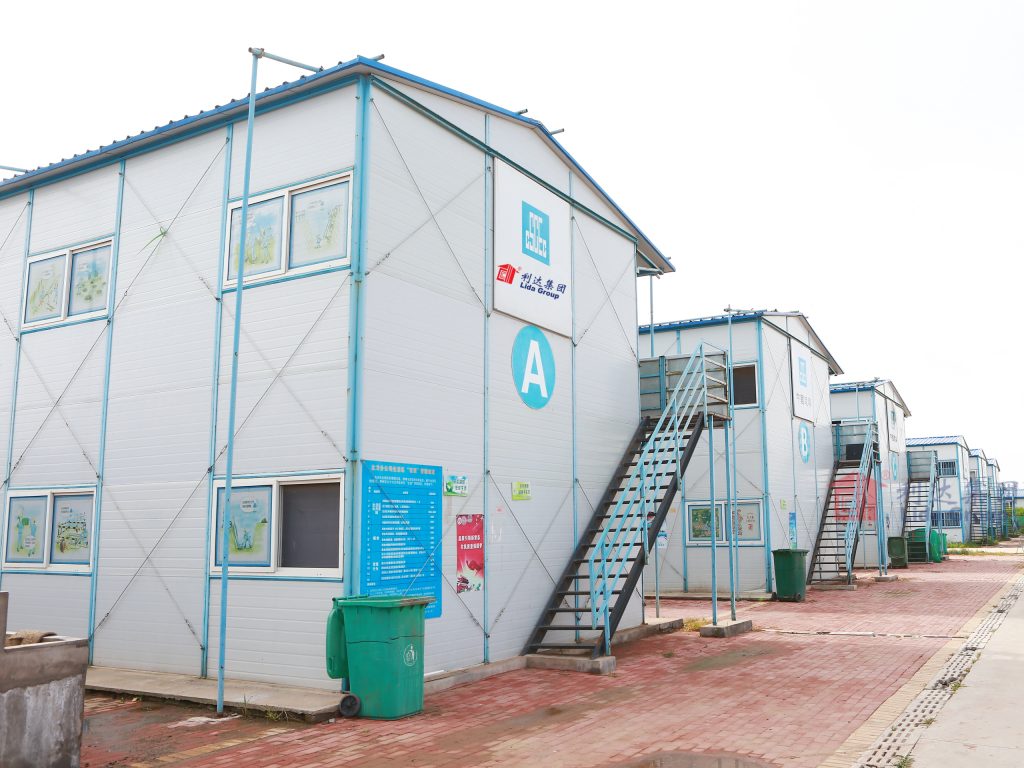
To ensure easy installation and a secure fit, our sandwich panels come with high-quality connecting hardware, including tongue-and-groove joints, self-tapping screws, sealants, and flashing. The tongue-and-groove system is designed to allow panels to fit together seamlessly, eliminating the need for complex measurements or cutting during installation. Self-tapping screws are used to fasten the panels to the building frame, providing a strong, secure connection that withstands wind, rain, and other environmental factors. We recommend approximately 1.1 fasteners per square meter of sandwich panel, though the exact quantity may vary based on structural requirements and project design. Sealants and flashing are used to seal gaps between panels, preventing water infiltration, air leakage, and noise penetration, ensuring the building is weathertight and energy-efficient. All our hardware is made from corrosion-resistant materials (such as stainless steel or galvanized steel) to ensure durability and longevity.
2.3 Technical Specifications
Our easy install sandwich panels are available in a range of sizes and specifications to suit different project needs. Below is a summary of our standard specifications, though custom sizes and configurations are available upon request:
-
Panel Thickness: 50mm to 200mm (core thickness), with outer skins adding 0.3mm to 0.8mm per side. Thicker panels offer better thermal insulation and soundproofing, making them suitable for colder climates or buildings with high noise levels.
-
Panel Width: Standard width is 1000mm to 1200mm, though custom widths up to 1500mm are available. Wider panels reduce the number of joints required, speeding up installation.
-
Panel Length: Standard lengths range from 2.4m to 12m, with custom lengths available up to 15m. Longer panels are ideal for large-span buildings such as warehouses and factories.
-
Weight: Depending on the core material and thickness, our panels weigh between 8kg/m² and 35kg/m². This lightweight design makes them easy to transport, handle, and install, reducing the need for heavy equipment and labor. For example, our 60mm EPS cement sandwich panels weigh 45-48 kg/m², which is only 1/6 the weight of traditional walls.
-
Thermal Conductivity: 0.022 W/m·K (PIR/PU) to 0.040 W/m·K (EPS), ensuring excellent energy efficiency. This high thermal performance helps maintain consistent indoor temperatures, reducing heating and cooling costs by up to 50% compared to traditional buildings.
-
Fire Rating: Class A (rock wool, PIR) to Class B (PU, EPS), depending on the core material. Our rock wool core panels achieve the highest fire rating, making them suitable for buildings with strict fire safety requirements.
-
Sound Insulation: 40dB to 60dB, depending on the panel thickness and core material. Rock wool and PU core panels offer the best soundproofing, making them ideal for residential homes, offices, and schools.
-
Lifespan: 20-50 years, depending on the materials used and maintenance. Galvanized steel skins with a PVDF finish and rock wool/PU cores offer the longest lifespan, up to 50 years, while EPS core panels have a lifespan of 20-30 years.
We also offer a range of customizations, including panel color, finish, and core material combinations, allowing you to tailor the panels to your specific project requirements. Our team of engineers can work with you to design custom panels that meet your unique structural, aesthetic, and performance needs.
3. The Easy Installation Process: Step-by-Step Guide
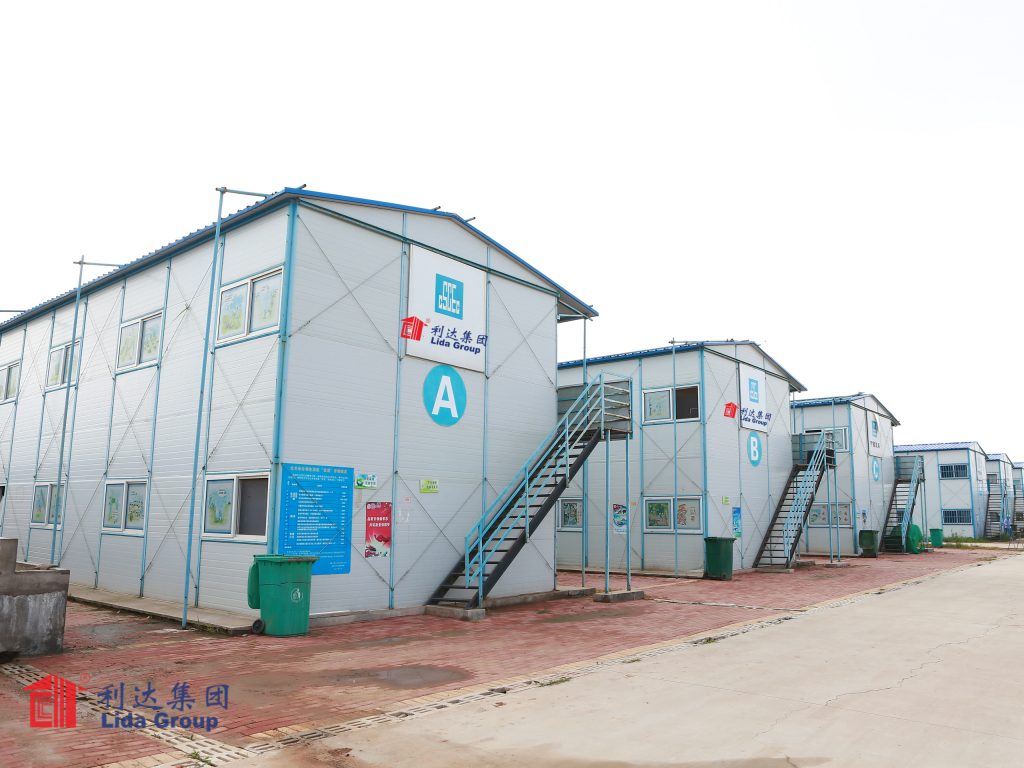
One of the most significant advantages of our sandwich panel houses is their easy installation process. Unlike traditional construction, which requires skilled labor, complex tools, and months of work, our houses can be installed by a small team (even with limited construction experience) in a matter of days or weeks. The key to this simplicity is our modular design, prefabricated panels, and user-friendly connection system. In this section, we will provide a detailed, step-by-step guide to installing our easy install sandwich panel house, from pre-installation preparation to final touches.
3.1 Pre-Installation Preparation
Proper preparation is essential for a smooth, efficient installation process. Before the panels arrive on-site, there are several key steps you need to take to ensure everything is ready. This preparation phase typically takes 1-3 days, depending on the size of the project.
3.1.1 Site Preparation
The first step is to prepare the building site. This involves clearing the site of any debris, vegetation, or obstacles that could hinder installation. You will also need to level the ground to ensure a stable foundation. For small to medium-sized sandwich panel houses (such as residential homes or small offices), a simple concrete slab foundation is sufficient. For larger buildings (such as warehouses or multi-unit complexes), a strip foundation or pile foundation may be required. Our team can provide guidance on the appropriate foundation type based on your project size, soil conditions, and local building codes.
It is also important to ensure that the site has adequate access for delivery trucks and installation equipment. The delivery truck will need to park close to the building site to unload the panels, so clear a path that is wide enough (at least 3 meters) and free of obstacles. Additionally, you will need to prepare a storage area for the panels, preferably a covered space (such as a temporary shed) to protect them from rain, snow, and direct sunlight. If a covered storage area is not available, cover the panels with a waterproof tarp to prevent moisture damage.
3.1.2 Tools and Equipment
Unlike traditional construction, installing our sandwich panel house does not require complex or expensive tools. Most of the tools needed are basic and readily available. Below is a list of the essential tools and equipment for installation:
-
Tape measure (5m-10m) for measuring panels and ensuring accurate placement
-
Circular saw or jigsaw with a metal-cutting blade (for cutting steel skins) or a foam-cutting blade (for cutting core material)
-
Drill with self-tapping bits (for fastening panels to the frame)
-
Level (spirit level or laser level) to ensure panels are straight and level
-
Hammer and nails (for temporary bracing)
-
Sealant gun (for applying sealant to gaps between panels)
-
Ladder or scaffolding (for installing upper panels and roof panels)
-
Gloves, safety glasses, and hard hats (for personal protection)
-
Forklift or crane (for unloading and moving large panels—only required for large projects)
We recommend checking that all tools are in good working order before installation begins to avoid delays. If you do not have access to any of these tools, we can arrange to provide them as part of our installation support package.
3.1.3 Panel Inspection and Preparation
Once the panels arrive on-site, inspect them carefully to ensure they are in good condition and match your order specifications. Check for any damage to the outer skins (such as dents, scratches, or corrosion) or core material (such as cracks or moisture damage). If any panels are damaged, contact our team immediately for a replacement.
Next, prepare the panels for installation by removing any protective film or packaging. This film is applied during manufacturing to protect the outer skins from damage during transport and storage. Use a sharp knife or scraper to remove the film, taking care not to scratch the surface of the panels. You should also mark the panels with their intended position (e.g., “front wall, left side” or “roof, right section”) to make installation easier and ensure panels are placed correctly.
3.2 Step-by-Step Installation
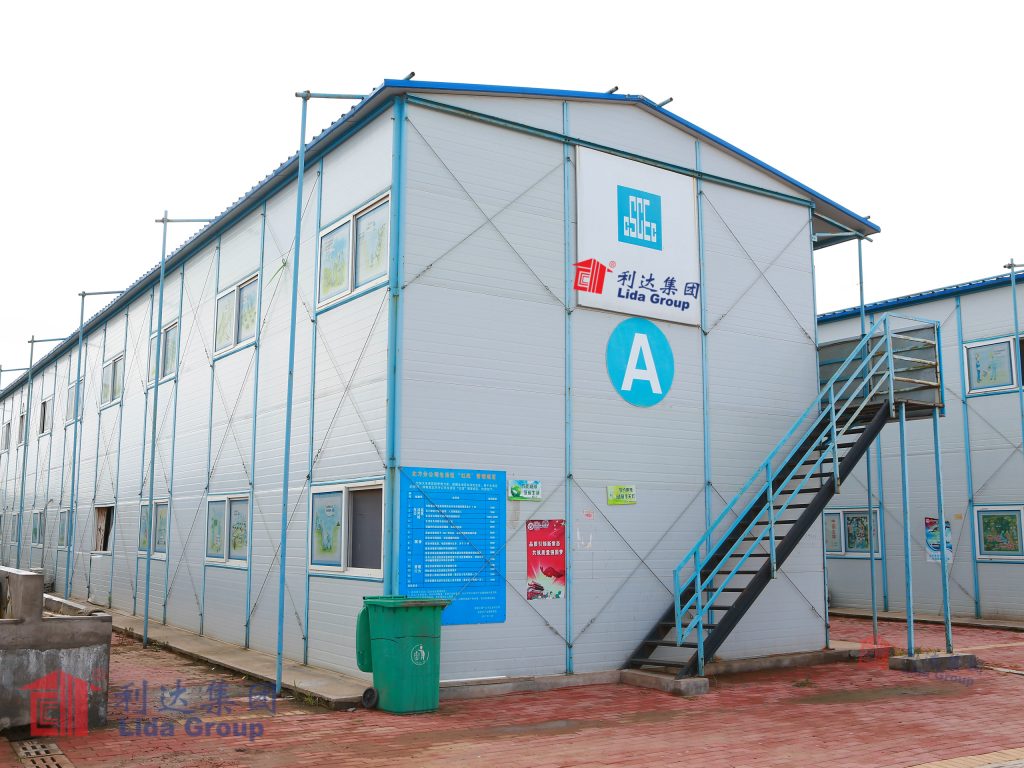
With the site, tools, and panels prepared, you can begin the installation process. The following steps outline the standard installation process for a single-story sandwich panel house, though the process can be adapted for multi-story buildings or custom designs. Our installation process is designed to be completed in sequence, with each step building on the previous one to ensure a secure, stable structure.
Step 1: Install the Floor Frame (If Required)
For houses with a raised floor (rather than a concrete slab), the first step is to install the floor frame. The floor frame is typically made of galvanized steel or wood, depending on your preference and local building codes. Cut the frame members to the appropriate length using a circular saw, then assemble them on the foundation using self-tapping screws or bolts. Ensure the frame is level and square using a level and tape measure. Once the frame is installed, you can install the floor panels (which are also sandwich panels with a strong core material such as PIR or rock wool) by fitting them into the frame and fastening them with self-tapping screws. For concrete slab foundations, you can skip this step and proceed directly to installing the wall panels.
Step 2: Install the Wall Panels
The wall panels are the next component to install. Start with the corner panels, as they provide a reference point for the rest of the wall. Position the first corner panel on the foundation (or floor frame) so that it is level and plumb (vertical). Use a level to check both the horizontal and vertical alignment, then fasten the panel to the foundation using anchor bolts (for concrete slabs) or self-tapping screws (for floor frames). Ensure the bolts or screws are spaced evenly (approximately 300mm apart) to provide a secure connection.
Once the first corner panel is installed, proceed to install the adjacent wall panels. Use the tongue-and-groove connection system to fit the panels together seamlessly. Align the tongue of one panel with the groove of the previously installed panel, then push the panels together firmly to ensure a tight fit. Use a rubber mallet to tap the panels into place if necessary, taking care not to damage the outer skins. Once the panels are aligned, fasten them to the foundation and to each other using self-tapping screws. Repeat this process until all wall panels are installed, ensuring that each panel is level and plumb.
For door and window openings, measure the size of the opening and cut the appropriate panels to fit using a circular saw. Install the cut panels around the opening, leaving a gap of approximately 10mm for the door or window frame. Use sealant to fill any gaps around the opening to prevent air and water infiltration. Our panels are designed to be easily cut, allowing for custom door and window placements without compromising the structural integrity of the wall.
Step 3: Install the Roof Frame
Once the wall panels are installed, the next step is to install the roof frame. The roof frame is typically made of galvanized steel trusses, which are prefabricated to match the size and shape of your house. The trusses are designed to be lightweight yet strong, supporting the weight of the roof panels and any additional loads (such as snow or wind).
Lift the trusses into place using a ladder or scaffolding (or a crane for large trusses) and position them on top of the wall panels. The trusses should be spaced evenly (typically 1.2m to 1.8m apart) and aligned with the wall panels. Fasten the trusses to the top of the wall panels using self-tapping screws or bolts, ensuring a secure connection. Use temporary bracing to hold the trusses in place while you install the remaining trusses and roof panels. Once all trusses are installed, check that they are level and aligned correctly.
Step 4: Install the Roof Panels
The roof panels are installed in a similar manner to the wall panels, starting from the bottom edge of the roof and working your way up. Position the first roof panel on the bottom edge of the roof frame, ensuring it overhangs the edge of the wall by approximately 50mm to 100mm to prevent water infiltration. Align the panel so that it is level and flush with the edge of the roof, then fasten it to the roof trusses using self-tapping screws. The screws should be spaced evenly (approximately 300mm apart) and placed at the top of the panel’s ribs for maximum strength.
Continue installing the roof panels, using the tongue-and-groove connection system to fit them together seamlessly. Ensure that each panel overlaps the previous one by at least 100mm (for sloped roofs) to prevent water from seeping between the panels. For flat roofs, the overlap should be at least 150mm. Use sealant to fill any gaps between the panels, especially at the overlaps and around roof penetrations (such as chimneys or vents). Once all roof panels are installed, install the ridge cap (a special panel that covers the peak of the roof) to seal the gap between the two sides of the roof. Fasten the ridge cap to the roof panels using self-tapping screws and apply sealant to ensure a weathertight seal.
It is important to note that roof installation should be completed on a dry day to prevent moisture from entering the building. If rain is expected, cover the partially installed roof with a waterproof tarp to protect the interior.
Step 5: Install Doors and Windows
With the walls and roof installed, you can now install the doors and windows. Start by measuring the door and window openings to ensure they match the size of the doors and windows you have purchased. If necessary, adjust the openings by cutting the panels or adding additional framing.
Install the door frame first, placing it in the opening and securing it to the wall panels using screws. Ensure the frame is level and plumb, then fill any gaps between the frame and the wall panels with sealant or foam insulation. Hang the door on the frame, then install the door handle, lock, and weatherstripping. For windows, install the window frame in the opening, secure it with screws, and fill any gaps with sealant. Install the window sashes, glass, and hardware (such as handles and locks). Ensure that all doors and windows are properly sealed to prevent air and water infiltration.
Step 6: Final Touches and Finishing
The final step in the installation process is to add the finishing touches to your sandwich panel house. This includes:
-
Installing gutters and downspouts to direct rainwater away from the foundation. Gutters should be attached to the edge of the roof panels using brackets, and downspouts should be connected to the gutters and directed toward a drainage system.
-
Applying sealant to any remaining gaps or joints between panels, doors, windows, and roof penetrations. This ensures the building is weathertight and energy-efficient.
-
Painting or finishing the outer skins (if desired). Our galvanized steel skins can be painted with a high-quality exterior paint to match your desired aesthetic, while fiber-reinforced calcium silicon board skins can be tiled or finished with other decorative materials.
-
Installing interior finishes, such as drywall, flooring, and ceiling panels (if desired). Our sandwich panels can be left exposed on the interior for a modern, industrial look, or they can be covered with traditional interior finishes.
-
Connecting utilities, such as electricity, plumbing, and HVAC systems. Our sandwich panels are easy to cut and modify to accommodate utility lines, and our team can provide guidance on how to install these systems safely.
3.3 Installation Timeframe
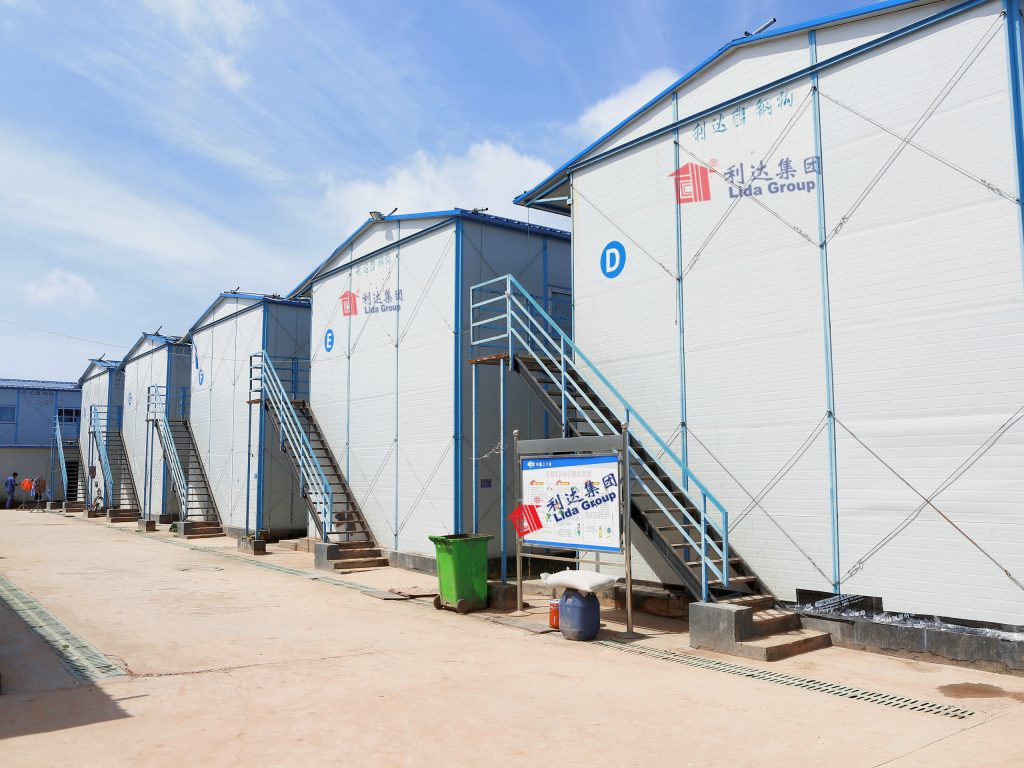
One of the biggest advantages of our easy install sandwich panel houses is their fast installation time. The exact timeframe depends on the size of the house, the complexity of the design, and the number of people on the installation team. Below is a general guideline for installation timeframes:
-
Small house (50-100㎡): 1-3 days with a team of 2-3 people. For example, a 60㎡ house with 5 skilled workers can be installed in just 1 day, focusing on basic assembly.
-
Medium house (100-200㎡): 3-7 days with a team of 3-4 people. A 150㎡ house can typically be completed in 4-5 days, including doors, windows, and basic finishing.
-
Large house (200-500㎡): 7-14 days with a team of 4-6 people. A 300㎡ warehouse or multi-unit complex can be installed in 10-12 days, depending on the design complexity.
-
Multi-story building (500+㎡): 14-30 days with a team of 6-8 people. This includes additional time for installing stairs, balconies, and multiple roof levels.
To put this in perspective, a traditional brick-and-mortar house of the same size would take 3-6 months to build—our sandwich panel houses are up to 90% faster to install. This rapid installation not only saves time but also reduces labor costs and allows you to move into or use the building much sooner.
3.4 Installation Support
We understand that not everyone has experience installing sandwich panel houses, which is why we offer comprehensive installation support to ensure your project is a success. Our support includes:
-
Detailed installation manual with step-by-step instructions, diagrams, and safety guidelines.
-
Video tutorials covering key installation steps, such as panel connection, roof installation, and door/window installation.
-
Technical support team available by phone, email, or video call to answer any questions or resolve any issues during installation.
-
On-site installation team (optional) for larger or more complex projects. Our skilled installation team can complete the entire installation process for you, ensuring a professional finish and adherence to all building codes.
With our installation support, even first-time builders can complete their sandwich panel house with confidence and ease.
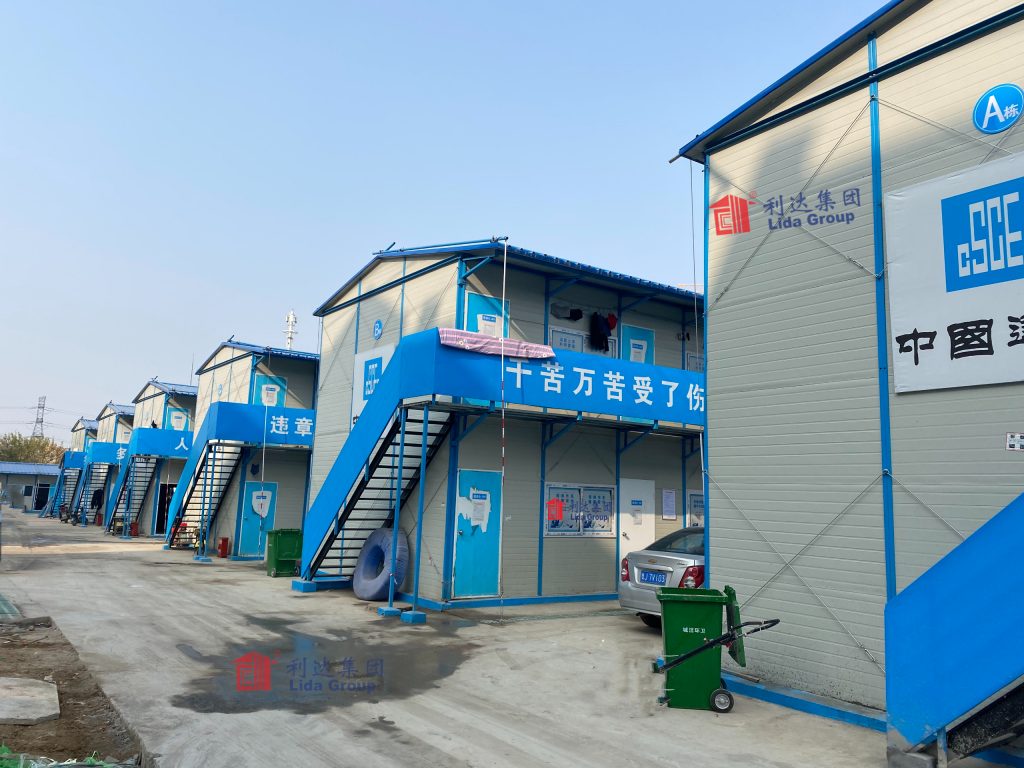
4. Unmatched Benefits of Our Easy Install Sandwich Panel Houses
Our easy install sandwich panel houses offer a wide range of benefits that set them apart from traditional construction methods and other prefabricated building solutions. These benefits span speed, cost, quality, sustainability, and versatility, making them an ideal choice for any rapid-building project. In this section, we will detail the key benefits of our sandwich panel houses, explaining how they can save you time, money, and effort while delivering a high-performance, durable structure.
4.1 Rapid Installation and Time Savings
As highlighted earlier, the most significant benefit of our sandwich panel houses is their rapid installation time. Compared to traditional construction (which takes months or years), our houses can be installed in days or weeks, depending on the size and complexity. This speed is achieved through several factors:
-
Prefabricated panels: All panels are manufactured in a controlled factory environment, ensuring precision and consistency. This eliminates the need for on-site cutting, mixing, or curing, which are major bottlenecks in traditional construction.
-
Modular design: The tongue-and-groove connection system allows panels to fit together quickly and easily, reducing the time spent on assembly.
-
Lightweight materials: Our panels are lightweight, making them easy to transport, handle, and install without the need for heavy equipment or a large labor force. For example, a team of 5 skilled workers can install 100 square meters of panels in a single day, while a 600-square-meter project can be completed in just 8 hours with a skilled crew—compared to months for traditional brick construction.
The time savings offered by our sandwich panel houses translate to significant benefits for builders and property owners. For developers, faster installation means projects are completed sooner, allowing for earlier occupancy and revenue generation. For homeowners, it means moving into their new home faster, avoiding the stress and inconvenience of long construction timelines. For emergency situations (such as natural disasters), rapid installation means shelters can be deployed quickly to help those in need.
4.2 Cost Savings: Lower Labor, Material, and Maintenance Costs
Our easy install sandwich panel houses are not only faster to build but also more cost-effective than traditional construction methods. The cost savings come from three main areas: lower labor costs, lower material costs, and lower long-term maintenance costs.
4.2.1 Lower Labor Costs
Traditional construction requires a large team of skilled workers (such as bricklayers, carpenters, and concrete finishers) to complete the project, which can be expensive. Our sandwich panel houses, on the other hand, require only a small team of workers (2-6 people) to install, and no specialized skills are needed. This reduces labor costs by up to 50% compared to traditional construction. Additionally, the rapid installation time means labor costs are further reduced, as workers are on-site for fewer days.
4.2.2 Lower Material Costs
Our sandwich panels are manufactured using efficient production methods, which reduces material waste and lowers costs. Unlike traditional construction, where materials are often cut on-site and excess is discarded, our panels are pre-cut to the exact size needed, minimizing waste. Additionally, the lightweight design of our panels reduces transportation costs, as more panels can be transported in a single load. For example, our EPS core panels are more cost-effective than traditional bricks or concrete, and they require fewer raw materials to produce, further reducing costs.
Traditional construction also incurs hidden costs that are avoided with our sandwich panel houses. These hidden costs include weather-related delays (which increase labor costs), the need for additional materials to fix mistakes, and higher insurance premiums due to increased construction time and risk of damage. Our prefabricated panels are less susceptible to weather delays, and their precision manufacturing reduces the risk of mistakes, eliminating these hidden costs.
4.2.3 Lower Long-Term Maintenance Costs
Our sandwich panel houses are highly durable and require minimal maintenance compared to traditional buildings. The outer skins (galvanized steel or fiber-reinforced calcium silicon board) are resistant to corrosion, rust, mold, and pests, eliminating the need for regular painting or repairs. The core materials are also moisture-resistant and durable, ensuring the panels maintain their performance over time. Additionally, the energy efficiency of our panels reduces heating and cooling costs by up to 50%, resulting in long-term savings on utility bills. For example, sandwich panel buildings can reduce energy costs by up to 20% compared to traditional structures, thanks to their superior insulation properties. With a lifespan of 20-50 years, our sandwich panel houses offer excellent value for money over the long term.
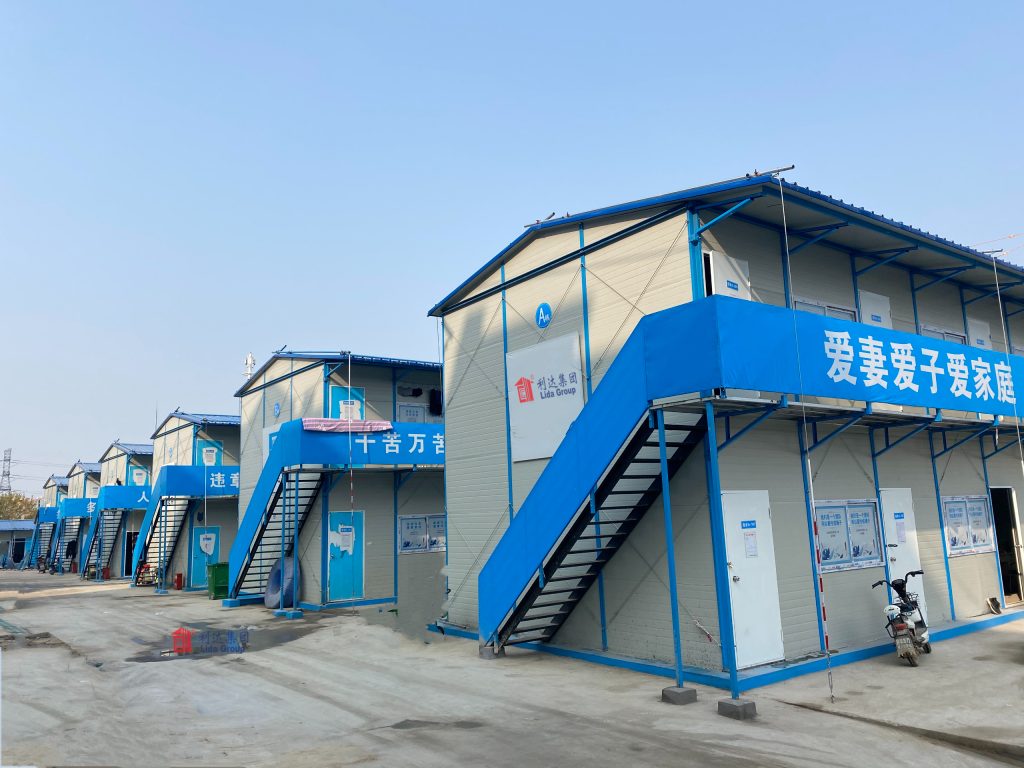
4.3 Superior Quality and Durability
Despite their rapid installation and lower cost, our sandwich panel houses do not compromise on quality or durability. In fact, they often outperform traditional buildings in terms of structural strength, weather resistance, and longevity. This is due to several factors:
-
Factory prefabrication: Our panels are manufactured in a controlled factory environment, where quality is closely monitored. This ensures that each panel meets strict standards for strength, insulation, and fire resistance, which is difficult to achieve with on-site construction.
-
High-quality materials: We use only the highest quality materials for our panels, including galvanized steel, rock wool, PU, and EPS. These materials are chosen for their durability, performance, and longevity.
-
Strong structural design: The sandwich panel design provides excellent structural strength, with the outer skins resisting bending and compression and the core material providing rigidity. Our houses are designed to withstand wind speeds of up to 120km/h, snow loads of up to 1.5kN/㎡, and seismic activity of up to magnitude 7.0, making them suitable for a wide range of environments.
-
Weather resistance: The tongue-and-groove connection system and sealants ensure the building is weathertight, preventing water infiltration, air leakage, and damage from wind, rain, snow, and hail. The outer skins are also resistant to UV radiation, preventing fading and degradation over time.
Our sandwich panel houses are also tested to meet international building codes and standards, including ISO, ASTM, and CE, ensuring they are safe and reliable. Whether you live in a harsh climate or a mild one, our houses are built to last.
4.4 Energy Efficiency and Sustainability
Sustainability and energy efficiency are increasingly important considerations in modern construction, and our easy install sandwich panel houses are designed with both in mind. Our panels offer exceptional thermal insulation properties, thanks to the central core material, which reduces heat transfer between the interior and exterior of the building. This means that during the winter, heat is retained inside the building, reducing the need for heating, and during the summer, heat is kept out, reducing the need for cooling. The result is a significant reduction in energy consumption and carbon emissions—our houses are up to 50% more energy-efficient than traditional buildings.
In addition to energy efficiency, our sandwich panel houses are also environmentally sustainable. Here’s how:
-
Reduced material waste: Factory prefabrication minimizes material waste, as panels are cut to exact sizes and excess materials are recycled.
-
Recyclable materials: Many of our materials (such as steel, EPS, and rock wool) are recyclable, reducing the environmental impact of the building at the end of its lifespan.
-
Low carbon footprint: The manufacturing process of our panels produces fewer carbon emissions than the production of traditional building materials (such as bricks and concrete). Additionally, the energy efficiency of our houses reduces carbon emissions from heating and cooling over time.
-
No harmful chemicals: Our panels are free from harmful chemicals (such as formaldehyde), making them safe for the environment and for occupants.
-
Minimal site disturbance: The rapid installation process and minimal need for heavy equipment reduce site disturbance, preserving the natural environment around the building.
By choosing our easy install sandwich panel house, you are not only saving time and money but also doing your part to protect the environment.
4.5 Versatility and Customization
Our easy install sandwich panel houses are highly versatile and can be customized to suit a wide range of applications and design preferences. Whether you need a small residential home, a large industrial warehouse, a temporary shelter, or a commercial office, our panels can be adapted to meet your needs. Here are some examples of the versatility of our sandwich panel houses:
-
Residential homes: Our panels can be used to build single-story or multi-story homes, with custom floor plans, sizes, and finishes. We offer a range of exterior and interior finishes, allowing you to create a home that matches your aesthetic preferences. The panels can also be customized to include features such as balconies, porches, and fireplaces.
-
Industrial and commercial buildings: Our panels are ideal for warehouses, factories, offices, shops, and other commercial facilities. They can be designed to accommodate large spans (up to 15m without additional support), high ceilings, and heavy equipment. The fire-resistant and soundproof properties of our panels make them suitable for industrial environments where safety and noise reduction are critical.
-
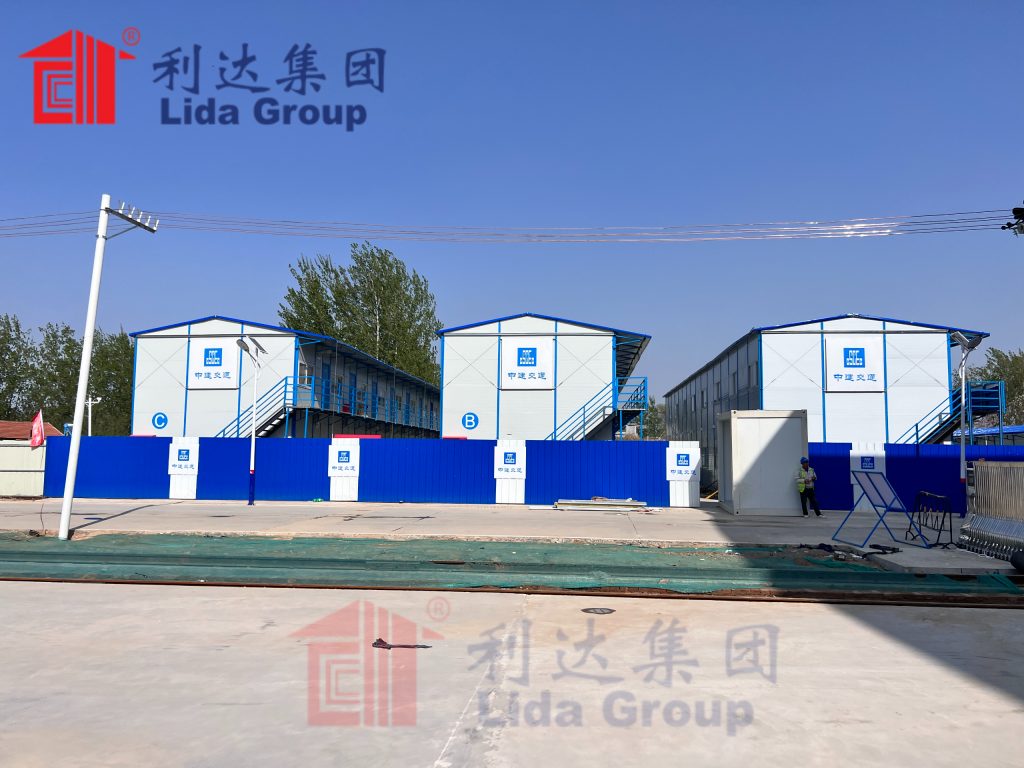
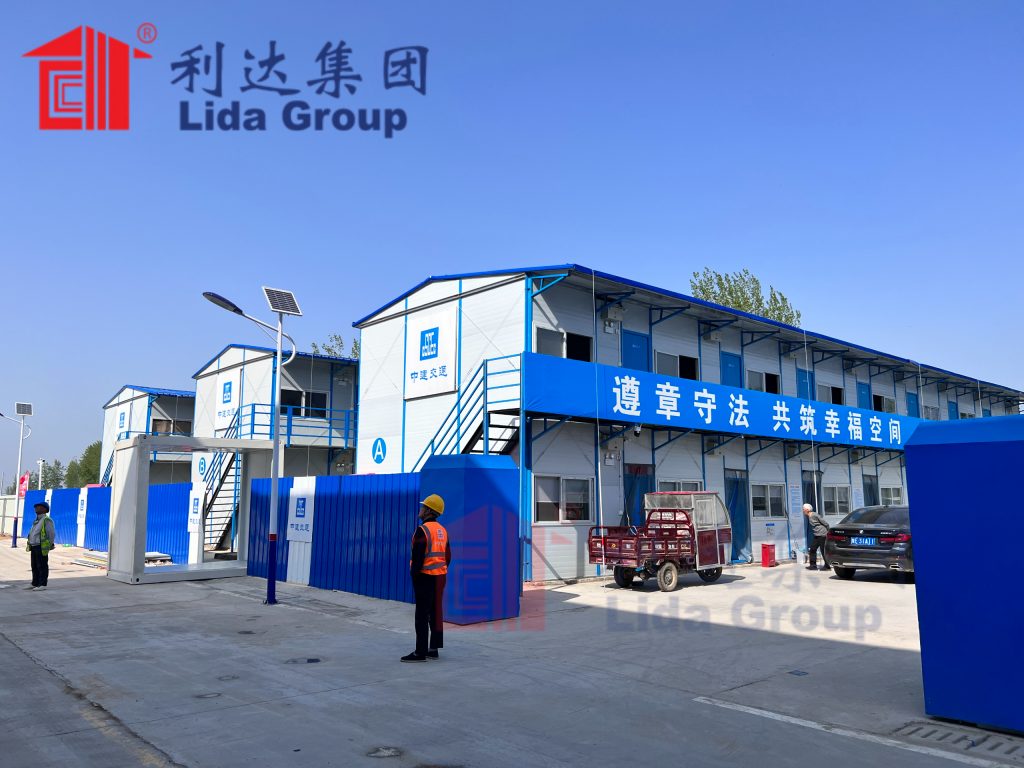
Temporary and emergency shelters: Our panels are lightweight and easy to transport, making them ideal for temporary shelters (such as construction site offices, event booths, and military barracks) and emergency shelters (for natural disasters or humanitarian crises). They can be installed quickly, providing immediate shelter for those in need.
-
Agricultural buildings: Our panels are suitable for barns, stables, greenhouses, and other agricultural structures. They are resistant to moisture, mold, and pests, making them ideal for housing livestock and storing crops. The thermal insulation properties also help maintain a consistent temperature inside the building, improving the health and productivity of livestock and plants.
We also offer a wide range of customization options, including panel color, finish, core material, size, and design. Our team of engineers can work with you to design a custom sandwich panel house that meets your unique needs and preferences, whether you have a specific floor plan in mind or need to adapt the building to a challenging site.
4.6 Safety and Comfort
Our easy install sandwich panel houses are designed with safety and comfort in mind. The panels offer excellent fire resistance, with rock wool and PIR core panels achieving Class A fire ratings—the highest possible. This means they are non-combustible and will not contribute to the spread of fire, providing valuable time for occupants to evacuate in the event of a fire. The panels also do not release toxic gases when exposed to high temperatures, ensuring the safety of occupants and emergency responders. For example, our rock wool core panels can withstand temperatures of up to 1000°C for 4 hours without releasing toxic fumes.
In addition to fire safety, our panels also provide excellent soundproofing, reducing noise from both inside and outside the building. This makes our houses ideal for residential homes, offices, and schools, where peace and quiet are important. The thermal insulation properties also ensure a comfortable indoor temperature year-round, eliminating cold spots and drafts and reducing the need for artificial heating and cooling.
Our panels are also safe for occupants, as they are free from harmful chemicals and allergens. The core materials are non-toxic and moisture-resistant, preventing the growth of mold and mildew, which can cause health problems. The outer skins are also smooth and easy to clean, maintaining a healthy indoor environment.
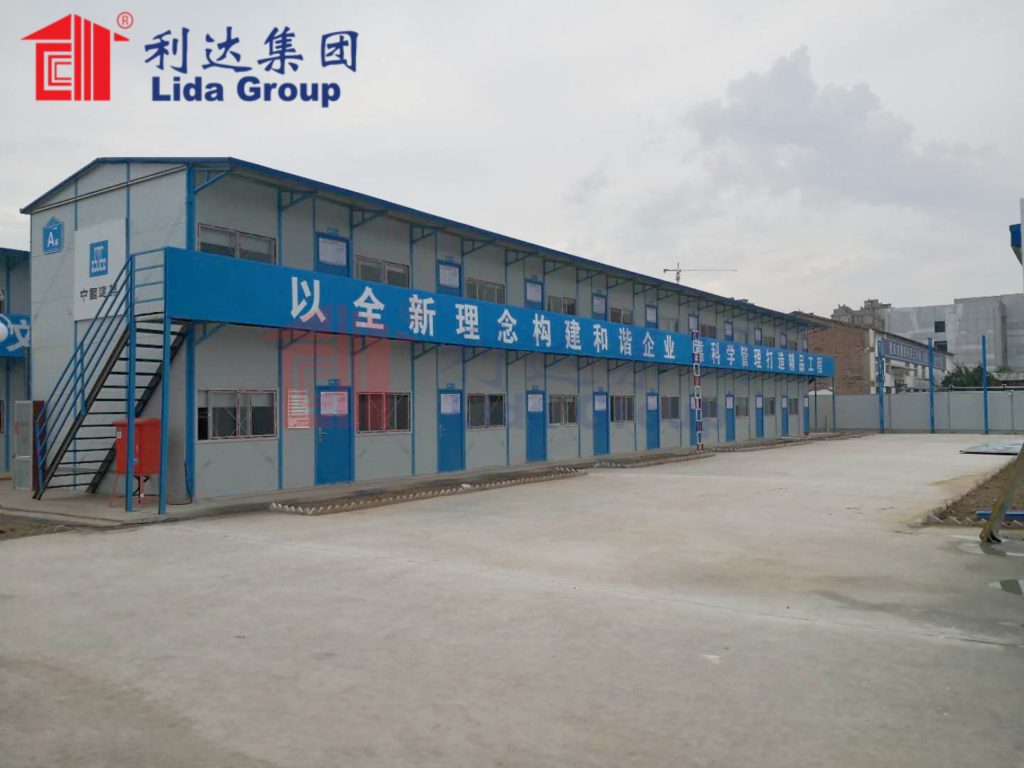
5. Versatile Applications: Where Our Easy Install Sandwich Panel Houses Excel
The versatility of our easy install sandwich panel houses makes them suitable for a wide range of applications across various industries. From residential and commercial to industrial and humanitarian, our panels can be adapted to meet the unique needs of each application. In this section, we will explore the key applications of our sandwich panel houses, highlighting how they excel in each scenario and providing real-world examples of their use.
5.1 Residential Construction
Residential construction is one of the most common applications for our easy install sandwich panel houses. Homeowners are increasingly choosing our panels for their speed, cost savings, energy efficiency, and customization options. Our sandwich panel houses are ideal for:
-
Single-family homes: Our panels can be used to build cozy, energy-efficient single-family homes in a fraction of the time required for traditional construction. Homeowners can choose from a range of floor plans, sizes, and finishes, creating a home that matches their lifestyle and budget. For example, a 100㎡ single-family home with 3 bedrooms and 2 bathrooms can be installed in just 3-5 days, with a total cost that is 30-40% lower than a traditional brick-and-mortar home.
-
Multi-family homes: Our panels are also suitable for multi-story apartment buildings and townhouses. The modular design allows for quick installation of multiple units, reducing construction time and costs for developers. The energy efficiency and soundproofing properties of our panels also make them ideal for multi-family homes, as they reduce utility costs for residents and minimize noise between units.
-
Vacation homes and cottages: Our lightweight, easy-to-install panels are perfect for vacation homes and cottages, especially in remote or hard-to-reach areas. They can be installed quickly, allowing homeowners to enjoy their vacation home sooner. The weather resistance of our panels also makes them suitable for vacation homes in harsh climates, such as coastal areas or mountain regions.
-
Granny flats and ADUs (Accessory Dwelling Units): Our panels are ideal for building small granny flats or ADUs in the backyard of an existing home. These units are perfect for housing elderly family members, guests, or rental tenants. They can be installed in just a few days, with minimal disruption to the existing home, and they are cost-effective compared to traditional ADU construction.
Real-world example: A family in rural Canada wanted to build a 120㎡ vacation home in a remote mountain area. Traditional construction was not feasible due to the long distance from building suppliers and the short building season. They chose our easy install sandwich panel house with a rock wool core (for fire resistance and thermal insulation) and galvanized steel skins. A team of 4 workers installed the house in just 5 days, including doors, windows, and basic finishing. The home is now energy-efficient, with heating costs 40% lower than similar traditional homes in the area, and it has withstood heavy snowfall and strong winds without any damage. The family was able to move into their vacation home within a month of ordering the panels, something that would have taken 4-6 months with traditional construction.
5.2 Industrial and Commercial Construction
Our easy install sandwich panel houses are also widely used in industrial and commercial construction, where speed, durability, and functionality are critical. Businesses and developers choose our panels for their ability to quickly construct large, high-performance buildings that can withstand the demands of industrial and commercial use. Key applications include:
-
Warehouses and Factories: Our panels are ideal for building warehouses and factories, as they can be designed to accommodate large spans (up to 15m without additional support) and high ceilings. The lightweight design reduces the load on the foundation, while the fire-resistant and soundproof properties ensure safety and comfort for workers. For example, a 500㎡ warehouse can be installed in just 10 days with a team of 6 workers, allowing businesses to start operations sooner. Our rock wool core panels are particularly popular for factories that handle flammable materials, as they offer exceptional fire resistance.
-
Offices and Commercial Spaces: Our panels can be used to build modern, energy-efficient offices, shops, restaurants, and other commercial spaces. The customizable finishes allow businesses to create a professional aesthetic that matches their brand, while the energy efficiency reduces utility costs. We offer fiber-reinforced calcium silicon board skins for commercial spaces that require a more traditional or elegant appearance, and these can be painted or tiled to suit the desired design. A 200㎡ office space can be installed in 5-7 days, with interior finishes completed in an additional 2-3 days.
-
Retail Stores and Showrooms: Retail businesses benefit from the rapid installation of our sandwich panel houses, as they can open their stores sooner and start generating revenue. The panels are easy to modify, allowing for custom layouts and display areas, and the soundproof properties create a comfortable shopping environment for customers. Our galvanized steel skins can be finished with a PVDF coating in a range of colors, making it easy to match the store’s branding.
Real-world example: A logistics company in Germany needed to expand its warehouse capacity quickly to meet growing demand. They chose our easy install sandwich panel warehouse with a PIR core (for superior energy efficiency) and galvanized steel skins. The 800㎡ warehouse was installed in just 14 days by a team of 8 workers, including loading docks and interior partitioning. The warehouse’s energy-efficient design has reduced heating costs by 35% compared to the company’s existing traditional warehouse, and the large spans have allowed for flexible storage layouts. The company was able to start using the warehouse within 3 weeks of breaking ground, avoiding costly delays in their operations.
5.3 Temporary and Emergency Shelters
In situations where speed is critical—such as natural disasters, humanitarian crises, or temporary construction projects—our easy install sandwich panel houses are an ideal solution. Their lightweight, modular design makes them easy to transport and install, even in remote or hard-to-reach areas, and they provide immediate shelter that is safe, durable, and comfortable. Key applications include:
-
Emergency Shelters: After natural disasters such as earthquakes, hurricanes, or floods, our sandwich panel shelters can be deployed quickly to provide temporary housing for displaced families. The panels are lightweight enough to be transported by truck, helicopter, or boat, and they can be installed by a small team in just a few hours. Our emergency shelters are designed to be weathertight, fire-resistant, and insulated, providing a safe and comfortable environment for occupants. For example, after a hurricane in Mexico, our team deployed 50 emergency shelters (each 20㎡) in just 3 days, housing over 200 displaced people. The shelters were equipped with windows, doors, and basic insulation, providing much-needed comfort in the aftermath of the disaster.
-
Construction Site Offices and Accommodation: Construction companies often use our sandwich panel houses as temporary offices, dormitories, or canteens on construction sites. The rapid installation means these facilities can be set up quickly at the start of a project, and they can be easily disassembled and relocated once the project is complete. Our panels are durable enough to withstand the harsh conditions of a construction site, and the energy efficiency reduces utility costs for the company. A typical 30㎡ construction site office can be installed in just 1 day, allowing the construction team to start work sooner.
-
Military Barracks and Field Hospitals: The military uses our sandwich panel houses for temporary barracks, command centers, and field hospitals due to their rapid installation, durability, and portability. The panels are resistant to harsh weather conditions and can be easily transported to remote military bases or conflict zones. Our rock wool core panels are often used for field hospitals, as they offer excellent fire resistance and soundproofing, creating a safe environment for medical procedures.
5.4 Agricultural Buildings
The agricultural industry also benefits from our easy install sandwich panel houses, as they provide durable, energy-efficient structures that are ideal for housing livestock, storing crops, and operating farm equipment. Our panels are resistant to moisture, mold, and pests, making them suitable for the unique demands of agricultural use. Key applications include:
-
Barns and Stables: Our sandwich panel barns and stables provide a comfortable environment for livestock, with thermal insulation that maintains a consistent temperature year-round. This helps improve the health and productivity of animals, reducing the risk of illness and mortality. The panels are easy to clean and resistant to animal waste, making them low-maintenance for farmers. A 400㎡ barn for cattle can be installed in 7-10 days, with custom partitioning for different groups of animals.
-
Greenhouses: Our panels are ideal for building greenhouses, as they provide excellent thermal insulation and light transmission (when using translucent skins). The insulation helps maintain a stable temperature inside the greenhouse, extending the growing season and improving crop yields. Our EPS core panels are often used for greenhouses, as they are lightweight and cost-effective, and they can be customized with translucent outer skins to allow sunlight to penetrate. A 200㎡ greenhouse can be installed in 3-5 days, allowing farmers to start planting sooner.
-
Crop Storage Facilities: Our sandwich panel storage facilities are designed to keep crops dry, cool, and protected from pests and the elements. The moisture-resistant core materials prevent mold and mildew growth, ensuring crops remain in good condition for longer. The panels are also fire-resistant, reducing the risk of crop loss due to fire. A 300㎡ crop storage facility can be installed in 5-7 days, providing farmers with a cost-effective solution for storing their harvest.
Real-world example: A dairy farmer in Australia wanted to build a new barn for his 50 cows. He chose our easy install sandwich panel barn with an EPS core (for cost-effectiveness and thermal insulation) and fiber-reinforced calcium silicon board skins (for a natural appearance). The 450㎡ barn was installed in 8 days by a team of 5 workers, including stalls, a milking area, and a storage room. The barn’s thermal insulation has reduced heating costs by 30% compared to the farmer’s old wooden barn, and the moisture-resistant panels have eliminated mold and mildew problems. The cows have shown improved health and milk production since moving into the new barn, demonstrating the benefits of our sandwich panel houses for agricultural use.
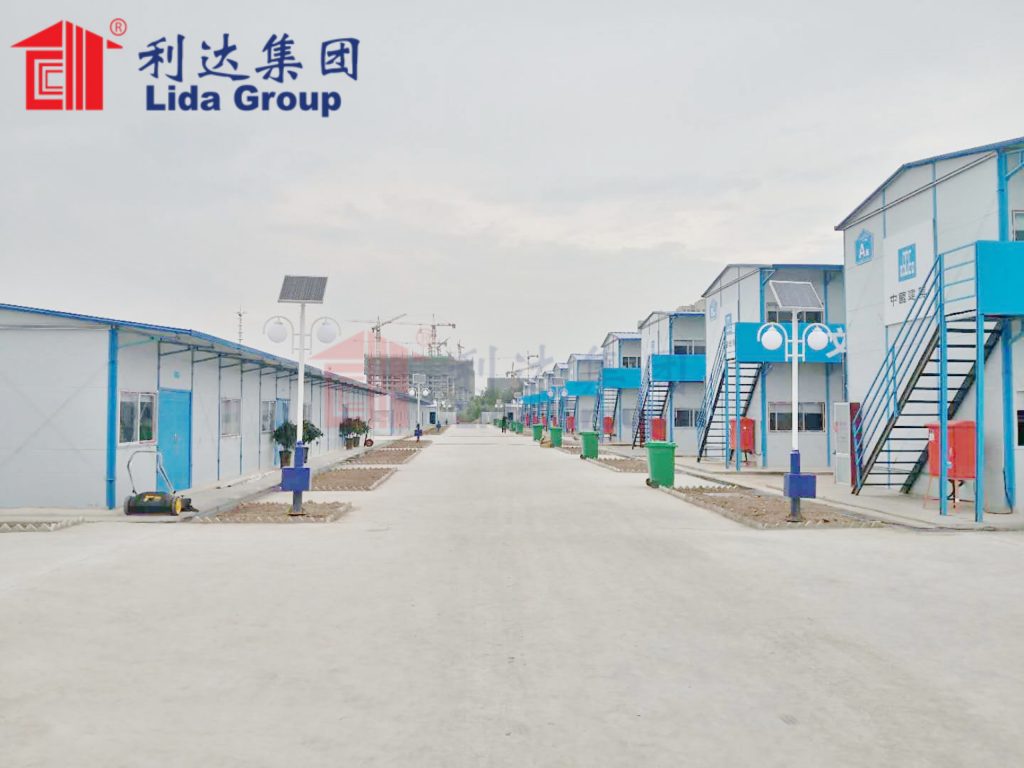
6. Comparing Our Easy Install Sandwich Panel Houses to Traditional Construction Methods
To fully understand the value of our easy install sandwich panel houses, it is helpful to compare them to traditional construction methods (brick-and-mortar, concrete, wood framing). This comparison highlights the key advantages of our panels and explains why they are becoming the preferred choice for modern construction projects. Below is a detailed comparison of the two methods across key metrics:
6.1 Installation Time
As previously mentioned, installation time is one of the most significant differences between our sandwich panel houses and traditional construction. Traditional construction typically takes 3-6 months for a single-family home (100-150㎡), while our sandwich panel houses can be installed in 3-7 days. For larger buildings (500+㎡), traditional construction can take 6-12 months, while our panels can be installed in 14-30 days. This difference is due to the prefabricated nature of our panels—all components are manufactured in a factory and delivered to the site ready for assembly, eliminating the need for on-site mixing, curing, or cutting.
The rapid installation time of our panels also reduces the risk of weather-related delays, which are common in traditional construction. Traditional projects can be delayed for weeks or even months due to rain, snow, or extreme temperatures, while our panel installation can be completed quickly, even in less-than-ideal weather conditions (as long as the site is safe).
6.2 Cost
Our easy install sandwich panel houses are significantly more cost-effective than traditional construction, with total costs (materials + labor + maintenance) up to 40% lower. Here’s a breakdown of the cost differences:
-
Materials Costs: Traditional construction materials (bricks, concrete, wood) are often more expensive than our sandwich panels, especially when considering waste. Traditional construction generates 10-15% material waste, while our factory-prefabricated panels generate less than 2% waste. Additionally, the lightweight design of our panels reduces transportation costs, as more panels can be transported in a single load.
-
Labor Costs: Traditional construction requires a large team of skilled workers (bricklayers, carpenters, concrete finishers), which is expensive. Our sandwich panel houses require only a small team of 2-6 workers (no specialized skills needed), reducing labor costs by up to 50%. The rapid installation time also means workers are on-site for fewer days, further reducing labor costs.
-
Maintenance Costs: Traditional buildings require regular maintenance (painting, repointing bricks, repairing wood rot), which can add up over time. Our sandwich panel houses require minimal maintenance, with outer skins that are resistant to corrosion, rust, and mold. The energy efficiency of our panels also reduces utility costs by up to 50%, resulting in long-term savings.
For example, a 150㎡ single-family home built with traditional methods costs approximately $150,000-$200,000, while the same home built with our sandwich panels costs $90,000-$120,000—a savings of 30-40%. Over 20 years, the maintenance and utility savings add an additional $50,000-$70,000 in savings.
6.3 Quality and Durability
While traditional construction is often perceived as more durable, our sandwich panel houses actually outperform traditional buildings in many key quality metrics: Structural Strength: Our sandwich panels have a high strength-to-weight ratio, making them resistant to bending, compression, and impact. They are designed to withstand wind speeds of up to 120km/h, snow loads of up to 1.5kN/㎡, and seismic activity of up to magnitude 7.0. Traditional brick-and-mortar buildings are often more susceptible to damage from earthquakes and strong winds, as they are heavy and rigid.Weather Resistance: Our panels are weathertight, thanks to the tongue-and-groove connection system and sealants, preventing water infiltration and air leakage. Traditional buildings often develop leaks over time due to cracks in the mortar or roof, leading to mold, mildew, and structural damage.Fire Resistance: Our rock wool and PIR core panels achieve Class A fire ratings, the highest possible, while traditional wood-framed buildings are highly flammable. Brick-and-mortar buildings are more fire-resistant than wood-framed buildings but do not offer the same level of fire protection as our rock wool core panels.Lifespan: Our sandwich panel houses have a lifespan of 20-50 years, while traditional buildings have a lifespan of 30-60 years. However, the lower maintenance costs of our panels mean they offer better value for money over their lifespan. Traditional buildings require significant maintenance every 5-10 years, which can extend their lifespan but add to the total cost.
6.4 Energy Efficiency
Our sandwich panel houses are far more energy-efficient than traditional buildings, with thermal conductivity values of 0.022-0.040 W/m·K compared to 0.8-1.0 W/m·K for brick-and-mortar buildings. This means our panels reduce heat transfer by up to 95%, resulting in lower heating and cooling costs. Traditional buildings often require additional insulation (such as fiberglass batts) to meet modern energy standards, adding to the cost and complexity of the project. Our panels have built-in insulation, eliminating the need for additional materials and reducing installation time.
6.5 Sustainability
Our sandwich panel houses are more environmentally sustainable than traditional construction in several ways: Reduced Material Waste: Factory prefabrication minimizes material waste, with less than 2% waste compared to 10-15% waste in traditional construction.Recyclable Materials: Many of our materials (steel, EPS, rock wool) are recyclable, reducing the environmental impact at the end of the building’s lifespan.Low Carbon Footprint: The manufacturing process of our panels produces fewer carbon emissions than the production of traditional materials (bricks, concrete). Additionally, the energy efficiency of our houses reduces carbon emissions from heating and cooling over time.Minimal Site Disturbance: Our rapid installation process and minimal need for heavy equipment reduce site disturbance, preserving the natural environment.
Traditional construction, on the other hand, requires large amounts of raw materials (such as clay for bricks, sand for concrete) that are often mined or quarried, causing significant environmental damage. The on-site construction process also generates more noise, dust, and pollution than our panel installation.
7. Common Questions and Concerns About Easy Install Sandwich Panel Houses
We understand that choosing a building material is a big decision, and you may have questions or concerns about our easy install sandwich panel houses. Below are answers to some of the most common questions we receive, addressing key concerns about durability, cost, customization, and more.
7.1 Are sandwich panel houses durable enough for long-term use?
Yes, our sandwich panel houses are designed for long-term use, with a lifespan of 20-50 years depending on the materials used and maintenance. Our panels are made from high-quality materials (galvanized steel, rock wool, PU, EPS) that are resistant to corrosion, rust, mold, pests, and weather damage. They are also tested to meet international building codes and standards (ISO, ASTM, CE), ensuring they are structurally sound and safe for long-term occupancy. With proper maintenance (such as occasional cleaning and inspection), our sandwich panel houses can last just as long as traditional buildings.
7.2 Are sandwich panel houses more expensive than traditional buildings?
No, our sandwich panel houses are actually less expensive than traditional buildings, with total costs (materials + labor + maintenance) up to 40% lower. While the initial material cost of our panels may be similar to or slightly higher than traditional materials in some cases, the lower labor costs and minimal maintenance costs more than make up for this. Additionally, the rapid installation time means you can start using the building sooner, generating revenue (for commercial projects) or saving on temporary housing costs (for residential projects) sooner.
7.3 Can sandwich panel houses be customized to my design preferences?
Yes, our sandwich panel houses are highly customizable. We offer a wide range of customization options, including panel color, finish, core material, size, and design. Our team of engineers can work with you to design a custom floor plan, including features such as balconies, porches, fireplaces, custom windows, and doors. We also offer a range of exterior and interior finishes, allowing you to create a building that matches your aesthetic preferences. Whether you want a modern, industrial look or a more traditional appearance, we can tailor our panels to meet your needs.
7.4 Are sandwich panel houses energy-efficient?
Yes, our sandwich panel houses are highly energy-efficient, with thermal insulation properties that reduce heat transfer by up to 95%. The central core material (EPS, PU, PIR, rock wool) provides excellent insulation, maintaining a consistent indoor temperature year-round. This reduces heating and cooling costs by up to 50% compared to traditional buildings. Our panels also have a tight, weathertight seal, preventing air leakage and further improving energy efficiency. Many of our customers report significant savings on their utility bills after moving into a sandwich panel house.
7.5 Are sandwich panel houses difficult to maintain?
No, our sandwich panel houses require minimal maintenance compared to traditional buildings. The outer skins (galvanized steel or fiber-reinforced calcium silicon board) are resistant to corrosion, rust, mold, and pests, eliminating the need for regular painting or repairs. The only maintenance required is occasional cleaning (to remove dirt and debris) and inspection (to check for any damage to the panels or sealants). If damage does occur, our panels are easy to repair or replace, as they are modular and can be removed and replaced individually without affecting the rest of the building.
7.6 Can sandwich panel houses be used in harsh climates?
Yes, our sandwich panel houses are designed to withstand harsh climates, including extreme cold, extreme heat, heavy rain, snow, and strong winds. We offer core materials (such as rock wool, PU, and PIR) that are specifically designed for extreme climates, providing excellent thermal insulation and weather resistance. Our panels are also tested to withstand wind speeds of up to 120km/h, snow loads of up to 1.5kN/㎡, and seismic activity of up to magnitude 7.0, making them suitable for use in a wide range of environments, from polar regions to tropical areas.
8. Conclusion
In a construction industry increasingly focused on speed, efficiency, sustainability, and quality, our easy install sandwich panel houses stand out as a revolutionary solution. Designed to address the core pain points of traditional construction—extended timelines, high costs, material waste, and limited versatility—our sandwich panel houses deliver fast, reliable, and high-performance structures that adapt to diverse needs and environments. From residential homes and commercial offices to industrial warehouses, emergency shelters, and agricultural buildings, our panels offer a flexible, cost-effective, and sustainable alternative to traditional building methods.
Throughout this article, we have explored every aspect of our easy install sandwich panel houses, from their innovative design and key components to their step-by-step installation process, unmatched benefits, versatile applications, real-world success stories, and comparison to traditional construction. We have shown that our panels are not only quick to install (up to 90% faster than traditional construction) but also more cost-effective (up to 40% lower total costs), durable (lifespan of 20-50 years), energy-efficient (up to 50% lower utility costs), and sustainable (reduced material waste, recyclable materials, low carbon footprint).
Our sandwich panels are engineered with simplicity, performance, and versatility in mind, featuring a tongue-and-groove connection system that allows for easy assembly by even non-professional teams, prefabricated components that ensure consistent quality, and a range of core materials and outer skins that can be customized to meet any project’s requirements. Whether you are a homeowner looking to build a cozy, energy-efficient home, a developer needing to construct a multi-unit residential complex or commercial facility, a business owner expanding with a new warehouse, or an organization responding to a humanitarian crisis with emergency shelters, our easy install sandwich panel houses offer a solution that is tailored to your needs.
We have also addressed common questions and concerns, demonstrating that our sandwich panel houses are durable enough for long-term use, customizable to your design preferences, easy to maintain, and suitable for use in harsh climates. Our comprehensive installation support—including detailed manuals, video tutorials, technical support, and optional on-site installation teams—ensures that your project is a success, even if you have no prior construction experience.
In conclusion, our easy install sandwich panel houses represent the future of rapid, sustainable construction. They offer a perfect balance of speed, quality, cost, and sustainability, delivering structures that are not only built quickly but also built to last. By choosing our sandwich panel houses, you are not only saving time and money but also doing your part to protect the environment, while enjoying a safe, comfortable, and versatile building that meets all your needs.
Whether you are planning a small residential project or a large commercial development, we invite you to discover the benefits of our easy install sandwich panel houses. Contact our team today to learn more about how we can help you bring your project to life—quickly, efficiently, and cost-effectively.
Related news
-
Lida Group Launches New Prefab Dormitory with Low-Cost Durable Construction
2026-02-05 10:22:54
-
Lida Group Engineers Durable Mobile Dormitories for Schools
2026-01-29 17:52:47
-
Lida Group's Durable Mobile Dormitory Withstands Demanding Use
2026-01-29 17:38:54
contact us
- Tel: +86-532-88966982
- Whatsapp: +86-13793209022
- E-mail: sales@lidajituan.com
