



Discover Affordable Living with Cost-Effective Container House
2026-Jan-29 17:17:18
By Admin
In an era marked by rising housing costs, inflation, and a growing demand for sustainable, flexible living solutions, the dream of affordable, comfortable housing feels out of reach for millions of people worldwide. From young professionals struggling to save for a down payment on a traditional home to families grappling with high rental prices and low-income households fighting to make ends meet, the housing crisis has become a universal challenge. Yet, amid this struggle, a simple, innovative solution has emerged to redefine affordable living: the cost-effective container house. More than just a temporary shelter or a novelty, container houses have evolved into a practical, durable, and stylish housing option that puts affordable living within reach for everyone. This article explores how cost-effective container houses unlock the door to affordable living, breaking down their benefits, addressing common misconceptions, showcasing real-world applications, and guiding readers on how to embrace this accessible housing solution.
Affordable living is not merely about finding a low-cost place to live; it is about achieving financial stability, reducing monthly expenses, and creating a comfortable, safe space that feels like home—without sacrificing quality or peace of mind. Traditional brick-and-mortar homes, while desirable, often come with prohibitive costs: high upfront down payments, expensive construction materials, lengthy build times, and ongoing expenses like high utility bills, property taxes, and maintenance fees. For many, this translates to decades of debt, strained budgets, and the inability to save for other life goals, such as education, retirement, or starting a family. Rental properties, too, offer little relief, with rents rising faster than wages in most major cities, leaving tenants with little disposable income and no equity to build for the future.
Container houses, by contrast, are designed to address these pain points head-on. Built from repurposed shipping containers—abundant, affordable, and durable structures that would otherwise end up in landfills—they offer a cost-effective alternative that does not compromise on comfort, safety, or style. The core appeal of container houses lies in their simplicity: they leverage existing materials, streamline the construction process, and prioritize energy efficiency, all of which combine to lower both upfront and long-term costs. Whether you are a first-time homebuyer, a retiree looking to downsize, a young professional seeking financial freedom, or a family in need of affordable, stable housing, container houses offer a path to affordable living that is both practical and sustainable.
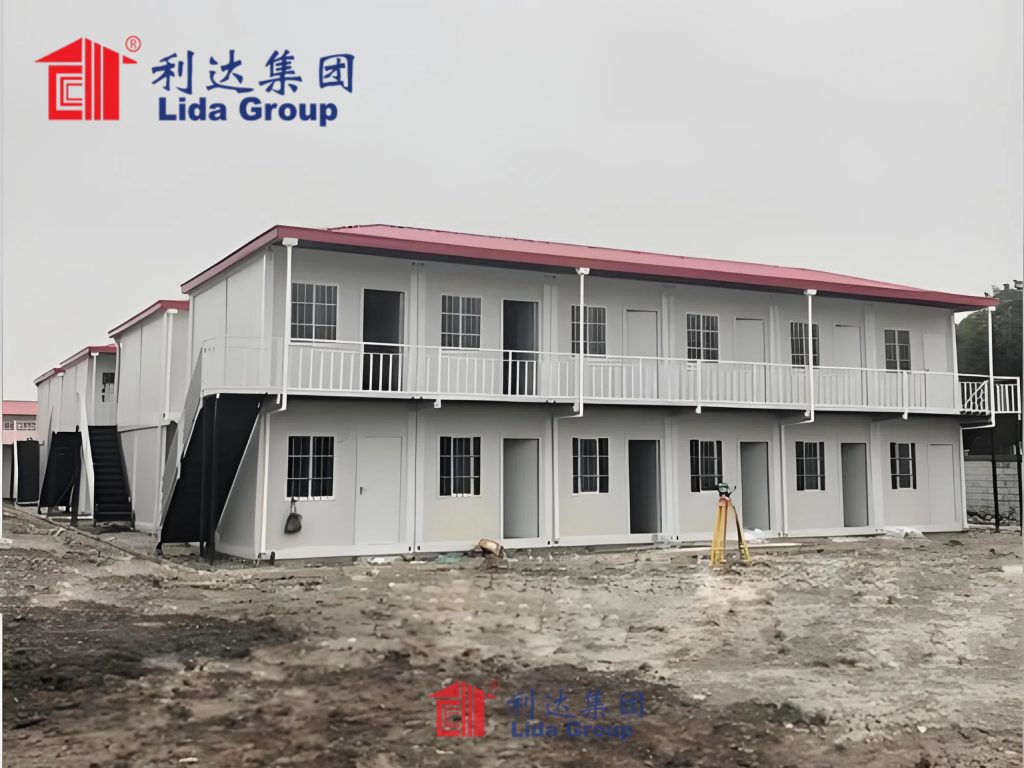
1. Why Container Houses Are the Ultimate Solution for Affordable Living
To understand why container houses are revolutionizing affordable living, it is essential to examine their unique advantages over traditional housing. From reduced upfront costs to lower long-term expenses, and from flexibility to sustainability, container houses check all the boxes for those seeking an affordable, high-quality living space. Below are the key reasons why container houses stand out as the ultimate solution for affordable living.
1.1 Significantly Lower Upfront Costs
The most obvious advantage of container houses is their low upfront cost compared to traditional homes. The foundation of a container house is a repurposed shipping container, which is far more affordable than the materials required for a traditional home (such as bricks, concrete, and lumber). A standard 20-foot shipping container can cost as little as $1,500 to $3,000, while a 40-foot container typically ranges from $2,500 to $5,000—depending on its condition (new or used) and location. In contrast, the materials alone for a traditional 1,000-square-foot home can cost upwards of $50,000, not including labor or land.
Additionally, the construction process for container houses is far faster and less labor-intensive than traditional construction, further reducing upfront costs. A single 20-foot container house can be converted into a livable space in as little as 2 to 4 weeks, while a multi-container home can be completed in 6 to 8 weeks. Traditional homes, by comparison, often take 6 months to a year to build, requiring a larger team of contractors and resulting in higher labor costs. For example, a basic 20-foot container home (converted with insulation, flooring, windows, doors, and basic utilities) can cost between $10,000 and $20,000 total—including materials and labor. A similar-sized traditional home would cost 3 to 5 times that amount, ranging from $30,000 to $100,000 or more.
This significant difference in upfront costs makes container houses accessible to individuals and families who would otherwise be priced out of the housing market. First-time homebuyers, for instance, can avoid the burden of a large down payment and high mortgage payments, while low-income families can secure stable housing without taking on unmanageable debt.
1.2 Reduced Long-Term Operating Costs
Affordable living is not just about upfront savings; it is also about minimizing long-term expenses to maintain financial stability. Container houses excel in this area, thanks to their energy efficiency, durability, and low-maintenance design—all of which reduce monthly and annual operating costs.
Energy efficiency is a key factor in lowering long-term costs. Shipping containers are made of high-strength steel, which, when properly insulated, provides excellent thermal mass—meaning it retains heat in the winter and stays cool in the summer. By adding high-density polyurethane (PU) insulation (with a U-value of 0.3-0.5 W/m²K) to the walls, ceilings, and floors, container houses can reduce energy consumption for heating and cooling by 30-50% compared to traditional homes. This translates to significantly lower utility bills: a typical container home uses 50-70% less energy than a traditional home of the same size, resulting in monthly savings of $50 to $150 on electricity and heating costs.
Maintenance costs are also much lower for container houses. The steel structure of shipping containers is inherently durable and resistant to rot, mold, pests, and weather damage—when properly treated with a corrosion-resistant coating (such as hot-dip galvanizing and polyurea). Unlike traditional homes, which require regular repainting, roof repairs, and termite treatments, container houses require minimal maintenance: occasional inspection of the coating to prevent rust, cleaning of gutters, and basic upkeep of utilities. On average, container house owners spend $500 to $1,000 per year on maintenance, compared to $2,000 to $5,000 per year for traditional homes.
Furthermore, container houses have a long service life—typically 15-20 years with proper maintenance, and up to 30 years with additional upgrades. This means owners do not have to worry about costly repairs or replacements for decades, further reducing long-term expenses and maximizing their investment.
1.3 Flexibility and Adaptability to Changing Needs
Another key advantage of container houses for affordable living is their flexibility and adaptability. Unlike traditional homes, which are fixed in place and difficult to modify, container houses are modular and can be easily expanded, relocated, or repurposed as your needs change—without incurring significant costs. This flexibility ensures that your container house can grow with you, eliminating the need to move to a larger (and more expensive) home as your family or lifestyle changes.
For example, a young professional might start with a single 20-foot container house (approximately 140 square feet) as a starter home, costing between $10,000 and $20,000. As their career progresses and they start a family, they can add a second 20-foot or 40-foot container to expand the space, creating additional bedrooms, a living area, or a kitchen—for an additional $5,000 to $15,000. This expansion can be completed in a matter of weeks, far faster and cheaper than adding an addition to a traditional home (which can cost $20,000 to $50,000 or more).
Container houses are also fully relocatable, making them ideal for individuals who move frequently for work or those who want the freedom to change their living location. A container house can be easily loaded onto a truck and transported to a new site—costing between $1,000 and $5,000, depending on the distance. This eliminates the need to sell your home and buy a new one when you move, saving you time, money, and stress.
Additionally, container houses can be repurposed for a variety of uses as your needs change. A container home that was once used as a residential space can be converted into a home office, a guest house, a storage unit, or even a small business space (such as a café or retail store)—with minimal modifications and costs. This versatility ensures that your container house continues to provide value, even as your lifestyle evolves.
1.4 Sustainability: Affordable Living That Is Good for the Planet
In today’s world, many people seeking affordable living also want to make environmentally responsible choices—and container houses deliver on this front as well. By repurposing shipping containers, which would otherwise end up in landfills, container houses reduce waste and promote recycling. It is estimated that there are over 17 million unused shipping containers worldwide, and repurposing just one container saves approximately 3,500 pounds of steel from being recycled or discarded—reducing carbon emissions and conserving natural resources.
Furthermore, container houses are inherently sustainable due to their energy efficiency. As mentioned earlier, their insulated design reduces energy consumption for heating and cooling, which not only lowers utility bills but also reduces reliance on fossil fuels and decreases carbon emissions. Many container house owners also choose to add renewable energy systems, such as solar panels and battery storage, which can further reduce or eliminate energy costs and make the home fully off-grid. A basic solar panel system for a container house can cost between $3,000 and $8,000, and while this is an upfront investment, it can save thousands of dollars in utility bills over time.
Sustainable living does not have to be expensive—and container houses prove that affordable living and environmental responsibility can go hand in hand. By choosing a container house, you can save money on housing costs while reducing your carbon footprint and contributing to a more sustainable future.
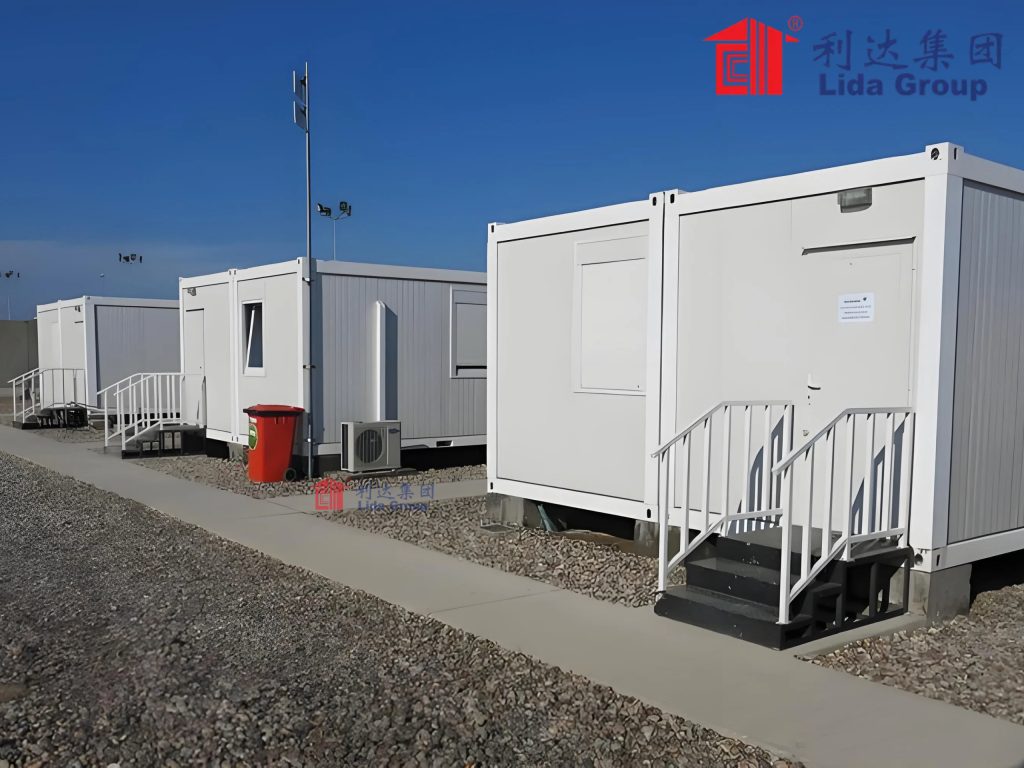
2. Breaking Common Misconceptions About Container Houses
Despite their many advantages, container houses are still surrounded by misconceptions that prevent some people from considering them as a viable option for affordable living. These misconceptions often stem from outdated information or a lack of understanding about modern container house design. Below, we address the most common misconceptions and explain why container houses are a safe, comfortable, and stylish choice for affordable living.
2.1 Misconception 1: Container Houses Are Low-Quality and Unsafe
One of the most prevalent misconceptions about container houses is that they are low-quality, flimsy, and unsafe—nothing more than “metal boxes” that cannot withstand harsh weather or provide adequate protection. This could not be further from the truth. Shipping containers are designed to withstand extreme conditions: they are built from high-strength Q355 structural steel, which can withstand heavy loads (up to 67,200 pounds for a 40-foot container), strong winds (up to 120 mph), and even earthquakes (depending on the foundation). When properly converted, container houses meet or exceed international building standards for safety and durability.
To enhance safety and durability, container houses undergo a series of modifications during conversion: they are treated with corrosion-resistant coatings (hot-dip galvanizing and polyurea) to prevent rust, reinforced with additional steel beams if needed, and fitted with high-quality windows and doors that provide insulation and security. The insulation used in container houses also helps to regulate temperature and reduce noise, making them just as comfortable and safe as traditional homes.
Furthermore, container houses are subject to the same building codes and inspections as traditional homes in most regions. This ensures that they meet strict safety standards for electrical systems, plumbing, fire resistance, and structural integrity. When built by a reputable contractor or following approved plans, container houses are just as safe—if not safer—than traditional homes.
2.2 Misconception 2: Container Houses Are Uncomfortable and Uninviting
Another common misconception is that container houses are cold, dark, and uncomfortable—with a “industrial” feel that makes them uninviting as living spaces. While it is true that a raw shipping container is a metal box with no insulation, windows, or interior finishes, modern container house conversions prioritize comfort and aesthetics, creating spaces that are warm, bright, and welcoming.
Insulation is a key component of making container houses comfortable. High-density PU insulation is added to the walls, ceilings, and floors, which not only regulates temperature but also reduces noise from outside. This means that container houses stay warm in the winter and cool in the summer, just like traditional homes. Additionally, double-glazed windows and doors are used to enhance insulation and reduce heat transfer, further improving comfort.
Aesthetics are also a priority in modern container house design. Interior finishes such as drywall, wood paneling, vinyl flooring, and ceramic tiles are used to create a warm, homey feel. Built-in storage solutions, such as shelves, cabinets, and wardrobes, are integrated into the design to maximize space and reduce clutter. Exterior finishes, such as siding, paint, or stone, can also be added to give the container house a more traditional or custom look—without adding significant costs.
Natural light is another key element of comfortable living, and container houses are designed to maximize it. Strategically placed windows, skylights, and glass doors allow natural light to flood the space, creating a bright, inviting atmosphere. Cross-ventilation is also incorporated into the design, ensuring that fresh air circulates throughout the house, reducing humidity and enhancing comfort.
2.3 Misconception 3: Container Houses Are Not Customizable
Many people believe that container houses are one-size-fits-all and cannot be customized to meet individual needs or preferences. This is false—container houses are highly customizable, and modern designs can be tailored to fit any lifestyle, taste, or budget. From room configurations and interior finishes to additional features such as decks, porches, and solar panels, the possibilities for customization are nearly endless.
For example, if you prefer an open-concept living space, a 40-foot container can be converted into a single large room with a kitchenette, living area, and bedroom—all in one. If you need separate rooms, walls can be added to create bedrooms, a bathroom, and a kitchen. Interior finishes can be customized to match your style: from modern and minimalist to rustic and cozy. Flooring options include vinyl, ceramic tile, hardwood, or concrete—all of which are affordable and durable.
Exterior customization is also possible. Container houses can be painted in any color, fitted with siding or stone accents, and equipped with decks, porches, or balconies to extend living space outdoors. Additional features such as rain gutters, landscaping, and outdoor lighting can also be added to enhance the curb appeal and functionality of the home.
The key to customization is working with a reputable container house designer or contractor who can help you create a space that meets your specific needs and budget. Even on a tight budget, small customizations—such as adding a window, changing the flooring, or painting the exterior—can make a big difference in the look and feel of your container house.
2.4 Misconception 4: Container Houses Are Difficult to Obtain Permits For
Some people worry that container houses are not compliant with local building codes and that obtaining the necessary permits will be difficult, time-consuming, and expensive. While it is true that building codes vary by region, most areas allow container houses as long as they meet specific safety and structural standards—and obtaining permits is often no more difficult than it is for traditional homes.
The first step in obtaining permits for a container house is to check with your local building department to understand the specific requirements in your area. Most regions require a building permit, which involves submitting detailed plans of your container house (including structural design, electrical systems, plumbing, and insulation) for review. Some areas may also require a zoning permit to ensure that the container house is allowed on your property (e.g., in residential zones).
Working with a professional container house designer or contractor can simplify the permit process, as they will be familiar with local building codes and can help you create plans that meet all requirements. In most cases, permits for a container house can be obtained in 2 to 6 weeks, and the cost is typically between $500 and $2,000—depending on the size of the house and your location. This is comparable to the cost and timeline for permits for traditional homes.
It is important to note that failing to obtain the necessary permits can result in fines, legal issues, or even having to tear down your container house. However, with proper planning and professional guidance, obtaining permits for a container house is a straightforward process that should not deter you from choosing this affordable living solution.
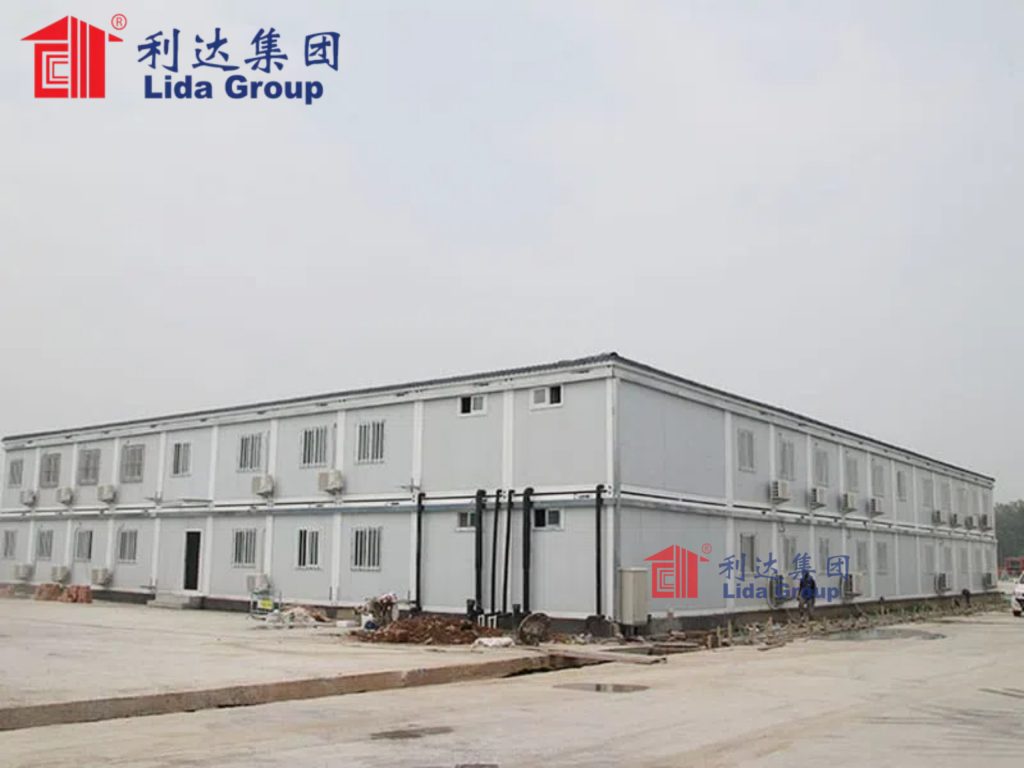
3. Container House Solutions for Different Lifestyles and Budgets
Container houses are highly versatile and can be tailored to fit a wide range of lifestyles and budgets. Whether you are a single professional, a young couple, a growing family, or a retiree, there is a container house solution that meets your needs and financial goals. Below are some popular container house designs for different人群, along with their costs, configurations, and key features—all focused on affordable living.
3.1 Starter Home for Single Professionals or Students (20-Foot Container)
A 20-foot container house is the perfect starter home for single professionals, students, or anyone looking for a compact, affordable living space. With approximately 140 square feet of interior space, it is small but functional—ideal for those who prioritize affordability and simplicity over size.
Configuration: A typical 20-foot container starter home includes a small bedroom/living area, a kitchenette, and a bathroom. The kitchenette is equipped with basic appliances (a mini-fridge, microwave, and hot plate), while the bathroom includes a toilet, sink, and shower. Built-in storage solutions (such as shelves and cabinets) are integrated into the design to maximize space.
Cost: The total cost for a 20-foot container starter home ranges from $10,000 to $20,000, depending on the condition of the container (new or used), the materials used for conversion, and whether you hire a contractor or do it yourself. This includes the cost of the container ($1,500-$3,000), insulation ($1,000-$2,000), flooring ($500-$1,000), windows and doors ($1,000-$2,000), plumbing and electrical systems ($2,000-$4,000), and interior finishes ($1,000-$2,000).
Key Features: Compact size for easy maintenance and low utility bills; energy-efficient insulation to reduce heating and cooling costs; basic but functional amenities; can be placed on a small lot or even in a backyard (with proper permits); ideal for those on a tight budget or who want to save money for future goals.
3.2 Starter Home for Young Couples (40-Foot Container)
A 40-foot container house is a great option for young couples who want a bit more space than a 20-foot container but still want to prioritize affordability. With approximately 280 square feet of interior space, it offers more room for a separate bedroom, living area, kitchen, and bathroom—making it suitable for long-term living.
Configuration: A typical 40-foot container home for young couples includes a private bedroom (with a queen-size bed and built-in storage), an open-concept living area and kitchen, and a full bathroom. The kitchen is equipped with standard appliances (a refrigerator, stove, and sink), while the living area includes space for a sofa, coffee table, and TV. The bathroom includes a toilet, sink, shower, and small vanity.
Cost: The total cost for a 40-foot container home ranges from $15,000 to $30,000. This includes the cost of the container ($2,500-$5,000), insulation ($1,500-$3,000), flooring ($1,000-$2,000), windows and doors ($1,500-$3,000), plumbing and electrical systems ($3,000-$6,000), and interior finishes ($1,500-$3,000). Adding custom features (such as a deck or solar panels) will increase the cost, but it can still be significantly cheaper than a traditional starter home.
Key Features: More space than a 20-foot container, with separate rooms for privacy; energy-efficient design to reduce utility bills; standard kitchen appliances for comfortable living; can be expanded later if the couple starts a family; ideal for young couples who want to build equity without taking on a large mortgage.
3.3 Family Home (Multi-Container Design)
For growing families, a multi-container design is the perfect solution—offering more space, multiple bedrooms, and all the amenities of a traditional family home, but at a fraction of the cost. Multi-container homes typically combine 2 to 4 containers (20-foot or 40-foot) to create a spacious, functional living space.
Configuration: A typical multi-container family home (combining two 40-foot containers) includes 3 bedrooms, 2 bathrooms, an open-concept living area and kitchen, and a dining area. The bedrooms include a master bedroom (with an en-suite bathroom and walk-in closet) and two smaller bedrooms for children. The kitchen is equipped with full-size appliances (refrigerator, stove, dishwasher, and microwave), while the living area is spacious enough for a large sofa, coffee table, and entertainment center. The dining area includes space for a dining table and chairs, and a deck or porch can be added to extend living space outdoors.
Cost: The total cost for a multi-container family home (2-4 containers) ranges from $30,000 to $60,000. This includes the cost of the containers ($5,000-$10,000), insulation ($3,000-$6,000), flooring ($2,000-$4,000), windows and doors ($3,000-$6,000), plumbing and electrical systems ($6,000-$12,000), and interior finishes ($3,000-$6,000). While this is more expensive than a single-container home, it is still 50-70% cheaper than a traditional family home of the same size (which can cost $100,000 to $300,000 or more).
Key Features: Spacious layout with multiple bedrooms and bathrooms for family comfort; full-size kitchen appliances and amenities; energy-efficient design to reduce monthly expenses; flexible design that can be expanded as the family grows; ideal for families who want a comfortable, stable home without the burden of a large mortgage.
3.4 Retirement Home (Small, Low-Maintenance Design)
For retirees looking to downsize and enjoy affordable, low-maintenance living, a small container house (20-foot or 40-foot) is an excellent option. Retiree container homes are designed to be accessible, comfortable, and easy to maintain—allowing retirees to enjoy their golden years without the stress of high housing costs or extensive upkeep.
Configuration: A typical retiree container home (40-foot) includes a master bedroom (with a walk-in closet and accessible bathroom), a small living area, a kitchenette or full kitchen, and a laundry area. The bathroom is designed with accessibility in mind, including grab bars, a walk-in shower, and a raised toilet. The living area is spacious enough for a sofa, recliner, and TV, while the kitchen includes easy-to-reach cabinets and appliances. Built-in storage solutions are integrated to reduce clutter, and a small deck or porch is added for outdoor relaxation.
Cost: The total cost for a retiree container home ranges from $15,000 to $25,000. This includes the cost of the container ($2,500-$5,000), insulation ($1,500-$3,000), flooring ($1,000-$2,000), accessible windows and doors ($1,500-$3,000), plumbing and electrical systems ($3,000-$6,000), and interior finishes ($1,500-$3,000). Retirees can also add features such as solar panels to reduce energy costs or a ramp for accessibility—for an additional $3,000-$8,000.
Key Features: Low-maintenance design to reduce upkeep costs; accessible features for comfort and safety; energy-efficient to lower utility bills; compact size for easy navigation; ideal for retirees on a fixed income who want to downsize and enjoy financial freedom.
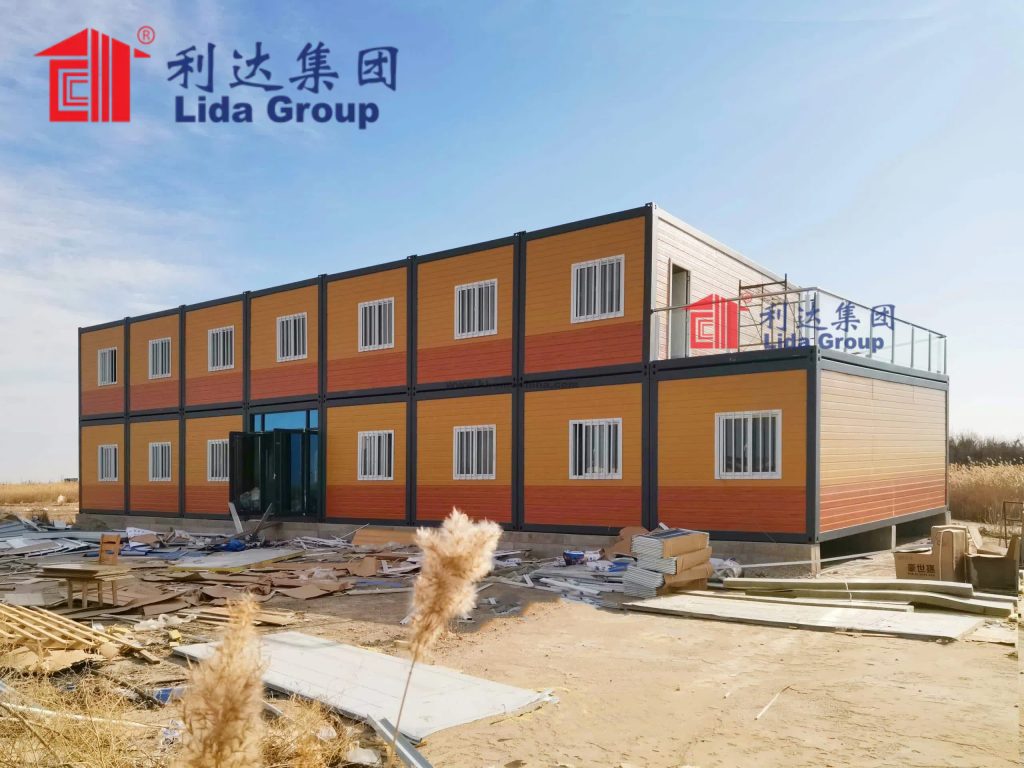
4. How to Build or Buy a Cost-Effective Container House for Affordable Living
If you are ready to embrace affordable living with a container house, the next step is to decide whether to build it yourself (DIY) or hire a professional contractor—and to navigate the process from start to finish. Below is a step-by-step guide to help you build or buy a cost-effective container house that meets your needs and budget.
4.1 Step 1: Set a Budget and Define Your Needs
The first and most important step is to set a realistic budget and define your specific needs. Start by determining how much you can afford to spend on your container house—including upfront costs (container, materials, labor) and long-term costs (utilities, maintenance, permits). Be sure to leave a buffer of 10-15% for unexpected expenses, such as repairs or additional customization.
Next, define your needs: How many bedrooms and bathrooms do you need? Do you want a kitchenette or a full kitchen? Do you need space for a home office or storage? Are you planning to expand the house later? Do you need accessible features (for retirees or individuals with disabilities)? Answering these questions will help you determine the size and configuration of your container house, as well as the materials and features you will need.
4.2 Step 2: Choose Between DIY or Hiring a Contractor
Once you have a budget and clear needs, you need to decide whether to build your container house yourself (DIY) or hire a professional contractor. Both options have their advantages and disadvantages, and the choice depends on your skills, time, and budget.
DIY: Building a container house yourself can save you money on labor costs—reducing the total cost by 30-50%. However, it requires a certain level of skill and experience with construction, plumbing, and electrical work. If you are not experienced, you may need to take classes or hire professionals for certain tasks (such as electrical or plumbing), which can add to the cost. DIY also takes more time—typically 2-4 months for a single container house, compared to 2-4 weeks for a professional.
Hiring a Contractor: Hiring a professional container house contractor is more expensive, but it saves you time and ensures that the job is done correctly and up to code. Contractors have the experience, skills, and tools needed to convert a container into a livable space quickly and efficiently. They can also help you with design, permits, and customization—making the process stress-free. When hiring a contractor, be sure to get multiple quotes, check references, and review their portfolio to ensure they have experience building container houses.
4.3 Step 3: Source a High-Quality Shipping Container
The foundation of your container house is the shipping container, so it is important to source a high-quality container that is durable and in good condition. There are two main types of containers to choose from: new (one-trip) containers and used containers.
New Containers: New containers are unused and in perfect condition—with no dents, rust, or damage. They are more expensive ($2,500-$5,000 for a 40-foot container) but offer the longest service life and require minimal repairs. New containers are a good option if you want a low-maintenance house and are willing to spend a bit more upfront.
Used Containers: Used containers are more affordable ($1,500-$3,000 for a 20-foot container) and are a great option for those on a tight budget. However, they may have dents, rust, or other damage, so it is important to inspect them carefully before purchasing. Look for containers that are “wind and water tight” (WWT) or “cargo worthy” (CW), which means they are still in good condition and can withstand harsh weather. Avoid containers with significant rust, holes, or structural damage, as these will require costly repairs.
You can source shipping containers from local container suppliers, online marketplaces (such as Craigslist or eBay), or shipping companies. Be sure to compare prices and inspect the container in person before making a purchase.
4.4 Step 4: Secure Permits and Prepare the Site
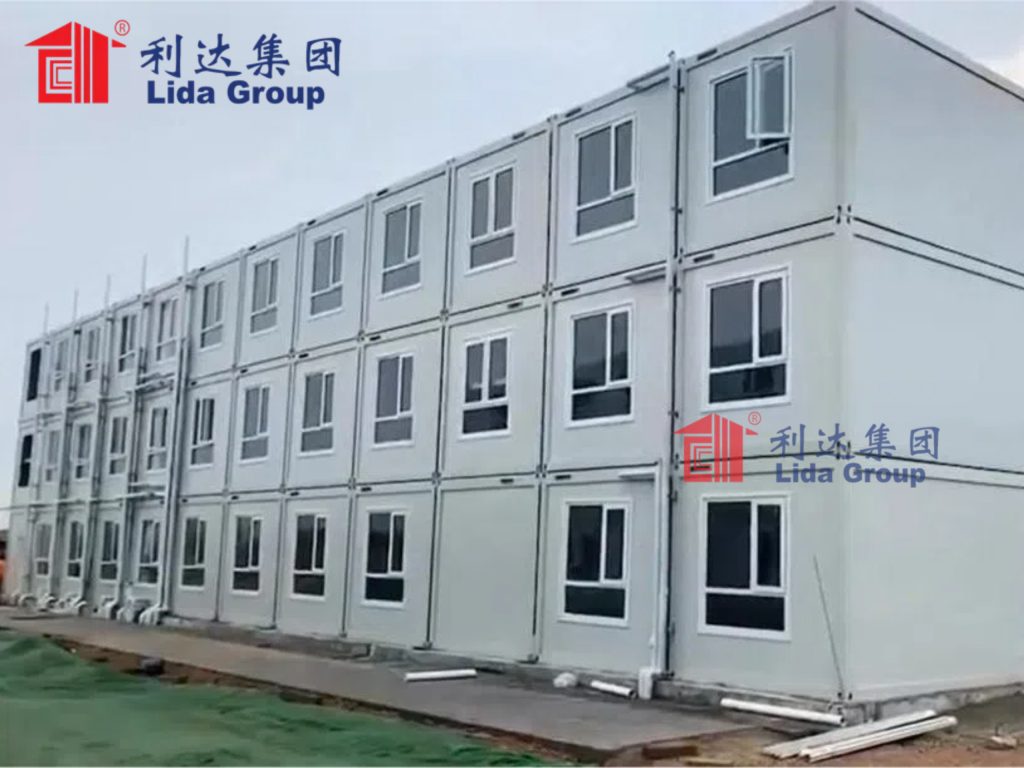
Before you start building, you need to secure the necessary permits from your local building department (as discussed earlier) and prepare the building site. The site preparation process includes clearing the land, leveling the ground, and installing a foundation. The type of foundation you need depends on your location and the size of your container house:
– Concrete Slab: A concrete slab is the most common foundation for container houses. It is affordable, durable, and easy to install—costing between $1,000 and $3,000 for a 20-foot container. The slab should be level and slightly larger than the container to provide support.
– Gravel Pad: A gravel pad is a more affordable option ($500-$1,500) and is ideal for temporary or small container houses. It involves leveling the ground and adding a layer of compacted gravel to provide drainage and support.
– Piers: Piers are concrete or steel posts that are driven into the ground to support the container. They are ideal for uneven terrain or areas with poor soil—costing between $1,500 and $4,000.
Site preparation also includes installing utilities (water, electricity, and sewage) to the site. This can be done by a professional utility company or a contractor, and the cost depends on your location and the distance from the utility lines.
4.5 Step 5: Convert the Container into a Livable Space
The conversion process is the most important step in building a container house. It involves modifying the container to make it livable—including adding insulation, windows, doors, plumbing, electrical systems, and interior finishes. Below is a breakdown of the key conversion steps:
1. Clean and Prepare the Container: Start by cleaning the container thoroughly to remove dirt, debris, and any hazardous materials. Repair any dents, rust, or holes, and apply a corrosion-resistant coating (hot-dip galvanizing and polyurea) to prevent rust.
2. Cut Openings for Windows and Doors: Use a plasma cutter or angle grinder to cut openings for windows and doors. Be sure to reinforce the openings with steel beams to maintain the structural integrity of the container.
3. Add Insulation: Install high-density PU insulation to the walls, ceilings, and floors. This will regulate temperature, reduce noise, and improve energy efficiency. The insulation should be covered with drywall or wood paneling to create a finished look.
4. Install Plumbing and Electrical Systems: Run plumbing lines for sinks, toilets, and showers, and install electrical wiring for lights, outlets, and appliances. This should be done by a licensed plumber and electrician to ensure compliance with building codes.
5. Add Flooring, Walls, and Ceilings: Install flooring (vinyl, ceramic tile, or hardwood) over the insulated floor. Add drywall or wood paneling to the walls and ceilings, and paint or finish them to match your style.
6. Install Windows, Doors, and Fixtures: Install high-quality windows and doors (double-glazed for insulation) and add fixtures such as light fixtures, faucets, and cabinetry.
7. Final Touches: Add interior finishes such as paint, trim, and decor, and install exterior features such as a deck, porch, or landscaping.
4.6 Step 6: Maintain Your Container House for Long-Term Affordability
To ensure that your container house remains affordable and durable for years to come, it is important to perform regular maintenance. Below are some key maintenance tips:
– Inspect the exterior coating annually for rust or damage, and touch up with paint or coating as needed.
– Clean gutters and downspouts regularly to prevent water damage.
– Check windows and doors for leaks, and replace weatherstripping if needed.
– Inspect plumbing and electrical systems annually for leaks or issues.
– Clean and maintain flooring and interior finishes to prevent wear and tear.
By following these maintenance tips, you can extend the service life of your container house and avoid costly repairs down the line.

5. Real-World Success Stories: Affordable Living with Container Houses
To further illustrate the benefits of container houses for affordable living, below are three real-world success stories of individuals and families who have embraced this housing solution and achieved financial freedom and comfort.
5.1 Sarah: A Young Professional’s Starter Home
Sarah, a 26-year-old marketing professional in Austin, Texas, was tired of paying $1,200 per month in rent—money that was not building equity and was preventing her from saving for the future. She decided to build a 20-foot container house as her starter home, with a budget of $15,000.
Sarah purchased a used 20-foot container for $2,000, hired a contractor to handle the electrical and plumbing work (costing $3,000), and did the rest of the conversion herself (insulation, flooring, windows, and interior finishes—costing $10,000). The finished house includes a small bedroom/living area, a kitchenette, and a bathroom, with built-in storage to maximize space.
Today, Sarah lives in her container house and pays just $50 per month in utility bills (thanks to its energy-efficient design) and $100 per month in property taxes. She has no mortgage payment, and she saves over $1,000 per month compared to her previous rent. In just one year, she has saved over $12,000—money she is using to pay off student loans and save for a future expansion of her container house.
“My container house has changed my life,” Sarah says. “I no longer feel stressed about money, and I’m building equity in a home that is truly mine. It’s small, but it’s comfortable and perfect for my lifestyle. I plan to add a second container next year to create more space, but for now, this is exactly what I need.”
5.2 The Martinez Family: A Affordable Family Home
The Martinez family—Juan, Maria, and their two young children—were struggling to afford a traditional family home in Phoenix, Arizona, where the median home price is over $400,000. They decided to build a multi-container home using two 40-foot containers, with a budget of $40,000.
The Martinez family purchased two used 40-foot containers for $8,000, hired a contractor to handle the conversion and site preparation (costing $25,000), and added custom features such as a deck and solar panels (costing $7,000). The finished home includes 3 bedrooms, 2 bathrooms, an open-concept living area and kitchen, and a dining area—with a total of 560 square feet of living space.
Today, the Martinez family pays just $75 per month in utility bills (thanks to the solar panels and energy-efficient insulation) and $150 per month in property taxes. They have no mortgage payment, and they save over $2,000 per month compared to what they would pay for a traditional home or rental property. The home is spacious enough for their family, and they plan to add a third container in a few years as their children grow.
“We never thought we would be able to own a home that is comfortable and affordable,” Maria says. “The container house has given us financial stability and a safe, happy place for our family. It’s not a ‘perfect’ traditional home, but it’s perfect for us—and that’s all that matters.”
5.3 Robert: A Retiree’s Low-Maintenance Dream Home
Robert, a 65-year-old retiree in Florida, was looking to downsize after his wife passed away. He wanted a low-maintenance home that was affordable, accessible, and close to his children. He decided to build a 40-foot container house with a budget of $20,000.
Robert purchased a new 40-foot container for $4,000, hired a contractor to handle the conversion (including accessible features such as grab bars and a walk-in shower—costing $14,000), and added a small deck for outdoor relaxation (costing $2,000). The finished home includes a master bedroom, a small living area, a full kitchen, and an accessible bathroom—with built-in storage to reduce clutter.
Today, Robert lives comfortably in his container house. He pays just $60 per month in utility bills and $120 per month in property taxes. The home is easy to maintain, and the accessible features make it safe for him as he ages. He has no mortgage payment, and he uses the money he saves to travel and spend time with his grandchildren.
“Retirement should be about enjoying life, not worrying about money or home maintenance,” Robert says. “The container house has given me exactly that. It’s simple, affordable, and perfect for my needs. I wish I had made the switch sooner.”
6. Future Trends in Container Houses for Affordable Living
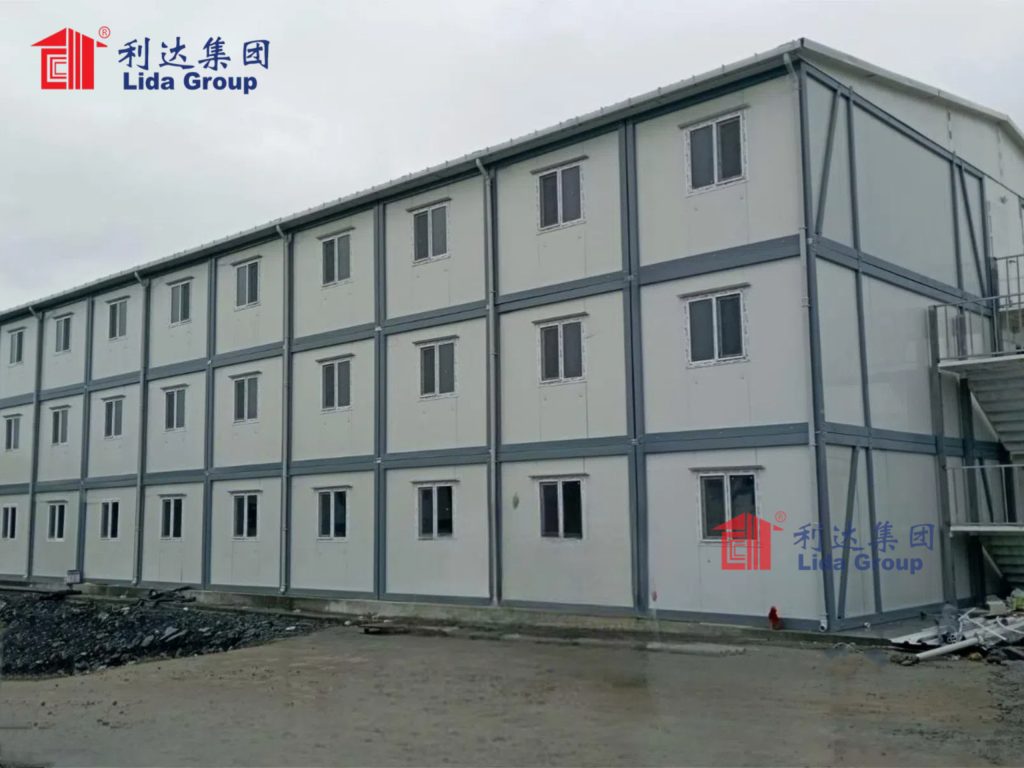
The popularity of container houses for affordable living is only growing, and the industry is evolving to meet the changing needs of homeowners. Below are some future trends that will shape the future of container houses—and make them even more accessible and desirable for affordable living.
6.1 Increased Accessibility and Affordability
As more people embrace container houses, the cost of materials and labor will continue to decrease—making them even more affordable for low-income individuals and families. Additionally, governments and non-profit organizations are starting to recognize container houses as a solution to the affordable housing crisis, and they are offering grants, subsidies, and tax incentives to help people build or buy container houses. This will make container houses accessible to even more people who are priced out of the traditional housing market.
6.2 Integration of Smart Home Technology
Smart home technology is becoming increasingly popular, and it is starting to be integrated into container house designs. Features such as smart thermostats, LED lighting, and security systems can be added to container houses to improve energy efficiency, convenience, and safety—without adding significant costs. For example, a smart thermostat can automatically adjust the temperature to reduce energy consumption, while a smart security system can be controlled remotely via a smartphone. These features will make container houses even more comfortable and efficient for homeowners.
6.3 More Stylish and Customizable Designs
Gone are the days when container houses looked like “metal boxes.” Modern container house designs are becoming more stylish and customizable, with a focus on aesthetics and comfort. Designers are using a variety of exterior finishes (such as siding, stone, and wood) to give container houses a more traditional or custom look, while interior designs are becoming more sophisticated—with open-concept layouts, high-end finishes, and custom cabinetry. This will make container houses more appealing to people who want an affordable home that is also stylish and unique.
6.4 Focus on Off-Grid Living
More and more people are seeking off-grid living options to reduce their reliance on utility companies and lower their monthly expenses. Container houses are ideal for off-grid living, thanks to their energy-efficient design and the ability to integrate renewable energy systems (such as solar panels and wind turbines). Future container house designs will focus on off-grid capabilities, with features such as rainwater collection systems, composting toilets, and solar-powered appliances—making it easier for homeowners to live off the grid and achieve complete financial freedom.
Conclusion
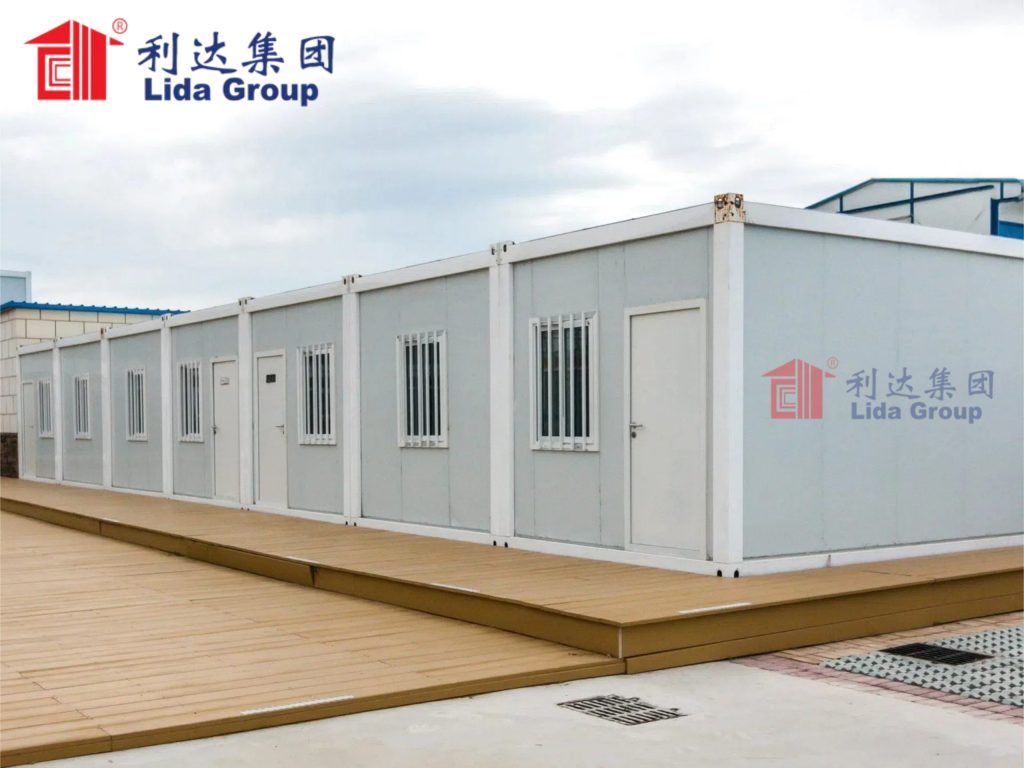
Discovering affordable living with cost-effective container houses is not just a trend—it is a practical, sustainable solution to the global housing crisis. Container houses offer a unique combination of low upfront costs, reduced long-term expenses, flexibility, and sustainability—making them accessible to individuals and families who would otherwise be priced out of the housing market. Whether you are a single professional, a young couple, a growing family, or a retiree, there is a container house solution that meets your needs and budget.
By breaking down common misconceptions about container houses—such as the belief that they are low-quality, uncomfortable, or not customizable—we have shown that modern container houses are safe, comfortable, and stylish spaces that can rival traditional homes in terms of quality and functionality. With the right planning, budgeting, and professional guidance, building or buying a container house is a straightforward process that can lead to financial stability, reduced stress, and a comfortable place to call home.
The real-world success stories of Sarah, the Martinez family, and Robert demonstrate that container houses are not just a theoretical solution—they are changing lives by providing affordable, stable housing to people from all walks of life. These stories prove that affordable living does not have to mean sacrificing quality, comfort, or style—and that container houses are a viable option for anyone looking to achieve financial freedom and build equity in a home.
As the container house industry continues to evolve, with increased accessibility, smart home integration, stylish designs, and a focus on off-grid living, container houses will become an even more popular choice for affordable living. Whether you are looking to build your first home, downsize, or escape the burden of high rent and mortgage payments, a cost-effective container house offers a path to affordable living that is both practical and sustainable.
In the end, affordable living is about more than just saving money—it is about creating a life of financial stability, comfort, and freedom. Container houses provide this opportunity, allowing you to focus on what truly matters in life—whether it is saving for the future, spending time with family, or pursuing your passions. So why wait? Discover affordable living with a cost-effective container house today, and take the first step toward a happier, more financially secure future.

Related news
-
Maximize Value with Our Cost-Effective Container House Design
2026-01-29 17:05:17
-
Lida Group Launches Durable Mobile Container Dormitory Series
2026-01-29 16:50:53
-
Rapid Deployment of Durable Mobile Dormitories by Lida Group
2026-01-29 16:37:25
contact us
- Tel: +86-532-88966982
- Whatsapp: +86-13793209022
- E-mail: sales@lidajituan.com
