



Customizable Prefab House Solutions from Lida Group
2025-Nov-26 16:57:51
By Admin
In an era marked by urbanization, sustainability mandates, and the need for efficient construction, prefabricated housing has emerged as a transformative force in the global building industry. According to the 2025 Prefabricated House Market Report, the sector is projected to grow from \(132.74 billion in 2024 to \)189.96 billion by 2029, driven by a compound annual growth rate (CAGR) of 7.4% . This exponential growth is fueled by increasing demand for affordable, eco-friendly, and energy-efficient housing solutions, as well as the rising need for temporary and emergency shelters in remote or disaster-prone regions. Among the key players shaping this market, Lida Group stands out as a leading manufacturer and innovator, offering customizable prefab house solutions that blend durability, versatility, and sustainability.
Founded in 1993 and headquartered in Weifang, Shandong, China, Lida Group (officially Weifang Henglida Steel Structure Co., Ltd.) has established itself as one of the largest producers of prefabricated houses, container houses, steel villas, and steel structure warehouses in China . With over 20 years of specialized experience, the company has exported its products to more than 90 countries worldwide, earning recognition for its adherence to international quality standards, including ISO 9001, CE, BV, and SGS certifications . Lida Group’s impressive portfolio includes supplying prefab solutions for iconic Chinese projects such as the Olympic Sailing Center, Qingdao Bay Bridge, and Qingdao Channel Tunnel, solidifying its reputation as a trusted partner for large-scale infrastructure developments .
What sets Lida Group apart in the competitive prefab market is its unwavering commitment to customization. Unlike generic modular homes that offer limited flexibility, Lida Group’s solutions are designed to meet the unique needs of diverse clients—from individual homeowners seeking dream residences to industrial giants requiring durable on-site accommodations. This article explores the full spectrum of Lida Group’s customizable prefab house solutions, delving into product offerings, technical specifications, customization processes, project success stories, and the company’s role in shaping the future of sustainable construction.
1. Company Overview: Lida Group’s Legacy of Excellence in Prefab Construction
1.1 History and Core Competencies
Lida Group’s journey in prefabricated construction began in 1993, with a focus on steel structure engineering. Over the decades, the company has expanded its expertise to encompass container house conversions, integrated prefabricated house systems, and light steel villas, evolving into a one-stop provider of modular building solutions . Today, Lida Group operates an 83,000-square-meter manufacturing facility equipped with advanced production lines: 5 for prefabricated houses, 5 for container houses, 3 for steel structure warehouses/workshops, and 1 dedicated to light steel villas . This extensive infrastructure enables the company to meet high-volume demands, with a supply capacity of 3,000 prefab house sets per week and 50,000 square meters of prefabricated space per month .
The company’s success is rooted in its team of 750 professionals, including 50 engineers and 200 overseas project supervisors . These experts bring a wealth of experience in structural design, material science, and cross-border project management, ensuring that every Lida Group solution meets the highest standards of quality, safety, and functionality. Lida Group’s commitment to excellence is further reinforced by its adherence to rigorous quality control processes, including cutting, bending, welding, shot blasting, ultrasonic testing, and third-party inspections by SGS, BV, or TÜV upon client request .
1.2 Global Reach and Certification
Lida Group’s global footprint spans more than 90 countries, with its prefab solutions deployed across diverse regions—from the Arctic’s harsh cold to the Middle East’s scorching deserts, and from African rural communities to European urban centers . This international presence is supported by the company’s compliance with global certifications, including ISO 9001:2015, CE EN 1090, and SGS standards . These certifications validate the quality, safety, and environmental performance of Lida Group’s products, ensuring compatibility with local building codes and regulations worldwide.
For example, the CE certification ensures that Lida Group’s prefab houses meet European Union safety, health, and environmental protection standards, while ISO 9001:2015 certification reflects the company’s commitment to quality management systems . Such credentials have made Lida Group a preferred supplier for international organizations, government projects, and private enterprises seeking reliable modular solutions.
1.3 Core Values and Sustainability Commitment
At the heart of Lida Group’s operations are three core values: quality, customization, and sustainability. The company recognizes that prefabricated construction offers inherent environmental advantages—reduced material waste, lower on-site pollution, and energy efficiency—and has integrated these principles into every aspect of its business . Lida Group’s prefab houses are designed to minimize carbon footprints, with features such as energy-efficient insulation, renewable energy integration (e.g., solar panels), and the use of sustainable materials like recycled steel and eco-friendly sandwich panels .
In line with global sustainability trends, Lida Group’s solutions support green building certifications and align with the United Nations’ Sustainable Development Goals (SDGs), particularly those related to affordable and clean energy (SDG 7) and sustainable cities and communities (SDG 11) . By prioritizing sustainability, Lida Group not only meets the growing demand for eco-friendly housing but also contributes to a more resilient and environmentally responsible construction industry.
2. Lida Group’s Customizable Prefab House Product Portfolio
Lida Group offers a diverse range of prefab house solutions, each designed to cater to specific applications and client needs. From compact container houses to spacious steel villas, every product line emphasizes customization, allowing clients to tailor dimensions, materials, layouts, and finishes to their unique requirements. Below is a detailed overview of the company’s core product offerings:
2.1 Prefabricated Sandwich Panel Houses
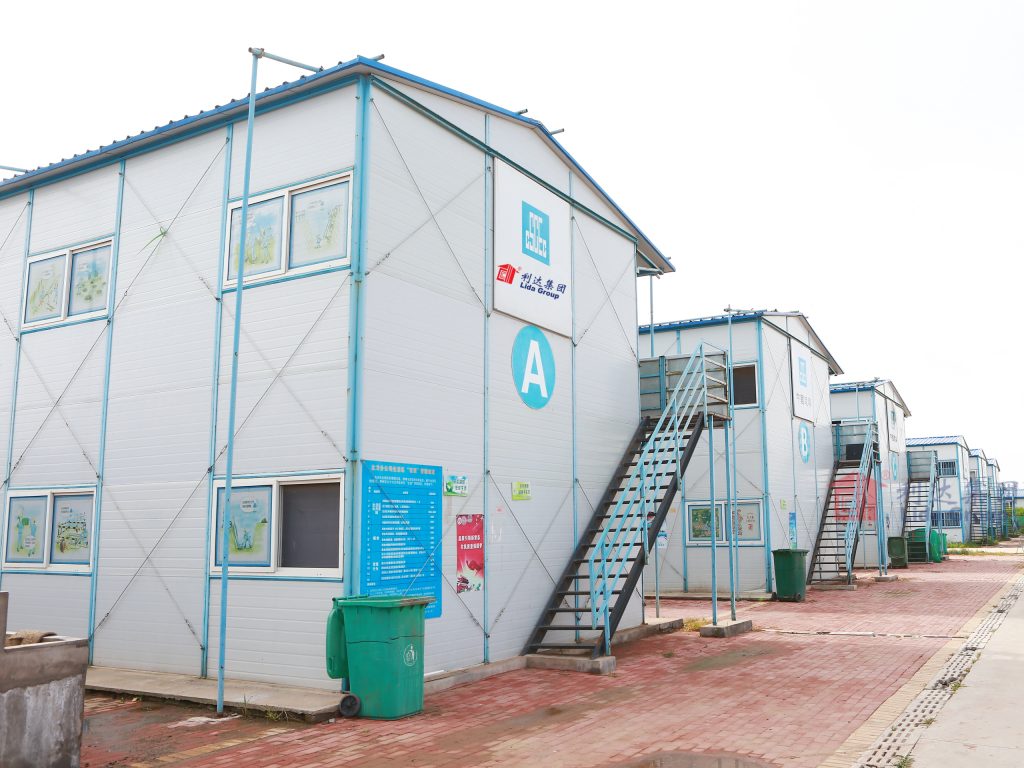
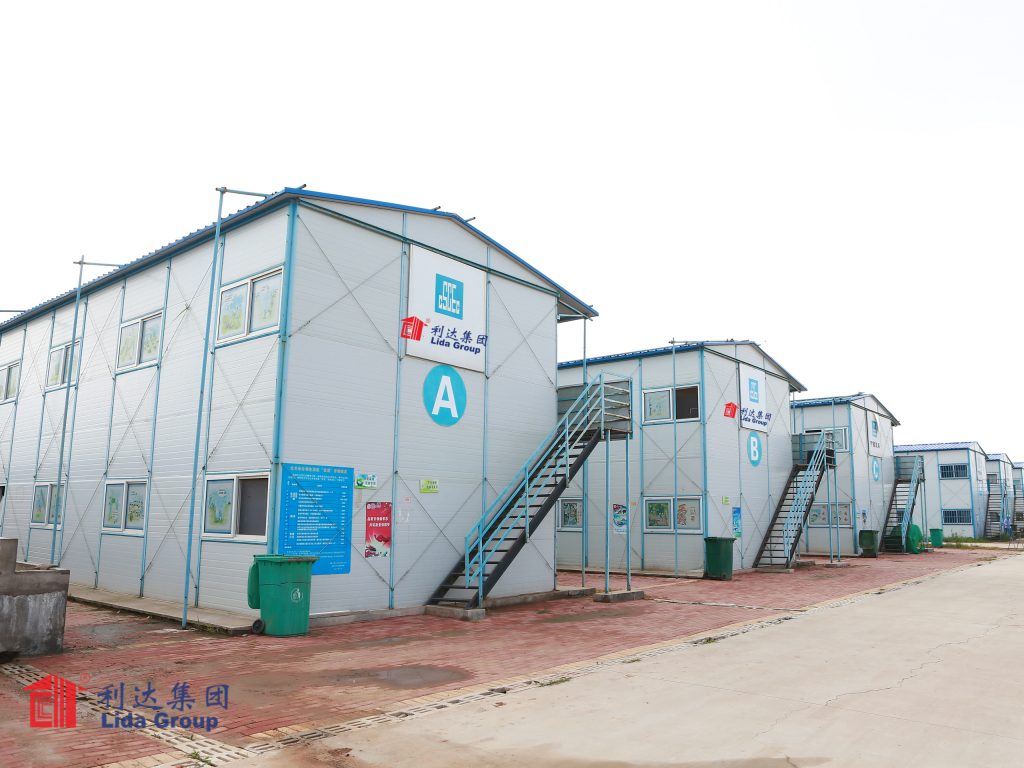
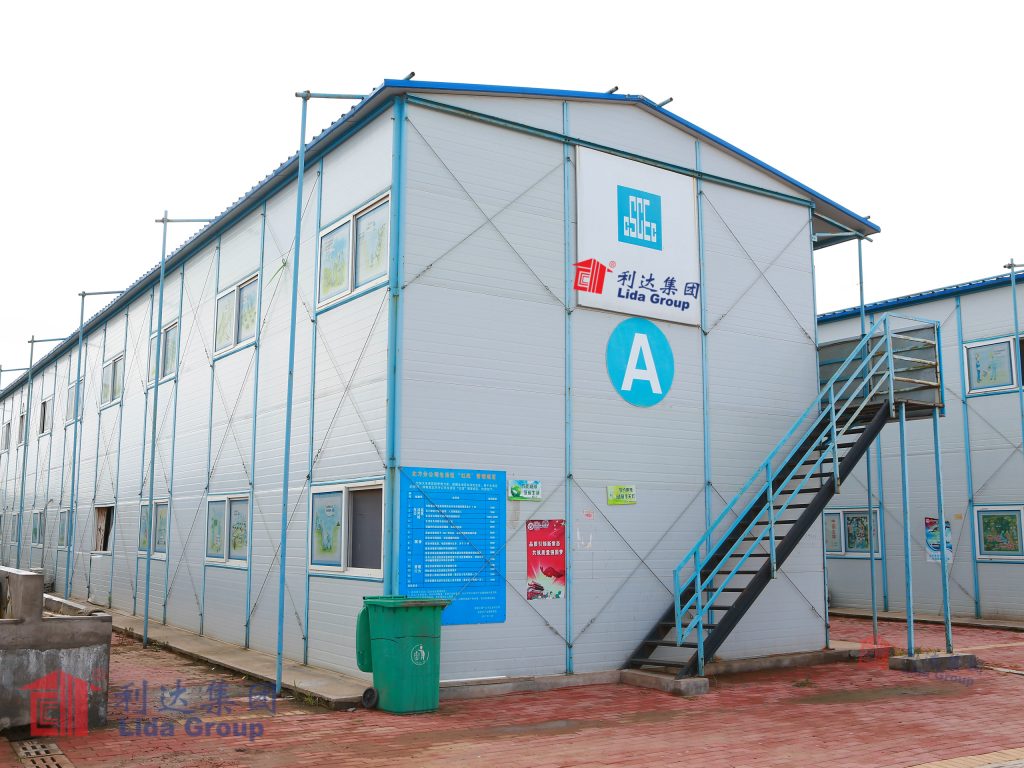
The prefabricated sandwich panel house is Lida Group’s flagship product, renowned for its versatility, durability, and energy efficiency. These houses are constructed using light steel frames and sandwich panels (available in EPS, rock wool, fiber glass wool, or PU materials), offering exceptional insulation, soundproofing, and moisture resistance . The standard model (Lida-PH 001) features the following specifications :
- Steel Frame: Q235 square tube columns, C-section steel purlins, and roof steel structure with alkyd painting (twice primer, twice finish)
- Roof Panel: 75mm EPS panel with 0.4mm galvanized color steel on both sides (EPS density: 12 kg/m³); customizable to 50mm, 100mm, 150mm, or 200mm thickness with alternative insulation materials
- Exterior Wall Panel: 75mm EPS panel (same specifications as roof panel); customizable with rock wool, fiber glass wool, or PU for fire resistance or enhanced thermal performance
- Interior Wall Panel: 50mm EPS panel with 0.4mm galvanized color steel
- Doors/Windows: Sandwich panel doors and PVC sliding windows (customizable to aluminum alloy windows or UPVC sliding windows)
- Ceiling: 6mm gypsum ceiling board
- Flooring: 20mm plywood with 1.5mm PVC floor leather (ceramic tiles available as an upgrade)
- Accessories: 0.5mm galvanized color steel, self-screws, bolts, and CE-certified electrical components (IP44 standard power distribution box, 220V-250V CEE industrial plugs)
Key customization options for sandwich panel houses include:
- Dimensions: Modular design based on 1.8m units, with single-story, two-story, or three-story configurations available
- Foundation: Choice of concrete strip foundation (without steel chassis) or steel chassis mounted on concrete blocks
- Insulation Materials: EPS (cost-effective), rock wool (fire-resistant), fiber glass wool (eco-friendly), or PU (high thermal efficiency)
- Finishes: Customizable exterior colors, interior paint, flooring materials, and fixtures
- Functionality: Adaptable for offices, schools, hotels, dormitories, shops, toilets, and guard houses
These houses offer a service lifespan of over 20 years and can be assembled/disassembled more than 6 times, making them ideal for temporary or semi-permanent use . They also boast impressive structural performance, with wind resistance up to Grade 12, wall permitted loading of 0.6 kN/m², and ceiling permitted live loading of 0.5 kN/m² .
2.2 Container Houses
Lida Group’s container houses are a popular choice for clients seeking portable, durable, and customizable solutions. Based on standard shipping container sizes (10FT, 16FT, 20FT, 40FT), these houses can be modified into a wide range of applications, including offices, dormitories, shops, ablution facilities, and emergency shelters . The company offers five core container house types:
- Flat Pack Container House: Steel-frame structure with prefabricated components (roofing frame, corner pillars, floor frame) for easy on-site assembly. All parts are shipped in flat-pack crates with AR assembly guides, enabling DIY installation .
- Foldable Container House: Designed for maximum portability, these houses can be folded for efficient transportation and quickly unfolded on-site.
- Expandable Container House: Features expandable sections to increase living/working space without compromising portability.
- Welding Container House: Custom-welded structures for specialized applications requiring enhanced durability.
- Modified Shipping Container House: Repurposed shipping containers converted into habitable spaces, offering an eco-friendly and cost-effective option .
Key specifications and customization options for container houses :
- Material: Steel structure, sandwich panels (EPS/rock wool/fiber glass wool/PU), and galvanized color steel
- Certification: CE, TÜV, and ISO 9001 compliance
- Supply Capacity: 2,000 sets per month
- Delivery Time: 25-30 days (partial shipment allowed for large orders)
- Customization:
-
- Roll-up shutters for shops or storage spaces
-
- Retractable glass roofs for glamping or stargazing applications
-
- Graffiti-resistant steel or moss-friendly untreated panels for exterior finishes
-
- Integrated solar panels and off-grid power systems
-
- Cultural adaptations (e.g., open-air flow for tropical regions, enhanced thermal retention for arctic climates)
Lida Group’s container houses are widely used in industrial projects, mining camps, oil & gas sites, and disaster relief efforts, thanks to their ability to withstand extreme weather conditions (from -40°C cold snaps to hurricane-force winds) and corrosive environments .
2.3 Steel Villas and Steel Structure Warehouses
For clients seeking permanent or large-scale modular solutions, Lida Group offers steel villas and steel structure warehouses. These products combine the advantages of prefabricated construction (quick installation, cost efficiency) with the durability and aesthetic appeal of traditional buildings .
Steel Villas
Lida Group’s light steel villas are designed for residential use, offering spacious layouts, customizable designs, and long-term durability. Key features include:
- Frame: Light steel structure with Q235 steel columns and beams
- Walls/Roof: Sandwich panels (customizable insulation materials)
- Design Flexibility: Modern, traditional, or custom architectural styles; single-story or multi-story configurations
- Applications: Private residences, vacation homes, farmhouses, and courtyard houses
- Sustainability: Energy-efficient insulation, solar panel integration, and eco-friendly materials
Steel Structure Warehouses/Workshops
These large-scale prefabricated structures are ideal for industrial use, offering high load-bearing capacity, clear-span design, and quick construction. Specifications include:
- Frame: Q235 steel columns and H-beam girders
- Roof/Walls: Sandwich panels or corrugated steel sheets
- Customization: Adjustable height, door sizes (roll-up or sliding), and ventilation systems
- Supply Capacity: 50,000 square meters per month
2.4 Labor Camps and Temporary Accommodations
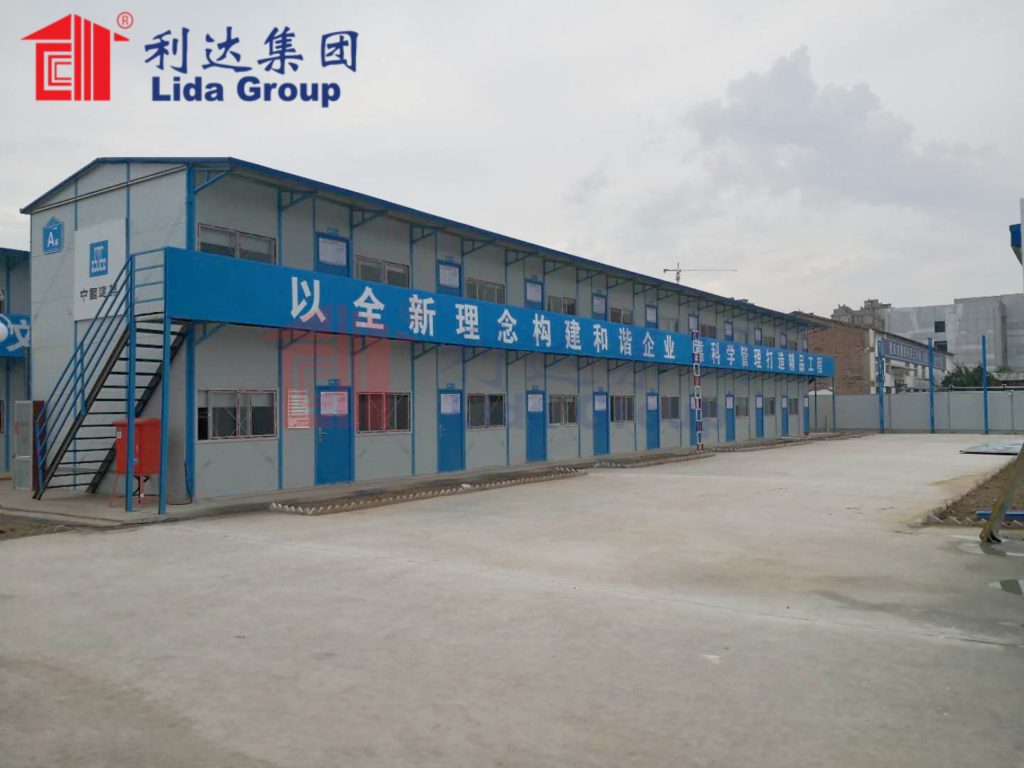
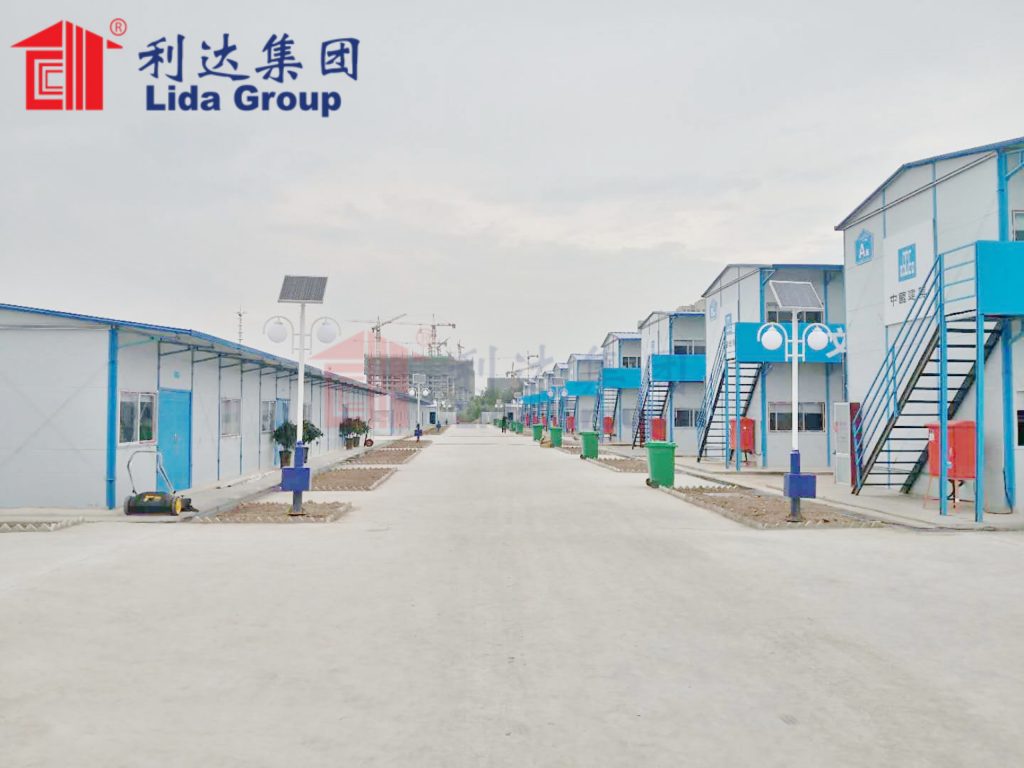
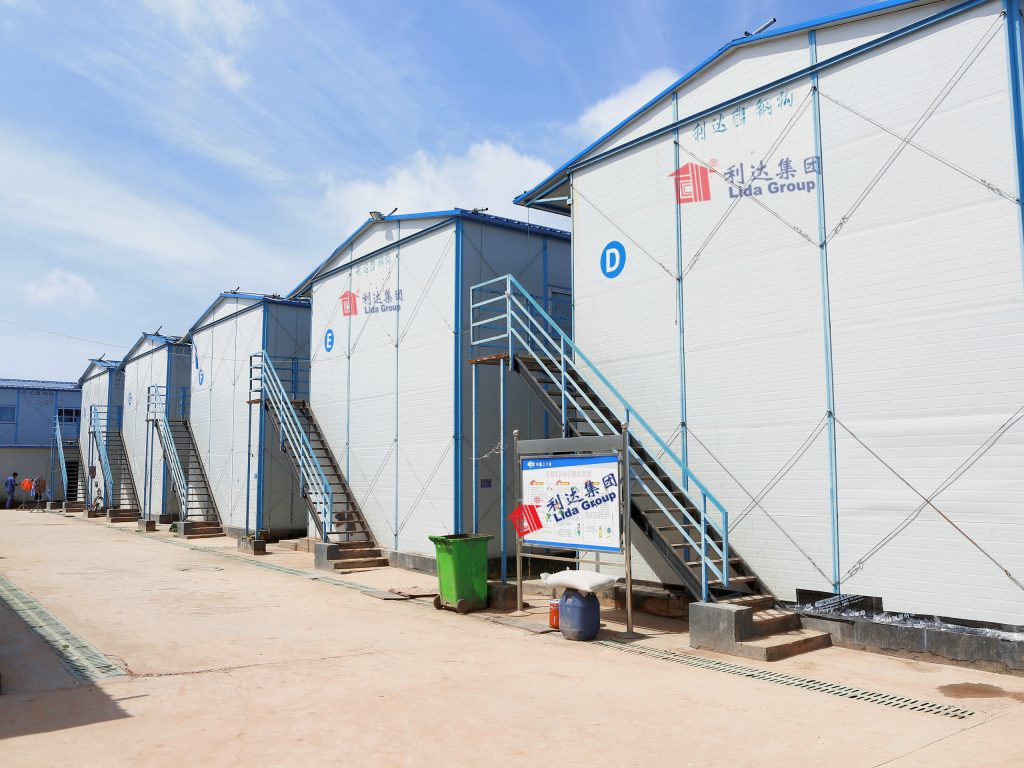
Lida Group specializes in providing total solutions for labor camps, offering integrated prefabricated villages that include dormitories, offices, kitchens, toilets, shower rooms, and recreation spaces . These camps are designed to accommodate large numbers of workers in industrial or construction projects, with features such as:
- Modular Layout: Horizontal and vertical expansion capabilities to scale with project needs
- Durability: Steel frames and fire-resistant materials for long-term use
- Hygiene and Comfort: Adequate ventilation, insulation, and ablution facilities
- Cost Efficiency: Reusable components and low maintenance requirements
Lida Group’s labor camps have been deployed in major infrastructure projects worldwide, including mining sites in Chile, oil fields in the Middle East, and construction projects in Africa .

3. The Customization Process: From Concept to Completion
Lida Group’s approach to customization is rooted in collaboration, innovation, and attention to detail. The company’s OEM (Original Equipment Manufacturer) and ODM (Original Design Manufacturer) services allow clients to translate their unique visions into tangible, functional spaces—whether it’s a pop-up workspace in Dubai, emergency housing in Kenya, or a luxury glamping resort in Switzerland . Below is a step-by-step breakdown of Lida Group’s customization process:
3.1 Step 1: Visioneering and Needs Assessment
The customization journey begins with a deep dive into the client’s requirements, goals, and constraints. Lida Group’s team of engineers, architects, and project managers works closely with the client to understand:
- Application: Residential, commercial, industrial, temporary, or emergency use
- Site Conditions: Soil type, wind patterns, climate (temperature extremes, precipitation), seismic activity, and local building codes
- Functional Requirements: Space layout, number of rooms, specialized features (e.g., labs, storage, medical facilities)
- Aesthetic Preferences: Design style (modern, traditional, minimalist), color schemes, and exterior finishes
- Budget and Timeline: Cost constraints, delivery deadlines, and installation schedules
To ensure accuracy, Lida Group conducts a “site DNA analysis,” which includes soil tests, wind tunnel simulations, and legal code reviews . The team also uses AI cost simulations to help clients balance aesthetics with budget, providing alternative material or design suggestions to optimize value .
3.2 Step 2: Design and Engineering
Once the needs assessment is complete, Lida Group’s design team creates detailed plans using advanced software, including CAD (Computer-Aided Design) and BIM (Building Information Modeling). Clients are invited to participate in virtual reality (VR) walkthroughs of the design, allowing them to visualize the space and make real-time adjustments .
Key design considerations include:
- Structural Integrity: Ensuring the prefab house can withstand local weather conditions (e.g., wind resistance, thermal insulation)
- Energy Efficiency: Integrating insulation, renewable energy systems, and energy-efficient fixtures to reduce operational costs
- Sustainability: Selecting eco-friendly materials with minimal environmental impact (e.g., recycled steel, low-VOC paints)
- Cultural Sensitivity: Adapting designs to local traditions and preferences (e.g., open-air layouts for Balinese homes, thermal retention for Canadian arctic units)
For example, a recent project for a Swiss glamping resort required 20 modular units with retractable glass roofs for stargazing. Lida Group’s design team translated the client’s sketch into a CAD model within 72 hours, incorporating local building codes and sustainability requirements .
3.3 Step 3: Material Selection and Customization
Lida Group offers a wide range of high-quality materials, allowing clients to customize every aspect of their prefab house. The company provides a “material passport” for each project, detailing the origin, eco-impact, and performance characteristics of selected materials . Key material customization options include:
Structural Materials
- Steel Frames: Q235 steel (standard) or high-strength steel for enhanced durability
- Foundations: Concrete strip foundation or steel chassis (for portability)
Insulation Materials
- EPS (Expanded Polystyrene): Cost-effective, lightweight, and suitable for moderate climates
- Rock Wool: Fire-resistant, soundproof, and ideal for industrial or high-temperature environments
- Fiber Glass Wool: Eco-friendly, non-toxic, and offers excellent thermal insulation
- PU (Polyurethane): High thermal efficiency, moisture-resistant, and suitable for extreme climates
Exterior Finishes
- Galvanized Color Steel: Durable, corrosion-resistant, and available in custom colors
- Corten Steel: Weather-resistant, develops a unique patina over time
- Reclaimed Teak: Eco-friendly, aesthetically pleasing, and suitable for tropical regions
- Moss-Friendly Untreated Panels: Sustainable, blends with natural surroundings
Interior Finishes
- Flooring: PVC floor leather, ceramic tiles, hardwood, or bamboo
- Walls: Gypsum board, wood paneling, or painted sandwich panels
- Fixtures: Customizable kitchen cabinets, bathroom fixtures, and lighting
3.4 Step 4: Manufacturing and Quality Control
Once the design and material selections are finalized, production begins at Lida Group’s state-of-the-art factory. The controlled manufacturing environment ensures precision, consistency, and quality, with minimal material waste compared to on-site construction .
Key manufacturing processes include:
- Cutting and Bending: Precision cutting of steel frames using advanced machinery
- Welding: Ultrasonic-tested welds to ensure structural integrity
- Shot Blasting: Surface treatment to remove rust and improve paint adhesion
- Painting: Alkyd painting (twice primer, twice finish) for corrosion resistance
- Panel Fabrication: Production of sandwich panels with custom insulation materials
- Assembly: Pre-installation of electrical components, plumbing, and fixtures to streamline on-site assembly
Lida Group’s quality control team conducts rigorous inspections at every stage of manufacturing, including:
- Dimensional checks to ensure compliance with design specifications
- Material testing (e.g., insulation efficiency, steel strength)
- Electrical and plumbing system testing
- Third-party inspections by SGS, BV, or TÜV (upon client request)
3.5 Step 5: Shipping and Logistics
Lida Group’s logistics team handles the transportation of prefab components to the client’s site, ensuring timely and cost-effective delivery. The company offers flexible shipping options, including:
- Container Shipment: Flat-pack components are packed in standard shipping containers for global transport
- Partial Shipment: For large orders, components can be shipped in batches to align with on-site installation schedules
- Site-Specific Logistics: Customized transportation plans for remote or challenging locations (e.g., mountainous regions, island sites)
The team also considers regional factors such as port protocols, monsoon seasons, and cultural quirks (e.g., avoiding “unlucky” color schemes in certain regions) to ensure a smooth delivery process .
3.6 Step 6: On-Site Installation and After-Sales Service
Lida Group provides comprehensive on-site installation services, with a team of experienced supervisors and technicians to oversee assembly . The installation process is streamlined thanks to prefabricated components, with most projects completed in a fraction of the time required for traditional construction. For example, a standard 20FT container house can be assembled in 1-2 days, while a larger labor camp can be installed in 2-3 weeks .
Key installation services include:
- Foundation preparation (if required)
- Assembly of steel frames and sandwich panels
- Connection of electrical and plumbing systems
- Finishing touches (e.g., flooring, painting, fixture installation)
Lida Group also offers exceptional after-sales service, including:
- Warranty: 2-year warranty on all products
- On-Site Maintenance: Technical support and maintenance services for overseas projects
- Replacement Parts: Quick supply of replacement components if needed
- Disassembly and Relocation: Assistance with disassembling and relocating prefab houses for temporary projects
4. Project Case Studies: Lida Group’s Customization in Action
Lida Group’s customizable prefab house solutions have been deployed in diverse projects worldwide, showcasing the company’s ability to adapt to unique client needs and challenging environments. Below are three standout case studies:
4.1 Case Study 1: Arctic Mining Camp, Canada
Client: A global mining company operating in northern Canada
Challenge: Need for durable, energy-efficient housing that can withstand -40°C temperatures, strong winds, and remote location logistics
Solution: Customized steel-frame prefab houses with enhanced thermal insulation
- Materials: Rock wool sandwich panels (150mm thickness) for superior insulation, Q235 steel frame with anti-corrosion coating, and triple-glazed windows
- Design: Compact, modular layout with shared common areas to minimize heat loss; integrated solar panels and diesel generators for off-grid power; reinforced flooring for heavy equipment
- Outcome: 50-unit labor camp accommodating 200 workers, with a service lifespan of 25 years. The houses maintain internal temperatures of 22°C even in extreme cold, reducing energy costs by 30% compared to traditional on-site construction. Installation was completed in 6 weeks, 50% faster than the client’s original timeline .
4.2 Case Study 2: Glamping Resort, Switzerland
Client: A luxury travel company specializing in eco-tourism
Challenge: Create unique, sustainable glamping units that blend with the natural landscape and offer stargazing opportunities
Solution: 20 expandable container houses with retractable glass roofs
- Materials: Reclaimed teak exterior, fiber glass wool insulation (eco-friendly), and galvanized steel frames
- Design: Retractable glass roofs with motorized controls, open-air terraces, and minimalist interiors with custom wood finishes; solar-powered lighting and heating systems; rainwater collection for irrigation
- Outcome: The resort opened ahead of schedule, with the prefab units receiving rave reviews for their design and sustainability. The modular design allows the resort to expand with additional units as demand grows, and the retractable roofs have become a key selling point for guests .
4.3 Case Study 3: Emergency Housing, Kenya
Client: An international nonprofit organization responding to flooding
Challenge: Provide quick, durable emergency housing that can withstand monsoons, termites, and heavy rainfall
Solution: Flat-pack container houses with termite-resistant materials and elevated foundations
- Materials: Corrosion-resistant steel frame, rock wool sandwich panels (waterproof), and termite-treated plywood flooring
- Design: Elevated on concrete blocks to avoid flooding; modular layout with 2-bedroom units for families; easy-to-assemble components requiring minimal tools
- Outcome: 100 units installed in 2 weeks, providing shelter for 500 displaced people. The houses withstood subsequent monsoon seasons, and their flat-pack design allowed for cost-effective transportation to remote flood-affected regions. The nonprofit has since ordered additional units for other disaster relief projects .
5. Key Advantages of Lida Group’s Customizable Prefab House Solutions
Lida Group’s customizable prefab houses offer numerous advantages over traditional construction and generic modular homes, making them a preferred choice for clients worldwide. These advantages include:
5.1 Cost Efficiency
- Bulk Material Purchasing: Lida Group’s large-scale manufacturing allows for bulk purchasing of materials, resulting in lower costs passed on to clients .
- Reduced Labor Costs: Prefabricated components are assembled in a factory, reducing on-site labor requirements and associated costs .
- Minimal Waste: Controlled manufacturing environments minimize material waste (typically 5-10% compared to 20-30% for on-site construction) .
- Lower Operational Costs: Energy-efficient insulation and renewable energy integration reduce long-term utility bills .
5.2 Speed of Construction
- Factory Production: Prefab components are manufactured concurrently with site preparation, reducing overall project time by 30-50% .
- Quick Installation: Most prefab houses can be assembled in days or weeks, compared to months for traditional construction. For example, a 20FT container house takes 1-2 days to install, while a large labor camp takes 2-3 weeks .
- No Weather Delays: Factory production is not affected by weather conditions, ensuring on-time delivery .
5.3 Durability and Safety
- High-Quality Materials: Lida Group uses premium materials such as Q235 steel and fire-resistant sandwich panels, ensuring a service lifespan of 20-25 years .
- Structural Integrity: Rigorous engineering and testing ensure the houses can withstand extreme weather (wind resistance up to Grade 12), seismic activity, and corrosive environments .
- Safety Certifications: Compliance with ISO, CE, and SGS standards ensures adherence to global safety regulations .
- Fire Resistance: Rock wool and fiber glass wool insulation materials offer fire resistance, enhancing occupant safety .
5.4 Sustainability
- Reduced Carbon Footprint: Prefabricated construction reduces on-site pollution and energy use, resulting in 30-40% lower carbon emissions compared to traditional building .
- Sustainable Materials: Use of recycled steel, eco-friendly insulation, and low-VOC finishes minimizes environmental impact .
- Energy Efficiency: High-performance insulation and renewable energy integration (solar panels, wind turbines) reduce reliance on fossil fuels .
- Reusability: Prefab houses can be disassembled and relocated, reducing waste and extending their useful life .
5.5 Versatility and Customization
- Adaptable Designs: Modular layouts allow for horizontal and vertical expansion, making prefab houses suitable for residential, commercial, industrial, and emergency use .
- Tailored Solutions: Clients can customize every aspect of their prefab house, from dimensions and materials to finishes and fixtures .
- Global Adaptability: Designs are adapted to local climates, building codes, and cultural preferences, ensuring compatibility worldwide .
6. Industry Trends and Lida Group’s Future Outlook
The prefabricated house market is evolving rapidly, driven by technological advancements, sustainability mandates, and changing consumer preferences. Key trends shaping the industry include :
- Integration of Smart Home Technologies: IoT (Internet of Things) devices, smart thermostats, and remote monitoring systems are becoming standard features in prefab homes.
- 3D Printing for Modular Components: 3D printing is enabling faster production of custom components, reducing lead times and costs.
- Increased Automation in Factory Production: Robotics and AI are improving manufacturing efficiency and precision.
- Growing Demand for Green Building Certifications: Clients are increasingly seeking prefab homes that meet LEED, BREEAM, or other green building standards.
- Expansion in Emerging Markets: Asia-Pacific, Africa, and Latin America are experiencing rapid growth in prefab housing demand, driven by urbanization and affordable housing needs.
Lida Group is well-positioned to capitalize on these trends, with ongoing investments in research and development (R&D) and technology. The company’s future plans include:
- Smart Home Integration: Developing prefab houses with integrated IoT systems for remote control of lighting, heating, and security.
- 3D Printing Adoption: Exploring 3D printing for custom components to enhance design flexibility and reduce production time.
- Renewable Energy Innovation: Expanding the integration of solar panels, wind turbines, and energy storage systems to create net-zero energy prefab homes.
- Market Expansion: Strengthening presence in emerging markets such as Africa and Latin America, with a focus on affordable housing and emergency shelter solutions.
- Sustainability Leadership: Developing new eco-friendly materials and manufacturing processes to further reduce carbon footprints.
7. Conclusion: Why Lida Group is the Preferred Choice for Customizable Prefab House Solutions
Lida Group’s customizable prefab house solutions represent the future of construction—efficient, sustainable, and tailored to meet the unique needs of clients worldwide. With over 20 years of experience, a global footprint spanning 90+ countries, and a commitment to quality and innovation, the company has established itself as a leader in the prefabricated housing industry.
What sets Lida Group apart is its holistic approach to customization, which begins with a deep understanding of client needs and ends with on-site installation and after-sales support. The company’s diverse product portfolio—from sandwich panel houses and container homes to steel villas and labor camps—offers solutions for every application, while its advanced manufacturing processes ensure durability, energy efficiency, and sustainability.
Lida Group’s success is validated by its impressive track record of projects, including iconic infrastructure developments in China and custom solutions for clients in extreme environments (Arctic mines, Swiss glamping resorts, Kenyan disaster zones). The company’s adherence to global certifications (ISO, CE, SGS) and its focus on sustainability align with the growing demand for eco-friendly, high-quality prefab housing.
As the prefabricated house market continues to grow, Lida Group remains at the forefront of innovation, leveraging technology and R&D to deliver cutting-edge solutions that meet the evolving needs of clients. Whether you’re an individual homeowner seeking a dream residence, a business requiring industrial housing, or an organization responding to a crisis, Lida Group’s customizable prefab house solutions offer the perfect balance of quality, flexibility, and value.
In a world where speed, sustainability, and customization are paramount, Lida Group is not just building prefab houses—they’re building the future of living and working spaces.
Related news
-
Lida Group Completes Project Using Sandwich Panel Construction
2025-11-25 17:53:51
-
Lida Group's Prefab House Offers Superior Energy Efficiency
2025-11-25 17:34:03
-
Why Choose Cost-Effective Sandwich Panel Construction?
2025-11-25 17:20:20
contact us
- Tel: +86-532-88966982
- Whatsapp: +86-13793209022
- E-mail: sales@lidajituan.com
