



Customizable Prefab House Designs for Any Need
2025-Dec-09 15:25:17
By Admin
Introduction
The global construction industry is undergoing a profound transformation driven by evolving consumer demands, urbanization pressures, and the urgent need for sustainable development. In this context, prefabricated (prefab) houses have emerged from being mere “temporary structures” to versatile, high-performance buildings that cater to diverse needs. Unlike the one-size-fits-all prefab models of the past, modern customizable prefab house designs leverage advanced technologies, modular engineering, and flexible manufacturing to adapt to residential, commercial, emergency, and specialized environmental requirements. According to the “2025 Global Modular Construction Market Report,” the demand for customizable prefab solutions is growing at a compound annual growth rate (CAGR) of 18.7%—outpacing the overall construction industry’s 4.2% growth. This surge is fueled by three key factors: the desire for personalized living and working spaces, the need for rapid deployment in time-sensitive projects, and the imperative to reduce carbon emissions in construction.
Traditional construction methods, with their long lead times (6-12 months for residential projects), high waste generation (30% of total construction waste), and limited design flexibility, are increasingly unable to meet modern needs. Customizable prefab houses address these pain points by combining factory precision with on-demand customization, offering shorter delivery cycles (30-90 days), 80% less on-site waste, and unparalleled adaptability. From compact urban apartments and luxury villas to emergency shelters and industrial work camps, customizable prefab designs are redefining what modular construction can achieve. This article explores the core dimensions of customization, technological enablers, real-world applications across industries, performance advantages, sustainability credentials, and future trends, demonstrating how prefab houses are now capable of meeting virtually any spatial requirement.
The Core Dimensions of Customizable Prefab House Designs
Customization in prefab housing extends far beyond aesthetic tweaks; it encompasses four interconnected dimensions: spatial configuration, functional integration, material selection, and intelligent adaptation. These dimensions work in tandem to create buildings that align with specific user needs, environmental conditions, and functional requirements.
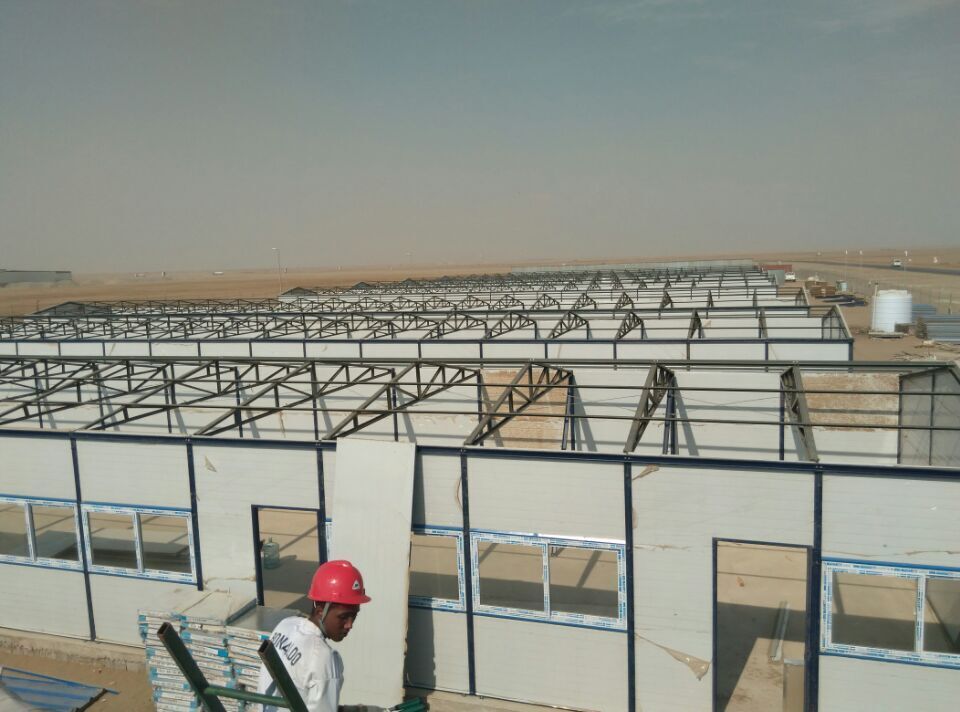
Spatial Configuration: Flexibility in Size and Layout
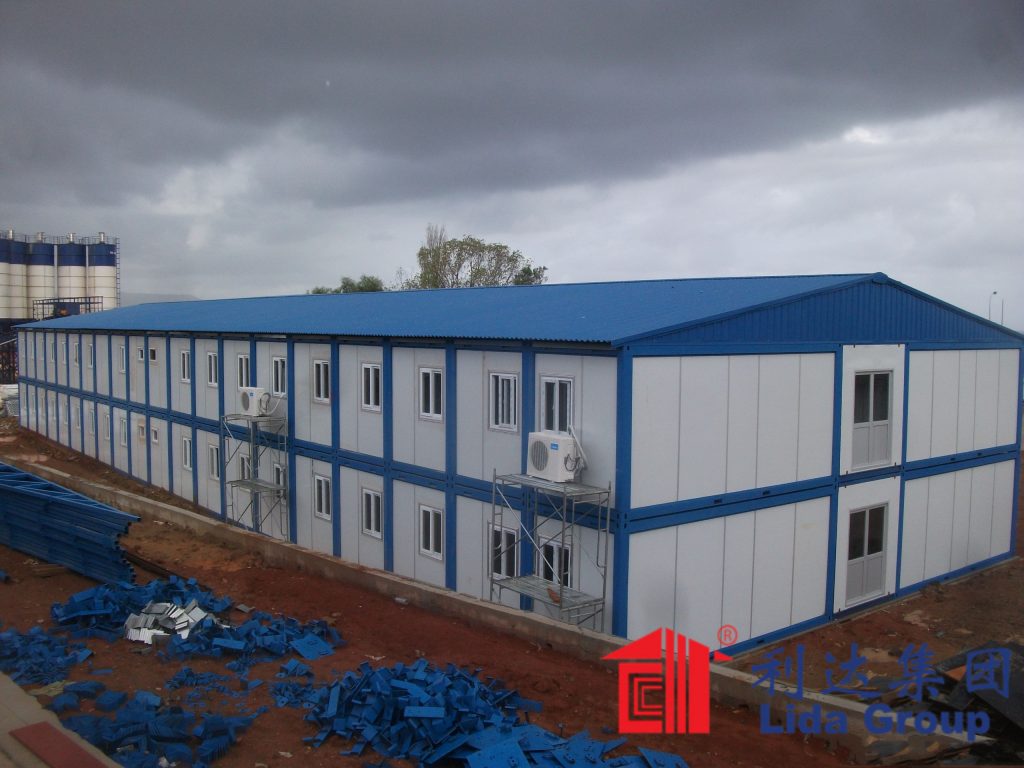
Modern prefab houses are built on modular systems that allow infinite spatial customization. Unlike traditional prefab structures limited by fixed dimensions, contemporary designs offer scalable modules that can be combined horizontally, vertically, or in complex configurations to create spaces ranging from 15-square-meter micro-units to 500-square-meter multi-story villas.
The modular building blocks typically range from standard 20ft (605524352896mm) and 40ft (1219224352896mm) container-based modules to custom-sized steel frame modules. These modules can be connected to form open-plan living areas, multi-bedroom residences, or mixed-use spaces with integrated offices, kitchens, and recreational zones. For example, Dichu Equipment Technology Co., Ltd.’s expandable prefab house starts as a 35-square-meter unit but can be extended to 70 square meters by unfolding side panels, accommodating growing families or changing needs. Vertically, modules can be stacked up to 6 stories with proper structural reinforcement, as demonstrated in China State Construction Hailong Technology Co., Ltd.’s Hong Kong Kai Tak Public Housing Project, where 12-story residential buildings were constructed using modular integrated construction (MiC) technology.
Spatial customization also includes flexible internal layouts. Prefab houses can be designed with movable partitions, modular furniture, and multi-functional spaces that adapt to different uses. For instance, a home office can transform into a guest room with foldable walls and convertible furniture, maximizing space efficiency in urban environments. This flexibility is particularly valuable in densely populated cities where space is at a premium, allowing residents to optimize small footprints without compromising on functionality.
Functional Integration: Tailoring to Specific Use Cases
Customizable prefab houses are engineered to integrate specialized functions based on their intended use. Whether for residential, commercial, emergency, or industrial applications, the internal systems and amenities can be tailored to meet specific operational requirements.
Residential prefab homes can be customized with luxury features such as smart home systems, energy-efficient appliances, spa bathrooms, and rooftop gardens. China State Construction Science and Industry Co., Ltd.’s Shanghai Pujiang Town Smart Low-Carbon Villa, for example, includes a 10kWh energy storage system, rooftop solar panels generating 5,000 kWh annually, and voice-activated smart home controls—all integrated into the prefabricated modules. For commercial use, prefab structures can be designed as offices, retail stores, or food service outlets with customized layouts, lighting systems, and customer-facing amenities. Emergency prefab houses, on the other hand, prioritize rapid deployment and essential services, such as medical stations with examination rooms, dormitories for rescue personnel, and sanitation modules with water purification systems.
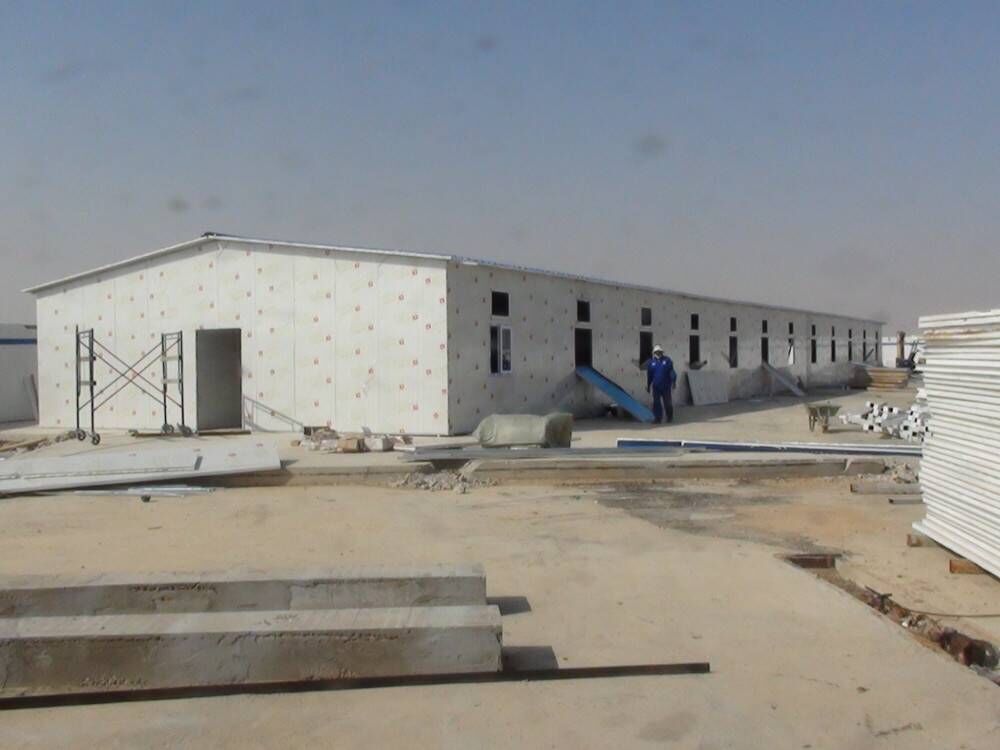
Specialized functional integration is also critical for extreme environments. Prefab houses for desert regions may include solar-powered cooling systems, sandstorm-resistant exteriors, and water harvesting modules. For high-altitude areas (-25℃), 100mm rock wool insulation layers and heating systems ensure indoor temperatures remain above 18℃. In coastal regions prone to typhoons, reinforced steel frames with wind load capacity up to 1.5 kN/m² (Category 12 typhoon) provide structural stability.
Material Selection: Balancing Performance, Aesthetics, and Sustainability
Material customization is a key aspect of prefab house design, allowing customers to balance durability, aesthetics, environmental impact, and cost. Modern prefab houses offer a wide range of material options for frames, walls, roofs, and interiors, each selected to meet specific performance requirements.
Structural materials include hot-dip galvanized steel (2.0-2.5mm thickness), high-strength alloy steel, and light steel frames—each providing different levels of corrosion resistance, load-bearing capacity, and seismic performance. For example, Dichu Equipment’s emergency prefab houses use high-strength galvanized steel frames that achieve 11-level wind resistance and 8-level seismic resistance, with a weight-bearing capacity of 20 tons per unit. Wall materials range from 75mm glass fiber insulation cores with aluminum-zinc color steel plates to 100mm rock wool panels for extreme temperatures, offering varying levels of insulation, fire protection (Class A non-combustible standards), and soundproofing.
Aesthetic customization includes exterior cladding options such as wood, stone, metal, or fiber cement panels, allowing prefab houses to blend with their surroundings or make a design statement. Interior finishes can be customized with eco-friendly paints, flooring (wood, tile, or vinyl), and fixtures to match personal preferences. Sustainable material options are increasingly popular, including recycled steel, low-VOC (volatile organic compound) finishes, and renewable materials like bamboo—aligning with green building principles.
Intelligent Adaptation: Smart Technologies for Dynamic Needs
The latest evolution in customizable prefab houses is the integration of smart technologies that enable dynamic adaptation to changing user needs and environmental conditions. These intelligent systems enhance comfort, efficiency, and functionality, making prefab houses more responsive than traditional buildings.
Key smart features include IoT (Internet of Things) sensors for energy management, temperature control, and security; BIM (Building Information Modeling) integration for lifecycle management; and renewable energy systems such as solar panels and energy storage. Dichu Equipment’s “house-storage integration” prefab houses, for example, combine 10kW rooftop solar panels with 30kWh lithium iron phosphate energy storage systems, providing off-grid power for three days of household use after four hours of charging. These systems can be customized to meet specific energy needs, from basic lighting to powering industrial equipment.
Smart home automation allows users to control lighting, HVAC (heating, ventilation, and air conditioning), and appliances via voice commands or mobile apps, adapting the living environment to their preferences. For commercial prefab spaces, intelligent systems can monitor occupancy, energy usage, and maintenance needs, optimizing operational efficiency. In emergency scenarios, smart sensors can detect hazards such as fires or structural damage, triggering alerts and automated responses to ensure safety.
Technological Enablers of Customization
The ability to deliver highly customized prefab houses at scale is made possible by three transformative technologies: modular integrated construction (MiC), digital design tools, and intelligent manufacturing. These technologies work together to streamline the customization process, reduce costs, and ensure precision and quality.
Modular Integrated Construction (MiC): The Foundation of Flexibility
MiC technology is the cornerstone of modern customizable prefab houses. It involves manufacturing complete building modules in a controlled factory environment, each containing fully integrated structural, mechanical, electrical, and finishing components. Unlike traditional prefabrication, which focuses on individual components, MiC modules are functional units that can be combined to form any type of building.
The advantages of MiC for customization are profound. Factory production allows for high precision (up to 0.2mm tolerance in robot welding) and consistent quality, ensuring that customized modules fit together seamlessly. The standardized production process also enables cost-effective customization, as changes can be made in the factory without disrupting on-site construction. For example, China State Construction Hailong’s MiC modules for the Hong Kong Kai Tak project included customized layouts for different family sizes, with 70% of the construction completed in factories in Zhuhai and Jiangmen before being transported to the site for assembly.
MiC modules are designed for easy transportation and rapid installation. They can be shipped in standard containers and assembled on-site using cranes, with minimal wet work. Dichu Equipment’s expandable modules can be folded into compact units for shipping and unfolded on-site in just one hour, making them ideal for remote or emergency locations. The speed of installation is a key benefit for customizable projects, with entire buildings completed in days rather than months: China State Construction Hailong achieved “3 days to build one floor” for the Hong Kong public housing project, shortening the overall construction period by 60% compared to traditional construction.

Digital Design Tools: From Concept to Reality
Digital design technologies, particularly BIM, have revolutionized the customization of prefab houses. BIM is a 3D modeling process that integrates all aspects of a building’s design, construction, and operation into a single digital platform. It allows designers, manufacturers, and customers to collaborate in real time, visualizing customized designs and identifying potential issues before production begins.
For customers, BIM enables interactive customization: they can modify layouts, materials, and features in the 3D model, seeing the results instantly. This reduces the risk of misunderstandings and ensures that the final product meets their expectations. BIM also facilitates precise material takeoffs and production scheduling, reducing waste and cost overruns. For example, China State Construction Science and Industry uses BIM to generate “digital IDs” for each module, tracking its production, transportation, and installation to ensure accuracy.
Advanced software tools like parametric design further enhance customization capabilities. Parametric design uses algorithms to generate design options based on user inputs (e.g., size, budget, location), allowing for rapid iteration and optimization. This is particularly useful for complex or unique designs, as it automates the technical aspects of customization while preserving creative control.
Intelligent Manufacturing: Precision and Scalability
Intelligent manufacturing technologies, including robotics, automation, and data analytics, enable the mass production of customized prefab modules. These technologies ensure that even highly customized designs can be produced efficiently and consistently, overcoming the traditional trade-off between customization and scalability.
Robot welding lines, for example, achieve 0.2mm precision in steel frame fabrication, ensuring structural integrity and compatibility between customized modules. Automated assembly lines handle repetitive tasks such as panel installation and wiring, reducing human error and increasing production speed. Data analytics tools monitor the production process, identifying bottlenecks and optimizing workflows to accommodate custom orders without delaying standard production.
Quality control is enhanced through intelligent manufacturing, with sensors and cameras inspecting each module for defects. This is critical for customized designs, as any error could compromise the fit or functionality of the final building. For example, Dichu Equipment’s automated production lines include real-time quality checks for insulation thickness, structural alignment, and electrical connections, ensuring that each customized module meets international standards.
Application Scenarios: Customization Across Industries
Customizable prefab house designs have found applications across a wide range of industries, demonstrating their versatility and ability to meet diverse needs. From residential and commercial use to emergency response and industrial projects, prefab houses are being customized to address specific challenges and requirements.
Residential Applications: From Micro-Units to Luxury Villas
Residential prefab houses are highly customizable, catering to a variety of lifestyles and family structures. In urban areas, compact prefab micro-units (15-30 square meters) are customized for single professionals, featuring space-saving furniture, built-in storage, and smart home systems. These units can be combined to form larger apartments as families grow, offering long-term flexibility.
For suburban and rural settings, prefab houses are customized as single-family homes, townhouses, or luxury villas. China State Construction Science and Industry’s Shanghai Pujiang Town Villa is a prime example: customized with three bedrooms, a home office, a rooftop garden, and a smart energy system, it was delivered in 30 days from design to completion—compared to 6-8 months for traditional construction. The villa’s steel structure and composite panels were customized to meet local building codes and environmental requirements, with a 65% reduction in carbon emissions compared to traditional homes.
Customization also extends to multi-generational homes, where separate living quarters are integrated into a single prefab structure. These designs include private bedrooms, shared common areas, and accessibility features for elderly family members, such as ramps and grab bars. Prefab houses can also be customized for specific lifestyles, such as eco-friendly homes with rainwater harvesting systems, composting toilets, and passive solar design, or vacation homes with outdoor living spaces and panoramic windows.
Notable residential projects include Shenzhen’s Fenghuang Yinghui Cheng—China’s largest prefabricated affordable housing project, where all towers feature over 70% prefabrication rates and customizable modular interiors. The project uses prefabricated finishes that eliminate wet work, reduce construction waste by 70%, and allow a full apartment to be furnished in just 10 days.
Commercial and Public Sector Applications
Customizable prefab houses are increasingly used in commercial and public sector projects, where functionality, speed, and cost-efficiency are critical. Office spaces can be customized with open-plan layouts, meeting rooms, and collaborative areas, while retail prefab units can be designed with large display windows, flexible shelving, and customer seating.
Public sector applications include schools, clinics, and community centers. Prefab classrooms are customized with child-friendly materials, interactive whiteboards, and soundproofing, allowing for rapid expansion of educational facilities. Prefab clinics can be tailored to specific medical services, such as primary care, dental care, or emergency treatment, with integrated examination rooms, laboratories, and pharmacy areas. In remote or underserved regions, these customized clinics provide essential healthcare services without the long lead times of traditional construction.
CIMC Modular Building Systems Ltd.—a global leader in volumetric modular construction—exemplifies commercial customization with its hotel projects in the UK. Partnering with brands like InterContinental and Hilton, CIMC manufactures fully finished hotel room modules in China, then ships them to sites like London Gatwick Airport for assembly. Each module is customized with brand-specific fixtures, lighting, and layouts, reducing on-site construction time by 50% compared to traditional hotel builds.
Another growing application is temporary commercial spaces for events, such as exhibitions, music festivals, and sports events. These prefab structures are customized to be lightweight, portable, and quick to assemble, with features like foldable walls, modular seating, and temporary kitchens. They can be dismantled and reused for future events, reducing waste and costs.
Emergency and Disaster Relief Applications
Customizable prefab houses are a vital tool in emergency and disaster relief efforts, where rapid deployment and functionality are life-saving. Emergency prefab shelters can be customized to meet the specific needs of disaster victims, including size (accommodating 2-10 people), insulation (for extreme temperatures), and basic amenities (water, sanitation, and electricity).
Dichu Equipment’s emergency box houses are a leading example: customized with solar-powered lighting, ventilation systems, and fire-resistant materials, they can be delivered and installed within 72 hours of a disaster. The houses are designed to withstand harsh weather conditions, including 11-level winds and 8-level earthquakes, ensuring the safety of occupants. For medical emergencies, prefab field hospitals are customized with operating rooms, intensive care units, and patient wards, equipped with medical gas systems, power generators, and infection control features.
During the COVID-19 pandemic, customizable prefab houses were used to construct temporary hospitals and quarantine facilities. These structures were customized with negative pressure rooms, ventilation systems, and modular patient bays, allowing for rapid expansion of healthcare capacity. The ability to customize the layout and equipment of these facilities ensured that they could adapt to changing pandemic conditions, from testing centers to treatment facilities.
Industrial and Remote Site Applications
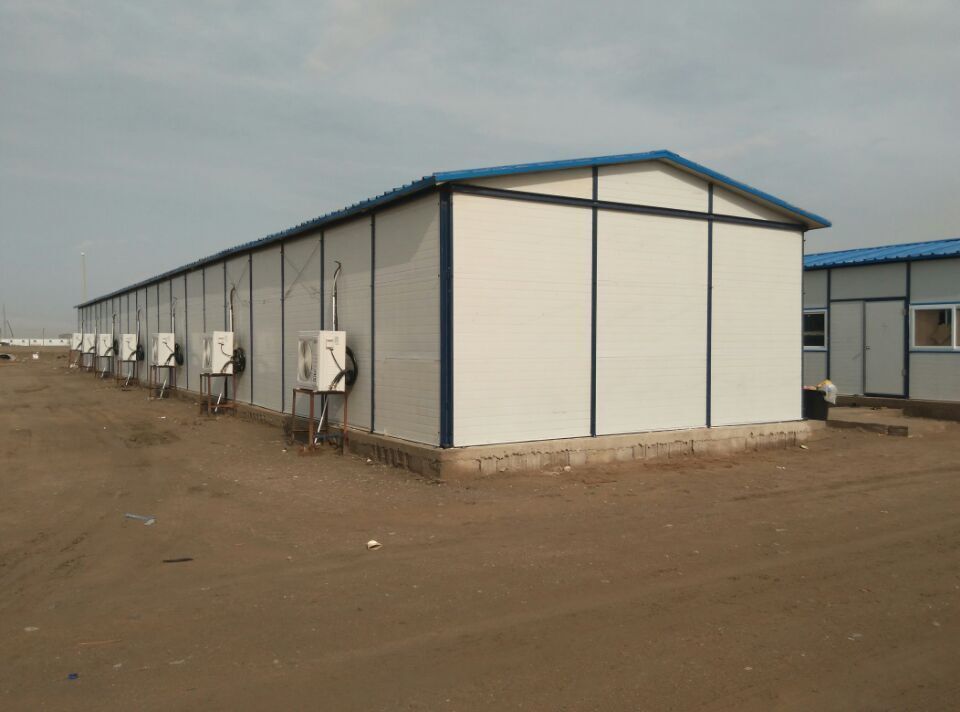
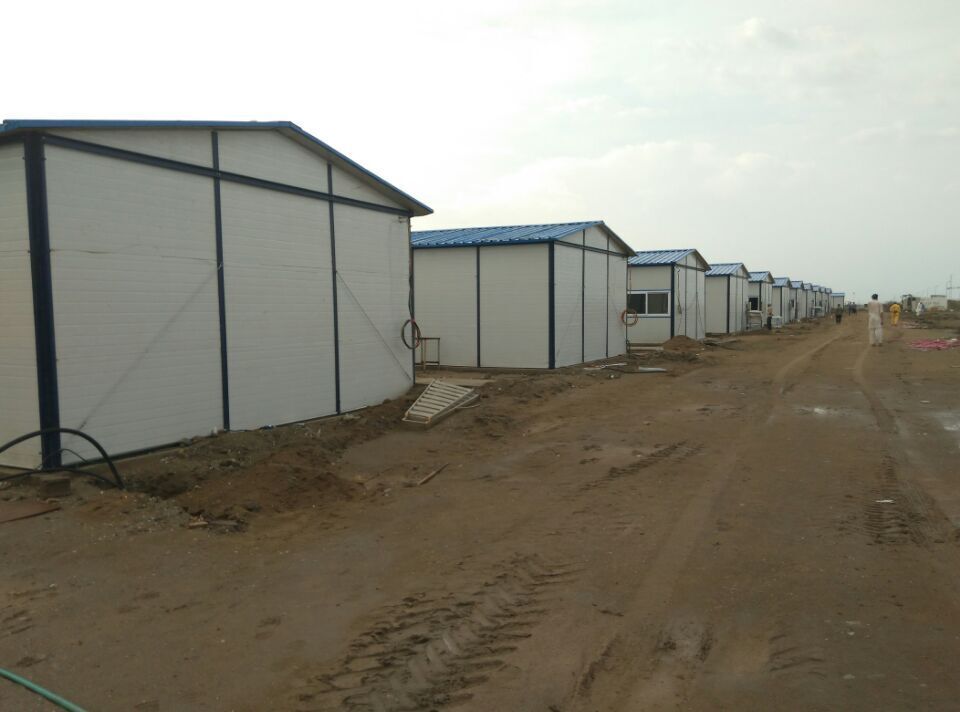
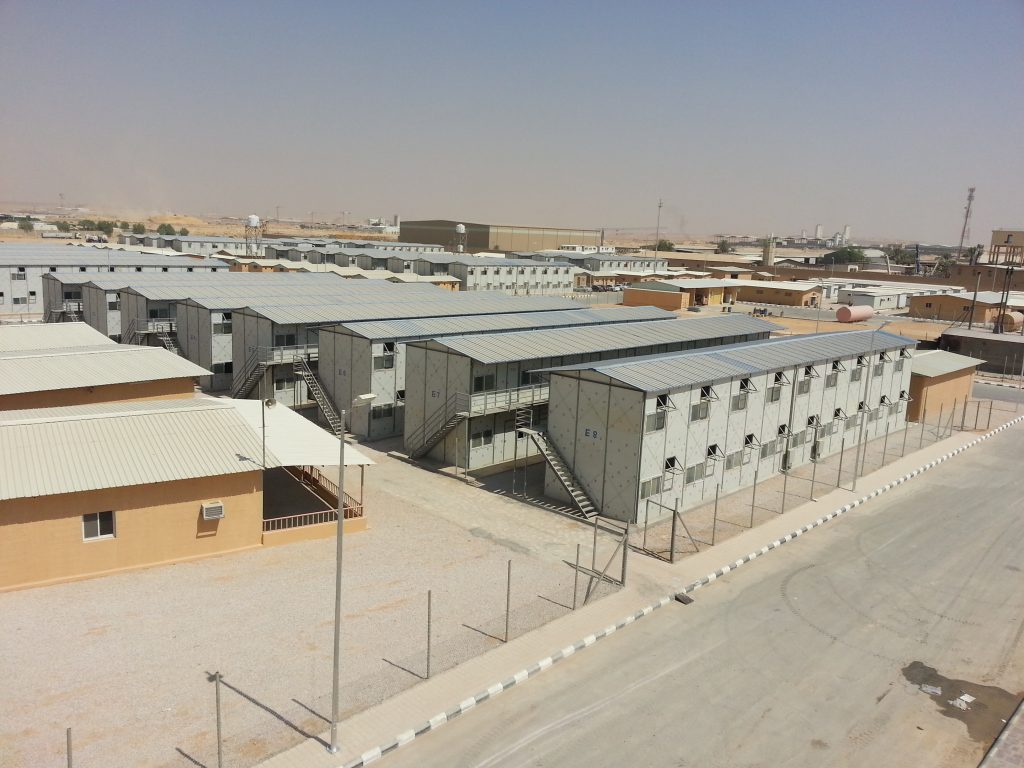
Industrial projects in remote locations, such as mining sites, oil fields, and construction camps, rely on customizable prefab houses to provide accommodation and support facilities for workers. These prefab structures are customized to withstand harsh environmental conditions, including extreme temperatures, high winds, and dust storms, while providing comfortable living and working spaces.
For example, prefab worker camps are customized with dormitories (2-4 people per room), canteens, laundry facilities, and recreational areas. They can be designed to accommodate hundreds of workers, with modular layouts that allow for expansion or reduction as project needs change. The structures are built with durable materials that require minimal maintenance, reducing operational costs in remote areas.
Hanerm Construction Technology Co., Ltd.’s “Linping・Tianli Square” Theme Pavilion demonstrates industrial customization at scale. This 1,200-square-meter prefabricated steel structure was completed in just 30 days—despite rainy season challenges—using modular components that reduced on-site waste by 80%. The pavilion’s design was customized to integrate with an ecological farm, featuring weather-resistant cladding and energy-efficient systems that align with green building standards.
Specialized industrial prefab houses include control rooms, laboratories, and storage facilities. Control rooms are customized with soundproofing, climate control, and specialized equipment mounting, while laboratories are tailored to specific testing requirements, with fume hoods, safety cabinets, and analytical instruments. These customized prefab structures ensure that industrial operations can begin quickly, without the delays of traditional on-site construction.

Performance Comparison: Customizable Prefab vs. Traditional Construction
To highlight the advantages of customizable prefab house designs, we compare them to traditional construction across five key performance dimensions: customization flexibility, construction time, cost-effectiveness, quality and durability, and sustainability. The data is derived from industry reports and case studies, including the “2025 Global Modular Construction Market Report” and project data from leading manufacturers.
Customization Flexibility
Customizable prefab houses offer significantly greater flexibility than traditional construction. Traditional buildings are limited by on-site construction constraints, making design changes costly and time-consuming. In contrast, prefab houses use modular systems that allow for easy customization of layout, size, materials, and features. According to the “2025 Global Modular Construction Market Report,” prefab houses can accommodate 95% of custom design requests, compared to 60% for traditional construction.
For example, changing the layout of a traditional home midway through construction can increase costs by 30-50% and extend the timeline by 2-3 months. For a prefab house, the same change can be made in the factory before production begins, with minimal cost and time impact. The modular nature of prefab houses also allows for future customization, such as adding a room or expanding the living area—something that is difficult and expensive with traditional buildings.
Construction Time
Customizable prefab houses are completed in a fraction of the time required for traditional construction. Factory production of modules runs parallel to site preparation, eliminating delays due to weather, labor shortages, or supply chain issues. On-site assembly is rapid, with entire buildings completed in days or weeks rather than months or years.
Case studies confirm this speed advantage: China State Construction Hailong’s Hong Kong Kai Tak public housing project achieved a construction speed of “30 minutes to assemble one module” and “3 days to build one floor,” reducing the overall timeline by 60% compared to traditional construction. China State Construction Science and Industry’s Shanghai villa was delivered in 30 days from design to completion, while a similar traditional villa would take 6-8 months. Emergency prefab houses can be deployed even faster, with Dichu Equipment’s units installed within 1 hour of arrival on-site.
Cost-Effectiveness
While the initial cost of customizable prefab houses may be slightly higher than traditional construction (5-10% on average), the total lifecycle cost is significantly lower. Prefab houses reduce labor costs by 30-40% due to factory automation and rapid on-site assembly. They also minimize material waste (less than 2% compared to 30% for traditional construction), reducing material costs.
Maintenance costs are another area of savings. Prefab houses use high-quality, durable materials such as galvanized steel and composite panels, which require minimal maintenance. Dichu Equipment’s prefab houses have a service life of 20 years with minimal maintenance, compared to 15 years for traditional homes. The ability to reuse modules for other projects further enhances cost-effectiveness: temporary prefab structures can be dismantled and reused, saving 50% of equipment procurement costs.
Quality and Durability
Customizable prefab houses offer superior quality and durability compared to traditional construction. Factory production is controlled and standardized, eliminating the variability and defects common in on-site construction. Robot welding, automated assembly, and strict quality control ensure that each module meets precise specifications.
Structural durability is a key strength of prefab houses. The steel frames used in most prefab designs are corrosion-resistant, fire-resistant, and able to withstand extreme weather conditions. Dichu Equipment’s prefab houses achieve 11-level wind resistance and 8-level seismic resistance, with a weight-bearing capacity of 20 tons per unit. China State Construction Science and Industry’s steel structure modules have a tolerance of 0.2mm, ensuring structural integrity and longevity. The use of high-quality insulation materials also improves energy efficiency, reducing heating and cooling costs by 30-40% compared to traditional homes.
Sustainability
Customizable prefab houses are far more sustainable than traditional construction, aligning with global efforts to reduce carbon emissions and promote green building. Factory production reduces on-site construction activities, minimizing noise, dust, and air pollution. Prefab houses generate 80% less construction waste than traditional buildings, and 95% of their steel components are recyclable.
Shenzhen’s prefabricated construction projects exemplify these sustainability benefits: during the “13th Five-Year Plan” period, they collectively reduced garbage emissions by 420,000 tons, saved 67.2 million kWh of electricity, and cut carbon dioxide emissions by 57,300 tons. Energy efficiency is another sustainability advantage—prefab houses are designed with high-performance insulation, energy-efficient windows, and optional renewable energy systems such as solar panels and energy storage. China State Construction Science and Industry’s Shanghai villa reduces carbon emissions by 65% compared to traditional homes, while Dichu Equipment’s “house-storage integration” units generate 30% of their energy from solar power.
Many customizable prefab houses meet international green building standards such as LEED, BREEAM, and ISO14001, further validating their sustainability credentials.
Sustainable Customization: Green Design for a Circular Future
Sustainability is increasingly a key consideration in customizable prefab house design, with manufacturers integrating green materials, energy-efficient systems, and circular economy principles to minimize environmental impact. Customization now includes options for reducing carbon footprints, conserving resources, and promoting long-term sustainability.
Green Material Customization
Customizable prefab houses offer a range of sustainable material options that reduce environmental impact without compromising on performance or aesthetics. Structural materials include recycled steel (which reduces embodied carbon by 74% compared to virgin steel) and sustainably sourced wood certified by the Forest Stewardship Council (FSC). Wall and roof materials include recycled insulation (glass wool or rock wool made from post-consumer waste), low-VOC paints and finishes, and bio-based materials such as bamboo and hempcrete.
For example, China State Construction Science and Industry’s Shanghai villa uses recycled steel for its frame and FSC-certified wood for interior finishes, reducing embodied carbon by 40% compared to conventional materials. Haner 姆 Construction Technology’s Linping・Tianli Square Theme Pavilion incorporates bamboo fiber composite panels for exterior cladding—renewable materials that sequester carbon and require 30% less energy to produce than traditional cladding.
Energy-Efficient Customization
Energy efficiency is a core component of sustainable prefab customization. Customers can select from a range of energy-saving systems tailored to their climate and usage patterns. These include high-performance insulation (up to 150mm rock wool or cellulose insulation), triple-glazed windows with low-emissivity coatings, and heat recovery ventilation systems that reduce energy loss by 70%.
Renewable energy integration is increasingly customizable, with options for rooftop solar panels (3-10kW systems), solar water heaters, and battery storage solutions. For off-grid applications, prefab houses can be customized with hybrid solar-wind systems and rainwater harvesting modules, achieving complete energy and water self-sufficiency. The “house-storage integration” systems developed by Dichu Equipment, for example, allow customers to scale energy storage capacity from 10kWh to 50kWh based on their needs, ensuring reliable power in remote locations.
Circular Economy Practices
Customizable prefab houses are designed for circularity, with modules engineered for disassembly and reuse. The modular nature of prefab construction allows individual components to be replaced, repaired, or repurposed without disrupting the entire building. For example, a prefab office module can be converted into a residential unit by swapping interior fixtures, extending its lifecycle by 15-20 years.
Manufacturers are also implementing take-back programs for end-of-life modules. CIMC Modular Building Systems, for instance, offers a recycling service for its hotel modules, ensuring that 95% of materials are reused or recycled. This circular approach reduces waste and creates a closed-loop system where materials retain value throughout their lifecycle.
Future Trends in Customizable Prefab House Design
The future of customizable prefab house design will be shaped by technological innovation, evolving consumer expectations, and global sustainability goals. Three key trends are poised to drive the industry forward: increased digitalization, hyper-personalization, and integration with smart cities.
Digitalization and Virtual Customization
Digital technologies will make customization more accessible and intuitive. Virtual reality (VR) and augmented reality (AR) tools will allow customers to visualize their customized prefab houses in 3D, testing different layouts, materials, and features before production begins. BIM platforms will evolve to support real-time collaboration between customers, designers, and manufacturers, streamlining the customization process and reducing errors.
Artificial intelligence (AI) will play a growing role in optimizing customized designs. AI algorithms can analyze user preferences, environmental data, and budget constraints to generate personalized design recommendations, ensuring that customizations are both functional and cost-effective. For example, AI can suggest the optimal insulation type and thickness based on the customer’s location, or recommend energy-efficient systems that align with their usage patterns.
Hyper-Personalization and Lifestyle Integration
Customization will extend beyond aesthetics and functionality to encompass lifestyle-specific designs. Prefab houses will be customized for niche markets such as remote workers (with dedicated home office spaces and high-speed internet infrastructure), fitness enthusiasts (with integrated gyms and wellness areas), and eco-conscious consumers (with zero-carbon systems and sustainable materials).
Modular systems will become more flexible, allowing for on-demand reconfiguration of spaces. Movable walls, collapsible furniture, and plug-and-play utility connections will enable homeowners to adapt their prefab houses as their needs change—from a single-person apartment to a family home, and back to a downsized space.
Smart City Integration
Customizable prefab houses will be designed to integrate seamlessly with smart city infrastructure. This includes connectivity to smart grids (allowing for demand response and energy sharing), IoT sensors for traffic and environmental monitoring, and integration with public transportation systems. Prefab houses will become part of interconnected ecosystems, contributing data to city management systems and enhancing quality of life for residents.
Sustainability will be elevated to new heights, with net-zero carbon prefab houses becoming the standard rather than the exception. Manufacturers will focus on reducing embodied carbon in materials and production, while integrating renewable energy systems and carbon capture technologies. Prefab houses will also play a key role in addressing global housing shortages, with customizable, rapid-deployment solutions for affordable housing and refugee settlements.
Conclusion
Customizable prefab house designs have transformed the construction industry, offering a versatile, efficient, and sustainable alternative to traditional building methods. By combining modular engineering, advanced materials, and intelligent technologies, prefab houses can be tailored to meet virtually any need—from compact urban apartments and luxury villas to emergency shelters and industrial work camps.
The core strengths of customizable prefab houses—flexibility, speed, cost-effectiveness, and sustainability—address the key pain points of traditional construction. They allow for personalized spaces that adapt to changing needs, reduce construction waste and carbon emissions, and deliver high-quality buildings in a fraction of the time. Real-world applications across residential, commercial, emergency, and industrial sectors demonstrate their versatility and practical value, while ongoing technological innovation promises to make customization even more accessible and sophisticated.
As the global construction industry shifts toward sustainability and digitalization, customizable prefab houses will play an increasingly important role in shaping the built environment. They offer a path toward more efficient, personalized, and eco-friendly housing, aligning with global efforts to reduce carbon emissions and meet the growing demand for affordable, high-quality living and working spaces. For consumers, businesses, and governments alike, customizable prefab house designs represent not just a building solution, but a vision for the future of construction—one that is flexible, sustainable, and tailored to the needs of people and the planet.
Related news
-
Efficient and Durable Temporary Mobile Building by Lida Group
2025-12-09 14:22:24
-
Save Time with Our Easy Install Sandwich Panel System.
2025-12-05 17:04:58
-
Lida Group's Prefab House: Quality, Speed, and Affordability Combined.
2025-12-05 10:35:46
contact us
- Tel: +86-532-88966982
- Whatsapp: +86-13793209022
- E-mail: sales@lidajituan.com
