



Custom Steel Structure Building for Your Dream Farmhouse
2026-Feb-14 10:18:07
By Admin
A farmhouse is more than just a residence; it is a reflection of your lifestyle, a sanctuary amid nature, and a functional hub for agricultural pursuits. For many, the “dream farmhouse” is a space that blends personal taste, practicality, and durability—one that grows with your needs, complements the rural landscape, and stands the test of time against the elements. In recent years, custom steel structure buildings have emerged as the ideal choice for turning these dreams into reality. Unlike traditional farmhouses limited by rigid designs and fragile materials, custom steel structure farmhouses offer unparalleled flexibility, strength, and versatility, allowing homeowners to tailor every detail to their unique vision and requirements. This article explores how custom steel structure buildings elevate the dream farmhouse experience, delving into their core advantages, the custom design process, key customization elements, real-world applications, and why they are the superior choice for modern rural living. With a focus on quality, personalization, and long-term value, this piece provides a comprehensive guide to creating your perfect custom steel structure farmhouse.
The concept of a “dream farmhouse” varies widely from person to person. For some, it is a cozy, rustic retreat with wide porches and warm interior spaces, perfect for unwinding after a day of farming. For others, it is a spacious, modern hub with integrated storage, livestock facilities, and home office spaces, designed to support a busy agricultural operation. For families, it may prioritize open living areas, child-friendly spaces, and outdoor entertainment zones, while eco-conscious homeowners may focus on sustainability, energy efficiency, and minimal environmental impact. No matter the vision, the challenge lies in finding a building material and design approach that can bring these unique requirements to life—without compromising on durability, cost-effectiveness, or aesthetic appeal. This is where custom steel structure buildings shine.
Steel has long been recognized as a superior building material for commercial and industrial structures, but its application in residential and agricultural buildings—particularly custom farmhouses—has grown exponentially in recent years. This surge in popularity is driven by steel’s inherent advantages: exceptional strength, resistance to the elements, low maintenance, sustainability, and, most importantly, adaptability to custom designs. Unlike wood, brick, or concrete, which are often limited by standard sizes and rigid construction methods, steel can be cut, shaped, and assembled into virtually any configuration, making it the perfect material for custom farmhouses. Whether you desire a compact cottage-style farmhouse, a sprawling multi-level residence with attached barns, or a contemporary minimalist home with unique architectural features, a custom steel structure can turn your vision into a tangible, long-lasting reality. Additionally, steel’s compatibility with prefabricated construction methods ensures that custom designs are not only possible but also efficient and cost-effective to build.
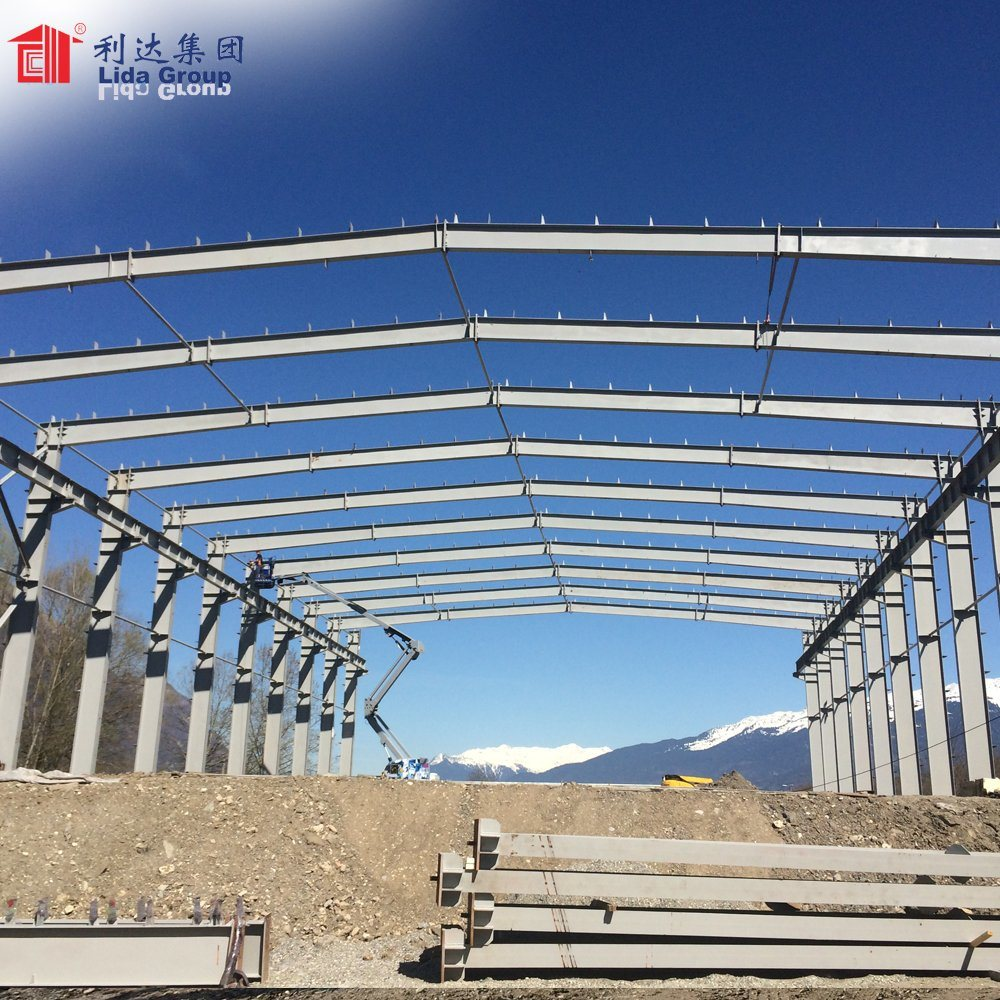
1. The Core Advantages of Custom Steel Structure Farmhouses
To understand why custom steel structure buildings are the ideal choice for dream farmhouses, it is essential to explore their core advantages—advantages that set them apart from traditional building materials and make them uniquely suited to custom designs. These benefits extend beyond mere durability; they encompass aesthetic flexibility, functional adaptability, cost savings, and environmental responsibility, all of which are critical to creating a farmhouse that meets your unique needs and stands the test of time.
1.1 Unmatched Customization Flexibility
The most significant advantage of custom steel structure farmhouses is their unparalleled flexibility in design. Steel’s inherent strength and malleability allow it to be shaped into virtually any size, layout, or architectural style, giving homeowners complete control over every aspect of their farmhouse. Unlike traditional wood frame farmhouses, which are often limited by the size and strength of wooden beams, or brick/concrete farmhouses, which require extensive modification to alter, steel structures can be easily customized to accommodate unique floor plans, ceiling heights, window placements, and exterior features.
Whether you envision a traditional farmhouse with a gabled roof, a wrap-around porch, and dormer windows, or a modern, sleek design with flat roofs, large glass walls, and angular lines, steel can bring that vision to life. Steel beams and columns can span longer distances without the need for intermediate supports, creating open, airy interior spaces that are perfect for open-concept living areas, large kitchens, or home offices. Additionally, steel structures can be easily expanded or modified in the future, allowing you to add extra rooms, attached storage sheds, livestock shelters, or outdoor patios as your needs grow—without compromising the structural integrity of the original building. This flexibility ensures that your custom steel farmhouse will evolve with your lifestyle, remaining functional and relevant for decades.
1.2 Exceptional Durability and Longevity
A dream farmhouse should be built to last, and custom steel structure farmhouses deliver on this promise with exceptional durability and longevity. Steel is one of the strongest building materials available, capable of withstanding extreme weather conditions, natural disasters, and everyday wear and tear. Unlike wood, which is susceptible to rot, mold, termite infestation, and warping, steel is impervious to these threats, ensuring that your farmhouse remains structurally sound for 50-100 years with minimal maintenance.
Custom steel farmhouses are typically constructed using high-grade galvanized steel or weathering steel, both of which offer superior corrosion resistance. Galvanized steel is coated with a layer of zinc, which acts as a barrier against moisture, salt, and chemicals, preventing rust and deterioration—even in humid, coastal, or agricultural environments where exposure to fertilizers and pesticides is common. Weathering steel (Corten steel) develops a thick, stable patina over time, which naturally resists corrosion and eliminates the need for additional coatings or treatments. Additionally, steel structures are resistant to fire, wind, snow, and seismic activity, making them ideal for farmhouses located in harsh or disaster-prone regions. This durability means that your custom steel farmhouse will require far fewer repairs and replacements than traditional farmhouses, saving you time and money over the long term.
1.3 Low Maintenance and Cost-Effectiveness
A dream farmhouse should be a source of joy, not a burden of constant maintenance—and custom steel structure farmhouses deliver on this front with their low-maintenance design. Unlike wooden farmhouses, which require regular painting, staining, and termite treatments, or brick/concrete farmhouses, which may need patching, sealing, or repointing to prevent water damage, steel farmhouses require minimal upkeep. The galvanized or weathered steel frame is resistant to rust, rot, and pest infestations, and the exterior cladding (which can be customized to match your aesthetic) is designed to be durable, easy to clean, and resistant to fading and damage.
While the initial cost of a custom steel structure farmhouse may be slightly higher than that of a traditional wood frame farmhouse, it is far more cost-effective over the long term. The low maintenance requirements reduce annual upkeep costs, and the long lifespan of steel means that you will not need to replace the building or make major repairs as frequently. Additionally, steel’s lightweight nature reduces the need for expensive, deep foundations, and the prefabricated construction method (often used for steel structures) reduces on-site labor costs and construction time, further lowering the overall cost of the project. When you factor in the flexibility to expand and modify the building in the future, custom steel farmhouses offer unmatched value for money.
1.4 Sustainability and Environmental Responsibility
For many homeowners, a dream farmhouse is one that harmonizes with nature—and custom steel structure farmhouses are inherently sustainable and environmentally responsible. Steel is 100% recyclable, meaning that nearly all of the steel used in your farmhouse can be recycled at the end of its lifespan, reducing waste and minimizing the demand for virgin materials. Additionally, the prefabricated construction method used for steel structures generates significantly less on-site waste than traditional construction, as components are precision-manufactured in factories to exact specifications, with minimal cutting or trimming required on-site.
Custom steel farmhouses can also be designed to be highly energy-efficient, further reducing their environmental impact and lowering utility costs. Steel’s thermal mass and compatibility with high-performance insulation systems allow you to create a tightly sealed building envelope that minimizes heat loss in winter and heat gain in summer. You can also integrate renewable energy systems, such as solar panels or wind turbines, into your custom design, reducing your reliance on fossil fuels. Additionally, steel structures do not emit harmful chemicals or volatile organic compounds (VOCs), ensuring that your farmhouse’s interior air quality is safe and healthy for you and your family.
1.5 Functional Adaptability for Agricultural Needs
Unlike residential homes in urban or suburban areas, farmhouses often serve dual purposes: as a living space and as a functional hub for agricultural operations. Custom steel structure farmhouses are uniquely suited to this dual role, with designs that can be tailored to accommodate a wide range of agricultural needs. Whether you need attached storage sheds for farm equipment, livestock shelters for animals, grain silos for crop storage, or a workshop for repairs and maintenance, your custom steel farmhouse can be designed to integrate these features seamlessly.
Steel’s strength and versatility allow for the creation of large, open interior spaces that are perfect for storing tractors, harvesters, and other large farm equipment. Additionally, steel structures can be designed with high ceilings, wide doorways, and reinforced floors to accommodate heavy machinery. For livestock, custom steel barns and shelters can be attached to the farmhouse, with features such as ventilation systems, feeding stations, and water troughs integrated into the design. This functional adaptability ensures that your custom steel farmhouse not only meets your residential needs but also supports your agricultural operations, making it a truly practical and versatile space.
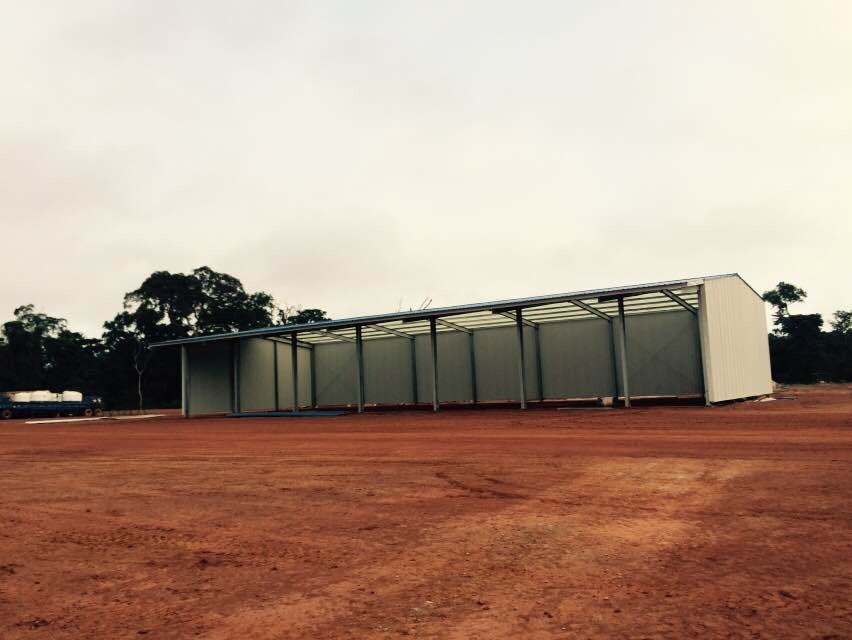
2. The Custom Steel Structure Farmhouse Design Process
Creating a custom steel structure farmhouse is a collaborative process that involves turning your unique vision into a detailed, actionable design—and ultimately, a tangible building. While every project is different, the design process typically follows a structured approach, ensuring that every detail is considered, and your needs are met. Below is a step-by-step overview of the custom steel structure farmhouse design process, from initial consultation to final installation.
2.1 Initial Consultation and Vision Sharing
The first step in creating your custom steel structure farmhouse is the initial consultation with a steel building design expert. During this phase, you will have the opportunity to share your vision, goals, and requirements for your dream farmhouse. This includes discussing your aesthetic preferences (traditional, modern, rustic, etc.), functional needs (number of bedrooms, bathrooms, living spaces, storage areas, agricultural facilities), budget, timeline, and the specific characteristics of your property (location, climate, soil conditions, landscape).
The design expert will listen carefully to your ideas, ask questions to clarify your needs, and provide guidance on what is possible with steel structure design. They will also share examples of previous custom steel farmhouses, discuss material options, and explain the benefits of different design features. This consultation is critical for establishing a clear understanding of your vision and ensuring that the design process aligns with your expectations. By the end of this phase, you and the design expert will have a preliminary concept for your custom steel farmhouse, and a roadmap for moving forward.
2.2 Site Assessment and Feasibility Study
Once your vision is clearly defined, the next step is a site assessment and feasibility study. This involves sending a team to your property to evaluate its unique characteristics and determine the best location and design for your custom steel farmhouse. The site assessment will include analyzing the soil conditions (to determine the type of foundation needed), evaluating the climate (to recommend insulation, roofing, and exterior cladding options), assessing the terrain (to account for slopes, drainage, and landscape features), and checking local building codes and regulations (to ensure that your design complies with all requirements).
The feasibility study will evaluate whether your vision is practical given your budget, timeline, and site conditions. The design expert will identify any potential challenges (such as poor soil conditions, extreme weather, or regulatory restrictions) and propose solutions to address them. For example, if your property is located in a flood-prone area, the design may include an elevated foundation; if it is in a hurricane-prone region, the structure may be reinforced with additional bracing. This phase ensures that your custom steel farmhouse is not only beautiful and functional but also safe, compliant, and well-suited to its environment.
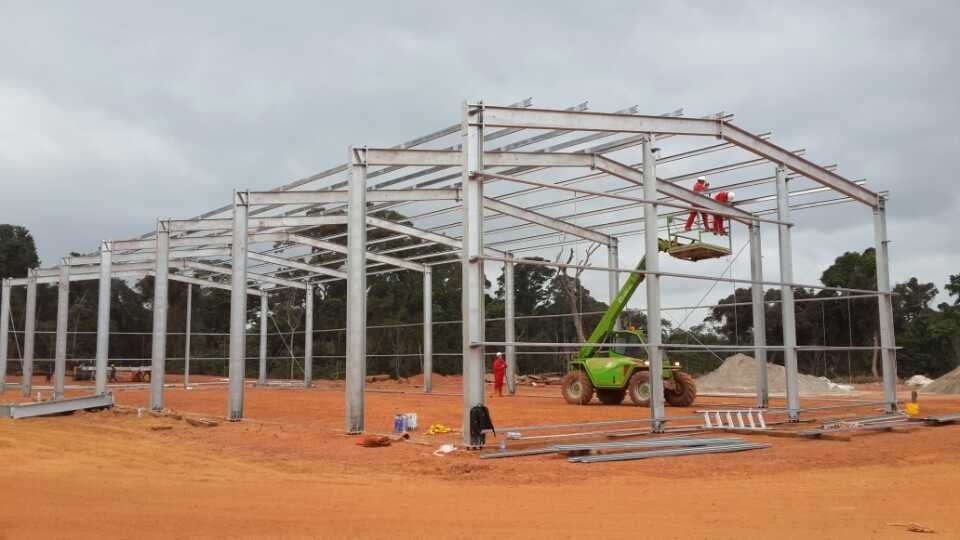
2.3 Conceptual Design and Preliminary Drawings
With the site assessment and feasibility study complete, the design team will begin developing a conceptual design and preliminary drawings for your custom steel farmhouse. This phase involves translating your vision into a visual representation of the building, including floor plans, elevation drawings (front, side, and rear views), and a 3D rendering (to help you visualize the finished structure).
The conceptual design will include all the key features you discussed during the initial consultation, such as the number of rooms, layout of living spaces, exterior style, attached agricultural facilities, and custom details (porches, decks, windows, doors). The design team will also incorporate material recommendations (type of steel, exterior cladding, roofing, insulation) and structural elements (foundation type, beam sizes, bracing systems) into the preliminary drawings. You will have the opportunity to review these drawings, provide feedback, and request modifications until the design aligns perfectly with your vision. This collaborative process ensures that you are fully satisfied with the conceptual design before moving forward to the next phase.
2.4 Detailed Design and Engineering
Once the conceptual design is approved, the design team will move on to detailed design and engineering. This phase involves refining the preliminary drawings into detailed, technical plans that will guide the manufacturing and installation of your custom steel structure farmhouse. The detailed design will include precise measurements, material specifications, structural calculations, and details of all custom features (such as window sizes, door locations, porch dimensions, and interior finishes).
Structural engineers will review the design to ensure that the steel frame is strong enough to withstand the intended loads (snow, wind, seismic activity, equipment weight) and that all structural elements are properly sized and connected. They will also ensure that the foundation design is appropriate for the soil conditions and that the building complies with all local building codes and international standards (such as ISO 9001, CE, and AISC). This phase is critical for ensuring the safety, durability, and structural integrity of your custom steel farmhouse. Once the detailed design and engineering are complete, you will review and approve the final plans before manufacturing begins.
2.5 Material Selection and Customization
A key part of the custom steel structure farmhouse design process is material selection, as this not only impacts the durability and performance of the building but also its aesthetic appeal and cost. During this phase, you will work with the design team to select the materials for your steel frame, exterior cladding, roofing, insulation, windows, doors, and interior finishes—all of which can be customized to match your vision.
For the steel frame, you will have the option to choose between galvanized steel (ideal for humid, coastal, or agricultural environments) and weathering steel (perfect for dry, rural areas where maintenance is limited). For the exterior cladding, you can select from a range of options, including metal panels (available in a variety of colors and textures, including wood-look and stone-look), fiber cement, vinyl siding, or brick veneer—all of which can be customized to create the aesthetic you desire. The roofing material can also be customized, with options such as metal roofing (durable and energy-efficient), asphalt shingles, or slate. For insulation, you can choose from spray foam, fiberglass batts, or rigid foam boards, depending on your energy efficiency goals and budget. Interior finishes, such as flooring, walls, and cabinetry, can also be fully customized to create a space that feels warm, inviting, and uniquely yours.
2.6 Manufacturing and Prefabrication
Once the detailed design is approved and materials are selected, the manufacturing and prefabrication phase begins. Custom steel structure farmhouses are typically built using prefabricated components, which are precision-manufactured in a factory under controlled conditions. This ensures that every component is made to exact specifications, with consistent quality and minimal defects—something that is difficult to achieve with traditional on-site construction.
During manufacturing, the steel beams, columns, roof trusses, and wall panels are cut, shaped, and welded (or bolted) according to the detailed design plans. The prefabricated components are then inspected for quality to ensure that they meet all structural and design requirements. Once manufacturing is complete, the components are packaged and transported to your property, ready for installation. The prefabrication process is efficient and time-saving, reducing the on-site construction time by 30-50% compared to traditional building methods.
2.7 On-Site Installation and Finishing
The final phase of the custom steel structure farmhouse design process is on-site installation and finishing. A team of trained technicians will deliver the prefabricated components to your property and assemble them according to the detailed design plans. The installation process typically begins with the foundation (which is poured on-site), followed by the steel frame, roof, walls, windows, doors, and exterior cladding. Once the structural shell is complete, the team will install the insulation, electrical systems, plumbing, HVAC systems, and interior finishes.
The installation process is efficient and organized, with the team working closely to ensure that every component is installed correctly and efficiently. The design team will oversee the installation to ensure that the building meets all design specifications and quality standards. Once installation is complete, a final inspection is conducted to ensure that the building is safe, functional, and ready for occupancy. The finishing touches—such as painting, landscaping, and decorating—are then completed, turning your custom steel structure into the dream farmhouse you envisioned.
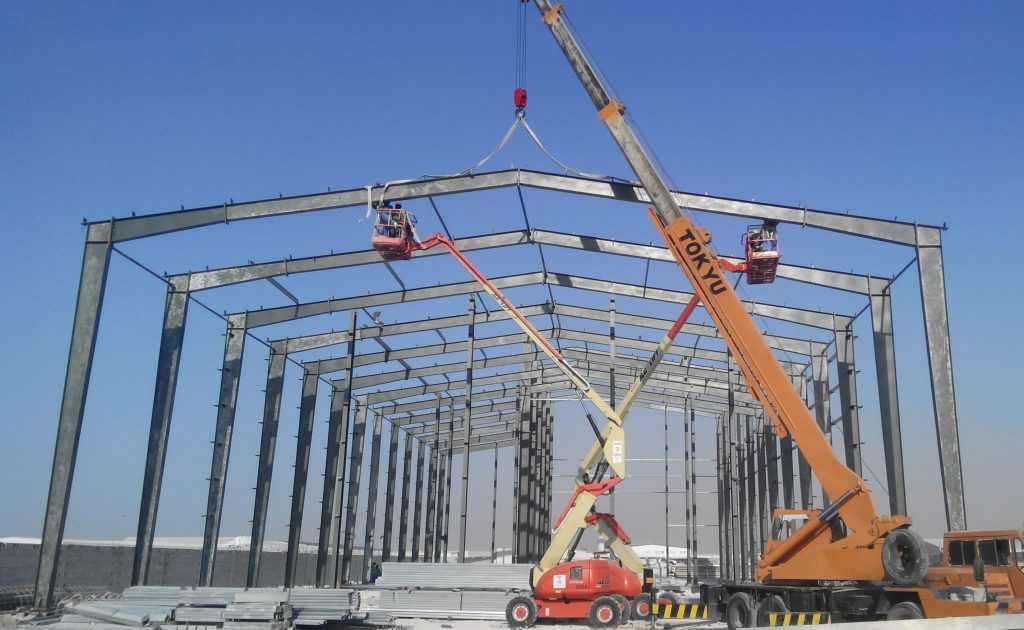
3. Key Customization Elements for Your Dream Steel Farmhouse
The beauty of a custom steel structure farmhouse lies in the ability to tailor every detail to your unique vision and needs. From the overall layout to the smallest design accents, every element can be customized to create a space that is truly one-of-a-kind. Below are the key customization elements to consider when designing your custom steel structure farmhouse, each of which plays a critical role in bringing your dream to life.
3.1 Layout and Floor Plan Customization
The layout and floor plan of your farmhouse are the foundation of its functionality and livability. With a custom steel structure, you have complete control over the floor plan, allowing you to design a space that fits your lifestyle and needs perfectly. Whether you prefer an open-concept layout with a large kitchen, dining, and living area, or a more traditional layout with separate rooms for privacy, steel’s flexibility allows you to create the perfect configuration.
Key considerations for floor plan customization include: the number of bedrooms and bathrooms (including en-suite bathrooms for master bedrooms), the size and location of the kitchen (whether you need a large, commercial-style kitchen for entertaining or a compact, efficient space), the inclusion of a home office, study, or playroom, the size of the living room and dining area, and the integration of storage spaces (closets, pantries, utility rooms). For agricultural purposes, you may also want to include attached storage sheds, workshops, or livestock shelters in your floor plan, all of which can be seamlessly integrated into the steel structure. Additionally, steel’s ability to span long distances without intermediate supports allows for large, open interior spaces that are perfect for hosting gatherings, storing equipment, or creating flexible living areas.
3.2 Exterior Aesthetic Customization
The exterior of your farmhouse is the first thing people see, and it should reflect your personal style while complementing the rural landscape. Custom steel structure farmhouses offer a wide range of exterior customization options, allowing you to create a look that is traditional, modern, rustic, or anything in between.
Exterior cladding is one of the most impactful customization elements, with options including: metal panels (available in a variety of colors, textures, and profiles, including corrugated, standing seam, and wood-look), fiber cement (which mimics the look of wood, brick, or stone), vinyl siding, brick veneer, or stone veneer. You can also mix and match materials to create a unique look—for example, using metal panels for the main body of the house and stone veneer for the foundation or accent walls. The roof can also be customized, with options such as metal roofing (available in a range of colors), asphalt shingles, slate, or tile. Additionally, you can add custom exterior features such as wrap-around porches, decks, balconies, dormer windows, gable ends, cupolas, or shutters—all of which can be integrated into the steel structure to enhance its aesthetic appeal.
Color is another important exterior customization element. Steel panels and roofing are available in a wide range of colors, from neutral tones (white, gray, beige) to bold hues (red, blue, green), allowing you to choose a color that complements your property’s landscape and your personal style. You can also paint the steel frame (if desired) to match or contrast with the exterior cladding, creating a cohesive look.
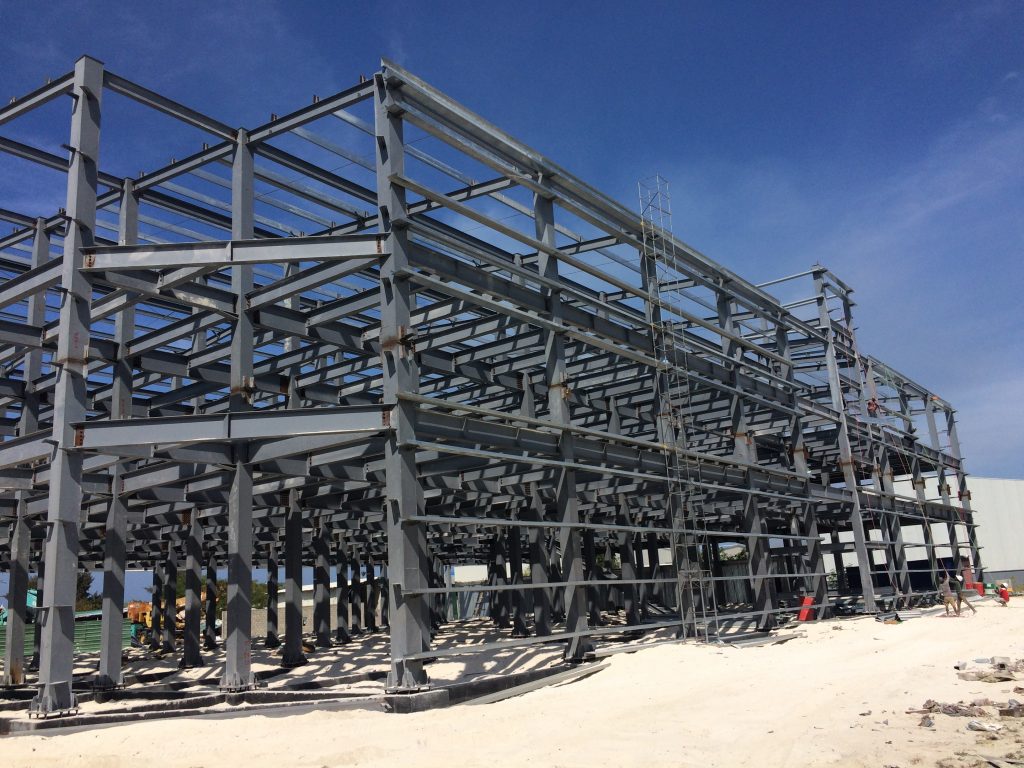
3.3 Interior Design and Finish Customization
The interior of your custom steel structure farmhouse should be warm, inviting, and tailored to your lifestyle. While steel is often associated with industrial aesthetics, it can be easily customized to create a cozy, residential feel—with a wide range of interior finishes and design options to choose from.
Flooring is a key interior customization element, with options including hardwood, tile, luxury vinyl, carpet, or concrete (which can be stained or polished for a modern look). Walls can be finished with drywall, shiplap, paneling, or stone veneer, depending on your aesthetic preferences. Ceilings can be customized with exposed steel beams (for an industrial, rustic look) or covered with drywall, coffered ceilings, or wooden beams. Cabinetry, countertops, and fixtures in the kitchen and bathrooms can also be fully customized, with options ranging from traditional wood cabinetry and granite countertops to modern, sleek designs with quartz countertops and stainless steel fixtures.
Lighting is another important interior customization element, allowing you to create the perfect ambiance in every room. You can choose from a range of lighting options, including recessed lighting, chandeliers, pendant lights, wall sconces, and floor lamps. Additionally, you can integrate natural light into your design by adding large windows, sliding glass doors, or skylights—all of which can be easily incorporated into the steel structure. The steel frame’s flexibility also allows for unique interior features such as vaulted ceilings, open staircases, and custom built-ins, which add character and functionality to your space.
3.4 Functional Customization for Agricultural and Lifestyle Needs
Unlike traditional homes, farmhouses often need to accommodate a range of functional needs related to agriculture, livestock, and rural living. Custom steel structure farmhouses are uniquely suited to this, with a wide range of functional customization options to support your lifestyle and operations.
For agricultural storage, you can customize your farmhouse with attached sheds, garages, or barns designed to store farm equipment, tools, feed, and crops. These storage spaces can be designed with high ceilings, wide doorways, and reinforced floors to accommodate heavy machinery such as tractors, harvesters, and trailers. For livestock, you can add custom steel shelters or barns attached to the farmhouse, with features such as ventilation systems, feeding stations, water troughs, and stalls. You can also customize these spaces to accommodate specific types of livestock, such as cattle, horses, sheep, or chickens.
For rural lifestyle needs, you can add custom features such as a workshop (for repairs and maintenance), a greenhouse (for growing plants and vegetables), a root cellar (for storing produce), or an outdoor kitchen and entertainment area (for hosting gatherings). Additionally, you can customize your farmhouse with energy-efficient features such as solar panels, wind turbines, rainwater harvesting systems, and high-performance insulation—all of which reduce your environmental impact and lower utility costs. If you work from home, you can add a custom home office or studio space, designed to be quiet, functional, and inspiring.
3.5 Energy Efficiency and Sustainability Customization
For many homeowners, a dream farmhouse is one that is energy-efficient and sustainable, reducing both environmental impact and utility costs. Custom steel structure farmhouses offer a range of energy efficiency and sustainability customization options, allowing you to create a building that is both eco-friendly and cost-effective.
Insulation is one of the most important energy efficiency customization elements. Steel structures can be insulated with high-performance materials such as spray foam, fiberglass batts, or rigid foam boards, which create a tight building envelope that minimizes heat loss in winter and heat gain in summer. You can also customize the insulation levels based on your climate—for example, adding extra insulation in cold climates to reduce heating costs, or using reflective insulation in hot climates to reflect sunlight and keep the interior cool.
Renewable energy systems can also be integrated into your custom design, including solar panels (for generating electricity), wind turbines (for areas with consistent wind), and rainwater harvesting systems (for collecting and storing rainwater for irrigation, landscaping, or non-potable use). You can also customize your farmhouse with energy-efficient windows and doors (such as double-paned or triple-paned windows with low-E coatings), which reduce heat transfer and improve insulation. Additionally, you can choose energy-efficient HVAC systems, lighting, and appliances to further reduce your energy consumption.
Sustainability customization also includes the use of eco-friendly materials, such as recycled steel (which reduces the demand for virgin materials), low-VOC paints and finishes (which improve indoor air quality), and sustainable flooring options (such as bamboo or reclaimed wood). By incorporating these elements into your custom design, you can create a farmhouse that is not only beautiful and functional but also environmentally responsible.
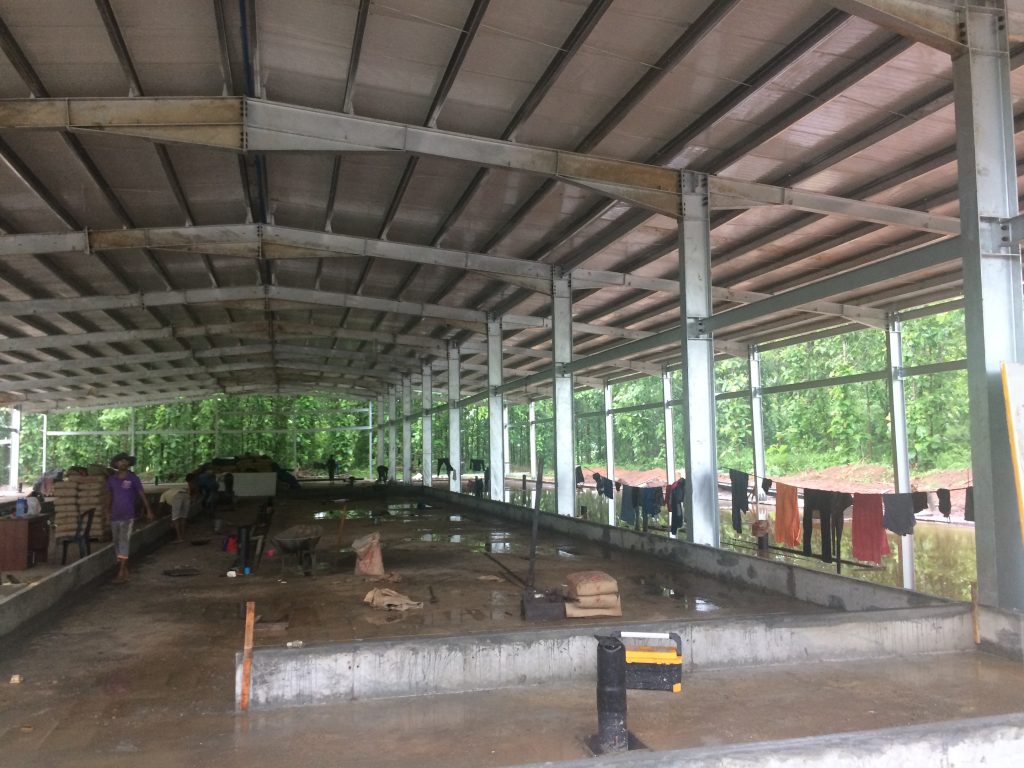
4. Global Case Studies: Custom Steel Structure Farmhouses in Action
To fully understand the versatility and value of custom steel structure farmhouses, it is helpful to examine real-world case studies from around the world. These case studies demonstrate how custom steel structures have been used to bring unique dream farmhouses to life, tailored to the specific needs, preferences, and environments of their owners. Each case study highlights the key customization elements, challenges, and benefits of building a custom steel structure farmhouse.
4.1 Case Study 1: Rustic Custom Steel Farmhouse in Vermont, USA
Located in the rolling hills of Vermont, this custom steel structure farmhouse was designed for a family of four who wanted a rustic, cozy retreat that could also support their small-scale agricultural operation (growing vegetables and raising chickens). The family’s vision was a traditional Vermont farmhouse with a wrap-around porch, gabled roof, and warm interior spaces—all built to withstand the state’s harsh winters (temperatures dropping to -20°F (-29°C) and annual snowfall exceeding 100 inches (254 cm)).
The custom steel structure was designed with a galvanized steel frame for corrosion resistance, and the exterior was clad in wood-look metal panels (to achieve a rustic aesthetic while maintaining the durability of steel) with stone veneer on the foundation. The roof was covered in standing-seam metal roofing in a charcoal color, which complements the surrounding landscape. The floor plan included a large, open-concept kitchen, dining, and living area with vaulted ceilings and exposed steel beams (adding to the rustic charm), three bedrooms, two bathrooms, a home office, and a utility room. Attached to the farmhouse was a small steel barn for storing farm equipment and a chicken coop for their flock.
Energy efficiency was a key priority for the family, so the farmhouse was insulated with spray foam insulation (R-value of 50) in the walls and roof, and fitted with double-paned low-E windows to minimize heat loss. A small solar panel system was installed on the roof to generate electricity, reducing the family’s reliance on the grid. The interior finishes included hardwood flooring, shiplap walls, and reclaimed wood cabinetry, creating a warm, inviting space that feels like a traditional Vermont farmhouse—while the steel frame ensures durability and low maintenance.
Since its completion in 2020, the farmhouse has withstood several severe winters, including a 2022 storm that dumped 40 inches (102 cm) of snow in 48 hours. The steel frame remained structurally sound, and the roof (designed to support a snow load of 90 pounds per square foot (439 kg per square meter)) showed no signs of damage. The family reports that the farmhouse is warm and cozy in winter, with heating costs 30% lower than their previous wooden farmhouse. The low-maintenance exterior has required no painting or repairs, allowing the family to focus on their farm and enjoy their dream home.
4.2 Case Study 2: Modern Custom Steel Farmhouse in Western Australia
This custom steel structure farmhouse was designed for a couple in Western Australia’s outback, who wanted a modern, sleek home that could withstand the region’s extreme heat (temperatures exceeding 110°F (43°C) in summer) and arid conditions, while also serving as a hub for their cattle ranch. The couple’s vision was a minimalist, contemporary farmhouse with large glass walls, open interior spaces, and a seamless connection to the surrounding landscape—all built to be durable, energy-efficient, and low-maintenance.
The custom steel structure was built with a weathering steel frame (which develops a natural rust-like patina over time, blending with the outback landscape) and a flat roof covered in reflective metal panels to reduce heat absorption. The exterior was clad in light gray metal panels, with large floor-to-ceiling glass windows and sliding glass doors that open onto a large deck, providing panoramic views of the ranch. The floor plan included an open-concept living, dining, and kitchen area with high ceilings, a master suite with an en-suite bathroom and walk-in closet, a guest bedroom, a home office (with a view of the cattle fields), and a large utility room. Attached to the farmhouse was a steel workshop for repairing ranch equipment and a large storage shed for feed and supplies.
Sustainability and energy efficiency were top priorities, so the farmhouse was insulated with rigid foam boards (R-value of 40) and fitted with a high-efficiency HVAC system. The large glass windows were equipped with tinted glass to reduce heat gain, and a rainwater harvesting system was installed to collect and store rainwater for irrigation and livestock. The interior finishes included polished concrete floors (which stay cool in summer), minimalist white walls, and sleek stainless steel fixtures, creating a modern, airy space that complements the outback landscape. The steel frame’s open design allowed for large, unobstructed views, blurring the line between indoor and outdoor living.
Since its completion in 2019, the farmhouse has endured several heatwaves, with interior temperatures remaining below 80°F (27°C) without excessive use of air conditioning. The weathering steel frame has developed a beautiful patina that blends seamlessly with the surrounding landscape, and the low-maintenance exterior has required no upkeep. The couple reports that the farmhouse is not only beautiful and functional but also perfectly suited to their ranch lifestyle—with the attached workshop and storage shed making it easy to manage their cattle operation. The large deck has become a favorite spot for entertaining guests and enjoying the outback sunsets.
4.3 Case Study 3: Multi-Generational Custom Steel Farmhouse in Tuscany, Italy
This custom steel structure farmhouse was designed for a multi-generational family in Tuscany, Italy, who wanted a spacious, traditional-style home that could accommodate three generations (grandparents, parents, and children) while also supporting their olive grove and vineyard operation. The family’s vision was a Tuscan-style farmhouse with terracotta-colored roofing, stone accents, and a large courtyard—all built to be durable, functional, and steeped in local tradition, while also incorporating modern amenities and energy efficiency.
The custom steel structure was built with a galvanized steel frame (to resist the region’s humid summers and mild winters) and a gabled roof covered in terracotta-colored metal roofing (mimicking the look of traditional Tuscan tile). The exterior was clad in stucco (painted in a warm cream color) with stone veneer accents on the foundation, windows, and doorways—creating a classic Tuscan aesthetic. The floor plan was designed to be multi-generational, with a main living area (kitchen, dining, living room) on the ground floor, three bedrooms and two bathrooms on the first floor (for the parents and children), and a separate apartment on the second floor (for the grandparents), complete with a small kitchen, living area, bedroom, and bathroom. Attached to the farmhouse was a steel barn for storing olive harvesting equipment and a wine cellar (dug into the hillside and reinforced with steel) for aging wine.
The farmhouse was designed to integrate with the family’s olive grove and vineyard, with large windows overlooking the fields and a covered patio off the kitchen where the family can enjoy meals made with fresh olives and wine. Energy efficiency was incorporated through high-performance insulation, double-paned windows, and a solar water heating system (to heat water for the home and apartment). The interior finishes included terracotta tile flooring (traditional in Tuscan homes), wooden beams (exposed on the ceilings), and custom wood cabinetry in the kitchen—creating a warm, inviting space that honors local tradition while being modern and functional.
Since its completion in 2021, the farmhouse has become the heart of the family’s operation, providing a comfortable home for three generations and a functional hub for their olive and wine production. The steel frame has remained structurally sound, with no signs of corrosion or damage, and the low-maintenance exterior has allowed the family to focus on their farm. The multi-generational design has proven to be perfect, with each family member having their own space while still being able to gather in the main living area. The farmhouse has also become a popular spot for family gatherings and celebrations, with the patio and courtyard providing ample space for hosting guests.
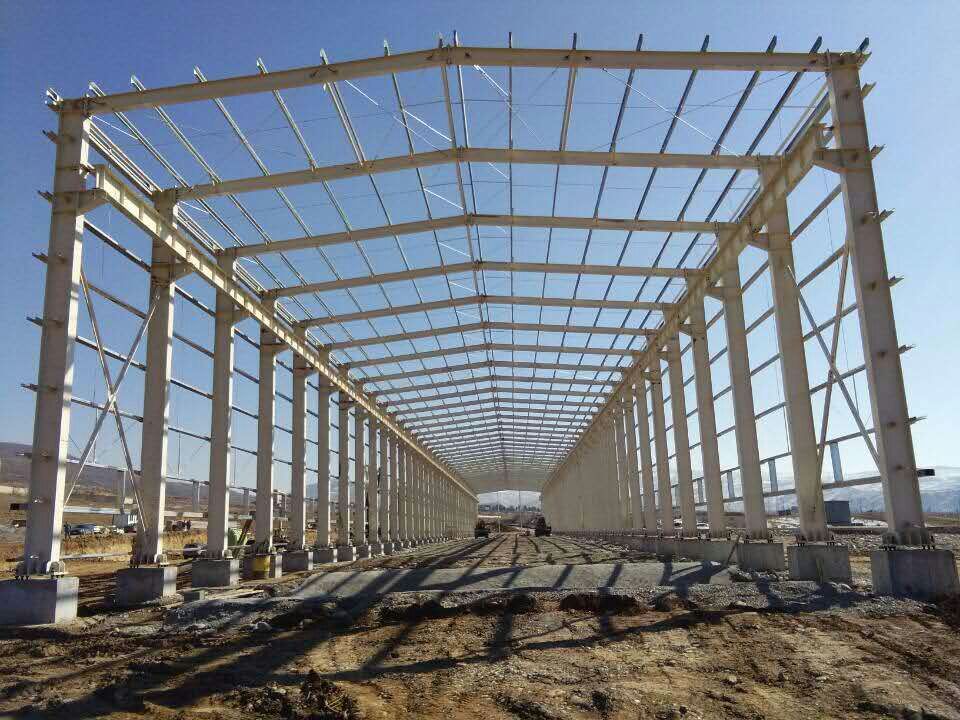
5. Comparing Custom Steel Structure Farmhouses to Traditional Custom Farmhouses
To fully appreciate the value of a custom steel structure farmhouse, it is helpful to compare it to traditional custom farmhouses built with wood, brick, or concrete. While traditional farmhouses have their own charm, they often fall short in terms of flexibility, durability, cost-effectiveness, and sustainability—areas where custom steel structure farmhouses excel. Below is a detailed comparison of the two, highlighting the key advantages of custom steel structures.
5.1 Customization Flexibility
Traditional custom farmhouses (wood, brick, concrete) are often limited by the properties of their materials. Wood frame farmhouses, for example, are restricted by the size and strength of wooden beams, making it difficult to create large, open interior spaces without intermediate supports. Brick and concrete farmhouses are even more rigid, requiring extensive modification (and additional cost) to alter the layout or add features. Additionally, traditional materials often limit exterior aesthetic options—wood frame farmhouses are typically clad in wood or vinyl, while brick/concrete farmhouses are limited to brick, stone, or stucco.
In contrast, custom steel structure farmhouses offer unparalleled customization flexibility. Steel’s strength and malleability allow for virtually any layout, including large, open interior spaces with long spans between supports. Exterior aesthetic options are nearly endless, with a wide range of cladding materials (metal, fiber cement, vinyl, brick, stone) and colors to choose from. Steel structures can also be easily expanded or modified in the future, allowing you to add rooms, storage spaces, or agricultural facilities as your needs grow—something that is difficult and costly to do with traditional farmhouses.
5.2 Durability and Longevity
Traditional custom farmhouses are often less durable than steel structures, particularly in harsh environments. Wood frame farmhouses are susceptible to rot, mold, termite infestation, warping, and fire—all of which can reduce their lifespan to 20-30 years (with regular maintenance). Brick and concrete farmhouses are more durable than wood, but they are prone to cracking (due to thermal expansion and contraction or seismic activity), corrosion (from saltwater or chemicals), and water damage—reducing their lifespan to 30-50 years.
Custom steel structure farmhouses, on the other hand, are built to last 50-100 years with minimal maintenance. Steel is impervious to rot, mold, termite infestation, and fire, and galvanized or weathering steel offers superior corrosion resistance. Steel structures are also resistant to extreme weather conditions (wind, snow, rain, heat) and seismic activity, making them ideal for farmhouses located in harsh or disaster-prone regions. This durability means that your custom steel farmhouse will require far fewer repairs and replacements than a traditional farmhouse, saving you time and money over the long term.
5.3 Maintenance and Cost-Effectiveness
Traditional custom farmhouses require significant maintenance to keep them in good condition. Wood frame farmhouses need regular painting, staining, and termite treatments (typically every 2-3 years), which can cost thousands of dollars over time. Brick and concrete farmhouses may require patching, sealing, or repointing to prevent water damage, and their roofs (often asphalt or tile) may need to be replaced every 15-20 years. Additionally, traditional construction methods are often time-consuming and labor-intensive, leading to higher initial construction costs.
Custom steel structure farmhouses are low-maintenance, requiring only occasional cleaning and inspections to keep them in perfect condition. The steel frame and exterior cladding are resistant to rot, rust, and pest infestations, eliminating the need for regular painting or termite treatments. The prefabricated construction method reduces on-site labor costs and construction time, lowering the initial construction cost compared to traditional custom farmhouses. While the initial cost of steel may be slightly higher than wood, the long-term maintenance savings and longer lifespan make custom steel farmhouses far more cost-effective over time.
5.4 Sustainability and Environmental Impact
Traditional custom farmhouses often have a higher environmental impact than steel structures. Wood frame farmhouses require the harvesting of trees, which can contribute to deforestation if not sourced from sustainable forests. Brick and concrete production is energy-intensive, generating significant carbon emissions. Additionally, traditional construction methods generate more on-site waste than prefabricated steel construction, as components are often cut and trimmed on-site, leading to excess material waste.
Custom steel structure farmhouses are inherently sustainable. Steel is 100% recyclable, and nearly all of the steel used in your farmhouse can be recycled at the end of its lifespan. The prefabricated construction method generates minimal on-site waste, as components are precision-manufactured in factories to exact specifications. Steel structures can also be designed to be highly energy-efficient, with high-performance insulation, renewable energy integration, and energy-efficient windows and doors—reducing their carbon footprint and utility costs. Additionally, steel does not emit harmful chemicals or VOCs, ensuring that your farmhouse’s interior air quality is safe and healthy.
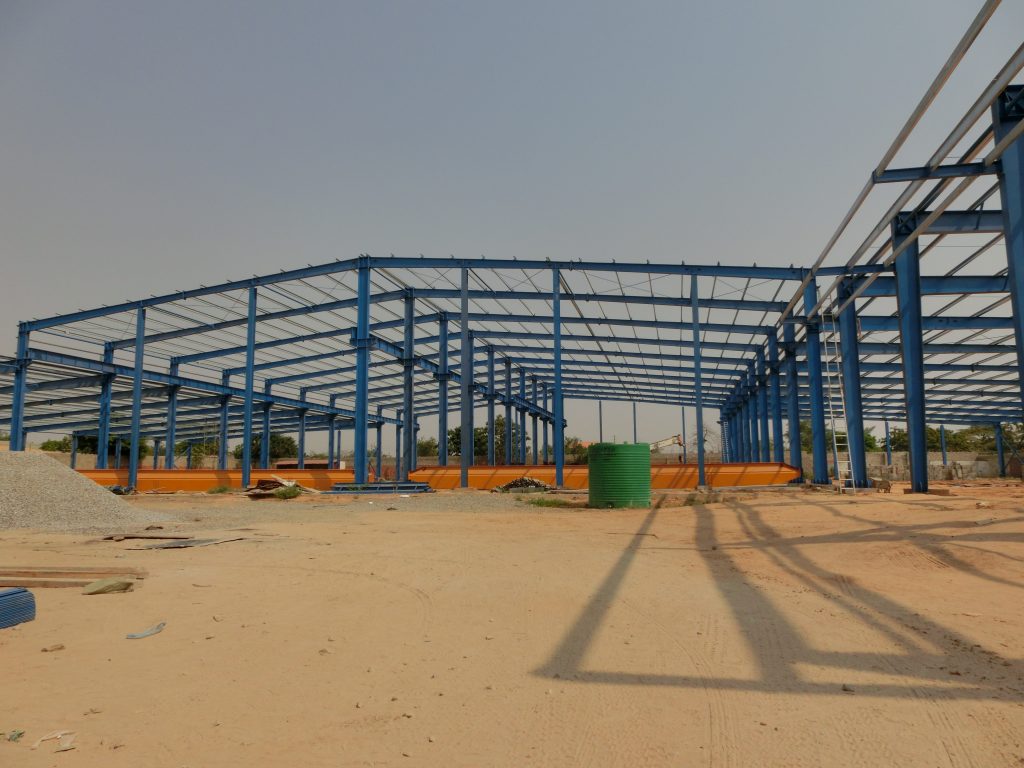
6. Challenges and Solutions in Building a Custom Steel Structure Farmhouse
While custom steel structure farmhouses offer numerous advantages, building one is not without its challenges. From design complexities to regulatory hurdles, there are several obstacles that homeowners may face during the process. However, with careful planning, collaboration with experienced professionals, and proactive problem-solving, these challenges can be easily overcome. Below are the key challenges and practical solutions for building a custom steel structure farmhouse.
6.1 Challenge 1: Finding an Experienced Custom Steel Building Designer
One of the biggest challenges in building a custom steel structure farmhouse is finding a designer with experience in steel structure design and agricultural buildings. Many residential designers specialize in traditional wood or brick homes and may not have the expertise to design a custom steel farmhouse that meets your functional and aesthetic needs. This can lead to design flaws, structural issues, or missed opportunities for customization.
Solution: Do your research to find a designer or design firm that specializes in custom steel structure buildings, particularly farmhouses. Look for firms with a portfolio of previous custom steel farmhouses, and ask for references from past clients. You can also work with steel building manufacturers that offer in-house design services, as their designers have extensive experience in steel structure design and can ensure that your design is both functional and structurally sound. Additionally, consider hiring a structural engineer with experience in steel buildings to review the design and ensure that it meets all safety and regulatory requirements.
6.2 Challenge 2: Balancing Customization with Budget
Customization can be costly, and it is easy to exceed your budget when designing a custom steel structure farmhouse. Every custom feature—from unique exterior cladding to high-end interior finishes—adds to the overall cost of the project. Many homeowners struggle to balance their desire for a fully customized farmhouse with their budget constraints.
Solution: Start by establishing a clear budget before beginning the design process, and communicate this budget to your design team. Prioritize your customization needs—identify the features that are non-negotiable (such as the number of bedrooms, attached storage, or energy efficiency) and those that are optional (such as high-end fixtures or custom exterior accents). Your design team can help you find cost-effective alternatives for optional features—for example, using wood-look metal panels instead of real wood for the exterior, or choosing mid-range cabinetry instead of high-end options. Additionally, consider phasing your customization—build the core farmhouse first, and add optional features (such as a deck or workshop) at a later date when you have more budget available.
6.3 Challenge 3: Navigating Local Building Codes and Regulations
Local building codes and regulations vary widely, and navigating them can be a challenge—especially for custom steel structure farmhouses, which may have unique design features or be located in rural areas with specific zoning requirements. Failure to comply with local codes can lead to delays, fines, or even the need to modify the building after construction.
Solution: Work with your design team and a local building permit specialist to ensure that your custom steel farmhouse complies with all local building codes, zoning regulations, and environmental requirements. Your design team should be familiar with the codes in your area, but it is always a good idea to consult with a local expert who can provide guidance on specific requirements (such as snow load, wind load, or foundation standards). Additionally, apply for all necessary permits early in the process to avoid delays—this includes building permits, zoning permits, and any permits required for agricultural facilities (such as livestock shelters or storage sheds).
6.4 Challenge 4: Ensuring the Aesthetic Matches Your Vision
While steel is highly customizable, some homeowners worry that a steel structure will have an industrial, cold aesthetic—rather than the warm, inviting look they desire for their dream farmhouse. This can be a particular concern for homeowners who prefer traditional or rustic styles.
Solution: Work closely with your design team to customize the exterior and interior of your steel farmhouse to match your aesthetic vision. For a traditional or rustic look, use wood-look metal panels, stone veneer, exposed steel beams, and warm interior finishes (hardwood, shiplap, reclaimed wood). For a modern look, use sleek metal panels, large glass windows, polished concrete floors, and minimalist fixtures. Your design team can provide 3D renderings of the building before construction begins, allowing you to visualize the finished product and make adjustments to the aesthetic as needed. Additionally, look for examples of custom steel farmhouses with similar aesthetics to your vision—this will help you see how steel can be used to create the look you desire.

7. Future Trends in Custom Steel Structure Farmhouses
As the demand for custom farmhouses grows, so too does the innovation in custom steel structure design. The future of custom steel structure farmhouses is focused on enhancing customization, sustainability, technology integration, and functional adaptability—all of which will make these buildings even more appealing to homeowners. Below are the key trends that will shape the future of custom steel structure farmhouses.
7.1 Smart Home Integration
Smart home technology is becoming increasingly popular in residential buildings, and custom steel structure farmhouses are no exception. Future custom steel farmhouses will integrate smart technology to enhance comfort, convenience, and energy efficiency. This includes features such as smart thermostats (which can be controlled remotely to adjust temperature), smart lighting (which can be programmed to turn on/off automatically), smart security systems (including cameras, motion sensors, and remote door locks), and smart irrigation systems (for landscaping and agricultural use).
Additionally, smart home technology will be integrated with the steel structure itself, allowing homeowners to monitor the building’s structural integrity (such as detecting corrosion or structural damage) remotely using IoT sensors. This proactive monitoring will help homeowners address potential issues before they become serious, extending the lifespan of the building and reducing maintenance costs.
7.2 Advanced Sustainability Features
Sustainability will continue to be a key focus in custom steel structure farmhouse design, with advanced features that further reduce environmental impact and improve energy efficiency. Future steel farmhouses will incorporate more renewable energy systems, such as solar panels with energy storage (to store excess electricity for use during power outages), wind turbines, and geothermal heating and cooling systems. Additionally, new insulation materials (such as aerogel, which is highly efficient and lightweight) will be used to create even tighter building envelopes, minimizing heat loss and gain.
Circular economy principles will also become more prevalent, with steel structures designed for disassembly and recycling. This means that components of the farmhouse can be easily removed and recycled at the end of its lifespan, reducing waste and maximizing resource efficiency. Additionally, more eco-friendly materials (such as bio-based steel coatings and recycled interior finishes) will be used, further enhancing the sustainability of custom steel farmhouses.
7.3 Modular and Prefabricated Customization
Modular and prefabricated construction methods will become even more advanced, allowing for greater customization and faster construction times. Future custom steel structure farmhouses will use modular components that can be easily combined and customized to create unique layouts and designs. This will allow homeowners to choose from a range of pre-designed modules (such as bedrooms, bathrooms, living spaces, and storage areas) and combine them to create a custom floor plan—reducing design time and cost while still achieving a unique look.
Additionally, 3D printing technology will be used to manufacture custom steel components, allowing for even more complex and unique designs. 3D printing will enable homeowners to create custom exterior accents, interior features, and structural elements that would be difficult or impossible to produce with traditional manufacturing methods.
7.4 Multi-Functional and Adaptive Designs
Future custom steel structure farmhouses will be designed to be even more multi-functional and adaptive, accommodating changing lifestyles and agricultural needs. This includes flexible interior spaces that can be easily reconfigured (such as a home office that can be converted into a guest bedroom), and modular agricultural facilities that can be expanded or modified as the farm operation grows. Additionally, custom steel farmhouses will be designed to accommodate multi-generational living, with separate living spaces for different family members that are still connected to the main home.
Adaptive designs will also consider climate change, with features that allow the farmhouse to adapt to changing weather conditions (such as increased heat, more frequent storms, or rising sea levels). This includes elevated foundations for flood-prone areas, reinforced structures for hurricane or tornado-prone regions, and heat-resistant materials for areas with increasing temperatures.

8. Conclusion: Your Dream Farmhouse, Perfectly Customized with Steel
A dream farmhouse is a deeply personal space—one that reflects your style, supports your lifestyle, and stands as a testament to your vision for rural living. Custom steel structure buildings have revolutionized the way we build farmhouses, offering unparalleled flexibility, durability, sustainability, and value that traditional building materials simply cannot match. Whether you envision a cozy, rustic retreat, a modern, sleek hub for agricultural operations, or a multi-generational home that grows with your family, a custom steel structure farmhouse can turn that vision into a reality—one that is built to last, requires minimal maintenance, and brings joy for decades to come.
As explored in this article, the core advantages of custom steel structure farmhouses—unmatched customization flexibility, exceptional durability, low maintenance, sustainability, and functional adaptability—make them the ideal choice for modern dream farmhouses. The custom design process, from initial consultation to on-site installation, is collaborative and tailored to your unique needs, ensuring that every detail of your farmhouse aligns with your vision. Key customization elements, such as layout, exterior aesthetic, interior finishes, and functional features, allow you to create a space that is truly one-of-a-kind, while real-world case studies demonstrate how steel can be used to bring even the most unique dream farmhouses to life.
While building a custom steel structure farmhouse may present some challenges—from finding experienced designers to balancing customization with budget—these obstacles are far outweighed by the countless benefits that steel structures offer. With the right team of professionals, careful planning, and a clear vision, you can navigate these challenges seamlessly and create a farmhouse that exceeds your expectations. The investment in a custom steel structure farmhouse is not just a financial one; it is an investment in a home that will grow with you, support your agricultural endeavors, and stand as a lasting legacy for generations to come.
In a world where homeowners increasingly seek spaces that are both personal and practical, custom steel structure farmhouses stand out as a versatile, durable, and sustainable solution. They break free from the limitations of traditional building materials, allowing you to create a farmhouse that is uniquely yours—whether that means a rustic retreat nestled in the hills, a modern hub in the outback, or a multi-generational home steeped in tradition. Steel’s inherent strength ensures that your home will withstand the test of time and the elements, while its flexibility allows for endless customization to suit your lifestyle and needs. Moreover, its sustainability credentials align with the growing focus on eco-conscious living, making it a responsible choice for those who wish to harmonize their home with the natural world.
As we look to the future, the role of custom steel structure farmhouses will only grow, driven by advancements in smart home technology, modular construction, and sustainable design. These innovations will make steel farmhouses even more accessible, customizable, and efficient, ensuring that they remain the top choice for anyone looking to turn their dream farmhouse into a reality. Whether you are just beginning to envision your dream home or are ready to embark on the construction process, a custom steel structure farmhouse offers the perfect blend of style, functionality, and longevity—proving that when it comes to building a home that truly feels like yours, steel is the material of the future.
Related news
-
Lida Group's Metal Frame Farmhouse Withstands Harsh Conditions
2026-02-13 17:52:50
-
Experience Lasting Value with High Quality Construction
2026-02-13 17:42:48
-
Efficient and Sturdy Steel Structure Building for Agriculture
2026-02-13 17:34:57
contact us
- Tel: +86-532-88966982
- Whatsapp: +86-13793209022
- E-mail: sales@lidajituan.com
