



Cost-Effective Prefab House Solutions from Lida Group
2026-Jan-22 16:01:34
By Admin
In the global push for sustainable, efficient, and affordable construction, prefabricated (prefab) housing has emerged as a transformative alternative to traditional on-site building methods. Amidst this shift, Lida Group, a leading global provider of modular and prefab building solutions with over three decades of expertise, stands out for its cost-effective prefab house offerings. Blending advanced manufacturing technology, standardized production processes, and adaptive design, Lida Group delivers prefab houses that balance affordability, durability, and functionality—addressing the core needs of governments, developers, businesses, and individual homeowners worldwide. From rural residential projects to large-scale infrastructure camps, emergency shelters to commercial complexes, Lida’s prefab solutions redefine cost efficiency by optimizing every stage of the building lifecycle, from material sourcing to on-site assembly and long-term maintenance. This article explores the technical innovations, cost-control mechanisms, diverse applications, and industry impact of Lida Group’s cost-effective prefab house solutions, revealing how they are making high-quality housing accessible while driving the global prefab construction revolution.
1. Lida Group: A Legacy of Affordability and Quality in Prefab Construction
Founded in 1993, Lida Group has evolved from a regional steel structure manufacturer to a global leader in integrated prefab and modular building solutions. With a comprehensive industrial chain covering design, R&D, production, logistics, installation, and after-sales service, the group has established six state-of-the-art prefab production bases and eight steel structure manufacturing lines, boasting an annual production capacity of 24,000 prefab units and 120,000 tons of steel structures. This scale of production lays the foundation for its cost-effective offerings, as bulk material procurement, automated manufacturing, and streamlined workflows significantly reduce per-unit costs without compromising quality.
Lida Group’s commitment to quality and compliance further reinforces the value of its prefab houses. All products are certified by ISO, CE, TÜV, and other international standards, ensuring structural safety, fire resistance, and environmental performance. The group’s 33 years of experience in executing over 5,000 projects across 152 countries—from extreme cold regions in Mongolia to high-temperature areas in the Middle East—has enabled it to refine its prefab solutions for diverse climatic and regulatory environments. This global expertise allows Lida to deliver tailored, cost-effective solutions that meet local requirements without costly rework or design modifications.
At the core of Lida’s cost philosophy is the belief that affordability should not come at the expense of sustainability or durability. The group prioritizes circular economy principles, using recycled steel, low-VOC materials, and energy-efficient components in its prefab houses. This not only reduces environmental impact but also lowers long-term operational costs for users, enhancing the total cost of ownership (TCO) advantage of its solutions.
2. Technical Innovations: The Engineering Behind Cost-Effective Prefab Houses
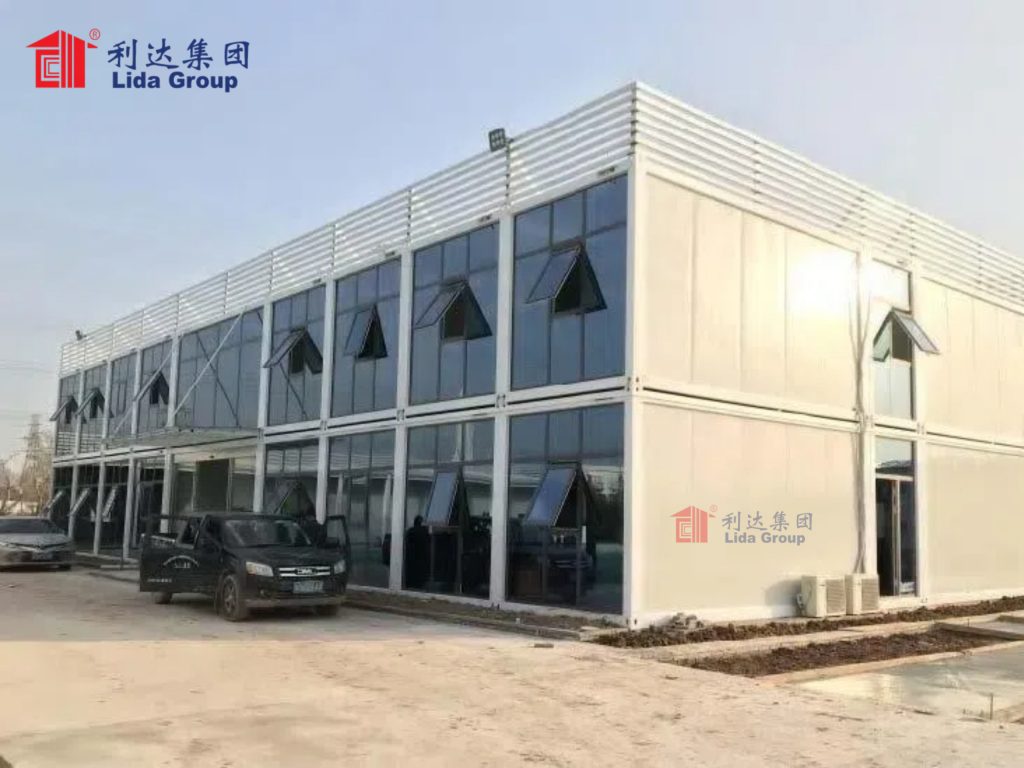
Lida Group’s prefab houses achieve cost efficiency through sophisticated engineering and standardized design, which optimize material usage, reduce labor requirements, and accelerate assembly timelines. Every component—from steel frames to insulation panels—is precision-manufactured to minimize waste and maximize performance, ensuring that cost savings are embedded in the product’s design rather than achieved through corner-cutting.
2.1 Structural Design: Durability at Minimal Cost
The backbone of Lida’s prefab houses is a robust yet cost-efficient steel frame system, typically constructed from Q235 galvanized steel. This material offers an optimal balance of strength, corrosion resistance, and affordability, with a yield strength of 235 MPa and a service life of over 20 years with minimal maintenance. The frame components—including roof trusses, floor beams, and corner pillars—are pre-cut, pre-drilled, and galvanized with a 40 g/m² zinc coating, ensuring resistance to harsh environments such as coastal salt spray, high humidity, and extreme temperatures (-45℃ to 50℃).
Lida’s engineers have optimized the frame design to reduce material consumption without compromising structural integrity. For example, corner pillars (210×150×30mm with a 2.75mm thickness) provide sufficient support for 3-storey stacking while using 15% less steel than conventional designs. The frame also meets EN 12079 and GB 50017 standards for seismic resistance (grade 8) and wind resistance (up to 12 levels, 220 km/h), making it suitable for high-risk areas without additional reinforcement costs.
2.2 Panel Technology: Insulation, Safety, and Affordability
Walls, roofs, and floors of Lida’s prefab houses use cost-effective sandwich panels, which integrate insulation, structural support, and weatherproofing into a single prefabricated component. The panels are available in two core configurations to suit different budget and performance needs: 50mm fiberglass sandwich panels for standard applications and 75mm rock wool panels for A-class fire resistance (compliant with GB 8624-2012).
Fiberglass insulation, with a thermal conductivity coefficient of 0.038 W/(m·K), delivers excellent energy efficiency at a lower cost than premium insulation materials. The panels are clad in 0.4mm color steel sheets with a PE finish, which enhances durability and aesthetics while keeping material costs in check. The floor system—comprising 18mm fiber cement board, 100mm fiberglass insulation, and 1.8mm PVC flooring—ensures soundproofing (60dB noise reduction) and load-bearing capacity (2.5 kN/㎡) at a fraction of the cost of traditional concrete floors.
For cost-sensitive projects, Lida offers optional EPS foam sandwich panels, which further reduce material costs by 10-15% while maintaining basic insulation and structural performance. These panels are ideal for temporary housing, construction camps, and rural residential projects where budget is a primary concern.
2.3 Automated Production and Standardization
Lida Group’s cost efficiency is largely driven by its automated production lines and standardized component design. The group has invested in AI-powered welding robots, precision cutting machines, and automated assembly systems, which reduce labor costs by 40% and improve production accuracy to ±0.5mm. A single production line can manufacture 80 prefab components per day, enabling mass production of standardized parts and reducing unit costs through economies of scale.
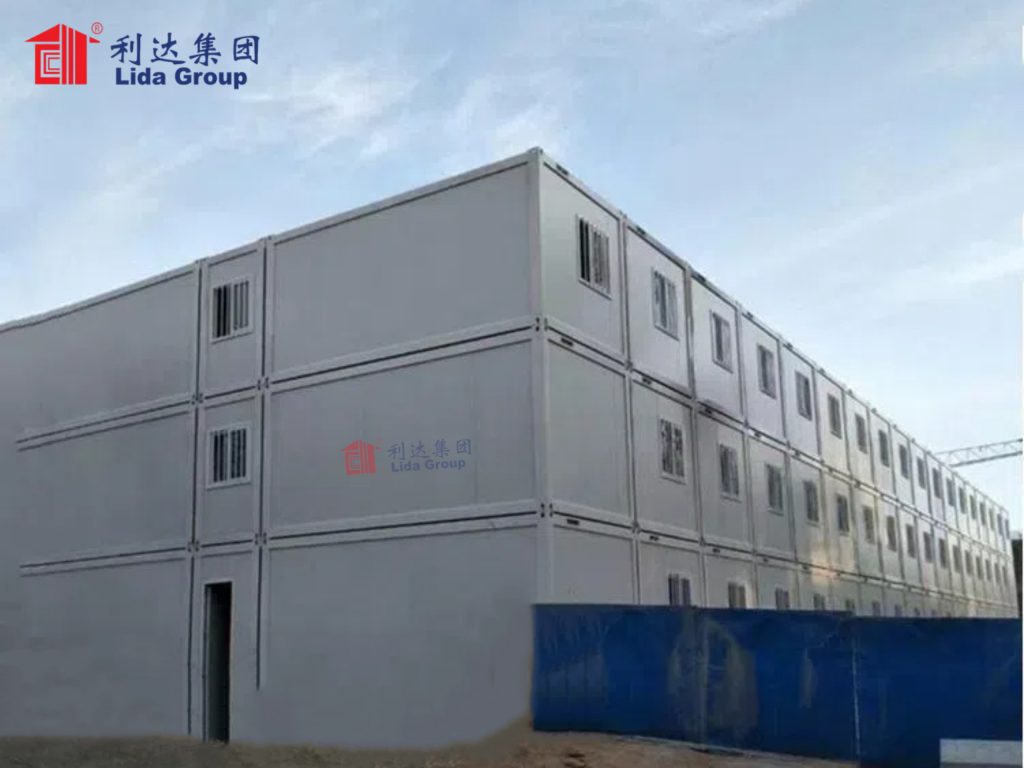
Standardization also simplifies on-site assembly, as prefabricated components fit together seamlessly without custom adjustments. Lida’s prefab houses use quick-connect ISO Twistlock connectors and high-strength bolts, eliminating the need for on-site welding or specialized tools. A 2-person team can assemble a 20ft prefab unit in 4 hours, and a 200-square-meter residential house can be fully installed in 3 days—60% faster than traditional construction. This rapid assembly reduces labor costs, shortens project timelines, and minimizes on-site overheads such as equipment rental and site management.
2.4 Sustainable Materials and Energy Efficiency
Lida Group integrates sustainability into its cost-effective solutions by using recycled materials and energy-efficient components. Up to 65% of the steel used in its prefab frames is recycled, reducing raw material costs by 20% and cutting carbon emissions by 65% compared to virgin steel. Insulation materials are low-VOC and recyclable, complying with EU EC1+ standards, while energy-efficient windows (UPVC or aluminum) and LED lighting systems lower long-term utility costs for users.
For off-grid or remote projects, Lida offers optional solar-storage integration, which uses roof-mounted monocrystalline silicon PV panels and lithium iron phosphate batteries to provide renewable energy. While this adds an initial cost, it reduces reliance on grid power and lowers operational costs by up to 70% over the building’s lifespan, enhancing overall cost efficiency.
3. Cost-Control Mechanisms: Delivering Affordability Across the Lifecycle
Lida Group’s prefab houses achieve cost efficiency not just through material and production optimizations, but through a holistic approach that reduces costs at every stage of the building lifecycle—from design and manufacturing to transportation, installation, and maintenance. This lifecycle cost management ensures that users benefit from lower upfront costs and long-term savings.
3.1 Upfront Cost Savings: Production and Procurement
Bulk material procurement is a key driver of upfront cost savings. Lida’s global supply chain network allows it to purchase steel, insulation, and other core materials at 15-25% lower prices than small-scale manufacturers. The group’s standardized design also reduces waste to just 3%, compared to 15-20% in traditional on-site construction, further lowering material costs.
The cost of Lida’s prefab houses varies by configuration but is consistently 20-40% lower than traditional construction. For example, a 180-square-meter two-storey rural prefab house has a total upfront cost of $35,000-$40,000 (including materials, manufacturing, and installation), compared to $50,000-$65,000 for a conventional concrete house of the same size. Bulk orders offer additional discounts: for projects with 50+ units, Lida can reduce per-unit costs by a further 10-15%.
3.2 Transportation and Logistics Efficiency
Lida’s prefab components are designed for compact transportation, reducing logistics costs by up to 50%. Standard 20ft prefab units can be stacked 4-6 units per 40ft shipping container, while folding prefab models (such as the LD-CH-016) can be stacked 10 units per container, minimizing shipping volume. For local projects, Lida’s regional production bases ensure short-distance transportation, reducing fuel costs and delivery times.
The lightweight design of prefab components also lowers transportation costs. A typical 20ft prefab unit weighs 2.5-3 tons, compared to 8-10 tons for a conventional concrete structure of the same size, reducing trucking costs and enabling delivery to remote areas with limited access.
3.3 Low Installation and Labor Costs
As noted earlier, Lida’s prefab houses require minimal on-site labor and time. A small team of 2-4 workers can assemble a standard house in 3-5 days, compared to 4-6 weeks for traditional construction. This reduces labor costs by 40-50% and eliminates the need for specialized tradespeople (such as electricians and plumbers) on-site, as utilities are pre-installed in the factory.
Lida also provides on-site installation training and supervision, ensuring that local labor can be used for assembly—further reducing costs for international projects. For example, in a mining camp project in Indonesia, Lida trained 10 local workers to assemble 40 prefab units in 5 days, avoiding the high cost of importing skilled labor.
3.4 Long-Term Maintenance and Durability
Lida’s prefab houses are designed for low maintenance, with a service life of 20+ years and annual maintenance costs of less than $500 per unit. The galvanized steel frame resists corrosion and rust, eliminating the need for regular painting or repairs. Sandwich panels are moisture-resistant and easy to clean, while pre-installed utilities are protected in sealed compartments, reducing the risk of breakdowns.
The modular design also allows for easy replacement of components, rather than full renovation, if damage occurs. For example, a damaged wall panel can be replaced in a few hours at a cost of $200-$300, compared to $1,000+ for repairing a conventional brick wall. This durability and ease of maintenance lower long-term costs and enhance the total cost of ownership.

4. Diverse Applications: Cost-Effective Solutions for Every Need
Lida Group’s cost-effective prefab houses are versatile enough to serve a wide range of applications, from residential and commercial to emergency and infrastructure projects. Their adaptability, combined with affordability, makes them a preferred choice for clients across sectors.
4.1 Rural Residential Housing
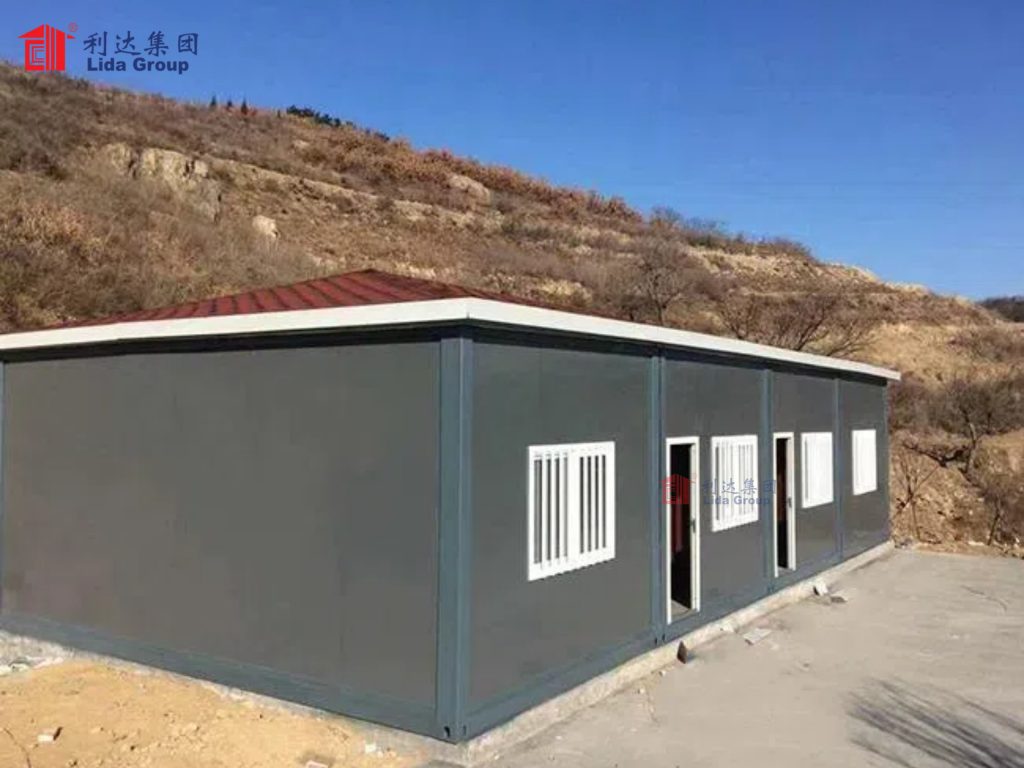
In rural areas and emerging markets, Lida’s prefab houses address the need for affordable, durable housing. The group’s rural prefab solutions are customized to local architectural styles and climate conditions, with options for single-storey and two-storey designs. For example, in Chengdu, China, Lida supplied 147 prefab houses for a rural revitalization project in Yunlong Town. These 260-square-meter houses feature 8-grade seismic resistance, thermal insulation, and川西民居 (Western Sichuan-style) exteriors, with a total cost of $45,000 per unit—30% lower than traditional construction. The houses were assembled in 3 days per unit, enabling rapid delivery to rural families.
4.2 Infrastructure and Construction Camps
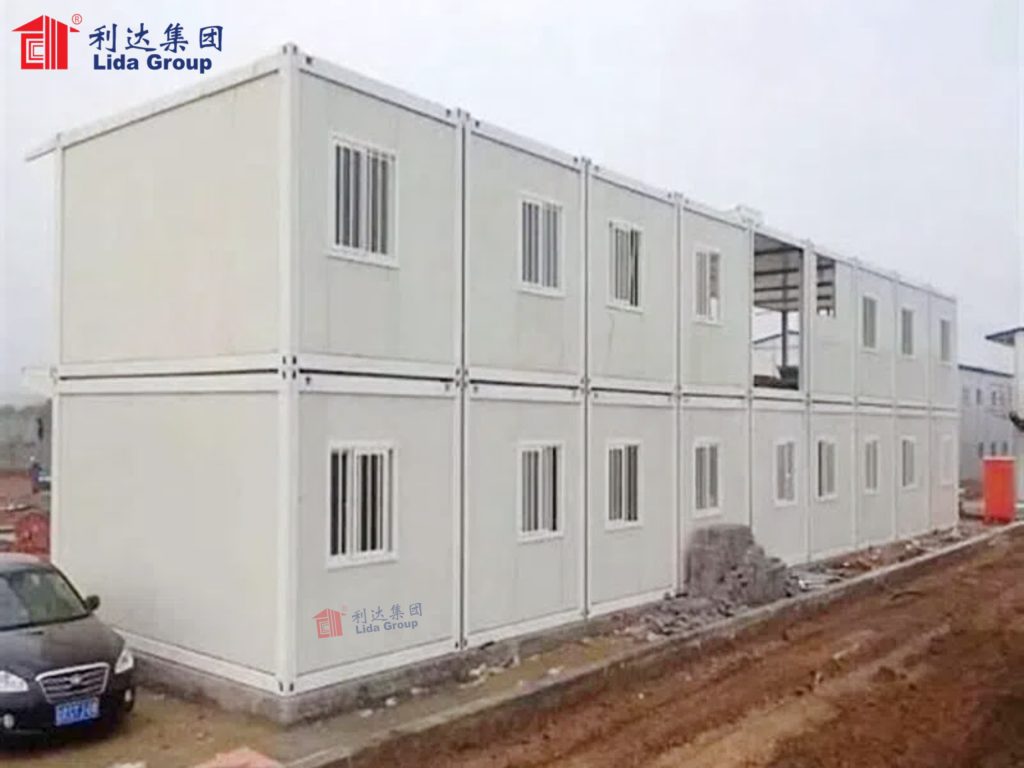
Construction sites, mines, and infrastructure projects (such as highways, railways, and airports) require temporary, cost-effective housing for workers. Lida’s prefab houses are ideal for this purpose, as they can be quickly deployed, relocated, and reused. For example, in the Indonesian mining sector, Lida supplied 40 prefab units to house 200 workers, completing installation in 5 days and reducing costs by 22% compared to traditional dormitories. The units were later relocated to another mine site after the project’s completion, maximizing reuse and return on investment.
Lida also provided prefab housing for Saudi Arabia’s NEOM Future City project, a core initiative of Saudi Vision 2030. The prefab units were customized for the region’s high-temperature climate (up to 50℃) with enhanced insulation and ventilation, delivering cost-effective housing for construction workers while aligning with the project’s sustainability goals.
4.3 Emergency Relief and Disaster Response
In the aftermath of natural disasters, rapid deployment of affordable shelter is critical. Lida’s prefab houses can be transported by truck, ship, or air and assembled in 48 hours, making them ideal for emergency relief. For example, after the Tubbs Fire in Santa Rosa, California, Lida supplied modified prefab units to provide temporary housing for displaced families, offering a durable alternative to tents at a fraction of the cost of temporary modular housing. The units were equipped with essential utilities and insulation, ensuring comfort for survivors.
Lida’s emergency prefab houses are also used by NGOs and governments for pandemic response. During the COVID-19 pandemic, the group supplied 300+ prefab units to create temporary medical facilities and quarantine centers in Southeast Asia, delivering cost-effective, hygienic spaces for healthcare workers and patients.
4.4 Commercial and Public Buildings
Lida’s prefab solutions are not limited to residential use—they also serve commercial and public needs, such as offices, schools, clinics, and small retail spaces. For example, in rural Kenya, Lida supplied 10 prefab classrooms for a local school, with a total cost of $15,000 per classroom. The classrooms are durable, energy-efficient, and equipped with natural lighting, providing a high-quality learning environment at 35% lower cost than traditional construction. The units were assembled in 2 days per classroom, minimizing disruption to the school year.
In urban areas, Lida’s prefab offices and retail spaces offer a cost-effective alternative to conventional commercial buildings. For example, a 200-square-meter prefab office in Shanghai costs $50,000-$60,000 and can be assembled in a week, allowing businesses to quickly establish operations with minimal upfront investment.
5. Industry Impact and Market Prospects
Lida Group’s cost-effective prefab house solutions are driving significant change in the global construction industry, accelerating the adoption of prefab methods and making high-quality housing accessible to more people. As the global prefab construction market continues to grow—projected to reach $15.7 billion by 2027 with a CAGR of 9.1%—Lida is well-positioned to capitalize on this trend, thanks to its cost advantages, technical expertise, and global reach.
5.1 Advancing Affordable Housing Goals
Lida’s prefab solutions play a critical role in addressing the global affordable housing crisis. By reducing construction costs by 20-40%, the group enables governments and developers to build more housing units with limited budgets. In emerging markets such as India, Indonesia, and Nigeria, Lida’s prefab houses are helping to reduce slum populations by providing affordable, durable alternatives to informal housing.
5.2 Shifting Industry Norms: From Traditional to Prefab
Lida’s success is challenging the perception that prefab housing is low-quality or only suitable for temporary use. The group’s cost-effective, high-performance solutions are demonstrating that prefab can be a viable alternative to traditional construction for permanent residential and commercial projects. This is driving more developers and governments to adopt prefab methods, reshaping the industry’s landscape.
5.3 Policy Support and Market Expansion
Governments worldwide are increasingly supporting prefab construction through policy incentives, which is boosting demand for Lida’s solutions. For example, China’s Ministry of Housing and Urban-Rural Development offers subsidies of up to $60 per square meter for prefab housing projects, while the EU’s Green Deal provides funding for sustainable modular buildings. Lida is leveraging these policies to expand its market share in Asia, Europe, and North America, with a focus on rural revitalization, infrastructure, and affordable housing projects.
5.4 Future Innovations: Enhancing Cost Efficiency Further
Lida Group continues to invest in R&D to enhance the cost efficiency of its prefab houses. Future innovations include the use of recycled ocean plastic in insulation materials, AI-powered energy management systems to reduce operational costs, and 3D-printed prefab components to further streamline production. The group is also exploring modular designs that can be easily expanded or repurposed, maximizing flexibility and extending the building’s lifespan.
6. Conclusion
Lida Group’s cost-effective prefab house solutions represent a paradigm shift in the global construction industry, proving that affordability, quality, and sustainability can coexist. Through technical innovations, lifecycle cost management, and versatile design, Lida delivers prefab houses that reduce upfront and long-term costs by 20-40% compared to traditional construction, while meeting international safety, environmental, and performance standards. The group’s global projects—from rural residential homes in China to emergency shelters in California and infrastructure camps in Saudi Arabia—demonstrate the adaptability and value of its solutions across diverse sectors and climates.
Beyond cost savings, Lida’s prefab houses are driving positive social and environmental impact: addressing the affordable housing crisis, reducing carbon emissions, and minimizing construction waste. As the global demand for efficient, sustainable construction grows, Lida Group is poised to remain a leader in the prefab market, leveraging its scale, expertise, and commitment to innovation to deliver even more cost-effective solutions.
In an era where cost efficiency and sustainability are paramount, Lida Group’s prefab houses are not just a building solution—they are a catalyst for change. By making high-quality housing accessible to governments, businesses, and individuals worldwide, Lida is helping to build more resilient, inclusive, and sustainable communities. As the industry continues to evolve, Lida’s cost-effective prefab solutions will remain at the forefront, shaping the future of construction for decades to come.
Related news
-
Easy Assembly Container Apartments Redefine Rapid Deployment
2026-01-22 15:19:19
-
Lida Group Launches Modern Mobile Container Dormitory Series
2026-01-22 15:21:00
-
Lida Group: Unmatched Expertise in Steel Structure Projects
2026-01-19 17:45:04
contact us
- Tel: +86-532-88966982
- Whatsapp: +86-13793209022
- E-mail: sales@lidajituan.com
