



Build Your Dream Home with a Durable Metal Frame House
2025-Dec-26 17:20:24
By Admin
For most people, building a dream home is a lifelong pursuit—one that combines personal taste, functional needs, and the desire for a space that stands the test of time. In the realm of residential construction, the choice of structural frame is pivotal, as it dictates the home’s durability, safety, and long-term value. In recent decades, metal frame houses have emerged as a superior alternative to traditional wood or brick-concrete structures, offering unmatched durability, design flexibility, and sustainability. A durable metal frame home is not merely a shelter; it is a long-term investment that resists environmental hazards, minimizes maintenance costs, and adapts to evolving lifestyle needs. This article explores the multifaceted benefits of metal frame houses, delves into the materials and technologies that enhance their durability, guides readers through the design and construction process, showcases real-world applications, and highlights their role in building a sustainable dream home, providing a comprehensive roadmap for anyone looking to invest in a resilient, personalized living space.
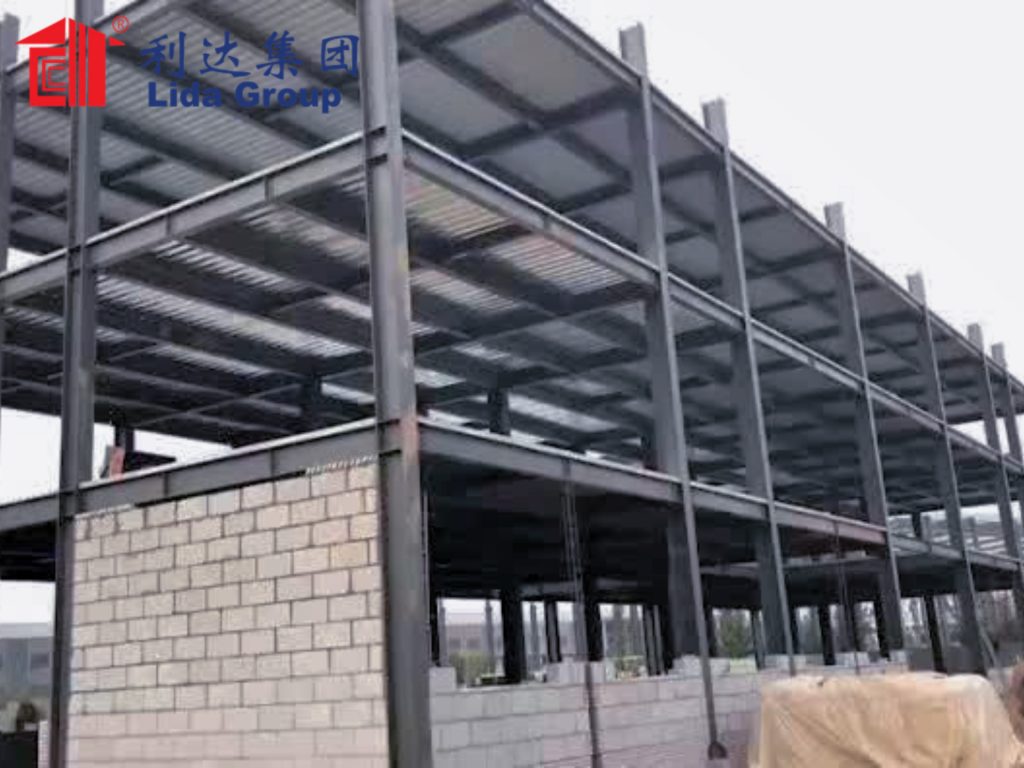
1. The Core Advantages of Metal Frame Houses: Why Durability Matters for Your Dream Home
When envisioning a dream home, durability is non-negotiable. Unlike temporary structures that require frequent repairs, a metal frame home is engineered to endure decades of use while maintaining structural integrity. The inherent properties of metal, combined with advanced manufacturing techniques, deliver a range of advantages that align perfectly with the goals of building a lasting dream home. These advantages extend beyond mere strength, encompassing safety, low maintenance, and adaptability—key pillars of a home that grows with its inhabitants.
1.1 Unmatched Structural Durability and Resistance to Hazards
Metal frames, primarily constructed from cold-formed steel (CFS) or hot-rolled steel, offer exceptional structural resilience compared to traditional materials. Steel, as a material, boasts a high strength-to-weight ratio, meaning it can support heavy loads without adding excessive bulk to the structure. This strength translates to superior resistance to natural hazards, a critical consideration for protecting your dream home and loved ones. Unlike wood, which is susceptible to termite infestations, rot, and fungal growth, metal frames are impervious to biological threats. Termites and borers cannot digest steel, eliminating the risk of structural damage that can compromise a home’s safety and value over time . This resistance is particularly valuable in regions with warm, humid climates where pest infestations are prevalent.
Metal frames also excel in withstanding extreme weather conditions. From high winds and typhoons to seismic activity, steel’s ductile nature allows it to deform plastically without fracturing, absorbing energy and preventing catastrophic collapse. In earthquake-prone areas, metal frame homes outperform wood and concrete structures by maintaining stability during ground shaking. For coastal regions or areas prone to hurricanes, steel frames with optimized bracing systems resist wind loads of up to 150 miles per hour, ensuring the home remains intact even in severe storms. Additionally, steel is non-combustible, reducing the risk of fire damage. Unlike wood frames that fuel fires and collapse quickly, metal frames retain their strength longer under high temperatures, providing valuable time for evacuation and minimizing property loss .
1.2 Dimensional Stability and Low Maintenance
A dream home should retain its beauty and functionality for years, free from the nuisances of warping, sagging, or cracking. Metal frames offer exceptional dimensional stability, as they do not absorb moisture or dry out like wood. This means they remain straight and square indefinitely, even through seasonal changes in temperature and humidity . The absence of moisture absorption prevents common issues such as sticking doors and windows, brickwork cracks, nail popping in wall linings, and sagging roof lines—problems that often stem from frame instability and increase long-term maintenance costs. For homeowners, this stability translates to a home that looks and functions as intended for decades, with minimal repairs.
The low maintenance requirements of metal frame houses further enhance their appeal. Unlike wood frames that require regular painting, staining, or treatment to resist rot and pests, metal frames need little upkeep. Advanced protective coatings, such as hot-dip galvanization or epoxy finishes, prevent corrosion, ensuring the frame remains durable even in harsh environments like coastal areas with saltwater exposure. A study comparing life-cycle costs of metal and wood frame homes found that while metal frames may have a slightly higher initial cost, the lower maintenance expenses over a 50-year lifespan make them more cost-effective in the long run . This allows homeowners to focus on enjoying their dream home rather than allocating time and resources to constant repairs.
1.3 Design Flexibility: Customize Your Dream Home Without Compromise
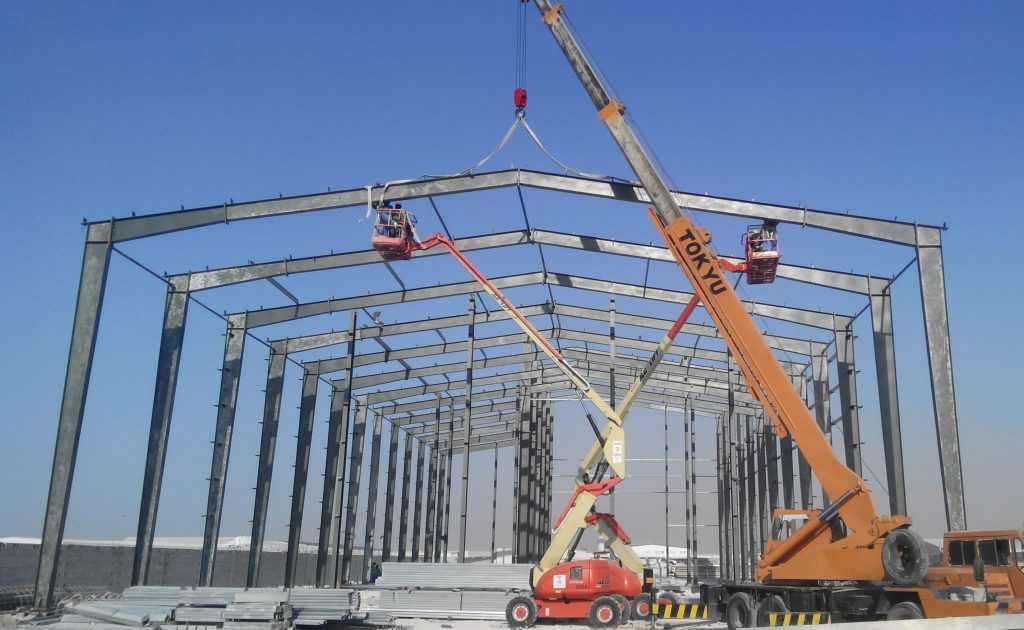
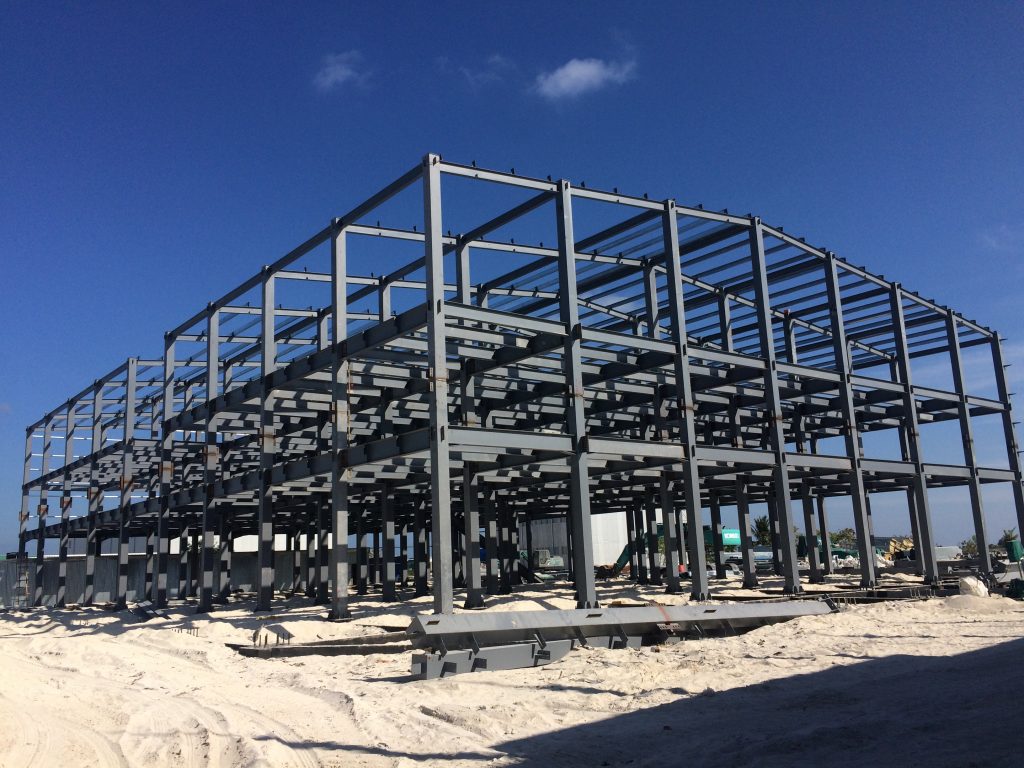
Durability should never come at the expense of design freedom. Metal frames offer unparalleled flexibility, enabling homeowners to bring their unique architectural visions to life. The strength of steel allows for larger open spaces, longer spans, and innovative layouts that are difficult or impossible to achieve with traditional materials. Whether you desire a sprawling open-concept living area, a multi-story home with dramatic vaulted ceilings, or custom features like floor-to-ceiling windows, metal frames provide the structural support needed to realize these designs without compromising safety.
Prefabricated metal frame components also support adaptability, a key feature for growing families. The modular nature of steel frames allows for easy expansions or renovations, such as adding a home office, extra bedroom, or outdoor living space, as lifestyle needs change. For example, the “growing steel house” concept developed by Czech Technical University features a modular steel skeleton that can be expanded or reconfigured to accommodate a family’s evolving needs—from a small two-story unit for young couples to a larger home with additional bedrooms and a garage . This flexibility ensures that your dream home can evolve with you, eliminating the need to relocate as your circumstances change.
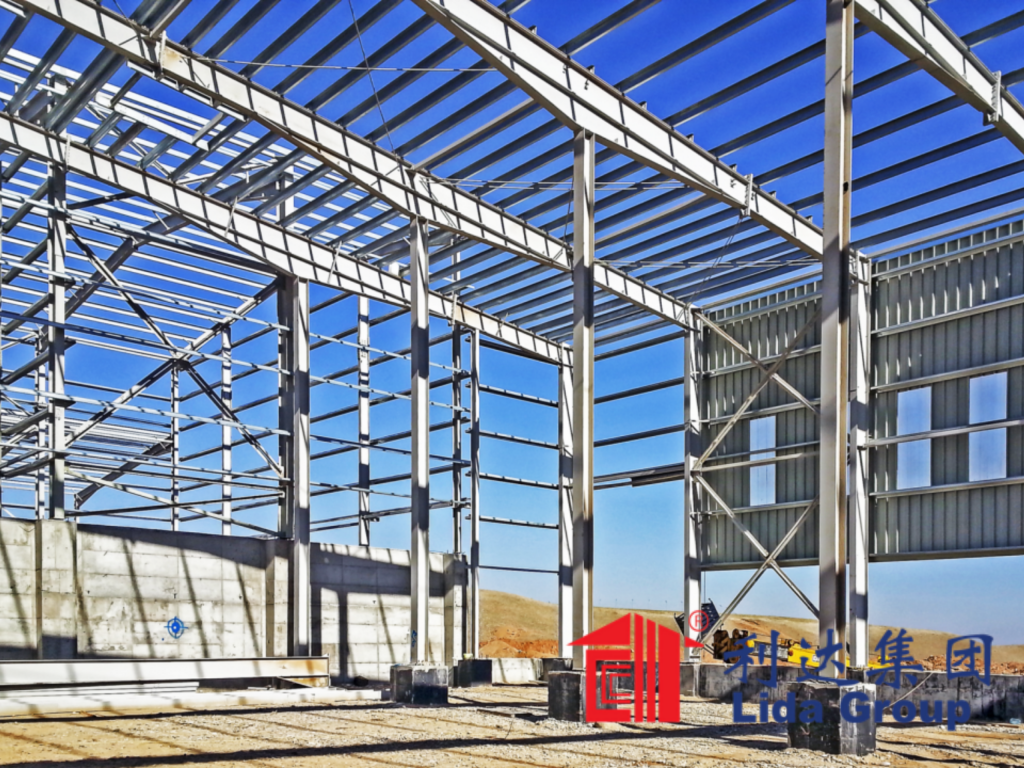
2. Materials and Technologies: The Foundation of Durable Metal Frame Homes
The durability of metal frame homes is rooted in the quality of materials and the advanced technologies used in their design and manufacturing. From high-performance steel grades to precision fabrication processes, every component plays a role in creating a structure that endures. Understanding these materials and technologies is essential for homeowners looking to build a metal frame home that meets their durability and design goals.
2.1 Key Metal Materials for Residential Framing
The most common material used in residential metal framing is cold-formed steel (CFS), a lightweight yet robust material made by rolling thin steel sheets into various profiles, such as studs, joists, and tracks. CFS typically has a thickness of 1.2 to 1.8 millimeters and is coated with zinc or other corrosion-resistant materials to enhance durability . Its exceptional strength-to-weight ratio makes it ideal for residential construction, as it reduces the overall weight of the home (to approximately one-fourth that of traditional brick-concrete structures) while maintaining structural integrity. CFS is also highly consistent in quality, as it is manufactured in controlled factory environments, ensuring uniform dimensions and mechanical properties.
Hot-rolled steel is another option for metal frame homes, particularly for larger or more complex structures. This material is produced by heating steel billets and rolling them into shapes, resulting in a stronger, thicker product that is suitable for load-bearing walls, beams, and columns. Hot-rolled steel is often used in conjunction with CFS to create hybrid frames that combine the strength of hot-rolled components with the flexibility of CFS. Both CFS and hot-rolled steel are 100% recyclable, making them environmentally sustainable choices for eco-conscious homeowners.
Protective coatings are critical for enhancing the durability of metal frames, especially in harsh environments. Hot-dip galvanization is one of the most effective methods, involving dipping steel components in molten zinc to create a protective layer that resists corrosion. Epoxy coatings and weathering steel (which forms a stable rust layer that inhibits further corrosion) are also used to extend the lifespan of metal frames. These coatings ensure that the frame remains intact even in regions with high humidity, saltwater exposure, or extreme temperature fluctuations.
2.2 Advanced Design and Fabrication Technologies
Modern metal frame homes benefit from advanced design technologies that optimize durability and efficiency. Building Information Modeling (BIM) is a digital tool that allows engineers, architects, and contractors to create 3D models of the home, enabling precise design, clash detection, and material quantification. BIM ensures that every component of the metal frame is designed to fit perfectly, reducing errors during construction and enhancing structural integrity. Additionally, BIM facilitates seamless collaboration across teams, ensuring that the home’s design aligns with durability goals and local building codes.
Precision fabrication is another cornerstone of durable metal frame homes. Metal components are manufactured in factory settings using automated production lines, robotic welding, and digital quality control systems. This eliminates the variability associated with on-site fabrication and ensures that each component meets strict quality standards. For example, CFS studs are pre-punched with holes for electrical wiring, plumbing, and other utilities, saving time during installation and reducing the risk of damage to the frame . Roller straightening techniques, optimized through finite element modeling, further enhance the dimensional accuracy of metal components, ensuring that the frame remains stable and square.
Innovative connection technologies also contribute to the durability of metal frame homes. High-strength bolted connections replace traditional welding in many applications, reducing on-site construction time and enabling easier disassembly and reuse. For seismic-prone regions, ductile connection designs (such as reduced beam section connections) absorb earthquake energy through controlled deformation, protecting the main structural components from catastrophic failure. These connections are designed to meet international standards, ensuring that the home remains safe during extreme events.
2.3 Insulation and Weatherproofing: Enhancing Comfort and Durability
A durable metal frame home must also be comfortable and energy-efficient. While metal is an excellent conductor of heat, advanced insulation systems address this challenge, ensuring that the home remains warm in winter and cool in summer. Fiberglass blanket insulation is a popular choice for metal frame homes, as it provides excellent thermal and acoustical performance. Owens Corning’s Fiberglas® insulation systems, for example, offer sound absorption coefficients of up to 0.95 and can be installed over or between purlins to minimize thermal bridging . Rigid extruded polystyrene foam insulation is also used to create thermal breaks between metal components and exterior cladding, further improving energy efficiency.
Weatherproofing is another critical aspect of enhancing the durability of metal frame homes. Properly sealed joints, vapor retarders, and exterior cladding prevent moisture infiltration, which can lead to corrosion and mold growth. Prefabricated wall panels, such as those used in the Czech “growing steel house” project, combine metal frames with mineral wool insulation, OSB sheathing, and exterior cladding to create a weathertight envelope . These panels are manufactured in factories and installed on-site, ensuring consistent quality and reducing the risk of leaks. Additionally, proper roof design and drainage systems prevent water accumulation, protecting the metal frame from water damage.
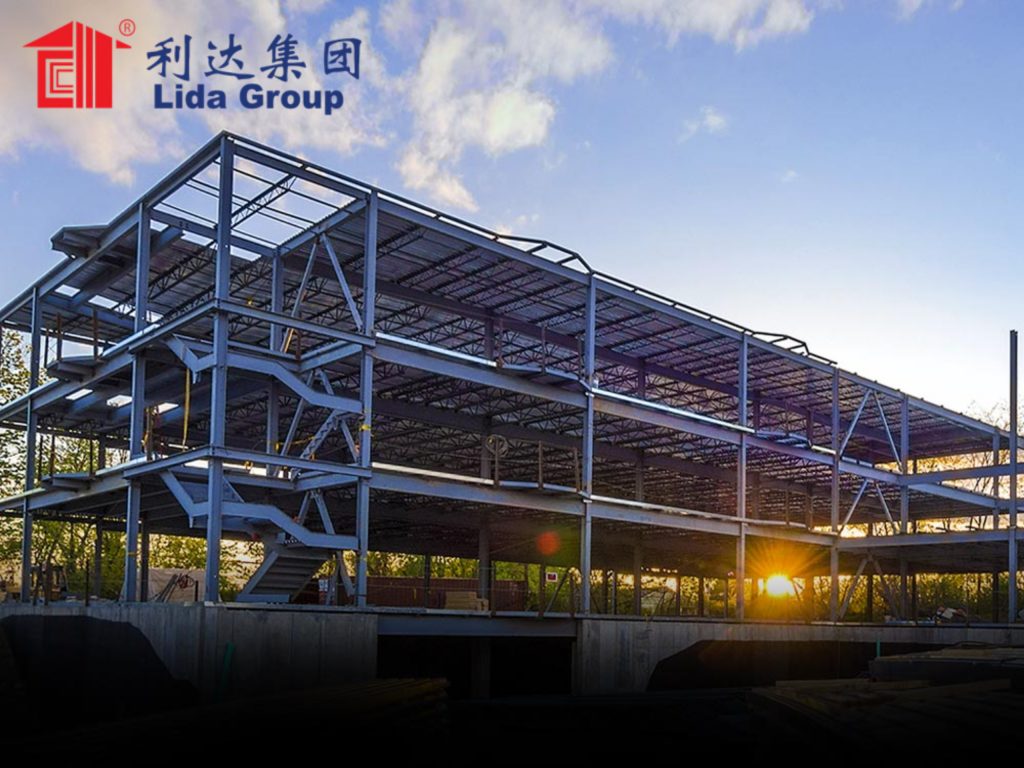
3. Designing Your Metal Frame Dream Home: From Concept to Reality
Designing a metal frame dream home requires careful planning, as it involves balancing durability, functionality, and personal style. From choosing the right frame type to selecting finishes that complement the metal structure, every decision impacts the final result. This section provides a step-by-step guide to designing a metal frame home that meets your unique needs and vision.
3.1 Defining Your Needs and Setting Goals
The first step in designing your metal frame dream home is to define your needs and priorities. Consider factors such as family size, lifestyle, budget, and long-term goals. Do you need a home that can accommodate future expansions? Are energy efficiency and sustainability top priorities? Do you live in a region prone to natural hazards, such as earthquakes or hurricanes? Answering these questions will help you and your design team select the right materials, frame type, and design features to meet your needs.
It is also important to research local building codes and regulations, as these will dictate the minimum standards for durability, safety, and energy efficiency. Metal frame homes must comply with international standards, such as those developed by the American Institute of Steel Construction (AISC) and the National Association of Steel Framed Housing (NASH), as well as local codes specific to your region. Working with a design team experienced in metal frame construction will ensure that your home meets all regulatory requirements while aligning with your vision.
3.2 Choosing the Right Frame Design and Layout
Once you have defined your needs, the next step is to select the frame design and layout. Cold-formed steel frames are ideal for most residential applications, as they offer flexibility and cost-effectiveness. Hot-rolled steel frames are better suited for larger homes or those with complex architectural features, such as long spans or multi-story designs. Hybrid frames, which combine CFS and hot-rolled steel, offer the best of both worlds, providing strength and flexibility.
The layout of your home should reflect your lifestyle and prioritize functionality. Metal frames enable open-concept designs, which are popular for modern homes, as they create spacious, flowing living areas. Consider the placement of rooms, natural light, and ventilation to enhance comfort. For example, orienting windows to the south maximizes natural light and passive solar heating, reducing energy costs . Additionally, plan for storage space, outdoor living areas, and custom features that align with your interests, such as a home gym, studio, or outdoor kitchen.
Designing for adaptability is also key. As mentioned earlier, modular metal frames allow for easy expansions and renovations. Incorporate features such as removable walls, extra load-bearing capacity, and pre-punched utility holes to facilitate future changes. This ensures that your home can evolve with your family, from a small starter home to a larger space for growing children or retired living.
3.3 Selecting Finishes and Exterior Cladding
The finishes and exterior cladding of your metal frame home not only enhance its aesthetic appeal but also contribute to its durability. Metal frames are compatible with a wide range of cladding materials, including brick, stone, wood, vinyl, and fiber cement. When selecting cladding, consider factors such as durability, maintenance requirements, and compatibility with the metal frame. For example, brick veneer is a popular choice for metal frame homes, as it offers a classic look and excellent fire resistance. Wood cladding adds warmth and texture but requires regular maintenance to resist rot and pests.
Interior finishes should complement the metal frame while enhancing comfort. Drywall is a common choice for interior walls, as it is easy to install and provides a smooth surface for painting or wallpapering. For a more industrial look, exposed metal beams and columns can be incorporated into the design, adding character and highlighting the home’s structural elements. Flooring options for metal frame homes include hardwood, tile, carpet, and luxury vinyl plank, all of which are compatible with the frame’s stability.
Energy-efficient features should also be integrated into the design. In addition to insulation, consider installing energy-efficient windows and doors, solar panels, and a high-efficiency HVAC system. These features reduce energy costs and minimize the home’s environmental impact, aligning with sustainability goals.
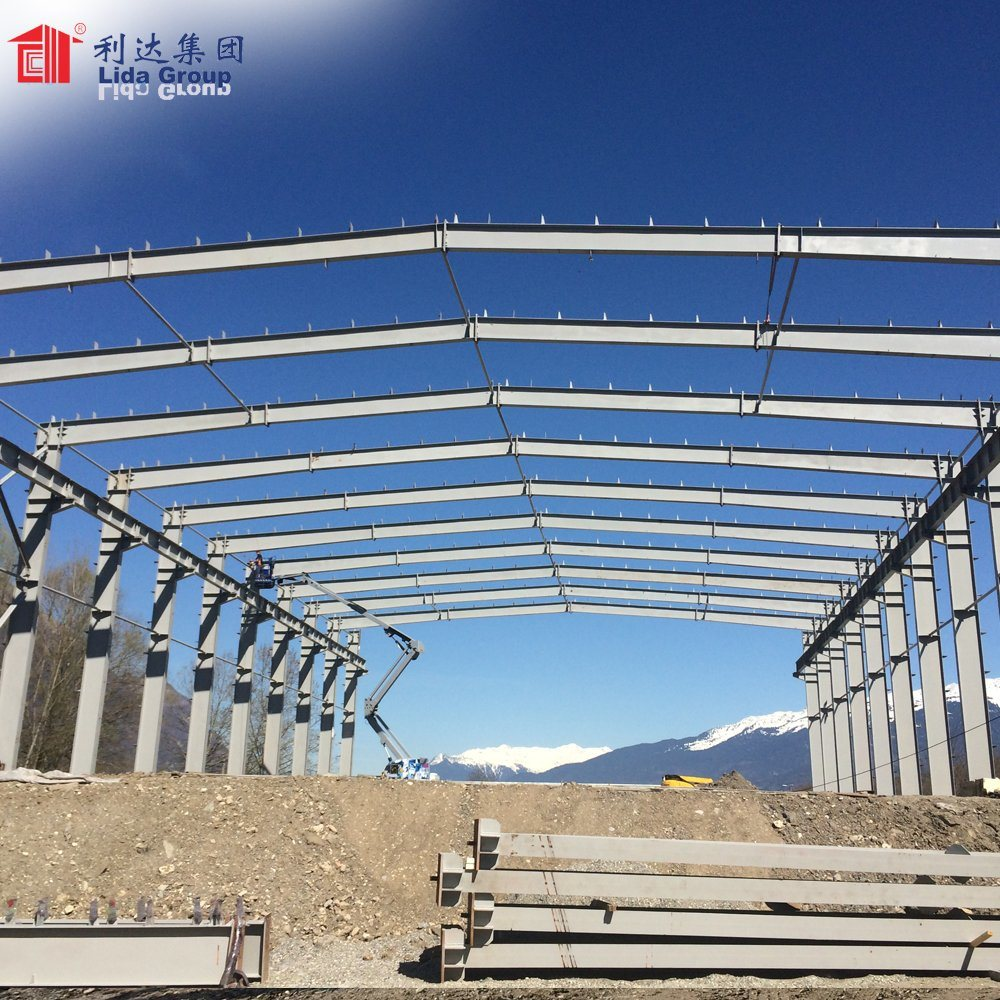
4. Construction Process: Ensuring Quality and Durability
The construction process of a metal frame home is distinct from traditional construction, as it relies heavily on prefabricated components and precision installation. Proper construction practices are essential for ensuring the home’s durability, safety, and long-term performance. This section outlines the key steps in the construction process and highlights best practices for quality control.
4.1 Site Preparation and Foundation
Site preparation is the first step in constructing a metal frame home. This involves clearing the site, grading the land to ensure proper drainage, and conducting soil tests to determine the type of foundation needed. Metal frame homes are lightweight, which means they require less extensive foundations than traditional brick-concrete homes. Common foundation types include strip foundations, slab-on-grade, and crawl spaces. The choice of foundation depends on factors such as soil conditions, local building codes, and the home’s design.
Proper foundation installation is critical for the stability of the metal frame. The foundation must be level and square to ensure that the prefabricated components fit correctly. Steel anchor bolts are embedded in the foundation to secure the metal frame, preventing movement during extreme weather events. Working with a qualified foundation contractor is essential to ensure that the foundation meets all structural requirements.
4.2 Prefabrication and Delivery of Components
Most metal frame components are prefabricated in factories, which ensures consistent quality and reduces on-site construction time. The components are manufactured based on the BIM model, ensuring precise dimensions and compatibility. Once fabricated, the components are delivered to the site, sorted, and prepared for installation. It is important to inspect the components upon delivery to ensure that they are free from damage and meet quality standards.
Prefabrication offers several advantages for homeowners, including faster construction times (typically 30-50% faster than traditional construction), reduced on-site waste, and lower labor costs. Additionally, factory fabrication minimizes the impact of weather on construction, ensuring that the project stays on schedule.
4.3 On-Site Installation and Quality Control
On-site installation of the metal frame begins with erecting the main structural components, including walls, floors, and roof frames. The components are connected using high-strength bolts, ensuring a secure and stable structure. Prefabricated wall panels are lifted into place using cranes and fastened to the foundation and adjacent panels. Electrical wiring, plumbing, and insulation are then installed, utilizing the pre-punched holes in the metal studs to minimize damage to the frame .
Quality control is essential throughout the installation process. Regular inspections should be conducted to ensure that the frame is level, square, and properly connected. A qualified structural engineer should inspect the frame before exterior cladding and interior finishes are installed, verifying that it meets all design and safety requirements. Additionally, proper sealing of joints and installation of vapor retarders and insulation should be inspected to ensure energy efficiency and weatherproofing.
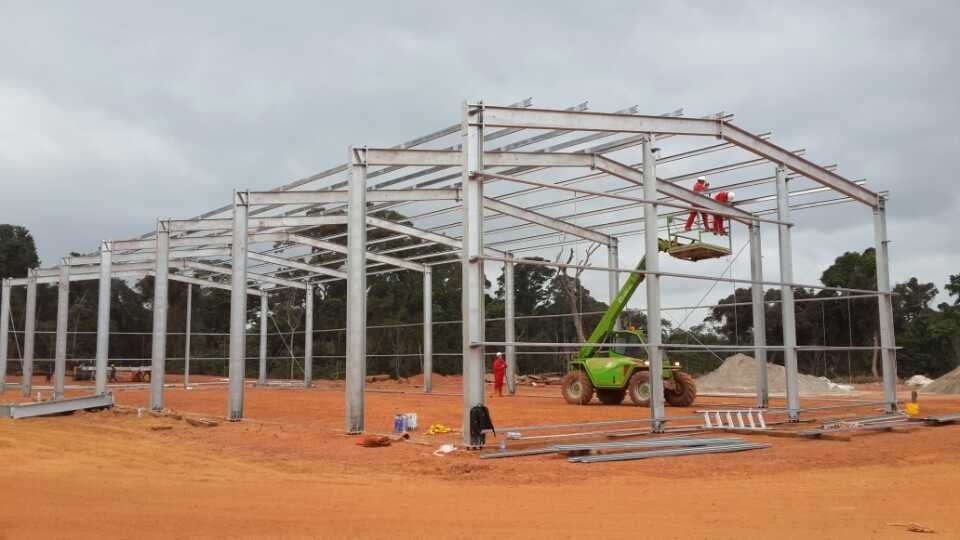
5. Real-World Examples: Inspiring Metal Frame Dream Homes
Real-world examples of metal frame homes demonstrate the versatility, durability, and aesthetic appeal of this construction method. From small modular homes to large, custom-designed residences, metal frames have been used to create a wide range of dream homes across the globe. These examples highlight the unique benefits of metal frame construction and provide inspiration for homeowners looking to build their own.
5.1 The “Growing Steel House” (Czech Republic)
Developed by the Czech Technical University in Prague, the “growing steel house” is a modular home designed to adapt to the evolving needs of a family . The basic design is a two-story unit with an open-concept living area, dining room, kitchen, bedroom, study, and bathroom. The steel skeleton, composed of 120×120 mm square tubes, supports prefabricated wall panels that can be easily expanded or reconfigured. As the family grows, the home can be extended to include additional bedrooms, a garage, or a larger living space. The exterior features Cembrit cladding and a solar wall system for air heating, enhancing energy efficiency. This home exemplifies how metal frames enable flexibility and adaptability, making it a perfect choice for growing families.
5.2 Sustainable Metal Frame Home (Sweden)
A single-family metal frame home in Kiruna, Sweden, was the subject of a life-cycle assessment comparing it to a timber frame home . The metal frame home utilized cold-formed steel components and fiberglass insulation, achieving excellent energy efficiency despite the harsh Arctic climate. While the metal frame home had a slightly higher initial environmental impact (41% higher on human health and 6% higher on acidification), its lower maintenance requirements and longer lifespan made it more sustainable over time. The home’s design incorporated large south-facing windows to maximize passive solar heating and a modular layout that allowed for future expansions. This example demonstrates that metal frame homes can be sustainable choices, even in extreme climates.
5.3 Custom Coastal Metal Frame Home (United States)
A custom metal frame home in a hurricane-prone coastal region of the United States showcases the durability of metal frames in extreme weather conditions. The home features a hot-rolled steel frame with CFS wall panels, hot-dip galvanized components for corrosion resistance, and impact-resistant windows and doors. The open-concept design includes a spacious living area, multiple bedrooms, and an outdoor deck with ocean views. The metal frame was engineered to withstand wind speeds of up to 150 miles per hour and seismic activity, ensuring the home remains safe during natural disasters. The exterior cladding combines fiber cement and wood, creating a coastal aesthetic while maintaining durability. This home proves that metal frames can support custom designs while providing superior protection in harsh environments.
6. Sustainability and Cost-Effectiveness: Long-Term Value of Metal Frame Homes
Building a dream home is not just about immediate satisfaction; it is also about long-term value. Metal frame homes offer significant sustainability and cost advantages that make them a smart investment for homeowners. From reduced environmental impact to lower lifecycle costs, these benefits enhance the overall value of the home.
6.1 Sustainability: Eco-Friendly Construction
Metal frame homes are inherently sustainable, as steel is one of the most recyclable materials in the world. The recycling rate for steel in the construction industry exceeds 98%, and recycled steel retains the same mechanical properties as virgin steel . This reduces the environmental impact of steel production by lowering energy consumption and carbon emissions. Additionally, prefabricated metal frame construction minimizes on-site waste, with up to 50% less waste than traditional construction methods. The lightweight nature of metal frames also reduces foundation requirements, minimizing soil disturbance and environmental impact during construction.
Energy efficiency is another key sustainability benefit of metal frame homes. Advanced insulation systems and tight building envelopes reduce heating and cooling energy consumption, lowering carbon emissions and energy costs. The Swedish metal frame home study found that while energy costs were 6% higher than timber frame homes over 50 years, the lower maintenance costs offset this difference . Additionally, metal frame homes can be easily integrated with renewable energy systems, such as solar panels and geothermal heating, further enhancing sustainability.
6.2 Cost-Effectiveness: Short-Term and Long-Term Value
While metal frame homes may have a slightly higher initial cost than wood frame homes (typically 5-10% more), their lower lifecycle costs make them more cost-effective over time. A study by Penn State Engineering found that the initial cost increase of a metal frame home was only 0.2% of the total building cost, and the lower maintenance costs over time more than offset this difference . Metal frame homes require fewer repairs, no pest control treatments, and less frequent replacement of structural components, reducing long-term expenses.
Metal frame homes also retain their value well, as they are durable, energy-efficient, and adaptable. Homebuyers increasingly recognize the benefits of metal frames, making these homes more attractive on the resale market. Additionally, the faster construction time of metal frame homes reduces financing costs and allows homeowners to move in sooner, further enhancing cost-effectiveness.
7. Conclusion: Building a Lasting Dream Home with Metal Frames
Building a dream home is a significant investment, and choosing the right structural frame is crucial to ensuring that the home stands the test of time. Metal frame homes offer unmatched durability, design flexibility, sustainability, and cost-effectiveness, making them an ideal choice for homeowners looking to create a space that combines beauty, functionality, and resilience. From their ability to resist natural hazards and pests to their adaptability for growing families, metal frames address the key concerns of modern homeowners.
The advanced materials and technologies used in metal frame construction—from cold-formed steel and protective coatings to BIM design and prefabrication—ensure that these homes are not only durable but also efficient and comfortable. Real-world examples, from the modular “growing steel house” to coastal homes built to withstand hurricanes, demonstrate the versatility and performance of metal frame construction. Additionally, the sustainability and cost-effectiveness of metal frames make them a smart long-term investment, enhancing the value of the home for years to come.
For anyone looking to build their dream home, a metal frame offers the perfect balance of strength, style, and sustainability. By working with experienced design and construction teams, homeowners can customize their metal frame home to meet their unique needs and vision, creating a space that is not just a shelter but a lasting legacy. In a world where durability and adaptability are increasingly important, metal frame homes stand out as a future-proof choice for building the home of your dreams.
Ultimately, a durable metal frame home is more than just a structure—it is a space where memories are made, families grow, and lifestyles evolve. With its unmatched resilience and flexibility, a metal frame home is the perfect foundation for turning your dream of a forever home into a reality.
Related news
-
Innovative and Resilient Steel Structure Building Solutions
2025-12-26 17:01:44
-
Lida Group Delivers Unmatched High Quality Durable Construction
2025-12-26 16:36:42
-
Modern Living Redefined with a Metal Frame House
2025-12-25 17:56:50
contact us
- Tel: +86-532-88966982
- Whatsapp: +86-13793209022
- E-mail: sales@lidajituan.com
