



The image of a shipping container is, for most, one of pure utility: a weathered, corrugated steel box stacked high on a cargo ship, synonymous with global trade and industrial logistics. For decades, its purpose was singular and unglamorous. Yet, in a remarkable paradigm shift, this humble object has been reincarnated as a symbol of architectural innovation, sustainability, and avant-garde design. The early iterations of container architecture often betrayed their origins, resulting in buildings that felt constrained, linear, and overtly industrial. However, the contemporary movement, championed by forward-thinking design-build firms, is defined by a singular, ambitious goal: to completely decouple the container from its boxy stereotype and unleash its potential as a module for truly free, expressive, and aesthetically profound architecture. This article explores the sophisticated principles and techniques that enable the seamless blending of striking aesthetics with the inherent structural and sustainable advantages of the modern container building.
**Part 1: The Foundational Appeal – Deconstructing the Container’s Innate Virtues**
Before delving into the aesthetics, it is crucial to understand why the shipping container presents such a compelling foundation for modern architecture. Its appeal is multifaceted, rooted in pragmatism, ecology, and a latent structural potential.
**1.1 Structural Integrity and Modularity**
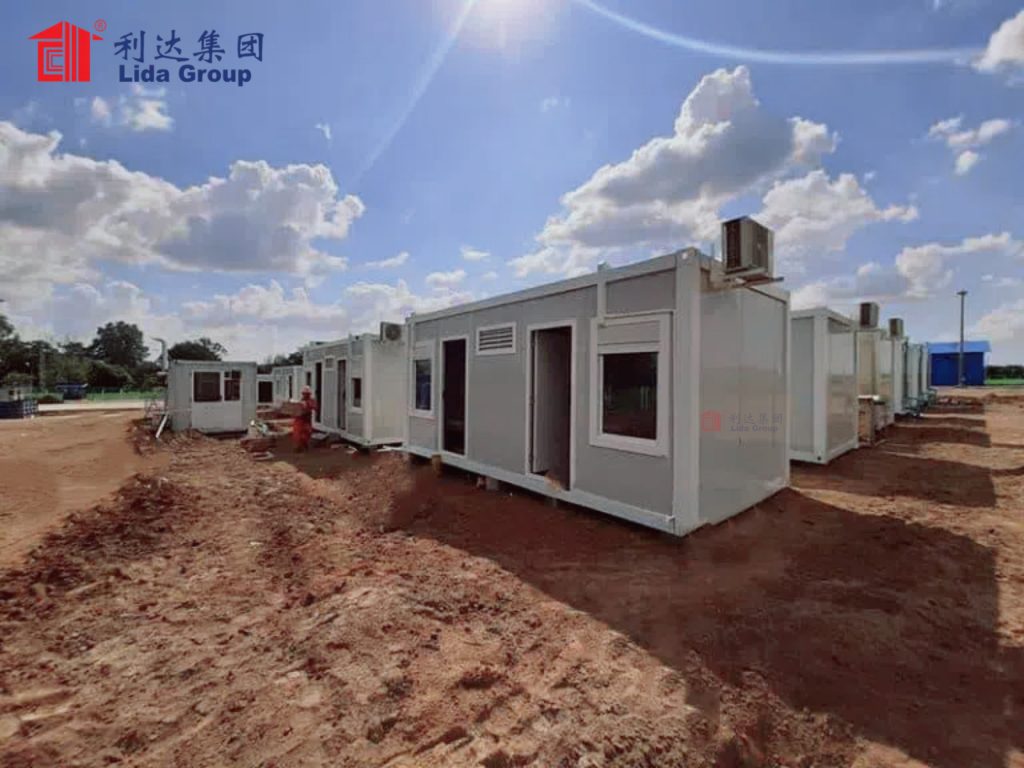
Manufactured to withstand the immense stresses of ocean transit, stacked under thousands of pounds of additional cargo, shipping containers are inherently strong, durable, and resilient. Their steel-frame construction and corrugated walls offer a ready-made, structurally sound module. This modularity is their most powerful design attribute. Like three-dimensional Lego blocks, standard containers (typically 20 or 40 feet in length) can be stacked, staggered, and arranged in countless configurations. This provides architects with a pre-engineered kit of parts, allowing for the rapid assembly of complex forms and multi-story structures with a degree of predictability and speed unattainable with traditional methods.
**1.2 The Imperative of Sustainability**
In an era of heightened environmental consciousness, the container’s sustainability credentials are a significant driver of its popularity.
* **Adaptive Reuse:** At its core, using a decommissioned container is a monumental act of recycling. It gives a new, long-term life to a robust steel structure that would otherwise be expensive to melt down and recycle or left to rust in a shipyard. This process reduces the demand for new raw materials and the embodied energy required for their fabrication.
* **Reduced Construction Waste:** The modular nature of container construction means that a significant portion of the building envelope is prefabricated. This leads to a dramatic reduction in on-site construction waste, such as off-cuts from lumber, drywall, and insulation, which typically fill landfills from conventional projects.
* **A Smaller Footprint:** Container structures can often be placed on simpler, less invasive foundation systems like concrete piers, minimizing site disruption and earthworks.
**1.3 Cost and Time Efficiency**
The modular paradigm translates into tangible economic benefits. While site-specific work and high-end finishes can elevate costs, the core structure is often more affordable and always faster to erect than its traditional counterpart. The simultaneous processes of on-site foundation preparation and off-site container modification (a form of prefabrication) compress project timelines significantly, leading to lower labor costs and earlier occupancy.
**Part 2: The Aesthetic Challenge – Transcending the Industrial Box**
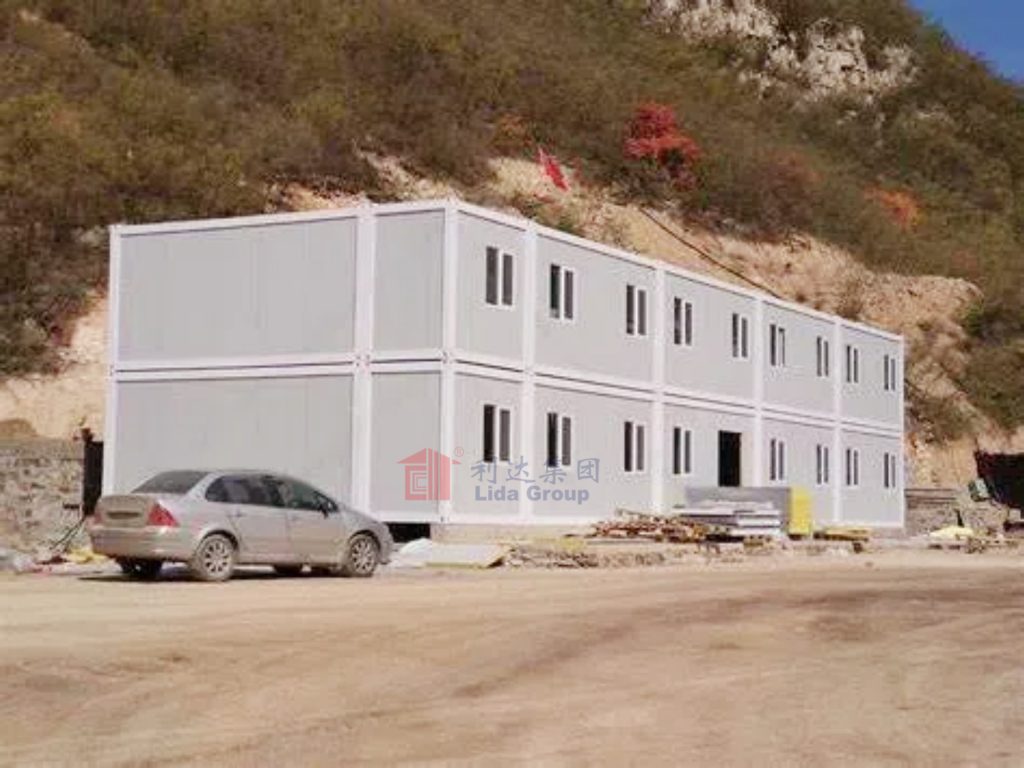
The primary challenge, and the central theme of modern container architecture, is overcoming the container’s rigid form. The goal is not to hide its origins, but to celebrate and transcend them, moving beyond simple, rectilinear arrangements.
**2.1 The Evolution of Form: Dynamic Compositions**
The first and most powerful tool in the designer’s arsenal is compositional freedom. Instead of creating a single, monolithic box, advanced designs employ a strategy of fragmentation and recombination.
* **Cantilevers and Overhangs:** By projecting containers dramatically beyond their support points, architects introduce dynamism, drama, and a sense of gravity-defying lightness. These overhangs create shaded outdoor spaces below, blurring the boundary between interior and exterior.
* **Angled and Splayed Arrangements:** Breaking from the strict Cartesian grid, containers can be set at deliberate angles. This creates striking, crystalline forms that respond to site conditions, such as optimizing solar exposure for passive heating or framing specific views of the natural landscape.
* **Clustering and Offsetting:** Grouping containers in a clustered, non-linear fashion creates a more organic, village-like feel. By offsetting boxes at different levels, designers can create terraces, courtyards, and complex interlocking spatial relationships that are anything but boxy.
**2.2 The Strategic Removal of Material – Carving Space**
Perhaps the most transformative technique is the deliberate removal of large sections of the container’s structural skin.
* **Grand Openings:** Instead of small, punched windows, entire wall sections or even the entire end of a container can be removed and replaced with floor-to-ceiling glazing. This single act fundamentally changes the character of the space, flooding it with natural light and creating a seamless visual connection to the outdoors.
* **The “Butterfly” Cut:** A more complex operation involves cutting away large portions of the sidewalls and joining multiple containers around a central axis, creating open, double-height living spaces or grand, sheltered entrance canopies that bear little resemblance to the original modules.
* **Interconnecting Voids:** To foster a sense of flow and spatial continuity, sections of the floor and ceiling are cut away where containers intersect, creating double- or triple-height atriums, internal galleries, and mezzanines that break up the low ceiling profile of a single container.
**Part 3: The Material Palette – Softening, Contrasting, and Integrating**
The raw, corrugated steel of a container is a powerful aesthetic statement, but a home or office cannot be made of steel alone. The thoughtful integration of other materials is key to achieving warmth, texture, and visual richness.
**3.1 Cladding and Insulation Systems**
To meet energy codes and enhance comfort, containers must be insulated. This necessity becomes a design opportunity.
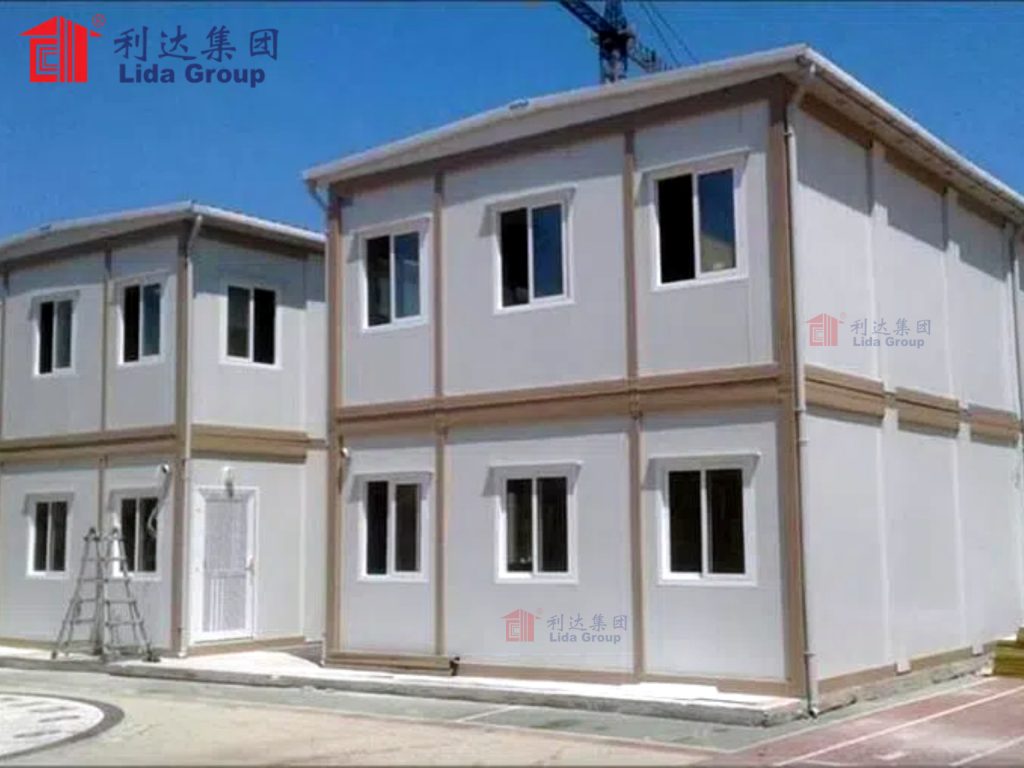
* **External Insulation and Cladding:** Applying insulation on the exterior of the container structure allows the interior to retain the raw, industrial character of the corrugated walls. The exterior can then be clad in almost any material—warm cedar siding, sleek metal panels, fiber cement boards, or even a ventilated green wall. This approach completely transforms the building’s external appearance, allowing it to blend into any context, from a wooded lot to an urban street.
* **Internal Finishes:** For a more refined interior feel, insulation can be applied between the steel ribs, followed by drywall or wood paneling. This creates a clean, modern interior that contrasts with the industrial exterior, or it can be used to create a hybrid space where some walls are left exposed as feature elements.
**3.2 The Dialogue of Contrasts**
Modern container design excels at creating compelling material dialogues.
* **Steel and Glass:** The quintessential modern pairing. The heavy, opaque, textured steel is juxtaposed with the lightweight, transparent, smooth glass. This contrast highlights the qualities of both materials and is key to opening up the structure.
* **Steel and Wood:** Introducing wood—whether as decking, cladding, interior cabinetry, or exposed structural elements—instantly brings warmth, natural texture, and a biophilic element that softens the industrial coolness of the steel. This fusion creates a balanced, human-centric environment.
* **Steel and Stone/Concrete:** Pairing containers with raw concrete or stone reinforces a robust, tectonic aesthetic. It grounds the structure, giving it a sense of permanence and solidity that plays well against the modular nature of the boxes.
**Part 4: The Seamless Integration of Performance and Aesthetics**
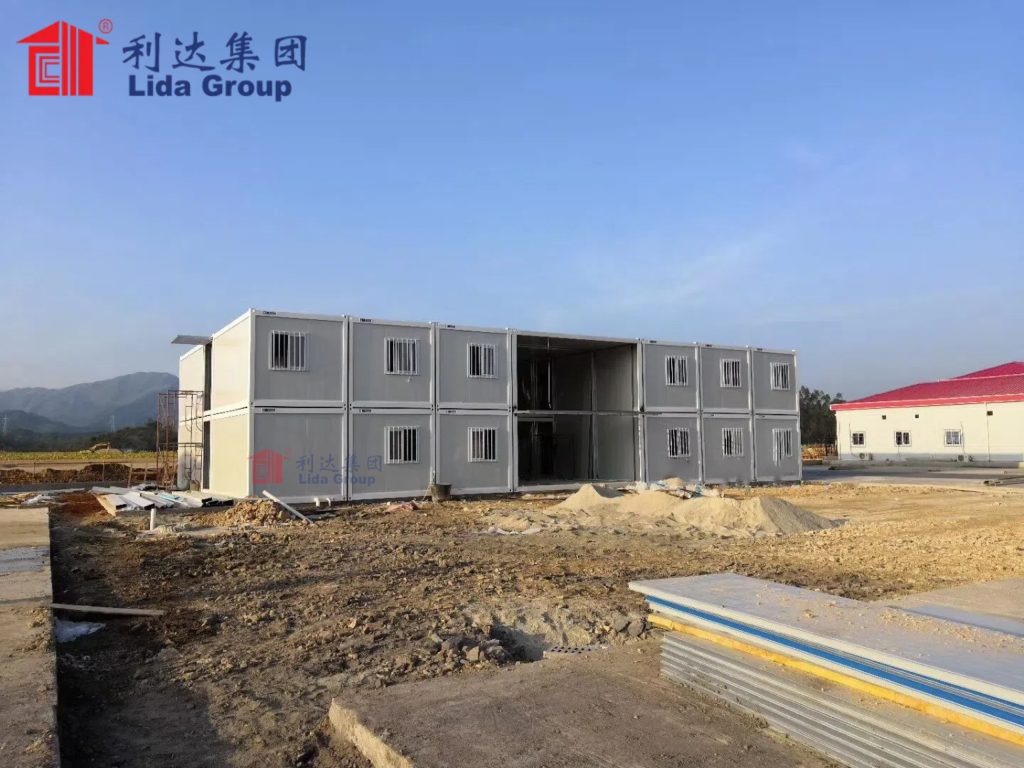
A building must be more than just beautiful; it must be comfortable, healthy, and efficient. In the best container designs, these performance criteria are not add-ons but are integrated into the aesthetic expression.
**4.1 Environmental Control and Energy Efficiency**
The myth of the “shipping container oven” is dispelled through intelligent design.
* **Strategic Glazing and Shading:** Large glazed areas are carefully oriented to maximize passive solar gain in winter while being protected by deep cantilevers, custom brise-soleils, or automated external shading devices in summer. These shading elements become a defining aesthetic feature of the facade.
* **High-Performance Envelopes:** Beyond standard insulation, advanced techniques like spray foam insulation that conforms to the corrugations create a super-tight thermal envelope. Green roofs, installed on top of container clusters, provide excellent insulation, manage stormwater, and merge the building with the landscape.
* **Integrated Renewable Energy:** The large, often uninterrupted roof planes of container assemblies are ideal for the discreet installation of solar panels, which can be designed to be flush with the roof line for a clean, integrated look.
**4.2 Spatial Fluidity and Interior Design**
The interior layout must actively work against any feeling of confinement.
* **Open-Plan Living:** By combining multiple containers and removing internal walls, designers create spacious, open-plan living areas that defy the narrow width of a single container.
* **Visual Connections:** The use of mezzanines, internal windows, and the strategic placement of voids creates visual connections between different levels and zones, making the entire interior feel larger and more interconnected.
* **Custom, Space-Optimizing Furniture:** Built-in furniture, such as benches, storage, and beds, is often custom-designed to fit the specific dimensions of the container, maximizing every square inch of space and contributing to a cohesive, uncluttered aesthetic.
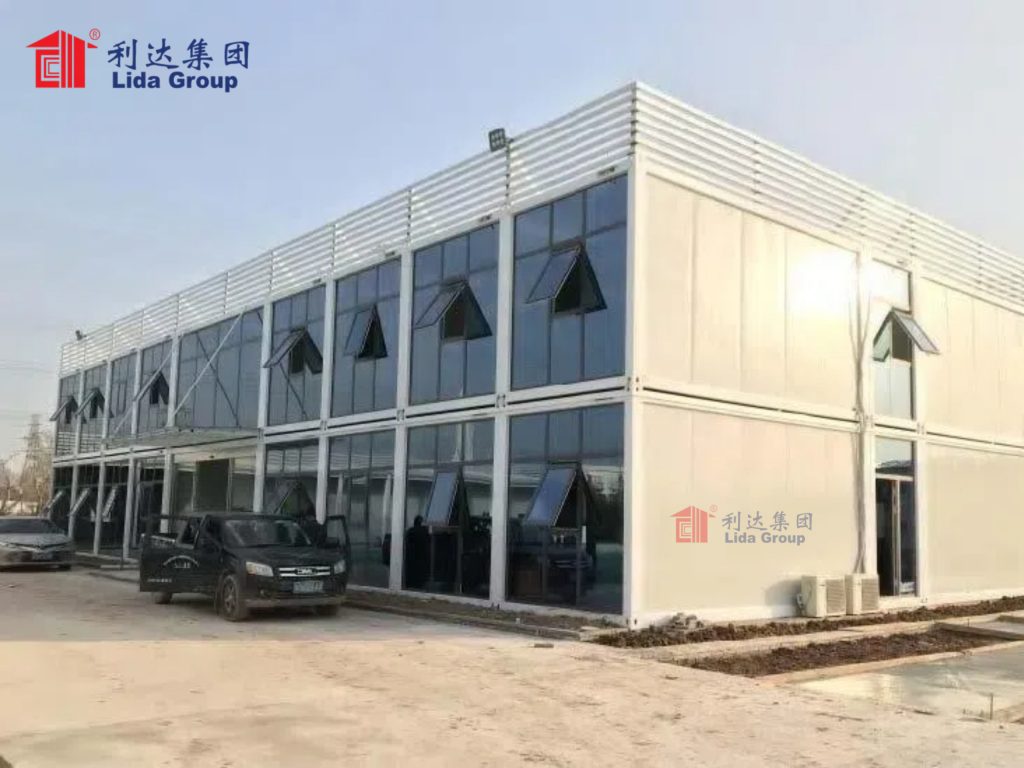
**Part 5: The Proof in Practice – A Conceptual Case Study**
Imagine a residential project, “The Cliffside Residence,” designed for a dramatic coastal site. This project exemplifies the fusion of aesthetics and free design.
* **Composition:** Three 40-foot containers are arranged in a pinwheel formation around a central, double-height core. One container cantilevers dramatically over the cliff edge to create a master bedroom with panoramic views. Another is splayed at a 15-degree angle to capture the morning sun, while the third is set back into the hillside, providing grounding.
* **Material Carving:** The entire sea-facing side of the living area container is removed and replaced with a structural glass curtain wall. The roof of the central core is cut away, creating an open-air courtyard.
* **Material Palette:** Externally, the containers are clad in charred timber (Shou Sugi Ban) to weather the harsh salt air and blend with the coastal palette. The cantilevered underside is left as raw, weathered steel. Inside, the central core walls are exposed corrugated steel, while the private bedroom pods are finished with warm oak paneling.
* **Performance:** A green roof covers the buried container, providing insulation and disappearing into the landscape. The cantilever provides shade for the terrace below. Photovoltaic panels are integrated into the south-facing roof slope.
The result is a home that is both a sculptural landmark and a deeply connected, sustainable, and highly functional living space—a far cry from a simple stack of boxes.
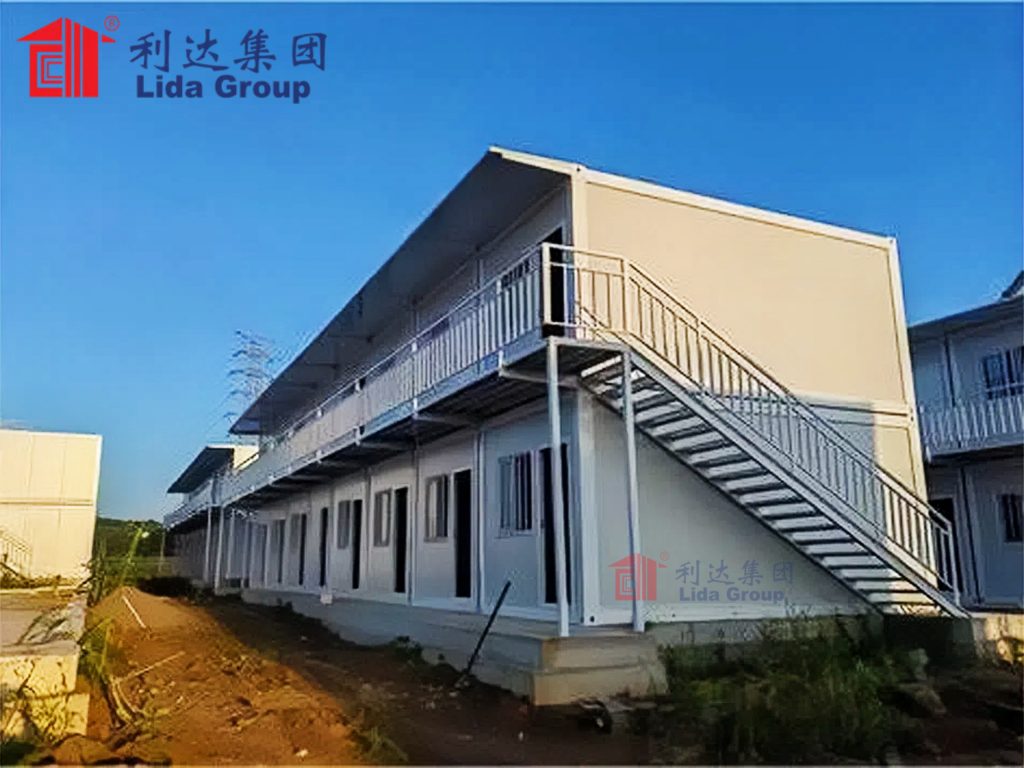
**Conclusion: The New Paradigm of Expressive Modality**
The journey of the shipping container in architecture is a powerful narrative of creative transformation. It demonstrates that limitations, when approached with ingenuity, can be the very catalyst for breakthrough innovation. The modern container building is no longer defined by its origin, but by the boundless creativity it enables.
The successful blending of aesthetics with modern free design in container architecture hinges on a fundamental philosophical shift: the container is not treated as a finished room, but as a structural and spatial *module*. It is a raw ingredient, a versatile volume to be sculpted, combined, and refined. Through dynamic compositional strategies, the strategic removal of material to create light-filled voids, and the masterful curation of a contrasting yet harmonious material palette, designers are able to create buildings that are visually stunning, emotionally resonant, and deeply connected to their environment.
This approach successfully reconciles apparent contradictions: it is both sustainable and luxurious, both industrial and warm, both cost-effective and highly customized. It proves that aesthetic freedom is not contingent on a blank slate or a limitless budget, but can be born from the most utilitarian of objects. In the hands of visionary architects and builders, the shipping container has shed its industrial skin to emerge as a powerful and poetic medium for the architecture of the 21st century—an architecture that is resilient, responsive, and unapologetically beautiful.

Related news
-
Discover Our Modern Free Design Container Building Concepts
2025-11-27 13:18:29
-
Sustainable Prefab Mobile Container House by Lida Group
2025-11-27 13:38:33
-
Lida Group Delivers a Cost-Effective Prefab Construction Project
2025-11-27 13:25:25
contact us
- Tel: +86-532-88966982
- Whatsapp: +86-13793209022
- E-mail: sales@lidajituan.com
