



Affordable and Sturdy Prefab Dormitory Solutions from Lida Group
2026-Feb-05 17:19:40
By Admin
In an era marked by rapid urbanization, expanding educational institutions, booming industrial parks, and growing humanitarian needs, the demand for high-quality, cost-effective dormitory housing has never been more pressing. From universities accommodating increasing student populations to construction companies providing safe living quarters for on-site workers, from corporate campuses housing remote employees to relief organizations setting up temporary shelters for displaced communities, the need for dormitories that balance affordability, sturdiness, and efficiency is universal. Traditional dormitory construction methods, however, often fall short of these demands, plagued by prolonged timelines, excessive costs, inconsistent quality, and limited adaptability. Against this backdrop, Lida Group, a global leader in prefabricated construction solutions, has emerged as a transformative force, offering affordable and sturdy prefab dormitory solutions that redefine how dormitories are designed, manufactured, and deployed. This article explores in depth Lida Group’s prefab dormitory offerings, examining their core characteristics, key advantages, enabling technologies, real-world applications, and the tangible value they deliver to diverse clients worldwide. With a focus on practicality, comprehensiveness, and accuracy, this article aims to provide stakeholders—including educators, project managers, corporate leaders, and humanitarian organizers—with actionable insights into leveraging Lida Group’s prefab dormitory solutions to meet their housing needs efficiently, economically, and sustainably.
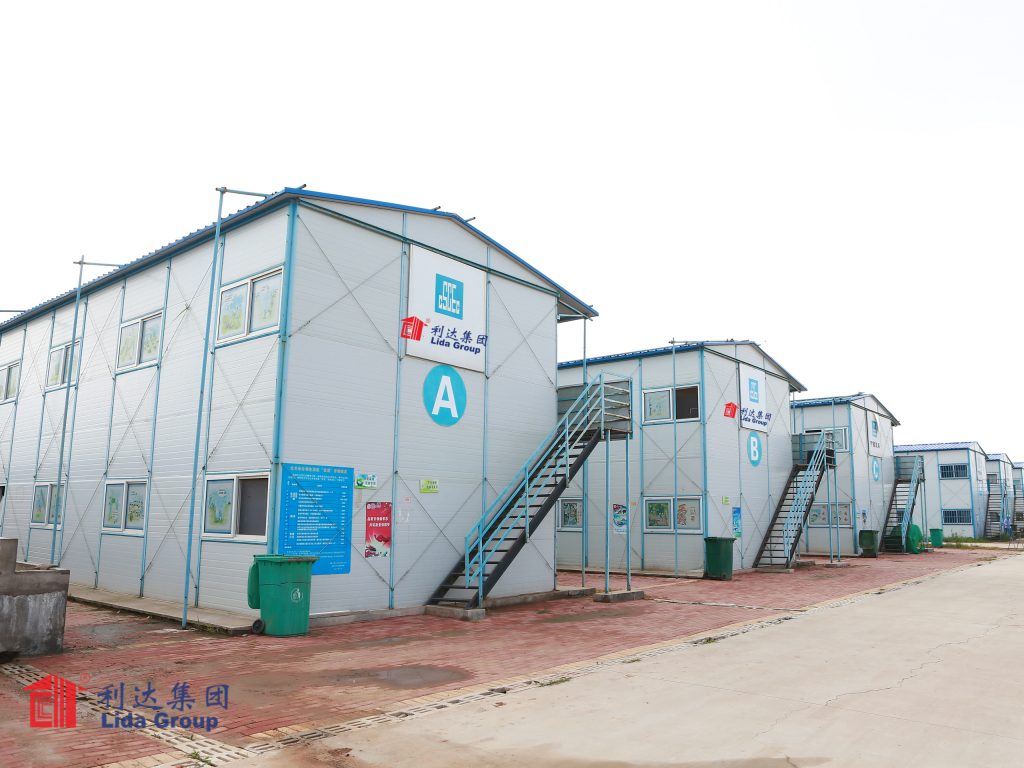
Before delving into Lida Group’s specific solutions, it is essential to contextualize the critical role of prefab dormitories in today’s construction landscape and the unique challenges that affordable and sturdy designs aim to address. Dormitories are inherently high-demand, high-volume structures, requiring designs that prioritize safety, durability, and cost-efficiency without compromising on comfort and functionality. Traditional dormitory construction, which relies on on-site masonry, concrete pouring, and labor-intensive assembly, often struggles to meet these requirements. High material waste, skyrocketing labor costs, prolonged construction timelines, and inconsistent quality control are common pain points, making traditional dormitories prohibitively expensive for many organizations—especially those operating on tight budgets, such as public universities and non-profit organizations. Furthermore, traditional dormitories are often inflexible, unable to adapt to changing needs (e.g., expanding capacity, modifying layouts) without costly and time-consuming renovations. In contrast, prefabricated dormitories—when designed and manufactured by a reputable provider like Lida Group—offer a streamlined alternative, combining off-site precision manufacturing with on-site efficiency to deliver structures that are both affordable and sturdy, while also being flexible, sustainable, and quick to deploy.
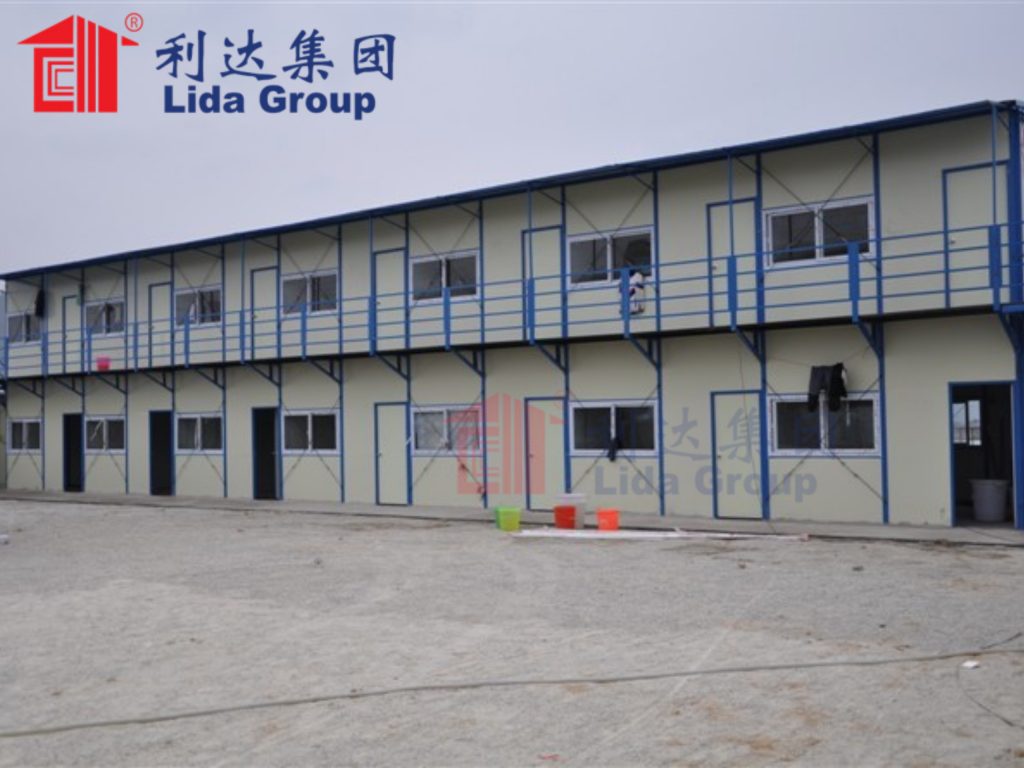
1. The Core Pain Points of Traditional Dormitory Construction
To fully appreciate the value of Lida Group’s affordable and sturdy prefab dormitory solutions, it is critical to first examine the persistent challenges of traditional dormitory construction—challenges that have hindered organizations from meeting their housing needs efficiently and cost-effectively. These pain points are particularly acute for large-scale dormitory projects, where even minor inefficiencies can lead to significant cost overruns and timeline delays.
1.1 Prohibitive Cost and Cost Overruns
One of the most significant barriers to traditional dormitory construction is its high cost, which often exceeds budget expectations. Traditional dormitories require large quantities of raw materials (cement, steel, bricks, lumber, etc.), many of which are subject to price volatility in global markets. On-site construction also generates excessive material waste—typically 10-15% of total materials used—due to on-site cutting, fitting, and over-ordering to account for potential errors. This waste not only increases material costs but also adds disposal fees, further straining budgets. Labor costs are another major expense: traditional dormitory construction requires a large workforce of skilled tradespeople (masons, carpenters, electricians, plumbers), and in many regions, skilled labor shortages have driven up wages. For example, a 500-bed traditional dormitory in a mid-sized city can cost $15-20 million, with labor and material waste accounting for 40-50% of total costs. Moreover, cost overruns are common due to delays, design changes, and unforeseen issues (e.g., weather-related disruptions, material shortages), often adding 10-20% to the original budget. For organizations with limited funding—such as public universities relying on government grants or humanitarian organizations operating on donations—these costs are often prohibitive, forcing them to delay or scale back dormitory projects.
1.2 Prolonged Construction Timelines
Traditional dormitory construction is inherently time-consuming, with timelines often stretching into months or even years—far longer than many organizations can afford to wait. On-site construction processes are sequential: foundation pouring requires 7-14 days of curing time, followed by masonry work, framing, roofing, and interior finishing, each dependent on the completion of the previous task. Weather conditions (rain, snow, extreme temperatures) can halt on-site work for days or weeks, further delaying progress. For example, a 300-bed traditional dormitory typically takes 8-12 months to complete, while a 1,000-bed dormitory can take 18-24 months. These prolonged timelines have serious consequences: universities may face housing shortages for incoming students, construction companies may struggle to provide adequate living quarters for workers, and humanitarian organizations may be unable to respond quickly to urgent shelter needs. Additionally, extended construction periods increase the risk of cost overruns, as labor, equipment rental, and site management fees accumulate over time.
1.3 Inconsistent Quality and Durability Issues
Traditional dormitory construction relies heavily on on-site labor, making quality control difficult to maintain. Variations in craftsmanship, material quality, and adherence to building codes can lead to inconsistent structural integrity and durability issues. For example, poorly mixed concrete, misaligned bricks, or substandard roofing can result in leaks, cracks, and structural weaknesses, reducing the dormitory’s lifespan and increasing maintenance costs. Many traditional dormitories require frequent repairs and renovations within 5-10 years of completion, adding long-term expenses for organizations. Durability is particularly critical for dormitories, which are high-occupancy structures subjected to heavy use (e.g., frequent foot traffic, furniture movement, daily wear and tear). Traditional construction methods often fail to deliver the robustness needed to withstand this constant use, leading to premature deterioration and costly replacements.
1.4 Inflexibility and Lack of Adaptability
Traditional dormitories are designed as permanent structures, making them inflexible to changing needs. If an organization needs to expand dormitory capacity (e.g., a university experiencing enrollment growth) or modify layouts (e.g., converting single rooms to double rooms), traditional construction requires costly and time-consuming renovations, often involving demolition and rebuild. This inflexibility is a major drawback for organizations operating in dynamic environments, where housing needs can change rapidly. For example, a construction company may need to relocate workers to a new site, but a traditional on-site dormitory cannot be moved, requiring the company to build a new dormitory at the new location—doubling costs. Similarly, a university may need to repurpose a dormitory for administrative use, but traditional layouts are difficult to modify without extensive renovations.
1.5 Complex Project Management and Coordination
Traditional dormitory construction projects require extensive coordination between multiple contractors, suppliers, and tradespeople, making project management complex and time-consuming. Project managers must coordinate the delivery of raw materials, schedule skilled labor, monitor on-site progress, and address issues such as delays, errors, and safety concerns—all while ensuring compliance with local building codes and regulations. This complexity increases the risk of miscommunication, delays, and errors. For example, a delay in the delivery of steel beams can halt framing work, which in turn delays roofing and interior finishing. Coordinating multiple subcontractors (e.g., electricians, plumbers, painters) also increases the risk of scheduling conflicts and quality inconsistencies, further straining project timelines and budgets.
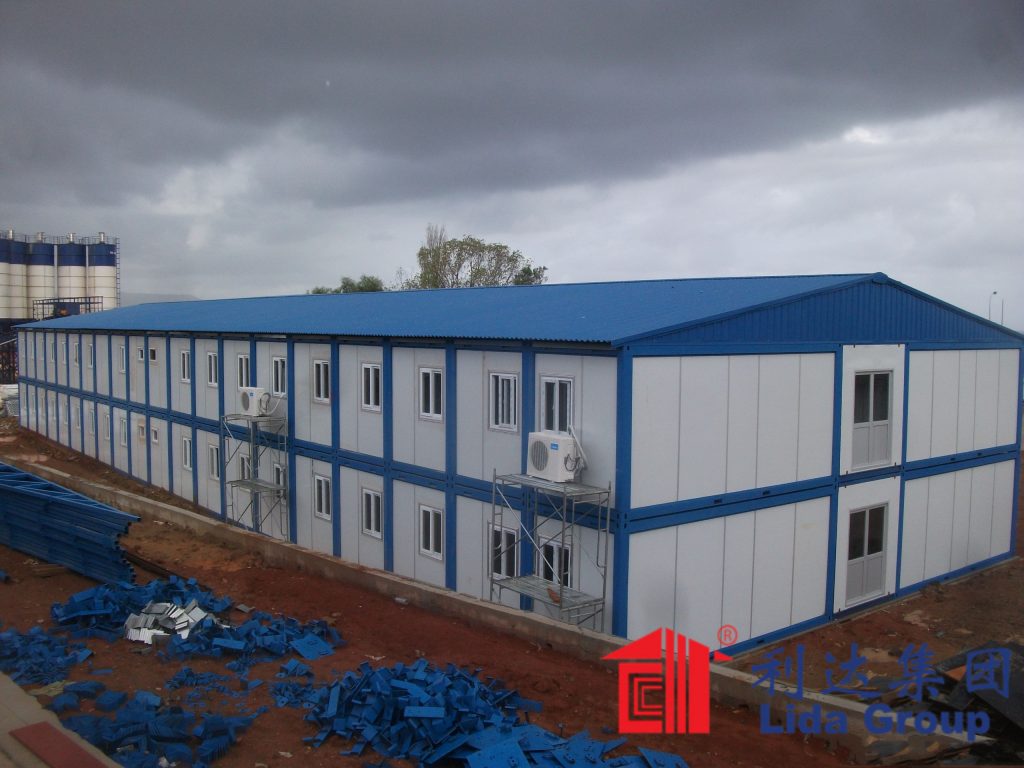
2. Lida Group: A Leader in Affordable and Sturdy Prefabricated Construction
Against the backdrop of these challenges, Lida Group has established itself as a global leader in prefabricated construction solutions, with a specific focus on delivering affordable, sturdy, and efficient prefab dormitories. Founded in 1993, Lida Group has over three decades of experience in designing, manufacturing, and installing prefabricated buildings, serving clients in more than 120 countries across Asia, Africa, Europe, North America, and Latin America. The company’s core mission is to provide high-quality construction solutions that balance cost-effectiveness, durability, and sustainability—values that are embedded in every prefab dormitory they deliver. Lida Group’s success stems from its commitment to innovation, precision manufacturing, and customer-centric design, which allow the company to address the core pain points of traditional dormitory construction while delivering solutions that meet the unique needs of diverse clients.
Lida Group’s prefab dormitory solutions are designed to be accessible to organizations of all sizes, from small universities and local construction companies to large corporations and international humanitarian organizations. The company’s competitive advantage lies in its ability to deliver dormitories that are both significantly more affordable than traditional structures and vastly more sturdy, with a lifespan of 20-30 years (or longer with proper maintenance)—far exceeding the lifespan of many traditional dormitories. This combination of affordability and sturdiness is achieved through a unique integration of advanced materials, modular design, precision manufacturing, and efficient installation processes—all hallmarks of Lida Group’s approach to prefabricated construction.
In addition to affordability and sturdiness, Lida Group’s prefab dormitories are designed to be flexible, sustainable, and compliant with global building codes. The company offers a wide range of customization options, allowing clients to tailor dormitories to their specific needs (e.g., room size, layout, amenities, capacity). Lida Group also prioritizes sustainability, using eco-friendly materials and manufacturing processes that reduce carbon emissions, material waste, and energy consumption. With a dedicated team of engineers, designers, and manufacturing experts, Lida Group ensures that every prefab dormitory meets the highest standards of quality, safety, and durability, while remaining cost-effective and efficient to deploy.
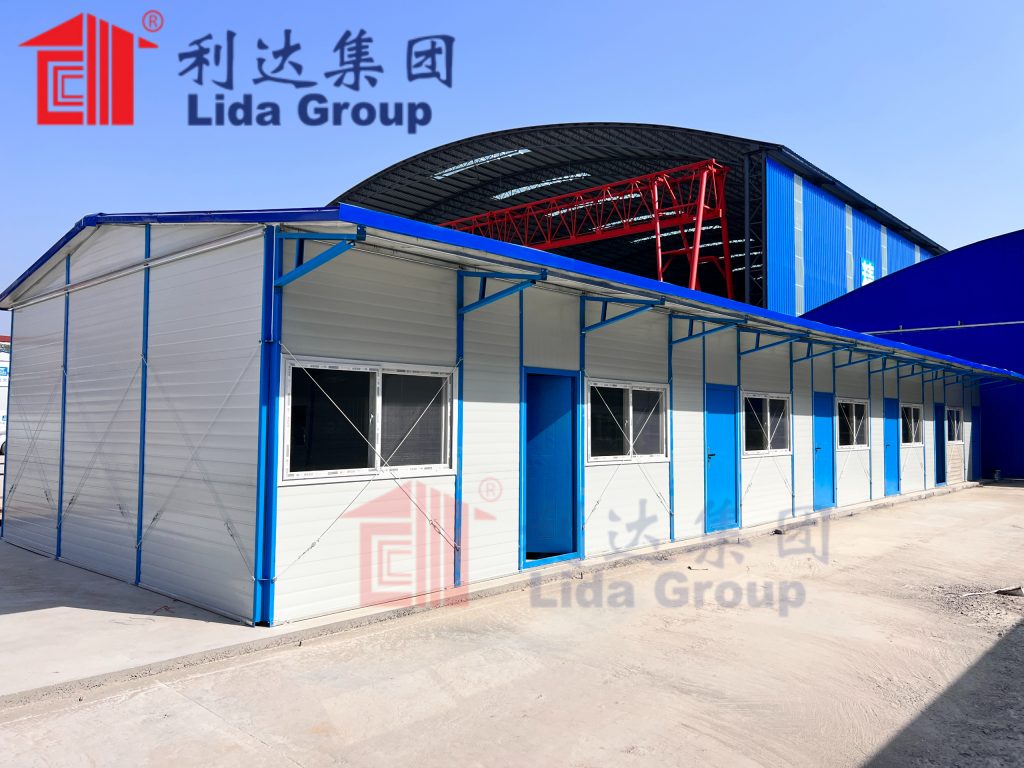
3. Core Advantages of Lida Group’s Prefab Dormitory Solutions
Lida Group’s prefab dormitory solutions stand out in the market due to their unwavering focus on two core priorities: affordability and sturdiness. These two advantages are complemented by a range of additional benefits that make Lida’s dormitories a superior choice to traditional construction and other prefabricated solutions. Below is a detailed breakdown of the key advantages, with a focus on how they address the pain points of traditional dormitory construction.
3.1 Unmatched Affordability: Cost Savings Without Compromise
Affordability is at the heart of Lida Group’s prefab dormitory solutions, and the company has implemented a range of strategies to deliver dormitories that are 20-30% more cost-effective than traditional structures—without sacrificing quality or durability. These cost savings are achieved through several key initiatives:
First, Lida Group leverages bulk purchasing and in-house manufacturing to reduce material costs. The company sources high-quality, cost-effective materials (such as its proprietary high-strength, low-cost steel and concrete composites) in large volumes, passing on significant savings to clients. Unlike traditional construction, which requires sourcing materials from multiple suppliers (each adding their own markup), Lida Group controls the entire supply chain, ensuring that materials are both affordable and consistent in quality.
Second, Lida Group’s modular design and off-site manufacturing eliminate material waste. All dormitory components are manufactured in a controlled factory environment to precise specifications, ensuring that each component fits perfectly with the others—eliminating the need for on-site cutting, fitting, and over-ordering. Material waste for Lida’s prefab dormitories is less than 2%, compared to 10-15% for traditional construction. This waste reduction not only lowers material costs but also eliminates disposal fees, further reducing overall project expenses.
Third, Lida’s prefab dormitories require significantly less labor than traditional structures, reducing labor costs by 30-40%. Factory manufacturing is highly automated, reducing the need for skilled labor, and on-site installation is streamlined, requiring only a small team of workers with basic training. For example, a 300-bed prefab dormitory from Lida Group can be installed by 6-8 workers in just 4-6 weeks, compared to 15-20 skilled workers for 8-12 months in traditional construction. This reduction in labor requirements not only lowers costs but also eliminates the risks associated with skilled labor shortages.
Fourth, Lida Group’s prefab dormitories have shorter construction timelines, reducing indirect costs such as site management fees, equipment rental, and financing costs. Clients can start using the dormitories sooner, generating revenue (e.g., university housing fees) or reducing expenses (e.g., construction company worker accommodation costs) earlier, further enhancing the cost-effectiveness of the solution. For example, a university that chooses Lida’s prefab dormitory can accommodate incoming students 6-8 months earlier than with traditional construction, avoiding the need for temporary housing and lost tuition revenue.
3.2 Exceptional Sturdiness: Durability Built to Last
Sturdiness and durability are non-negotiable for dormitories, which are high-occupancy structures subjected to heavy use and varying environmental conditions. Lida Group’s prefab dormitories are engineered to be significantly more sturdy than traditional dormitories and many other prefabricated solutions, with a lifespan of 20-30 years (and up to 50 years with proper maintenance). This exceptional durability is achieved through advanced materials, robust structural design, and rigorous quality control:
Advanced Materials: Lida Group uses high-strength, durable materials in all its prefab dormitories, including its proprietary cold-rolled light steel (CRLS) frames, high-strength lightweight concrete (HSLC) panels, and corrosion-resistant steel facings. These materials are chosen for their strength, durability, and resistance to environmental factors such as moisture, corrosion, pests, and extreme temperatures. For example, CRLS frames have a tensile strength of up to 550 MPa, making them significantly stronger than traditional wooden or concrete frames, while HSLC panels offer excellent compressive strength (up to 30 MPa) and thermal insulation, ensuring the dormitory remains structurally sound and comfortable in all climates.
Robust Structural Design: Lida’s prefab dormitories are designed by a team of experienced structural engineers, with a focus on load-bearing capacity, stability, and resistance to natural disasters. The modular design ensures that the structure is highly stable, with interlocking components that distribute weight evenly and withstand heavy loads (e.g., multiple occupants, furniture, snow). Lida’s dormitories are also engineered to meet or exceed global building codes for seismic resistance (up to magnitude 8.0), wind resistance (up to 120 km/h), and fire safety (Class A fire rating), ensuring they can withstand even the most challenging environmental conditions. For example, Lida’s dormitories have been tested to withstand heavy snow loads (up to 1.5 kN/m²) and strong winds (up to 120 km/h), making them suitable for use in regions with harsh weather.
Rigorous Quality Control: Lida Group maintains strict quality control standards throughout the manufacturing and installation process. All components are inspected multiple times during factory production, ensuring they meet precise specifications for strength, fit, and quality. On-site installation is also monitored by Lida’s technical team, ensuring that components are assembled correctly and securely. Additionally, Lida’s prefab dormitories undergo comprehensive post-installation testing, including structural integrity checks, leak tests, and fire safety tests, to ensure they meet the highest standards of durability and safety.
3.3 Fast Installation: Reduce Timelines by 60-70%
Lida Group’s prefab dormitories are designed for rapid installation, reducing construction timelines by 60-70% compared to traditional construction. This speed is achieved through modular design and off-site manufacturing: all dormitory components (walls, floors, roofs, doors, windows, and even interior fixtures) are prefabricated in a factory while the project’s foundation is being prepared. This parallel workflow eliminates the sequential delays of traditional construction, allowing project teams to complete multiple tasks simultaneously.
On-site installation is streamlined, thanks to Lida’s user-friendly interlocking connection systems (such as tongue-and-groove and bolted connections) and lightweight components. Most components can be installed manually or with simple tools (e.g., forklifts, drills), eliminating the need for heavy equipment. For example, a 500-bed prefab dormitory from Lida Group can be fully installed in just 6-8 weeks, including foundation preparation, component delivery, and interior finishing. In contrast, a traditional dormitory of the same size would take 10-12 months to complete. This rapid installation not only allows clients to use the dormitories sooner but also reduces the risk of weather-related delays, as most on-site work is completed quickly.
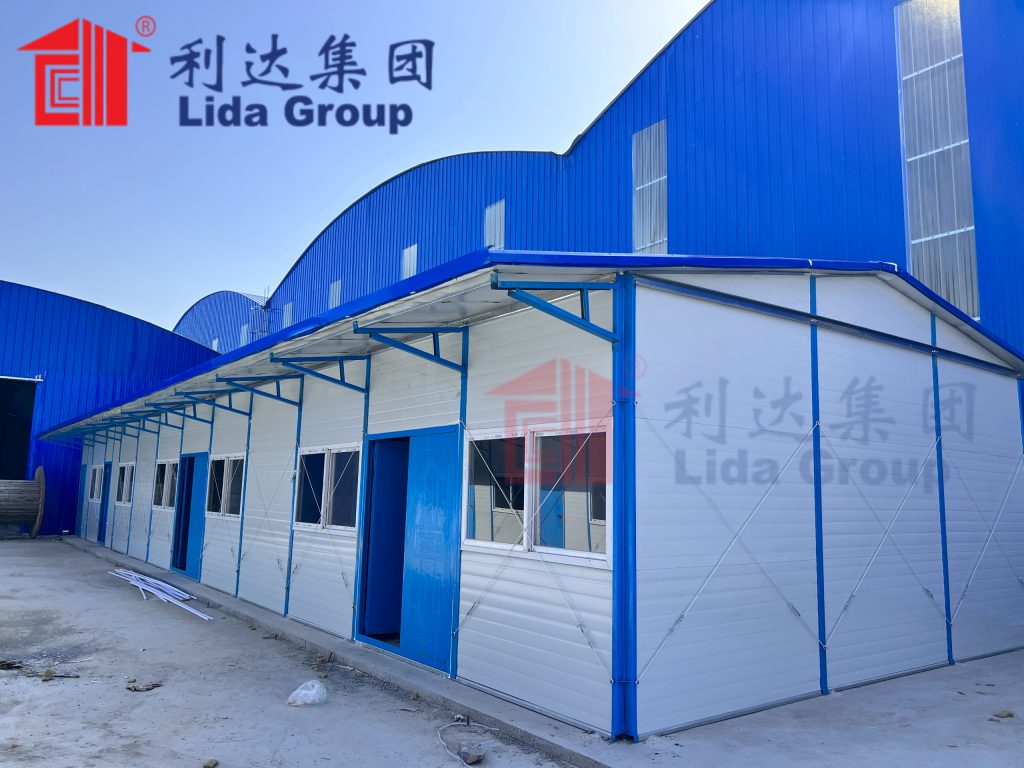
3.4 Flexibility and Adaptability: Customize to Changing Needs
Unlike traditional dormitories, which are inflexible and difficult to modify, Lida Group’s prefab dormitories are modular and highly adaptable, allowing clients to adjust to changing needs without costly renovations. The modular design means that additional units can be added quickly to expand capacity, while existing units can be reconfigured or relocated to new sites. For example, a university that experiences enrollment growth can add 50-100 beds to its existing Lida prefab dormitory in just 2-3 weeks, compared to 3-6 months for traditional expansion. A construction company can disassemble a Lida dormitory after a project is completed and relocate it to a new site, eliminating the need to build a new dormitory and saving significant costs.
Lida Group also offers a wide range of customization options, allowing clients to tailor dormitories to their specific needs. Clients can choose from various room sizes (e.g., single, double, quadruple occupancy), layouts (e.g., en-suite bathrooms, shared common areas), and amenities (e.g., air conditioning, heating, built-in storage, study desks). The company’s design team works closely with clients to develop customized solutions that meet their unique requirements, whether it’s a compact dormitory for a remote construction site or a modern, fully equipped dormitory for a university campus.
3.5 Sustainability: Eco-Friendly and Energy-Efficient
Sustainability is a key priority for Lida Group, and its prefab dormitory solutions are designed to minimize environmental impact while reducing long-term energy costs. The company uses eco-friendly materials, including recycled steel, low-VOC (volatile organic compound) paints, and renewable insulation materials (e.g., rock wool, EPS), which reduce carbon emissions and improve indoor air quality. The off-site manufacturing process also reduces construction-related pollution (e.g., dust, noise, waste) compared to traditional on-site construction.
Lida’s prefab dormitories are also highly energy-efficient, thanks to their advanced insulation materials and tight building envelopes. The HSLC panels and rock wool insulation provide excellent thermal insulation, reducing heating and cooling costs by 30-40% compared to traditional dormitories. The company also offers optional energy-efficient features, such as solar panels, LED lighting, and low-flow plumbing fixtures, further reducing energy and water consumption. For organizations committed to sustainability, Lida’s prefab dormitories offer a cost-effective way to reduce their environmental footprint while lowering long-term operational costs.
3.6 Compliance with Global Building Codes: Safety and Peace of Mind
Lida Group’s prefab dormitories are designed and manufactured to meet or exceed global building codes and regulations, including those related to safety, structural integrity, fire resistance, and accessibility. The company’s engineering team is familiar with local building codes in more than 120 countries, ensuring that each dormitory is compliant with the specific requirements of the project’s location. Lida’s dormitories undergo rigorous testing to ensure they meet these standards, including seismic testing, wind tunnel testing, fire safety testing, and accessibility testing.
For example, Lida’s dormitories meet the International Building Code (IBC), the European Union’s Construction Products Regulation (CPR), and China’s National Building Code (GB), among others. This compliance ensures that clients receive a safe, high-quality dormitory that meets all legal requirements, reducing the risk of fines, delays, or costly modifications. Additionally, Lida Group provides all necessary documentation (e.g., test reports, certifications, building plans) to local authorities for approval, simplifying the compliance process for clients.
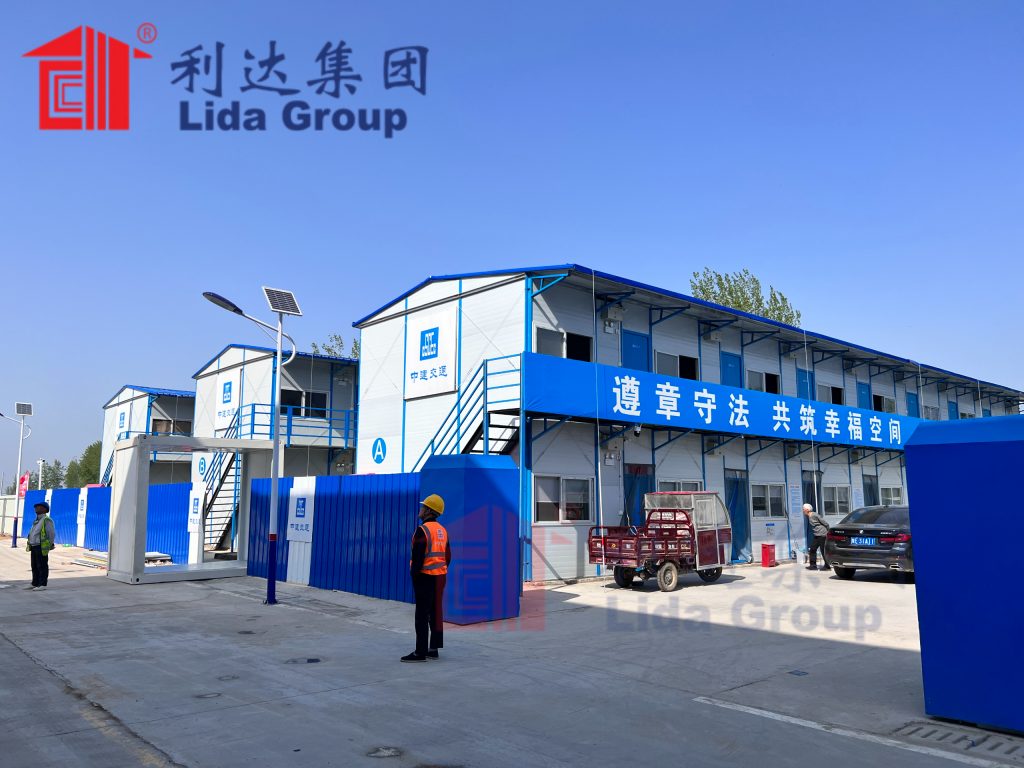
4. Key Technologies Enabling Lida Group’s Affordable and Sturdy Prefab Dormitories
The exceptional affordability, sturdiness, and efficiency of Lida Group’s prefab dormitories are made possible by a range of advanced technologies and design innovations. These technologies focus on simplifying manufacturing and installation, reducing costs, and enhancing durability—all while maintaining the flexibility and customization that clients need. Below are the most critical technologies that enable Lida’s prefab dormitory solutions.
4.1 Modular and Prefabricated Design Technology
Modular and prefabricated design is the foundation of Lida Group’s prefab dormitories. Unlike traditional construction, where components are built on-site, Lida’s dormitories are divided into standardized, prefabricated modules (each consisting of walls, floors, roofs, and interior fixtures) that are manufactured in a factory to precise specifications. These modules are designed to fit together seamlessly, eliminating the need for on-site adjustments and ensuring consistent quality.
Lida’s modular design technology allows for mass production of components, reducing manufacturing costs and increasing efficiency. Each module is identical in size and design, allowing for rapid assembly and customization. For example, a dormitory module can be designed as a single room, a double room, or a common area, and multiple modules can be combined to create dormitories of any size (from 50 beds to 1,000+ beds). This modular approach also makes it easy to expand or modify the dormitory in the future, as additional modules can be added or existing modules can be reconfigured.
4.2 Advanced Material Technology
Lida Group’s proprietary materials are a key factor in the affordability and sturdiness of its prefab dormitories. The company has invested heavily in research and development to create materials that are both cost-effective and highly durable:
Cold-Rolled Light Steel (CRLS) Frames: Lida’s CRLS frames are lightweight yet extremely strong, offering a high strength-to-weight ratio. These frames are manufactured using a cold-rolling process, which enhances their tensile strength and durability while reducing material usage (and thus costs). CRLS frames are also corrosion-resistant, thanks to a galvanized coating, ensuring they can withstand moisture and harsh environmental conditions without rusting or deteriorating.
High-Strength Lightweight Concrete (HSLC) Panels: HSLC panels are used for walls, floors, and roofs in Lida’s prefab dormitories. These panels are lightweight (20-30 kg per square meter) yet highly strong, with a compressive strength of up to 30 MPa. They offer excellent thermal insulation, sound insulation, and fire resistance, making them ideal for dormitory use. HSLC panels are also cost-effective, as they require less material than traditional concrete panels and are faster to manufacture and install.
Corrosion-Resistant Steel Facings: Lida’s prefab dormitories feature steel facings with a protective coating (e.g., galvanized or powder-coated) that resists corrosion, fading, and damage. These facings are not only durable but also low-maintenance, requiring no painting or refinishing for many years. They also come in a range of colors and textures, allowing clients to customize the appearance of their dormitories.
4.3 Precision Manufacturing Technology
Lida Group operates state-of-the-art manufacturing facilities equipped with advanced automation and precision machinery, ensuring that all dormitory components are manufactured to exact specifications. The company uses computer-aided design (CAD) and computer-aided manufacturing (CAM) software to design and produce components, reducing errors and improving efficiency. Automated production lines handle cutting, bending, welding, and assembly, ensuring consistent quality and reducing the need for manual labor.
For example, Lida’s CRLS frames are cut and bent using automated machines with a precision of ±0.5 mm, ensuring that each frame fits perfectly with other components. HSLC panels are cast in automated molds, ensuring uniform thickness and strength. This precision manufacturing eliminates the need for on-site cutting and fitting, reducing material waste and installation time, while also enhancing the structural integrity of the dormitory.
4.4 User-Friendly Connection Systems
Lida Group has developed user-friendly connection systems that simplify on-site installation and ensure the sturdiness of the dormitory. These connection systems include tongue-and-groove connections, bolted connections (with pre-drilled holes for easy alignment), and snap-lock mechanisms, all of which require no specialized tools or skills to use.
For example, tongue-and-groove connections allow wall panels to be slid together and locked in place, creating a tight, weatherproof seal. Bolted connections (with pre-drilled holes) ensure that modules are securely fastened together, distributing weight evenly and enhancing structural stability. These connection systems not only reduce installation time but also ensure that the dormitory is strong and durable, with no gaps or weak points.
4.5 Quality Control and Testing Technology
Lida Group maintains a rigorous quality control system throughout the manufacturing and installation process, using advanced testing technology to ensure that all components meet the highest standards of quality and durability. The company’s quality control team uses a range of testing equipment, including tensile strength testers, compressive strength testers, and leak testing equipment, to inspect components at every stage of production.
Additionally, Lida’s prefab dormitories undergo comprehensive post-manufacturing testing, including structural integrity tests, fire safety tests, thermal insulation tests, and sound insulation tests. These tests ensure that the dormitory meets or exceeds global building codes and client requirements. For example, fire safety tests are conducted to ensure that the dormitory’s materials are fire-resistant and that the structure can contain a fire for a specified period, protecting occupants and minimizing damage.
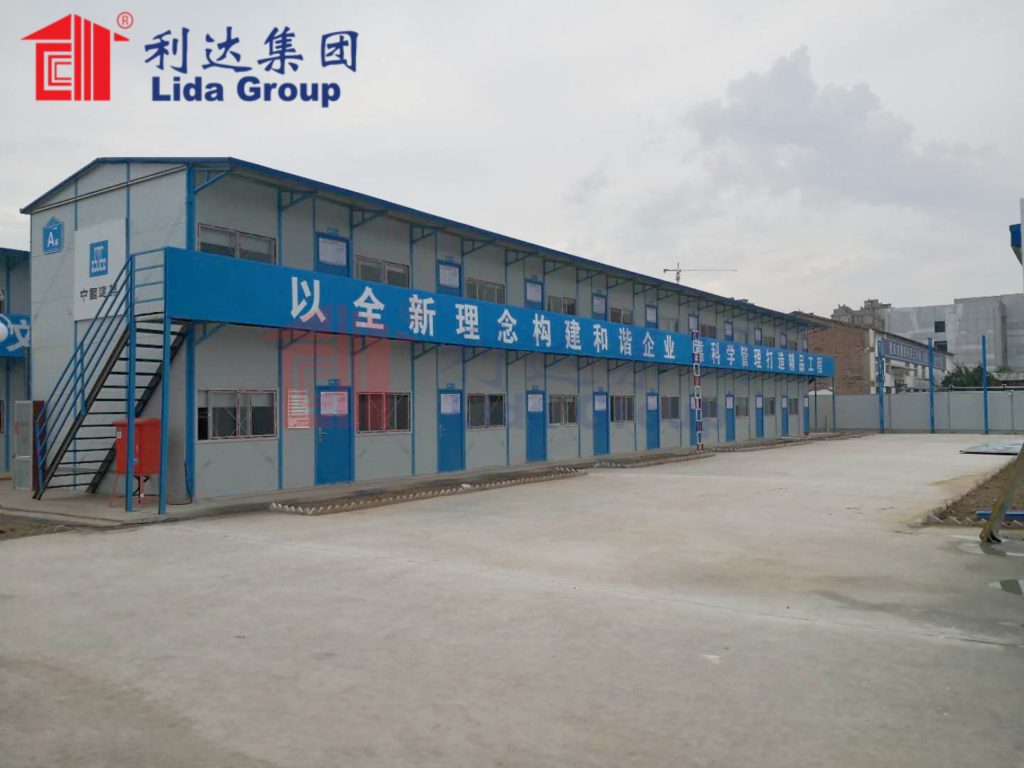
5. Real-World Applications: Lida Group’s Prefab Dormitories in Action
Lida Group’s affordable and sturdy prefab dormitory solutions have been successfully deployed in a wide range of projects across the globe, serving clients in education, construction, mining, oil and gas, and humanitarian aid. These real-world case studies demonstrate the tangible benefits of Lida’s dormitories—including cost savings, rapid installation, durability, and flexibility—and highlight their ability to meet the unique needs of diverse clients.
5.1 Case Study 1: University Dormitory in Nanjing, China
Background: Nanjing University of Science and Technology (NUST), a leading public university in China, needed to expand its student housing capacity to accommodate 1,000 additional students. The university had a tight budget of ¥80 million (approximately $11.2 million) and a timeline of 6 months, as the dormitory needed to be ready for the new academic year. Traditional dormitory construction would have cost approximately ¥120 million and taken 12-14 months to complete—far exceeding the university’s budget and timeline. Additionally, the university required the dormitory to be durable, energy-efficient, and compliant with China’s national building codes for student housing.
Solution: NUST chose Lida Group’s prefab dormitory solution, which included 20 modular units (each housing 50 students) with double-occupancy rooms, shared bathrooms, common study areas, and built-in storage. Lida used CRLS frames, HSLC wall panels, and rock wool insulation to ensure sturdiness and energy efficiency. The dormitory was designed to meet China’s GB 50009-2012 (Code for Load-Bearing of Building Structures) and GB 50016-2014 (Code for Fire Protection of Building Design), with a Class A fire rating and seismic resistance up to magnitude 7.5. The modules were manufactured in Lida’s factory in Jiangsu Province while the foundation was being prepared on the university campus, allowing for parallel workflow. The installation team consisted of 8 local workers with basic training, who were trained by Lida’s technical team in just 3 days.
Results: The 1,000-bed dormitory was completed in just 5 months—1 month ahead of schedule—and cost ¥76 million (approximately $10.6 million), 5% under budget. This represented a cost savings of ¥44 million compared to traditional construction. The dormitory’s modular design allowed for easy customization, with each room featuring a study desk, bed, wardrobe, and air conditioning. The HSLC panels and rock wool insulation reduced the university’s heating and cooling costs by 35% compared to its existing traditional dormitories. The dormitory has been in use for 5 years, with no major maintenance issues reported—demonstrating its exceptional durability. The university was so satisfied with the solution that it has since ordered two additional prefab dormitories from Lida Group to accommodate further enrollment growth.
5.2 Case Study 2: Construction Site Dormitory in Nairobi, Kenya
Background: A large international construction company was awarded a contract to build a new highway in Nairobi, Kenya, requiring housing for 300 on-site workers. The company had a budget of $1.2 million and a timeline of 4 weeks, as workers needed to be on-site quickly to begin construction. Traditional dormitory construction in Nairobi would have cost approximately $1.8 million and taken 3-4 months to complete, making it impossible to meet the company’s timeline. Additionally, the dormitory needed to be sturdy enough to withstand Kenya’s hot, humid climate and occasional heavy rains, and flexible enough to be relocated to a new site once the highway project was completed (in 2 years).
Solution: The construction company selected Lida Group’s prefab dormitory solution, which included 6 modular units (each housing 50 workers) with single-occupancy rooms, shared bathrooms, a dining area, and a first-aid room. Lida used corrosion-resistant CRLS frames, HSLC panels, and waterproof steel facings to ensure durability in Nairobi’s climate. The dormitory was designed to be easily disassembled and relocated, with a bolted connection system that allowed for quick assembly and disassembly. The modules were manufactured in Lida’s factory in South Africa and delivered to Nairobi in a single shipment. The installation team consisted of 6 local workers, who were trained by Lida’s technical team in just 2 days to assemble the dormitory.
Results: The 300-bed dormitory was completed in just 3 weeks—1 week ahead of schedule—and cost $1.1 million, 8% under budget. This represented a cost savings of $700,000 compared to traditional construction. The dormitory’s waterproof design and corrosion-resistant materials withstood heavy rains and high humidity, with no leaks or structural damage reported. The modular design allowed for easy customization, with the dining area and first-aid room added to meet the workers’ specific needs. After the 2-year highway project was completed, the dormitory was disassembled in just 5 days and relocated to a new construction site in Mombasa, Kenya, where it was reassembled in 3 weeks. This reusability saved the company $600,000 compared to building a new dormitory for the Mombasa project. The workers praised the dormitory’s comfort and durability, noting that it was far superior to the temporary shelters they had used on previous projects.
5.3 Case Study 3: Humanitarian Dormitory in Port-au-Prince, Haiti
Background: A global humanitarian organization needed to build 500-bed dormitory shelters in Port-au-Prince, Haiti, to house families displaced by a major earthquake. The organization had a budget of $1.5 million and a timeline of 2 weeks, as the displaced families were living in overcrowded tents with no access to basic amenities. Traditional dormitory construction in Haiti would have been impossible due to the tight timeline and limited availability of skilled labor and raw materials. Additionally, the dormitory needed to be sturdy enough to withstand aftershocks and Haiti’s tropical climate, and affordable enough to be replicated for future humanitarian projects.
Solution: The humanitarian organization partnered with Lida Group to deliver prefab dormitory solutions, which included 10 modular units (each housing 50 people) with family-style rooms (accommodating 4-5 people per room), shared bathrooms, and a communal kitchen. Lida used lightweight yet sturdy CRLS frames, HSLC panels, and fire-resistant insulation to ensure safety and durability. The dormitory was designed to be easy to assemble by local workers with no construction experience, using a simple tongue-and-groove connection system that required no tools. The modules were manufactured in Lida’s factory in the Dominican Republic and delivered to Port-au-Prince in two shipments. Lida’s technical team trained 20 local workers (with no construction experience) in just 1 day to assemble the dormitories.
Results: The 500-bed dormitory shelters were completed in just 10 days—4 days ahead of schedule—and cost $1.4 million, 7% under budget. This rapid deployment allowed the humanitarian organization to provide safe, durable housing to displaced families quickly, replacing overcrowded tents with comfortable, weatherproof dormitories. The dormitory’s sturdy design withstood several aftershocks (magnitude 4.5-5.0) with no damage, ensuring the safety of the occupants. The family-style rooms provided privacy and comfort, while the communal kitchen and bathrooms allowed families to cook and maintain personal hygiene. The dormitories have been in use for 3 years, with minimal maintenance required, and the humanitarian organization has since ordered 20 additional modular units from Lida Group to expand the shelter project. The local workers trained by Lida gained valuable skills, and many of them have been hired by local construction companies, supporting economic recovery in the region.
5.4 Case Study 4: Corporate Dormitory in São Paulo, Brazil
Background: A large Brazilian manufacturing company needed to build a 400-bed dormitory for its remote workers, who were relocating to São Paulo for a 3-year project. The company had a budget of $2.5 million and a timeline of 8 weeks, with the goal of delivering a modern, comfortable dormitory that would improve worker retention and satisfaction. Traditional dormitory construction in São Paulo would have cost approximately $3.5 million and taken 10-12 months to complete, exceeding the company’s budget and timeline. The company also required the dormitory to be energy-efficient, sustainable, and compliant with Brazil’s building codes for worker housing.
Solution: The company chose Lida Group’s prefab dormitory solution, which included 8 modular units (each housing 50 workers) with single-occupancy rooms, en-suite bathrooms, a gym, a library, and a recreational area. Lida used eco-friendly materials, including recycled steel, low-VOC paints, and solar panels for energy generation, to meet the company’s sustainability goals. The dormitory was designed to be energy-efficient, with HSLC panels and rock wool insulation reducing heating and cooling costs. The modules were manufactured in Lida’s factory in Brazil, reducing transportation costs and delivery time. The installation team consisted of 7 workers, who assembled the dormitory in just 6 weeks.
Results: The 400-bed dormitory was completed in 7 weeks—1 week ahead of schedule—and cost $2.3 million, 8% under budget. This represented a cost savings of $1.2 million compared to traditional construction. The solar panels generated 30% of the dormitory’s energy needs, reducing the company’s electricity costs by $50,000 per year. The modern amenities (gym, library, recreational area) improved worker satisfaction and retention, with a 20% reduction in turnover compared to previous projects. The dormitory’s energy-efficient design and eco-friendly materials earned it Brazil’s Green Building Certification (LEED Silver), demonstrating the company’s commitment to sustainability. The company has since extended the dormitory’s use beyond the 3-year project, as it has proven to be a cost-effective and comfortable housing solution for its remote workers.
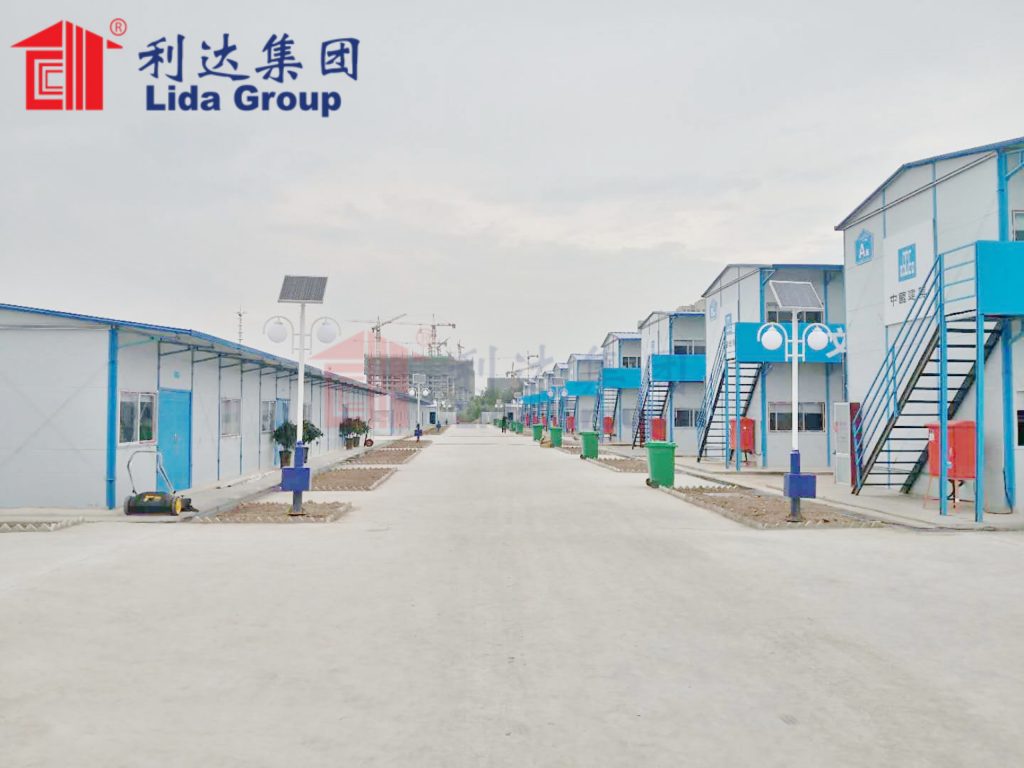
6. Comparison: Lida Group’s Prefab Dormitories vs. Traditional Dormitories & Other Prefab Solutions
To further highlight the value of Lida Group’s affordable and sturdy prefab dormitory solutions, it is helpful to compare them to traditional dormitory construction and other prefabricated dormitory solutions. This comparison focuses on key metrics that matter most to clients—cost, durability, timeline, labor requirements, flexibility, and sustainability—to demonstrate why Lida’s dormitories are the optimal choice.
6.1 Cost Comparison
Traditional Dormitories: A 300-bed traditional dormitory typically costs $4.5-6 million, with labor and material waste accounting for 40-50% of total costs. Cost overruns are common (10-20%), increasing the total cost to $5-7.2 million.
Other Prefab Dormitories: Other prefabricated dormitory solutions are often more affordable than traditional construction but less cost-effective than Lida’s offerings. A 300-bed dormitory from other providers typically costs $3.5-4.5 million, with limited cost savings compared to traditional construction.
Lida Group’s Prefab Dormitories: A 300-bed prefab dormitory from Lida Group costs $2.7-3.6 million—20-30% more affordable than traditional construction and 15-25% more affordable than other prefab solutions. Cost overruns are rare (less than 5%), thanks to streamlined manufacturing and installation processes.
6.2 Durability Comparison
Traditional Dormitories: Traditional dormitories have a lifespan of 10-15 years, requiring frequent repairs and renovations (every 5-7 years) to maintain structural integrity. They are often vulnerable to moisture, corrosion, and heavy use, leading to premature deterioration.
Other Prefab Dormitories: Other prefabricated dormitories have a lifespan of 15-20 years, with moderate durability. Many use low-quality materials (e.g., wooden frames, thin steel panels) that are vulnerable to environmental damage and heavy use.
Lida Group’s Prefab Dormitories: Lida’s prefab dormitories have a lifespan of 20-30 years (up to 50 years with proper maintenance), with no major repairs needed for the first 10-15 years. They use high-strength, corrosion-resistant materials that withstand environmental damage and heavy use, ensuring long-term durability.
6.3 Timeline Comparison
Traditional Dormitories: A 300-bed traditional dormitory takes 8-12 months to complete, with sequential construction processes and weather-related delays adding to the timeline.
Other Prefab Dormitories: A 300-bed prefab dormitory from other providers takes 3-5 months to complete, with on-site adjustments and specialized labor requirements extending the timeline.
Lida Group’s Prefab Dormitories: A 300-bed prefab dormitory from Lida Group takes 4-6 weeks to complete, with parallel workflow (factory manufacturing and foundation preparation) and streamlined installation reducing the timeline by 60-70% compared to traditional construction.
6.4 Labor Requirements Comparison
Traditional Dormitories: Requires 15-20 skilled workers (masons, carpenters, electricians) for a 300-bed project, with labor costs accounting for 30-40% of total project cost. Skilled labor shortages often delay projects.
Other Prefab Dormitories: Requires 10-12 skilled workers (with experience in prefab installation) for a 300-bed project, with labor costs accounting for 25-30% of total project cost.
Lida Group’s Prefab Dormitories: Requires 6-8 workers with basic training for a 300-bed project, with labor costs accounting for 15-20% of total project cost. No specialized skills or tools are needed, eliminating the risk of skilled labor shortages.
6.5 Flexibility Comparison
Traditional Dormitories: Inflexible, with no ability to expand or modify without costly renovations. Cannot be relocated, requiring new construction for changing needs.
Other Prefab Dormitories: Moderately flexible, with limited expansion options. Relocation is possible but time-consuming and costly, requiring specialized labor.
Lida Group’s Prefab Dormitories: Highly flexible, with easy expansion (additional modules can be added in 2-3 weeks) and reconfiguration. Can be disassembled and relocated in days, with minimal labor and cost.
6.6 Sustainability Comparison
Traditional Dormitories: Generates 10-15% material waste, with high carbon emissions from on-site construction and transportation of raw materials. Energy-inefficient, with high heating and cooling costs.
Other Prefab Dormitories: Generates 3-5% material waste, with moderate carbon emissions. Moderately energy-efficient, with limited sustainability features.
Lida Group’s Prefab Dormitories: Generates less than 2% material waste, with low carbon emissions from off-site manufacturing and reduced transportation. Highly energy-efficient (30-40% lower heating/cooling costs) and eco-friendly, with optional solar panels and recycled materials.

7. Common Challenges & Solutions in Implementing Lida Group’s Prefab Dormitories
While Lida Group’s prefab dormitories are designed to be efficient and easy to implement, there are still some common challenges that clients may face during the project lifecycle. These challenges are typically minor and can be easily addressed with proper planning and support from Lida Group. Below are the most common challenges and practical solutions to ensure a smooth implementation.
7.1 Challenge: Lack of Awareness or Skepticism About Prefab Dormitories
Many clients—especially those accustomed to traditional construction—may be unfamiliar with prefab dormitories or skeptical about their durability, quality, and ability to meet their needs. This skepticism can delay decision-making and hinder project progress.
Solution: Lida Group provides clients with detailed information about its prefab dormitory solutions, including test reports, certifications, and case studies (like those highlighted in Section 5). The company also arranges for site visits to completed projects, allowing clients to see the dormitories firsthand and speak with existing clients. Lida’s team of experts works closely with clients to address their concerns, explaining the materials, technology, and quality control processes that ensure the dormitories are sturdy, high-quality, and affordable. Additionally, Lida offers warranties (up to 10 years) on its prefab dormitories, giving clients peace of mind.
7.2 Challenge: Foundation Preparation Requirements
While Lida’s prefab dormitories reduce on-site work, they still require a level, stable foundation—just like traditional buildings. Poor foundation preparation can lead to installation delays and structural issues, undermining the project’s efficiency.
Solution: Lida Group’s engineering team provides clients with detailed foundation specifications (e.g., level concrete slab, strip foundation) tailored to the project’s location and soil conditions. The company also works with local foundation contractors (or recommends trusted partners) who are familiar with prefab dormitory foundations. Foundation preparation is planned in parallel with factory manufacturing, ensuring that the foundation is ready when the modules are delivered. Lida’s technical team conducts regular inspections of the foundation during preparation to ensure it meets the required standards, avoiding delays due to rework.
7.3 Challenge: Transportation and Logistics
Lida’s prefab dormitory modules are large (typically 3m x 6m x 3m) and lightweight, which can make transportation and on-site storage challenging—especially for projects in remote or hard-to-reach locations. Delays in module delivery can halt installation and delay the project.
Solution: Lida Group has a global logistics network with experience delivering modules to remote and challenging locations. The company plans the delivery schedule in advance, coordinating with trusted transportation partners to ensure modules are delivered just-in-time (JIT) to avoid on-site storage costs and damage. Lida uses flatbed trucks and shipping containers (for international projects) to transport modules, and the company’s team works with clients to ensure the project site has adequate access for these vehicles. For remote projects, Lida may use local manufacturing facilities (if available) to reduce transportation time and costs.
7.4 Challenge: Compliance with Local Building Codes
Lida’s prefab dormitories must comply with local building codes and regulations, which vary by region. Failure to comply can result in fines, delays, or even the need to modify the dormitory.
Solution: Lida Group’s engineering team is familiar with local building codes in more than 120 countries, and the company designs each dormitory to meet or exceed these codes. Before starting the project, Lida’s team researches local regulations and works with clients to submit all necessary documentation (e.g., test reports, building plans) to local authorities for approval. Lida’s technical team also works with local building inspectors during installation to ensure compliance, conducting regular on-site inspections and addressing any issues promptly.
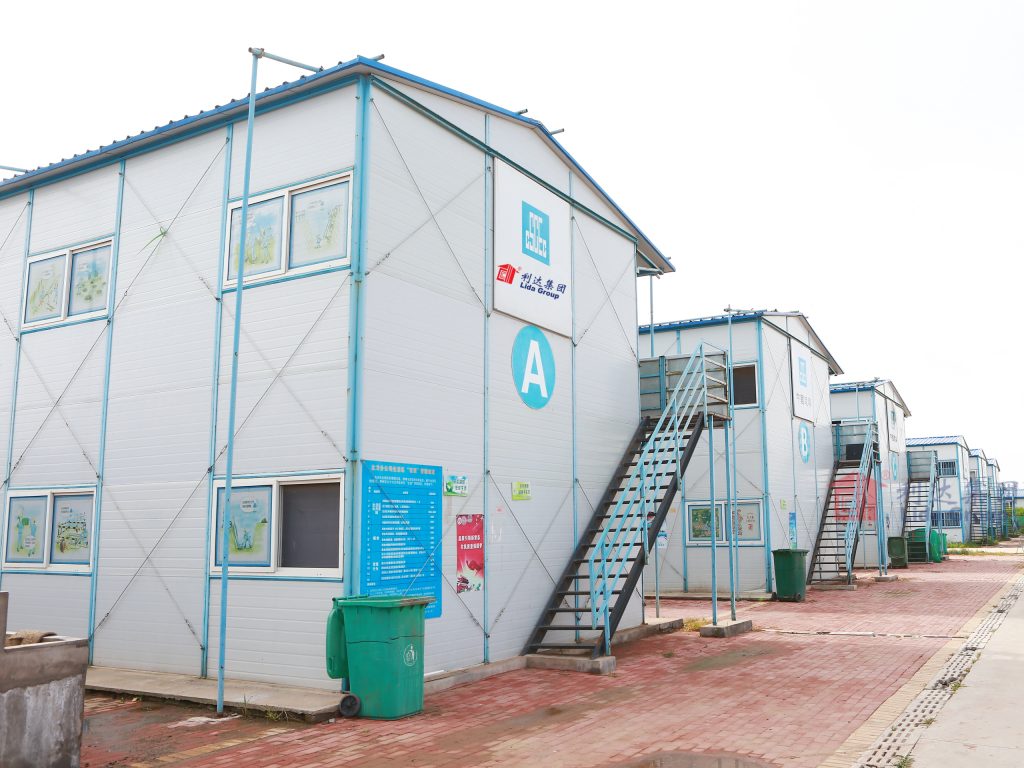
8. Future Outlook: Innovations in Lida Group’s Prefab Dormitory Solutions
Lida Group is committed to continuous innovation, and the future of its prefab dormitory solutions is focused on advancing the core strengths of affordability, sturdiness, and sustainability, while integrating cutting-edge technologies and adapting to the evolving needs of global clients. As the prefabricated construction industry continues to grow and evolve, Lida Group is poised to lead the way with innovative solutions that address emerging challenges and unlock new opportunities for dormitory housing.
8.1 Intelligent Upgrades for Smarter Dormitories
The future of Lida’s prefab dormitories will see greater integration of intelligent technologies to enhance comfort, safety, and operational efficiency. Lida Group is investing in the development of smart dormitory management systems, which will enable remote monitoring and control of key functions such as energy usage, temperature, lighting, and security. IoT (Internet of Things) sensors will be embedded in dormitory modules to collect real-time data, allowing clients to optimize energy consumption, detect maintenance needs in advance, and ensure the safety of occupants. For example, smart fire detection systems will immediately alert administrators to potential hazards, while temperature and humidity sensors will automatically adjust heating and cooling systems to maintain optimal comfort—reducing energy waste by an additional 15-20%. Additionally, Lida plans to integrate smart access control systems (e.g., facial recognition, mobile key cards) to enhance security and streamline access management, particularly for university and corporate dormitories.
8.2 Advanced Sustainable Materials and Low-Carbon Manufacturing
Building on its existing sustainability commitments, Lida Group will focus on developing and adopting even more eco-friendly materials and low-carbon manufacturing processes. The company is currently researching bio-based composites and fully recyclable modular components, which will further reduce material waste and carbon emissions. These new materials will maintain the same sturdiness and affordability as Lida’s current offerings while being 100% recyclable at the end of their lifespan, aligning with global circular economy goals. Lida also aims to achieve carbon-neutral manufacturing by 2035, through the adoption of renewable energy (e.g., solar, wind) in its factories, the optimization of production processes to reduce energy consumption, and the offsetting of remaining emissions through reforestation and carbon credit projects. Furthermore, the company will expand its use of recycled materials, such as recycled steel and plastic, in modular components—reducing reliance on virgin materials and lowering the environmental impact of its dormitories.
8.3 Enhanced Modular Design Flexibility
To meet the increasingly diverse needs of global clients, Lida Group will continue to enhance the flexibility and adaptability of its modular design. Future prefab dormitory modules will be designed to be more easily reconfigured into different room types (e.g., single rooms, double rooms, common areas) without disassembly, allowing clients to quickly adapt to changing housing needs. Lida also plans to develop multi-story prefab dormitory solutions, which will be ideal for urban areas with limited space (e.g., university campuses in dense cities). These multi-story dormitories will use advanced load-bearing modular systems to ensure sturdiness and compliance with global building codes for high-rise structures, while maintaining the same rapid installation timeline as Lida’s single-story offerings. Additionally, Lida will introduce more compact modular units for remote and humanitarian projects, which can be transported more easily to hard-to-reach locations and assembled with even fewer workers.
8.4 Expanding Global Reach and Customization Capabilities
Lida Group aims to expand its global footprint by establishing additional manufacturing facilities in key regions, including Africa, Southeast Asia, and Latin America. This expansion will reduce transportation costs and delivery times for clients in these regions, making Lida’s prefab dormitory solutions even more affordable and accessible. The company will also enhance its customization capabilities, working closely with clients to develop region-specific solutions that address local climate conditions, cultural preferences, and building code requirements. For example, dormitories designed for tropical regions will feature enhanced ventilation and waterproofing, while those for cold climates will include thicker insulation and energy-efficient heating systems. Lida will also develop specialized dormitory solutions for emerging sectors, such as renewable energy projects (e.g., wind and solar farms) and remote work campuses, which require durable, comfortable, and flexible housing for workers.
8.5 Integration of Emerging Technologies
Lida Group will integrate emerging technologies such as BIM (Building Information Modeling), AI (Artificial Intelligence), and 3D printing to further optimize the design, manufacturing, and installation of its prefab dormitories. BIM technology will enable more precise design and coordination, reducing errors and improving the efficiency of modular component production. AI will be used to automate quality control processes in factories, detecting defects and inconsistencies in real time—ensuring even higher standards of sturdiness and quality. 3D printing will be employed to produce custom components (e.g., interior fixtures, decorative elements) more efficiently, reducing lead times and enabling greater customization without increasing costs. These technologies will work together to streamline the entire project lifecycle, from design to installation, further reducing costs and timelines for clients.
9. Conclusion
In a world where the demand for affordable, sturdy, and efficient dormitory housing is growing rapidly, Lida Group has emerged as a global leader, redefining the prefabricated dormitory landscape through its unwavering focus on quality, cost-effectiveness, and innovation. By addressing the core pain points of traditional dormitory construction—prohibitive costs, prolonged timelines, inconsistent quality, inflexibility, and complex project management—Lida’s prefab dormitory solutions have proven to be a transformative alternative for clients across education, construction, corporate, and humanitarian sectors.
Lida Group’s prefab dormitories stand out due to their unmatched combination of affordability (20-30% more cost-effective than traditional construction), exceptional sturdiness (20-30 year lifespan, withstanding harsh environmental conditions), rapid installation (60-70% faster than traditional methods), and high flexibility (easy expansion, reconfiguration, and relocation). These advantages are enabled by advanced technologies, including modular design, proprietary high-strength materials, precision manufacturing, and user-friendly connection systems—all backed by Lida’s three decades of experience and commitment to quality control.
Real-world case studies from China, Kenya, Haiti, and Brazil have demonstrated the tangible value of Lida’s solutions, delivering significant cost savings, faster deployment, and long-term durability for clients. When compared to traditional dormitories and other prefabricated solutions, Lida’s dormitories consistently outperform in key metrics, including cost, durability, labor requirements, flexibility, and sustainability.
Looking ahead, Lida Group’s commitment to continuous innovation—through intelligent upgrades, sustainable materials, enhanced modular design, global expansion, and integration of emerging technologies—will further solidify its position as a leader in the prefabricated dormitory industry. By adapting to evolving client needs and global sustainability goals, Lida Group is poised to continue transforming dormitory housing, providing affordable, sturdy, and sustainable solutions that empower organizations to meet their housing needs efficiently and responsibly.
For stakeholders seeking a reliable, cost-effective, and future-proof dormitory solution, Lida Group’s prefab dormitories offer a proven, practical choice—delivering value today and adaptability for tomorrow.
Related news
-
Efficient Prefab Dormitory Built with Easy Install Sandwich Panel System
2026-02-05 14:50:16
-
Lida Group Redefines Value with Low-Cost Durable Construction Methods
2026-02-05 15:57:07
-
Streamline Your Project with an Easy Install Sandwich Panel House
2026-02-05 16:22:27
contact us
- Tel: +86-532-88966982
- Whatsapp: +86-13793209022
- E-mail: sales@lidajituan.com
