



Advanced Eco-Friendly Sandwich Panel House Technology from Lida Group
2026-Feb-25 17:42:04
By Admin
As the global focus on sustainability and environmental protection intensifies, the construction industry is undergoing a profound transformation—shifting from energy-intensive, resource-wasting practices to eco-friendly, low-carbon solutions. Buildings account for approximately 39% of global carbon emissions, 40% of energy consumption, and 30% of raw material usage, making them a critical target for environmental improvement. In this context, eco-friendly sandwich panel technology has emerged as a key innovation, offering a way to construct buildings that are energy-efficient, resource-saving, and environmentally responsible. Among the global leaders in this field, Lida Group—with over three decades of experience in prefabricated and modular construction—has developed advanced eco-friendly sandwich panel house technology that redefines the standards of green building. By integrating cutting-edge materials, precision manufacturing, and sustainable design principles, Lida Group’s technology delivers exceptional environmental performance, durability, and cost-effectiveness, making it a game-changer in the global green construction industry.
To fully understand the significance of Lida Group’s advanced eco-friendly sandwich panel house technology, it is essential to first grasp the core of sandwich panel technology and the limitations of traditional solutions. A sandwich panel is a composite structure consisting of three layers: two outer facing layers (known as skins) and a middle core layer (insulation). Traditional sandwich panels, while offering basic insulation and structural support, often fall short in environmental performance—relying on non-recyclable materials, consuming excessive energy during production, and lacking long-term durability. Many traditional panels use toxic adhesives or insulation materials that release harmful volatile organic compounds (VOCs), compromising indoor air quality and environmental safety. Additionally, traditional manufacturing processes are inefficient, generating significant material waste and carbon emissions. Lida Group’s advanced technology addresses these limitations, elevating sandwich panel houses to a new level of eco-friendliness, performance, and sustainability.
Lida Group, founded in 1993, is a global pioneer in prefabricated and modular construction, with a comprehensive industrial chain covering research and development (R&D), design, production, installation, and after-sales service. The group operates state-of-the-art production bases worldwide, with subsidiaries and overseas offices in Indonesia, Zambia, Saudi Arabia, Qatar, Dubai, Chile, and other countries, enabling it to deliver localized, advanced eco-friendly solutions to clients across diverse regions and industries. Lida Group holds numerous international certifications, including ISO 9001 (quality management), ISO 14001 (environmental management), ISO 45001 (occupational health and safety), EU CE (EN1090), and green building certifications from various countries. Its production facilities have passed rigorous audits by leading global testing institutions such as SGS, TUV, and BV, ensuring that every product meets the highest standards of quality and environmental performance. With a strong commitment to innovation, Lida Group invests heavily in R&D—allocating 8% of its annual revenue to developing advanced eco-friendly technologies, including its next-generation sandwich panel house systems.
The core of Lida Group’s advanced eco-friendly sandwich panel house technology lies in its innovative three-layer composite structure, optimized material selection, and precision manufacturing processes—all designed to maximize environmental performance while ensuring durability, energy efficiency, and cost-effectiveness. Unlike traditional sandwich panels, which prioritize one or two aspects of performance, Lida’s panels integrate eco-friendliness into every component, creating a holistic green building solution.
At the heart of Lida’s technology is the advanced composite sandwich panel, which features two high-performance outer skins and a sustainable insulation core, bonded together with eco-friendly, high-strength adhesives. The outer skins are typically made of galvanized light steel (Q235/Q345) or fiber-reinforced cement (FRC), both of which are 100% recyclable and offer exceptional durability and corrosion resistance. Lida’s galvanized light steel skins are treated with a hot-dip galvanizing layer and an optional nano-ceramic coating, providing double protection against rust, corrosion, and extreme weather—making them suitable for use in harsh environments such as coastal regions, deserts, and industrial areas. The fiber-reinforced cement skins, on the other hand, are made from natural materials (cement, sand, and plant fibers) and are non-toxic, fire-resistant, and moisture-proof, making them ideal for eco-friendly residential and commercial buildings.
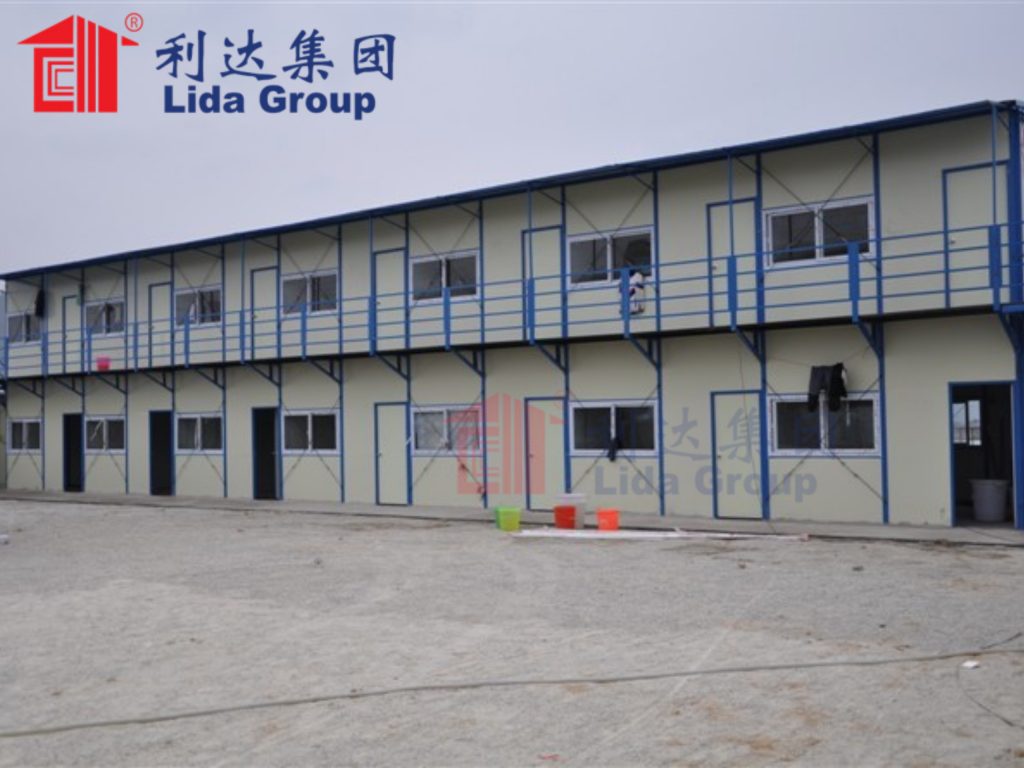
The middle insulation core is a critical component of Lida’s eco-friendly technology, as it determines the panel’s energy efficiency and environmental impact. Lida offers three primary types of sustainable insulation cores, each tailored to different climate conditions and project needs: rock wool, expanded polystyrene (EPS), and polyurethane (PU). All three cores are eco-friendly, non-toxic, and recyclable, with minimal environmental impact during production and disposal.
Rock wool insulation, made from recycled basalt rock or industrial slag (byproducts of steel production), is a highly sustainable option. It is non-combustible, fire-resistant (meeting Class A fire safety standards), and offers excellent thermal and acoustic insulation. By using recycled industrial waste, Lida’s rock wool core reduces the need for virgin materials and diverts waste from landfills—contributing to a circular economy. EPS insulation, often made from recycled plastic, is lightweight, cost-effective, and offers superior thermal insulation, reducing energy consumption for heating and cooling. Lida’s EPS core is treated with a flame-retardant agent that is non-toxic and environmentally friendly, addressing the fire safety concerns associated with traditional EPS materials. PU insulation, while slightly more expensive, offers the highest thermal insulation performance, with a U-value as low as 0.14 W/(m²·K), making it ideal for extreme climate conditions. Lida’s PU core is formulated with low-VOC materials, ensuring that it does not release harmful chemicals into the environment or indoor air.
To further enhance the eco-friendliness of its sandwich panels, Lida Group uses advanced, non-toxic adhesives to bond the outer skins and insulation core. Traditional sandwich panels often use adhesives containing formaldehyde and other toxic VOCs, which can cause indoor air pollution and pose health risks to occupants. Lida’s eco-friendly adhesives are water-based, formaldehyde-free, and low-VOC, meeting the strictest international standards for indoor air quality. These adhesives not only protect the environment and human health but also offer superior bonding strength, ensuring the structural integrity of the panels over time.
Precision manufacturing is another key feature of Lida Group’s advanced technology, ensuring that every sandwich panel is produced to exact specifications with minimal waste and energy consumption. Lida’s production facilities are equipped with advanced computer-aided design (CAD) and numerical control (NC) machinery, including automated cutting, welding, and bonding equipment. This automation reduces human error, improves production efficiency, and minimizes material waste to less than 3%—a dramatic improvement compared to the 10-15% waste generated by traditional manufacturing processes. Additionally, Lida’s factories use renewable energy sources (such as solar and wind power) to power their operations, reducing carbon emissions by 40% compared to traditional manufacturing facilities. The production process also incorporates a closed-loop water system, reducing water consumption by 80% and ensuring that no wastewater is discharged into the environment.
Lida Group’s advanced eco-friendly sandwich panel house technology offers exceptional energy efficiency—one of the most critical aspects of green building. The combination of high-performance insulation cores and airtight panel design ensures that the buildings have minimal heat transfer, reducing energy consumption for heating and cooling by 30-50% compared to traditional brick-and-concrete buildings. This not only lowers carbon emissions but also reduces utility costs for building owners, making the technology both environmentally and economically beneficial.
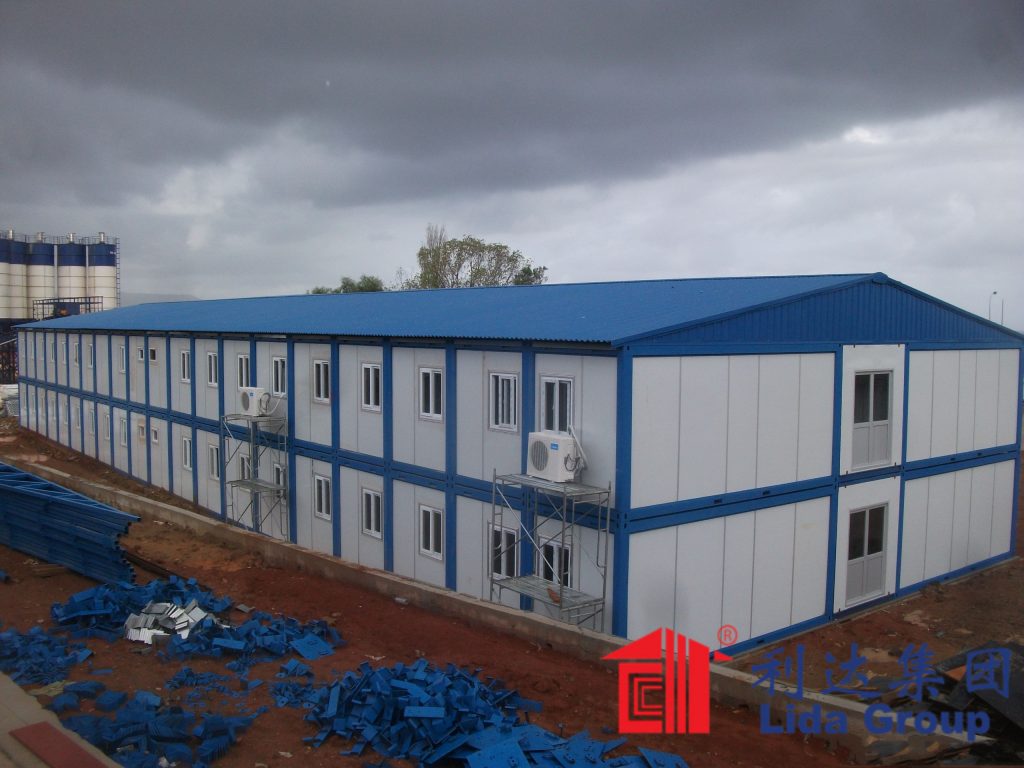
To maximize energy efficiency, Lida’s sandwich panel houses are often integrated with additional green technologies, such as solar panels, rainwater collection systems, and smart energy management systems. Solar panels installed on the roof generate clean, renewable energy to power the building’s lighting, appliances, and heating/cooling systems, reducing reliance on fossil fuels. Rainwater collection systems capture and store rainwater for non-potable uses (such as irrigation, toilet flushing, and cleaning), reducing freshwater consumption by up to 45%. Smart energy management systems use sensors and artificial intelligence (AI) to optimize energy use, automatically adjusting heating, cooling, and lighting based on occupancy and environmental conditions. These integrated technologies create a fully sustainable building ecosystem, further reducing the environmental footprint of Lida’s sandwich panel houses.
Indoor environmental quality (IEQ) is another priority of Lida’s advanced technology, as green buildings must not only be environmentally friendly but also healthy and comfortable for occupants. Lida’s sandwich panels are designed to eliminate indoor air pollution, with non-toxic, low-VOC materials and optimal ventilation. The airtight panel design reduces air infiltration, preventing outdoor pollutants (such as dust, pollen, and exhaust fumes) from entering the building. Large windows and skylights maximize natural lighting, reducing the need for artificial lighting and improving occupant mood and productivity. For projects in polluted areas, Lida offers optional air filtration systems that remove harmful particles and VOCs from the indoor air, ensuring that occupants breathe clean, healthy air. These features make Lida’s sandwich panel houses ideal for residential, commercial, and institutional buildings, where occupant health and comfort are paramount.
Durability and long-term sustainability are also integral to Lida’s advanced technology. A green building’s environmental impact cannot be measured solely by its initial performance; it must also consider its lifespan and end-of-life disposal. Lida’s sandwich panel houses are engineered to have a lifespan of 50-70 years with proper maintenance—far longer than traditional temporary buildings (2-5 years) and comparable to permanent brick-and-concrete buildings (30-50 years). This long lifespan reduces the need for frequent replacements, minimizing material waste and carbon emissions over time.
The durability of Lida’s sandwich panels is attributed to their robust construction and high-performance materials. The galvanized light steel and fiber-reinforced cement outer skins are resistant to corrosion, rust, physical damage, and extreme weather, including temperatures ranging from -45°C to 50°C, strong winds of up to 150 km/h, and seismic activity of up to 8 magnitudes. The composite structure of the panels also makes them resistant to fire, water, and mold, ensuring that the building remains structurally sound even in harsh conditions. Lida’s panels are also designed to be easily disassembled and recycled at the end of their lifespan—aligning with circular economy principles. The steel components can be melted down and reused, the insulation cores can be repurposed or recycled, and the composite materials can be processed into new building products. This closed-loop lifecycle ensures that the environmental impact of Lida’s sandwich panel houses is minimized even after they are no longer in use.
Rigorous quality control is a cornerstone of Lida Group’s advanced technology, ensuring that every sandwich panel and building meets the highest standards of quality, durability, and environmental performance. Lida has implemented a strict three-level quality control system throughout the production and installation process: factory testing, on-site inspection, and final certification. In the factory, every component undergoes rigorous testing, including material strength tests, corrosion resistance tests, waterproof tests, thermal insulation tests, and VOC emission tests. Advanced automated inspection systems—such as 3D scanning and laser measurement—ensure that each panel meets precise dimensional standards, with errors kept below 2mm. During on-site installation, certified installers follow strict guidelines, and each connection point is inspected and reinforced to ensure structural integrity. After installation, a comprehensive final inspection is conducted to verify that the building meets all safety, durability, and environmental standards.
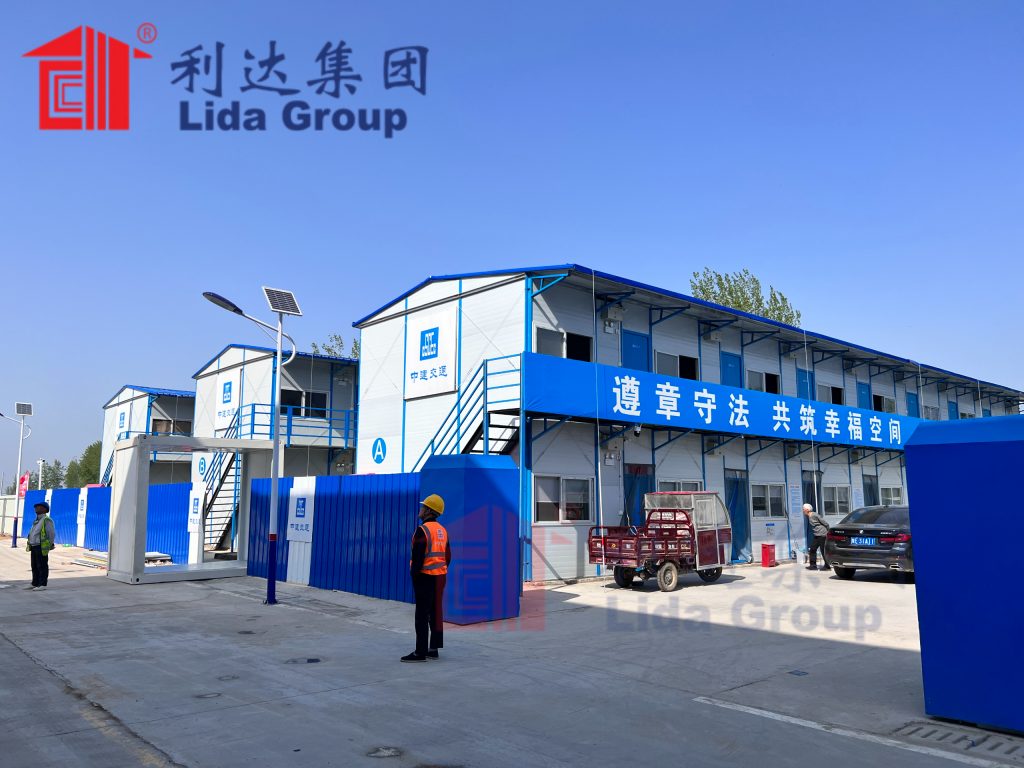
Lida Group’s advanced eco-friendly sandwich panel house technology is highly versatile, adaptable to a wide range of industries and applications—from residential communities and commercial buildings to industrial warehouses, worker dormitories, schools, hospitals, and emergency housing. Its modular design allows for flexible customization, with options for single-story or multi-story structures, and layouts tailored to meet the specific needs of each project. Lida provides customized solutions based on local climate conditions, building codes, and cultural preferences, ensuring that its technology is suitable for use in diverse regions worldwide.
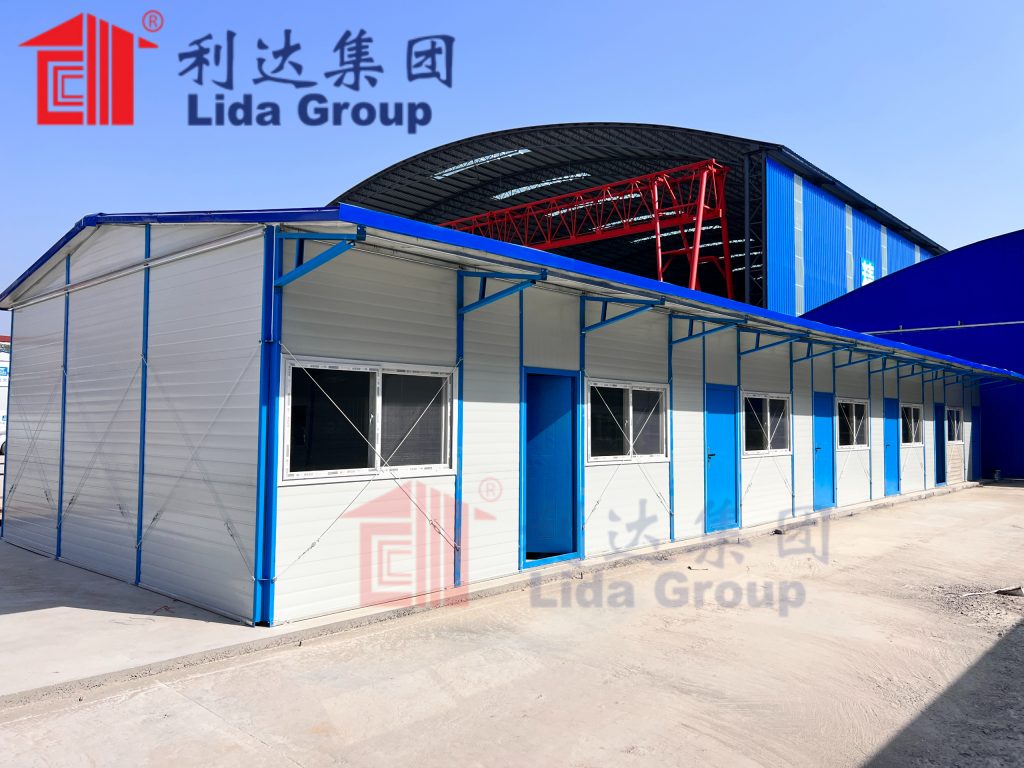
To demonstrate the real-world impact of Lida Group’s advanced eco-friendly sandwich panel house technology, we highlight several global case studies spanning diverse industries, climates, and regions—each showcasing the technology’s exceptional environmental performance, durability, and cost-effectiveness.
One notable case is the sustainable residential community in Berlin, Germany, a project developed in partnership with a leading European green building developer. The community consists of 120 eco-friendly sandwich panel houses, each designed to meet the highest LEED Platinum certification standards. Lida Group supplied advanced sandwich panels with recycled galvanized steel outer skins and rock wool insulation cores made from recycled slag. The houses were integrated with solar panels, rainwater collection systems, and smart energy management systems, generating 100% of their energy from renewable sources and reducing freshwater consumption by 45%. The use of Lida’s technology reduced the community’s carbon footprint by 60% compared to traditional residential communities. Additionally, the houses’ excellent thermal insulation reduced heating costs by 50% for residents, making sustainable living affordable. The project was completed in just 7 months—60% faster than traditional construction—and was 20% more affordable than other LEED Platinum-certified developments in the area. It has since become a model for sustainable residential construction in Europe, demonstrating the practicality and benefits of Lida’s advanced technology.
In Costa Rica, a non-governmental organization (NGO) partnered with Lida Group to build 60 eco-friendly sandwich panel houses for rural communities affected by deforestation. The project aimed to provide sustainable, affordable housing while promoting environmental conservation. Lida supplied panels with fiber-reinforced cement outer skins (made from local natural materials) and EPS insulation cores made from recycled plastic. The houses were designed to be energy-efficient, with natural ventilation and large windows to reduce the need for air conditioning—critical in Costa Rica’s hot, humid climate. Each house also included a small garden for growing vegetables, promoting food security and reducing the community’s carbon footprint. The project met BREEAM Excellent certification standards and was completed in 3 months, with local workers trained in panel installation to create sustainable jobs. The houses have withstood heavy rains and tropical storms without damage, and residents have reported a 40% reduction in energy bills and a significant improvement in indoor air quality. The project has since expanded to other rural communities in Costa Rica, proving that Lida’s technology can be adapted to local contexts while delivering exceptional environmental performance.
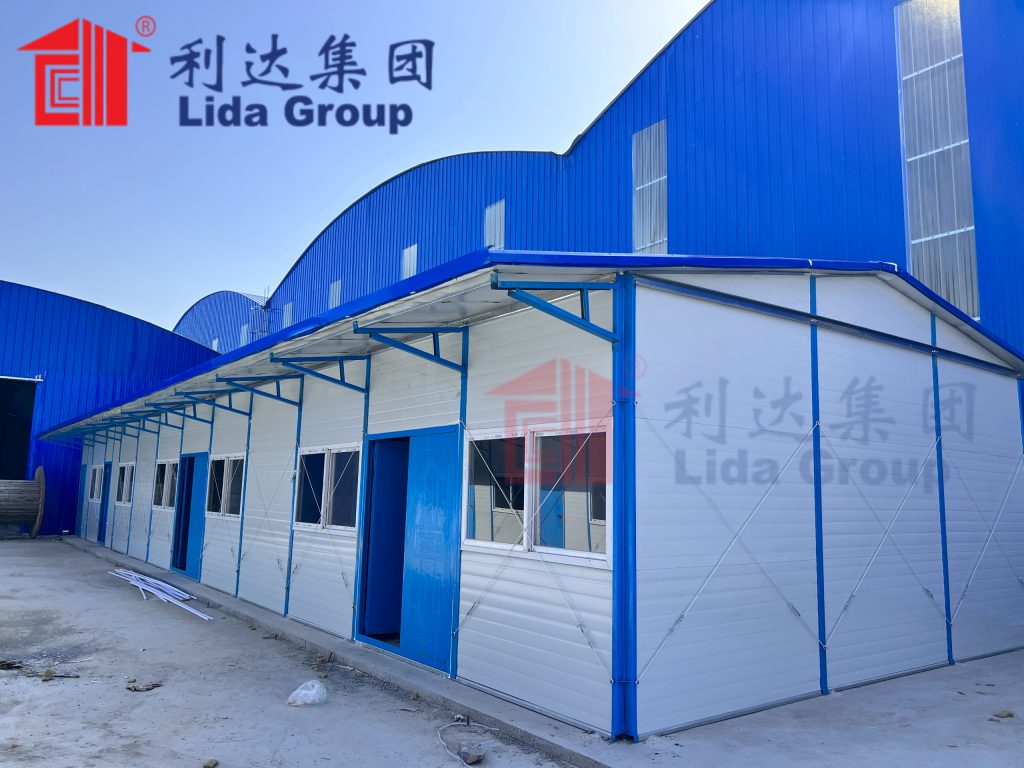
In Australia, a mining company needed to build a remote eco-friendly camp for 400 workers in the Western Australian desert, where extreme heat (temperatures exceeding 45°C in summer) and strong winds posed significant challenges. The company chose Lida Group’s advanced sandwich panel technology for its durability, energy efficiency, and environmental performance. Lida supplied panels with enhanced anti-corrosion galvanized steel outer skins and PU insulation cores, designed to withstand the harsh desert environment. The camp was equipped with solar panels and a rainwater collection system, reducing reliance on diesel generators and freshwater supplies. The panels’ exceptional thermal insulation reduced cooling costs by 45%, saving the company $180,000 annually in energy costs. The camp was completed in 8 days—far faster than traditional construction—and has remained in excellent condition after 3 years of use, with no major maintenance required. This case demonstrates that Lida’s technology is suitable for even the most demanding environments, delivering both environmental and economic benefits.
In China, Lida Group partnered with the government to build 300 eco-friendly sandwich panel houses for a rural revitalization project in Shandong Province. The project aimed to replace old, dilapidated homes with sustainable, comfortable housing while promoting green development. Lida supplied panels with recycled galvanized steel outer skins and rock wool insulation cores, designed to withstand China’s cold winters and hot summers. The houses were integrated with solar water heaters and biogas systems, further reducing reliance on fossil fuels. The project met China’s GB/T 50378 Green Building Standard and was completed in 1 month, with a total cost that was 30% lower than traditional brick-and-concrete houses. Residents reported a 45% reduction in energy bills and a significant improvement in living conditions. The project has become a model for rural green construction in China, showcasing how Lida’s advanced technology can address affordable housing needs while promoting sustainability.
The widespread adoption of Lida Group’s advanced eco-friendly sandwich panel house technology is driving a paradigm shift in the global green construction industry, delivering tangible environmental, economic, and social benefits. Environmentally, the technology reduces carbon emissions, material waste, and energy consumption, aligning with global efforts to combat climate change and promote sustainable development. Economically, it offers cost savings for building owners through reduced energy bills, maintenance costs, and construction timelines. Socially, it provides healthy, comfortable living and working environments, improving the quality of life for occupants and creating sustainable jobs in local communities.
Beyond these direct benefits, Lida’s technology is also influencing green building standards and policies worldwide. Many countries are updating their green building certification standards to include criteria specifically tailored to advanced sandwich panel technology, recognizing its unique environmental and performance benefits. Governments and international organizations—such as the United Nations Human Settlements Programme (UN-Habitat) and the International Labour Organization (ILO)—have highlighted Lida’s technology as a key solution for addressing affordable housing and infrastructure needs in developing countries, where environmental and economic constraints are most severe.
Looking to the future, Lida Group remains committed to advancing its eco-friendly sandwich panel house technology through continuous innovation and R&D. The group is investing in the development of new, more sustainable materials—such as bio-based composites and recycled insulation materials—that further reduce environmental impact while maintaining durability and performance. Lida is also integrating smart technologies into its panels, such as real-time structural monitoring systems and AI-driven energy management systems, to further improve energy efficiency and reduce maintenance costs. Additionally, the group is expanding its global supply chain to source materials locally in more regions, reducing transportation costs and carbon emissions—further enhancing the environmental benefits of its technology.
Lida Group is also focused on promoting sustainable construction practices worldwide through partnerships with governments, NGOs, and industry organizations. The group offers training programs for local workers and builders, helping to spread knowledge of advanced eco-friendly construction techniques and create sustainable jobs. It also collaborates with research institutions to conduct studies on the environmental impact of its technology, providing data and insights to support global green building initiatives.
Summary
In an era of growing environmental awareness and the urgent need to combat climate change, the construction industry is seeking innovative solutions that balance environmental performance, durability, and cost-effectiveness. Lida Group—with over three decades of experience in prefabricated and modular construction—has developed advanced eco-friendly sandwich panel house technology that redefines the standards of green building, offering a holistic solution to the industry’s sustainability challenges.
Lida’s advanced technology is built around an innovative three-layer composite sandwich panel, featuring recyclable outer skins (galvanized light steel or fiber-reinforced cement), sustainable insulation cores (rock wool, EPS, or PU), and eco-friendly, low-VOC adhesives. This design ensures exceptional environmental performance, with minimal material waste, low carbon emissions, and non-toxic components that protect indoor air quality. Precision manufacturing processes—using automated machinery and renewable energy—further reduce the technology’s environmental footprint, while rigorous quality control ensures durability and consistency.
The technology delivers exceptional energy efficiency, reducing heating and cooling costs by 30-50% compared to traditional buildings, and can be integrated with additional green technologies (solar panels, rainwater collection systems, smart energy management) to create fully sustainable building ecosystems. Its long lifespan (50-70 years) and end-of-life recyclability align with circular economy principles, minimizing long-term environmental impact. The technology is also highly versatile, adaptable to diverse industries, climates, and regions, and offers cost savings through reduced construction timelines, labor costs, and maintenance expenses.
Real-world case studies from Germany, Costa Rica, Australia, and China demonstrate the tangible impact of Lida’s technology: a sustainable residential community reduced carbon emissions by 60% and heating costs by 50%; a rural housing project in Costa Rica provided affordable, eco-friendly homes while creating local jobs; a mining camp in Australia reduced cooling costs by 45% and withstood extreme desert conditions; and a rural revitalization project in China delivered affordable housing with 45% lower energy bills. These cases prove that Lida’s advanced technology is practical, scalable, and capable of delivering environmental, economic, and social benefits across diverse contexts.
Lida Group’s advanced eco-friendly sandwich panel house technology is not just a building solution—it is a catalyst for change in the global construction industry. By proving that eco-friendly construction can be durable, cost-effective, and accessible, Lida is driving broader adoption of sustainable practices, influencing green building standards, and contributing to global climate goals. As the world continues to prioritize sustainability, Lida Group will remain at the forefront of innovation, developing even more advanced eco-friendly technologies that redefine the future of green construction.
In conclusion, Lida Group’s advanced eco-friendly sandwich panel house technology represents a paradigm shift in green building, offering a sustainable, durable, and cost-effective alternative to traditional construction methods. With its focus on environmental performance, innovation, and quality, Lida’s technology is empowering builders, developers, and governments to create buildings that are good for the planet, good for occupants, and good for the economy. As adoption grows and technology advances, Lida Group will continue to lead the way in shaping a more sustainable future for the construction industry and the planet.
Related news
-
Lida Group's Low-Cost Durable Building Solutions Benefit Project Budgets
2026-02-25 17:35:26
-
Efficient Prefab Worker Dormitory Designed for Comfort and Longevity
2026-02-25 17:27:10
-
Eco-Friendly Sandwich Panel House Redefines Green Construction Standards
2026-02-25 17:20:23
contact us
- Tel: +86-532-88966982
- Whatsapp: +86-13793209022
- E-mail: sales@lidajituan.com
