



Achieve Sustainability with Cost-Effective Prefab Construction
2025-Nov-21 16:36:15
By Admin
Introduction
In an era defined by urgent environmental challenges and escalating construction costs, the global building industry stands at a critical crossroads. The traditional on-site construction model, characterized by resource waste, prolonged timelines, and significant carbon emissions, is increasingly incompatible with the dual goals of environmental stewardship and economic efficiency. Against this backdrop, prefabricated (prefab) construction has emerged as a transformative solution that promises to reconcile sustainability with cost-effectiveness. Prefab construction, which involves manufacturing building components in controlled factory settings before transporting and assembling them on-site, has evolved from a niche practice to a mainstream alternative, driven by advancements in technology, evolving regulatory frameworks, and growing market demand for greener, more affordable buildings.
This article explores the multifaceted relationship between prefab construction, sustainability, and cost efficiency. It delves into the environmental benefits of prefab methods, including reduced waste generation, lower energy consumption, and minimized carbon footprints. Simultaneously, it examines the cost-saving mechanisms inherent in prefab construction, from streamlined production processes and labor optimization to economies of scale and risk mitigation. Through case studies, data analysis, and industry best practices, the article demonstrates how prefab construction can deliver on both sustainability and cost objectives, addressing common misconceptions and highlighting strategies for successful implementation. As the world grapples with climate change and housing affordability crises, understanding the potential of cost-effective prefab construction to drive sustainable development has never been more critical.
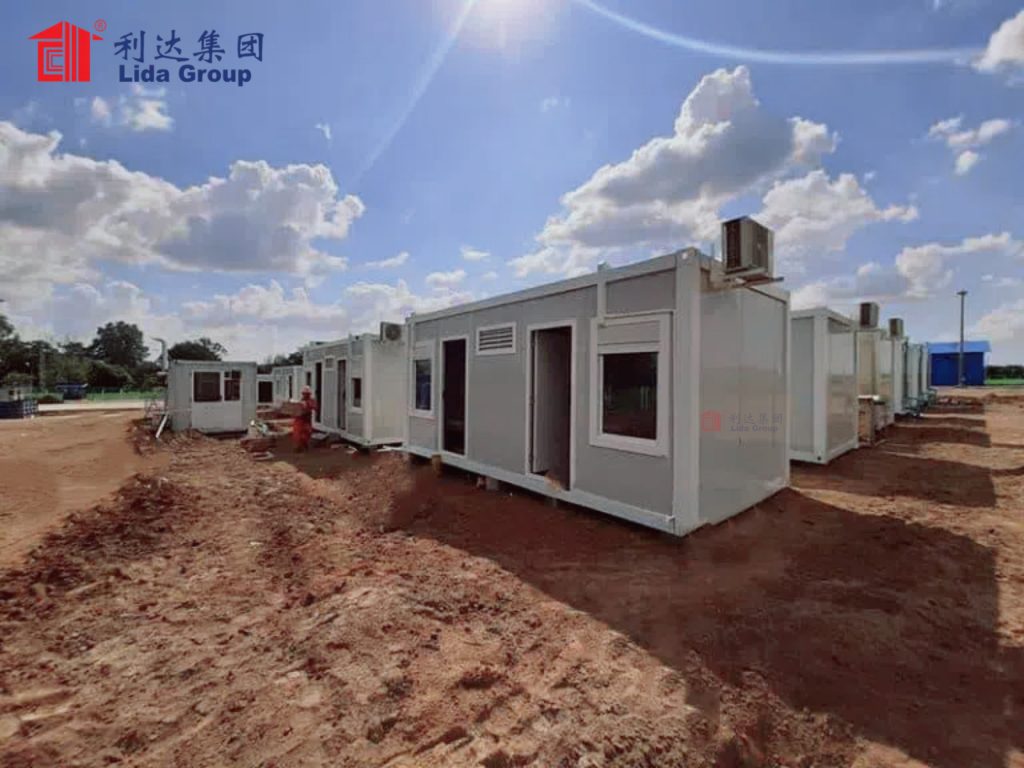
1. The Evolution and Current State of Prefab Construction
1.1 Definition and Core Principles
Prefab construction, also known as off-site construction, encompasses a range of methods where building components—such as wall panels, floor systems, roof trusses, and even entire modules—are manufactured in a factory environment. These components are then transported to the construction site for assembly, following precise design specifications. Unlike traditional “stick-built” construction, which relies heavily on on-site cutting, fitting, and finishing, prefab construction prioritizes standardization, precision engineering, and modular design. The core principles of prefab construction include factory-controlled production, quality assurance through standardized processes, and efficient on-site assembly, all of which contribute to its sustainability and cost advantages.
1.2 Historical Context and Modern Advancements
The concept of prefab construction is not new; its roots can be traced back to the 19th century, with innovations like the “balloon frame” housing system and early modular buildings. However, the modern prefab industry has undergone significant transformation, driven by technological progress and shifting societal needs. The 1969-1974 HUD Operation Breakthrough program in the United States, for example, marked one of the first large-scale efforts to promote industrialized housing construction, resulting in nearly 2,800 modular housing units across nine sites . This initiative laid the groundwork for subsequent advancements in prefab technology, including the development of pre-engineered metal buildings (PEMBs), reinforced concrete panels, and lightweight steel framing.
Today, prefab construction benefits from cutting-edge technologies such as Building Information Modeling (BIM), 3D printing, and automated manufacturing systems. BIM, in particular, has revolutionized prefab design by enabling precise digital modeling of components, facilitating coordination between design, production, and assembly teams, and reducing errors that lead to cost overruns and material waste . Additionally, advancements in materials science have expanded the range of sustainable options for prefab components, including recycled steel, cross-laminated timber (CLT), and insulated sandwich panels that enhance energy efficiency . These technological innovations have made prefab construction more versatile, reliable, and cost-competitive than ever before.
1.3 Current Industry Trends and Market Adoption
The global prefab construction market is experiencing robust growth, driven by increasing demand for affordable housing, sustainable infrastructure, and rapid construction. According to industry projections, the prefab construction market size is expected to exceed $350 billion by 2030, with a compound annual growth rate (CAGR) of over 6% . This growth is fueled by several key trends:
- Urbanization and Housing Shortages: As urban populations expand, cities face acute housing shortages, particularly for low- and middle-income households. Prefab construction offers a faster, more cost-effective solution to address this deficit, as demonstrated by modular housing projects in Washington, DC, which have contributed to increased homeownership and affordable housing supply .
- Sustainability Regulations: Governments worldwide are implementing stricter environmental regulations, such as carbon emission targets and green building standards (e.g., LEED, BREEAM). Prefab construction’s inherent sustainability features, such as reduced waste and energy efficiency, make it well-positioned to comply with these regulations.
- Cost Pressures: Rising material and labor costs in traditional construction have pushed developers to seek alternative methods. Prefab construction’s ability to reduce labor requirements, minimize waste, and shorten project timelines translates to significant cost savings .
- Technological Integration: The adoption of digital tools and automation in prefab factories has improved production efficiency and quality control, making prefab buildings more reliable and customizable.
Despite these positive trends, prefab construction still faces challenges to widespread adoption, including fragmented industry standards, skilled labor shortages, and public misconceptions about durability and design flexibility . Addressing these barriers is crucial to unlocking the full potential of prefab construction as a sustainable and cost-effective building solution.
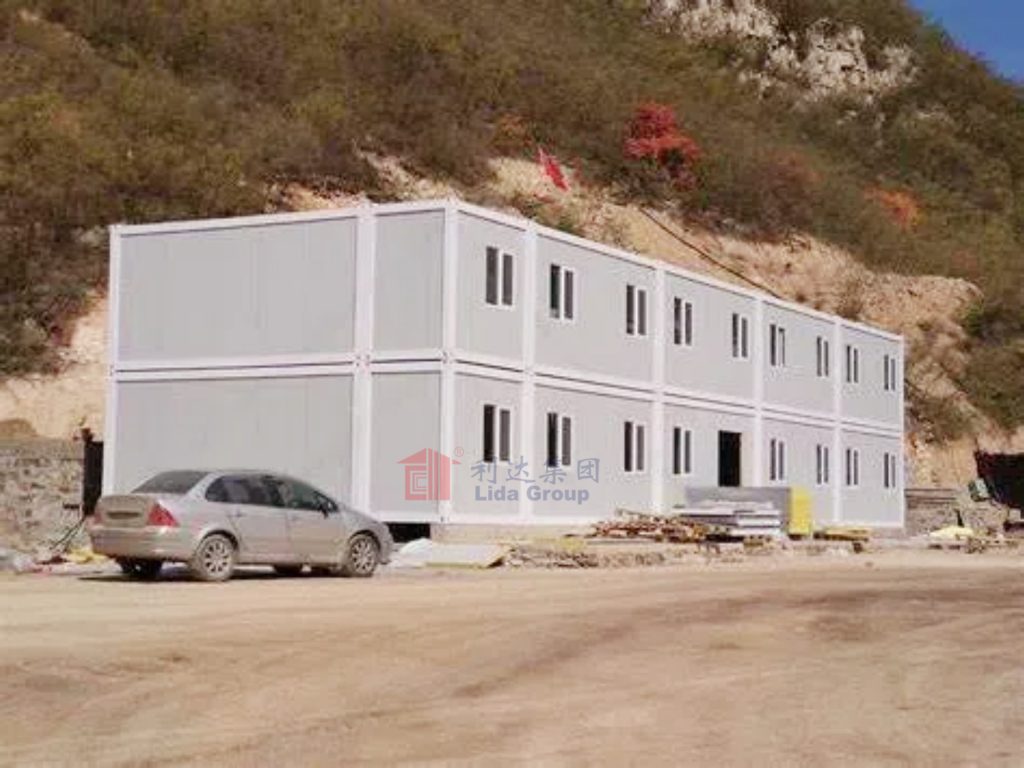
2. Sustainability Benefits of Prefab Construction
Sustainability lies at the heart of prefab construction’s value proposition. By shifting production from on-site to factory settings, prefab methods minimize environmental impacts across the entire building lifecycle—from material extraction and manufacturing to construction, operation, and demolition. Below is a detailed analysis of the key sustainability benefits:
2.1 Waste Reduction and Resource Efficiency
One of the most significant environmental advantages of prefab construction is its ability to reduce construction waste. Traditional on-site construction generates an estimated 2-5 pounds of waste per square foot, much of which ends up in landfills . In contrast, prefab factories operate with precision cutting and standardized production processes, resulting in waste reduction of up to 80% . This efficiency stems from several factors:
- Precision Manufacturing: Factory production uses computer-controlled machinery to cut materials to exact specifications, minimizing offcuts and errors. For example, precast concrete components are cast in reusable molds, reducing formwork waste by up to 70% compared to traditional cast-in-place concrete .
- Material Optimization: Prefab designers use BIM software to optimize material usage, ensuring that each component is sized to minimize waste. Additionally, factories can easily recycle or repurpose excess materials, such as steel scraps or wood offcuts, which would be difficult to manage on construction sites.
- Reduced Site Disturbance: On-site assembly of prefab components requires less excavation, grading, and site preparation than traditional construction, reducing soil erosion, habitat disruption, and the need for disposable site materials (e.g., temporary fencing, scaffolding).
A case study of a 30-story residential project in China found that prefab construction reduced construction waste by 85% compared to a similar stick-built project, saving over 500 tons of debris from landfills . This waste reduction not only benefits the environment but also lowers disposal costs for developers, contributing to cost-effectiveness.
2.2 Energy Efficiency and Carbon Emission Reduction
Prefab construction delivers significant energy savings throughout the building lifecycle, from production to operation. Factory-based manufacturing is inherently more energy-efficient than on-site construction, as factories can implement centralized energy systems, renewable energy sources, and waste heat recovery technologies . For example, many prefab factories use solar panels to power production lines or geothermal systems for heating and cooling, reducing reliance on fossil fuels.
During the construction phase, prefab methods reduce energy consumption by minimizing on-site activities. Traditional construction involves numerous energy-intensive processes, such as on-site welding, concrete mixing, and material transportation. Prefab construction streamlines these processes: components are manufactured in a single location, reducing transportation trips, and on-site assembly requires fewer energy-consuming tools and equipment. A study by the Modular Building Institute found that prefab construction reduces construction-related energy use by 67% compared to traditional methods .
In the operational phase, prefab buildings often outperform traditional buildings in energy efficiency due to superior insulation, airtightness, and standardized installation of energy-saving systems. Prefab components, such as insulated sandwich panels and double-glazed windows, are manufactured to strict quality standards, ensuring consistent thermal performance . Additionally, many prefab buildings are designed to accommodate renewable energy systems, such as rooftop solar panels or geothermal heat pumps, further reducing carbon emissions.
The carbon footprint of prefab construction is also significantly lower than that of traditional construction. A lifecycle assessment (LCA) of a modular office building in Europe found that prefab construction reduced embodied carbon (carbon emissions from material production and construction) by 45% compared to a stick-built building . This reduction is due to waste minimization, energy-efficient manufacturing, and the use of sustainable materials such as recycled steel and CLT. As the building industry seeks to meet global carbon reduction targets, prefab construction’s low-carbon profile makes it a critical tool for sustainable development.
2.3 Water Conservation and Pollution Mitigation
Prefab construction minimizes water usage and pollution during construction, addressing a key environmental challenge in the building industry. Traditional on-site construction requires large amounts of water for concrete mixing, dust suppression, and cleaning, much of which is wasted or becomes contaminated with chemicals, sediment, or debris. Prefab factories, by contrast, use closed-loop water systems that recycle water for production processes, reducing water consumption by up to 90% .
For example, precast concrete production in factories uses recirculated water for mixing and curing, minimizing freshwater intake and preventing contaminated water from entering local waterways. On construction sites, prefab assembly generates little to no wastewater, as most components arrive pre-finished and require minimal on-site wet work (e.g., painting, plastering). This reduces the risk of water pollution from construction runoff, which is a major source of sedimentation and chemical contamination in urban areas.
Prefab construction also mitigates air pollution by reducing on-site dust, noise, and emissions. Traditional construction sites are significant sources of particulate matter (PM2.5 and PM10), volatile organic compounds (VOCs), and noise pollution, which have adverse effects on public health and the environment. Prefab assembly involves fewer on-site activities, such as cutting, grinding, and welding, resulting in lower dust and VOC emissions . Additionally, the shorter construction timeline reduces the duration of noise pollution, benefiting nearby communities.
A study of prefab construction projects in California found that on-site dust emissions were reduced by 75% compared to traditional construction, and noise levels were lowered by 30-40 decibels . These environmental benefits not only improve the quality of life for nearby residents but also help developers comply with environmental regulations, avoiding costly fines and delays.
2.4 Sustainable Material Usage and Circular Economy Integration
Prefab construction facilitates the use of sustainable and recycled materials, supporting the transition to a circular economy in the building industry. Factory production allows for greater control over material selection and quality, making it easier to incorporate recycled content, renewable materials, and low-impact alternatives to traditional building materials.
Common sustainable materials used in prefab construction include:
- Recycled Steel: Steel framing in prefab buildings often contains 90-100% recycled content, reducing the demand for virgin iron ore and saving energy (recycling steel uses 74% less energy than producing steel from raw materials) .
- Cross-Laminated Timber (CLT): CLT is a renewable, carbon-sequestering material made from layered wood panels. Prefab CLT components are lightweight, strong, and energy-efficient, making them ideal for residential and commercial buildings .
- Insulated Sandwich Panels: These panels consist of a core of insulation (e.g., polyurethane foam, mineral wool) sandwiched between two outer layers (e.g., steel, aluminum). They are highly energy-efficient and often contain recycled or bio-based insulation materials .
- Recycled Concrete: Precast concrete components can incorporate recycled aggregate from demolished buildings, reducing the need for virgin gravel and sand and diverting construction waste from landfills .
Furthermore, prefab construction supports circular economy principles by facilitating disassembly and reuse of components. Unlike traditional buildings, which are often difficult to demolish and recycle, prefab buildings are designed with modularity in mind, allowing components to be easily removed, refurbished, and reused in other projects. For example, modular housing units can be relocated to new sites, and precast concrete panels can be crushed and reused as aggregate in new construction . This extends the lifecycle of building materials, reduces resource depletion, and minimizes waste generation.
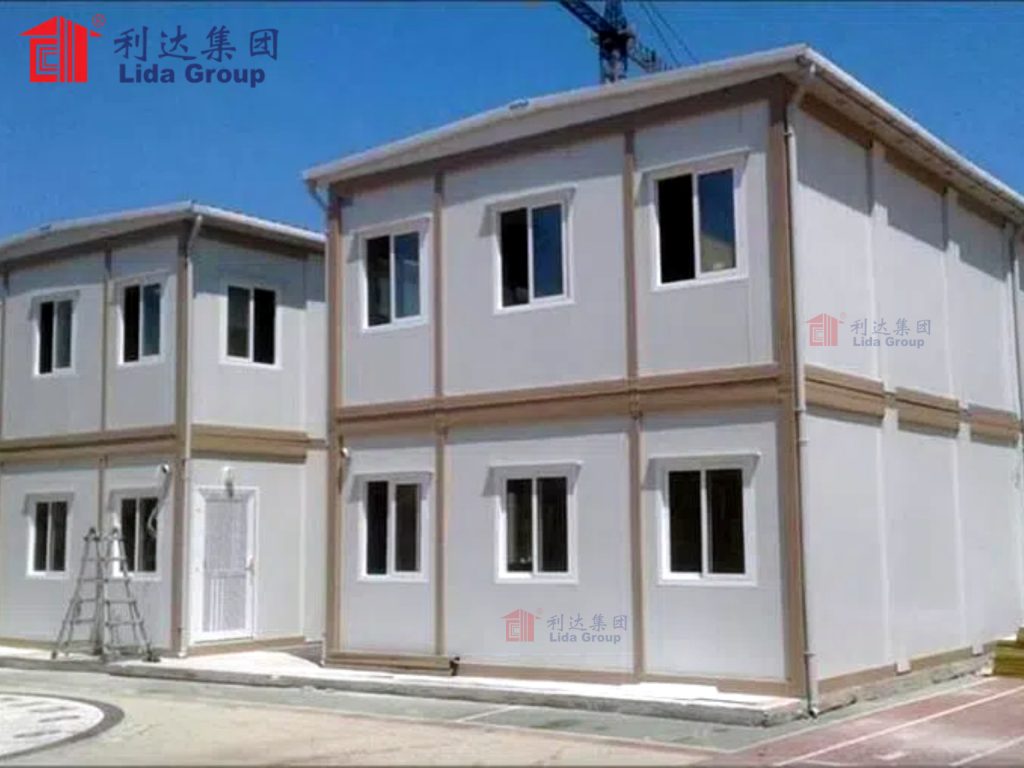
3. Cost-Effectiveness of Prefab Construction
While sustainability is a key driver of prefab construction’s adoption, its cost-saving potential is equally compelling. Prefab construction reduces costs across multiple dimensions, from upfront material and labor expenses to long-term operational and maintenance costs. Below is a detailed analysis of the cost-saving mechanisms:
3.1 Upfront Cost Savings: Materials, Labor, and Production
3.1.1 Material Cost Optimization
Prefab construction reduces material costs through several strategies, including bulk purchasing, waste minimization, and economies of scale. Factories that produce prefab components buy materials in large quantities, negotiating lower prices from suppliers than individual contractors can achieve in traditional construction . Additionally, the precision manufacturing process minimizes material waste, as discussed earlier, reducing the need to purchase excess materials to account for on-site errors.
For example, precast concrete components have a material cost advantage due to standardized production. A study of precast concrete wall panels found that factory production reduced material waste by 25% compared to on-site casting, resulting in a 10-15% reduction in material costs . Similarly, steel framing in prefab buildings benefits from bulk purchasing and automated cutting, reducing material costs by 8-12% compared to traditional steel framing .
Another key factor in material cost savings is the use of modular design. By standardizing component sizes and configurations, prefab manufacturers can reduce the number of unique parts required for a project, lowering mold and tooling costs. For example, a residential project using modular floor plans can reuse the same wall panel molds for multiple units, reducing mold 摊销 (amortization) costs by up to 25% .
3.1.2 Labor Cost Reduction
Labor costs are a significant component of total construction costs, accounting for 30-50% of the budget in traditional construction. Prefab construction reduces labor costs by streamlining on-site assembly and reducing the number of workers required. Factory production of prefab components is highly automated, requiring fewer skilled workers than on-site construction, and on-site assembly is faster and less labor-intensive .
According to industry data, prefab construction reduces on-site labor requirements by 30-50% compared to traditional construction . For example, a 30-story residential building using prefab components can be assembled by a crew of 15-20 workers, compared to 30-40 workers for a similar stick-built building. This reduction in labor not only lowers direct payroll costs but also reduces indirect costs such as worker housing, insurance, and transportation.
Furthermore, prefab construction reduces labor costs associated with delays and rework. Factory production is not affected by weather conditions, which are a major cause of delays in traditional construction. Additionally, the quality control processes in prefab factories minimize defects, reducing the need for costly rework on-site. A case study of a modular apartment project in Washington, DC, found that prefab construction reduced labor costs by 28% compared to traditional construction, primarily due to faster assembly and reduced rework .
3.1.3 Production Efficiency and Economies of Scale
Prefab factories operate with high levels of efficiency, leveraging automation, standardized processes, and economies of scale to reduce production costs. As factory output increases, the cost per unit decreases, as fixed costs (e.g., equipment, facilities) are spread over more components. For example, a precast concrete factory with an annual production capacity of 50,000 cubic meters can reduce component costs by 15-20% compared to a smaller factory with a capacity of 10,000 cubic meters .
Automation plays a key role in production efficiency. Prefab factories use robotic arms for welding, cutting, and assembly, reducing production time and minimizing human error. For example, automated welding of steel frames increases production speed by 40% and reduces defect rates by 90% compared to manual welding . Additionally, computer-controlled concrete casting ensures consistent quality and reduces curing time, allowing factories to produce more components in less time.
3.2 Long-Term Cost Savings: Operational and Maintenance
3.2.1 Energy Efficiency Savings
As discussed earlier, prefab buildings are inherently more energy-efficient than traditional buildings due to superior insulation, airtightness, and energy-saving systems. This translates to significant long-term savings on utility bills. According to the U.S. Department of Energy, prefab homes can reduce energy consumption by 30-50% compared to traditional homes, resulting in annual energy savings of \(500-\)1,500 per household .
For commercial buildings, the energy savings are even more substantial. A pre-engineered metal building (PEMB) with insulated walls and a reflective roof can reduce heating and cooling costs by 20-30% compared to a traditional brick-and-mortar building . Over the 30-year lifespan of a commercial building, these savings can amount to hundreds of thousands of dollars, offsetting the initial construction costs.
3.2.2 Maintenance and Durability Savings
Prefab components are manufactured in controlled factory environments, ensuring higher quality and durability than on-site-built components. Factory production eliminates exposure to weather conditions, which can degrade materials during construction, and strict quality control processes ensure that components meet industry standards for strength and durability .
As a result, prefab buildings require less maintenance than traditional buildings. For example, precast concrete components are resistant to moisture, pests, and decay, reducing the need for repairs and replacements. Steel framing in prefab buildings is galvanized or coated to prevent corrosion, extending its lifespan by 20-30 years compared to unprotected steel . Additionally, modular components are designed for easy access and replacement, reducing maintenance time and costs.
A study of modular housing projects in Europe found that prefab buildings have 40% lower maintenance costs over a 20-year period compared to traditional buildings . This is due to the durability of prefab components and the reduced need for repairs caused by construction defects.
3.2.3 Resilience and Risk Mitigation
Prefab buildings are designed to withstand extreme weather conditions, such as hurricanes, earthquakes, and wildfires, reducing the risk of damage and associated repair costs. For example, pre-engineered metal buildings are engineered to meet regional building codes for wind and seismic loads, and modular housing units can be designed with reinforced frames and impact-resistant materials .
In areas prone to natural disasters, prefab construction can provide significant cost savings by reducing insurance premiums. Insurance companies often offer lower rates for prefab buildings due to their higher durability and resilience. A study of homeowners’ insurance premiums in Florida found that prefab homes had 15-20% lower premiums than traditional homes, due to their ability to withstand hurricanes .
3.3 Cost Comparison: Prefab vs. Traditional Construction
To illustrate the cost-effectiveness of prefab construction, let’s compare the total costs of a 30-story residential building using prefab components versus traditional stick-built construction :
|
Cost Category
|
Prefab Construction (USD/m²)
|
Traditional Construction (USD/m²)
|
Cost Difference
|
|
Main Structure
|
1,600-1,800
|
1,200-1,400
|
+25%
|
|
Formwork and Scaffolding
|
200-250
|
350-400
|
-40%
|
|
Plastering and Finishing
|
50-80
|
120-150
|
-55%
|
|
Labor
|
300-350
|
450-500
|
-30%
|
|
Material Waste Disposal
|
20-30
|
80-100
|
-75%
|
|
Direct Costs
|
2,170-2,510
|
2,200-2,550
|
-1-3%
|
|
Indirect Costs (Timeline, Financing)
|
200-300
|
400-500
|
-50%
|
|
Total Costs
|
2,370-2,810
|
2,600-3,050
|
-8-10%
|
While the direct costs of prefab construction are slightly lower than traditional construction, the indirect cost savings are substantial. Prefab construction shortens project timelines by 20-30%, reducing financing costs (e.g., interest on construction loans) and allowing developers to generate revenue from the building sooner . For example, a 30-story residential project using prefab components can be completed in 12-15 months, compared to 18-24 months for a traditional building. This 6-month time savings can reduce financing costs by \(200-\)300 per square meter .
Additionally, prefab construction reduces the risk of cost overruns, which are common in traditional construction due to delays, material price fluctuations, and rework. A study of 100 construction projects found that prefab projects had cost overruns of less than 5% in 90% of cases, compared to 60% of traditional projects . This predictability makes prefab construction an attractive option for developers seeking to manage risk and stay within budget.
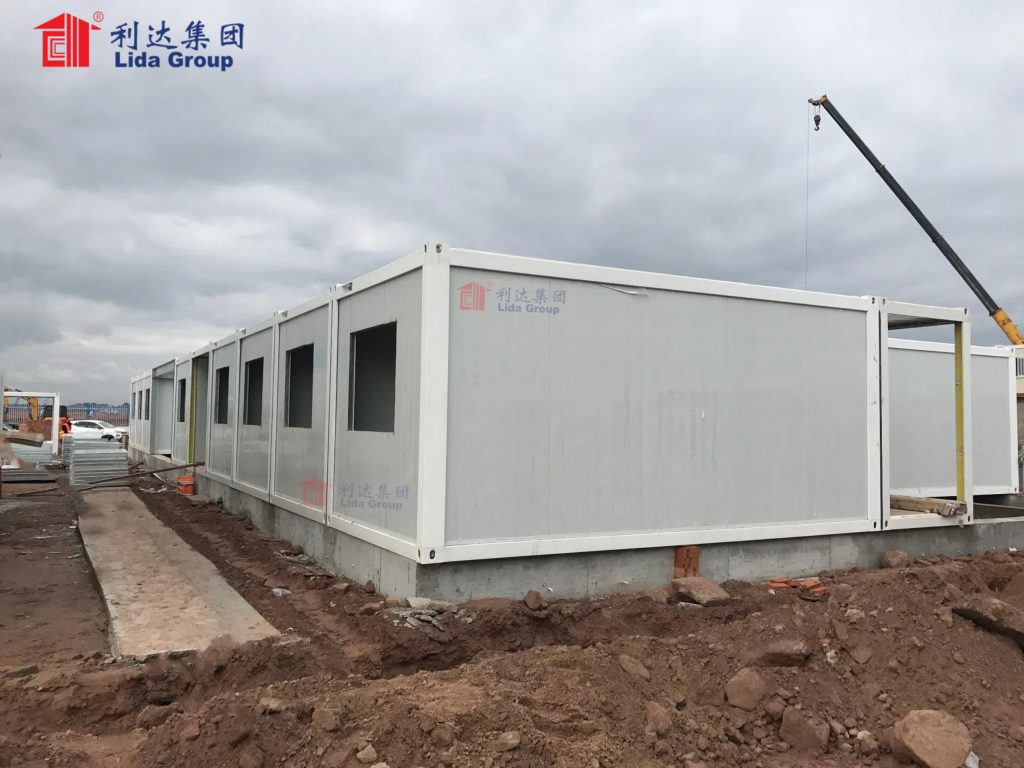
4. Case Studies: Successful Implementation of Cost-Effective, Sustainable Prefab Construction
To demonstrate the real-world application of cost-effective, sustainable prefab construction, this section examines three case studies from different sectors: affordable housing, commercial buildings, and disaster relief housing. These case studies highlight the key success factors, challenges overcome, and measurable outcomes in terms of sustainability and cost savings.
4.1 Case Study 1: High-Rise Low-Income Seniors Housing, Washington, DC
Project Overview
This project involved the construction of a 12-story, 80-unit affordable housing building for low-income seniors in Washington, DC. The developer chose modular prefab construction to address the city’s affordable housing shortage while meeting strict sustainability targets. The building was designed to achieve LEED Gold certification, with a focus on energy efficiency, water conservation, and waste reduction .
Construction Approach
The building’s components, including wall panels, floor systems, and bathroom modules, were manufactured in a factory in Pennsylvania, 150 miles from the construction site. The modules were transported to the site via truck and assembled using a crane. The prefab approach allowed for standardized production of components, reducing waste and ensuring quality control. The project also incorporated sustainable materials, including recycled steel framing, CLT floor panels, and energy-efficient windows and insulation .
Outcomes
- Sustainability: The building achieved LEED Gold certification, with a 40% reduction in energy consumption and a 50% reduction in water usage compared to traditional buildings. Construction waste was reduced by 85%, diverting over 300 tons of debris from landfills.
- Cost-Effectiveness: Prefab construction reduced total project costs by 12% compared to traditional construction, primarily due to labor savings (35% reduction) and shorter timeline (6 months saved). The developer also qualified for a 3% 容积率 bonus from the city, increasing the building’s usable space and revenue potential .
- Social Impact: The project provided 80 affordable housing units for seniors, addressing a critical need in Washington, DC. The modular design allowed for flexible unit layouts, accommodating different accessibility needs.
Key Success Factors
- Collaboration between the developer, architect, factory, and construction team to optimize modular design.
- Selection of a factory within a 150-mile radius to minimize transportation costs and environmental impact .
- Utilization of BIM software to coordinate component production and on-site assembly, reducing errors and delays.
4.2 Case Study 2: Pre-Engineered Metal Building Warehouse, Texas
Project Overview
A logistics company in Texas sought to construct a 50,000-square-foot warehouse to expand its operations. The company prioritized cost-effectiveness, speed of construction, and sustainability, choosing a pre-engineered metal building (PEMB) system from Ceco Building Systems .
Construction Approach
The warehouse’s steel frame, roof, and wall panels were manufactured in a factory in Oklahoma and transported to the site. The PEMB system featured insulated wall panels with a reflective roof, designed to minimize energy consumption in Texas’s hot climate. The building also incorporated natural lighting through skylights and ventilation systems to reduce the need for artificial lighting and air conditioning .
Outcomes
- Sustainability: The warehouse reduced energy consumption by 30% compared to traditional warehouses, resulting in annual energy savings of $25,000. The use of recycled steel (95% recycled content) reduced embodied carbon by 45%. Construction waste was minimized to less than 5% of total materials, with all steel scraps recycled.
- Cost-Effectiveness: The PEMB system reduced total construction costs by 18% compared to traditional masonry construction. Labor costs were reduced by 40% due to the simplified assembly process, and the project was completed in 12 weeks, compared to 6 months for a traditional warehouse. This allowed the company to start operations three months earlier, generating additional revenue of $150,000 .
- Durability: The steel frame is resistant to pests, decay, and extreme weather, reducing maintenance costs by 25% over a 10-year period.
Key Success Factors
- Selection of a PEMB system with energy-efficient features tailored to the local climate.
- Partnering with an experienced prefab manufacturer to ensure quality and timely delivery.
- Utilization of the building’s large roof area for future solar panel installation, enhancing long-term sustainability.
4.3 Case Study 3: Disaster Relief Modular Housing, Puerto Rico
Project Overview
Following Hurricane Maria in 2017, Puerto Rico faced a severe housing crisis, with over 100,000 homes destroyed or damaged. The Federal Emergency Management Agency (FEMA) partnered with a modular housing manufacturer to construct 5,000 temporary and permanent housing units using prefab construction. The project prioritized speed, durability, and sustainability, as well as cost-effectiveness .
Construction Approach
The modular housing units were manufactured in factories in Florida and shipped to Puerto Rico via cargo ships. Each unit was designed to withstand hurricane-force winds (up to 150 mph) and featured energy-efficient insulation, solar panels, and rainwater collection systems. The units were assembled on-site in less than a day per unit, using minimal tools and labor .
Outcomes
- Sustainability: The modular units reduced energy consumption by 50% compared to traditional temporary housing, thanks to solar panels and energy-efficient appliances. Rainwater collection systems reduced water usage by 30%, addressing Puerto Rico’s water scarcity issues. The use of recycled materials (steel framing, recycled plastic flooring) reduced embodied carbon by 40%.
- Cost-Effectiveness: Prefab construction reduced the cost per unit by 20% compared to traditional disaster relief housing. The faster construction timeline (6 months for 5,000 units) reduced FEMA’s operational costs and allowed displaced residents to return home sooner, minimizing social and economic disruption.
- Resilience: The modular units have withstood subsequent storms, including Hurricane Dorian in 2019, with minimal damage. This durability has reduced the need for costly repairs and replacements.
Key Success Factors
- Standardization of unit designs to enable mass production and reduce costs.
- Integration of resilient and sustainable features to address local environmental challenges.
- Collaboration between government agencies, manufacturers, and local communities to ensure the units meet the needs of residents.
5. Challenges and Strategies for Implementing Cost-Effective, Sustainable Prefab Construction
While prefab construction offers significant benefits, its implementation is not without challenges. This section identifies the key barriers to adopting prefab construction and provides strategies to overcome them, ensuring that projects deliver on both sustainability and cost objectives.
5.1 Key Challenges
5.1.1 Industry Standards and Regulation
The prefab construction industry lacks uniform global standards, with varying regulations and building codes across regions. This fragmentation creates uncertainty for developers, manufacturers, and contractors, as they must navigate different requirements for component design, production, and assembly . In some cases, outdated building codes do not adequately address prefab construction methods, leading to delays in approvals and additional costs to comply with non-relevant requirements.
5.1.2 Skilled Labor Shortage
Prefab construction requires a different skill set than traditional construction, with a need for workers trained in factory production, precision assembly, and digital tools (e.g., BIM). However, the construction industry as a whole faces a skilled labor shortage, and this gap is particularly acute in prefab manufacturing. Many existing construction workers lack experience with prefab methods, and there is a lack of formal training programs to develop the necessary skills .
5.1.3 Supply Chain Complexity
Prefab construction relies on a complex supply chain, with components sourced from multiple suppliers and transported to the factory for assembly. Managing this supply chain effectively is challenging, as delays or quality issues with any component can disrupt production and increase costs . Additionally, transportation costs can be significant if the factory is located far from the construction site, eroding cost savings .
5.1.4 Public Perception and Misconceptions
Despite its advancements, prefab construction still suffers from public misconceptions, particularly regarding durability, design flexibility, and aesthetic appeal. Many consumers associate prefab buildings with low-quality “trailer homes” or modular buildings that lack customization options. This perception can hinder market acceptance, particularly in the residential sector, where homeowners value unique design and long-term durability .
5.1.5 Initial Investment and Financing
Establishing a prefab factory requires significant upfront investment in equipment, facilities, and technology. For small to medium-sized developers, this barrier can be prohibitive, limiting their ability to adopt prefab methods. Additionally, some lenders are hesitant to finance prefab projects due to a lack of familiarity with the technology and perceived risks, leading to higher financing costs .
5.2 Strategies for Overcoming Challenges
5.2.1 Advocacy for Standardization and Regulatory Reform
Industry associations, manufacturers, and developers should collaborate to advocate for uniform standards and regulatory reform. This includes developing industry-wide guidelines for component design, quality control, and safety, as well as working with government agencies to update building codes to accommodate prefab construction. For example, the Modular Building Institute (MBI) has developed certification programs for prefab manufacturers, ensuring that components meet consistent quality standards .
5.2.2 Investing in Workforce Development
To address the skilled labor shortage, stakeholders should invest in training programs that develop the specific skills needed for prefab construction. This includes partnering with community colleges and vocational schools to offer courses in factory production, BIM, and modular assembly. Additionally, manufacturers should provide on-the-job training for existing workers, helping them transition from traditional construction to prefab methods. Governments can support these efforts by providing funding for training programs and incentives for companies that hire and train prefab workers .
5.2.3 Optimizing Supply Chain Management
To mitigate supply chain risks, prefab manufacturers should adopt strategies such as:
- Developing long-term partnerships with reliable suppliers to ensure consistent quality and delivery.
- Using digital tools (e.g., supply chain management software, BIM) to track components and anticipate potential delays.
- Locating factories within a 150-mile radius of major construction markets to minimize transportation costs and environmental impact .
- Diversifying suppliers to reduce reliance on a single source for critical components.
5.2.4 Educating the Public and Changing Perceptions
Stakeholders should launch educational campaigns to raise awareness about the benefits of modern prefab construction, addressing misconceptions about durability, design flexibility, and aesthetics. This includes showcasing successful prefab projects through case studies, open houses, and media coverage, highlighting their unique designs, sustainability features, and long-term performance. Additionally, architects and designers should collaborate to create innovative prefab designs that demonstrate the versatility and aesthetic appeal of the technology .
5.2.5 Access to Financing and Incentives
Governments and financial institutions should provide incentives to support prefab construction, including:
- Low-interest loans and grants for developers and manufacturers investing in prefab projects.
- Tax breaks for projects that use prefab components and meet sustainability targets.
– Floor area ratio bonuses and expedited permitting for prefab projects, reducing development costs and timelines .
- Public-private partnerships to fund prefab factories and training programs, particularly in underserved areas.
6. Future Trends and Innovations in Cost-Effective, Sustainable Prefab Construction
The future of prefab construction is shaped by ongoing technological advancements, evolving sustainability goals, and changing market demands. This section explores key trends and innovations that will further enhance the cost-effectiveness and sustainability of prefab construction in the coming years.
6.1 Technological Advancements
6.1.1 Digitalization and Industry 4.0
The integration of digital technologies and Industry 4.0 principles will revolutionize prefab manufacturing. This includes the use of artificial intelligence (AI) for production planning and quality control, Internet of Things (IoT) sensors to monitor component performance during production and transportation, and digital twins to create virtual replicas of buildings for design optimization and maintenance . These technologies will improve production efficiency, reduce errors, and enable real-time decision-making, further lowering costs and enhancing sustainability.
6.1.2 3D Printing
3D printing, or additive manufacturing, is emerging as a game-changing technology in prefab construction. 3D printers can produce complex building components using sustainable materials such as recycled plastic, concrete, and bio-based polymers, with minimal waste. This technology allows for greater design flexibility, as components can be customized without the need for expensive molds. Additionally, 3D printing reduces production time and labor costs, making prefab construction even more cost-effective .
6.1.3 Advanced Materials
The development of new sustainable materials will enhance the performance and sustainability of prefab components. This includes self-healing concrete, which reduces maintenance costs by repairing cracks automatically; bio-based insulation materials made from renewable resources such as hemp or bamboo; and transparent solar panels that can be integrated into building facades, generating electricity while allowing natural light . These materials will improve energy efficiency, reduce embodied carbon, and extend the lifespan of prefab buildings.
6.2 Sustainability Trends
6.2.1 Net-Zero Energy Buildings
The demand for net-zero energy buildings—buildings that produce as much energy as they consume—is growing, driven by climate change goals and rising energy costs. Prefab construction is well-suited to net-zero energy design, as its modular nature allows for easy integration of renewable energy systems, energy-efficient insulation, and smart building technologies. Future prefab buildings will increasingly incorporate solar panels, wind turbines, geothermal systems, and energy storage solutions to achieve net-zero energy status .
6.2.2 Circular Economy Integration
The shift toward a circular economy will drive prefab construction to prioritize material reuse and recycling. Future prefab buildings will be designed for disassembly, allowing components to be easily removed, refurbished, and reused in other projects. Additionally, manufacturers will increasingly use recycled and bio-based materials, and implement closed-loop production systems that minimize waste . This circular approach will reduce resource depletion, lower embodied carbon, and create new business models for material recovery and reuse.
6.2.3 Carbon Neutrality
Achieving carbon neutrality in construction is a key goal for the industry, and prefab construction will play a central role in this effort. Future innovations will focus on reducing embodied carbon in prefab components, through the use of low-carbon materials (e.g., CLT, recycled steel) and carbon capture technologies in manufacturing. Additionally, prefab buildings will be designed to sequester carbon, for example, through the use of wood-based materials that store carbon during their lifecycle .
6.3 Market Trends
6.3.1 Affordable Housing Solutions
The global affordable housing crisis will continue to drive demand for prefab construction, as it offers a faster, more cost-effective way to build housing. Governments and non-profit organizations will increasingly partner with prefab manufacturers to deliver large-scale affordable housing projects, leveraging modular design and economies of scale to reduce costs .
6.3.2 Urban Infill and High-Density Construction
As urbanization continues, prefab construction will be used to address the need for high-density housing in cities. Modular construction is well-suited to urban infill projects, as it requires less on-site space and can be assembled quickly, minimizing disruption to existing neighborhoods. The “5 over 1” construction model—five stories of modular housing above a ground-floor podium—is emerging as a popular solution for affordable, high-density urban housing .
6.3.3 Disaster Resilient Housing
The increasing frequency and severity of natural disasters will drive demand for prefab housing that is resilient to extreme weather conditions. Future prefab buildings will be designed with enhanced structural integrity, energy-efficient systems, and sustainable materials that can withstand hurricanes, earthquakes, and wildfires. Additionally, modular housing will be used for rapid disaster relief, providing temporary and permanent shelter to displaced communities .
7. Conclusion
Prefab construction represents a transformative approach to building that reconciles sustainability with cost-effectiveness, offering a path forward for the global construction industry as it faces urgent environmental and economic challenges. This article has demonstrated that prefab construction delivers significant sustainability benefits, including reduced waste, lower energy consumption, minimized carbon emissions, and sustainable material usage. Simultaneously, it provides substantial cost savings, both upfront (through material and labor optimization) and long-term (through energy efficiency and reduced maintenance).
Through case studies of affordable housing, commercial buildings, and disaster relief projects, we have seen how prefab construction can be successfully implemented to achieve both sustainability and cost objectives. These projects highlight the importance of collaboration, standardization, and innovation in overcoming the key challenges facing prefab construction, including regulatory barriers, skilled labor shortages, and supply chain complexity.
Looking to the future, technological advancements such as digitalization, 3D printing, and advanced materials will further enhance the cost-effectiveness and sustainability of prefab construction. Trends such as net-zero energy buildings, circular economy integration, and disaster-resilient design will drive innovation and market demand, positioning prefab construction as a central solution to global challenges such as climate change, housing affordability, and urbanization.
However, realizing the full potential of prefab construction requires collective action from stakeholders across the industry—governments, manufacturers, developers, architects, and consumers. Governments must update regulations and provide incentives to support prefab construction; manufacturers must invest in technology and workforce development; developers must embrace modular design and sustainable practices; and consumers must overcome misconceptions about prefab buildings.
In conclusion, cost-effective prefab construction is not just a viable alternative to traditional construction—it is a necessary one. By prioritizing sustainability and cost-efficiency, prefab construction can help build a more resilient, equitable, and environmentally responsible built environment for future generations. As the industry continues to evolve and innovate, prefab construction will play an increasingly critical role in achieving global sustainability goals while meeting the growing demand for affordable, high-quality buildings.

Related news
-
Rapidly Deployable Temporary Container Building Solutions from Lida Group
2025-11-13 16:49:11
-
Lida Group's Temporary Container Building Aids Emergency Housing
2025-11-21 16:25:37
-
Lida Group Champions Cost-Effective Prefab Construction Methods
2025-11-13 17:48:58
contact us
- Tel: +86-532-88966982
- Whatsapp: +86-13793209022
- E-mail: sales@lidajituan.com
