



Achieve Low-Cost Durable Building with Our Innovative Prefab Solutions
2026-Feb-14 16:38:15
By Admin
In the global construction industry, two core demands have long been intertwined yet challenging to balance: cost-effectiveness and durability. For developers, contractors, and project owners alike, the pursuit of buildings that are affordable to construct, maintain, and operate—while also standing the test of time, resisting environmental wear, and meeting long-term usage needs—has become a defining goal. Traditional construction methods, relying heavily on on-site casting, manual labor, and conventional building materials, often fail to deliver on this balance. They are plagued by cost overruns, prolonged construction cycles, inconsistent quality, and limited durability, especially in harsh environments or projects with tight budgets. In response to this industry dilemma, our innovative prefabricated solutions have emerged as a transformative alternative, redefining how low-cost and durable buildings are designed, produced, and delivered. By integrating advanced modular technology, optimized material selection, and streamlined construction processes, our prefab solutions eliminate the inefficiencies of traditional construction, enabling clients to achieve high-quality, long-lasting buildings at a fraction of the cost and time, while adhering to global sustainability and safety standards.
To fully understand the value of our innovative prefab solutions, it is essential to first examine the inherent limitations of traditional construction that make balancing low cost and durability so difficult. Traditional building methods are characterized by a fragmented approach: design, material procurement, on-site construction, and quality control are often handled by separate teams, leading to miscommunication, delays, and waste. On-site casting of concrete, bricklaying, and manual assembly of structural components require large numbers of skilled laborers, driving up labor costs—especially in regions with labor shortages or rising wage rates. Moreover, on-site construction is highly susceptible to weather conditions, with rain, snow, extreme heat, or cold often halting work, extending the construction cycle and increasing overhead costs such as equipment rental and site management. Inconsistent manual craftsmanship also leads to quality variations, resulting in buildings that are prone to cracks, leaks, and structural degradation over time, requiring costly maintenance and repairs that erode initial cost savings.
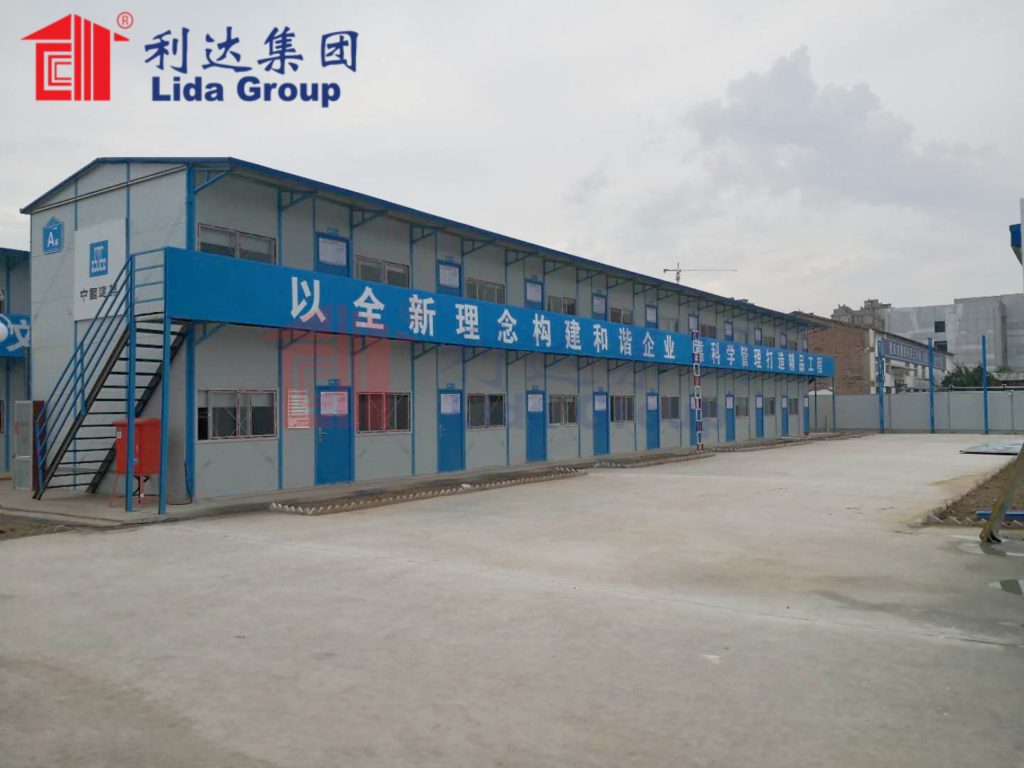
Another critical flaw of traditional construction is its inefficiency in material usage. Conventional building materials, such as brick, concrete blocks, and traditional steel frames, often require excessive on-site cutting, trimming, and waste, with material wastage rates averaging 10-15%—and even higher in complex projects. This not only increases material costs but also contributes to environmental pollution. Additionally, traditional materials often lack the advanced performance characteristics needed for durability in diverse environments. For example, traditional concrete is prone to corrosion in coastal areas with high salt spray, while wooden structures are vulnerable to rot, mold, and pest infestations in humid climates. To enhance durability, traditional construction often requires additional costly treatments or premium materials, pushing up the total project cost beyond budget constraints. For many projects—including affordable housing, rural infrastructure, temporary facilities, and small-to-medium commercial buildings—this trade-off between cost and durability is prohibitive, forcing clients to compromise on either quality or affordability.
Our innovative prefab solutions address these pain points head-on, leveraging a “factory prefabrication + on-site assembly” model that centralizes production, optimizes processes, and enhances quality control—all while reducing costs and improving durability. Unlike traditional construction’s fragmented approach, our prefab solutions integrate design, engineering, production, and installation into a seamless, standardized workflow, eliminating inefficiencies and minimizing waste. At the core of our solutions is modular design: buildings are divided into prefabricated modules (such as wall panels, floor slabs, roof panels, and even entire room modules) that are precision-manufactured in our state-of-the-art factories using advanced numerical control (NC) equipment, robotic assembly, and automated quality inspection systems. This factory-based production ensures consistent quality, eliminates weather-related delays, reduces labor dependency, and optimizes material usage—laying the foundation for both low-cost and durable buildings.
One of the key ways our prefab solutions achieve low-cost construction is through the optimization of material selection and usage. We prioritize the use of high-performance, cost-effective materials that balance affordability with durability, avoiding the over-reliance on expensive traditional materials. For example, our core structural components use galvanized light steel frames instead of traditional reinforced concrete or heavy steel. Galvanized light steel offers exceptional strength-to-weight ratio, corrosion resistance, and durability—while being significantly lighter and more affordable than heavy steel. It also requires less energy to produce and transport, further reducing costs. Additionally, we use advanced composite materials, such as fiber-reinforced cement (FRC) panels and high-density foam insulation, which are not only cheaper than traditional materials like brick or stone but also offer superior thermal insulation, moisture resistance, and fire resistance, reducing long-term maintenance and energy costs.
Material wastage is virtually eliminated in our prefab production process. In our factories, materials are cut and fabricated with precision using computer-aided design (CAD) and NC equipment, with wastage rates kept below 3%—a fraction of the 10-15% wastage in traditional construction. Any minimal waste generated during production is recycled and reused, further reducing material costs and environmental impact. For example, leftover steel scraps are collected and sent to recycling facilities to be repurposed into new steel components, while unused cement-based materials are crushed and reused as aggregate in other prefab modules. This efficient material usage not only lowers initial construction costs but also aligns with our commitment to sustainable construction, reducing the carbon footprint of each project.
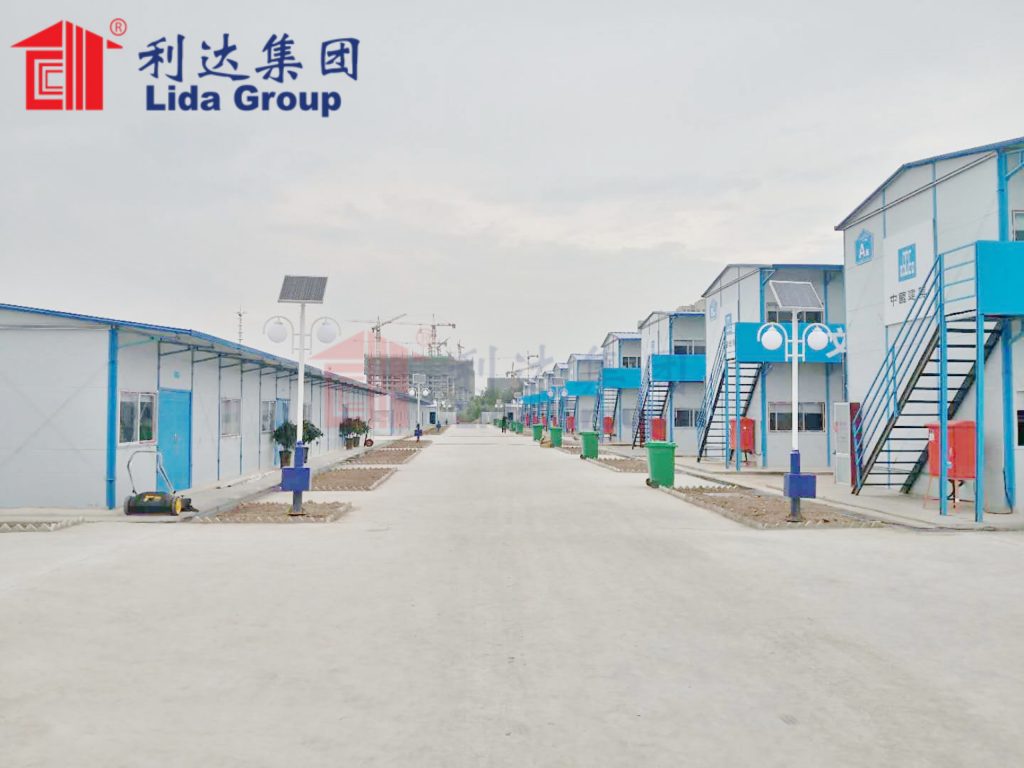
Streamlined construction processes and reduced labor costs further contribute to the cost-effectiveness of our prefab solutions. Traditional construction requires a large workforce on-site for extended periods, with labor costs accounting for 30-40% of total project costs. In contrast, our prefab modules are fully manufactured in the factory, with only a small team of certified installers needed on-site to assemble the modules. The assembly process is rapid and efficient: a typical two-story residential building or small commercial structure can be fully assembled in 7-14 days, compared to 2-3 months for traditional construction. This not only reduces labor costs by 50% or more but also shortens the construction cycle, minimizing overhead costs such as site rental, equipment rental, and project management fees. For example, a client building 10 affordable housing units using our prefab solutions saved 40% on labor costs and completed the project 60% faster than if they had used traditional brick-and-concrete construction.
Cost savings are not limited to the construction phase; our prefab solutions also deliver long-term cost reductions through lower maintenance and energy costs. The durability of our prefab buildings means that they require minimal repairs over their lifespan, which typically exceeds 50 years—compared to 30-40 years for traditional buildings. Our modules are designed to resist environmental wear, including corrosion, moisture, mold, pest infestations, and extreme temperatures, eliminating the need for costly annual maintenance. For example, our galvanized light steel frames are treated with a hot-dip galvanizing layer that provides superior corrosion resistance, ensuring they remain structurally sound even in coastal or industrial environments for decades. Our composite wall panels are moisture-proof and mold-resistant, reducing the need for repairs due to water damage or mold growth. Additionally, the advanced insulation materials used in our prefab modules improve energy efficiency, reducing heating and cooling costs by 30-50% compared to traditional buildings. This long-term cost savings further enhances the cost-effectiveness of our solutions, making them a more affordable option over the building’s entire lifecycle.
While cost-effectiveness is a core advantage, our prefab solutions never compromise on durability—a critical factor in ensuring long-term value for our clients. Durability is integrated into every stage of our solution, from design and material selection to production and installation. Our prefab modules are engineered to meet or exceed global structural safety standards, including seismic resistance, wind resistance, and fire resistance. The modular design ensures that the building has a uniform load-bearing structure, distributing weight evenly and reducing the risk of structural failure. For example, our light steel frame modules are designed to withstand seismic activity of up to 8 magnitudes and wind speeds of up to 120 km/h, making them suitable for use in earthquake-prone or hurricane-prone regions. The use of high-performance materials further enhances durability: our FRC wall panels have a compressive strength of up to 20 MPa, exceeding the strength of traditional brick walls, and our insulation materials are fire-resistant, reaching Class A fire protection standards, ensuring the building remains safe and intact in case of fire.
To ensure consistent durability, we implement a strict quality control system throughout the entire production and installation process. In our factories, every component undergoes rigorous testing before being integrated into a module. This includes material strength tests, corrosion resistance tests, thermal insulation tests, and waterproof tests. For example, our galvanized steel frames are tested for zinc coating thickness and adhesion to ensure corrosion resistance, while our wall panels are tested for water tightness and impact resistance. We also use automated inspection systems, such as 3D scanning and laser measurement, to ensure that each module meets precise dimensional standards, with errors kept below 2mm. During on-site installation, our certified installers follow strict assembly guidelines, and each connection point is inspected and reinforced to ensure structural integrity. After installation, a comprehensive final inspection is conducted to verify that the building meets all safety, durability, and quality standards.
Our innovative prefab solutions are highly versatile, adaptable to a wide range of building types and scenarios—each tailored to deliver low-cost, durable results. Whether it is affordable housing, rural schools and clinics, commercial kiosks, temporary construction camps, industrial warehouses, or emergency shelters, our prefab solutions can be customized to meet the specific needs of each project, without sacrificing cost-effectiveness or durability. For affordable housing projects, we offer compact, energy-efficient modules that can be quickly assembled into multi-story buildings, reducing construction costs while providing comfortable, durable homes for low-income families. For rural infrastructure projects, such as schools and clinics, our prefab solutions are designed to withstand harsh rural environments, with enhanced durability features such as dust-proof windows, corrosion-resistant components, and durable flooring—all at a cost that fits within limited rural budgets.

For temporary or emergency structures, our prefab solutions offer the perfect balance of low cost, durability, and rapid deployment. Our folding or modular emergency shelters can be delivered and assembled in as little as 2 hours, providing durable, weather-resistant accommodation for disaster victims or displaced persons. Despite their low cost and rapid deployment, these shelters are designed to last for 5-10 years with minimal maintenance, making them a cost-effective alternative to traditional temporary tents. For industrial warehouses and storage facilities, our prefab solutions are engineered to handle heavy loads, with durable flooring, strong structural frames, and weather-resistant roofing—all at a fraction of the cost of traditional steel warehouses. This versatility ensures that our prefab solutions can address the low-cost, durable building needs of clients across diverse industries and regions.
To demonstrate the real-world impact of our innovative prefab solutions, we highlight several successful case studies from around the world, each showcasing how our solutions have helped clients achieve low-cost, durable buildings. In a rural housing project in Kenya, our team delivered 50 affordable housing units using our prefab solutions. The project faced tight budget constraints and a need for durable buildings that could withstand Kenya’s hot, arid climate and occasional heavy rains. Using our galvanized light steel frame modules and composite wall panels, we completed the project in just 30 days—60% faster than traditional construction—and at a cost 35% lower than local brick-and-concrete housing. The buildings feature enhanced thermal insulation to reduce cooling costs, corrosion-resistant components to withstand dust and occasional rain, and durable flooring suitable for rural use. Two years after completion, the buildings remain in excellent condition, with no major maintenance required, proving the durability of our solutions.
In another case study, a construction company in Australia used our prefab solutions to build a temporary construction camp for 200 workers. The camp needed to be low-cost, durable, and able to withstand Australia’s extreme heat and occasional cyclones. Our prefab modules were customized with thick insulation, heat-resistant roofing, and wind-resistant frames, ensuring the camp remained comfortable and safe even in harsh weather conditions. The camp was assembled in just 10 days, reducing labor costs by 50% compared to traditional temporary camps, and the modules were designed to be reusable—after the construction project was completed, the modules were disassembled and transported to another site, saving the client an additional 40% on the cost of building a new camp. The camp has now been in use for 3 years, with minimal maintenance required, demonstrating both cost-effectiveness and durability.
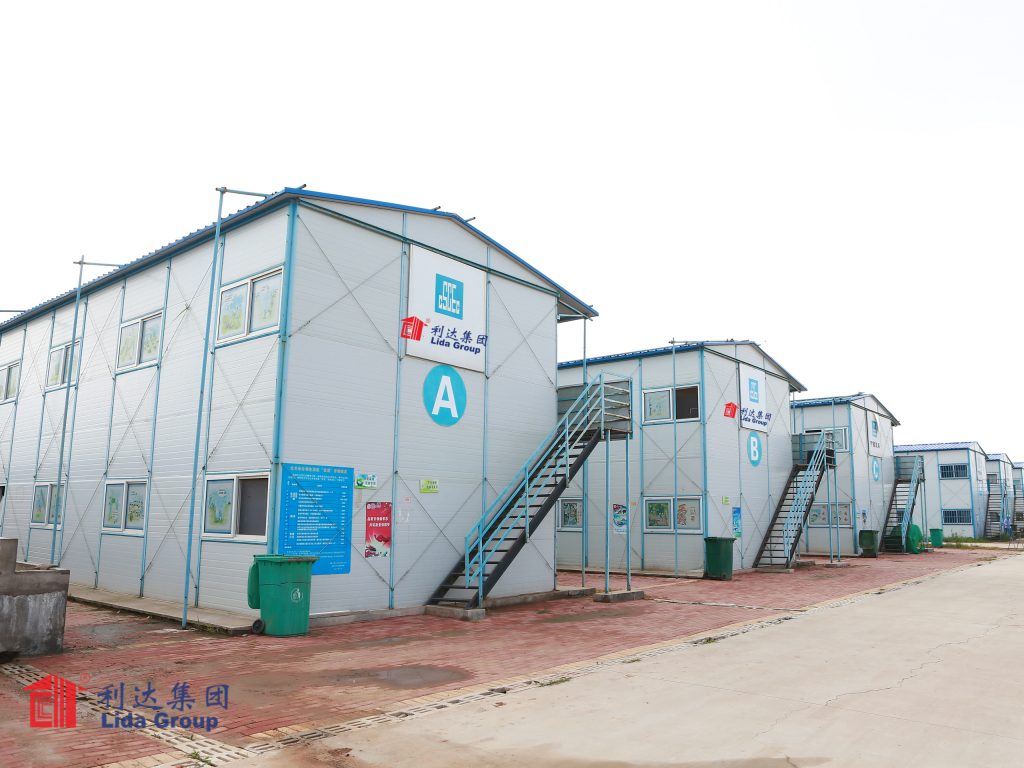
A third case study comes from a disaster relief project in Bangladesh, where our prefab emergency shelters were deployed after a major flood displaced thousands of people. The project required low-cost, durable shelters that could be quickly deployed and withstand Bangladesh’s hot, humid climate and frequent rains. Our folding prefab shelters were delivered by truck and assembled by local workers in just 2 hours per shelter. Each shelter costs less than $500 to produce and deliver—significantly lower than traditional emergency tents—and is designed to last for 8 years with minimal maintenance. The shelters feature moisture-proof floors, waterproof roofing, and insect-proof screens, providing a durable, healthy living environment for displaced families. Over 1,000 of our shelters were deployed, and after 2 years, 95% of them remain in excellent condition, with no major repairs needed, proving their durability in one of the world’s most challenging environments.
Beyond the direct benefits of low cost and durability, our innovative prefab solutions also deliver significant environmental and social benefits, further enhancing their value. By reducing material waste, optimizing energy usage, and using eco-friendly materials, our prefab solutions have a much lower carbon footprint than traditional construction. For example, the production of our galvanized light steel frames generates 40% less carbon emissions than the production of traditional reinforced concrete, and our material recycling process reduces landfill waste by 90%. Additionally, the energy efficiency of our prefab buildings reduces long-term carbon emissions from heating and cooling, contributing to global efforts to combat climate change.
Socially, our prefab solutions help address critical housing and infrastructure shortages, especially in low-income and rural communities. By providing low-cost, durable affordable housing, we help reduce homelessness and improve living conditions for vulnerable populations. Our prefab rural schools and clinics enable communities to access essential education and healthcare services without the burden of high construction costs, while our emergency shelters provide life-saving accommodation during disasters. Furthermore, our streamlined construction process creates local jobs in factory production and on-site assembly, supporting economic development in the regions where we operate. For example, in the Kenya rural housing project, we hired and trained 50 local workers to assist with on-site assembly, providing them with valuable skills and income.
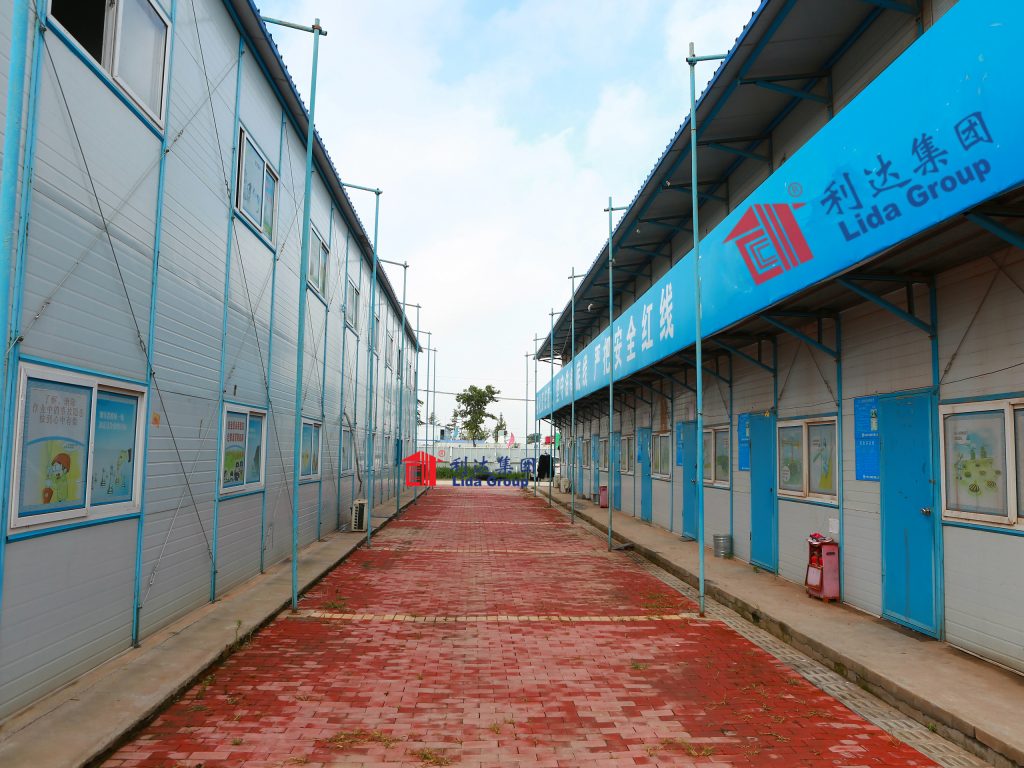
As the global construction industry continues to evolve, the demand for low-cost, durable buildings will only grow—driven by urbanization, population growth, climate change, and budget constraints. Our innovative prefab solutions are well-positioned to meet this demand, leveraging continuous technological innovation to further enhance cost-effectiveness and durability. Looking to the future, we will continue to invest in research and development (R&D) to optimize our modular designs, develop new cost-effective materials, and integrate smart technologies into our prefab solutions. For example, we are currently developing lightweight, high-strength composite materials that will further reduce material costs while enhancing durability, and we are integrating smart sensors into our modules to enable real-time monitoring of structural health, reducing maintenance costs and extending building lifespans.
We also plan to expand our global footprint, bringing our innovative prefab solutions to more regions around the world—especially in developing countries where the need for low-cost, durable housing and infrastructure is most urgent. By partnering with local contractors, governments, and non-governmental organizations (NGOs), we will adapt our solutions to local climate conditions, building codes, and cultural needs, ensuring they deliver maximum value to local communities. Additionally, we will continue to advocate for the adoption of prefab technology in the construction industry, educating clients and stakeholders about the benefits of prefab solutions in balancing low cost and durability, and promoting sustainable, efficient construction practices.
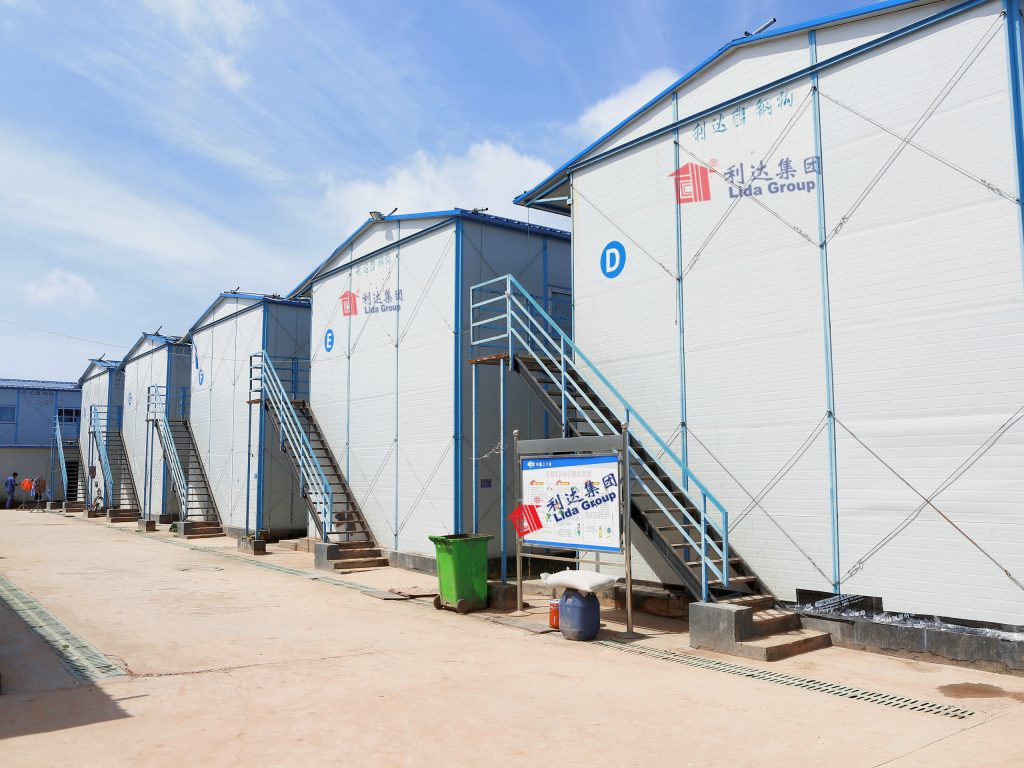
Balancing cost-effectiveness and durability has long been a major challenge in the global construction industry, with traditional construction methods failing to deliver on both fronts due to inefficiencies, waste, inconsistent quality, and high labor costs. Our innovative prefabricated (prefab) solutions have emerged as a transformative solution to this dilemma, enabling clients to achieve low-cost, durable buildings through a streamlined “factory prefabrication + on-site assembly” model that integrates advanced technology, optimized materials, and strict quality control.
The core advantages of our prefab solutions in achieving low-cost construction are multifaceted. We optimize material selection by using cost-effective, high-performance materials such as galvanized light steel frames and composite panels, reducing material costs while enhancing durability. Our factory-based production minimizes material wastage (to below 3%, compared to 10-15% in traditional construction) and eliminates weather-related delays, while streamlined on-site assembly reduces labor costs by 50% or more and shortens construction cycles by 60% on average. Long-term cost savings are further achieved through low maintenance requirements and improved energy efficiency, which reduces heating and cooling costs by 30-50% over the building’s lifespan.
Durability is integrated into every stage of our solutions, from design and material selection to production and installation. Our prefab modules are engineered to meet global safety standards, withstanding seismic activity, strong winds, and fire, while high-performance materials resist corrosion, moisture, mold, and pest infestations. A strict quality control system—including rigorous testing of components and automated inspections—ensures consistent quality, with buildings designed to last for over 50 years, compared to 30-40 years for traditional structures.
Our prefab solutions are highly versatile, adaptable to diverse building types including affordable housing, rural infrastructure, emergency shelters, and industrial warehouses, with customized designs to meet specific project needs. Real-world case studies from Kenya, Australia, and Bangladesh demonstrate the tangible impact of our solutions, delivering low-cost, durable buildings that meet the unique challenges of each region. Beyond cost and durability, our solutions also deliver environmental benefits (reduced carbon emissions, waste reduction) and social benefits (addressing housing shortages, creating local jobs).
In conclusion, our innovative prefab solutions redefine the possibilities of low-cost, durable construction, eliminating the trade-off between affordability and longevity that plagues traditional methods. By leveraging modular technology, optimized materials, and streamlined processes, we provide clients with high-quality buildings that are affordable to construct, maintain, and operate—while standing the test of time. As the construction industry continues to prioritize cost-effectiveness, durability, and sustainability, our prefab solutions will remain at the forefront, driving positive change and helping clients achieve their building goals with confidence. With ongoing R&D and global expansion, we are committed to making low-cost, durable buildings accessible to all, contributing to a more sustainable, equitable future for the construction industry and communities worldwide.
Related news
-
Innovative Design for Durable Modular Container Living Spaces
2026-02-14 16:11:21
-
Lida Group Introduces Eco-Friendly Prefab Worker Dormitory with Sandwich Panels
2026-02-14 16:25:05
-
Lida Group's Easy Install Container House Saves Time and Labor
2026-02-14 14:56:21
contact us
- Tel: +86-532-88966982
- Whatsapp: +86-13793209022
- E-mail: sales@lidajituan.com
