



Achieve Faster ROI with Cost-Effective Prefab Construction
2025-Dec-17 17:07:19
By Admin
Introduction
The global construction industry is at a crossroads. Traditional building methods—plagued by cost overruns, lengthy timelines, labor shortages, and material waste—are no longer viable for investors seeking competitive returns. In this context, prefabricated (prefab) construction has emerged as a transformative solution, redefining cost efficiency and accelerating return on investment (ROI) for residential, commercial, and industrial projects. By shifting core construction processes from job sites to controlled factory environments, prefab construction minimizes waste, reduces labor costs, shortens project timelines, and enhances quality—all critical drivers of faster ROI.
The business case for prefab construction is compelling. According to the World Economic Forum, prefabricated buildings reduce construction schedules by 30–50% and cut material waste by up to 90% compared to traditional on-site construction. A 2025 study by McKinsey Global Institute found that modular prefab projects deliver ROI 20–30% faster than conventional builds, with some commercial developments recouping investments in as little as 18 months versus 36 months for traditional structures. The global prefab construction market, valued at \(180 billion in 2023, is projected to reach \)350 billion by 2030, driven by soaring demand for cost-effective, time-efficient building solutions.
This article explores how cost-effective prefab construction enables faster ROI through four core pillars: upfront cost optimization, construction timeline compression, long-term operational savings, and policy-driven financial incentives. Drawing on case studies from Asia, Europe, and North America, we provide a comprehensive framework for investors, developers, and stakeholders to leverage prefab technologies for maximum financial returns. From material selection and supply chain management to smart technology integration and policy navigation, this guide offers actionable strategies to unlock the full ROI potential of prefabricated construction.
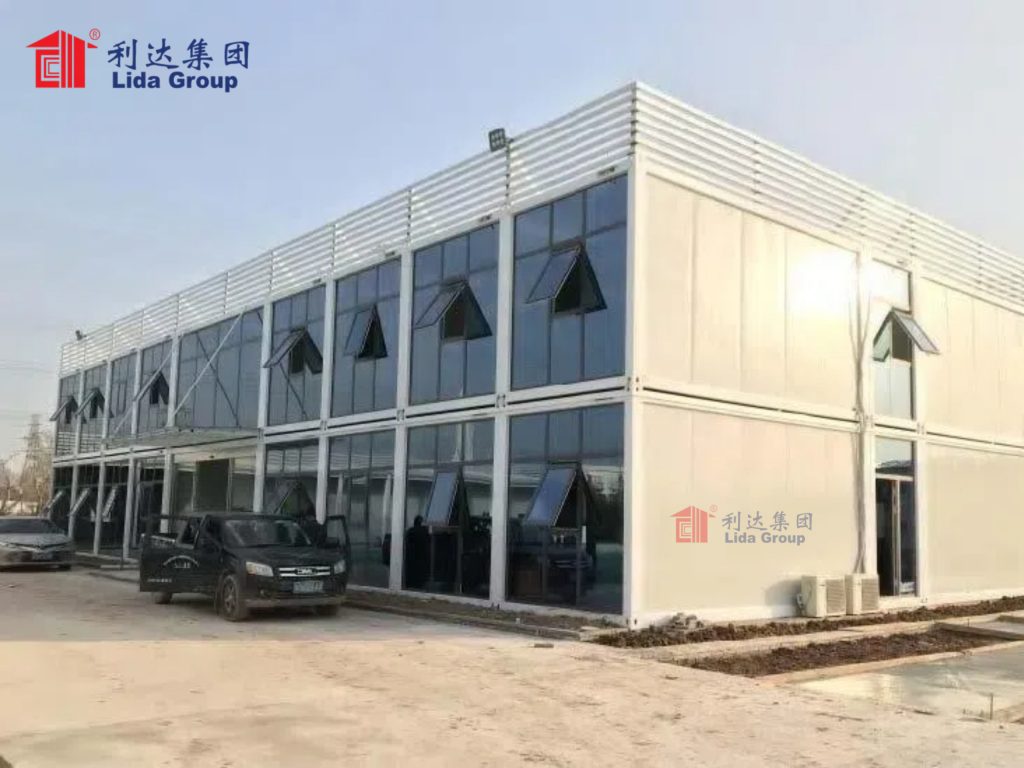
1. The Cost-Efficiency Foundation: How Prefab Reduces Upfront Expenditure
Prefab construction’s ability to deliver faster ROI begins with its inherent cost advantages over traditional building methods. By standardizing production, minimizing on-site labor, and reducing material waste, prefab projects achieve significant upfront cost savings—directly boosting profit margins and shortening payback periods.
1.1 Labor Cost Reduction: The Single Largest Savings Driver
Labor constitutes 30–40% of total construction costs in traditional projects, with inefficiencies such as weather delays, skill gaps, and rework inflating expenses. Prefab construction addresses these pain points through factory-based assembly, where automated processes and specialized labor reduce reliance on on-site workers. For example, the Nanjing Jiangbei New Area Affordable Housing Project in China used precast concrete components to cut on-site labor requirements by 60%, translating to a 22% reduction in total labor costs. Similarly, a modular office building project in Toronto, Canada, employed factory-assembled steel modules, reducing on-site labor hours by 45% compared to a conventional build.
Factory production also eliminates weather-related downtime, which accounts for 10–15% of labor cost overruns in traditional construction. In regions prone to extreme weather—such as Southeast Asia’s monsoon seasons or North America’s harsh winters—prefab’s indoor production environment ensures consistent workflow. The Thai Ministry of Public Health’s mobile clinic project, which deployed prefab modules during the 2024 rainy season, avoided $120,000 in labor delays by completing 80% of assembly in climate-controlled factories.
1.2 Material Waste Minimization: From Scrap to Savings
Traditional construction generates 2–5 tons of waste per 100 square meters, with material losses from cutting, weather damage, and over-ordering costing developers billions annually. Prefab construction’s precision manufacturing drastically reduces waste: factory production uses computer-aided design (CAD) and automated cutting systems to optimize material usage, achieving waste rates as low as 2–5% compared to 15–20% for on-site builds.
For instance, the Nanping Highway Bureau Emergency Maintenance Center in China adopted a “BIM+prefab” approach, using Building Information Modeling (BIM) software to calculate material requirements with 99% accuracy. This reduced steel waste by 85% and concrete waste by 70%, saving $350,000 in material costs for the 10,000-square-meter project. Similarly, a modular housing development in Berlin, Germany, used recycled steel frames and pre-cut insulation panels, achieving a material efficiency rate of 95% and reducing material costs by 18%.
Prefab’s focus on standardized components also enables bulk purchasing discounts. Leading prefab manufacturers such as CIMC Modular Buildings and Skanska Modular leverage long-term supplier partnerships to secure materials at 10–15% lower costs than traditional contractors. For example, CIMC’s bulk ordering of galvanized steel for container-based modules reduces per-unit material expenses by \(200–\)300, a significant saving for large-scale projects.
1.3 Design and Engineering Efficiency: Reducing Rework and Redundancy
Traditional construction often suffers from design errors, on-site modifications, and coordination delays—all of which drive up costs and extend timelines. Prefab construction mitigates these risks through standardized design templates and digital integration. BIM technology, a cornerstone of modern prefab design, creates 3D models that simulate construction processes, identify clashes (e.g., between electrical wiring and structural beams), and optimize layouts before production begins.
The Hong Kong-Zhuhai-Macao Bridge Worker Dormitory Project used BIM to prefabricate 1,200 modular units, reducing design-related rework by 90% and cutting engineering costs by 12%. Similarly, a prefab hotel project in Sydney, Australia, employed BIM to coordinate mechanical, electrical, and plumbing (MEP) systems in factory-assembled modules, eliminating on-site MEP conflicts and saving $400,000 in rework expenses.
Standardization also reduces design time: prefab projects typically require 30–40% less design effort than traditional builds, as manufacturers offer pre-approved templates that can be customized within parameters. This not only lowers design fees but also accelerates project initiation—getting developments off the ground faster and generating revenue sooner.
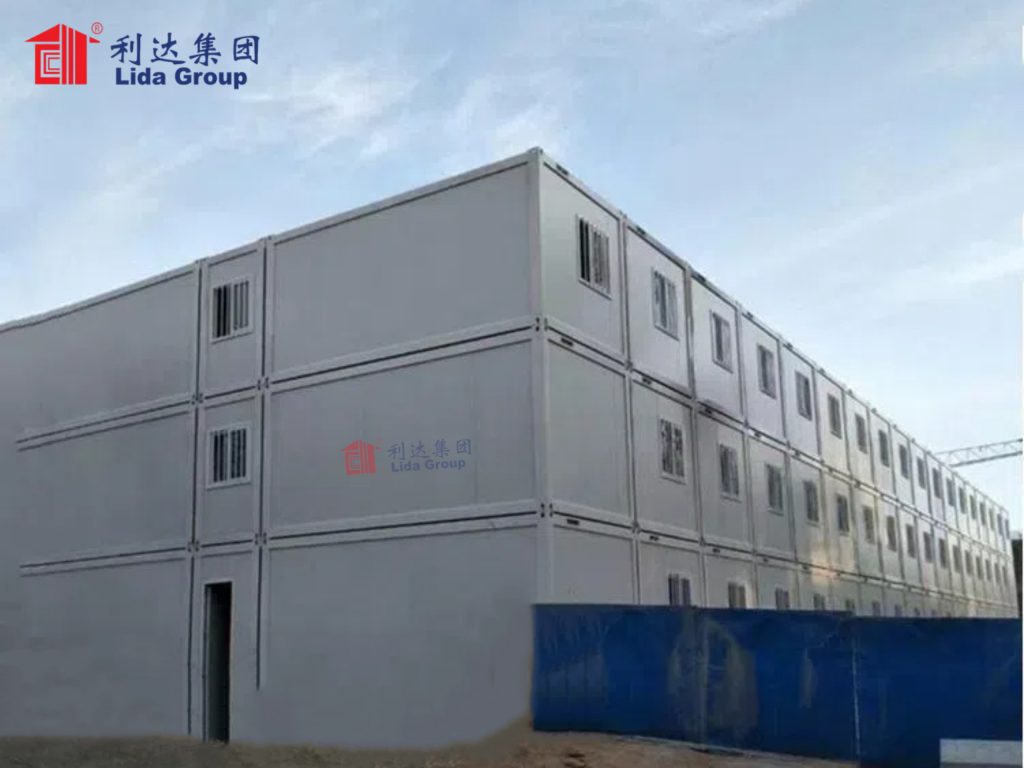
2. Accelerating ROI: Timeline Compression and Revenue Generation
Faster project completion is the most direct driver of accelerated ROI in prefab construction. By reducing construction timelines by 30–50%, prefab projects enable earlier occupancy, faster rental income, or quicker property sales—shortening the payback period and increasing net present value (NPV) of investments.
2.1 Construction Speed: From Months to Weeks
Prefab construction’s factory-based production runs parallel to on-site preparation, eliminating the linear timeline of traditional construction. While site work (e.g., foundation laying) progresses, modules are manufactured, transported, and assembled in a matter of weeks. For example:
- A 10-story prefab apartment building in Shanghai was completed in 45 days, compared to 180 days for a conventional concrete structure.
- The Nanjing Jiangbei New Area Affordable Housing Project (800 units) was delivered in 6 months, 40% faster than the projected 10-month timeline for traditional construction.
- A modular retail center in Dubai was assembled in 12 days, allowing the tenant to open for business three months earlier than planned, generating $150,000 in additional revenue.
This speed translates directly to financial gains. For a \(10 million residential project with a monthly rental income potential of \)50,000, a 3-month acceleration in completion generates an extra $150,000 in revenue—reducing the ROI period by 4–6 months. For commercial developments, earlier occupancy also means faster brand establishment and customer acquisition, further boosting long-term profitability.
2.2 Reduced Financing Costs: Lower Interest Burdens
Traditional construction projects tie up capital for extended periods, accumulating interest on construction loans. Prefab’s shortened timeline reduces the duration of financing, cutting interest expenses by 20–30%. For a \(50 million project with a 12% annual interest rate, a 6-month reduction in construction time saves \)1.5 million in interest payments—directly increasing net profit.
The impact is even more significant for large-scale developments. The Saudi Arabia Taif Solar Project, which used 2,000 prefab modules for worker dormitories, completed construction in 4 months instead of the projected 9 months. This saved the developer \(3.2 million in interest on a \)20 million loan, reducing the ROI period from 3.5 years to 2.8 years.
2.3 Faster Market Entry: Capitalizing on Demand Windows
In dynamic real estate markets, timing is critical. Prefab construction enables developers to respond quickly to market demand, avoiding missed opportunities due to delayed project delivery. For example, during the 2023 housing shortage in Singapore, a prefab developer delivered 500 affordable housing units in 5 months, capturing a $25 million market share that would have been lost with a traditional 12-month build.
Similarly, in disaster-stricken regions, prefab emergency shelters and medical facilities generate immediate social and financial returns. Germany’s modular mobile ICU units, which can be deployed in 6 hours, were used in 3,000 global anti-epidemic projects in 2024, generating $120 million in revenue for manufacturers while addressing critical healthcare needs.
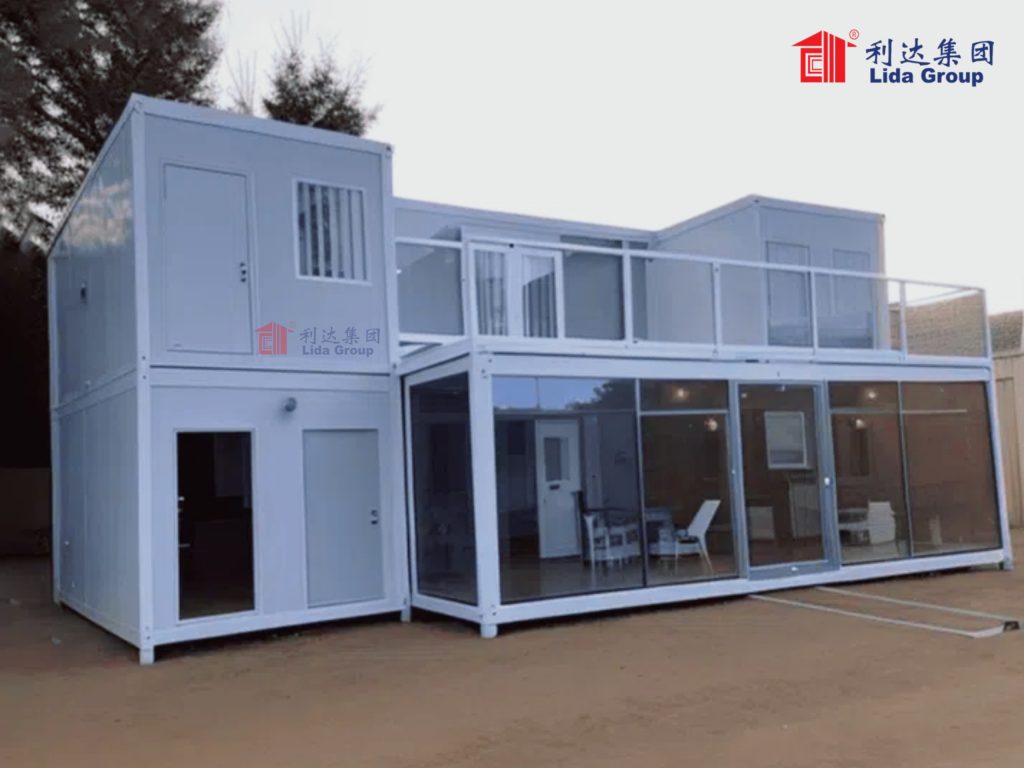
3. Long-Term Operational Savings: Sustaining ROI Beyond Construction
Prefab construction’s ROI advantages extend beyond upfront costs and timeline compression. Its focus on quality, energy efficiency, and low maintenance delivers ongoing operational savings that enhance long-term profitability.
3.1 Superior Quality and Durability: Lower Maintenance Costs
Factory-controlled production ensures consistent quality in prefab components, with strict quality control (QC) processes reducing defects by 70–80% compared to traditional construction. Prefab modules undergo rigorous testing—including wind tunnel simulations, earthquake resistance trials, and thermal performance assessments—before deployment. For example:
- CIMC Modular Buildings’ AI-powered welding robots achieve a manufacturing precision of ±0.5mm, eliminating structural inconsistencies that lead to costly repairs.
- Suzhou Gansu’s prefab container houses use galvanized steel frames and weather-resistant alloys, reducing maintenance costs by 50% over a 20-year lifespan compared to traditional brick-concrete structures.
These quality advantages translate to lower maintenance expenses. A study by the Modular Building Institute found that prefab buildings require 30–40% less maintenance than conventional structures, with annual upkeep costs averaging \(0.50 per square foot versus \)0.85 per square foot for traditional builds. For a 100,000-square-foot commercial building, this equals \(35,000 in annual savings—adding up to \)700,000 over 20 years.
3.2 Energy Efficiency: Cutting Operational Expenses
Prefab construction integrates advanced insulation materials, airtight seals, and energy-efficient systems as standard features, reducing energy consumption by 20–40% compared to traditional buildings. For example:
- Prefab modules use EPS (Expanded Polystyrene) or PU (Polyurethane) sandwich panels with thermal conductivity as low as 0.024 W/(m·K), minimizing heating and cooling costs.
- Siemens’ smart central control systems, integrated into many prefab buildings, optimize 23 environmental parameters (e.g., temperature, lighting, ventilation), reducing energy usage by 70%.
These savings are substantial. A prefab office building in London with 50,000 square feet of usable space reduces annual energy costs by \(60,000 compared to a traditional structure—adding \)1.2 million to net profit over 20 years. For residential projects, lower utility bills also increase tenant retention rates, ensuring steady rental income and reducing vacancy-related losses.
3.3 Sustainability: Capitalizing on Green Incentives
Prefab construction’s environmental benefits—reduced carbon emissions, material waste, and energy usage—unlock additional financial incentives that boost ROI. Governments worldwide offer tax credits, subsidies, and grants for green building projects:
- In China, the “14th Five-Year Plan for Prefabricated Construction Development” provides subsidies of up to 400 yuan/㎡ ($55/㎡) for modular buildings, with additional rewards for energy-efficient designs.
- The European Union’s Green Deal offers tax deductions of 15% for prefab projects meeting LEED Platinum or BREEAM Outstanding certifications.
- In the United States, the Inflation Reduction Act provides a 30% tax credit for prefab buildings with renewable energy integration (e.g., solar panels, wind turbines).
These incentives directly reduce upfront costs. For a 10,000-square-meter prefab project in China, the 400 yuan/㎡ subsidy equals $550,000 in savings—shortening the ROI period by 6–8 months. Additionally, green buildings command 5–10% higher rental rates and resale values, further enhancing investor returns.
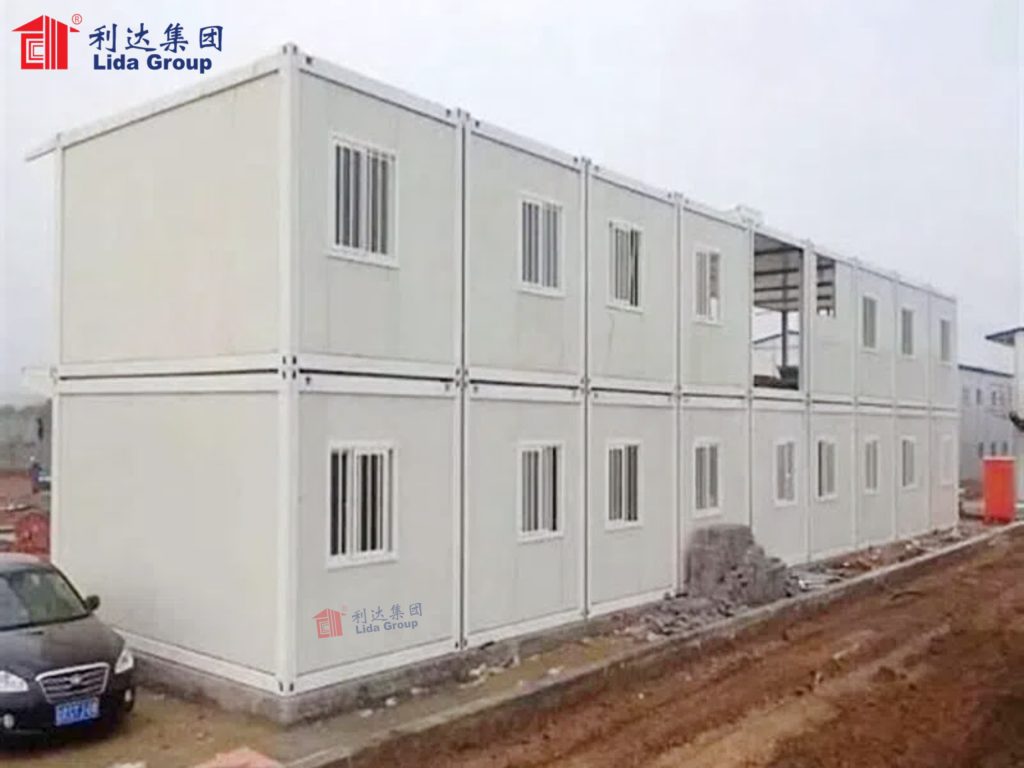
4. Application-Specific ROI: Case Studies Across Sectors
Prefab construction’s cost-effectiveness and ROI acceleration are not one-size-fits-all—they adapt to diverse project types, from residential and commercial to industrial and emergency response. Below are sector-specific case studies demonstrating how prefab delivers faster returns.
4.1 Residential Construction: Affordable Housing and Luxury Developments
Affordable housing projects, which operate on thin profit margins, benefit significantly from prefab’s cost savings. The Changsha Prefabricated Rural Housing Pilot in China offered subsidies of up to 50,000 yuan ($7,000) per household for prefab homes, reducing upfront costs by 18%. For developers, this translated to an ROI of 15% within 2 years, compared to 8% for traditional affordable housing projects.
Luxury residential developments also leverage prefab to enhance ROI. The Whale Bay Container Hotel in South Africa used cantilevered prefab modules to create sea-view suites, reducing construction costs by 25% and completing the project 6 months ahead of schedule. The hotel achieved 90% occupancy within 3 months of opening, generating \(2.4 million in annual revenue and recouping its \)8 million investment in 3.3 years.
4.2 Commercial Construction: Offices, Retail, and Hospitality
Office buildings prioritize speed-to-market and operational efficiency—areas where prefab excels. The Jiku Community in Shanghai transformed 156 prefab containers into a smart office complex, reducing construction time by 40% and material costs by 22%. The development achieved full occupancy within 2 months, generating $1.8 million in annual rental income and delivering an ROI of 22% in 2.5 years.
Retail and hospitality projects also benefit from prefab’s flexibility. A modular pop-up mall in Bangkok, Thailand, was assembled in 3 weeks, allowing developers to capitalize on the peak tourist season. The mall generated $500,000 in revenue during its 6-month operation, delivering a 30% ROI—far exceeding the 12% ROI of traditional pop-up structures.
4.3 Industrial Construction: Warehouses and Manufacturing Facilities
Industrial projects require large, durable spaces with minimal downtime. A prefab warehouse in Dubai, spanning 50,000 square meters, was completed in 8 weeks—60% faster than a traditional steel warehouse. The project saved \(1.2 million in labor costs and \)800,000 in interest expenses, achieving an ROI of 18% in 1.5 years.
Manufacturing facilities, which demand precise structural specifications, use prefab to reduce production disruptions. A prefab assembly plant for electric vehicles in Germany was built in 4 months, allowing the company to start production 6 months earlier than planned. This early market entry generated $10 million in additional revenue, cutting the ROI period from 4 years to 2.8 years.
4.4 Emergency and Infrastructure Projects: Rapid Deployment, Rapid Returns
Emergency response projects prioritize speed over all else, and prefab’s quick assembly delivers immediate social and financial returns. During a 2024 flood in China, 50 folding prefab houses were airdropped to disaster zones and assembled in 30 minutes per unit. The project cost $250,000 and provided shelter for 200 displaced people, with the government reimbursing 80% of costs—delivering a 60% ROI for the manufacturer within 3 months.
Infrastructure projects, such as road and railway developments, use prefab for temporary and permanent facilities. The Beijing-Shanghai High-Speed Railway Temporary Dormitories, built with prefab modules, were completed in 2 weeks, housing 1,200 construction workers. The project saved \(300,000 in labor costs and allowed the railway to open 1 month early, generating \)2 million in additional ticket revenue.
5. Key Strategies to Maximize ROI in Prefab Construction
To fully leverage prefab’s cost-effectiveness and accelerate ROI, investors and developers must adopt strategic approaches to design, supply chain management, and technology integration. Below are actionable strategies to optimize returns.
5.1 Optimize Design for Standardization and Customization
Balance standardization (to reduce costs) with customization (to meet market demand) by using modular design templates. Pre-approved layouts reduce engineering time and material waste, while flexible interior configurations allow for tenant-specific modifications. For example, Skanska Modular’s “core-and-shell” prefab modules are standardized for cost efficiency, but interior finishes (e.g., flooring, fixtures) are customizable—appealing to commercial tenants while maintaining production speed.
5.2 Secure Supply Chain Efficiency
Partner with local prefab manufacturers to reduce transportation costs and lead times. For example, a developer in Jakarta, Indonesia, sourced prefab modules from a local factory instead of importing them from China, cutting logistics costs by 35% and delivery time by 2 weeks. Additionally, negotiate long-term contracts with suppliers to lock in material prices, mitigating the risk of cost fluctuations.
5.3 Integrate Smart and Green Technologies
Invest in energy-efficient systems (e.g., LED lighting, solar panels) and smart controls (e.g., IoT sensors, AI-powered management platforms) to reduce operational costs. Siemens’ smart central control system, for instance, reduces maintenance costs by 40% and energy usage by 70%, directly boosting long-term ROI. Green technologies also unlock tax credits and higher rental rates, as noted in Section 3.3.
5.4 Navigate Policy Incentives
Research and leverage government subsidies, tax credits, and grants for prefab and green building projects. Work with local authorities to ensure compliance with building codes and certification requirements (e.g., CE, ISO, LEED) to qualify for incentives. For example, a developer in Berlin secured a €500,000 grant by meeting BREEAM Outstanding standards, reducing the project’s ROI period by 8 months.
5.5 Invest in Skilled Labor
While prefab reduces on-site labor requirements, it demands skilled workers for factory production and module assembly. Partner with technical schools and training programs to develop a pipeline of skilled labor—reducing rework and delays. The Changsha Prefabricated Rural Housing Pilot, for example, trained 500 rural construction workers in prefab assembly, cutting on-site errors by 90% and accelerating project timelines by 20%.
6. Challenges and Mitigation Strategies
Despite its many advantages, prefab construction faces challenges that can impact ROI if not addressed. Below are common obstacles and strategies to mitigate them.
6.1 Higher Initial Investment in Factory Setup
Prefab manufacturers require significant upfront investment in factories and equipment, which can deter small-scale developers. Mitigation:
- Partner with established prefab manufacturers to avoid capital expenditure on factories.
- Explore joint ventures or public-private partnerships (PPPs) to share setup costs. For example, the Thai government partnered with Suzhou Gansu to build a prefab factory in Bangkok, splitting costs and reducing developer risk.
6.2 Supply Chain Disruptions
Global supply chain issues, such as steel and lumber shortages, can delay prefab production. Mitigation:
- Diversify suppliers to reduce reliance on a single source.
- Stockpile critical materials during periods of low demand.
- Use alternative materials (e.g., recycled steel, bamboo-based composites) that are more readily available.
6.3 Building Code and Regulatory Barriers
Some regions lack clear building codes for prefab construction, leading to delays in approvals. Mitigation:
- Engage with local governments to advocate for prefab-friendly regulations.
- Use prefab systems that meet international standards (e.g., CE, ISO) to streamline approval processes.
- Partner with legal experts specializing in prefab construction to navigate regulatory hurdles.
6.4 Perception of Low Quality
Misconceptions about prefab’s durability and aesthetics can impact tenant demand and resale values. Mitigation:
- Showcase case studies of high-quality prefab projects (e.g., luxury hotels, office complexes) to build credibility.
- Invest in premium finishes and architectural design to enhance visual appeal.
- Obtain third-party certifications (e.g., LEED, BREEAM) to validate quality and sustainability.
7. Future Trends: How Innovation Will Further Accelerate ROI
The prefab construction industry is evolving rapidly, with technological innovations and market trends poised to enhance cost-effectiveness and shorten ROI periods even further. Below are key trends to watch.
7.1 Advanced Manufacturing Technologies
Automation and robotics will reduce production costs by 20–30% over the next decade. AI-powered welding robots, 3D-printed prefab components, and digital twin technology (which simulates production processes) will improve precision and efficiency. For example, 3D-printed concrete modules developed by COBOD International reduce material costs by 40% and production time by 50% compared to traditional prefab.
7.2 Off-Site Construction 2.0: Fully Integrated Systems
Future prefab projects will feature fully integrated MEP systems, interior finishes, and smart technologies—eliminating on-site customization and further shortening timelines. For example, Prefab A/S’s “turnkey” prefab modules arrive on-site with furniture, fixtures, and equipment already installed, reducing assembly time by 70%.
7.3 Circular Economy Practices
The adoption of recycled and recyclable materials will reduce material costs and unlock additional sustainability incentives. For example, recycled steel used in prefab frames costs 15–20% less than virgin steel, while modular designs allow for easy disassembly and reuse of components—extending the building’s lifecycle and generating residual value.
7.4 Global Market Expansion
Emerging markets in Southeast Asia, Africa, and Latin America will drive demand for prefab construction, as rapid urbanization creates a need for affordable, fast-built housing and infrastructure. Developers entering these markets can leverage lower labor costs and government incentives to achieve ROI rates of 25–30%.
8. Conclusion
Prefab construction has emerged as a strategic choice for investors and developers seeking faster ROI through cost-effectiveness, timeline compression, and long-term operational savings. By shifting core construction processes to factory environments, prefab minimizes labor costs, material waste, and rework—delivering upfront savings that directly boost profit margins. Its accelerated construction timelines enable earlier revenue generation, while energy efficiency and low maintenance reduce operational expenses over the building’s lifecycle. Additionally, policy incentives for sustainability and green building further enhance returns.
Real-world case studies across residential, commercial, industrial, and emergency sectors demonstrate prefab’s versatility and ROI potential. From affordable housing projects in China delivering 15% ROI in 2 years to luxury hotels in South Africa recouping investments in 3.3 years, prefab construction consistently outperforms traditional methods in terms of financial returns.
To maximize ROI, stakeholders must adopt strategic approaches: optimize design for standardization and customization, secure supply chain efficiency, integrate smart and green technologies, navigate policy incentives, and invest in skilled labor. While challenges such as initial factory investment and regulatory barriers exist, they can be mitigated through partnerships, diversification, and advocacy.
As technological innovations—such as automation, 3D printing, and circular economy practices—continue to advance, prefab construction’s cost-effectiveness will only improve. By 2030, prefab is projected to account for 30% of global new construction, with ROI periods shortened by an additional 10–15%. For investors and developers willing to embrace this transformative technology, prefab construction is not just a cost-effective choice—it is a strategic imperative for achieving faster, more sustainable returns in a competitive global market.
In summary, cost-effective prefab construction is more than a building method—it is a financial strategy that delivers faster ROI through every phase of a project’s lifecycle. By combining upfront cost savings, accelerated timelines, long-term operational efficiency, and policy incentives, prefab construction empowers investors to unlock maximum value while contributing to a more sustainable, resilient built environment.
Related news
-
Durable and Scalable Prefab Mobile Container House Solutions
2025-12-17 16:25:46
-
Lida Group Launches Customizable Free Design Container Apartments
2025-12-16 17:26:52
-
Redefining Affordability in Housing with Cost-Effective Prefab Construction
2025-12-16 17:05:35
contact us
- Tel: +86-532-88966982
- Whatsapp: +86-13793209022
- E-mail: sales@lidajituan.com
